There’s something magical about walking into a bathroom and feeling instantly at peace. Maybe it’s the clean lines, the perfect proportions, or that sense of timeless elegance that never feels outdated. That’s exactly what a well-designed subway tile bathroom brings to your home.
I’ve been fascinated by how this simple rectangular tile has managed to stay relevant for over a century. Originally used in New York’s subway stations in the early 1900s, these classic bathroom tiles have evolved into one of the most versatile design elements in modern homes. Whether you’re drawn to crisp white subway tiles or ready to experiment with bold colors and creative patterns, there’s a subway tile solution for every style and budget.
What makes subway tile so special? It’s the perfect balance of simplicity and sophistication. These tiles work beautifully in tiny powder rooms and spacious master suites alike, adapting to whatever vision you have in mind.

Classic White Subway Tile Layouts
1. Traditional Running Bond Pattern

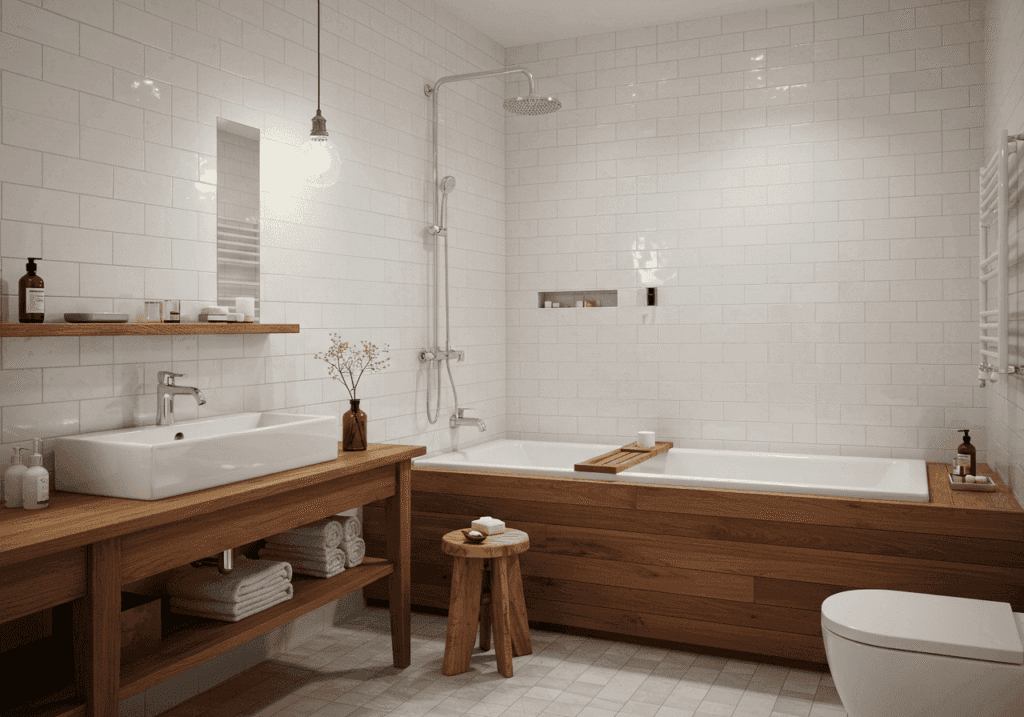
The running bond pattern is where most homeowners start their subway tile journey, and honestly, there’s good reason for that. This traditional bathroom design involves laying tiles in straight, horizontal rows with each row offset by half a tile length. It creates clean, orderly lines that make any space feel larger and more organized.
I love how this pattern works in both vintage-inspired and contemporary bathrooms. The key is in the details – white grout creates a seamless, spa-like feel, while dark grout adds definition and character. For smaller bathrooms, this classic layout helps create the illusion of more space without overwhelming the room.
The beauty of the running bond lies in its versatility. You can use it floor-to-ceiling in a shower, as a backsplash behind your vanity, or even as wainscoting for a more traditional approach. It’s forgiving for DIY installations too, making it perfect for anyone tackling their first small bathroom renovation project.
2. Vertical Stack Pattern

Sometimes the most striking designs come from the simplest changes. Instead of the traditional horizontal layout, try stacking your subway tiles vertically. This creates bold, uninterrupted lines that draw the eye upward and make ceilings appear higher.
This pattern works particularly well in narrow bathrooms or powder rooms where you want to create the illusion of height. I’ve seen it used beautifully behind floating vanities, where the vertical lines emphasize the clean, modern aesthetic. The effect is both contemporary and surprisingly timeless.
What’s interesting about vertical stacking is how it changes the entire mood of the space. While horizontal patterns feel calming and stable, vertical patterns add energy and movement. It’s a simple shift that can completely transform your bathroom’s personality.
3. Floor-to-Ceiling Coverage

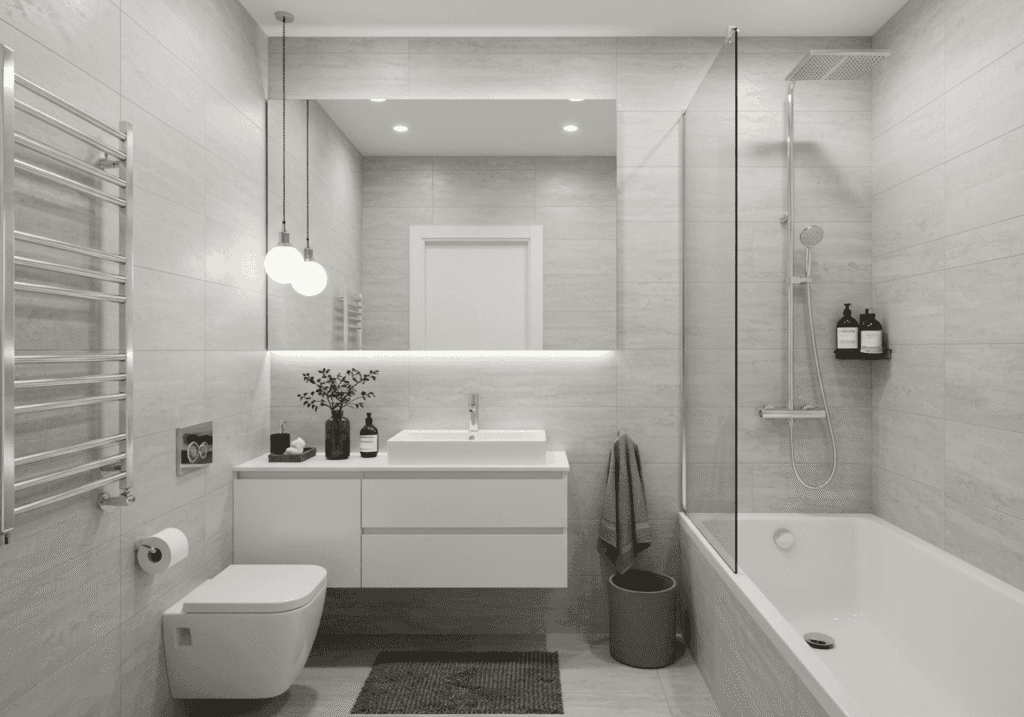
Going all-in with subway tiles from floor to ceiling creates an incredibly cohesive and sophisticated look. This approach works especially well in smaller bathrooms where you want to minimize visual breaks and create a sense of continuity.
The key to pulling off floor-to-ceiling subway tile is choosing the right grout color and considering your lighting. Light grout keeps things bright and airy, while darker grout can add drama and definition. I’ve noticed that this approach works particularly well when paired with statement lighting or interesting hardware.
This technique also simplifies your design decisions. When the walls are covered in beautiful subway tile, you don’t need to worry about paint colors or wallpaper. It’s a clean, streamlined approach that never goes out of style.
Creative Subway Tile Patterns
4. Herringbone Pattern

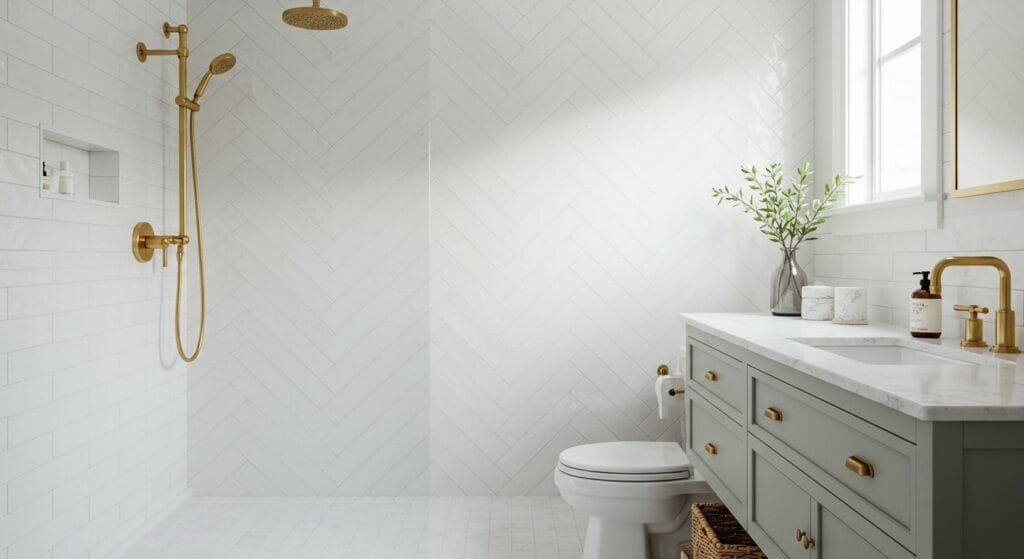
Ready to add some visual interest without losing that classic appeal? Herringbone patterns are perfect for homeowners who want something special but not too bold. This pattern uses rectangular subway tiles meeting at right angles to create a sophisticated zigzag formation that adds incredible texture and movement.
The herringbone pattern works beautifully in showers, behind vanities, or as accent walls. It creates depth and visual interest while maintaining that serene, hotel-like atmosphere we all crave. I particularly love how it looks in spa-like bathroom settings where you want sophistication without overwhelming the peaceful vibe.
Installation requires more planning than traditional layouts, but the results are absolutely worth the extra effort. The pattern draws attention and creates a focal point while still maintaining the timeless appeal of classic subway tiles.
5. Chevron Design

Similar to herringbone but with a more continuous flow, chevron patterns cut the tile ends at angles to create an uninterrupted zigzag effect. This creates a more dynamic and modern feeling compared to traditional herringbone layouts.
Chevron works particularly well as an accent wall or in shower niches where you want to create a statement. The continuous lines add energy and movement to the space while maintaining the sophisticated appeal of subway tile.
This pattern requires precise cutting and installation, so it might be worth considering professional installation. However, the dramatic effect it creates can completely transform an ordinary bathroom into something extraordinary.
6. Basket Weave Pattern

For those ready to push boundaries while staying within the subway tile family, basket weave patterns offer exciting possibilities. This layout alternates between horizontal and vertical tile orientations, creating a woven textile effect that’s both unexpected and sophisticated.
The basket weave pattern works especially well when you want to highlight a specific area, like behind a vanity or in a shower niche. It adds texture and visual interest without being overwhelming, making it perfect for small bathroom spaces where every detail matters.
This pattern requires careful planning to ensure the alternating tiles align properly, but the unique texture it creates is unlike anything else in the subway tile world.
7. Diagonal Layout

Turning your entire tile installation at a 45-degree angle creates incredible dynamic movement and can make small spaces feel larger and more interesting. Diagonal layouts are particularly effective in powder rooms where you want to make a bold statement.
This approach requires more cutting and waste, but the visual impact is dramatic. The diagonal lines create energy and movement that can completely change how a space feels. It works beautifully with both light and dark grout, depending on the mood you want to create.
Consider using diagonal patterns in specific areas rather than throughout the entire bathroom. It works wonderfully as an accent behind floating vanities or in shower areas.
Colored Subway Tile Ideas
8. Sage Green Subway Tiles

Colored subway tiles are having a major moment, and sage green leads the pack for good reason. This soft, earthy tone brings natural tranquility to bathroom spaces while maintaining the timeless appeal of the subway tile shape.
Sage green works beautifully in both traditional and contemporary settings. Pair it with brass fixtures for a vintage feel, or choose matte black hardware for a more modern approach. The color is sophisticated enough for master bathrooms yet playful enough for powder rooms.
I love how sage green subway tiles create a calming, spa-like atmosphere. They work particularly well in bathrooms with natural light, where the subtle color variations become more apparent throughout the day.
9. Navy Blue Statement Walls

Bold navy blue subway tiles create dramatic focal points while maintaining classic sophistication. This rich color works beautifully as an accent wall behind vanities or in shower areas, providing depth and character without overwhelming the space.
Navy subway tiles pair exceptionally well with white fixtures and brass or gold hardware. The contrast creates visual interest while keeping the overall palette sophisticated and timeless. It’s a perfect choice for homeowners who want color but aren’t ready to commit to anything too bold.
Consider using navy tiles in combination with white subway tiles for a two-tone effect that’s both striking and balanced. This approach works particularly well in larger bathrooms where you have space to play with color blocking.
10. Soft Pink Blush Tones

Blush pink subway tiles offer a gentle way to introduce color while maintaining the classic subway tile aesthetic. This soft, romantic shade works beautifully in powder rooms and master bathrooms alike, creating warmth without being overwhelming.
Pink subway tiles pair surprisingly well with both warm and cool metals. Try brass for a vintage-inspired look, or choose chrome for something more contemporary. The key is keeping other elements neutral so the soft pink can shine.
This color choice works particularly well in bathrooms with plenty of natural light, where the subtle pink tones create a warm, welcoming atmosphere throughout the day.
11. Charcoal Gray Sophistication

Charcoal gray subway tiles bring modern sophistication to bathroom spaces while maintaining timeless appeal. This versatile color works as both a neutral background and a statement element, depending on how you style the rest of the space.
Gray subway tiles work beautifully with white fixtures and can handle both warm and cool accent colors. They’re particularly effective in contemporary bathrooms where you want depth and character without bold color statements.
Consider using different shades of gray subway tiles together for a subtle ombre effect, or pair charcoal tiles with lighter gray or white tiles for interesting contrast.
Size Variations and Modern Twists
12. Large Format Subway Tiles

Traditional subway tiles measure 3×6 inches, but larger formats like 4×8 or 6×12 inches create a more contemporary feel while maintaining the classic proportions. These larger tiles work particularly well in spacious bathrooms where traditional sizes might feel too busy.
Large format subway tiles require fewer grout lines, creating a cleaner, more streamlined appearance. This makes them perfect for modern bathroom renovation ideas where simplicity and sophistication are key.
The larger size also means faster installation and easier maintenance, making them practical as well as beautiful. They work especially well in walk-in showers where you want clean lines and minimal visual interruption.
13. Mini Subway Tile Charm

On the opposite end of the spectrum, mini subway tiles (typically 1×3 inches) create intricate patterns and vintage charm. These smaller tiles work beautifully in powder rooms or as accent areas where you want detailed texture and visual interest.
Mini subway tiles require more grout lines, which can be used as a design element. Dark grout creates a graphic, grid-like effect, while matching grout keeps things subtle and refined. They’re perfect for creating that authentic vintage subway aesthetic.
These tiny tiles work particularly well in small bathroom spaces where their scale feels proportionate to the room size. They add detail without overwhelming compact areas.
14. Glossy vs. Matte Finishes

The finish of your subway tile can dramatically change the overall feel of your bathroom. Glossy tiles reflect light and create a bright, clean appearance that works beautifully in traditional and contemporary settings alike.
Matte subway tiles, on the other hand, create a more subtle, sophisticated look. They’re less prone to showing water spots and fingerprints, making them practical for busy family bathrooms. The matte finish also works well with contemporary design trends.
Consider mixing finishes for added interest – glossy tiles for most surfaces with matte accents, or vice versa. This subtle variation adds depth and character while maintaining cohesion.
Grout Color and Pattern Combinations
15. Bold Dark Grout Contrast

One of the most impactful decisions in subway tile design is grout color. Dark grout with white subway tiles creates bold geometric patterns that add character and definition to any space. This high-contrast approach works particularly well in contemporary and industrial-style bathrooms.
Black or dark gray grout with white tiles creates a graphic, grid-like effect that’s both timeless and on-trend. It’s also practical – dark grout shows less dirt and staining than white grout, making maintenance easier over time.
The key to pulling off dark grout is ensuring your tile installation is perfectly aligned. Any imperfections become more noticeable with high contrast, so precision is essential for professional-looking results.
16. Matching Grout for Seamless Flow

Sometimes the most sophisticated choice is the subtle one. Matching your grout color to your tile color creates a seamless, continuous surface that feels luxurious and spa-like. This approach works particularly well with colored subway tiles where you want the tile color to take center stage.
White tiles with white grout create that classic, clean aesthetic that never goes out of style. It’s perfect for small bathroom ideas where you want to maximize the feeling of openness and light.
This approach also allows other design elements – like fixtures, hardware, and accessories – to become the focal points in your bathroom design.
17. Colored Grout Accents

Why limit creativity to just tile color? Colored grout opens up exciting design possibilities while maintaining the classic subway tile shape. Consider soft gray, sage green, or even bold navy grout to complement your tile choice and overall design scheme.
Colored grout works particularly well with white or neutral subway tiles, where the grout becomes a design element in its own right. It’s a subtle way to introduce color without committing to colored tiles throughout the entire space.
This approach allows you to be creative and personal while maintaining the timeless appeal of subway tile. It’s perfect for homeowners who want something unique but not overwhelming.
Mixed Materials and Accent Combinations
18. Subway Tile and Natural Stone

Combining subway tiles with natural stone creates beautiful contrast and adds luxury to bathroom spaces. Consider using subway tile for main wall areas and natural stone for shower niches, wainscoting, or accent strips.
This combination works particularly well when you want to add texture and natural elements to your bathroom design. The smooth, uniform subway tiles provide a clean backdrop, while natural stone adds organic variation and luxury appeal.
Popular combinations include white subway tile with marble, travertine, or natural slate accents. The key is choosing stones that complement rather than compete with your subway tile choice.
19. Metallic Accent Strips

Adding thin metallic strips between rows of subway tiles creates sophisticated detail without overwhelming the classic design. Stainless steel, brass, or copper strips can add just the right amount of glamour and visual interest.
This technique works particularly well in contemporary bathrooms where you want to add luxury details. The metallic strips catch light and create subtle sparkle while maintaining the clean lines of traditional subway tile layouts.
Consider using metallic accents sparingly – perhaps just in shower areas or behind vanities – for maximum impact without overwhelming the space.
20. Two-Tone Subway Tile Combinations

Combining two colors of subway tiles creates dynamic visual interest while maintaining the classic aesthetic. Popular combinations include white and gray, white and navy, or different shades of the same color family.
Two-tone combinations work beautifully for creating accent walls, chair rail effects, or geometric patterns. You might use darker tiles for the lower portion of walls with lighter tiles above, or create vertical or horizontal stripes.
The key to successful two-tone subway tile design is choosing colors that complement each other and your overall bathroom design scheme. Consider how the colors will work with your fixtures, flooring, and lighting.
Making Your Subway Tile Dreams Reality

Planning your subway tile bathroom requires careful consideration of pattern, color, grout, and installation details. Start by considering your bathroom’s size, lighting, and overall style goals. Small bathrooms often benefit from classic layouts and lighter colors, while larger spaces can handle bolder patterns and darker hues.
Don’t forget about practical considerations like maintenance and durability. Glossy tiles are easier to clean but show water spots more readily, while matte finishes hide imperfections but may require different cleaning approaches.
Whether you’re drawn to classic white subway tiles in traditional patterns or ready to experiment with bold colors and creative layouts, these timeless tiles offer endless possibilities for creating the bathroom of your dreams. The key is choosing options that reflect your personal style while maintaining the sophisticated simplicity that makes subway tile eternally appealing.
Remember that subway tile installation can be a DIY project for simpler patterns, but complex layouts like herringbone or diagonal patterns often benefit from professional installation. Consider your skill level and the importance of precise alignment when making this decision.

Sanjai creates easy, affordable home decor ideas that anyone can try. Through simple tips and curated finds, he helps you style rooms you’ll love coming home to.