Your kitchen workspace deserves better than those shadowy corners where you’re squinting to chop vegetables or struggling to read recipe measurements. The right under-cabinet lighting can completely transform how your kitchen feels and functions – turning those dim work areas into bright, welcoming spaces that actually make cooking enjoyable.
Whether you’re dealing with a galley kitchen that never gets enough natural light or you just want to add some sophisticated ambiance to your culinary haven, these lighting solutions will solve your illumination challenges while adding a touch of modern elegance. From budget-friendly LED strips to statement-making fixtures, there’s something here for every style and budget.
1. LED Strip Lights – The Classic Choice

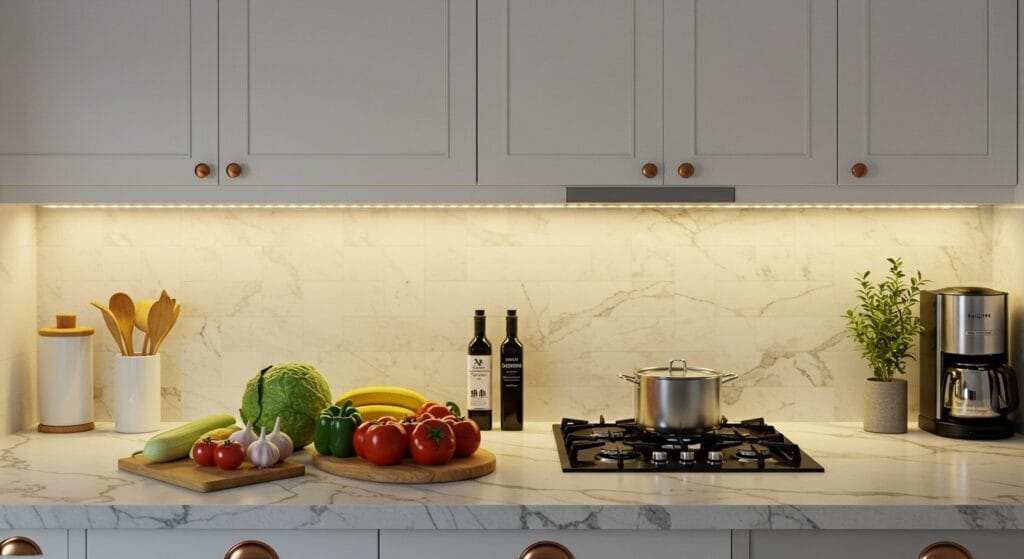
LED strip lights remain the most popular choice for under-cabinet lighting, and honestly, it’s easy to see why. They’re incredibly versatile, energy-efficient, and can be customized to fit any cabinet configuration you’re working with.
The beauty of LED strips lies in their flexibility – literally. You can bend them around corners, cut them to exact lengths, and even find versions that change color temperature throughout the day. Some homeowners love the cool white light for food prep during the day, then switch to warmer tones for evening entertaining.
Installation is surprisingly straightforward too. Most modern LED strips come with adhesive backing, though I’d recommend using mounting channels for a more professional look. The channels help diffuse the light evenly and protect the strips from kitchen moisture and grease.
2. Puck Lights for Focused Task Lighting

Sometimes you need concentrated light exactly where you’re working, and that’s where puck lights shine. These small, round fixtures provide focused beams that are perfect for specific work zones like your coffee station or prep area.
Puck lights work particularly well in kitchens with glass-front cabinets because they create beautiful accent lighting that showcases your dishware. You can space them evenly for general illumination or cluster them over your most-used workspace areas.
The wireless versions have really improved recently – many now offer dimming capabilities and can be controlled via smartphone apps. This means you can adjust your kitchen task lighting without reaching under cabinets or fumbling for switches.
3. Linear LED Fixtures with Modern Appeal

If you’re going for a sleek, contemporary look, linear LED fixtures are absolutely stunning. These longer fixtures create continuous lines of light that feel very architectural and sophisticated – perfect for modern or transitional kitchen designs.
Unlike strip lights, linear fixtures come in pre-made lengths with finished end caps, giving them a more polished appearance straight out of the box. They’re also typically brighter than strips, making them ideal for kitchens where you do a lot of detailed food preparation.
Many linear fixtures now include motion sensors, which is honestly a game-changer when your hands are full or messy from cooking. The lights automatically turn on when they detect movement and shut off after a set period.
4. Battery-Operated Lights for Rental-Friendly Solutions

Renters, this one’s for you! Battery-operated under-cabinet lights have come such a long way from those dim, flickering options of the past. Today’s battery lights can be surprisingly bright and long-lasting.
The newest models use rechargeable lithium batteries that can run for weeks on a single charge. Some even come with magnetic mounting systems, so you can easily remove them for charging without any permanent installation.
This flexibility also makes them perfect for testing different lighting layouts before committing to a hardwired solution. You can experiment with placement and brightness levels to see what works best in your specific kitchen and dining space.
5. Smart Under-Cabinet Lighting Systems

Smart home technology has revolutionized kitchen lighting, and under-cabinet systems are no exception. These lights can be controlled via voice commands, smartphone apps, or automated schedules that sync with your daily routine.
Imagine having your kitchen lights gradually brighten as you make your morning coffee, or having them automatically dim to a warm amber glow during late-night snack runs. Some systems even integrate with other smart home devices, turning on when you enter the kitchen.
The color-changing capabilities are particularly fun for entertaining. You can create mood lighting that matches your dinner party theme or use cooler tones when you’re doing detailed food prep work.
6. Hardwired Professional Installation

While DIY options are tempting, there’s something to be said for professional hardwired installation, especially if you’re doing a major kitchen renovation. Hardwired systems eliminate the need for visible cords and provide the most reliable, consistent lighting.
A qualified electrician can install switches in convenient locations and even tie your under-cabinet lighting into existing circuits. This approach works particularly well when combined with other home improvement ideas you might be planning.
The upfront cost is higher, but hardwired systems typically last longer and perform more reliably than plug-in alternatives. Plus, they add actual value to your home, which is always a bonus.
7. Color Temperature Options for Different Moods

Not all white light is created equal, and choosing the right color temperature can dramatically affect how your kitchen feels. Warm white (2700K-3000K) creates a cozy, inviting atmosphere that’s perfect for casual dining and entertaining.
Cool white (4000K-5000K) provides crisp, clear illumination that’s ideal for detailed tasks like chopping, reading recipes, or spotting spills that need cleaning. Some people prefer this brighter light for their main work areas.
Daylight (5000K-6500K) mimics natural sunlight and can help reduce eye strain during long cooking sessions. It’s particularly helpful in kitchens that don’t get much natural light throughout the day.
8. Tape Lights for Seamless Integration

Tape lights, also called ribbon lights, are incredibly thin and flexible, making them perfect for installations where you want the lighting to be virtually invisible. They can follow curves and angles that would be impossible with traditional fixtures.
These ultra-low-profile lights are particularly effective in modern kitchens where clean lines and minimal visual clutter are priorities. When installed in proper channels with diffusers, the light appears to emerge magically from beneath the cabinets.
The installation process requires a bit more planning than standard LED strips, but the results are worth it. The seamless integration makes your kitchen look like it was designed by a professional lighting designer.
9. Dimmable Solutions for Versatile Lighting

Dimmable under-cabinet lighting gives you incredible control over your kitchen’s ambiance. Bright light when you’re prepping ingredients, medium light for casual cooking, and soft light for evening cleanup or late-night visits to the kitchen.
Modern dimmer switches designed for LED lights are much more sophisticated than older models. They provide smooth, consistent dimming without flickering or buzzing, and many can be controlled remotely or programmed to specific settings.
Some dimmer systems even have memory functions that remember your preferred light levels for different times of day. This automation makes your kitchen lighting ideas both practical and effortless.
10. Motion Sensor Activated Lights

Motion sensor lights are practically magical when you’re cooking with messy hands or carrying groceries into the kitchen. They turn on automatically when you approach and shut off after a predetermined period of inactivity.
The sensitivity of modern motion sensors has improved dramatically – they can detect subtle movements without being triggered by pets or air currents from HVAC systems. Many also include ambient light sensors that prevent them from turning on unnecessarily during daylight hours.
Battery-powered motion sensor lights are particularly convenient for pantry areas or coffee stations where you might not have easy access to electrical outlets. They provide instant illumination exactly when and where you need it.
11. Rope Lights for Budget-Friendly Ambiance

Don’t overlook rope lights if you’re working with a tight budget. Modern LED rope lights are far superior to the old incandescent versions and can create beautiful ambient lighting at a fraction of the cost of other options.
Rope lights work particularly well in rustic or farmhouse-style kitchens where the slightly more casual appearance fits the overall design aesthetic. They’re also great for seasonal decorating – you can easily swap them out for different colors during holidays.
The key to making rope lights look intentional rather than temporary is proper mounting. Use appropriate clips and channels to keep them straight and evenly spaced along your cabinet edges.
12. Cabinet Interior Lighting

Why limit yourself to just the undersides of cabinets? Interior cabinet lighting transforms your storage spaces into beautiful display areas while making it easier to find what you need. This approach works especially well with glass-front cabinets or open shelving.
LED strips or small puck lights inside cabinets can showcase your beautiful dishes, glassware, or collectibles. The warm glow creates a sophisticated ambiance that makes your kitchen feel more like a curated space than just a functional room.
For deeper cabinets, consider motion-activated interior lights that turn on when you open the doors. This practical addition makes finding items in dark corners much easier and safer.
13. Under-Island and Peninsula Lighting

Don’t forget about your kitchen island or peninsula! These areas often create shadows on their own surfaces, making under-lighting essential for both function and style. The lighting helps define the island as a separate zone while providing task lighting for bar seating.
Island lighting can be more dramatic than standard under-cabinet lighting since the fixtures are more visible. Consider linear lights that span the full length of your island for a bold, architectural effect.
This type of lighting is particularly effective in open concept living spaces where the kitchen island serves as a natural room divider. The under-lighting helps visually separate the kitchen from adjacent living areas.
14. Integrated Power Solutions

One of the biggest challenges with under-cabinet lighting is managing power cords and outlets. Integrated power solutions, including pop-up outlets and hidden power strips, can make your installation look much more professional.
Under-cabinet power strips that mount directly to the cabinet bottom provide convenient outlets for small appliances while keeping cords organized and out of sight. Some even include USB ports for charging devices.
Pop-up outlets that retract into the countertop when not in use are particularly elegant. They provide power exactly where you need it without cluttering your backsplash with multiple outlet covers.
15. Warm vs. Cool LED Cabinet Lights

The choice between warm and cool LED cabinet lights can significantly impact your kitchen’s atmosphere and functionality. Warm lights (2700K-3000K) create a cozy, residential feel that’s perfect for entertaining and casual meal preparation.
Cool lights (4000K-6500K) provide better color rendering for food preparation, making it easier to assess freshness and cook food to proper doneness. Many professional chefs prefer cooler light temperatures for detailed work.
Some homeowners choose tunable white LEDs that can adjust color temperature throughout the day – cooler for morning prep work and warmer for evening dining. This flexibility lets you optimize your lighting for different activities and times.
16. Wireless and Remote Control Options

Wireless under-cabinet lighting systems offer incredible convenience and flexibility. Remote controls let you adjust brightness, change colors, or turn lights on and off without reaching for wall switches or fumbling under cabinets.
Many wireless systems now include smartphone apps that provide even more control options. You can create lighting scenes, set timers, or even sync your lights with music for entertaining. Some systems learn your usage patterns and automatically adjust throughout the day.
The latest wireless lights also integrate with voice assistants, so you can control your kitchen lighting hands-free while cooking. This is particularly helpful when your hands are messy or full.
17. Energy-Efficient LED Technology

Modern LED cabinet lights use a fraction of the energy compared to older halogen or xenon alternatives while providing superior light quality and longevity. The energy savings can be significant, especially if you leave your under-cabinet lights on for extended periods.
LED lights also generate much less heat, which is important in the confined space under cabinets. This reduces the risk of heat damage to stored items and keeps your kitchen more comfortable during cooking.
The lifespan of quality LED lights often exceeds 25,000 hours, meaning you might never need to replace them. This longevity, combined with energy savings, makes LEDs an excellent long-term investment for your kitchen upgrade.
Choosing the Right Under-Cabinet Lighting for Your Space
Selecting the perfect under-cabinet lighting depends on your specific needs, budget, and kitchen style. Consider how you use your kitchen most often – do you do lots of detailed food prep that requires bright, cool light, or do you prefer ambient lighting for entertaining?
Your cabinet style and kitchen layout will also influence your choice. Sleek modern kitchens often benefit from linear fixtures or tape lights, while traditional spaces might look better with individual puck lights or warm rope lighting.
Don’t forget to factor in installation complexity and your comfort level with electrical work. While some options are perfect DIY projects, others might require professional installation to ensure safety and optimal performance. The investment in proper kitchen renovation lighting will pay dividends in both functionality and enjoyment of your space.
Budget considerations matter too, but remember that under-cabinet lighting is something you’ll use daily for years to come. Sometimes it’s worth spending a bit more upfront for features like dimming capability or smart controls that will enhance your daily kitchen experience.
The right under-cabinet lighting transforms more than just visibility – it changes how your entire kitchen feels and functions. Whether you choose simple LED strips or a sophisticated smart lighting system, you’ll wonder how you ever cooked in those dim shadows before.

Sanjai creates easy, affordable home decor ideas that anyone can try. Through simple tips and curated finds, he helps you style rooms you’ll love coming home to.