Your backyard should be your sanctuary – a place where you can unwind without feeling like you’re putting on a show for the neighbors. Whether you’re dealing with curious eyes from next door or trying to block an unsightly view, the right backyard privacy screen can transform your outdoor space from exposed to intimate.
I’ve spent years helping homeowners create peaceful outdoor retreats, and nothing changes the feel of a backyard quite like smart privacy solutions. The challenge? Finding options that provide the screening you need while actually enhancing your space’s beauty rather than making it feel closed off.
Privacy doesn’t have to mean sacrificing style or breaking the bank. From living walls that bloom with color to clever architectural elements that double as design features, there are countless ways to create the secluded outdoor oasis you’ve been dreaming of.
Why Your Backyard Needs the Right Privacy Solution
Creating privacy in your outdoor space goes beyond just blocking views – it’s about crafting an environment where you can truly relax. When you’re constantly aware of neighbors or passersby, it’s nearly impossible to fully enjoy your outdoor spaces.
The psychological impact of privacy is real. Studies show that people feel more relaxed and creative in spaces where they have control over their visibility. This is especially important in your backyard, where you want to host gatherings, read a book, or simply enjoy your morning coffee without feeling exposed.
Budget considerations matter too. While some privacy solutions require significant investment, many effective options can be implemented for under $200. The key is choosing solutions that match both your privacy needs and your space’s existing aesthetic.
Natural Privacy Screens That Grow With Time
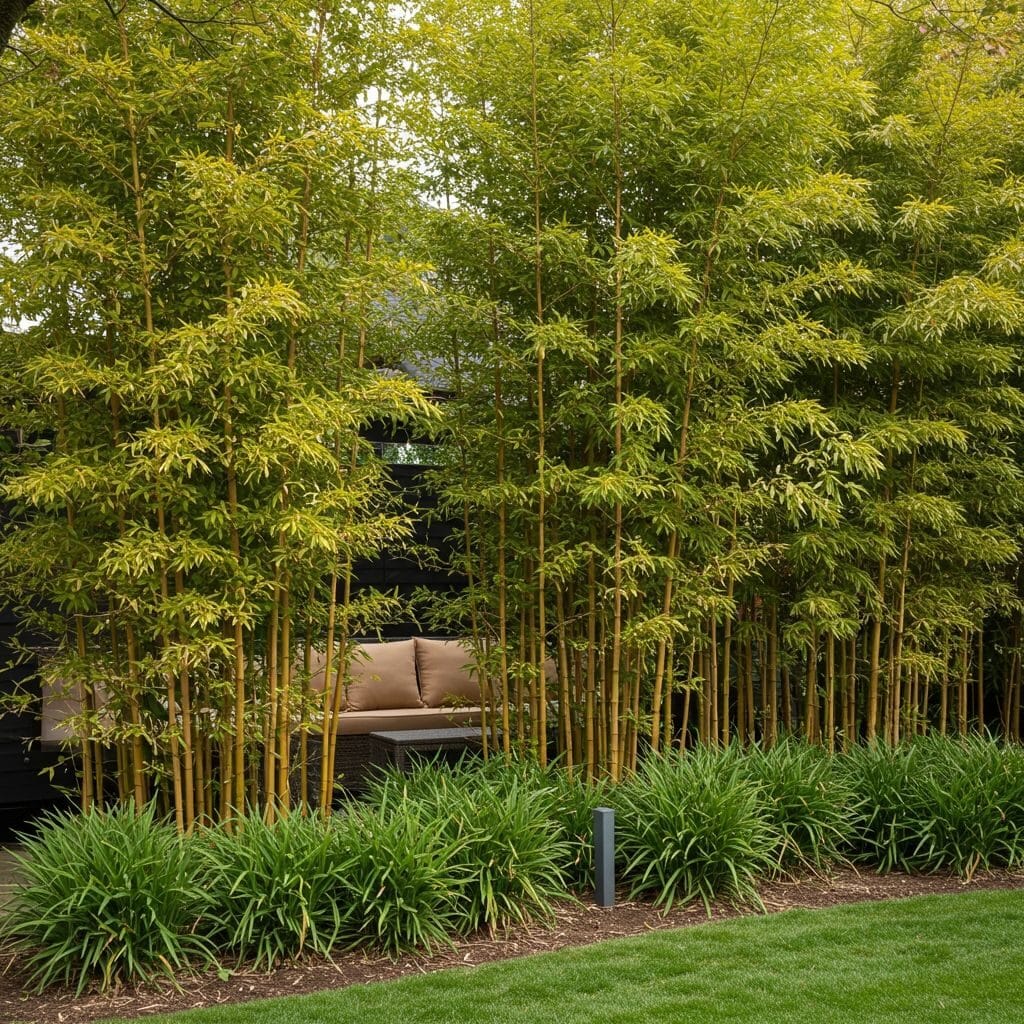
Living privacy screens offer the perfect blend of function and natural beauty. Fast-growing hedge plants like Leyland cypress or bamboo can create a dense barrier in just 2-3 years, while providing year-round screening that only gets better with time.
Bamboo deserves special attention as a privacy solution. Clumping varieties like Buddha’s Belly or Fargesia can grow 8-12 feet tall while staying contained, making them ideal for smaller yards. Unlike running bamboo, these varieties won’t take over your neighbor’s property, which keeps everyone happy.
For immediate impact with future growth potential, consider planting a mix of established shrubs and faster-growing options. This gives you some privacy right away while your long-term solution fills in. Evergreen options ensure year-round coverage, while deciduous plants can offer seasonal interest with fall colors or spring blooms.
Vertical Garden Privacy Walls
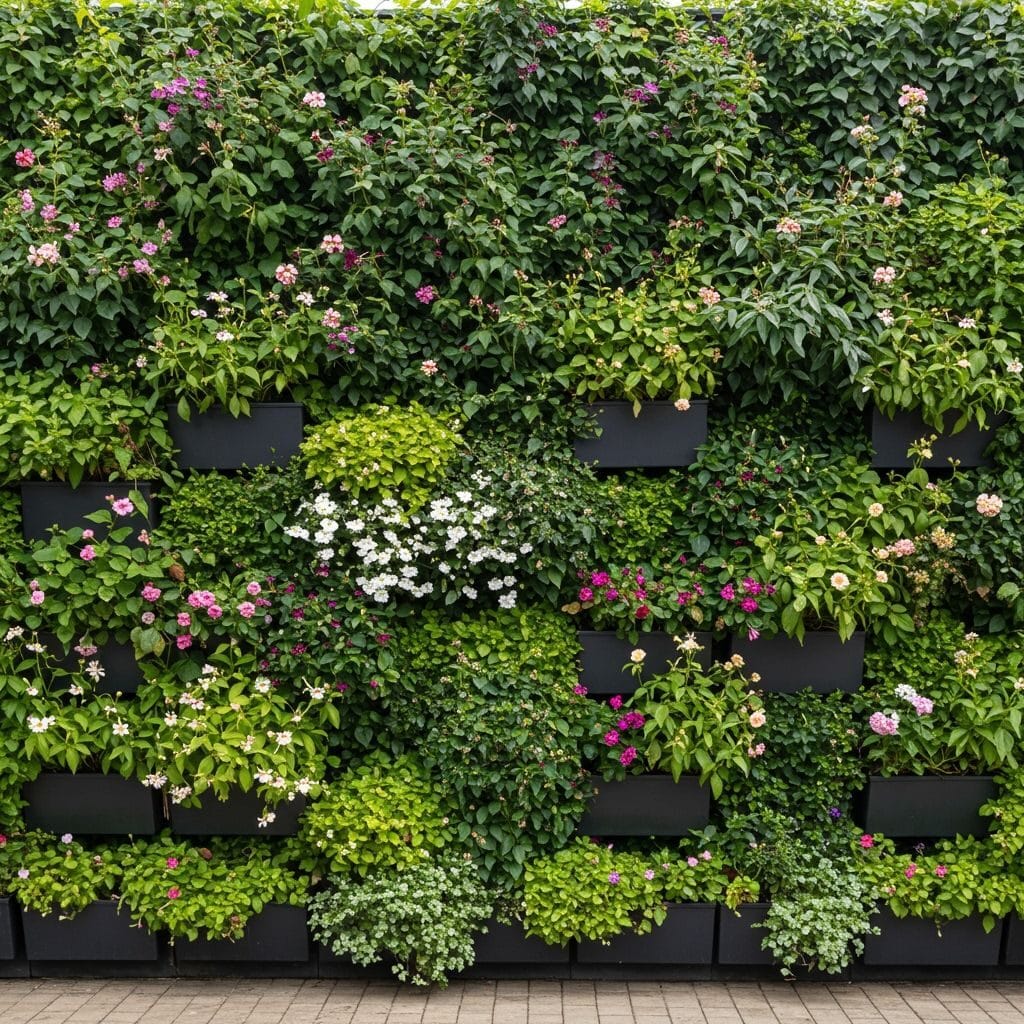
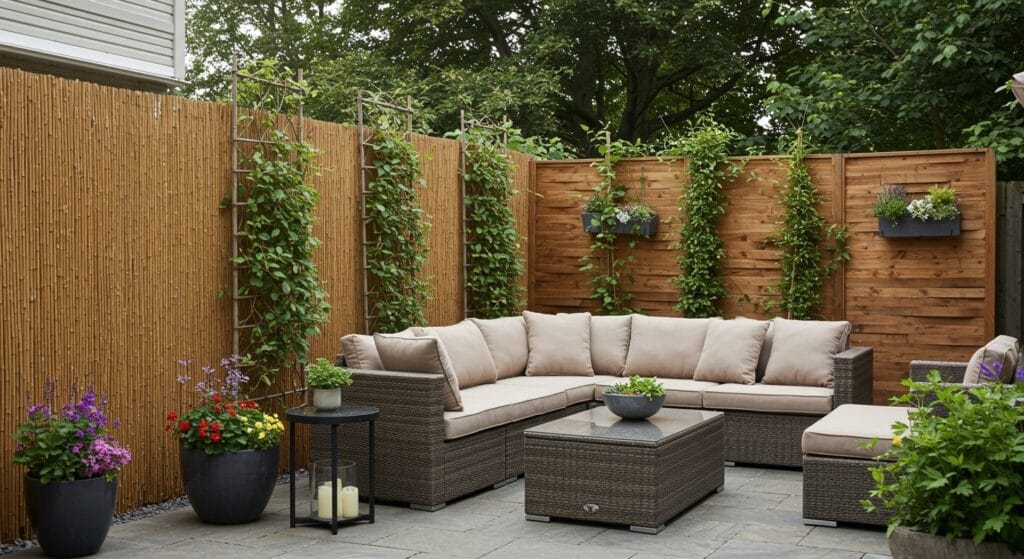
Vertical gardens solve multiple problems at once – they provide privacy, add greenery to small spaces, and can even help with air quality. A trellis system with climbing vines creates a living wall that feels organic rather than imposed.
Popular climbing options include clematis for flowers, English ivy for quick coverage, or edible choices like grape vines or climbing beans. The key is choosing plants that match your climate and maintenance preferences. Some homeowners love the look of jasmine cascading down their outdoor seating areas, while others prefer the structured look of espalier fruit trees.
Installation doesn’t have to be complicated. Simple wire or wood trellis systems can be attached to existing fences or set up as freestanding panels. For renters or those wanting flexibility, large planters with trellis attachments create moveable privacy that can be adjusted seasonally.
Creative Fence Alternatives and Extensions
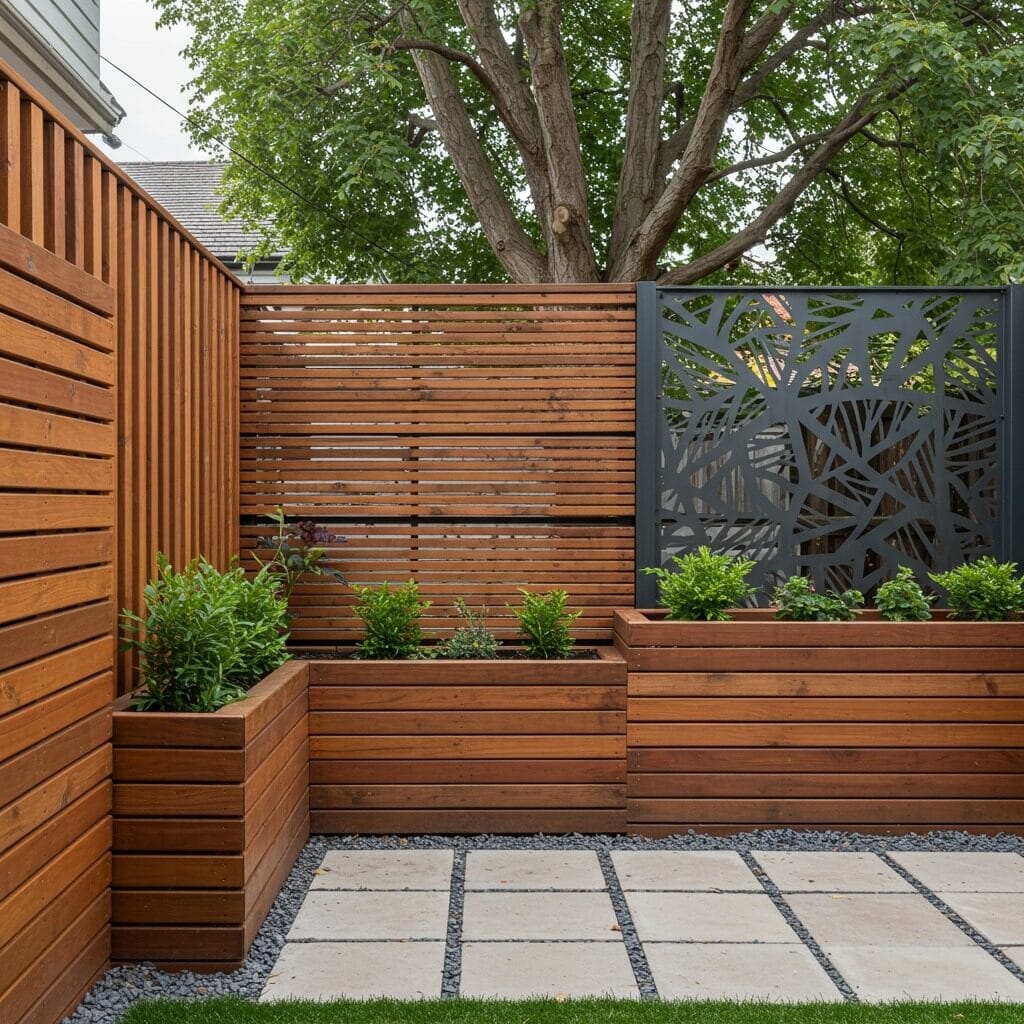
Traditional fencing doesn’t have to be boring. Horizontal slat designs, mixed materials, and creative heights can turn a basic privacy need into a design statement. Consider alternating materials like wood and metal, or mixing solid panels with decorative cutouts that provide privacy while maintaining visual interest.
Height extensions work brilliantly when you have existing fencing that’s just a bit too short. Adding lattice toppers, bamboo panels, or even fabric screens can boost privacy without the expense of replacing entire fence sections. Many homeowners are surprised how much difference an extra 18-24 inches can make.
For a modern approach, steel or aluminum screens with geometric patterns provide privacy while casting interesting shadows throughout the day. These work especially well in contemporary outdoor kitchen and dining areas where you want something sleek and low-maintenance.
Portable and Seasonal Privacy Options
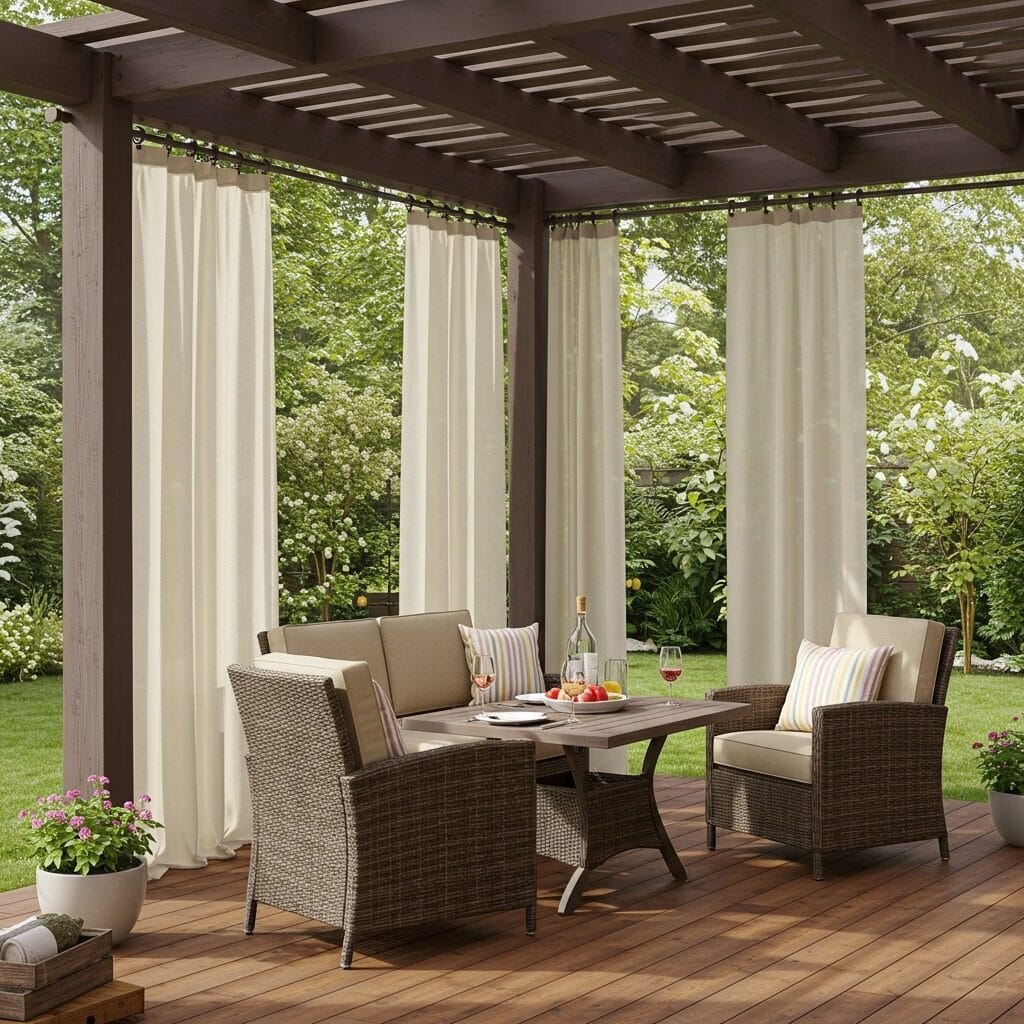
Not every privacy solution needs to be permanent. Portable screens give you flexibility to adjust your setup based on seasons, occasions, or changing needs. Canvas panels on wheeled bases can be moved to block afternoon sun during summer parties or stored away during winter months.
Outdoor curtains offer another flexible approach. Weather-resistant fabrics in neutral colors can be hung from pergolas, between posts, or even from retractable systems. This works particularly well for small balcony makeover ideas where permanent structures aren’t allowed.
For rental properties or temporary solutions, consider large planters with tall grasses or small trees. Containers with wheels make it easy to rearrange your privacy as needed, and you can take your investment with you if you move.
DIY Privacy Screen Projects
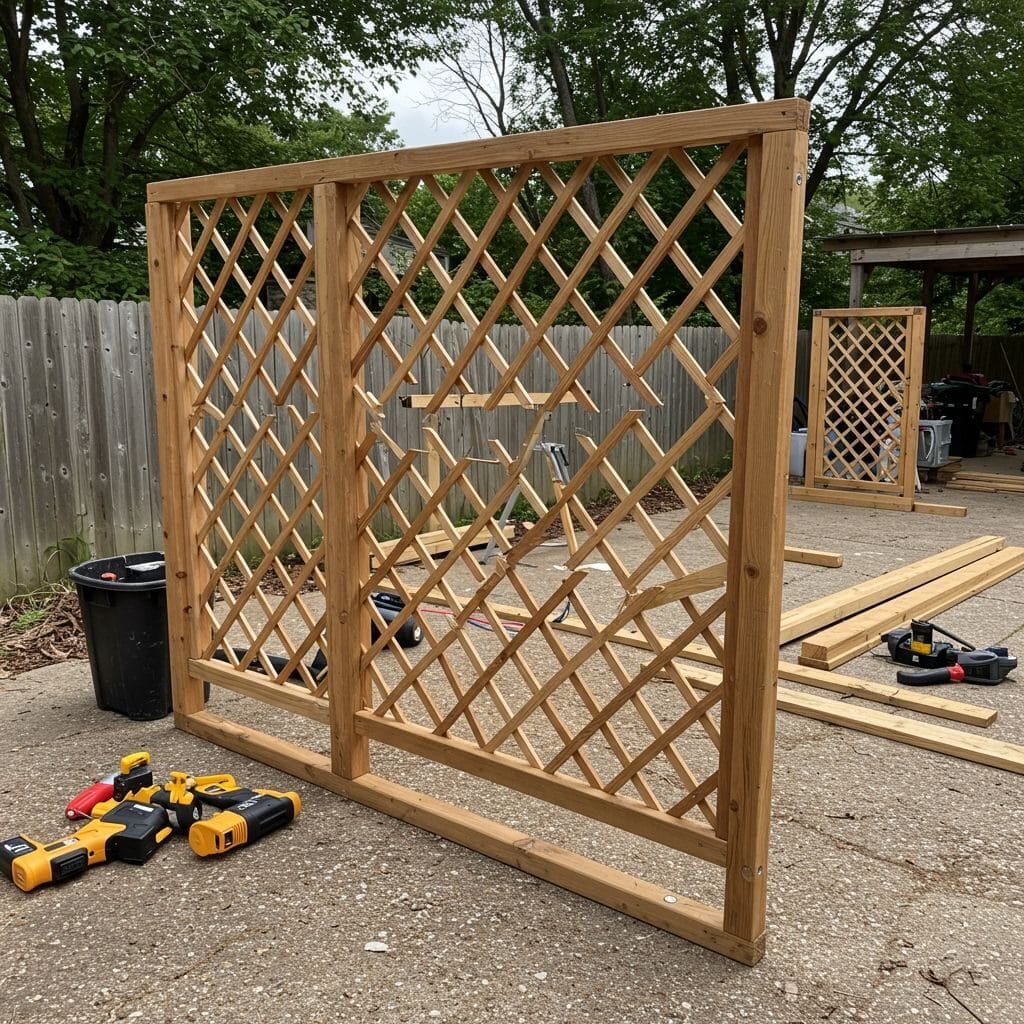
Building your own privacy screens can save money while creating exactly what your space needs. Simple wooden frame screens with fabric, bamboo, or corrugated metal inserts can be customized for height, width, and style preferences.
Cedar fence pickets make excellent DIY screen material. They’re naturally weather-resistant and can be configured in countless patterns – horizontal, vertical, or even diagonal for visual interest. A basic frame using 2×4 lumber with pickets attached creates screens for around $50-75 each, depending on size.
For those comfortable with more advanced projects, incorporating planters into screen designs creates multi-functional elements. Built-in benches with privacy screening behind them maximize small spaces while providing both seating and seclusion for your small backyard patio makeover.
Modern Privacy Screen Materials
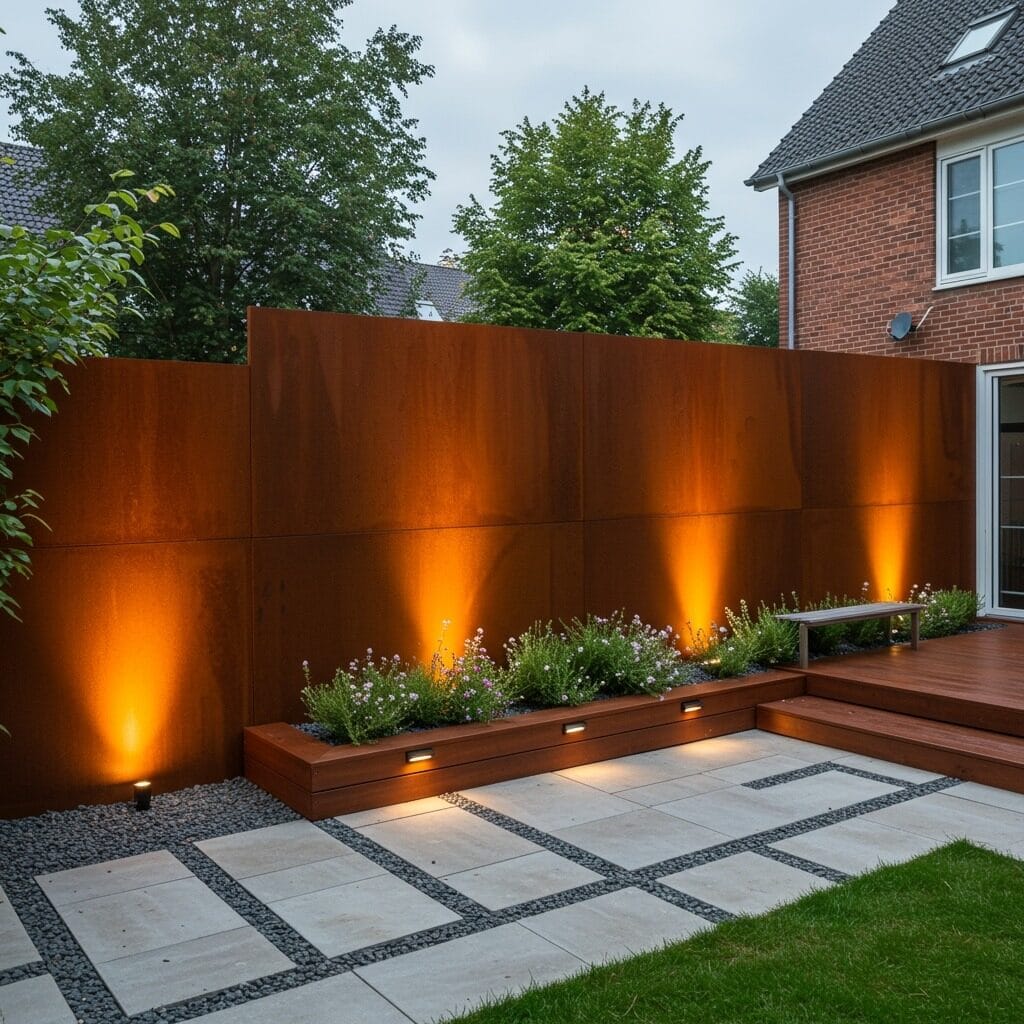
Contemporary outdoor design embraces materials beyond traditional wood. Corten steel screens develop a beautiful rust patina over time while requiring minimal maintenance. These work particularly well in modern settings where you want privacy solutions that feel intentional rather than afterthoughts.
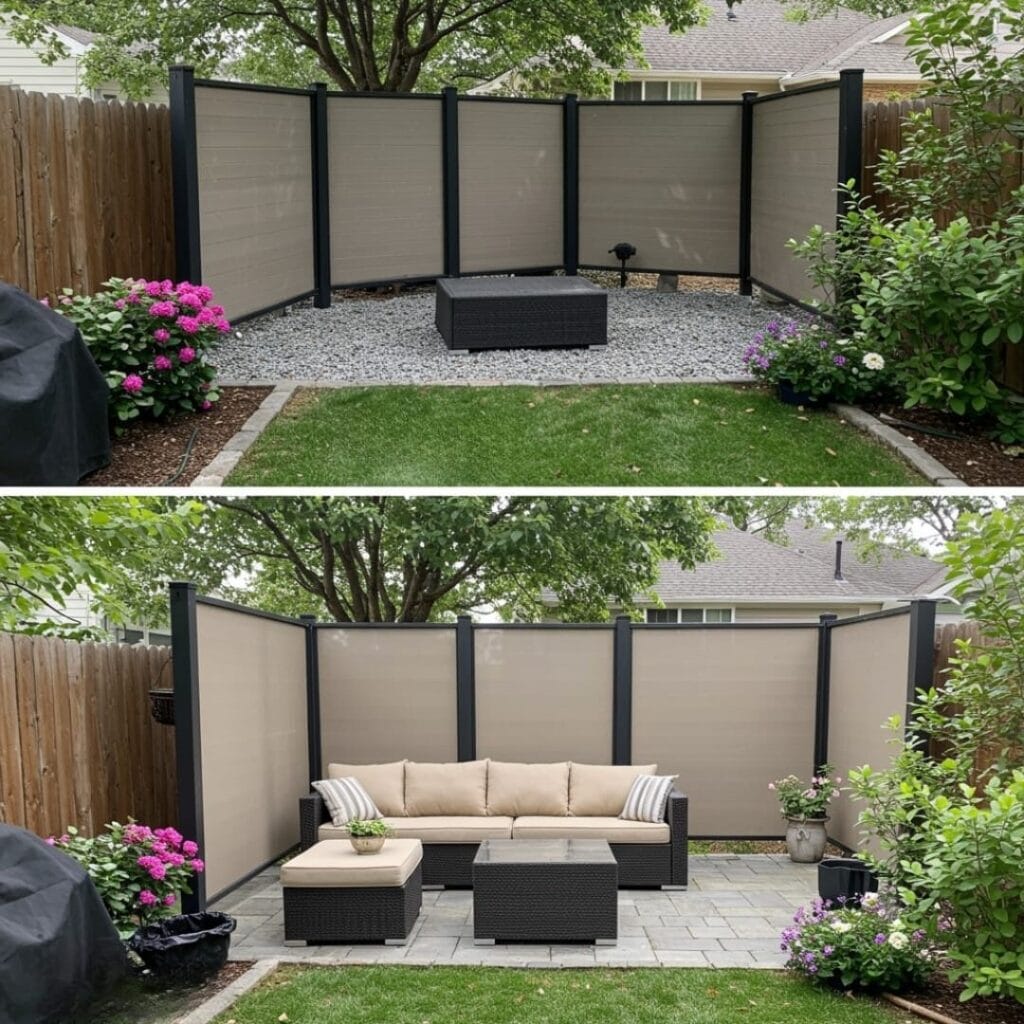
Composite materials offer the look of wood without the upkeep. Many composite privacy panels come with integrated post systems that make installation straightforward for DIY enthusiasts. While the initial cost is higher, the long-term savings in maintenance can make them worthwhile investments.
For budget-conscious options, corrugated metal panels provide industrial chic style at reasonable prices. When combined with wood frames or softened with plantings, metal screens can fit into various design aesthetics while providing excellent durability.
Privacy Screens for Small Spaces
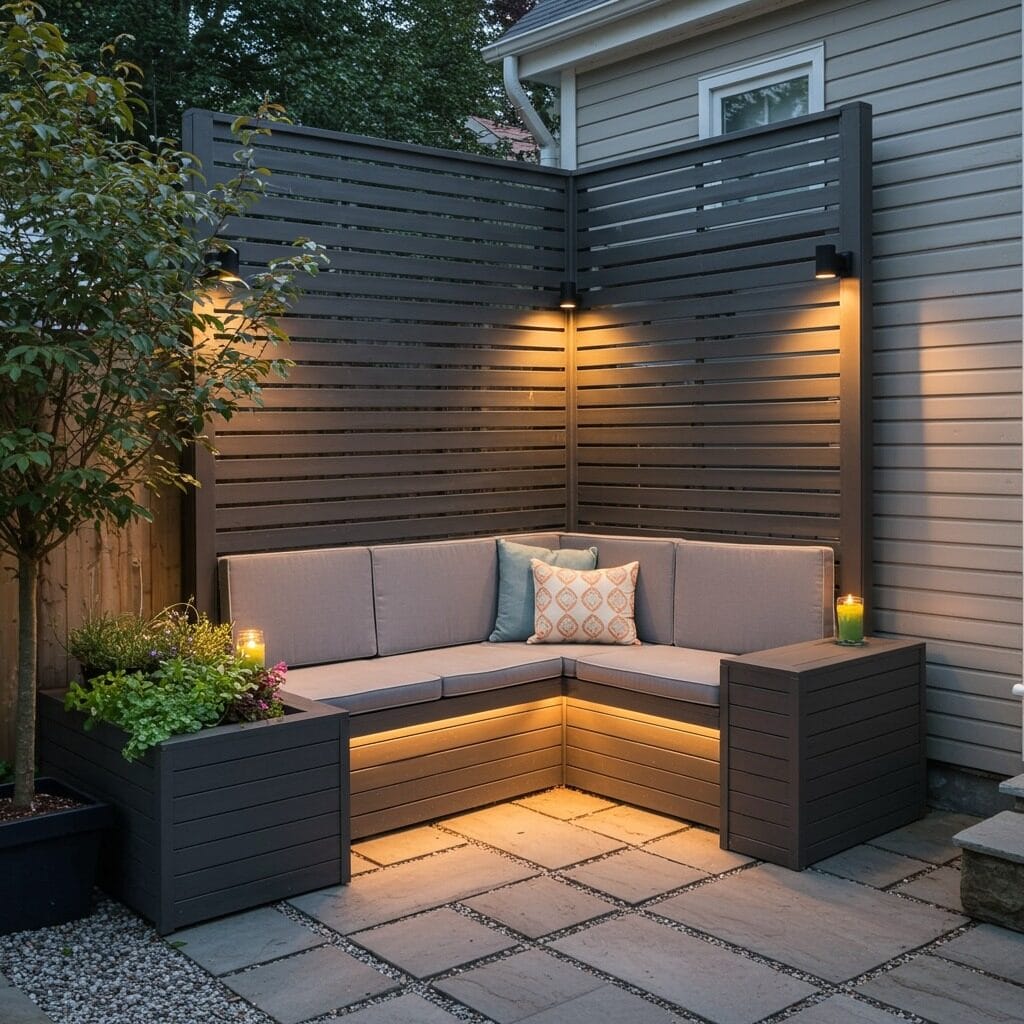
Small backyards require creative approaches to privacy that don’t overwhelm the space. Vertical solutions work better than horizontal ones – think tall, narrow screens rather than wide, low barriers. This draws the eye upward and makes small areas feel more spacious.
Corner screens can define intimate seating areas within larger spaces or create cozy nooks in compact yards. L-shaped configurations work particularly well for creating outdoor coffee table areas that feel separate from the rest of the yard.
Multi-functional privacy elements maximize small space efficiency. Screens that incorporate storage, lighting, or plant displays serve multiple purposes without taking up extra square footage. This approach works especially well when planning comprehensive outdoor spaces ideas for smaller properties.
Combining Privacy with Outdoor Lighting
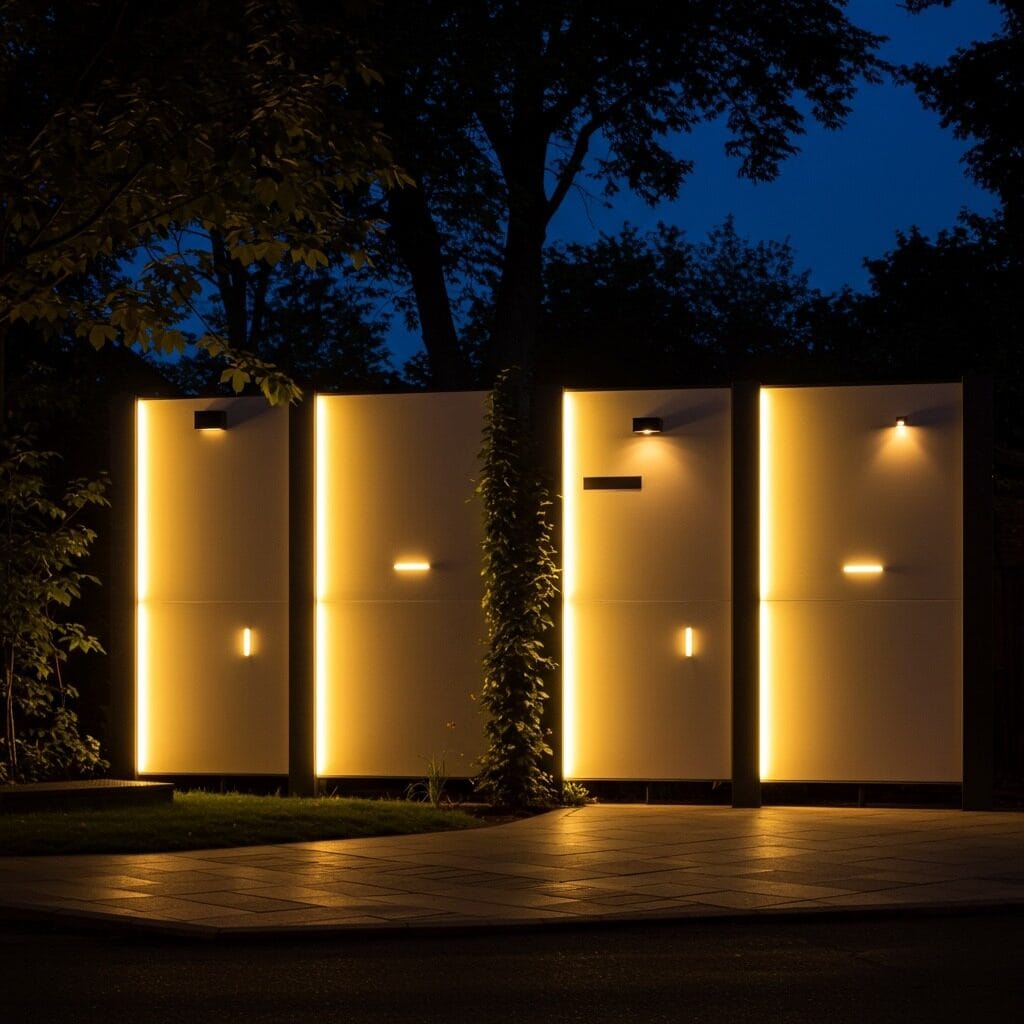
Strategic lighting can enhance privacy screens while extending your outdoor season into evening hours. Uplighting behind screens creates dramatic silhouettes, while integrated LED strips provide functional illumination for pathways or seating areas.
Solar options make lighting integration simple without electrical work. String lights woven through trellis screens create magical ambiance, while solar spotlights can highlight specific plants or architectural features. This combination of privacy and outdoor lighting ideas for patio spaces creates true outdoor rooms.
Consider how lighting affects privacy at different times of day. Screens that provide daytime privacy might become transparent at night if interior spaces are brightly lit. Strategic outdoor lighting can maintain privacy after dark while creating beautiful evening atmosphere.
Maintenance and Seasonal Care
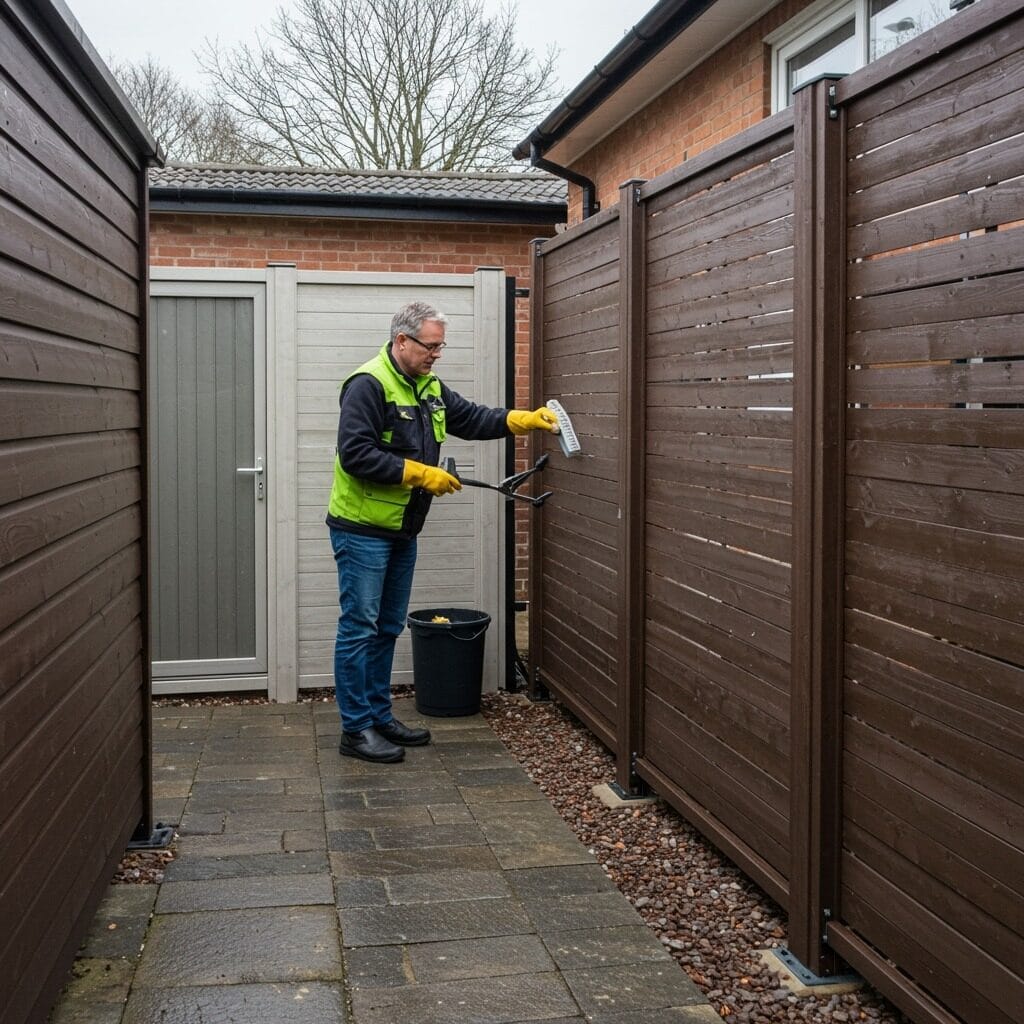
Different privacy solutions require varying levels of upkeep, and choosing options that match your maintenance preferences prevents future frustration. Natural materials like wood need regular staining or sealing, while synthetic options typically require only occasional cleaning.
Plant-based privacy screens need the most attention, especially in their first few years. Regular watering, pruning, and seasonal fertilizing keep living screens healthy and full. However, according to the American Society of Landscape Architects, well-maintained plant screens can last decades and actually improve over time.
Seasonal adjustments keep privacy screens looking their best year-round. This might mean storing portable elements during harsh weather, adjusting plant supports, or refreshing fabric panels that have faded from sun exposure.
Choosing the Right Privacy Screen for Your Space
The best backyard privacy screen depends on your specific situation – budget, timeline, maintenance preferences, and aesthetic goals all play important roles. Quick solutions like bamboo panels or outdoor curtains can provide immediate privacy while you plan longer-term improvements.
Consider your local climate and regulations before committing to permanent installations. Some areas have restrictions on fence heights or require permits for certain structures. Checking with your homeowner’s association or local building department prevents costly mistakes.
Think about the view from inside your home too. Privacy screens visible from windows should complement your interior design and not block desirable sightlines. The goal is creating outdoor privacy that enhances rather than compromises your overall living experience.
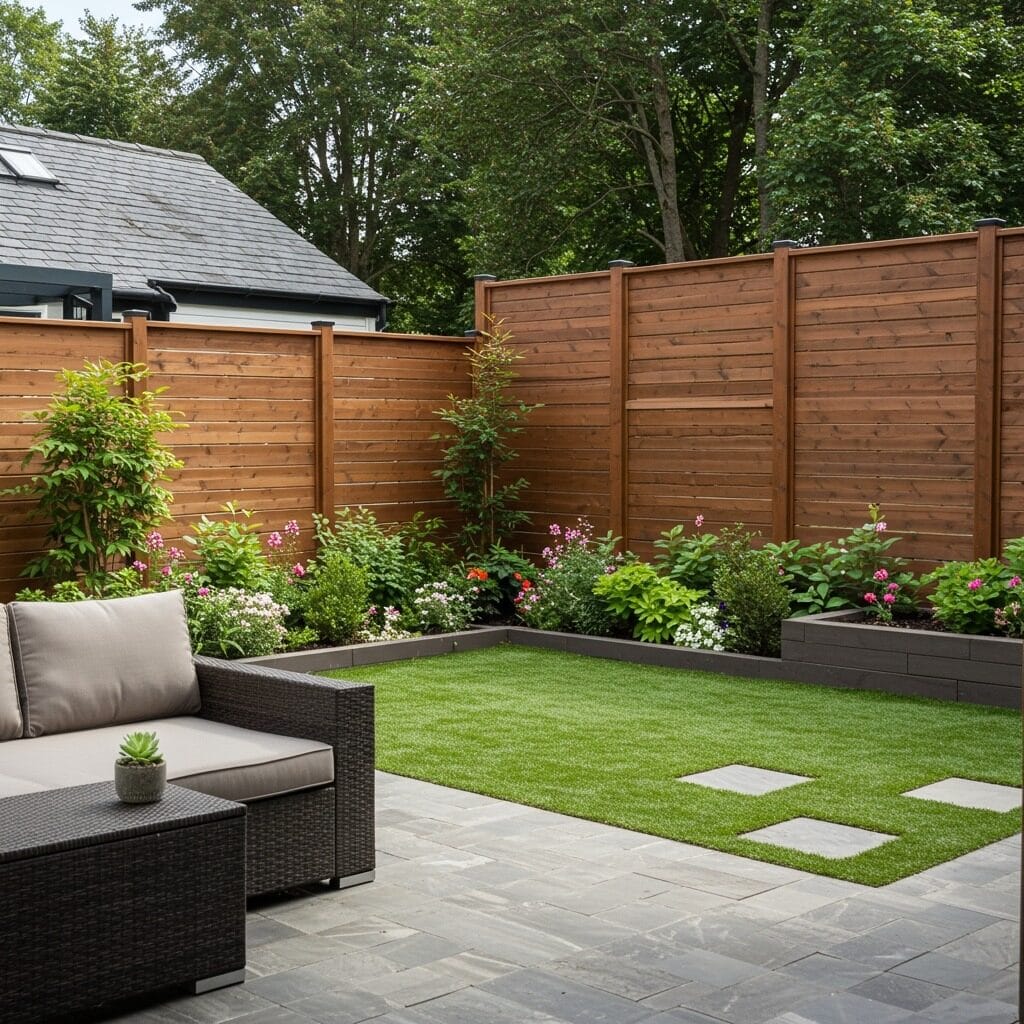
Creating meaningful privacy in your backyard doesn’t require sacrificing beauty or breaking your budget. Whether you choose fast-growing plants, stylish screens, or creative combinations of multiple solutions, the key is selecting options that match both your practical needs and design preferences. Your outdoor space should feel like a true extension of your home – a place where privacy and style work together to create the peaceful retreat you deserve.
With thoughtful planning and the right privacy solutions, you can transform even the most exposed backyard into a secluded sanctuary that invites relaxation and enjoyment for years to come.

Sanjai creates easy, affordable home decor ideas that anyone can try. Through simple tips and curated finds, he helps you style rooms you’ll love coming home to.