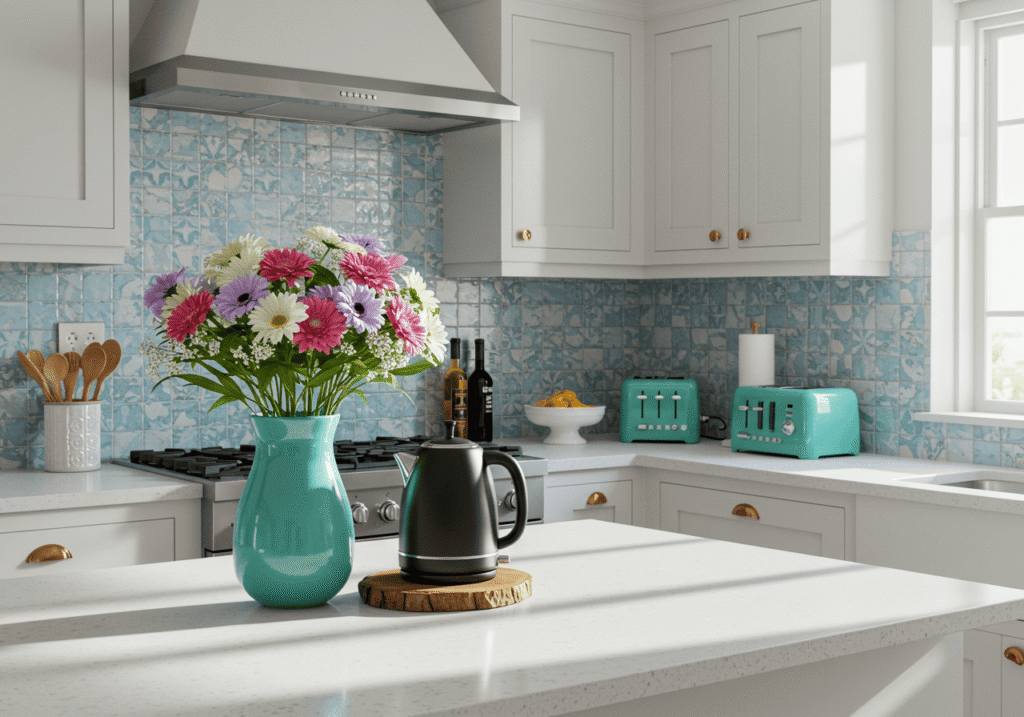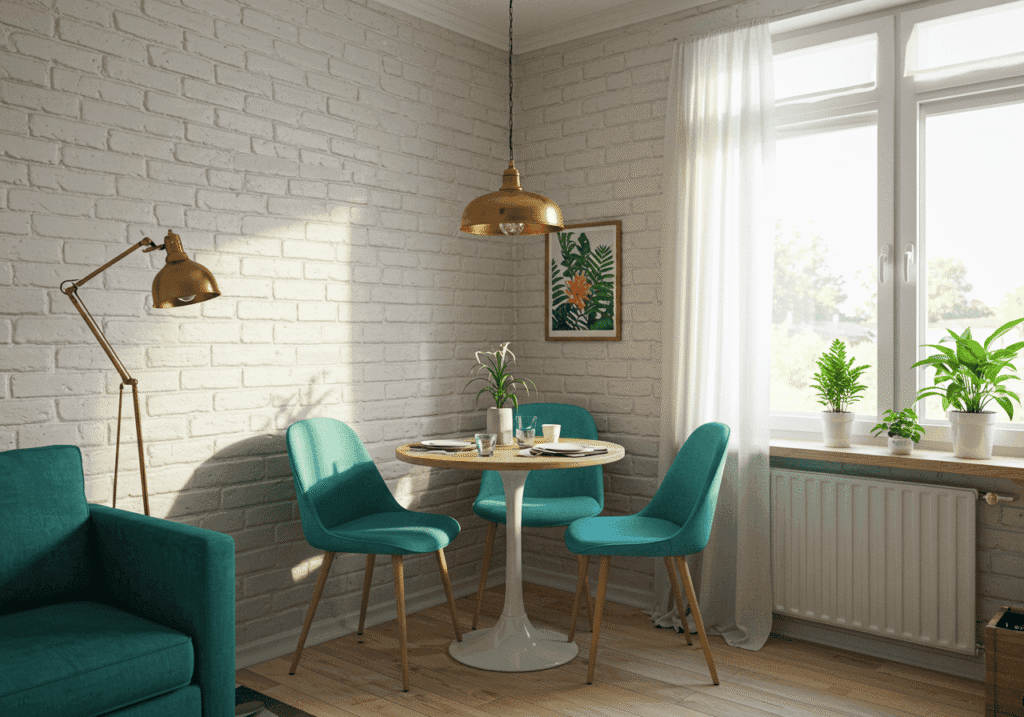
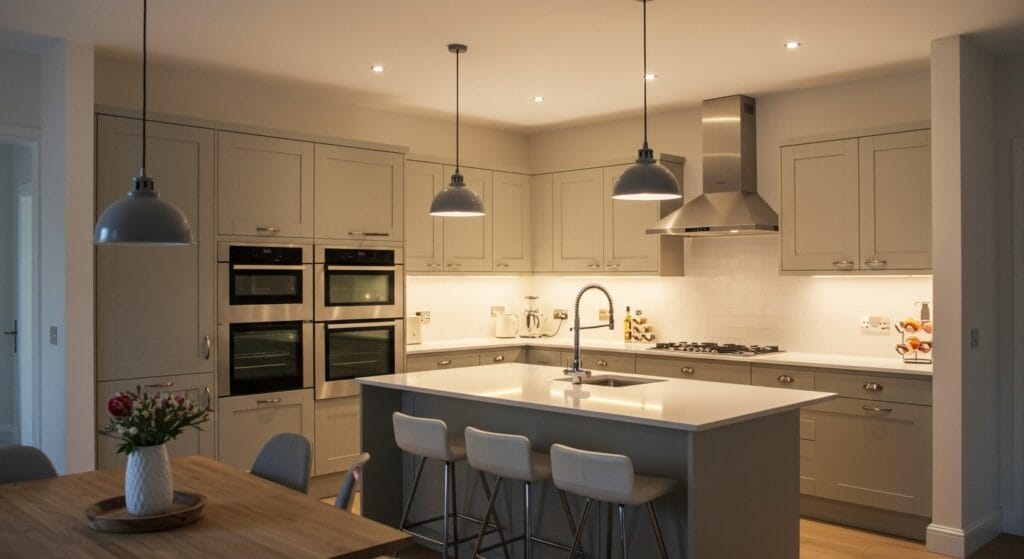
The right lighting can completely transform your kitchen from a purely functional space into the warm, inviting heart of your home. Whether you’re prepping meals, entertaining guests, or enjoying a quiet morning coffee, thoughtful kitchen lighting ideas create the perfect atmosphere for every moment.
Many homeowners struggle with kitchens that feel either too dim for cooking tasks or too harsh for comfortable conversation. The secret lies in creating layers of light that work together harmoniously. From statement pendant lights that steal the show to practical under-cabinet lighting that makes meal prep easier, each element plays a crucial role.
In this guide, you’ll discover 17 inspiring ways to illuminate your kitchen beautifully and functionally. These ideas work whether you’re planning a complete renovation or simply looking to update your current space with strategic lighting upgrades.
Understanding Kitchen Lighting Layers
Before diving into specific fixtures, it’s helpful to understand the three main types of lighting that work together in any well-designed kitchen. Think of lighting like ingredients in a recipe – each type serves a unique purpose, but they’re most effective when combined thoughtfully.
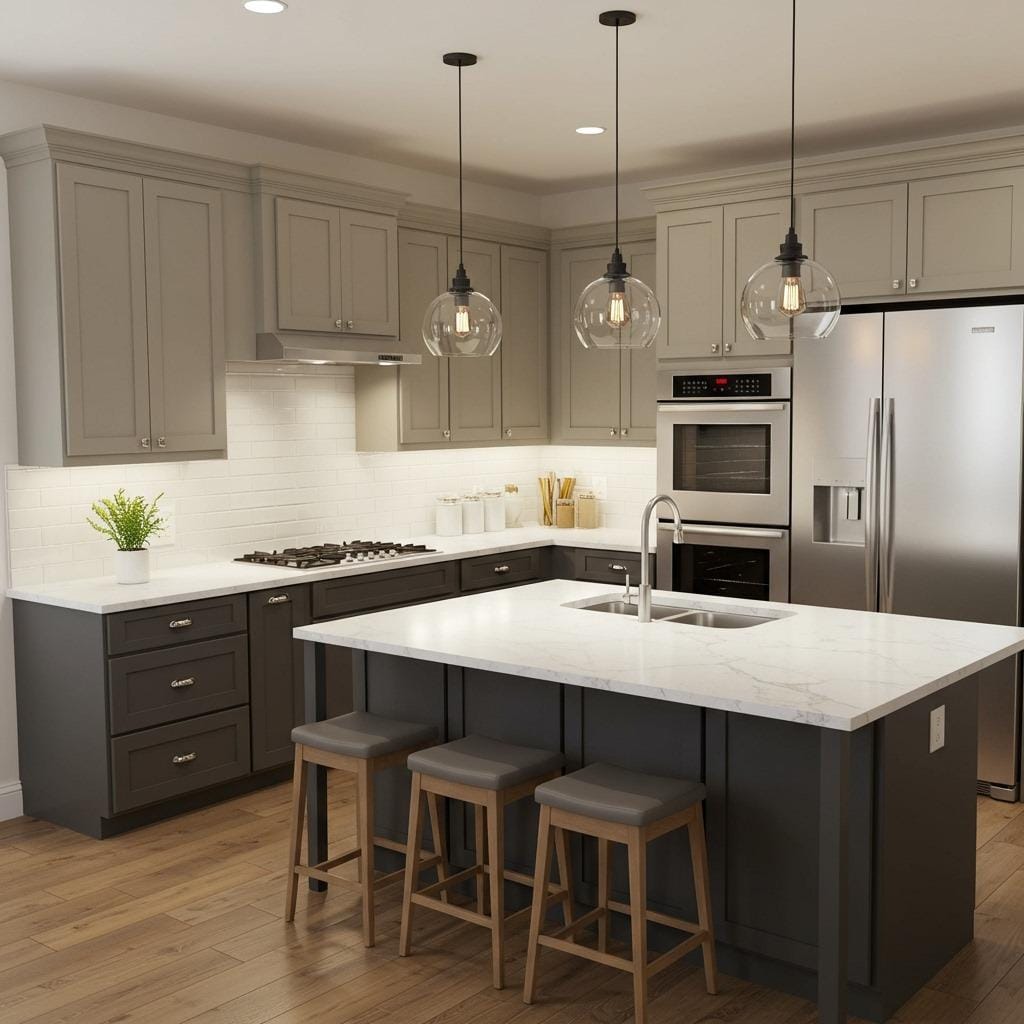
Ambient lighting provides overall illumination for your entire kitchen space. This foundational layer ensures you can move safely around the room and creates a welcoming atmosphere. Task lighting focuses on specific work areas like countertops, the stove, or sink where you need bright, direct light for cooking activities. Accent lighting adds visual interest and highlights architectural features, artwork, or decorative elements.
The magic happens when these three layers work together seamlessly. You might use bright task lighting while chopping vegetables, then dim the ambient lights and rely on accent lighting for a cozy dinner atmosphere. This flexibility makes your kitchen truly functional at any time of day.
1. Statement Pendant Lights Over the Island
Nothing creates a focal point quite like stunning pendant lights suspended over your kitchen island. These fixtures serve as both functional task lighting and eye-catching design elements that can completely transform your space’s aesthetic.
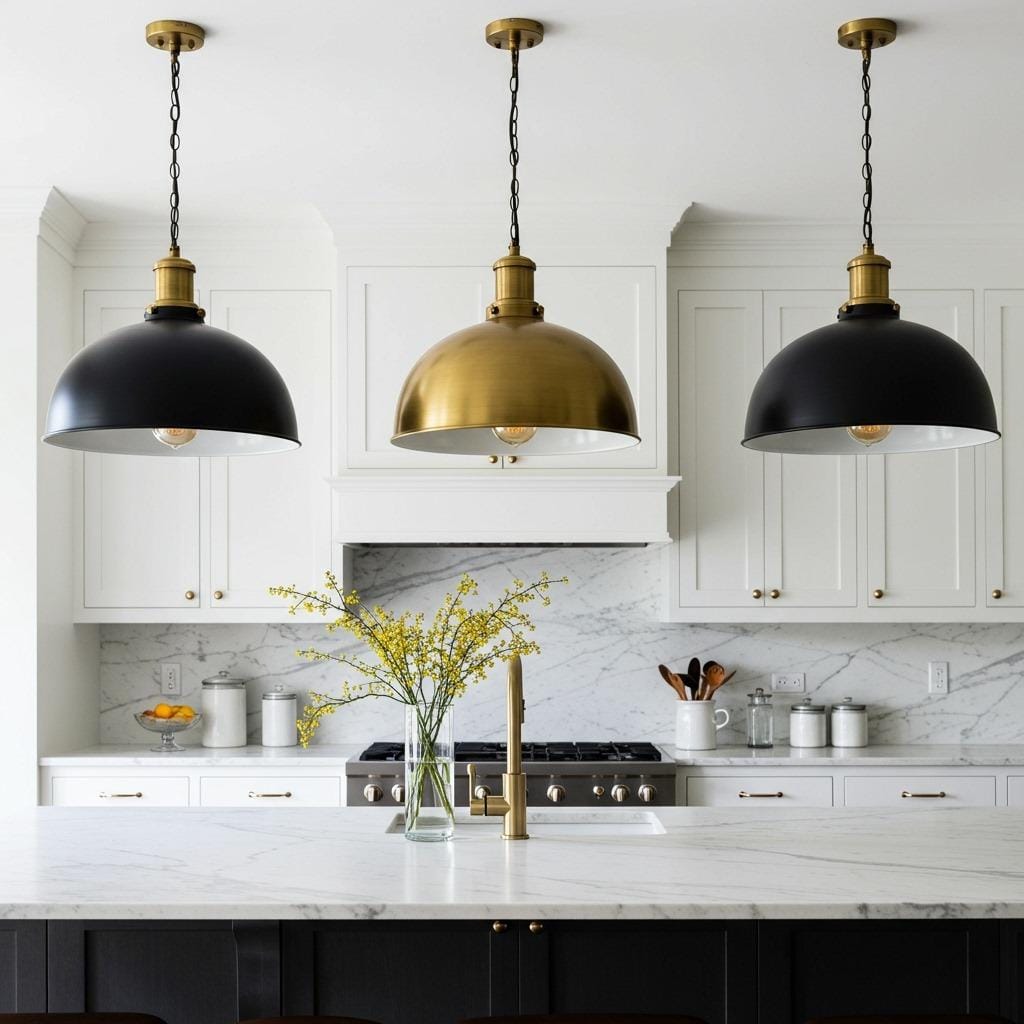
The key to choosing perfect pendant lights lies in scale and spacing. For a standard kitchen island, plan for pendants that are 12-17 inches wide, spaced about 24-30 inches apart. If your island is particularly long, consider using three pendants instead of two for better light distribution.
Material choices range from sleek metals like brass or black iron to natural elements like woven rattan or wood. Glass pendants offer timeless appeal and work beautifully in both modern and traditional kitchens. The height matters too – hang them 30-36 inches above your island surface for optimal lighting without blocking conversation across the space.
Consider how your pendant choice relates to other elements in your kitchen and dining ideas. Do you want them to blend seamlessly or make a bold statement? Both approaches can be stunning when executed thoughtfully.
2. Under-Cabinet LED Strip Lighting
Under-cabinet lighting might be the most practical upgrade you can make to your kitchen. These slim fixtures eliminate shadows on your countertops, making food preparation safer and more enjoyable while adding a subtle glow that enhances your kitchen’s ambiance.

Modern LED strips are incredibly versatile and energy-efficient. You can choose from warm white for a cozy feel, bright white for task-focused lighting, or even color-changing options that let you adjust the mood throughout the day. Installation is simpler than you might expect, especially with plug-in options that don’t require hardwiring.
The beauty of under-cabinet lighting extends beyond functionality. These fixtures create visual depth by washing your backsplash with light, highlighting beautiful tile patterns or natural stone textures. They also make your kitchen feel larger by eliminating the dark void beneath upper cabinets.
For the most professional look, choose strips with aluminum channels that diffuse the light evenly and hide individual LED dots. Battery-operated options work well for renters or quick updates, while hardwired versions offer the most seamless appearance.
3. Chandelier Drama in Eat-In Kitchens
A beautiful chandelier can elevate your eat-in kitchen from casual to elegant, creating a designated dining space within the larger room. This approach works particularly well in open-concept layouts where you want to define different zones.
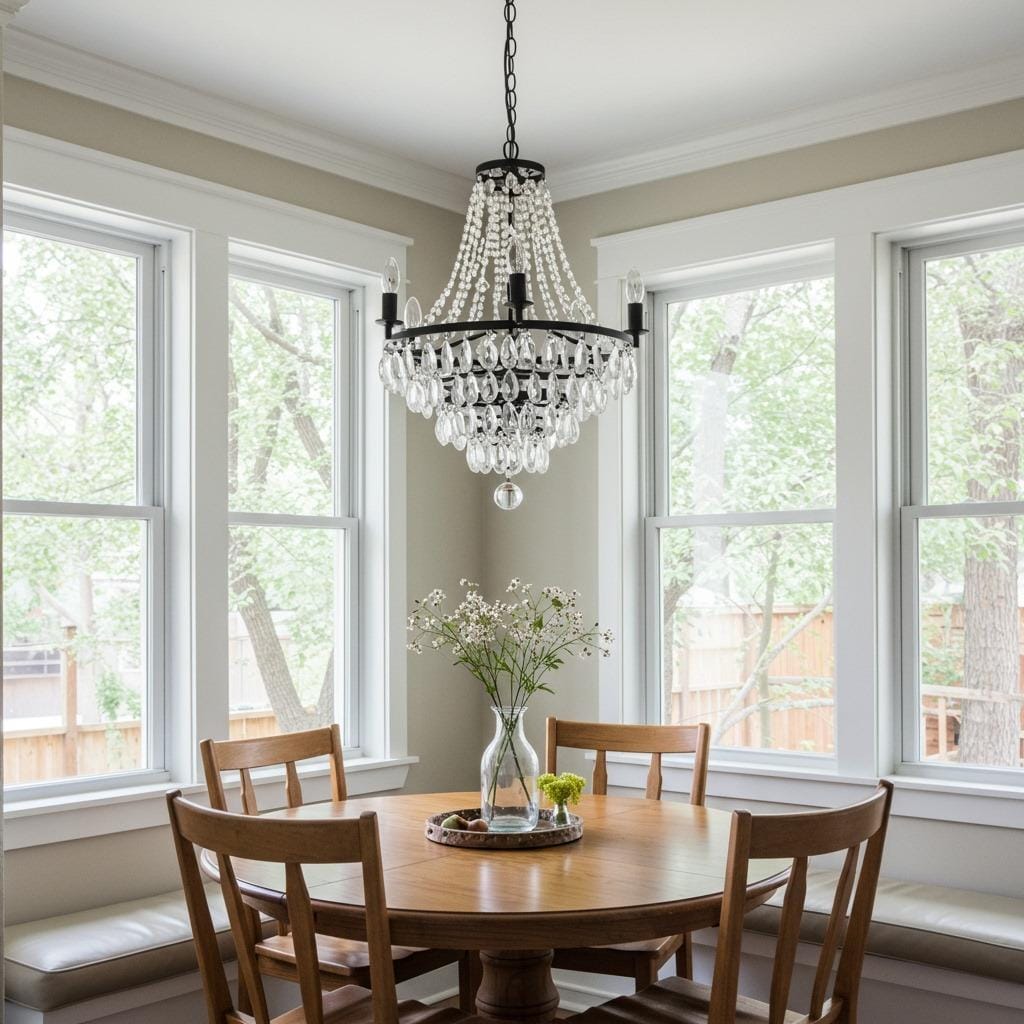
The trick is choosing a chandelier that complements your kitchen’s overall style without overwhelming the space. In farmhouse kitchens, consider wrought iron fixtures with Edison bulbs. Modern spaces shine with geometric or minimalist designs. Traditional kitchens can handle more ornate crystal or brass options.
Size matters significantly with chandeliers. A good rule of thumb is to add your room’s length and width in feet, then convert that number to inches for your chandelier’s diameter. For example, a 12×14 foot kitchen would work well with a 26-inch diameter chandelier.
When incorporating a chandelier dining room style into your kitchen, consider how it will look from adjacent spaces. In open-concept homes, your chandelier becomes visible from the living room and should coordinate with your overall design scheme.
4. Recessed Lighting for Clean Lines
Recessed lights offer a sleek, unobtrusive way to provide excellent ambient lighting throughout your kitchen. These fixtures disappear into your ceiling, creating clean lines that work beautifully in both modern and traditional spaces.
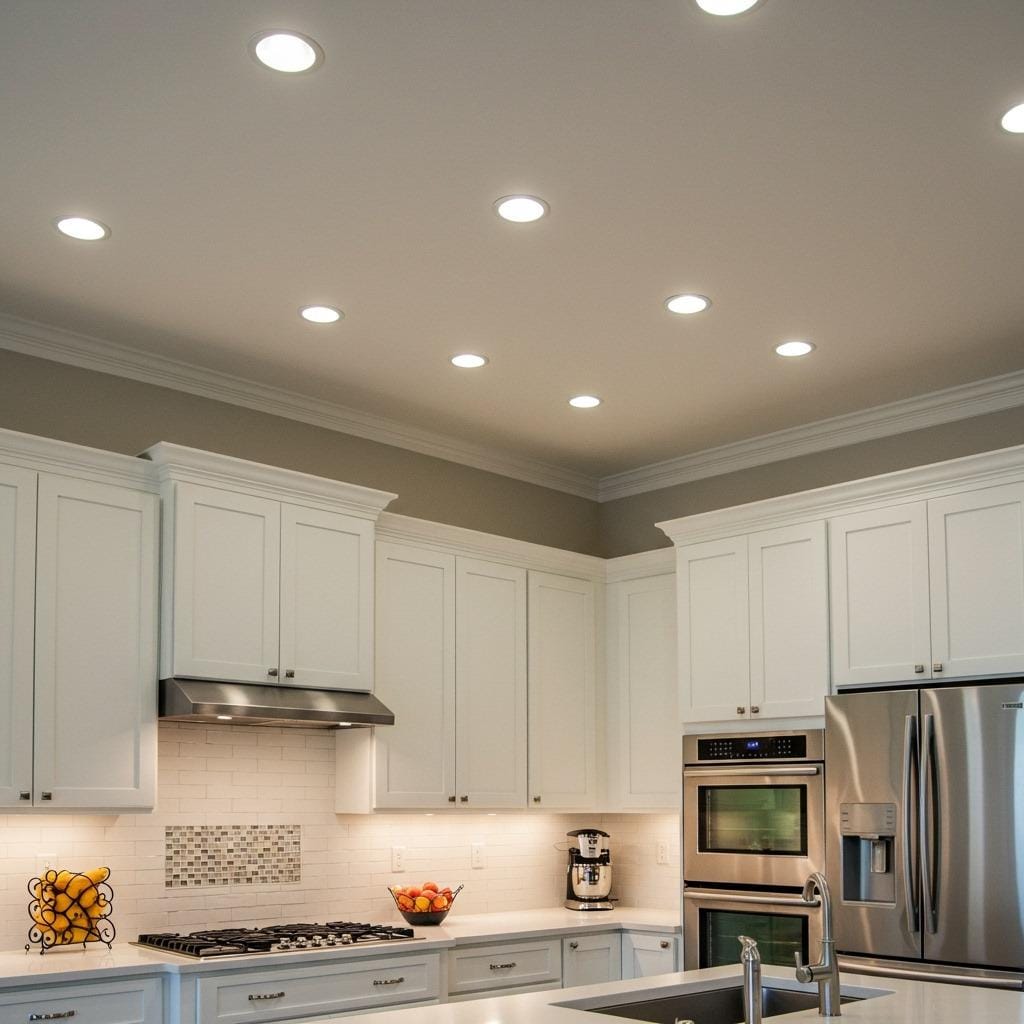
Planning recessed lighting requires careful consideration of placement and spacing. Generally, you’ll want fixtures spaced about 4-6 feet apart for even coverage. In kitchens with 8-foot ceilings, 4-inch recesses work well, while higher ceilings can accommodate 6-inch fixtures for more dramatic light spread.
The beauty of recessed lighting lies in its flexibility. Use dimmer switches to adjust brightness throughout the day, creating bright task lighting for cooking and softer ambient lighting for entertaining. LED bulbs in these fixtures last years and use minimal energy compared to traditional options.
Consider your ceiling’s construction before planning recessed lights. Some older homes have ceiling joists that might limit placement options, while others might require additional structural work. It’s often worth consulting with an electrician early in the planning process.
5. Track Lighting for Flexibility
Track lighting systems offer unmatched flexibility, allowing you to direct light exactly where you need it most. This adaptability makes them perfect for kitchens where you might want to highlight artwork, focus on specific work areas, or adjust lighting as your needs change.
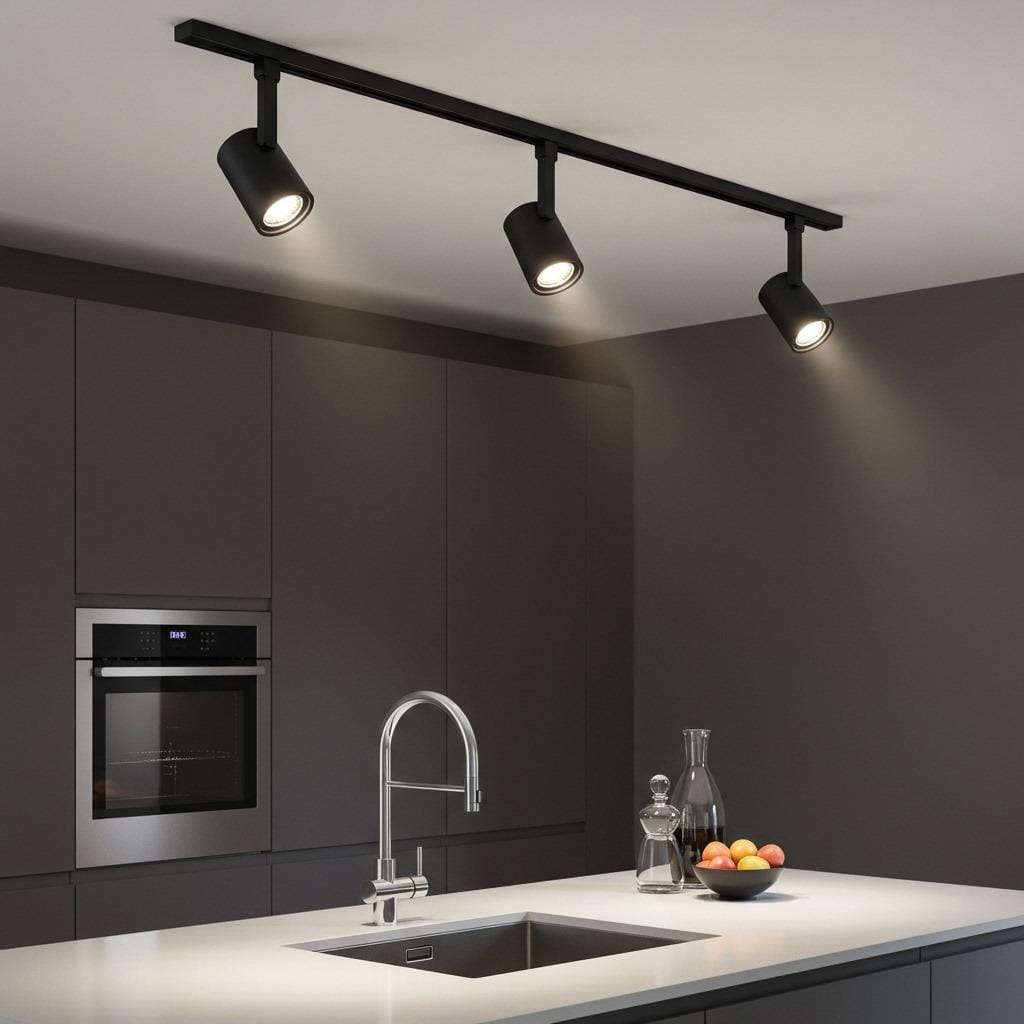
Modern track systems are far more stylish than their utilitarian predecessors. Choose from sleek monorail systems that curve gracefully across your ceiling, or opt for more traditional straight tracks in finishes that complement your kitchen’s hardware and fixtures.
The ability to add, remove, or reposition lights along the track makes this system incredibly practical. You might start with three spotlights focused on your island, then add another to highlight a new piece of artwork or redirect existing lights to accommodate a kitchen layout change.
Track lighting works particularly well in modern farmhouse kitchen ideas where you can combine industrial-style tracks with warm Edison bulbs for a perfect blend of functionality and rustic charm.
6. Sconce Lighting for Cozy Ambiance
Wall sconces add a layer of warmth and intimacy that overhead lighting simply can’t match. These fixtures work beautifully flanking windows, highlighting architectural features, or providing gentle ambient lighting in dining areas within your kitchen.
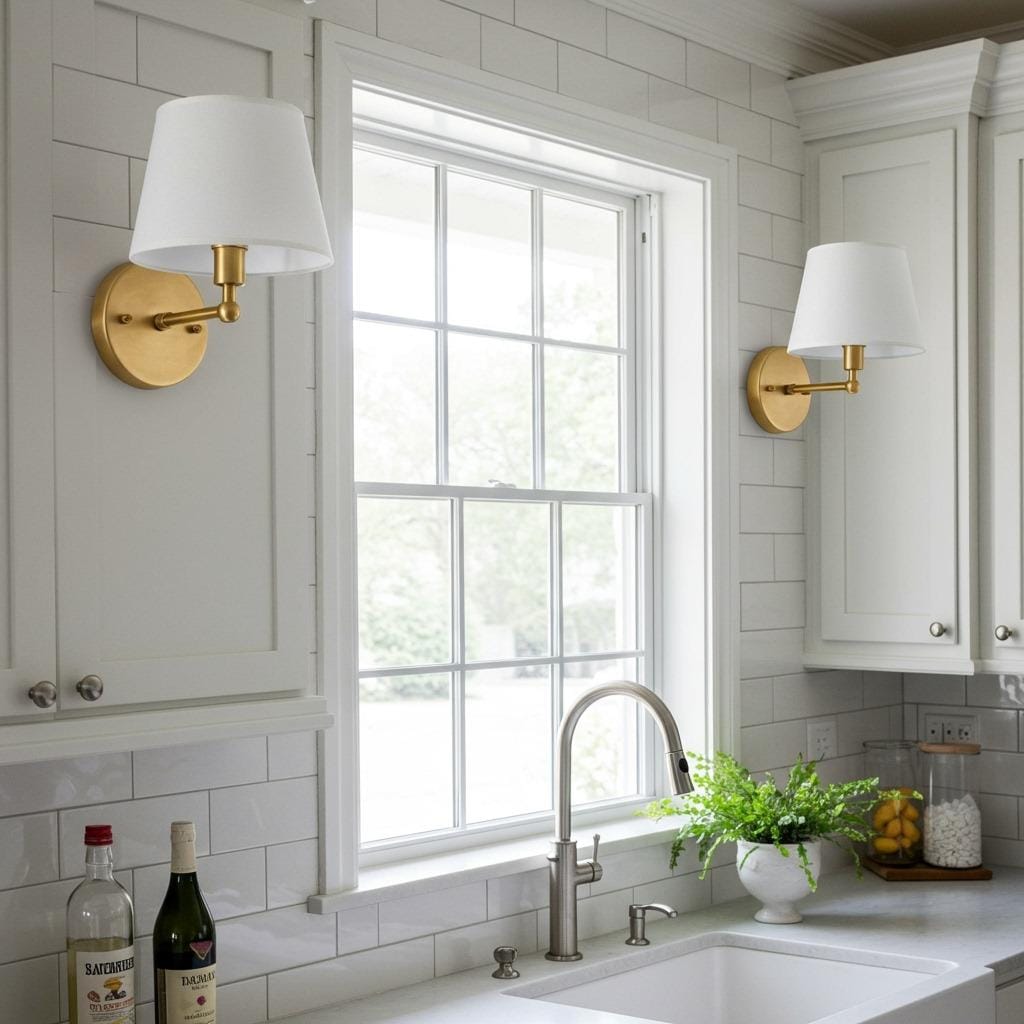
The placement of sconces requires careful consideration of both function and proportion. Install them at eye level (typically 60-66 inches from the floor) to avoid glare while maximizing their decorative impact. When flanking windows or artwork, space them evenly and ensure they’re level for a professional appearance.
Material and style choices for sconces are virtually endless. Brass and bronze offer timeless appeal, while black iron provides modern industrial vibes. Glass shades diffuse light beautifully, while metal shades direct light up and down for more dramatic effects.
Consider how sconces will work with your overall lighting scheme. They’re perfect for creating cozy evening ambiance when you dim other fixtures, but they shouldn’t be your primary light source for task-oriented activities.
7. Natural Light Maximization
Sometimes the best lighting improvements don’t involve any fixtures at all. Maximizing natural light in your kitchen creates a bright, welcoming atmosphere that changes beautifully throughout the day while reducing your reliance on artificial lighting.
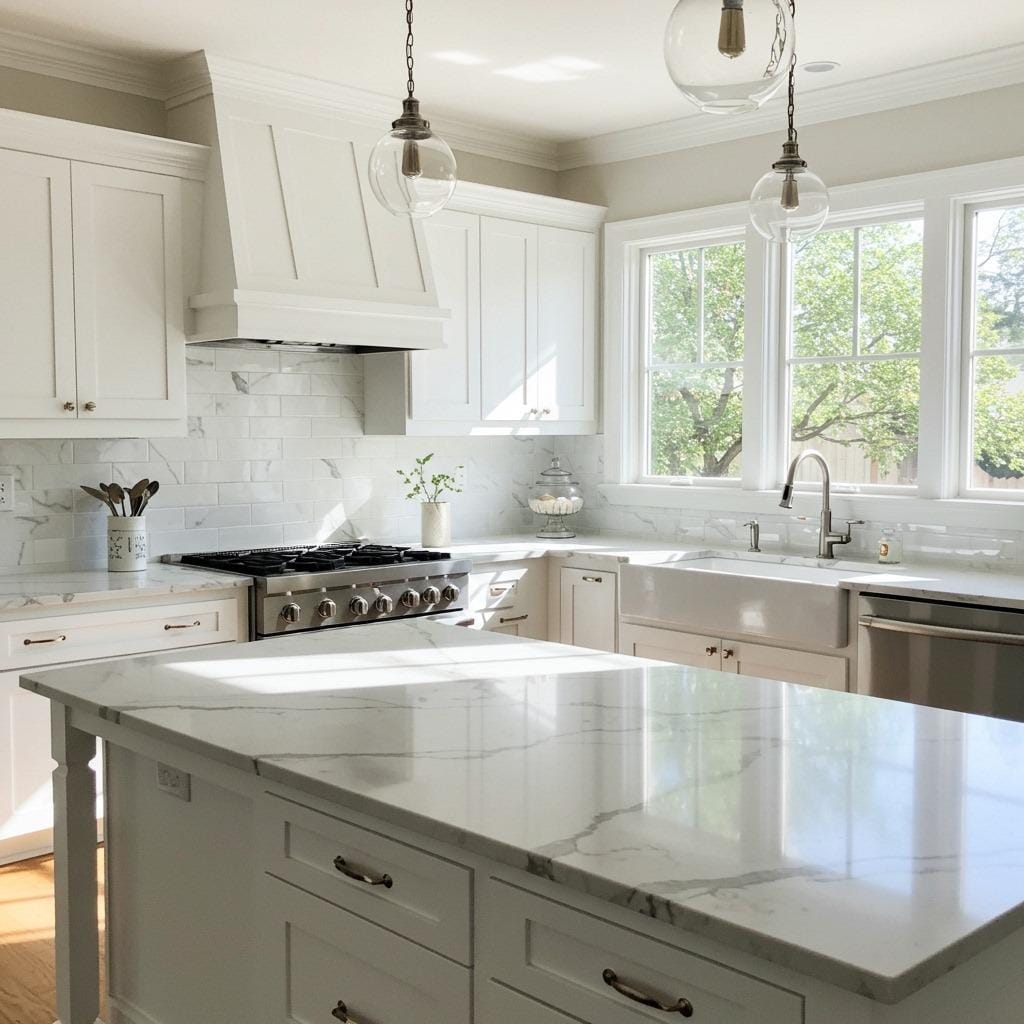
Start by evaluating your window treatments. Heavy curtains or dark blinds can block significant amounts of natural light. Consider lighter alternatives like white or cream-colored panels, or explore options like cellular shades that provide privacy while still allowing light to filter through.
Reflective surfaces multiply the impact of available natural light. Light-colored countertops, glossy backsplashes, and mirrors strategically placed to catch window light can dramatically brighten your space. Even cabinet hardware in polished finishes contributes to this effect.
If your kitchen lacks adequate windows, consider structural changes like adding a skylight or expanding existing window openings. These modifications require professional planning but can transform a dark kitchen into a bright, airy space that feels twice as large.
8. Vintage-Inspired Edison Bulb Fixtures
Edison bulb fixtures bring warmth and character to kitchens with their nostalgic glow and exposed filament design. These fixtures work beautifully in farmhouse, industrial, and eclectic kitchen styles where you want lighting that makes a statement.
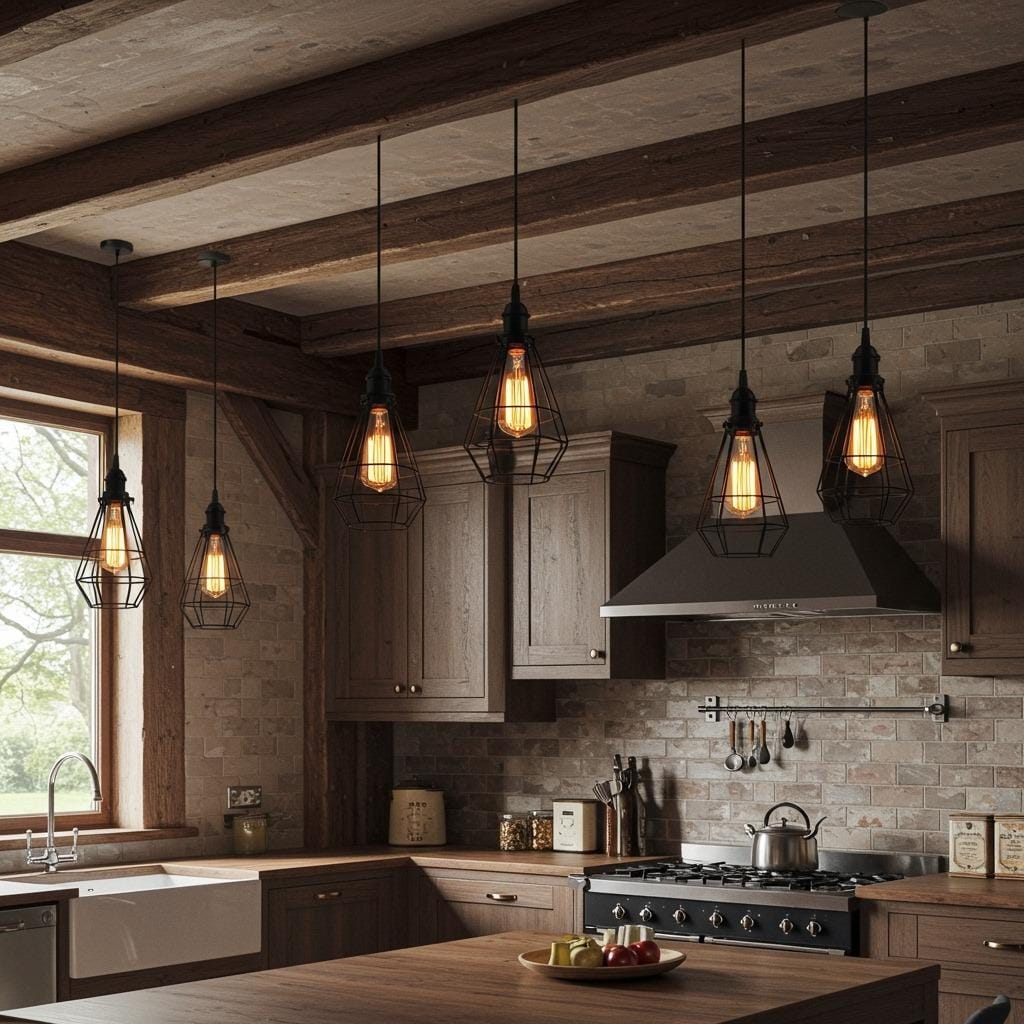
The key to using Edison bulbs successfully lies in choosing the right fixtures and placement. Cage-style pendants work wonderfully over islands or dining areas, while exposed bulb sconces can flank a range or highlight a coffee station. The warm, amber glow of these bulbs creates instant coziness but might not provide enough brightness for detailed tasks.
Consider mixing Edison bulb fixtures with other lighting types for the best of both worlds. Use them for ambient and accent lighting while relying on LED strips or recessed lights for task illumination. This approach lets you enjoy their aesthetic appeal without sacrificing functionality.
Modern LED Edison bulbs offer the same vintage look with better energy efficiency and longer lifespans than traditional incandescent versions. They’re also available in different color temperatures, so you can choose warmer or cooler tones to match your kitchen’s overall palette.
9. Color-Changing Smart Lighting
Smart lighting systems offer unprecedented control over your kitchen’s atmosphere, allowing you to adjust color temperature, brightness, and even hue throughout the day. This technology transforms how you experience your space from morning coffee to evening entertaining.
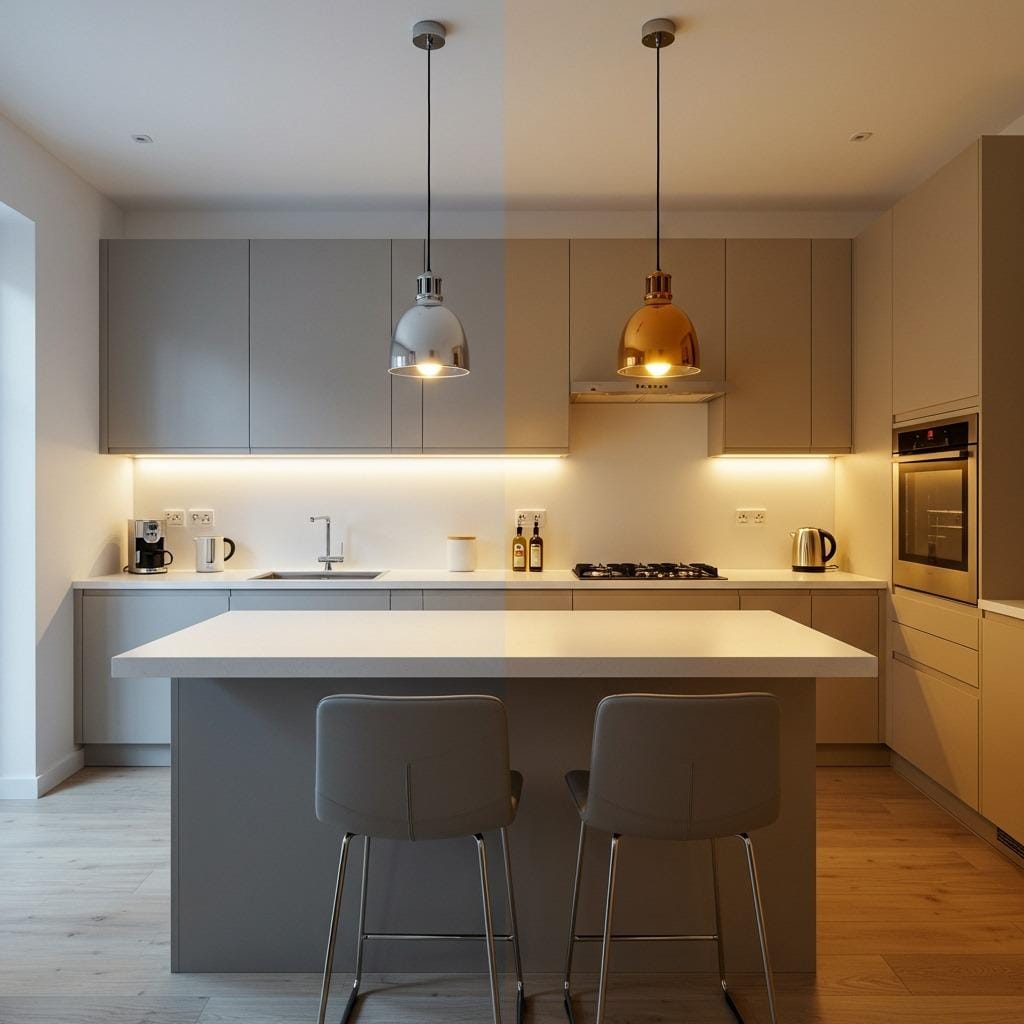
The beauty of smart lighting lies in its adaptability. Program bright, cool light for morning prep work, warmer tones for dinner preparation, and soft, dim lighting for evening cleanup. Some systems even sync with your circadian rhythms, automatically adjusting throughout the day to support better sleep patterns.
Integration with voice assistants and smartphone apps makes these systems incredibly convenient. You can adjust lighting without stopping what you’re doing, create custom scenes for different activities, or even set schedules that turn lights on and off automatically.
While smart bulbs cost more initially, they typically last much longer than traditional bulbs and can significantly reduce energy costs through precise control and scheduling features. Start with a few key fixtures and expand your system over time.
10. Industrial Pipe and Cage Fixtures
Industrial-style lighting brings an edgy, urban feel to kitchens while providing excellent task lighting. These fixtures feature materials like black iron, copper pipes, and wire cages that celebrate their utilitarian origins while serving as striking design elements.
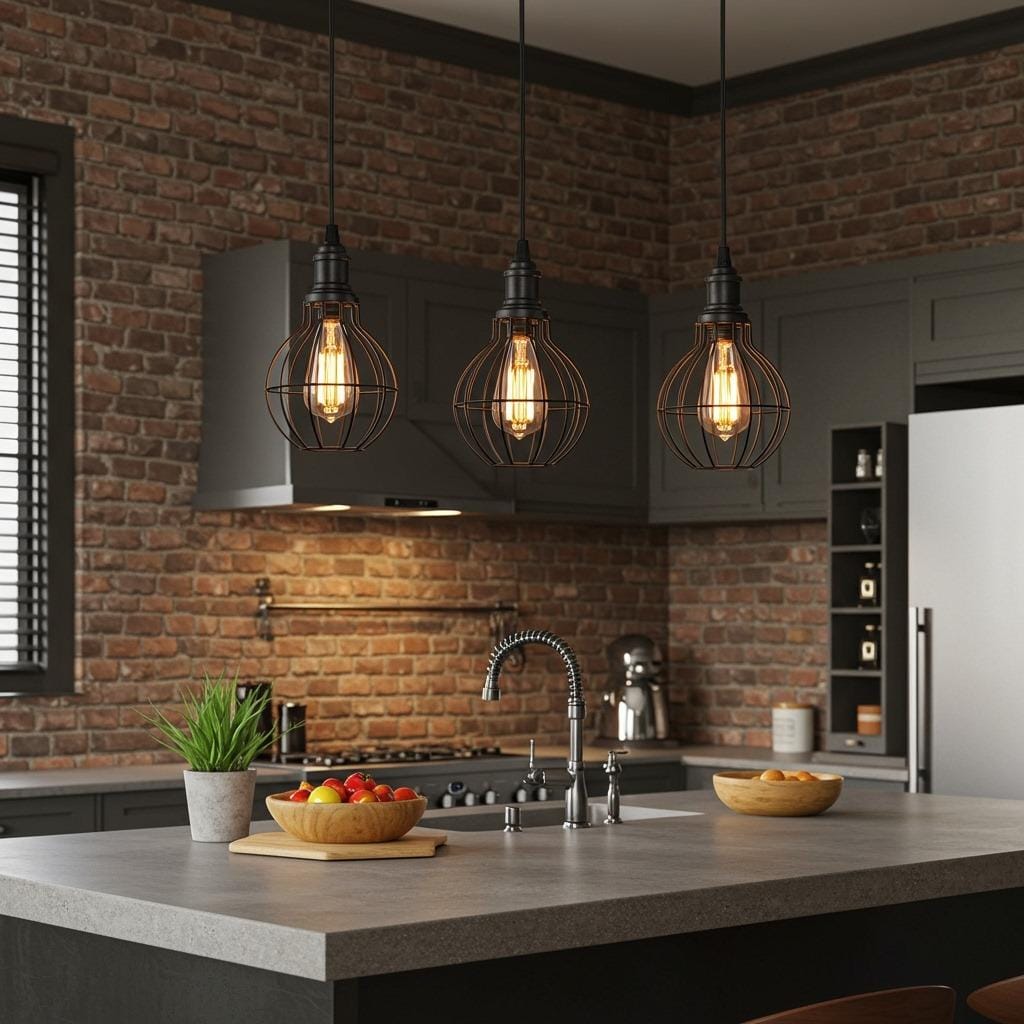
The appeal of industrial fixtures lies in their honest, no-nonsense aesthetic. They work particularly well in open concept living room layouts where kitchen lighting needs to complement adjacent spaces with similar design themes.
Pipe fixtures offer unique customization opportunities. You can often adjust the height and configuration to fit your specific space, creating one-of-a-kind installations that reflect your personal style. Copper pipes develop a beautiful patina over time, while black iron maintains its bold appearance.
Balance is crucial when incorporating industrial elements. Soften the look with natural materials like wood cutting boards, plants, or woven baskets. This prevents the space from feeling too harsh or cold while maintaining the industrial character you’re after.
11. Layered Lighting Design
The most successful kitchen lighting schemes combine multiple types of fixtures at different levels to create depth and flexibility. This layered lighting approach ensures your kitchen works beautifully for every activity and time of day.
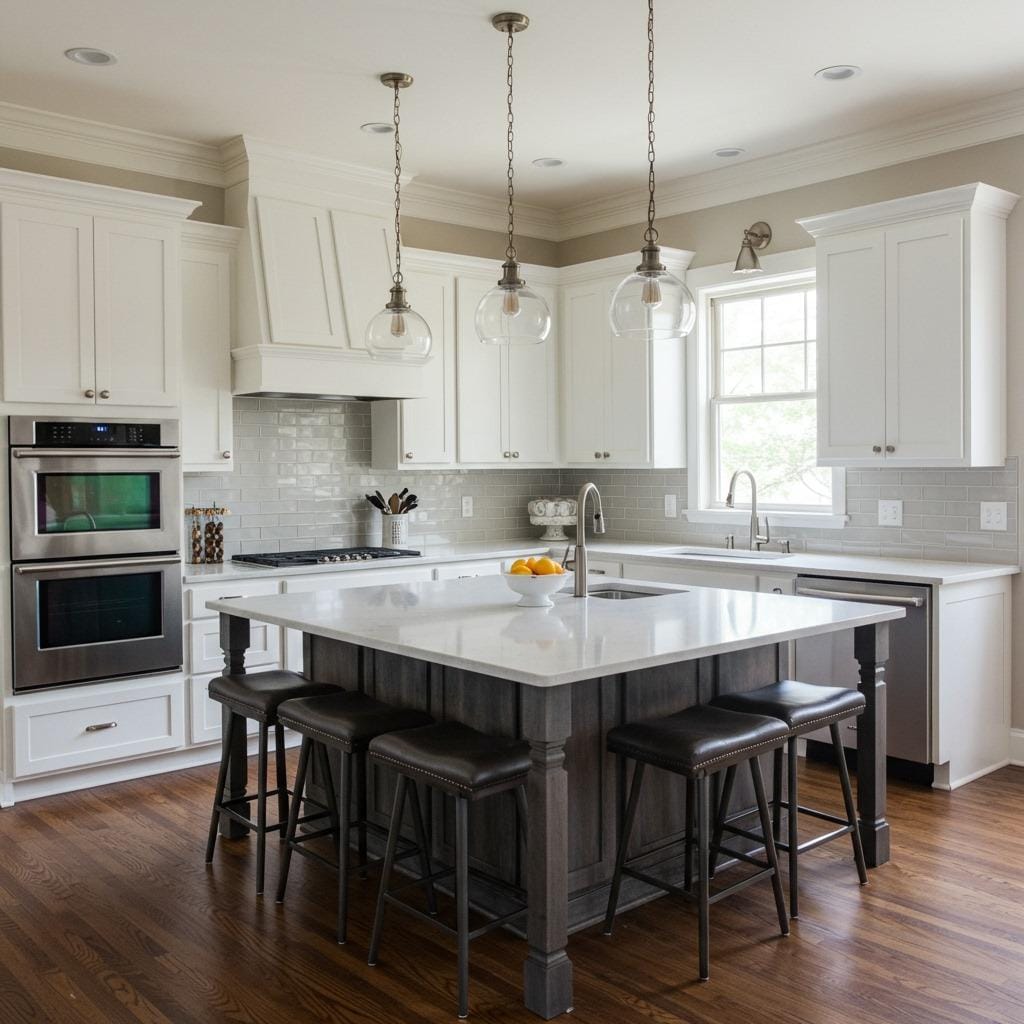
Start with ambient lighting as your foundation – typically recessed lights or a central fixture that provides overall illumination. Add task lighting in work areas through under-cabinet strips, pendant lights, or focused track lights. Finally, incorporate accent lighting with sconces, display lighting, or decorative fixtures that highlight special features.
The key to successful layering is ensuring each type of lighting can operate independently. Install separate switches or dimmer controls for different lighting zones. This flexibility allows you to use bright task lighting while cooking, then switch to soft ambient and accent lighting for entertaining.
Consider how natural light changes throughout the day and season. Your artificial lighting layers should compensate for these variations, ensuring consistent functionality and comfort regardless of external conditions.
12. Accent Lighting for Open Shelving
Open shelving has become increasingly popular in modern kitchens, and proper accent lighting transforms these functional storage solutions into stunning display opportunities. Strategic lighting makes your dishes, glassware, and decorative objects shine while adding visual interest to your kitchen walls.
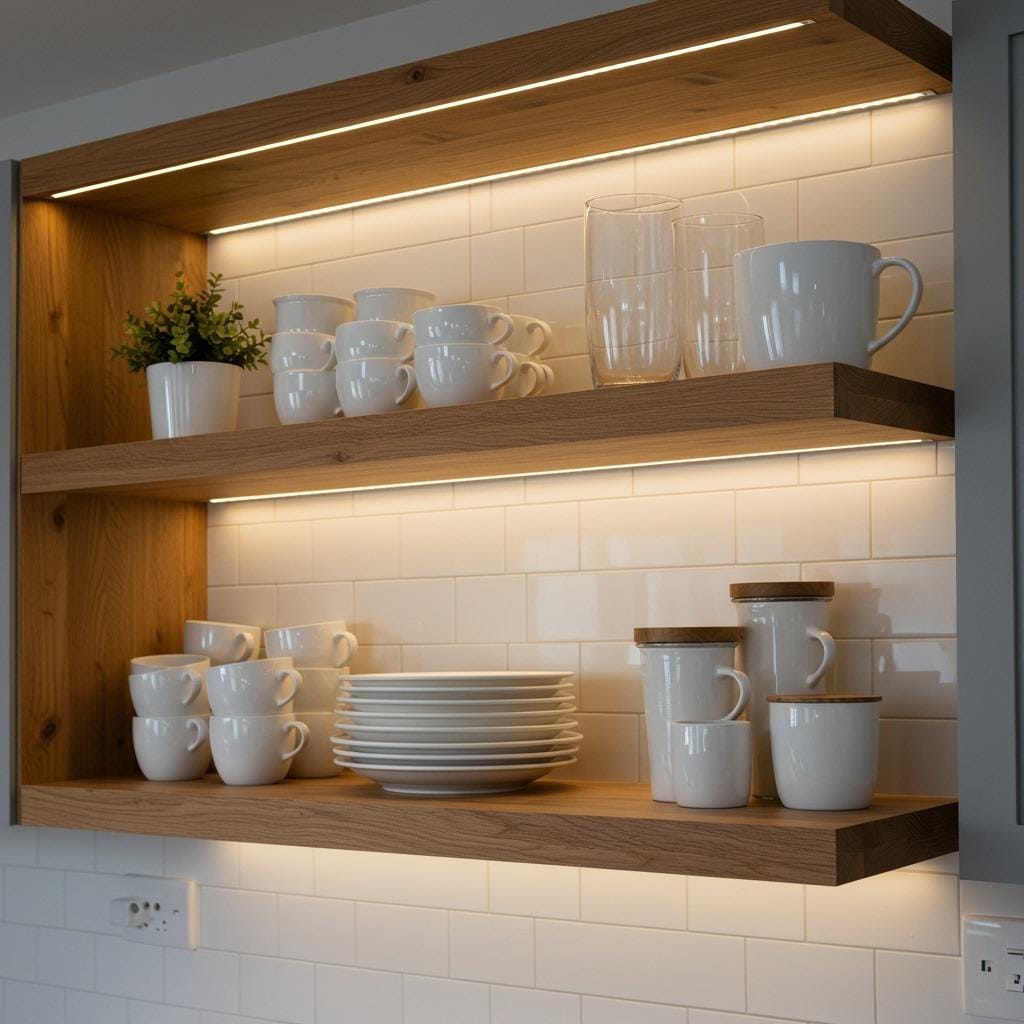
LED strip lights work beautifully for shelf lighting, providing even illumination without taking up valuable storage space. Install them along the underside of each shelf to create a floating effect and eliminate harsh shadows. Choose warm white LEDs to enhance the cozy, welcoming feeling of your displayed items.
The items you display become part of your kitchen’s lighting design. Glass containers and white dishes reflect light beautifully, while plants and natural materials add texture and interest. Arrange items with lighting in mind, placing taller pieces toward the back and shorter items in front for optimal visibility.
Consider the relationship between your shelf lighting and other fixtures in the room. The goal is gentle accent lighting that enhances rather than competes with your primary illumination. Use dimmer controls to adjust brightness based on the time of day and activity level.
13. Breakfast Nook Pendant Drama
A dedicated breakfast nook deserves its own special lighting that creates an intimate dining experience separate from the main kitchen workspace. Pendant lights over a breakfast table define the space while providing focused illumination for meals and conversation.
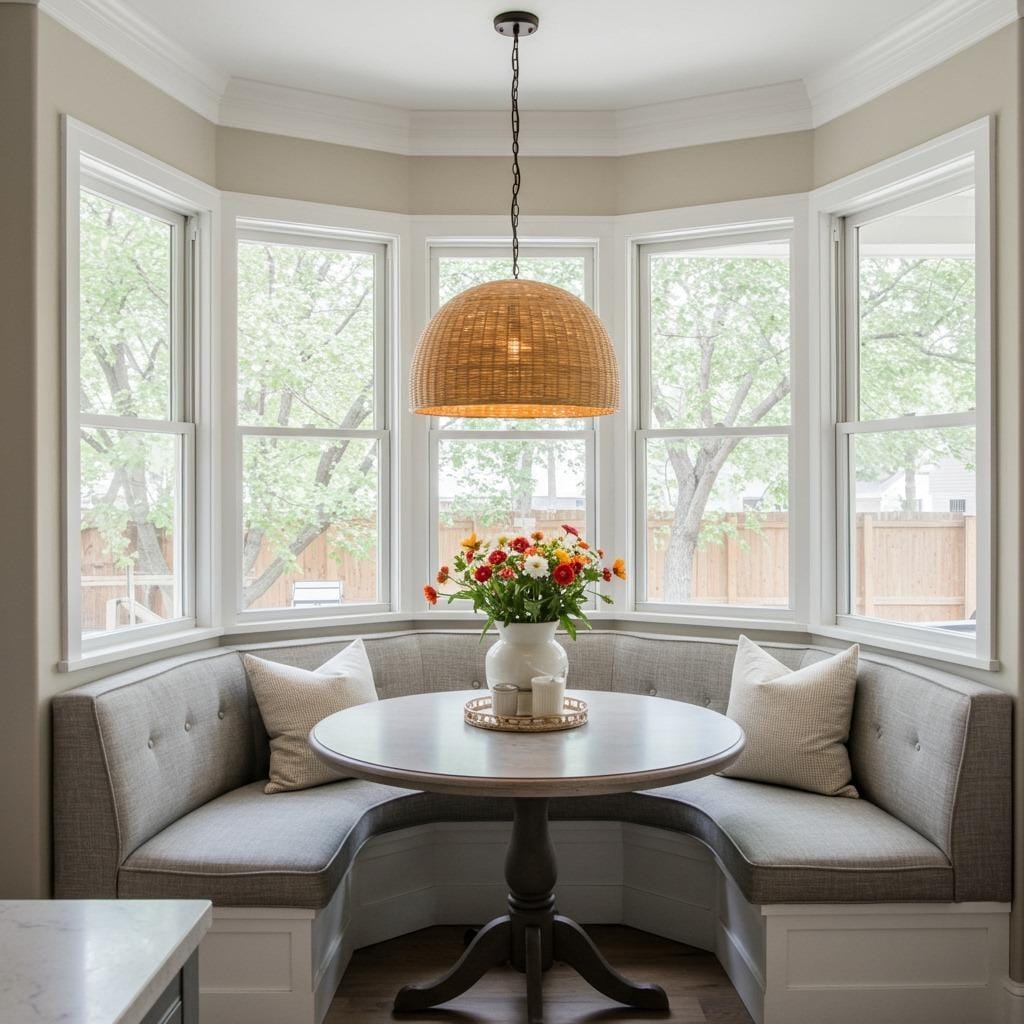
The scale of your pendant should relate to your table size and ceiling height. A single large pendant works beautifully over round tables, while rectangular tables might benefit from two smaller pendants or a linear fixture. Hang the fixture 30-36 inches above the table surface for optimal light distribution without blocking sight lines.
Material choices for breakfast nook pendants can be more adventurous than kitchen work area lighting. Natural materials like rattan, wood, or fabric shades create a cozy, residential feeling that encourages lingering over morning coffee or casual meals.
Consider how your breakfast nook lighting integrates with your overall kitchen design while maintaining its own distinct character. This area should feel special and separate while still coordinating with the larger space’s aesthetic.
14. Range Hood Integrated Lighting
Often overlooked, range hood lighting serves both practical and aesthetic purposes. Modern range hoods incorporate sophisticated lighting systems that illuminate your cooking surface while contributing to your kitchen’s overall ambiance.
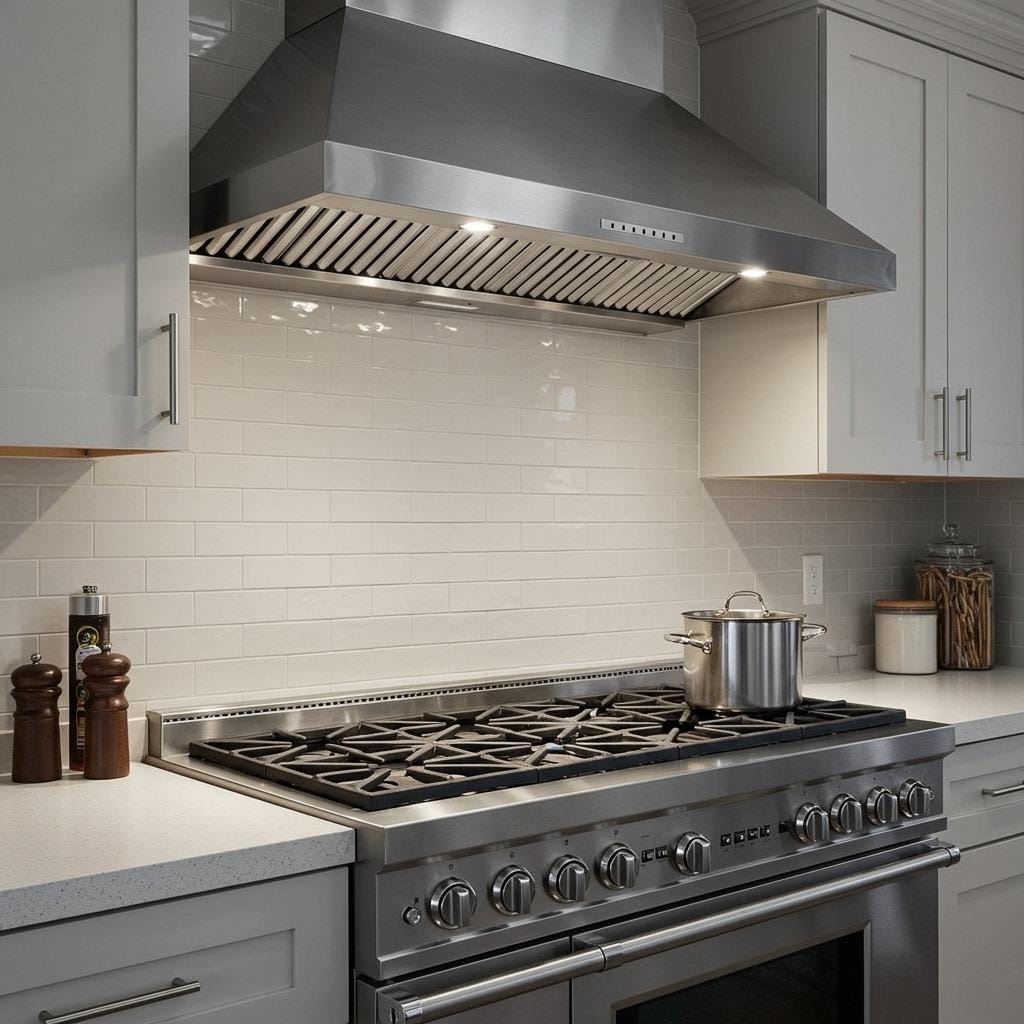
The best range hood lighting combines task functionality with design appeal. LED systems provide bright, cool light for cooking tasks while generating minimal heat. Some premium models offer adjustable color temperature, letting you choose cooler light for detailed cooking tasks or warmer light for a more ambient feel.
Consider your range hood as an opportunity to add architectural interest to your kitchen. Statement hoods with integrated lighting can serve as focal points, especially in kitchen designs that feature the range as a central element. Copper, stainless steel, or custom wood hoods each create different aesthetic impacts.
The lighting should illuminate your entire cooking surface evenly without creating hot spots or shadows. Professional-style hoods often include multiple light sources positioned strategically to eliminate any dark areas on your cooktop or counters.
15. Cabinet Interior Lighting
Interior cabinet lighting transforms everyday storage into beautiful displays while making it easier to find what you need. This often-overlooked lighting opportunity can significantly enhance both the functionality and beauty of your kitchen storage.
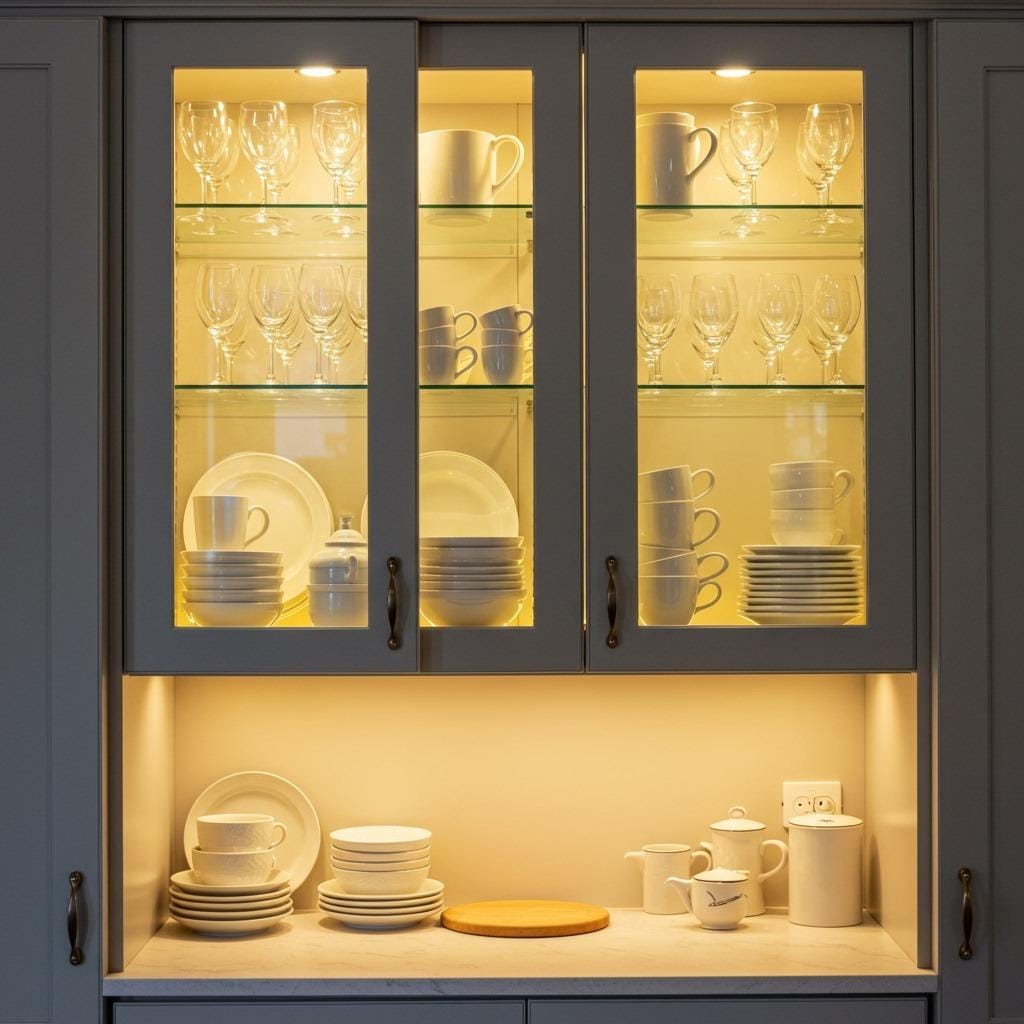
LED puck lights or strip lights work well inside cabinets, providing even illumination without generating heat that might damage stored items. Motion sensors can automatically turn lights on when you open cabinet doors, adding convenience while conserving energy.
This type of lighting is particularly effective in glass-front cabinets where it creates a beautiful display of your dishes and glassware. Even in solid-door cabinets, interior lighting makes finding items much easier and can help you keep things more organized.
Consider battery-operated options for easy installation without electrical work, or choose hardwired systems for a more permanent, professional appearance. The goal is subtle illumination that enhances functionality without overwhelming the space.
16. Toe-Kick Lighting
Toe-kick lighting is an unexpected way to add ambient lighting while creating the illusion of floating cabinets. These LED strips installed at the base of your cabinets provide subtle floor-level illumination that’s both practical and visually striking.
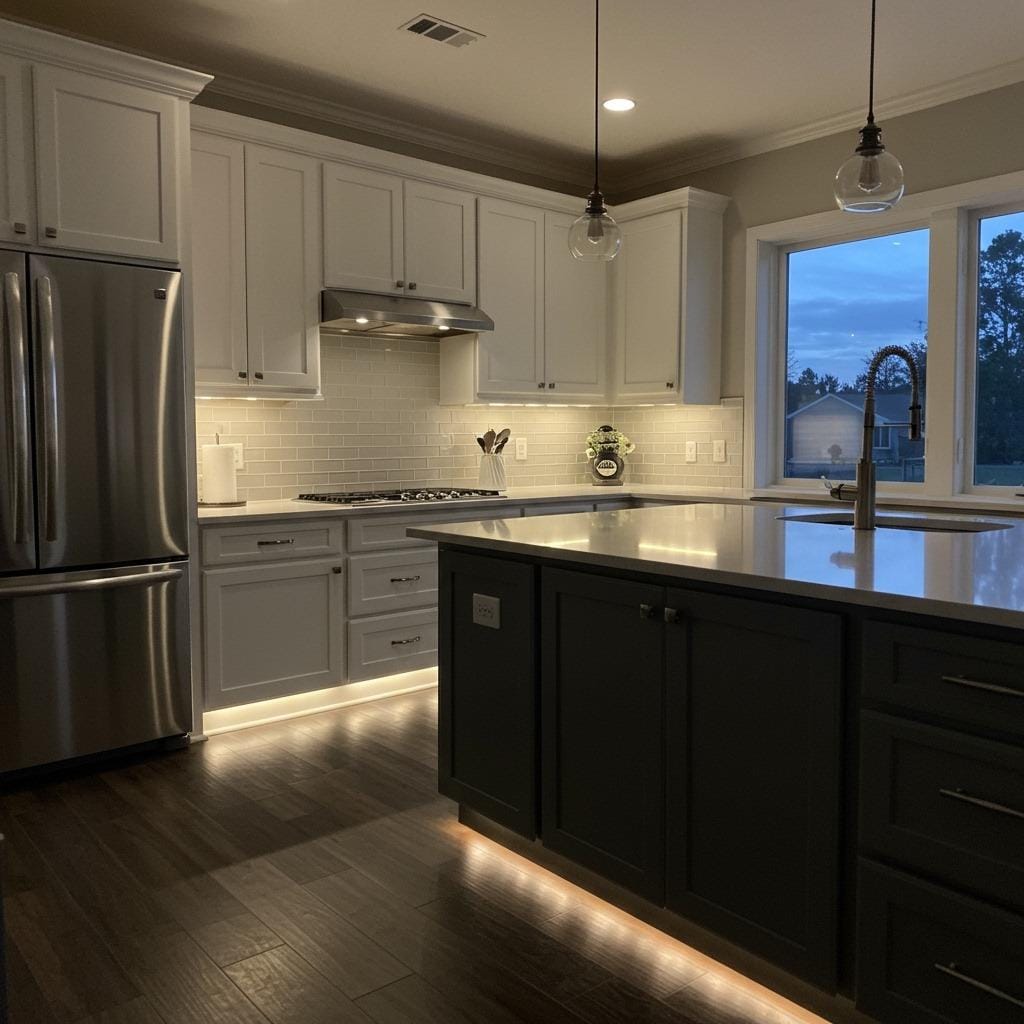
This lighting technique works particularly well in modern luxury kitchen designs where clean lines and minimal details are priorities. The soft upward light creates visual interest without adding visible fixtures or hardware to your cabinet design.
Installation is relatively straightforward, especially during cabinet installation or renovation projects. The strips are hidden behind a recessed channel in the toe-kick area, protecting them from damage while maintaining clean lines. Dimmer controls allow you to adjust brightness for different times of day.
Toe-kick lighting serves multiple purposes beyond aesthetics. It provides gentle navigation lighting for nighttime kitchen visits and can help define pathways in open-concept layouts where the kitchen flows into other living spaces.
17. Statement Light Fixtures as Art
The final layer in exceptional kitchen lighting treats fixtures as sculptural elements that contribute to your overall design aesthetic. These statement pieces serve as functional art, providing both illumination and visual interest that reflects your personal style.
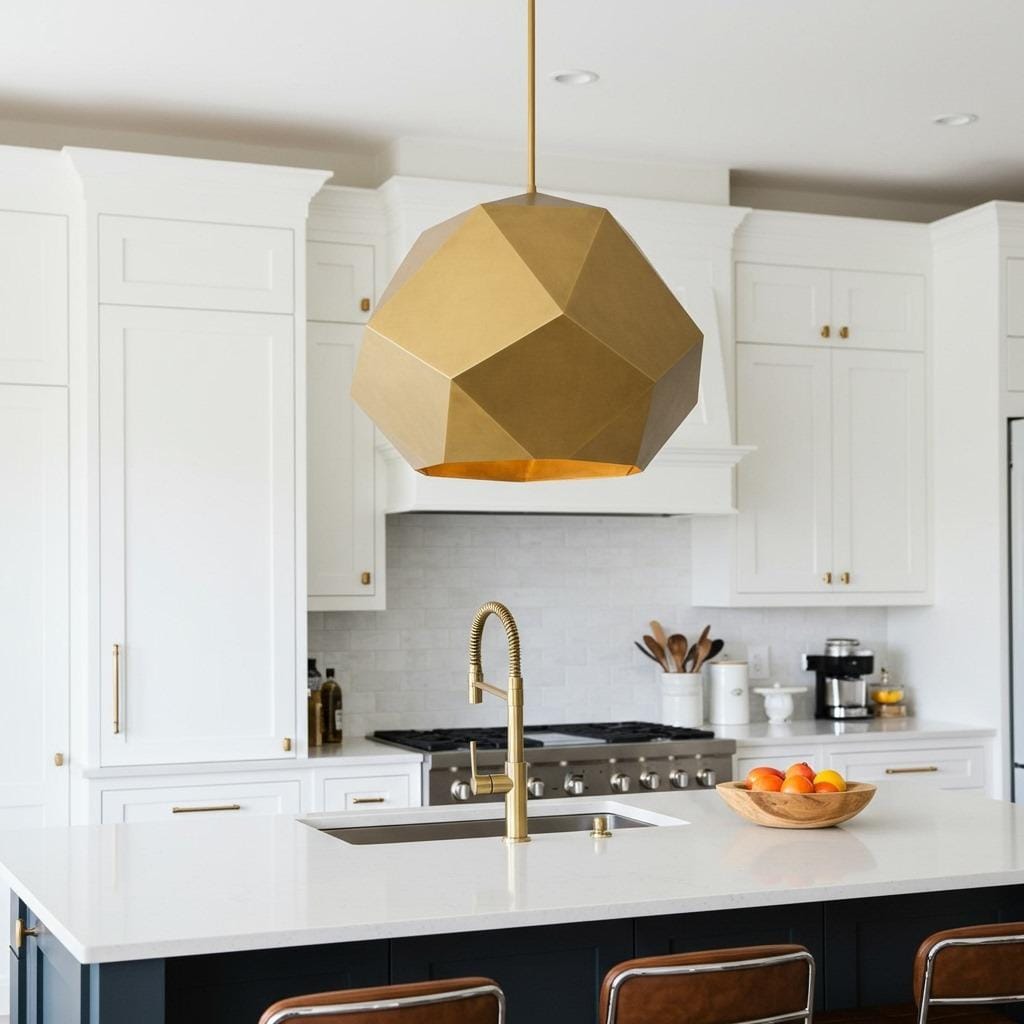
Statement fixtures work best when they have room to shine without competing with other bold elements. In minimalist kitchens, a dramatic chandelier or oversized pendant can provide the perfect amount of visual interest. In busier spaces, choose fixtures that complement rather than compete with existing features.
The key is selecting pieces that reflect your personality while serving practical lighting needs. A vintage brass chandelier might perfect a traditional kitchen, while a modern geometric pendant could anchor a contemporary space. Consider how the fixture will look both lit and unlit, as it becomes a constant visual element.
Scale remains crucial even with statement pieces. Large fixtures need adequate ceiling height and surrounding space to avoid overwhelming the room. When in doubt, err on the side of slightly larger rather than too small – undersized fixtures often look awkward even in smaller spaces.
Creating Your Perfect Kitchen Lighting Plan
Successful kitchen lighting design starts with understanding how you actually use your space. Consider your daily routines, entertaining style, and aesthetic preferences as you plan your lighting strategy. The best schemes combine beauty with functionality, creating spaces that work as hard as they look good.
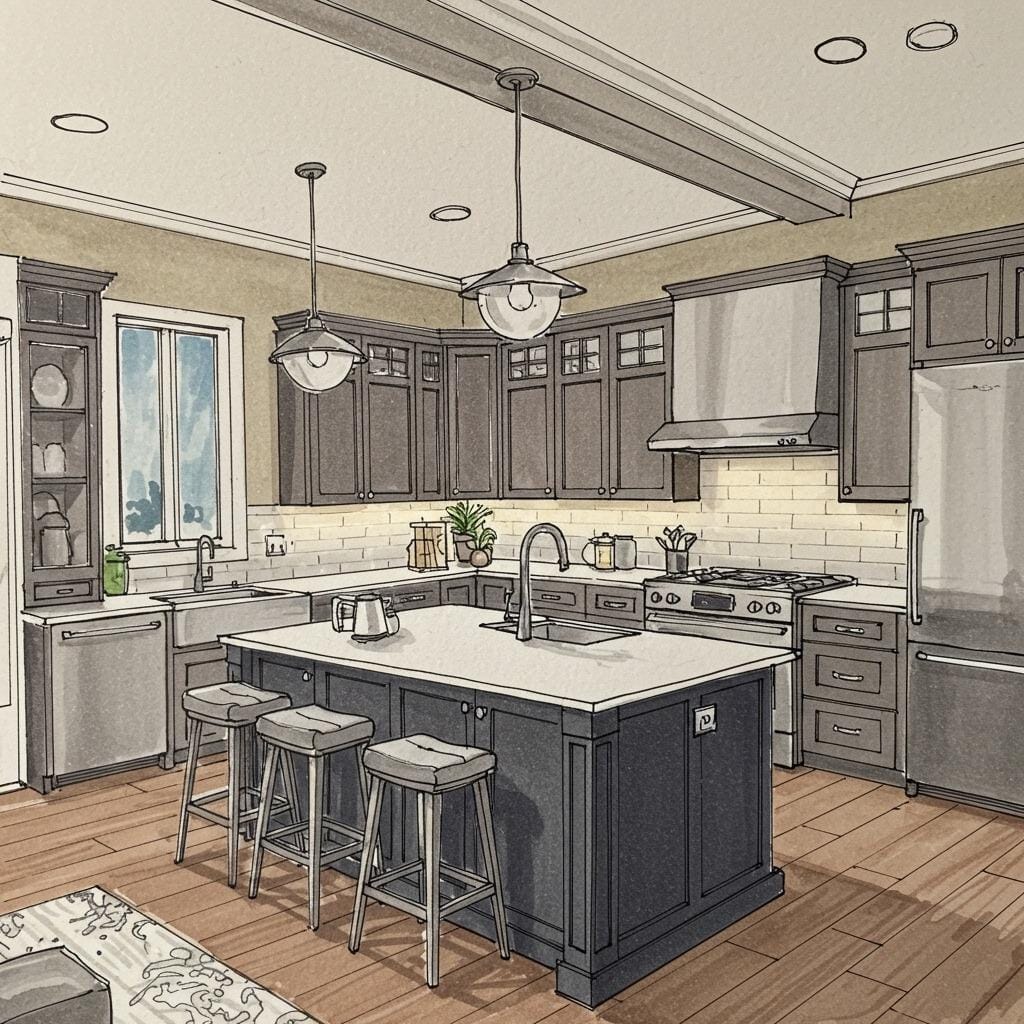
Begin by identifying your primary work areas and traffic patterns. Task lighting should focus on these zones, while ambient lighting provides overall comfort and safety. Accent lighting highlights the features you want to showcase, whether that’s a beautiful backsplash, open shelving, or architectural details.
Budget considerations might require phasing your lighting improvements over time. Start with the most impactful changes – often under-cabinet lighting and pendant lights over islands provide the biggest improvement for the investment. You can always add accent lighting, smart controls, and specialty fixtures later.
Remember that lighting design isn’t just about fixtures – it’s about creating atmosphere and supporting the way you live. The best kitchen lighting ideas are those that make your daily routines more enjoyable while creating a space you’re proud to share with family and friends.
Whether you’re planning a complete kitchen renovation or looking to update your current space with strategic lighting improvements, these 17 ideas offer inspiration for creating a kitchen that’s both beautiful and functional. The right combination of ambient kitchen lighting, statement pendant lights, and practical under-cabinet lighting can transform your space into the heart of your home you’ve always envisioned.
Consider working with a lighting designer or electrician to ensure your vision translates into safe, code-compliant installations that will serve you well for years to come. With thoughtful planning and quality fixtures, your kitchen lighting can be the perfect blend of form and function that makes every moment in your kitchen a pleasure.

Sanjai creates easy, affordable home decor ideas that anyone can try. Through simple tips and curated finds, he helps you style rooms you’ll love coming home to.