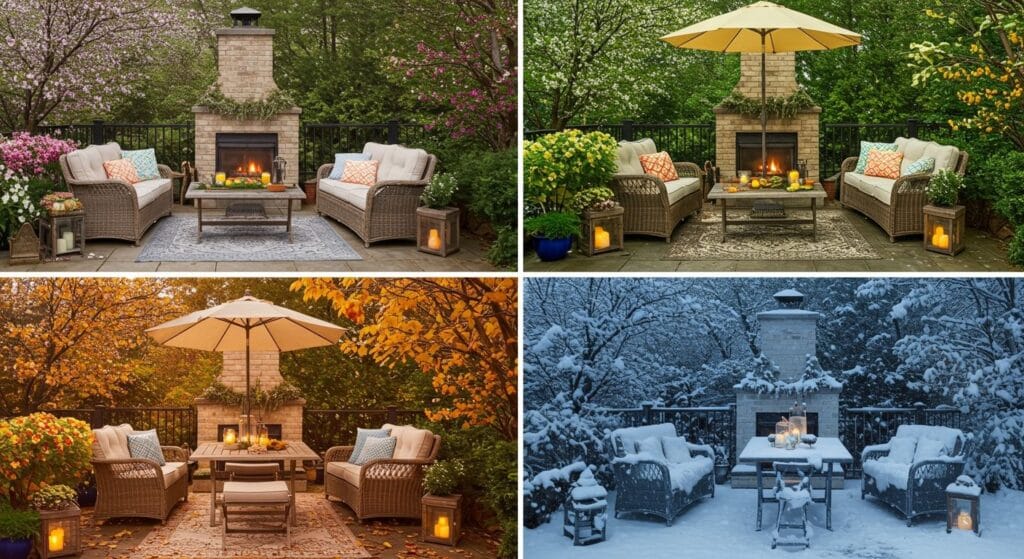
Creating an outdoor space that looks stunning and functions perfectly throughout the year isn’t just wishful thinking – it’s totally achievable with the right approach. Climate-adaptive outdoor design focuses on choosing materials, plants, and layouts that can handle whatever Mother Nature throws their way while maintaining their beauty across seasons.

Whether you’re dealing with scorching summers, freezing winters, or everything in between, these design strategies will help you create an outdoor haven that adapts gracefully to changing weather patterns. Let’s explore how smart planning and weather-resistant choices can transform your space into a year-round retreat.
1. Multi-Season Furniture with Weather-Resistant Materials
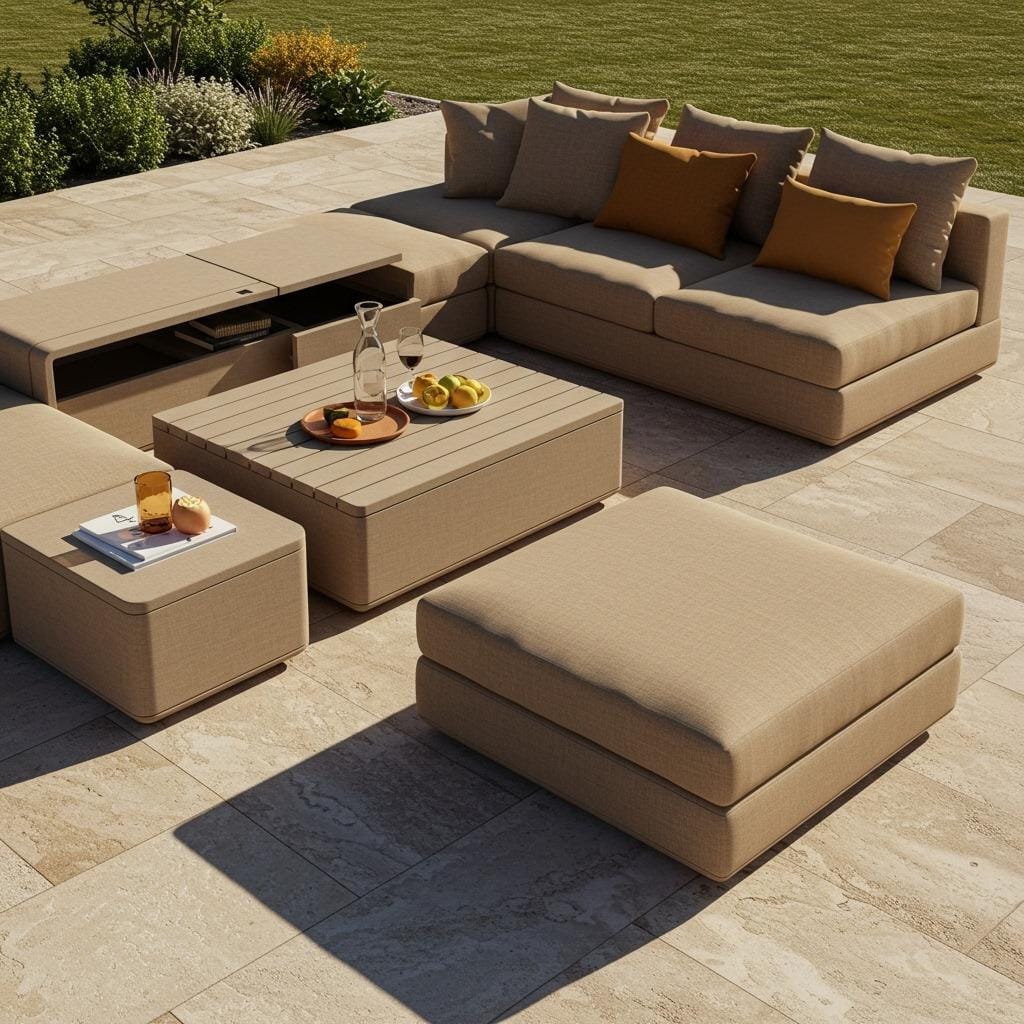
Investing in truly weather-resistant outdoor design starts with choosing furniture that can handle temperature swings, moisture, and UV exposure without losing its appeal. Look for pieces made from powder-coated aluminum, teak, or high-quality synthetic materials that won’t crack, fade, or rust over time.
Modular seating systems work particularly well because you can reconfigure them based on seasonal needs or weather conditions. During summer gatherings, spread pieces out for maximum socializing space, then pull them closer together around a fire feature when temperatures drop.
Storage ottomans and benches serve double duty by providing seating while hiding away seasonal cushions, throws, and outdoor accessories. This approach keeps your outdoor seating ideas fresh and protected when not in use.
2. Retractable and Adjustable Shade Solutions
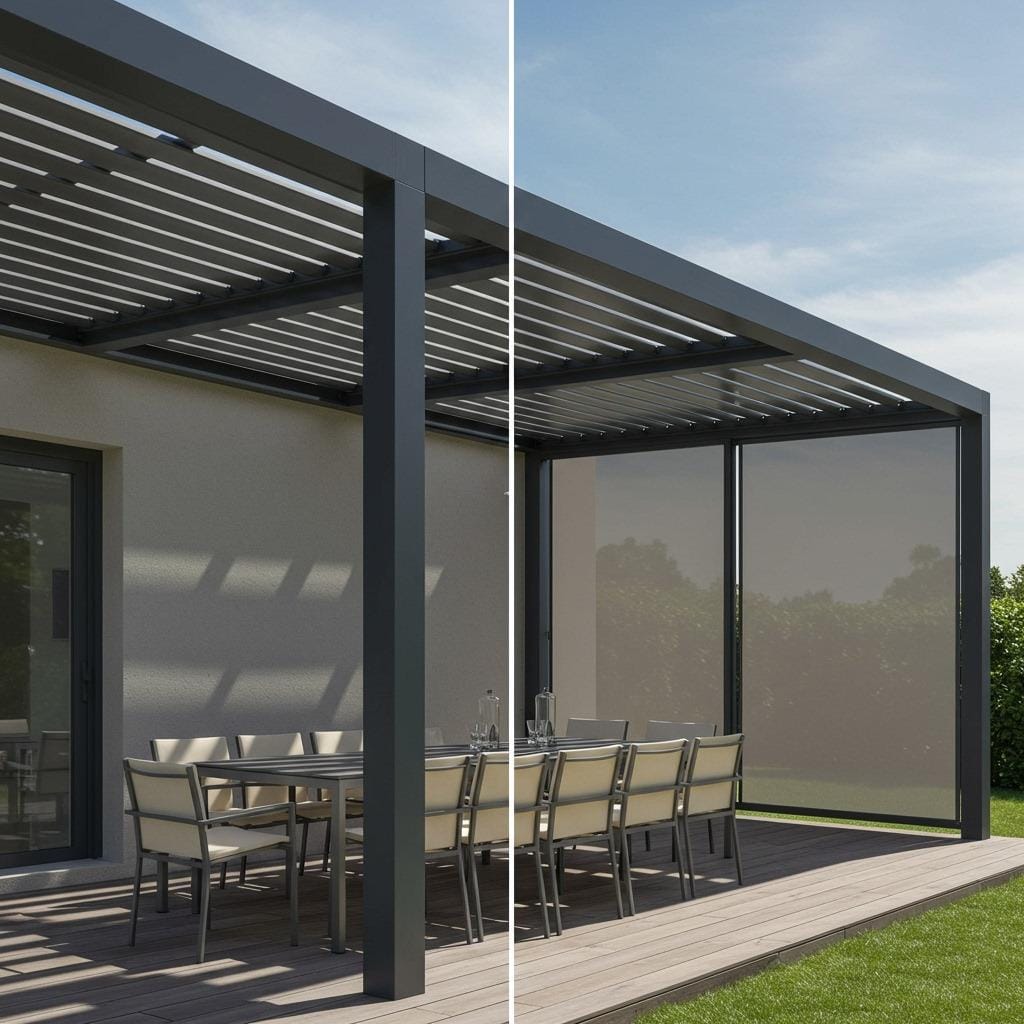
Nothing says climate-adaptive quite like shade structures that can be adjusted based on the sun’s intensity and seasonal position. Retractable awnings, pergolas with adjustable louvers, or sail shades give you complete control over your outdoor comfort levels throughout the year.
Consider motorized options that can be adjusted with the touch of a button – especially helpful during sudden weather changes. These systems also protect your furniture and outdoor investments from harmful UV rays and unexpected downpours.
Combining permanent structures like pergolas with removable elements creates the perfect balance. You get year-round architectural interest while maintaining flexibility for seasonal adjustments and maintenance needs.
3. Four-Season Plant Selection for Continuous Interest
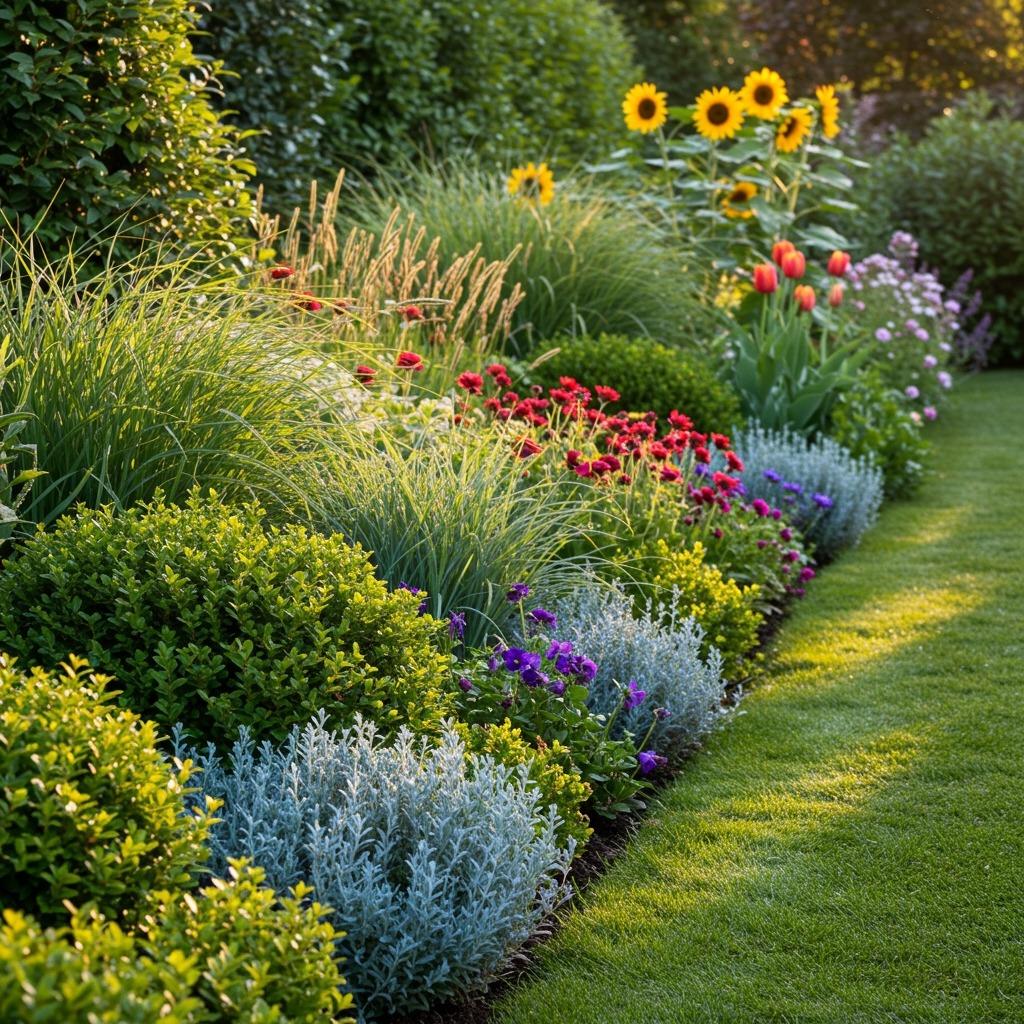
Smart plant choices form the backbone of successful climate-adaptive outdoor design. Focus on native and adapted species that naturally thrive in your climate zone while providing visual interest across multiple seasons.
Layer your plantings with a mix of evergreen structure plants, seasonal flowering varieties, and plants with interesting bark or winter berries. This approach ensures your space never looks bare or forgotten, regardless of the season.
Ornamental grasses deserve special mention here – they add movement and texture through growing seasons, then provide beautiful winter interest with their dried seed heads and graceful forms. Many are also incredibly drought-tolerant once established.
4. Flexible Outdoor Lighting for Seasonal Changes

Outdoor lighting needs change dramatically with the seasons – longer summer evenings call for ambient entertaining lights, while shorter winter days require more functional illumination for safety and extended outdoor use.
Layer different types of lighting to create flexibility: string lights for casual summer ambiance, pathway lighting for year-round safety, and focused task lighting for outdoor cooking areas. Solar options work well for accent lighting and reduce energy costs.
Consider programmable LED systems that can change color temperature and intensity based on seasonal needs. Warmer light temperatures feel more inviting during cooler months, while cooler whites work beautifully for summer entertaining.
5. Water Features with Winter Protection Systems
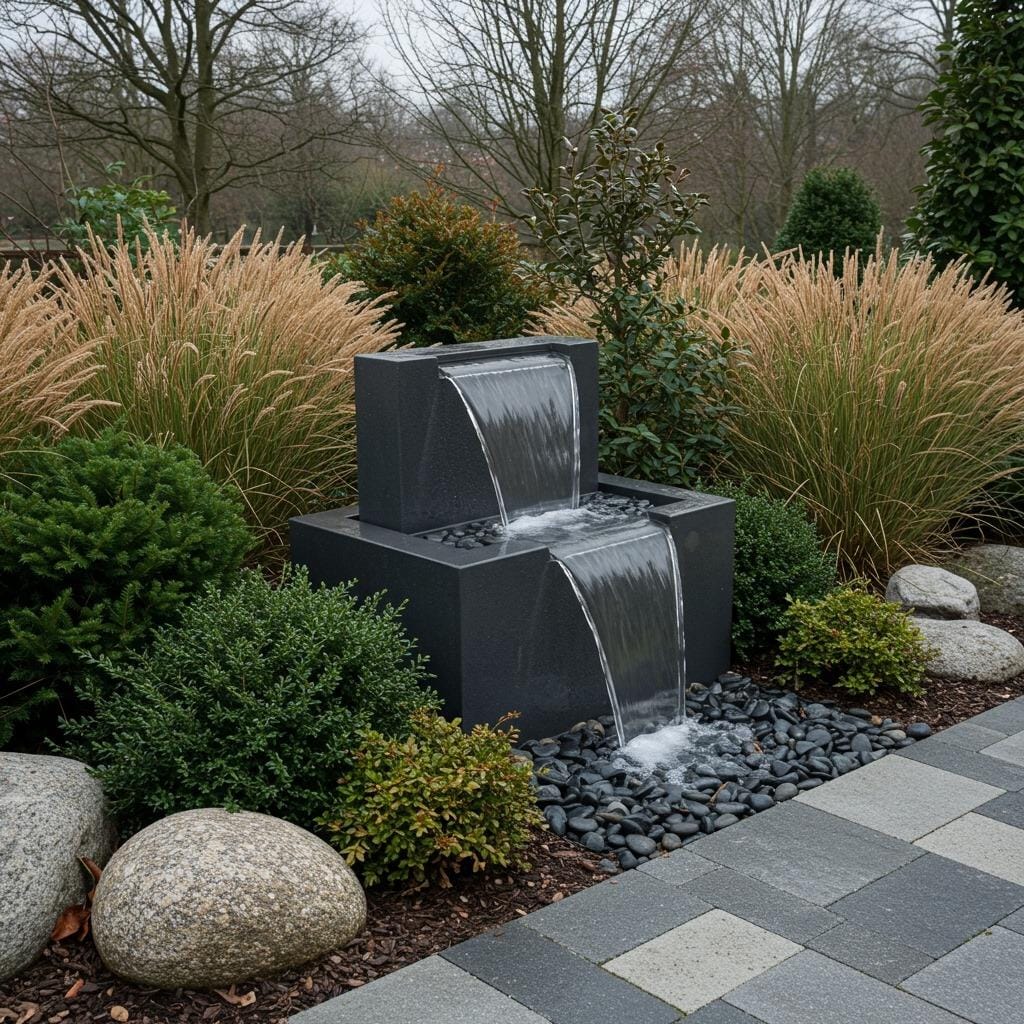
Water features add incredible sensory appeal to outdoor spaces, but they need special consideration in climates with freezing temperatures. Choose designs that can be easily winterized or opt for features specifically designed for year-round operation in your climate zone.
Recirculating fountains and water walls can often continue operating in mild winter climates with proper antifreeze measures. In harsher climates, consider features that can be drained and covered, or install heating elements to prevent freezing damage.
Rain gardens and bioswales serve as functional water features that actually improve with seasonal changes, helping manage stormwater while providing habitat for beneficial wildlife throughout the year.
6. Climate-Controlled Outdoor Rooms
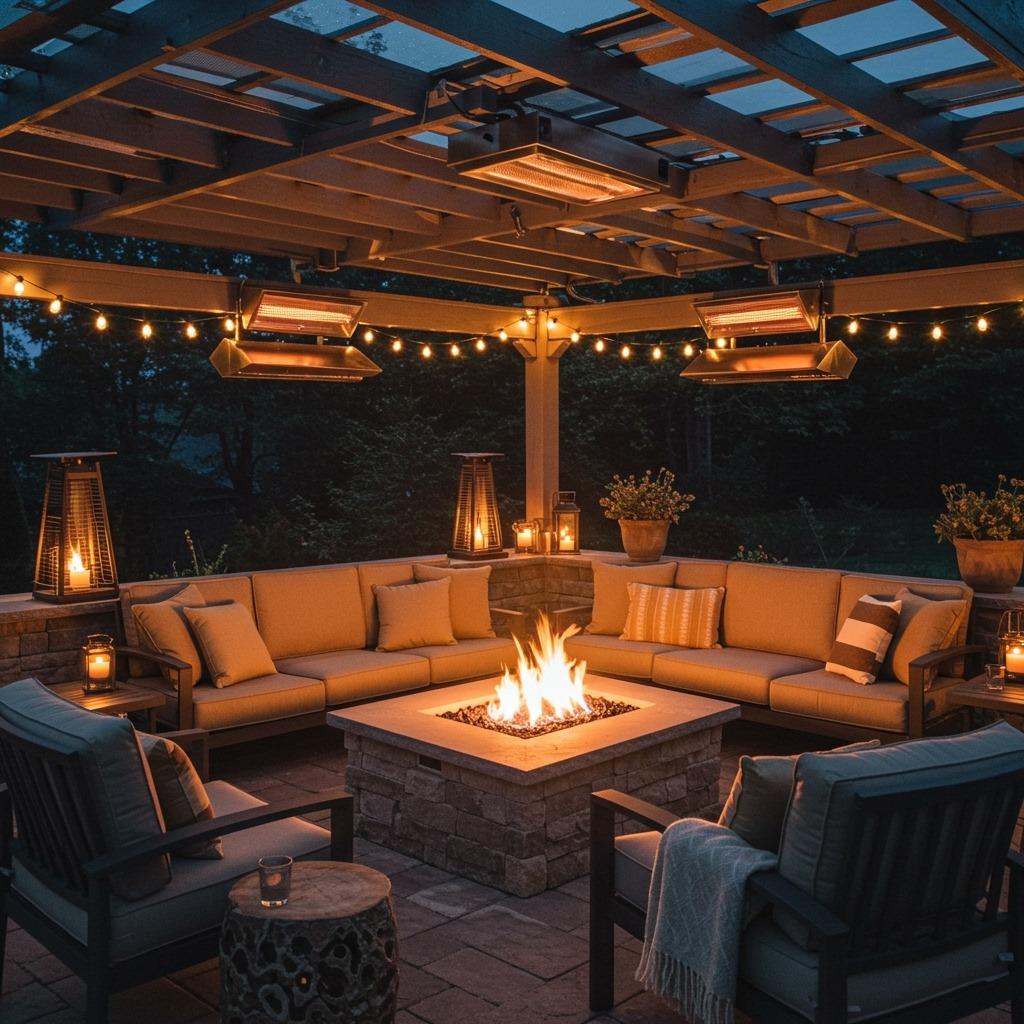
Take your outdoor spaces ideas to the next level by creating outdoor rooms with climate control features. Outdoor heaters, misting systems, and fans extend the usable seasons of your space significantly.
Strategic placement of these elements creates comfortable microclimates within your larger outdoor area. Position heaters near seating areas for cozy winter gathering spots, while misting systems or fans can make summer entertaining much more comfortable.
Consider incorporating fire features like built-in fire pits or portable fire bowls that serve as both heating elements and focal points. They create natural gathering spots that remain appealing even when not in use.
7. Adaptable Storage Solutions for Seasonal Transitions

Successful seasonal outdoor living requires smart storage solutions that keep seasonal items organized and easily accessible. Built-in storage benches, weather-resistant cabinets, and decorative storage boxes help manage the constant rotation of seasonal decor and accessories.
Create designated storage areas for cushions, throws, holiday decorations, and seasonal dining accessories. This organization makes transitioning your space between seasons much less overwhelming and more enjoyable.
Consider storage solutions that serve multiple purposes – storage ottomans that provide extra seating, console tables with hidden compartments, or even decorative sheds that become garden focal points while hiding necessary equipment.
8. Sustainable Garden Tips for Resource Conservation
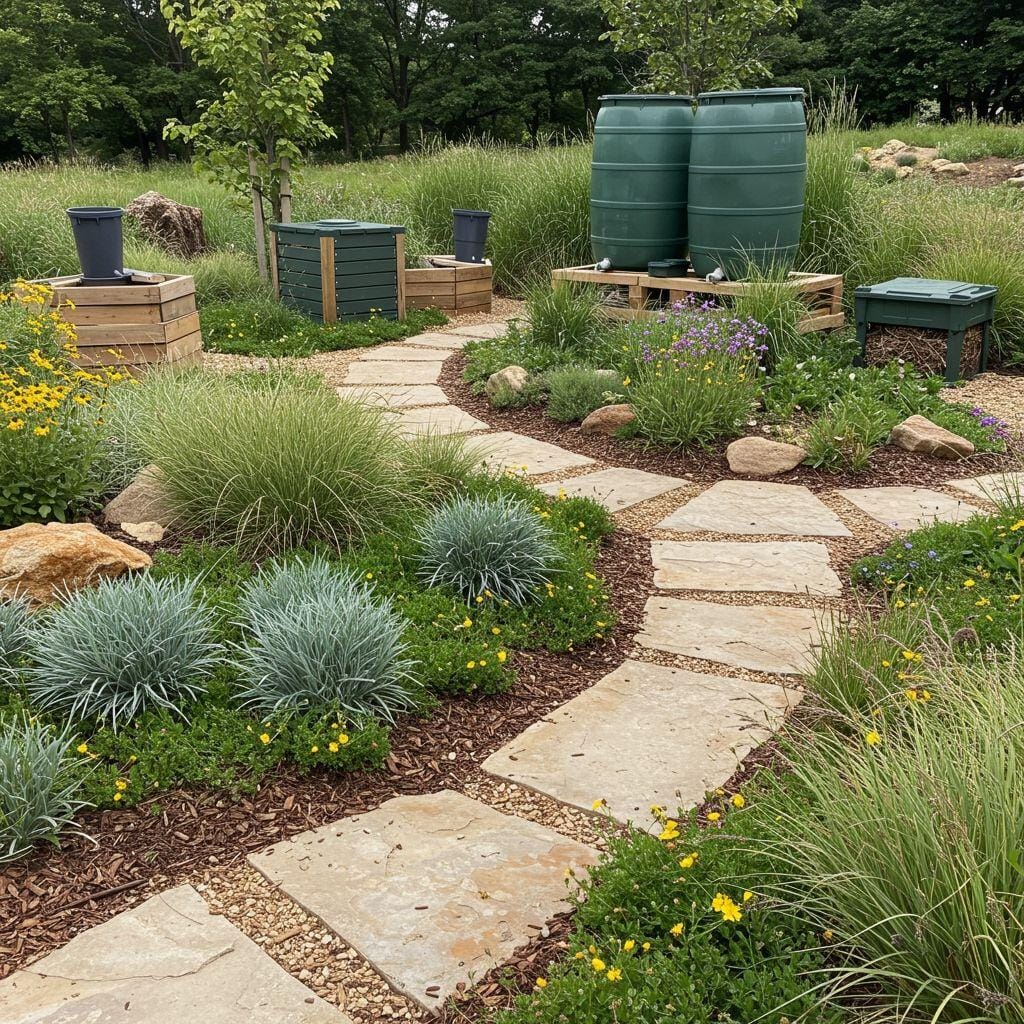
Climate-adaptive design and sustainability go hand in hand. Implementing water-wise landscaping, composting systems, and renewable energy sources creates resilient outdoor spaces that work with natural systems rather than against them.
Rain collection systems, permeable paving materials, and native plant selections reduce resource consumption while creating more interesting and diverse outdoor environments. These choices often require less maintenance once established, freeing up time to enjoy your space.
Edible landscaping deserves consideration too – many herbs, vegetables, and fruit-bearing plants provide seasonal interest while contributing to your household sustainability goals. Even small spaces can incorporate productive elements through container gardening for patios.
9. Seasonal Transition Accessories and Decor

The beauty of climate-adaptive design lies partly in how easily you can refresh your space for different seasons without major overhauls. Develop a collection of weather-resistant accessories that can be mixed and matched throughout the year.
Outdoor rugs, cushions, throws, and decorative elements in seasonal colors create instant transformation. Choose pieces that can handle outdoor conditions while adding comfort and style to your space.
Think beyond traditional seasonal decor – incorporate elements like lanterns, planters, and textile accessories that work across multiple seasons with simple styling changes. This approach is both budget-friendly and storage-efficient.
10. Smart Technology Integration for Weather Monitoring
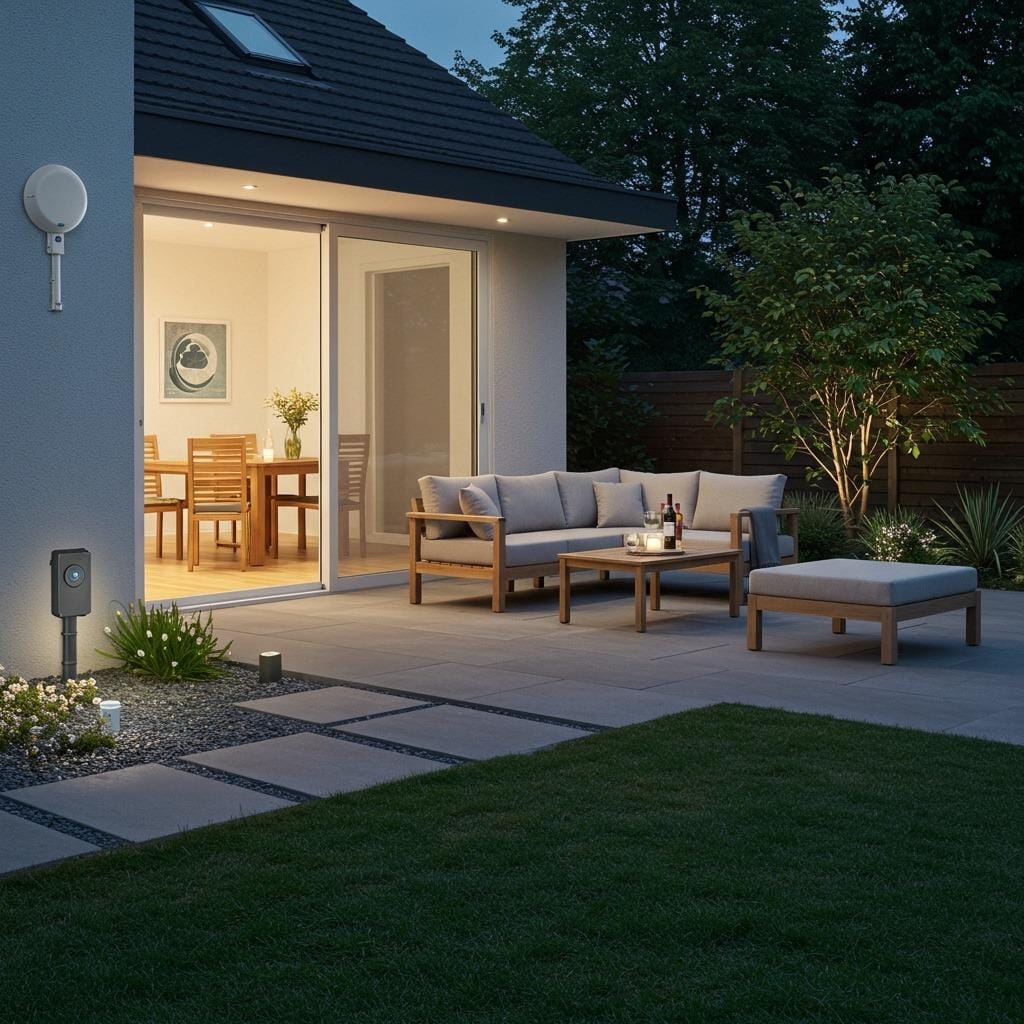
Modern technology offers incredible tools for managing climate-adaptive outdoor spaces. Weather monitoring systems, automated irrigation, and app-controlled lighting and heating systems take the guesswork out of seasonal maintenance.
Smart sprinkler systems adjust watering schedules based on weather forecasts and soil moisture levels, ensuring your plants get exactly what they need without waste. This technology becomes especially valuable during drought periods or unexpected weather patterns.
Consider investing in weather-resistant outdoor speakers, automated shade controls, and even outdoor-rated televisions that can withstand seasonal weather changes. These additions extend the functionality of your outdoor rooms throughout the year.
Creating Your Climate-Adaptive Outdoor Space
Building a truly climate-adaptive outdoor design requires thoughtful planning, but the results are worth every effort. Start by assessing your local climate patterns, then prioritize the strategies that address your biggest seasonal challenges.
Remember that successful outdoor kitchen and dining spaces benefit greatly from these adaptive principles too. Whether you’re planning a complete outdoor renovation or making gradual improvements, these ideas will help create a space that works beautifully in every season.
The key to success lies in choosing quality materials, planning for seasonal changes, and embracing the natural rhythm of your local climate rather than fighting against it. Your outdoor space should feel like a natural extension of your home that welcomes you outdoors regardless of the weather forecast.

For more inspiration on creating beautiful outdoor spaces that work year-round, check out our comprehensive guide to sustainable outdoor furniture options and discover how to integrate these pieces into your climate-adaptive design. According to the Environmental Protection Agency, climate-adaptive design strategies not only improve outdoor living comfort but also contribute to environmental sustainability through reduced resource consumption and improved local ecosystem support.

Sanjai creates easy, affordable home decor ideas that anyone can try. Through simple tips and curated finds, he helps you style rooms you’ll love coming home to.