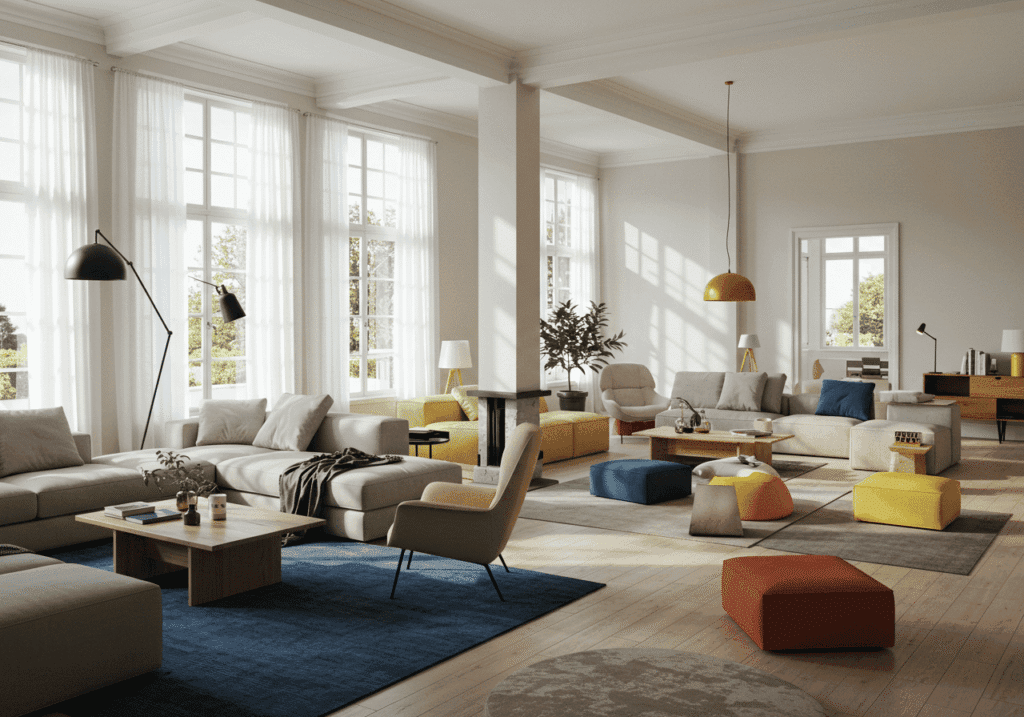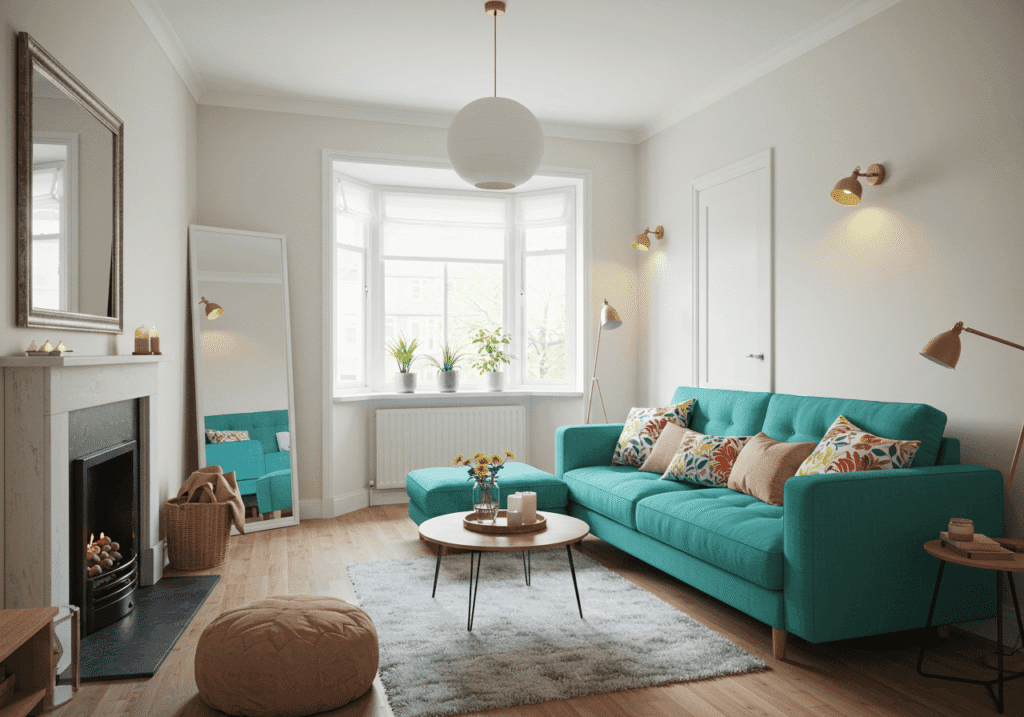
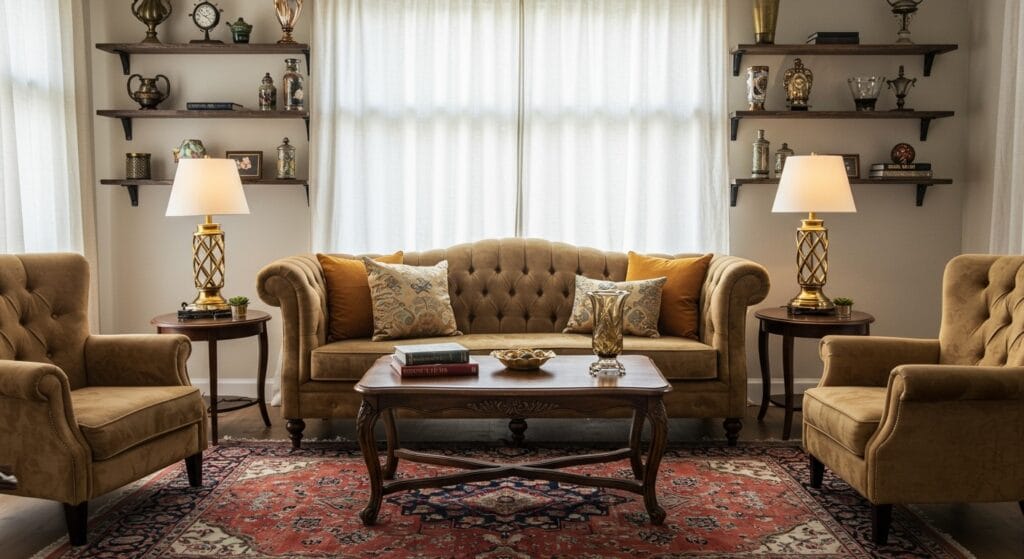
There’s something undeniably magical about stepping into a vintage living room that feels like it’s been curated over decades. The worn leather of an antique armchair, the patina on brass fixtures, and the way afternoon light filters through aged lace curtains – these details create an atmosphere that modern reproductions simply can’t replicate.
Creating your own vintage living room doesn’t require hunting through estate sales for years (though that’s certainly part of the fun). It’s about understanding the elements that make vintage spaces feel authentic and layering them thoughtfully throughout your room. Whether you’re drawn to the glamour of Art Deco, the simplicity of mid-century modern, or the romance of Victorian design, vintage living room ideas can transform your space into something truly special.
The beauty of vintage decor lies in its storytelling ability. Each piece carries history, and when combined thoughtfully, they create a narrative that feels both personal and timeless.
1. Start with Your Vintage Era Foundation
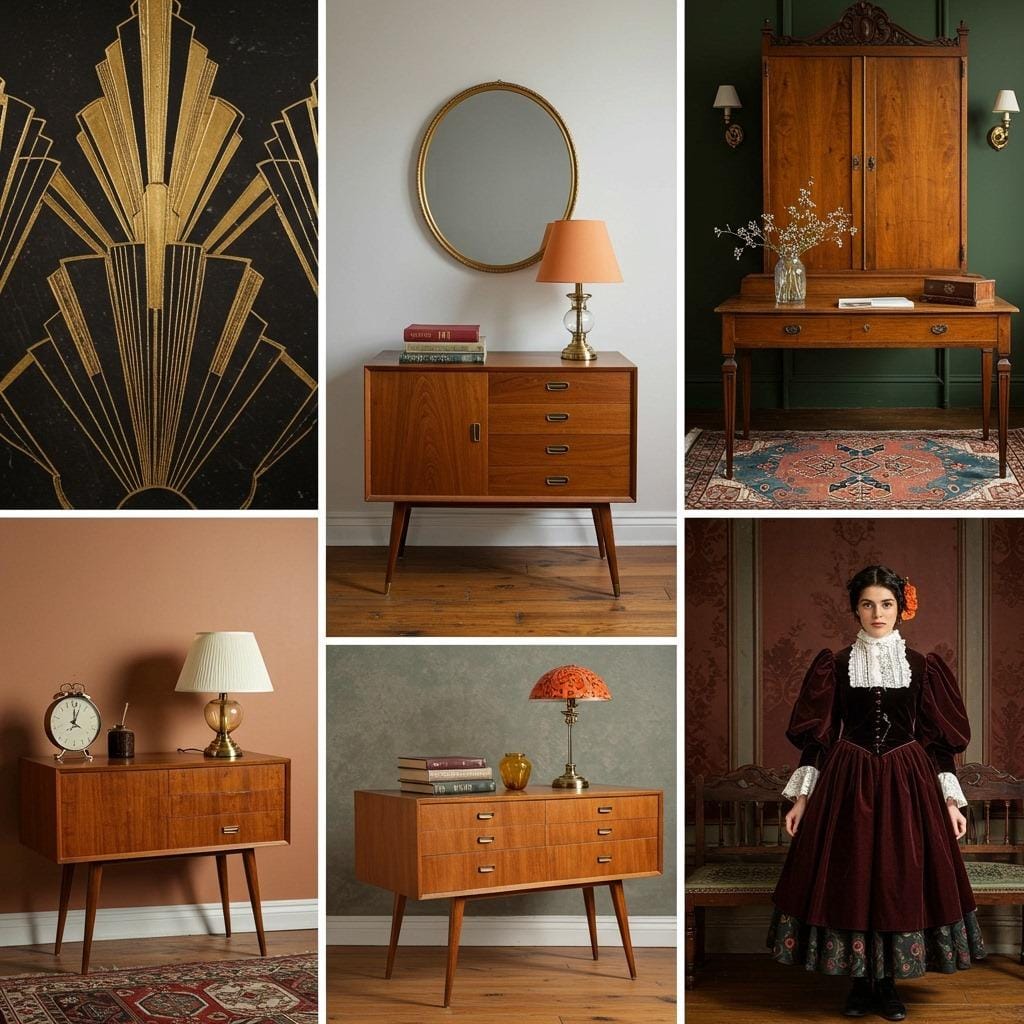
Before diving into furniture shopping, decide which vintage era speaks to you most. This decision will guide everything from your color palette to your furniture choices, creating cohesion throughout your space.
The 1920s Art Deco period brings bold geometric patterns, rich jewel tones, and metallic accents. Think emerald green velvet, gold leaf details, and furniture with clean, angular lines. This era is perfect if you love drama and glamour in your decor.
Mid-century modern from the 1950s and 60s offers a completely different aesthetic with its emphasis on functionality and organic shapes. Warm wood tones, burnt orange, and clean lines define this period. It’s ideal for those who appreciate minimalist living room principles with vintage character.
Victorian and Edwardian styles from the late 1800s to early 1900s embrace ornate details, rich fabrics, and deep colors. These periods work beautifully if you love layered textures and romantic elements in your home.
2. Choose Your Vintage Color Palette Wisely

Authentic vintage color schemes often reflect the pigments and dyes available during specific time periods. Understanding these historical palettes will make your vintage living room feel more genuine.
For Art Deco inspiration, embrace rich jewel tones like deep emerald, sapphire blue, and burgundy paired with metallic gold or silver accents. These colors create the sophisticated drama characteristic of the era. Black and white geometric patterns can serve as striking accent elements.
Mid-century palettes tend to be warmer and more earthy. Think harvest gold, burnt orange, avocado green, and warm browns. These colors work beautifully with the clean lines of mid-century furniture and create an inviting, cozy atmosphere that complements contemporary living room sensibilities.
Earlier vintage periods often featured deeper, more muted tones. Dusty rose, sage green, cream, and deep navy create an authentic vintage foundation. These softer colors age beautifully and provide a calming backdrop for ornate antique pieces.
3. Master the Art of Vintage Furniture Selection
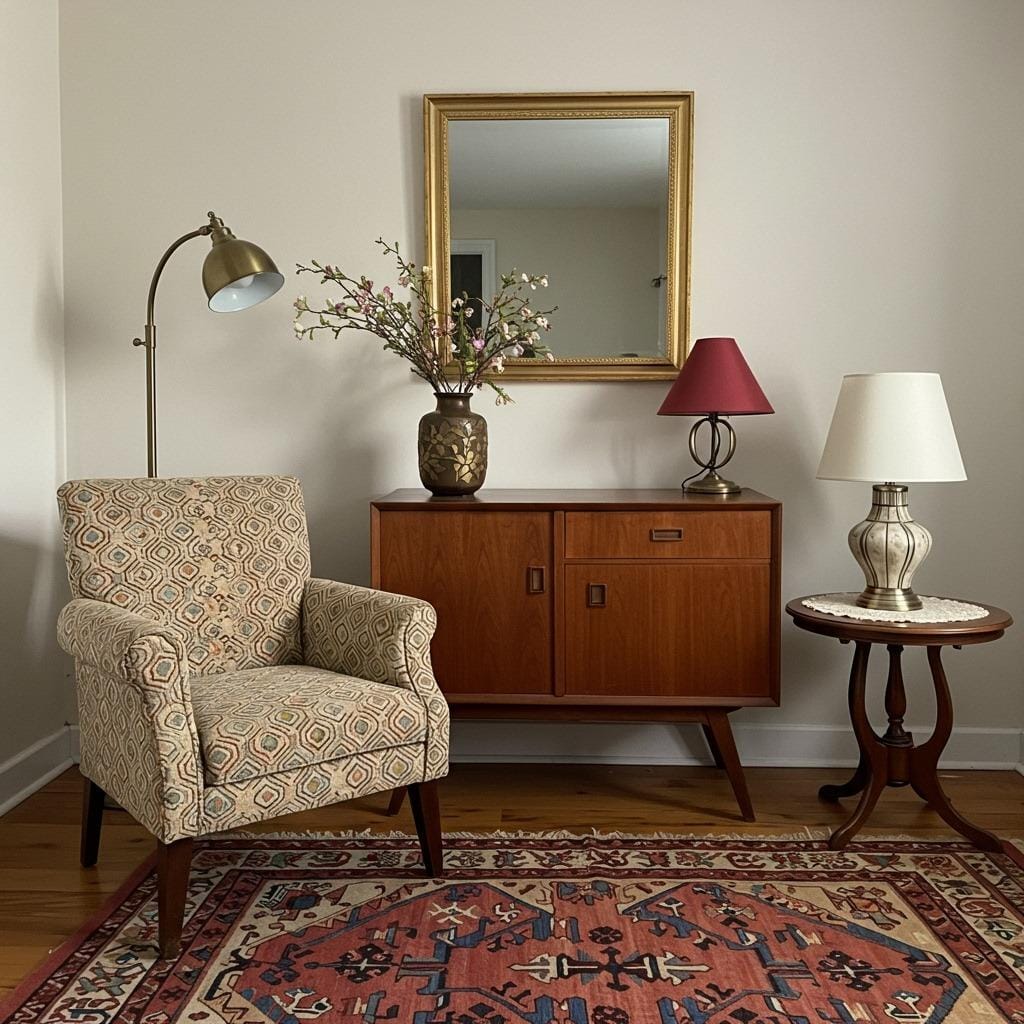
The furniture you choose will be the backbone of your vintage living room, so selecting pieces that feel authentic is crucial. You don’t need everything to be genuine antiques – mixing real vintage pieces with reproduction items creates an accessible approach to vintage decorating.
Start with one statement piece that defines your era – perhaps a mid-century modern credenza, an Art Deco armchair, or a Victorian settee. This anchor piece will guide your other furniture choices and establish the room’s personality.
When mixing different vintage periods, stick to pieces that share similar proportions or materials. A Victorian mahogany side table can work beautifully with Art Deco seating if both pieces have similar scale and rich wood tones. The key is finding common threads that tie disparate pieces together.
Consider the functionality of vintage pieces in modern living. Some antique furniture may need restoration or adaptation to meet current comfort standards. Beautiful living room layouts incorporate vintage pieces in ways that serve today’s lifestyle while maintaining period authenticity.
4. Layer Authentic Vintage Textiles and Patterns
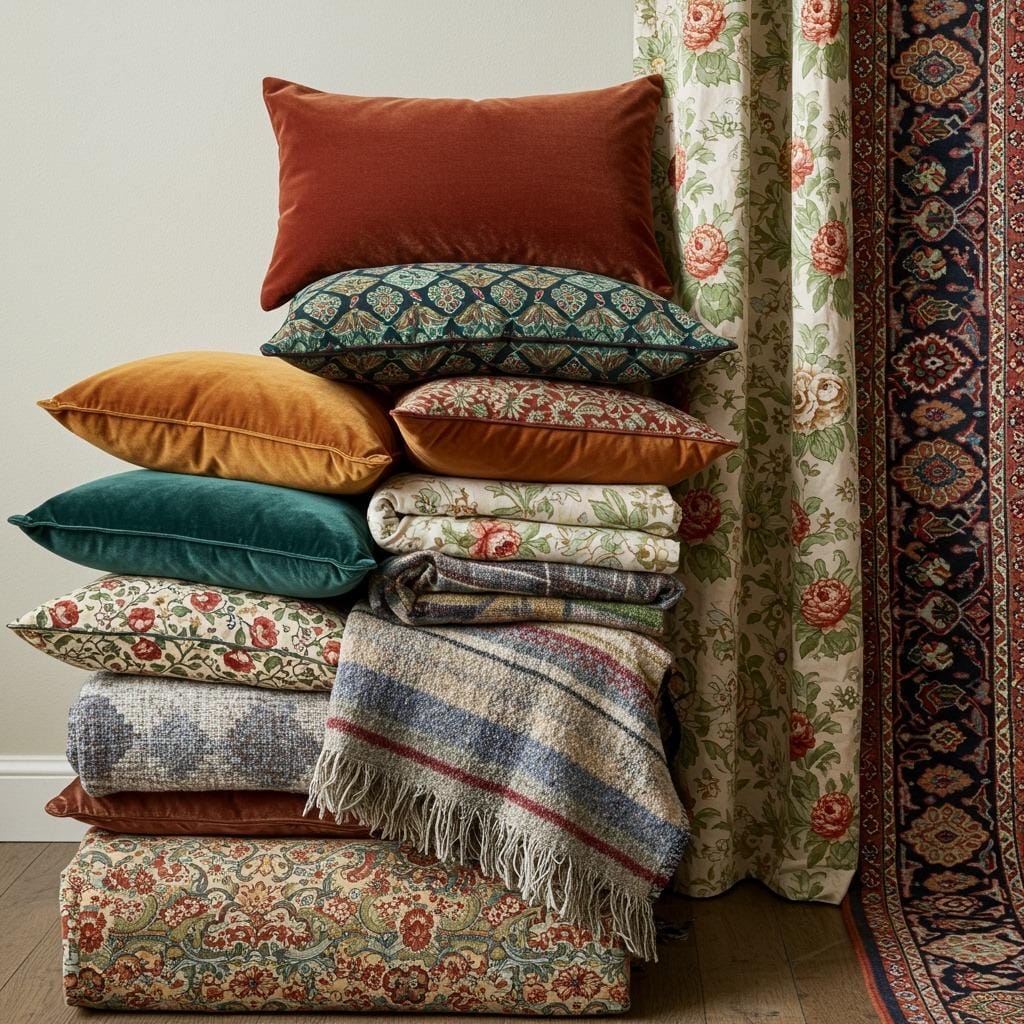
Textiles bring warmth and authenticity to vintage living rooms in ways that furniture alone cannot achieve. The right combination of fabrics, patterns, and textures creates the lived-in feeling that makes vintage spaces so appealing.
Vintage-appropriate fabrics include velvet, brocade, chintz, and wool. These materials age beautifully and develop the patina that gives vintage rooms their character. Look for pieces with slight wear or fading – they often have more charm than pristine reproductions.
Pattern mixing is essential in vintage decor, but it requires a thoughtful approach. Start with one dominant pattern – perhaps a floral chintz or geometric Art Deco print – then add smaller doses of complementary patterns in similar color families. A striped pillow might pair beautifully with a floral sofa if they share underlying tones.
Don’t forget about the power of vintage rugs to anchor your space. Persian rugs, needlepoint carpets, and geometric patterns from specific eras can define seating areas and add crucial color and pattern to your room.
5. Perfect Your Vintage Lighting Strategy
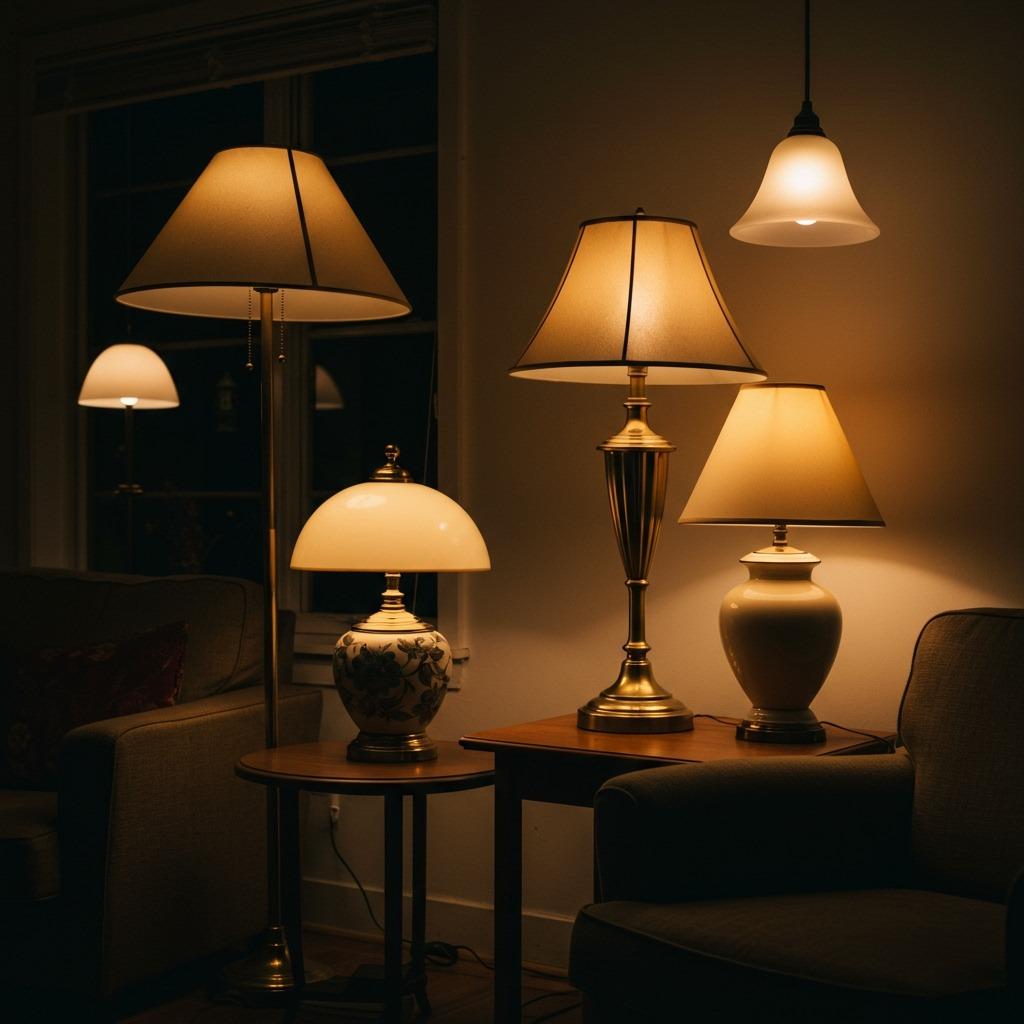
Lighting in vintage living rooms should feel warm, intimate, and layered. The harsh overhead lighting common in modern homes doesn’t suit vintage aesthetics – instead, focus on creating pools of warm light throughout the room.
Table lamps are crucial in vintage decor. Look for bases made from materials popular during your chosen era – brass and ceramic for mid-century, crystal and ornate metals for earlier periods. Lampshades should complement the base while providing soft, diffused light. Fabric shades in cream, ivory, or period-appropriate colors work best.
Floor lamps can provide both task and ambient lighting while serving as decorative elements. Arc lamps were popular in the 1960s and 70s, while torchiere lamps suit earlier vintage periods. Position these lamps to highlight seating areas or artwork.
Consider the warmth of your light bulbs carefully. Modern LED bulbs in warm white (2700K) or soft white (3000K) temperatures mimic the incandescent bulbs that would have been used in vintage homes. This small detail makes a significant difference in creating authentic atmosphere.
6. Curate Vintage Accessories and Decorative Objects

The accessories in your vintage living room tell the story of the era you’re recreating. These smaller pieces often have the biggest impact on creating authentic vintage atmosphere, and they’re usually more budget-friendly than major furniture pieces.
Books are essential vintage accessories. Look for hardcover volumes from your chosen era, or vintage book collections with interesting covers and spines. Stack them on coffee table styling arrangements or display them on built-in shelves for an authentic scholarly feel.
Vintage glassware, ceramics, and metalwork from specific periods add both color and historical context. Art Deco cocktail shakers, mid-century pottery, or Victorian silver pieces can serve as functional decor that reinforces your chosen aesthetic.
Artwork should reflect the style and subjects popular during your vintage period. Original pieces are wonderful if you can find them, but high-quality reproductions of period-appropriate art, advertisements, or photography work beautifully too.
7. Balance Vintage Character with Modern Comfort
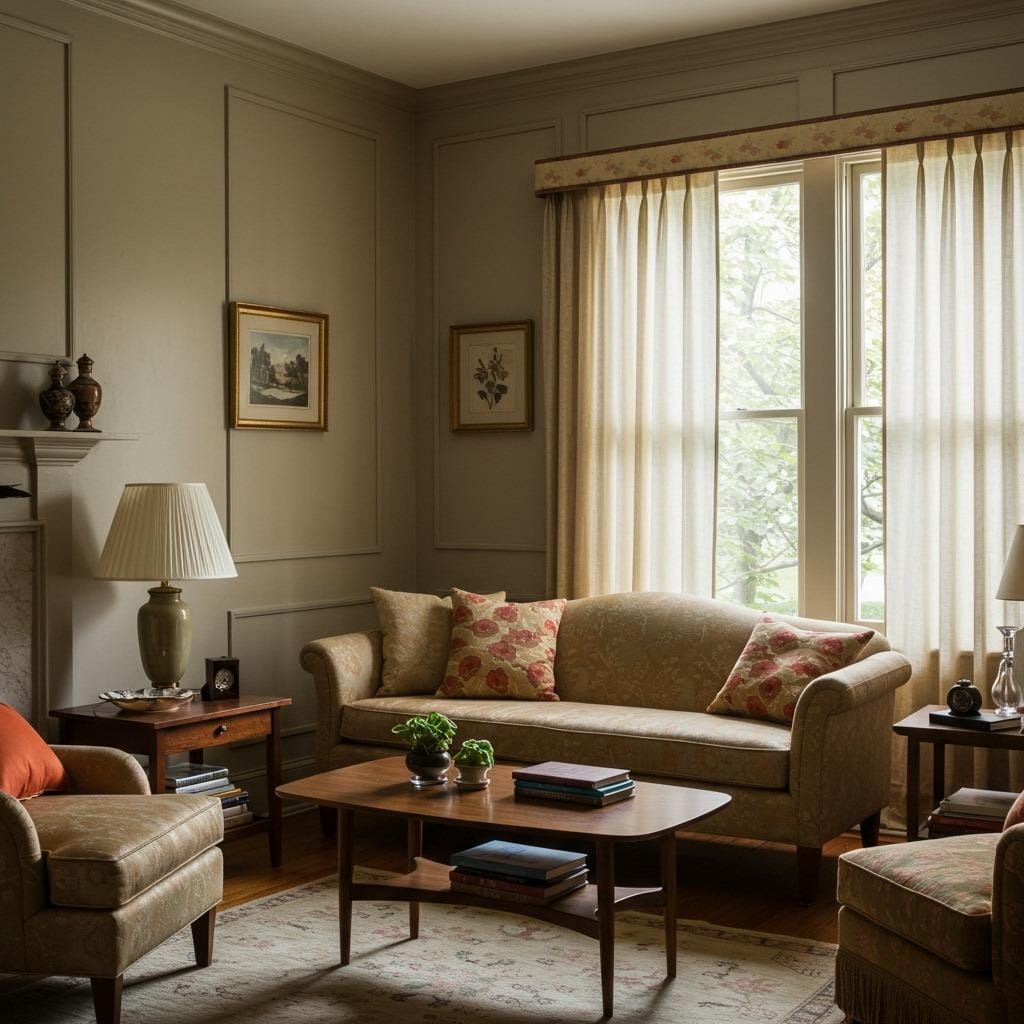
The most successful vintage living rooms blend period authenticity with contemporary livability. You want your space to feel genuinely vintage without sacrificing the comfort and functionality modern life demands.
Upholstery is one area where modern improvements can enhance vintage pieces without compromising their character. Reupholstering vintage furniture with period-appropriate fabrics treated with modern stain protection gives you the best of both worlds.
Climate control and modern conveniences need thoughtful integration into vintage spaces. Hide contemporary electronics in vintage-style cabinets, or choose modern pieces that complement your vintage aesthetic rather than fighting against it.
Comfort considerations like adequate seating, proper lighting for reading, and accessible storage can be addressed with vintage or vintage-style pieces. The key is thinking about how people actually live in the space while maintaining period authenticity.
8. Create Vintage Vignettes Throughout Your Space
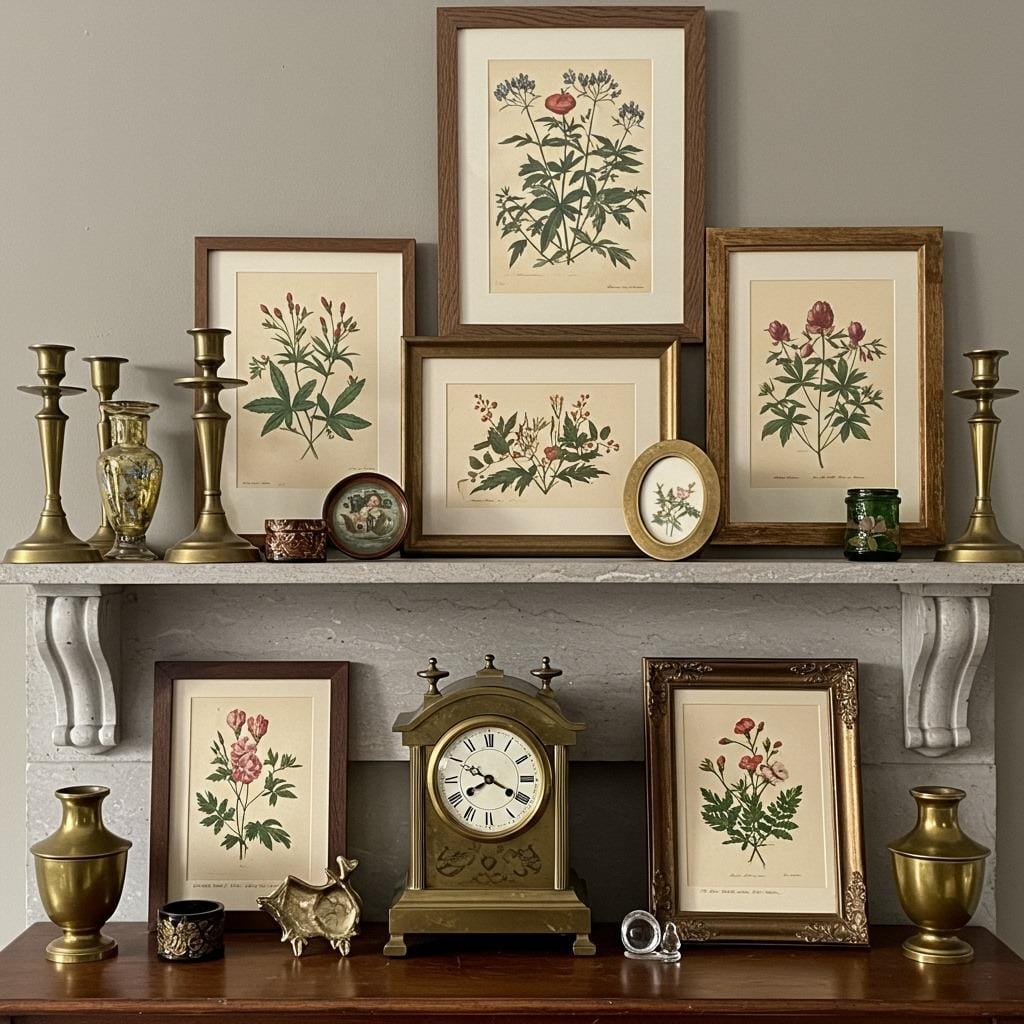
Vintage living rooms feel most authentic when they include carefully composed vignettes that showcase collections and create visual interest throughout the space. These small arrangements bring personality and charm to every corner of your room.
Side tables and console tables provide perfect opportunities for vintage vignettes. Group items in odd numbers, vary heights and textures, and include elements that reflect the interests and hobbies of your chosen era. A collection of vintage cameras, antique books, and period-appropriate plants creates an engaging display.
Mantelpieces, if you have them, serve as natural focal points for vintage arrangements. Symmetrical arrangements work well for formal vintage periods, while more casual groupings suit mid-century and bohemian vintage styles.
Consider creating seasonal vintage vignettes that change throughout the year. This approach keeps your space feeling fresh while maintaining its vintage character. Living room ideas often benefit from this kind of thoughtful styling that evolves over time.
9. Mix Vintage Finds with Strategic Modern Updates
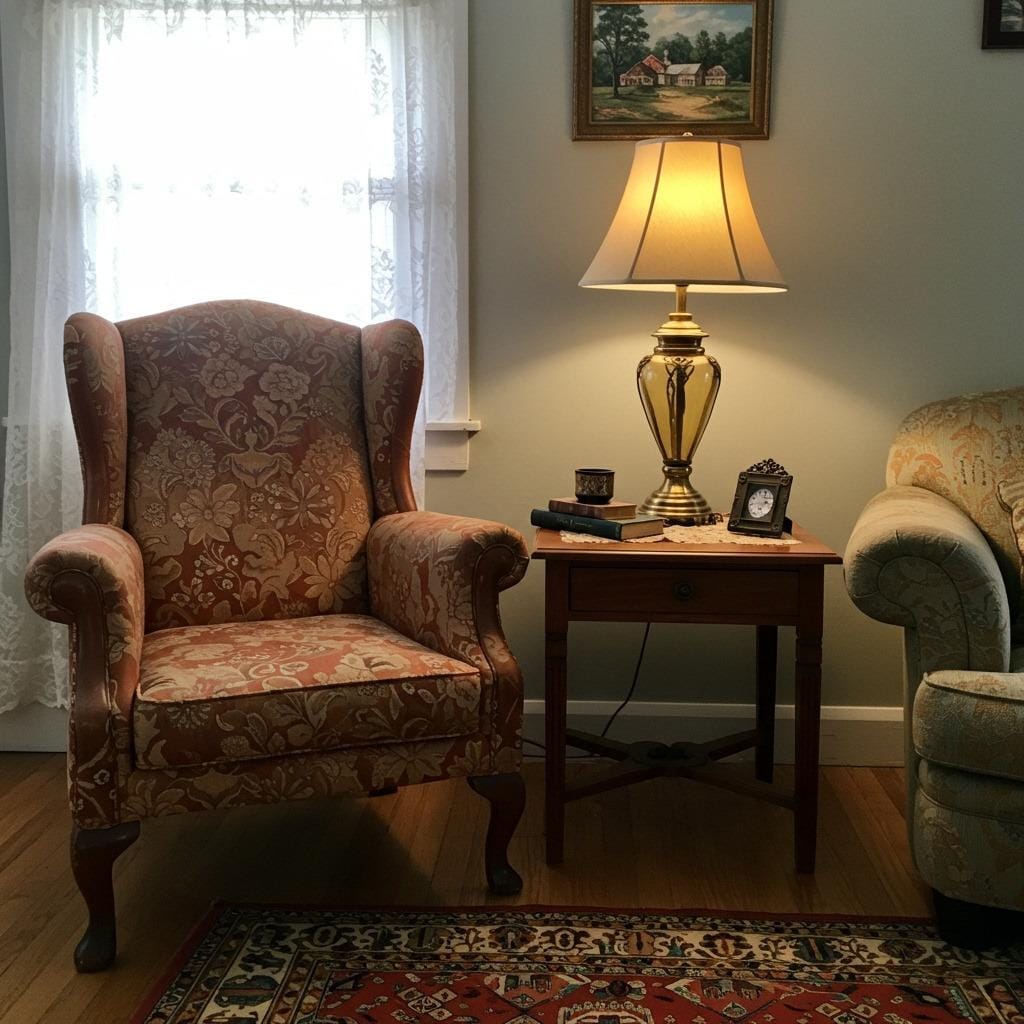
The most livable vintage living rooms successfully blend authentic vintage pieces with carefully chosen modern elements. This approach creates spaces that honor the past while serving contemporary lifestyles.
Technology integration requires creativity in vintage spaces. Consider vintage-style radios that house modern streaming capabilities, or antique cabinets that can conceal contemporary entertainment systems. The goal is maintaining the visual integrity of your vintage aesthetic while enjoying modern conveniences.
Modern furniture pieces can work in vintage rooms if they complement rather than compete with your period pieces. A simple modern sofa in a vintage-appropriate color might provide the comfort you need while letting ornate vintage chairs serve as accent pieces.
Rustic modern living room concepts can inspire your approach to mixing old and new elements. The key is choosing modern pieces that share similar materials, proportions, or colors with your vintage elements.
10. Maintain Your Vintage Living Room’s Authenticity
Preserving the authentic character of your vintage living room requires ongoing attention to detail and thoughtful maintenance of both genuine antiques and vintage-inspired pieces.
Regular cleaning and maintenance of vintage furniture helps preserve both its appearance and structural integrity. Use appropriate cleaning products for different materials – leather conditioner for vintage leather pieces, wood polish for antique furniture, and gentle fabric cleaners for vintage textiles.
When adding new pieces to your vintage living room, take time to ensure they complement your established aesthetic. A single poorly chosen modern piece can disrupt the carefully cultivated vintage atmosphere you’ve created.
Consider the patina and wear that gives vintage pieces their character. Sometimes, a piece that’s too perfect can look out of place in an authentically vintage room. Look for pieces with appropriate aging, or be patient as newer vintage-style pieces develop character over time.
Stay true to your chosen vintage era while allowing for personal expression. The most successful vintage living rooms reflect both historical accuracy and the personality of the people who live in them.

Creating a beautiful vintage living room with timeless charm requires patience, attention to detail, and a genuine appreciation for the craftsmanship and design of bygone eras. The most successful vintage spaces feel like they’ve evolved naturally over time, combining carefully chosen pieces that share common threads while telling a cohesive design story.
Your vintage living room should ultimately reflect your personal connection to the past while serving your contemporary lifestyle. Whether you’re drawn to the glamour of Art Deco, the clean lines of mid-century modern, or the ornate beauty of Victorian design, the key is creating a space that feels both authentic to its historical period and genuinely comfortable for modern living.
Remember that creating an authentic vintage living room is a journey rather than a destination. Allow your space to evolve as you discover new pieces and develop a deeper understanding of your chosen vintage aesthetic. The most beautiful vintage rooms are those that feel lived-in, loved, and continuously curated with care and intention.

Sanjai creates easy, affordable home decor ideas that anyone can try. Through simple tips and curated finds, he helps you style rooms you’ll love coming home to.