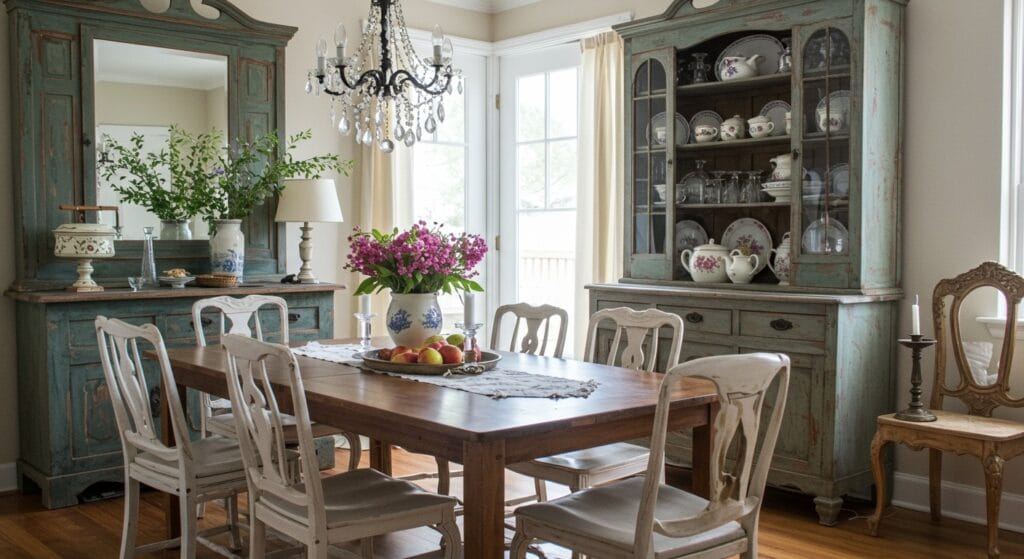
There’s something magical about stepping into a vintage dining room that instantly transports you to another era. Whether you’re drawn to the refined elegance of Victorian pieces or the charming simplicity of farmhouse antiques, creating a nostalgic dining space allows you to celebrate history while making memories with loved ones.
The beauty of vintage dining room design lies in its ability to blend old-world charm with modern functionality. You don’t need to live in a historic home or spend a fortune on authentic antiques to achieve this timeless look. Sometimes the most stunning vintage spaces combine carefully chosen reproduction pieces with genuine finds, flea market treasures, and family heirlooms.
What makes vintage dining rooms so appealing is their storytelling quality. Each piece has character, each scratch tells a tale, and every carefully curated element contributes to a space that feels lived-in and loved. Let’s explore how you can bring this enchanting aesthetic into your own home.
1. Start with a Statement Antique Dining Table

The dining table serves as the heart of any vintage dining room, so choosing the right one sets the tone for your entire space. Look for tables with rich wood grains, interesting leg details, or unique shapes that speak to different historical periods.
A solid wood farmhouse table with breadboard ends brings rustic charm, while a mahogany pedestal table adds Victorian sophistication. Don’t worry if the finish isn’t perfect – those gentle signs of age add authenticity to your kitchen and dining ideas.
Consider the size of your space when selecting your table. A long rectangular table works beautifully in spacious rooms, but a round pedestal table might be perfect for more intimate settings or small dining space decor situations.
2. Mix and Match Vintage Chairs for Character
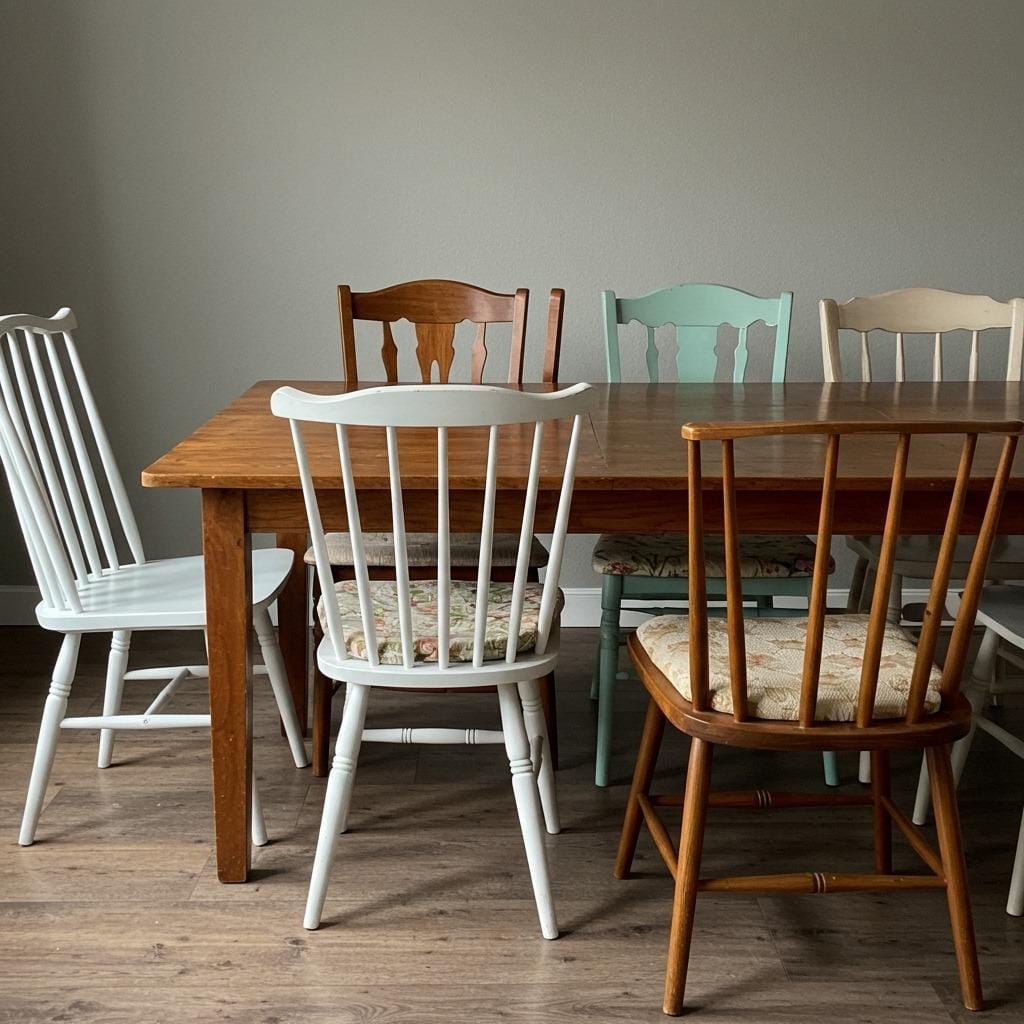
Forget about matching dining sets – the most charming vintage dining rooms embrace the beauty of mismatched seating. This approach creates visual interest while allowing you to collect pieces over time without breaking the budget.
Start with one or two vintage chairs as your foundation pieces, then build around them with complementary styles. Windsor chairs pair beautifully with upholstered armchairs, while painted wooden chairs can tie together different wood tones and styles.
The key to successful mixing is finding a common thread – whether it’s similar wood tones, coordinating paint colors, or comparable chair heights. This creates cohesion while maintaining that collected-over-time feel that makes vintage spaces so appealing.
3. Create Drama with Vintage Lighting Fixtures
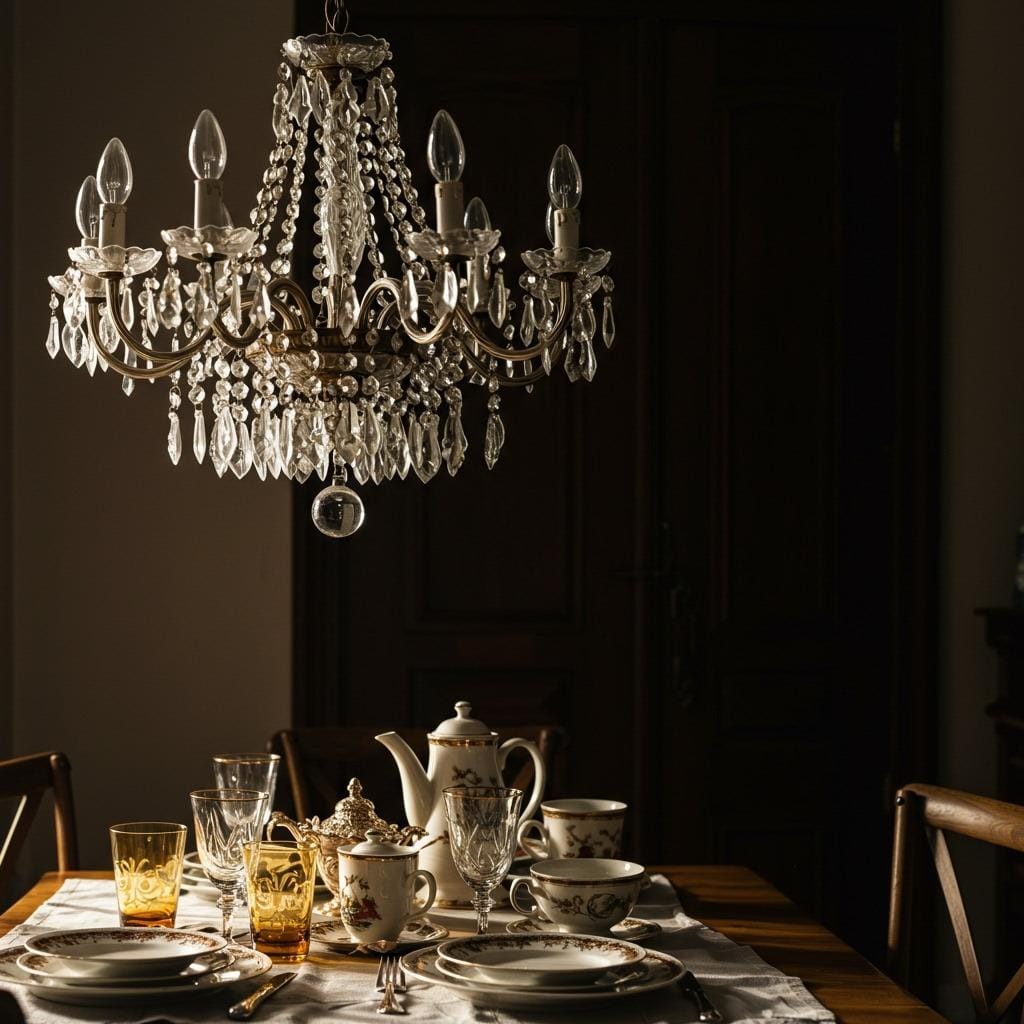
Lighting can completely transform your dining room’s atmosphere, and vintage fixtures offer endless possibilities for creating ambiance. A crystal chandelier brings instant glamour, while a wrought iron fixture adds rustic charm to your space.
Don’t limit yourself to overhead lighting – consider adding vintage sconces, table lamps, or even candelabras for layered illumination. The goal is to create warm, inviting light that makes your chandelier dining room feel intimate and welcoming.
If original vintage fixtures are beyond your budget, look for reproduction pieces or consider updating an existing fixture with vintage-inspired elements like Edison bulbs or aged metal finishes.
4. Display Collections in Antique Hutches and Cabinets
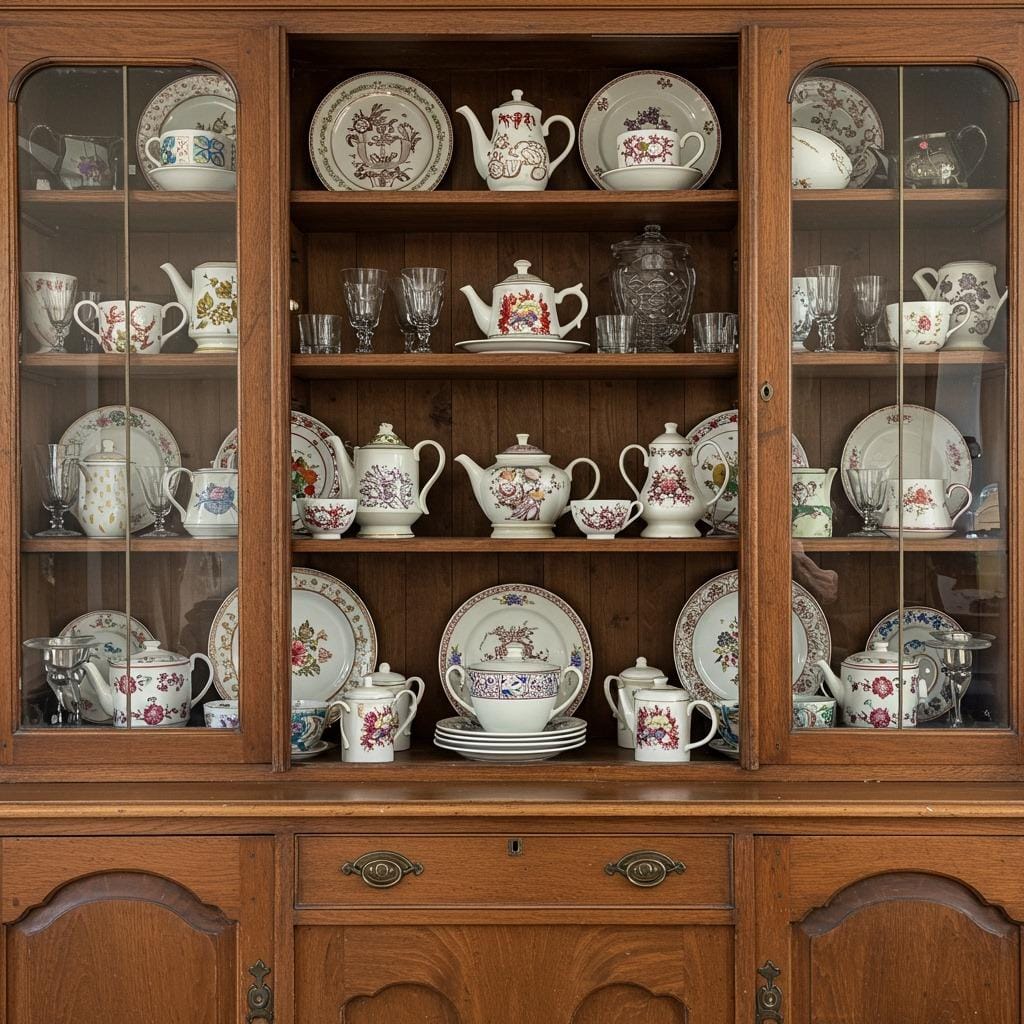
Antique storage pieces serve double duty in vintage dining rooms – they provide practical storage while showcasing your favorite collections. A Welsh dresser, china cabinet, or vintage hutch becomes both functional furniture and decorative focal point.
Use these pieces to display your china, glassware, serving pieces, or vintage linens. The key is creating visual interest through varied heights, textures, and colors while maintaining some sense of organization.
Don’t feel pressured to fill every inch – sometimes leaving space around special pieces allows them to shine. Consider adding small plants, vintage books, or decorative objects to break up collections and add personality.
5. Layer Vintage Textiles for Warmth and Texture

Textiles bring softness and warmth to any dining room, and vintage pieces add layers of history and character. Hunt for antique lace tablecloths, embroidered runners, or vintage linen napkins at estate sales and antique shops.
Don’t be afraid to mix patterns and textures – a lace overlay on a simple linen cloth creates beautiful depth, while vintage floral napkins can complement solid-colored table linens beautifully.
Consider reupholstering chair seats with vintage-inspired fabrics or adding cushions in complementary patterns. Even worn or slightly damaged textiles can be repurposed into smaller projects like napkins or decorative pillows.
6. Incorporate Vintage Artwork and Mirrors

Wall decor plays a crucial role in establishing your vintage dining room’s personality. Look for antique mirrors with ornate frames, vintage botanical prints, or old family photographs that tell a story.
Vintage mirrors not only add decorative appeal but also reflect light around the room, making your space feel larger and brighter. An ornate gilded mirror can serve as a stunning focal point above a sideboard or buffet.
Create gallery walls using mismatched vintage frames – this approach feels more authentic than perfectly coordinated displays. Mix sizes, shapes, and frame materials for a collected-over-time appearance that’s quintessentially vintage.
7. Choose a Warm, Nostalgic Color Palette
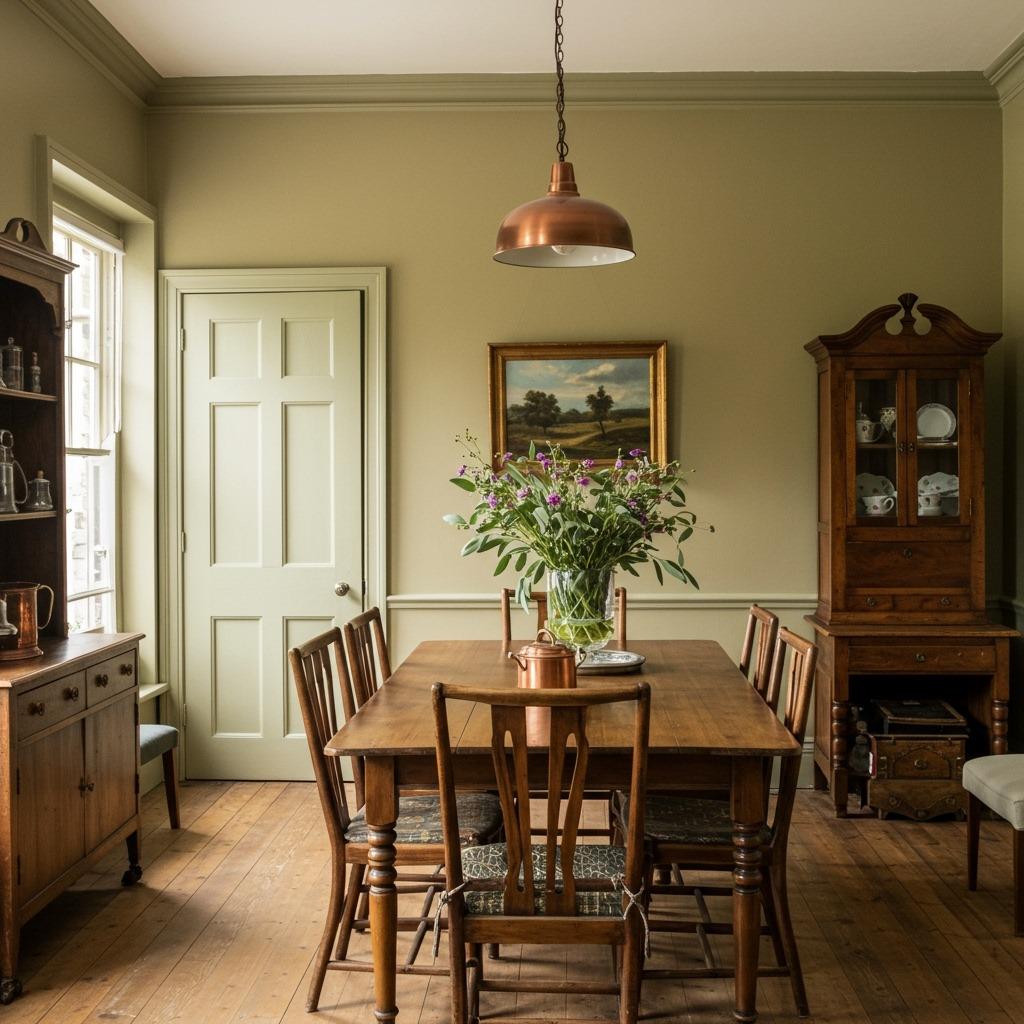
Color sets the mood in any room, and vintage dining rooms benefit from warm, muted tones that evoke nostalgia. Think cream, sage green, dusty rose, or soft yellow – colors that feel timeless rather than trendy.
These gentle hues provide a perfect backdrop for your vintage furniture and accessories, allowing the character of individual pieces to shine through. They also work beautifully with the patina and aging of authentic vintage items.
Consider using different shades of the same color family throughout the room, or pair warm neutrals with one deeper accent color. This approach creates depth while maintaining the serene, timeless feeling that makes vintage spaces so inviting.
8. Add Vintage Serving Pieces and Tableware
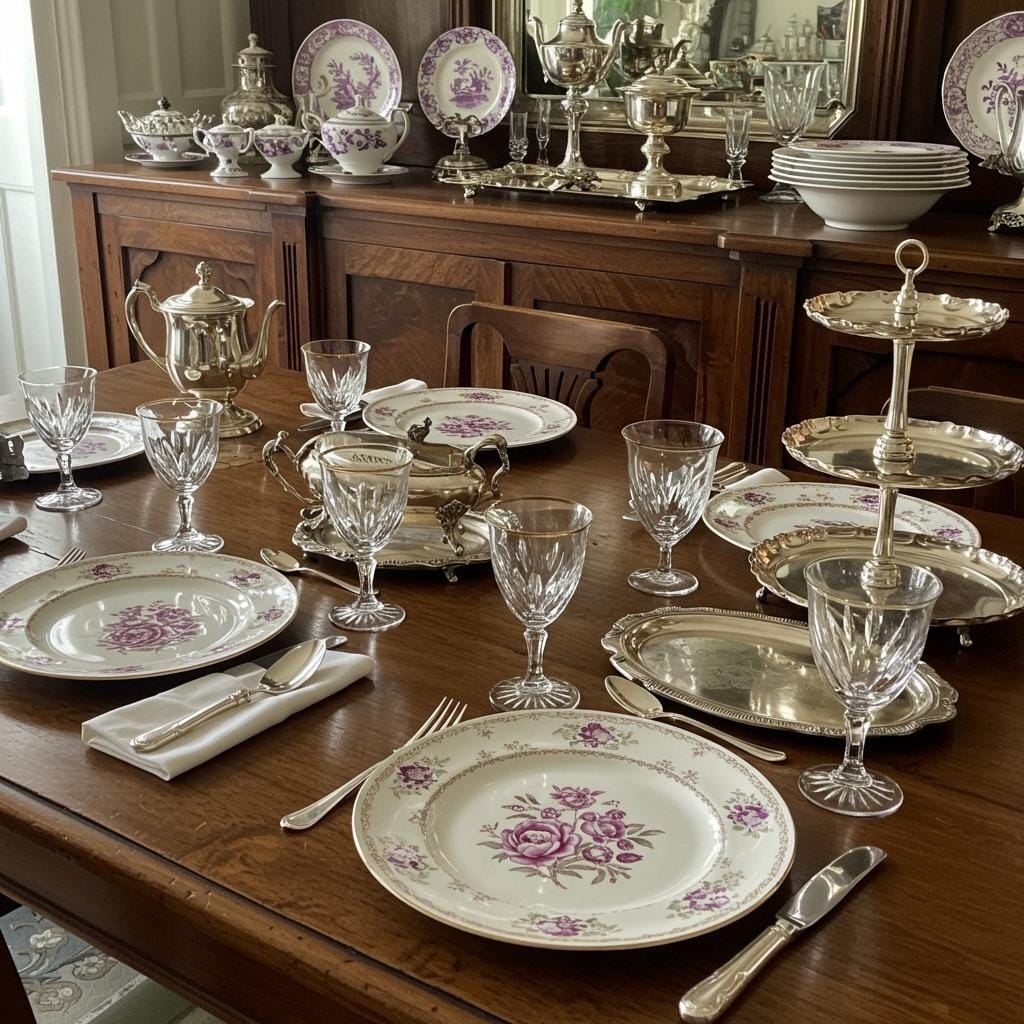
The right tableware and serving pieces can instantly transport your dining room to another era. Collect vintage china patterns, silver serving pieces, crystal glassware, and ornate serving trays to create authentic table settings.
Mix different china patterns for an eclectic, collected look – this was actually common in many historical periods and adds visual interest to your table. Look for pieces with similar color palettes or complementary patterns to maintain cohesion.
Don’t save these beautiful pieces only for special occasions. Using them regularly helps you appreciate their beauty while creating that lived-in feeling that makes vintage dining rooms so appealing.
9. Style a Vintage Sideboard or Buffet
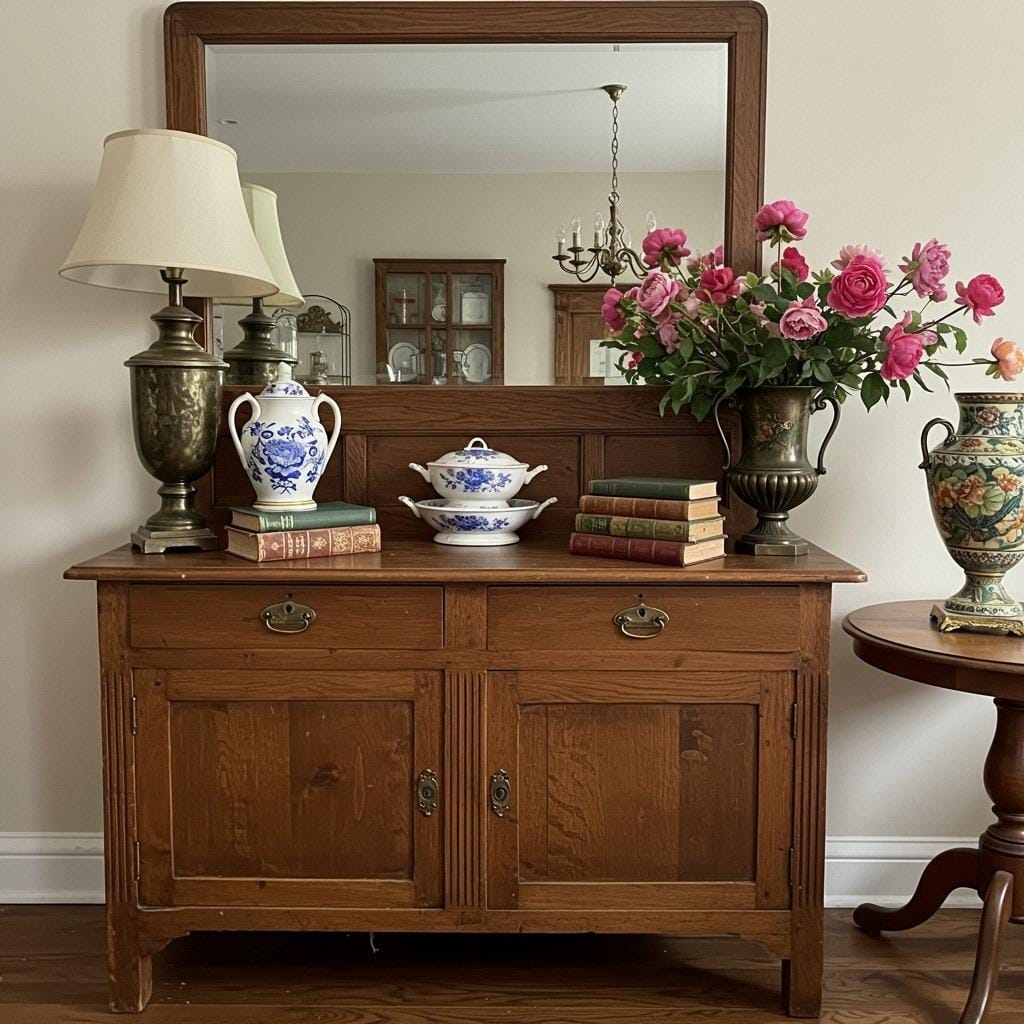
A vintage sideboard or buffet provides valuable storage and serving space while offering opportunities for decorative styling. These pieces often feature beautiful wood grain, interesting hardware, or unique details that add character to your room.
Style the top with a mix of functional and decorative items – vintage serving pieces, table lamps, plants, or books create an appealing vignette. Vary heights and textures to create visual interest while keeping the display purposeful.
Use the interior storage for linens, serving pieces, or seasonal decorations. This keeps clutter at bay while maintaining easy access to items you use for entertaining and daily dining.
10. Create Ambiance with Vintage Accessories

The right accessories bring personality and finishing touches to your vintage dining room. Look for pieces that feel authentic to your chosen era – brass candlesticks, vintage books, old glass bottles, or antique clocks.
Group accessories in odd numbers and vary their heights to create pleasing arrangements. A collection of vintage brass pieces might look beautiful on a sideboard, while antique books can add warmth to built-in shelving.
Don’t overlook natural elements like dried flowers, vintage botanical specimens, or weathered wood pieces. These organic touches soften the formality of antique furniture while adding texture and visual interest.
11. Design with Vintage Window Treatments
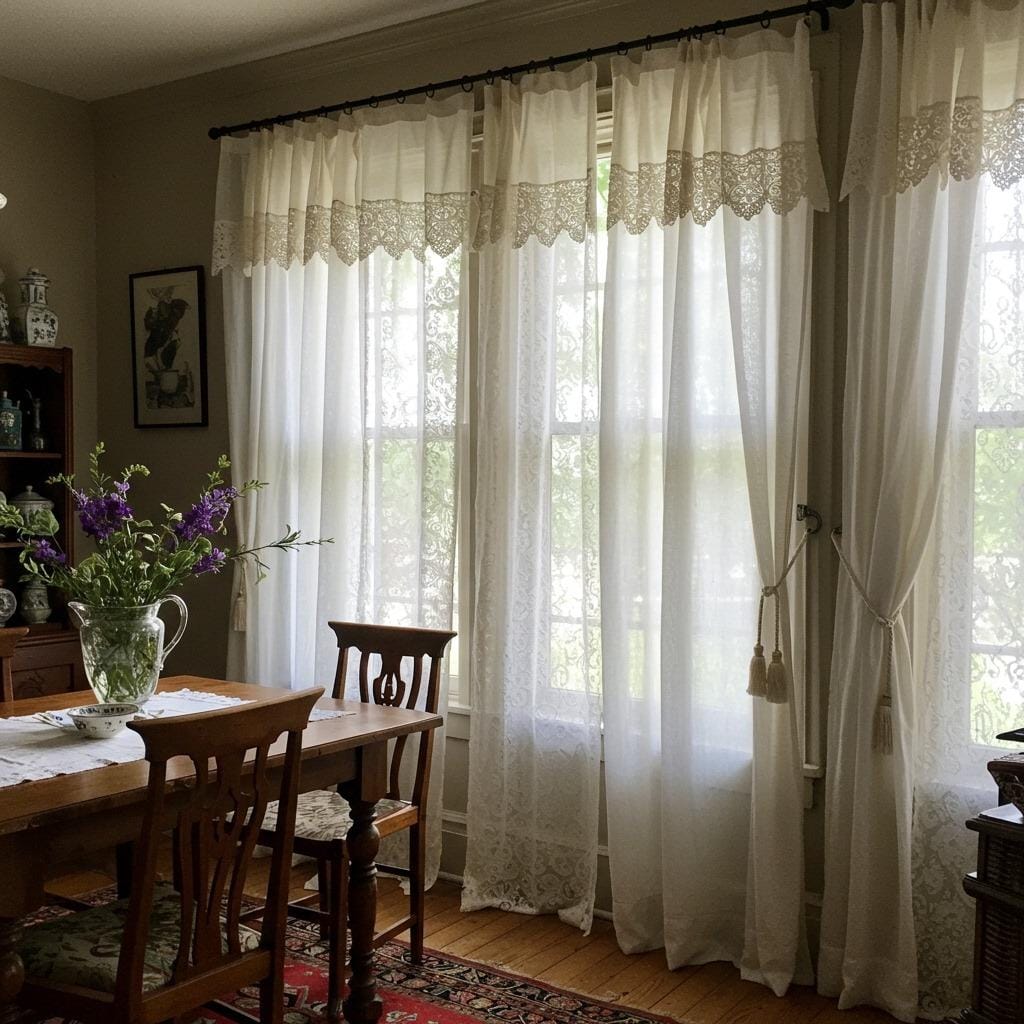
Window treatments in vintage dining rooms should enhance the historical character while providing privacy and light control. Look for antique lace curtains, vintage linens, or reproduction fabrics in period-appropriate patterns.
Layering different textiles creates depth and interest – try combining lace panels with heavier drapes, or use vintage fabric as valances over simple Roman shades. This approach allows you to incorporate precious vintage textiles without overwhelming the space.
Consider the architecture of your windows when choosing treatments. Tall, narrow windows might benefit from floor-length panels, while wider windows could showcase beautiful vintage valances or café curtains.
12. Incorporate Natural Elements and Vintage Planters

Plants and natural elements bring life to vintage dining rooms while softening the formality of antique furniture. Look for vintage planters, antique urns, or weathered garden containers to display your greenery.
Dried flowers, branches, or seasonal foliage work particularly well in vintage settings. Arrange them in antique vases, old milk jugs, or vintage pottery for an authentic, collected appearance that complements your retro dining decor.
Consider the scale of your natural elements – large floor plants in vintage containers can anchor a corner, while smaller arrangements work beautifully as dining table centerpiece options or sideboard decorations.
13. Layer Vintage Rugs for Comfort and Style
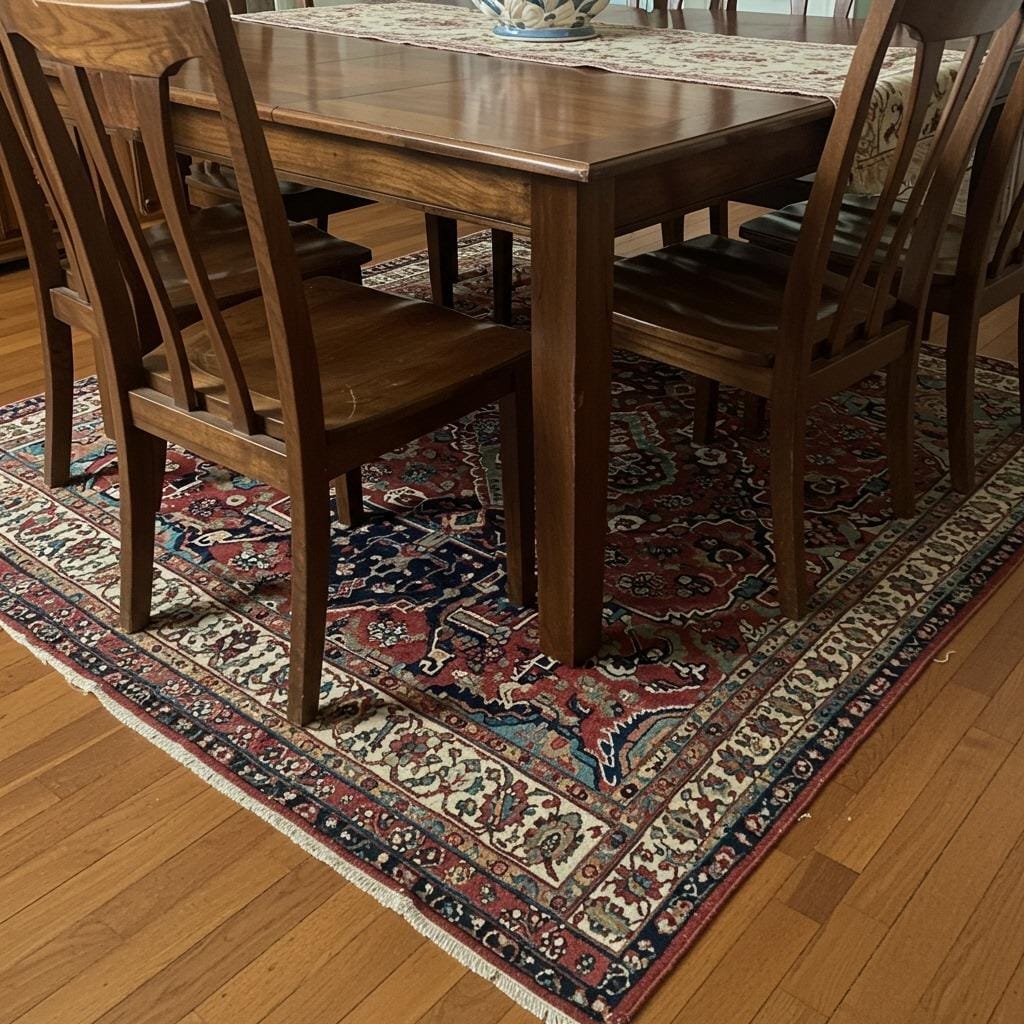
The right rug can define your dining space while adding warmth, color, and pattern to your vintage room. Look for Persian rugs, vintage kilims, or antique needlepoint rugs that complement your color palette and furniture style.
Don’t be afraid to layer rugs for added interest – a smaller vintage runner over a larger neutral rug creates depth while allowing you to incorporate multiple patterns and textures in your design.
Consider the practical aspects of dining room rugs – choose pieces that can handle spills and regular cleaning, or treat vintage rugs with protective sprays to help them withstand daily use.
14. Finish with Personal Vintage Collections
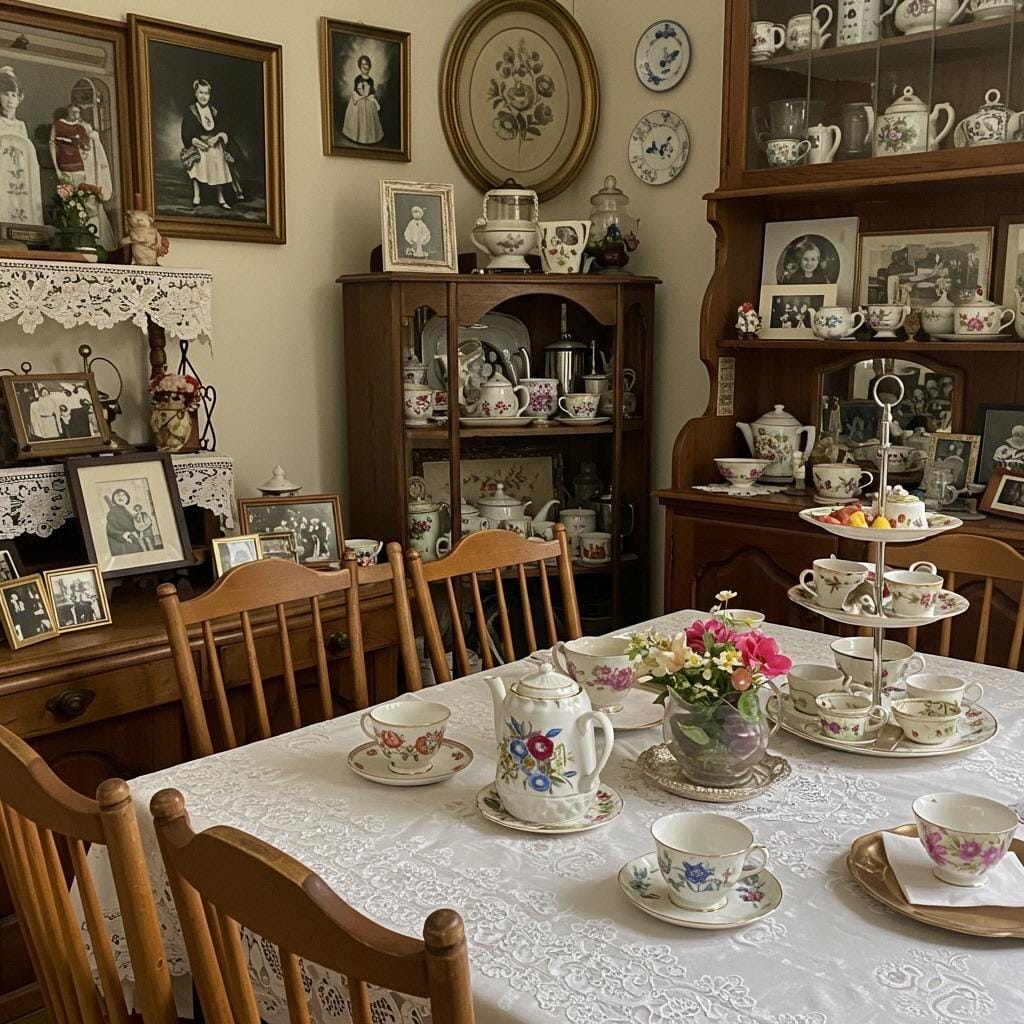
The most meaningful vintage dining rooms incorporate personal collections and family heirlooms that tell your unique story. Whether it’s grandmother’s china, vintage postcards from travels, or antique serving pieces collected over years, these personal touches make the space truly yours.
Display collections thoughtfully throughout the room – group similar items together for impact, or scatter pieces to create visual flow around the space. The goal is creating a room that feels collected and curated rather than decorated from a catalog.
Remember that building a vintage dining room is often a gradual process. Start with key pieces and add to your collection over time as you find special items that speak to you. This patient approach often results in the most authentic and personal nostalgic dining spaces.
Creating a vintage dining room is about more than just decorating – it’s about crafting a space where past and present come together beautifully. Whether you’re starting with family heirlooms or hunting for treasures at local antique shops, each piece you choose contributes to a room with character, warmth, and timeless appeal.
The key to successful vintage design lies in balancing authenticity with functionality, allowing you to create a space that honors the past while serving your modern lifestyle. With patience, creativity, and attention to detail, you can transform your dining room into a vintage haven that becomes the heart of your home for years to come.

Sanjai creates easy, affordable home decor ideas that anyone can try. Through simple tips and curated finds, he helps you style rooms you’ll love coming home to.