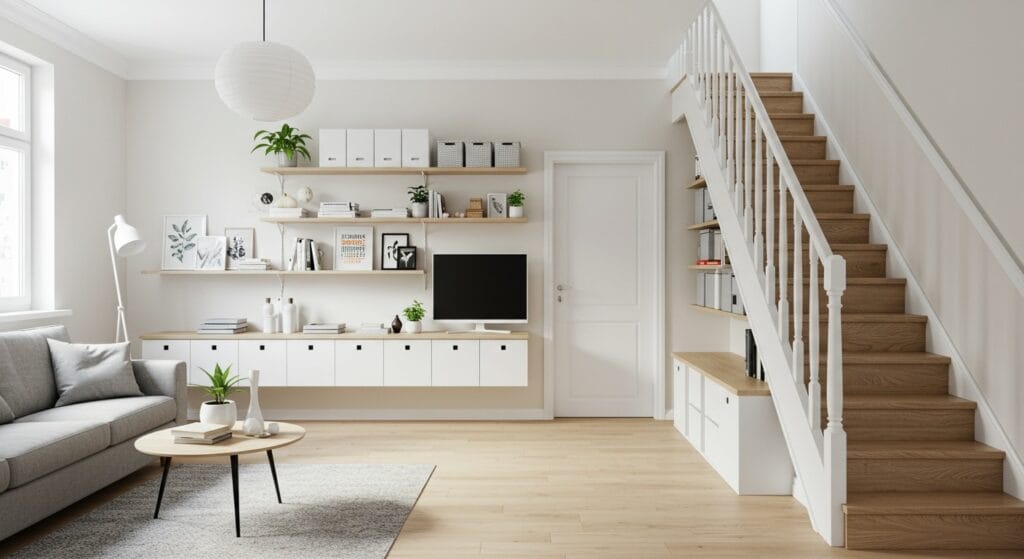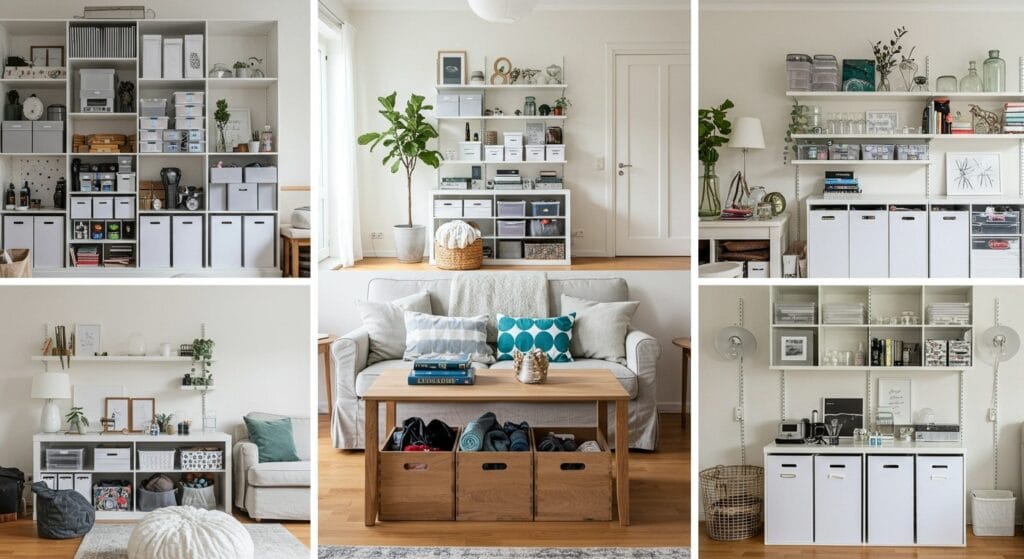
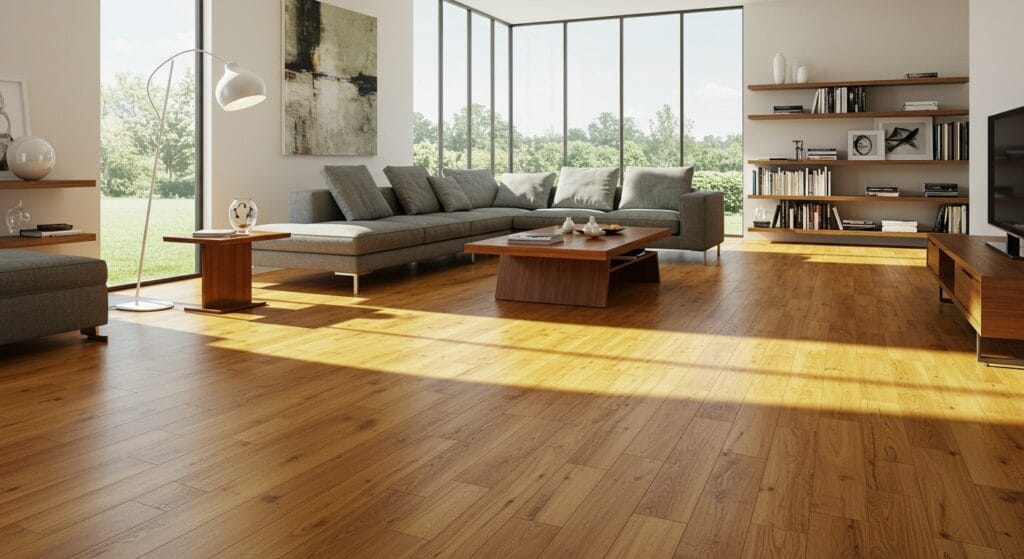
Choosing the right flooring feels overwhelming when you’re trying to balance style, budget, and environmental responsibility. You want floors that look incredible in your Pinterest-worthy spaces, but you also want to make choices that align with your values.
The good news? Sustainable flooring solutions have come so far that you don’t have to sacrifice beauty for eco-consciousness anymore. These renewable materials and green renovation approaches can transform your home while reducing your environmental footprint.
From reclaimed hardwood that tells a story to innovative cork designs that feel luxurious underfoot, let’s explore flooring options that make both your home and the planet happy.
Understanding Sustainable Flooring Materials
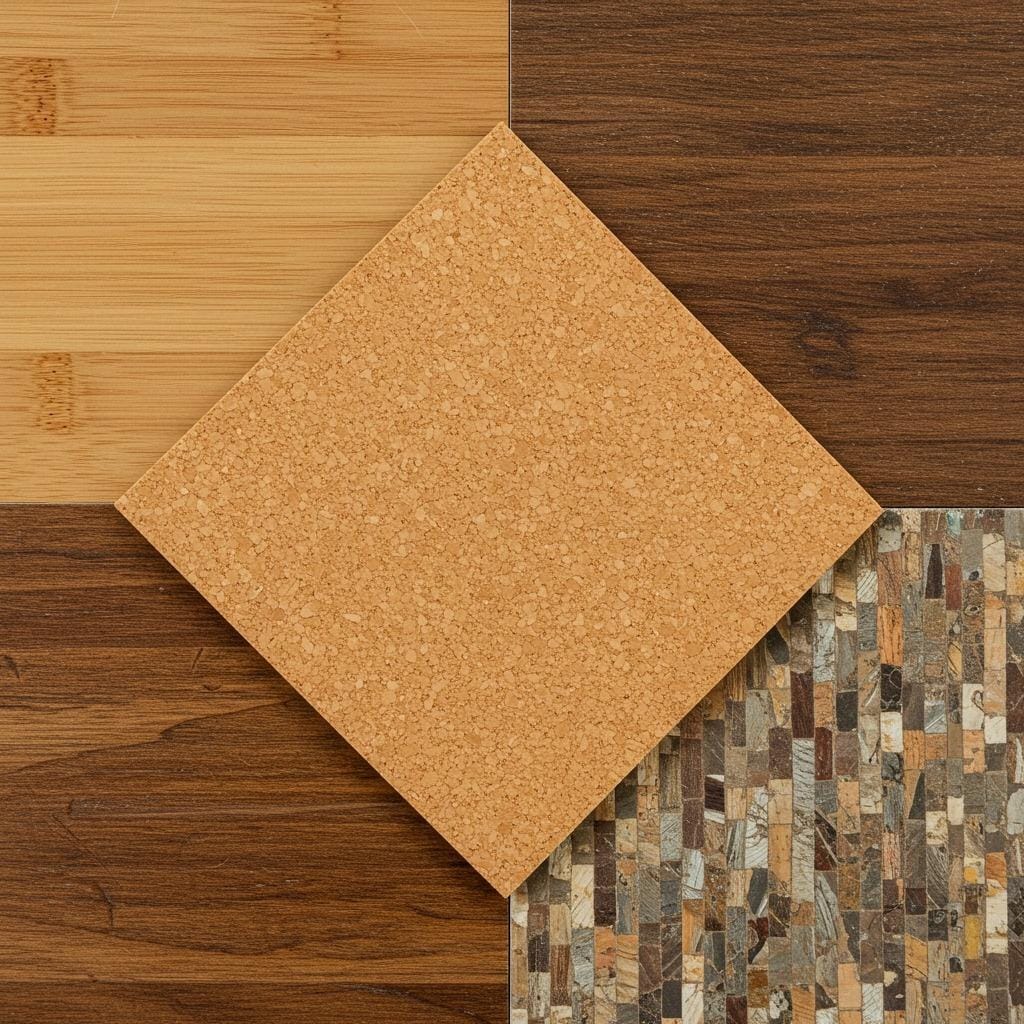
Sustainable flooring goes beyond just looking pretty – it’s about choosing renewable home materials that minimize environmental impact throughout their entire lifecycle. These eco-friendly flooring options are made from rapidly renewable resources, recycled content, or reclaimed materials that would otherwise end up in landfills.
The key is understanding what makes flooring truly sustainable. Look for materials that are harvested responsibly, manufactured with low-emission processes, and can be recycled or biodegraded at the end of their life. Many of these options also improve your indoor air quality by avoiding harmful chemicals.
When planning your home improvement ideas, sustainable flooring serves as the foundation for creating healthier living spaces. The initial investment often pays off through durability, lower maintenance costs, and potential increases in home value.
1. Bamboo Flooring – The Fast-Growing Favorite
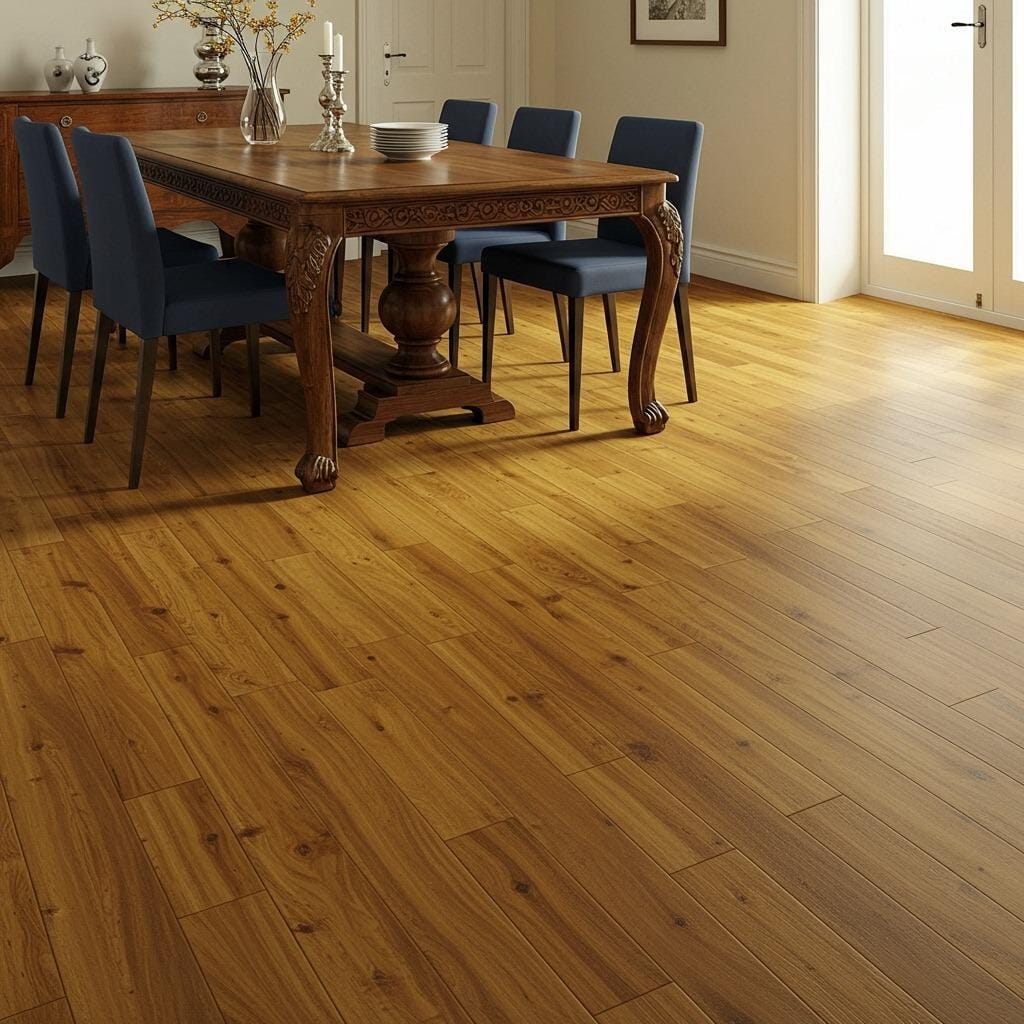
Bamboo tops the list of sustainable flooring solutions because it’s technically a grass that regenerates incredibly quickly. While hardwood trees take 25-100 years to mature, bamboo reaches harvest readiness in just 3-5 years. This makes it one of the most renewable materials available.
Modern bamboo flooring has evolved far beyond the basic planks of the past. You’ll find strand-woven bamboo that’s harder than oak, carbonized versions with rich caramel tones, and even bamboo engineered planks that work in basements. The variety in colors and textures means bamboo can work in any room, from kitchen and dining ideas to cozy bedrooms.
Installation is straightforward since bamboo flooring typically comes in tongue-and-groove planks similar to traditional hardwood. Many homeowners love how bamboo develops a beautiful patina over time, adding character that synthetic materials simply can’t match.
2. Cork Flooring – Natural Comfort Underfoot

Cork flooring offers something unique – it’s harvested from tree bark without harming the tree itself. Cork oak trees actually produce better quality cork after harvesting, and they can be harvested every 9 years for up to 200 years. Talk about a long-term sustainable relationship!
Beyond sustainability, cork brings practical benefits that make it perfect for busy households. It’s naturally antimicrobial, water-resistant, and provides excellent insulation against both temperature and sound. The soft, cushioned feel underfoot makes it especially appealing for kitchen living room open concept designs where you’ll be standing frequently.
Cork’s unique cellular structure creates interesting visual patterns that range from fine-grain textures to bold, dramatic swirls. While traditional cork might feel too casual for formal spaces, today’s engineered cork planks and tiles can easily complement contemporary living room aesthetics.
3. Reclaimed Hardwood – History Meets Style
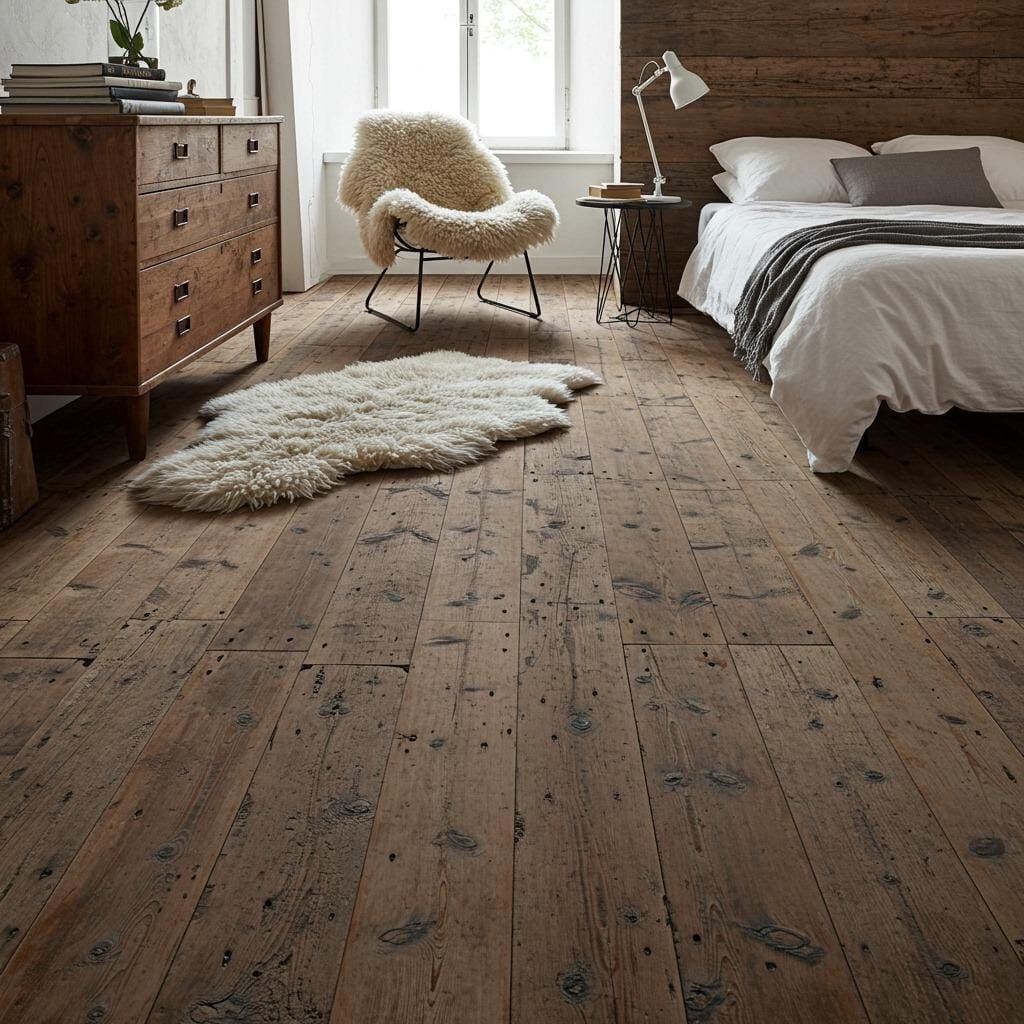
Reclaimed hardwood gives new life to wood that might otherwise become waste. Sourced from old barns, factories, and demolished buildings, these planks carry stories and character that new wood simply cannot replicate. Each board tells a story through its unique weathering, nail holes, and color variations.
The environmental benefits go beyond just recycling existing materials. Reclaimed wood often comes from old-growth forests that produced incredibly dense, durable lumber – the kind that’s no longer commercially available. This means you’re getting superior quality while preventing perfectly good wood from ending up in landfills.
Working with reclaimed wood does require more planning than standard flooring installation. Each batch varies in dimensions and condition, so having a skilled installer is crucial. However, the results create rustic bedroom decor or modern farmhouse kitchen ideas that feel authentically vintage.
4. Recycled Glass Tiles – Unexpected Elegance
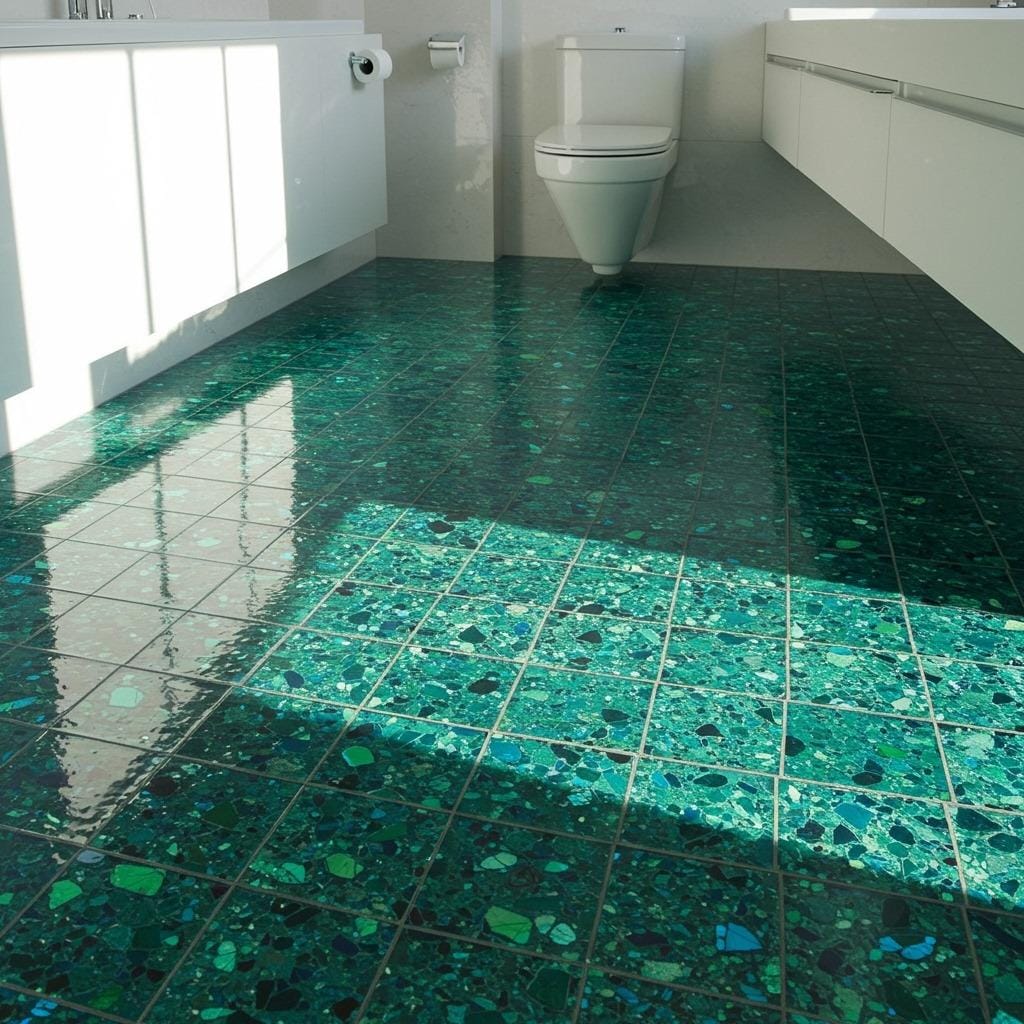
Recycled glass tiles transform discarded bottles and windows into stunning flooring that catches and reflects light beautifully. These tiles work especially well in bathroom ideas where their water-resistant properties and easy maintenance make practical sense.
The manufacturing process for recycled glass tiles uses significantly less energy than creating new glass, and many products contain 85-100% post-consumer recycled content. The result is flooring that’s both environmentally responsible and visually striking, with colors and patterns that would be impossible with natural stone.
Installation requires proper subfloor preparation and sealed grout lines, but the maintenance is refreshingly simple. Unlike natural stone that needs regular sealing, recycled glass tiles only need basic cleaning to maintain their lustrous appearance. They’re particularly effective for creating spa-like atmospheres in modern bathroom lighting schemes.
5. Linoleum – The Original Green Floor
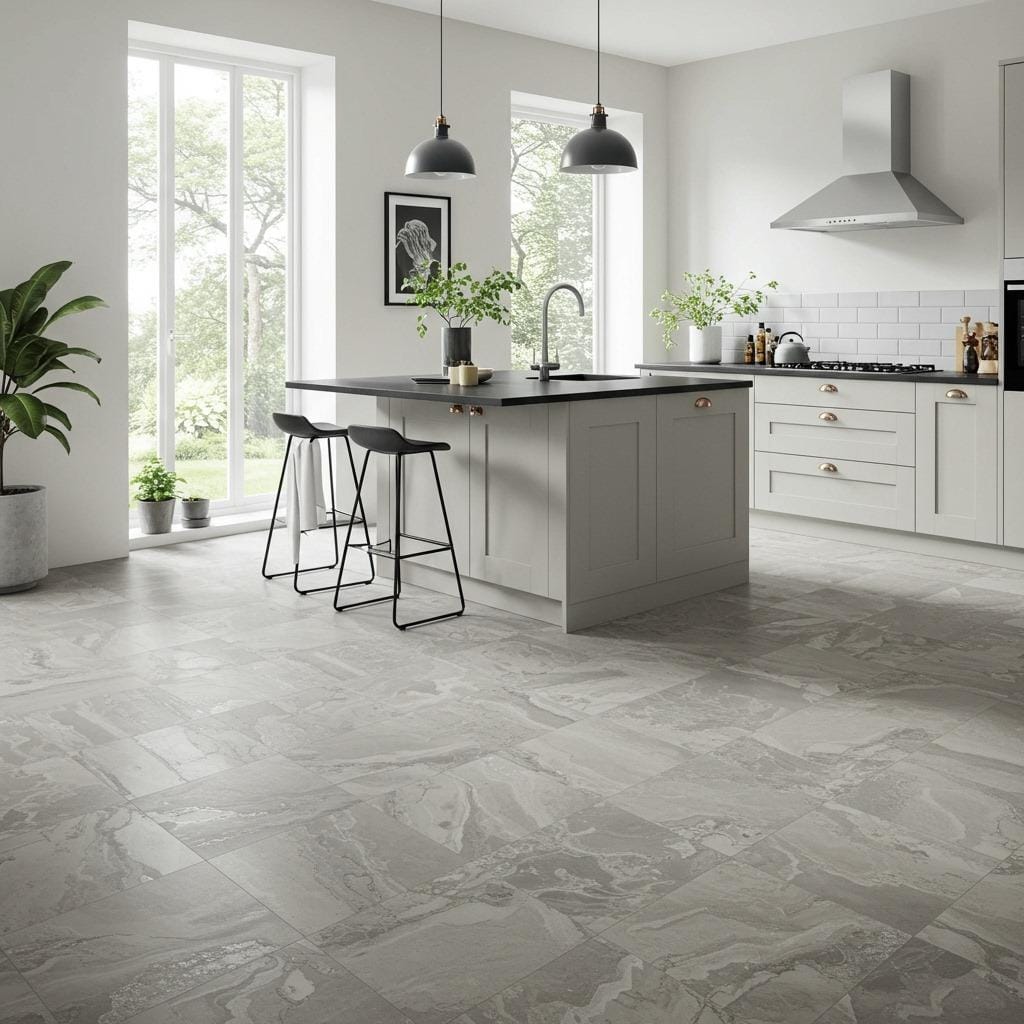
Real linoleum (not vinyl) is made from natural materials including linseed oil, cork dust, wood flour, and jute backing. This combination creates a completely biodegradable floor that’s been quietly serving as a sustainable option for over 150 years. Modern linoleum has shed its institutional reputation and now comes in gorgeous colors and patterns.
What makes linoleum particularly appealing for eco-conscious homeowners is its longevity. Quality linoleum can last 20-40 years with proper care, and it actually becomes more durable over time as the linseed oil continues to oxidize. This durability means fewer replacements and less waste over the floor’s lifetime.
Linoleum works beautifully in high-traffic areas and comes in both sheet and tile formats. The natural antibacterial properties of linseed oil make it an excellent choice for sustainable kitchen materials applications where hygiene is paramount.
6. Rubber Flooring from Recycled Tires
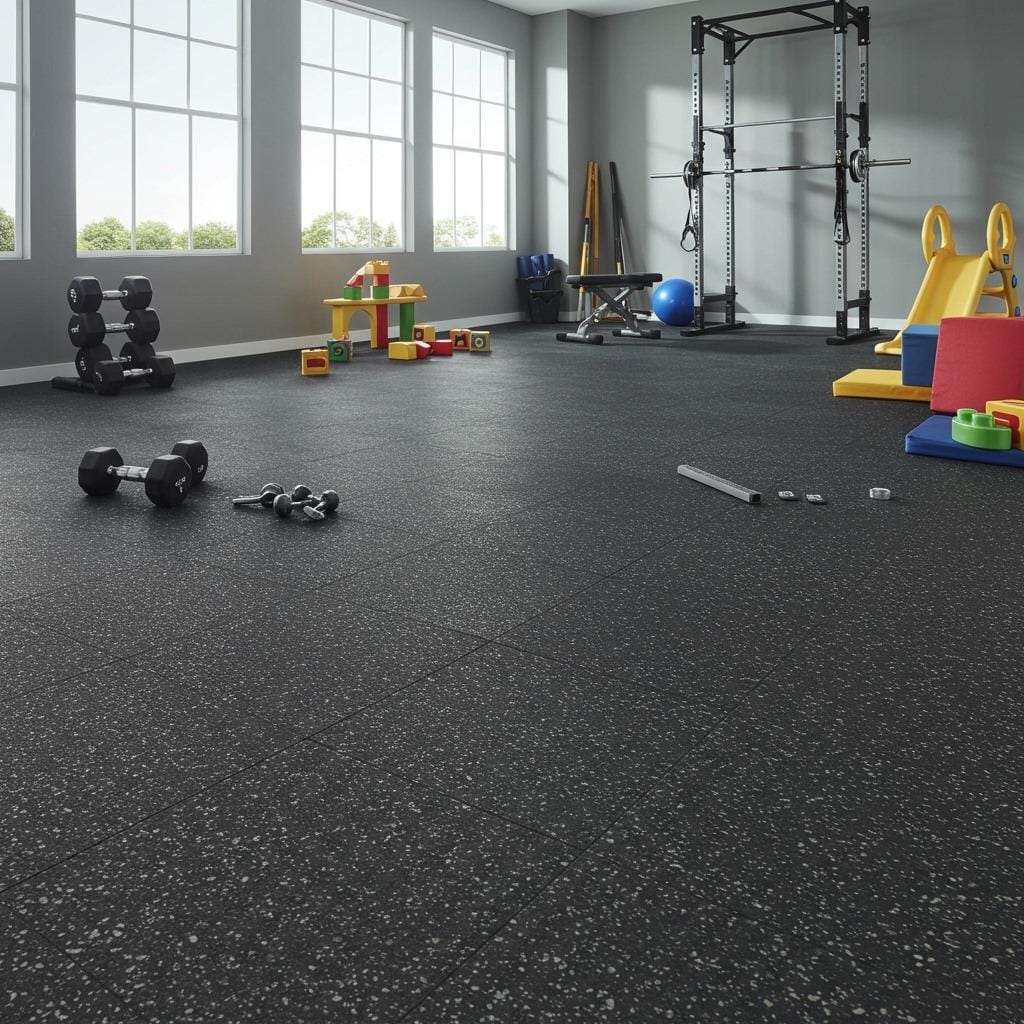
Recycled rubber flooring diverts millions of old tires from landfills while creating incredibly durable, comfortable surfaces. While you might think of rubber flooring as purely functional, modern options include attractive colors, textures, and patterns that work well beyond utility rooms.
The performance benefits of recycled rubber make it ideal for active households. It provides excellent slip resistance, noise reduction, and shock absorption – perfect for kids outdoor play area extensions or home fitness spaces. The material is naturally resistant to moisture, chemicals, and extreme temperatures.
Installation is typically straightforward, with many recycled rubber products available as interlocking tiles or rolls. While the aesthetic might not suit every room, strategic use in basements, mudrooms, or exercise areas maximizes its practical benefits while supporting tire recycling programs.
7. Wool Carpeting – Renewable and Luxurious
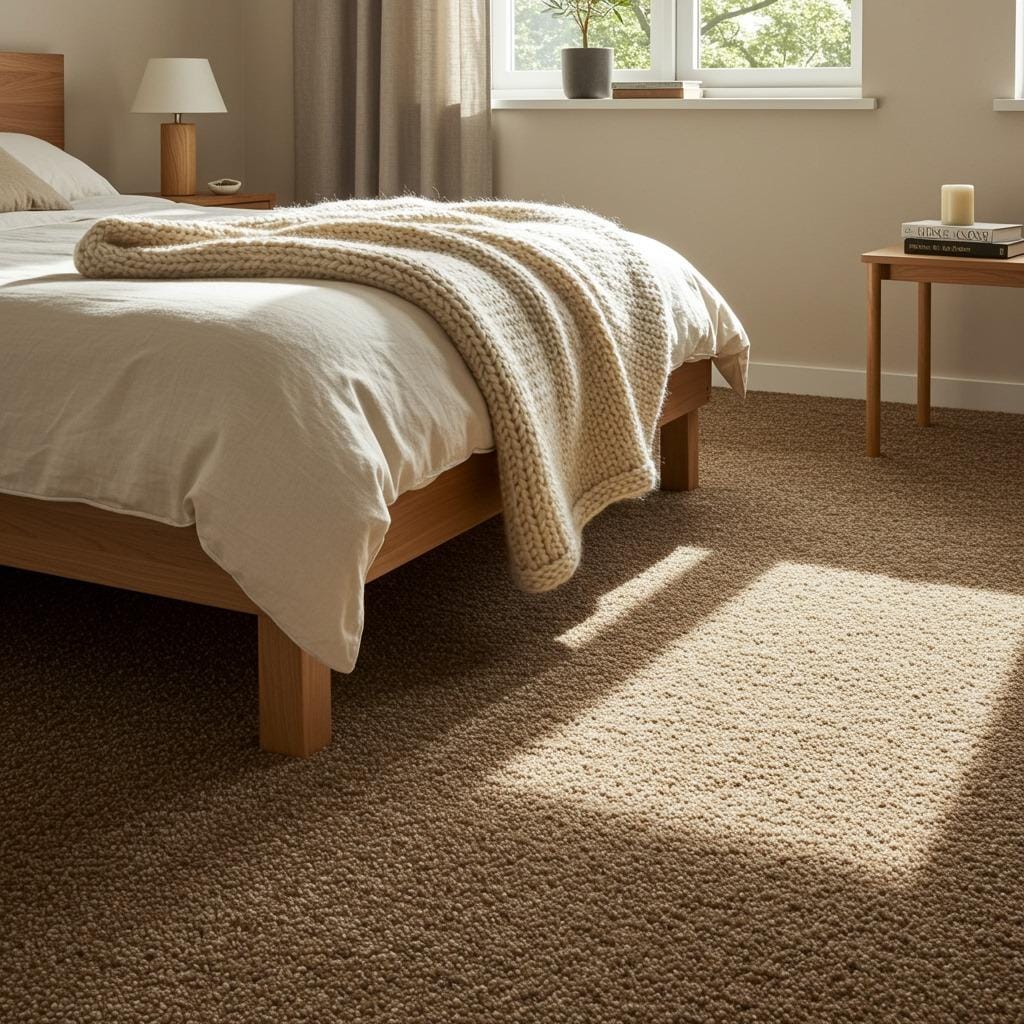
Wool carpeting represents the perfect marriage of luxury and sustainability. As a completely renewable resource that sheep produce annually, wool offers natural benefits that synthetic carpets simply can’t match. It’s naturally flame-resistant, stain-resistant, and helps regulate indoor humidity.
The durability of wool carpeting often surprises people accustomed to synthetic alternatives. Quality wool carpet can last decades with proper care, and when it finally reaches the end of its life, it biodegrades completely. This longevity makes it a smart investment for bedroom ideas where comfort and air quality matter most.
Modern wool carpets come in countless styles, from traditional Persian-inspired patterns to contemporary geometric designs. The natural crimp in wool fibers helps carpets maintain their appearance and bounce back from foot traffic better than synthetic alternatives.
8. Concrete with Eco-Friendly Additives
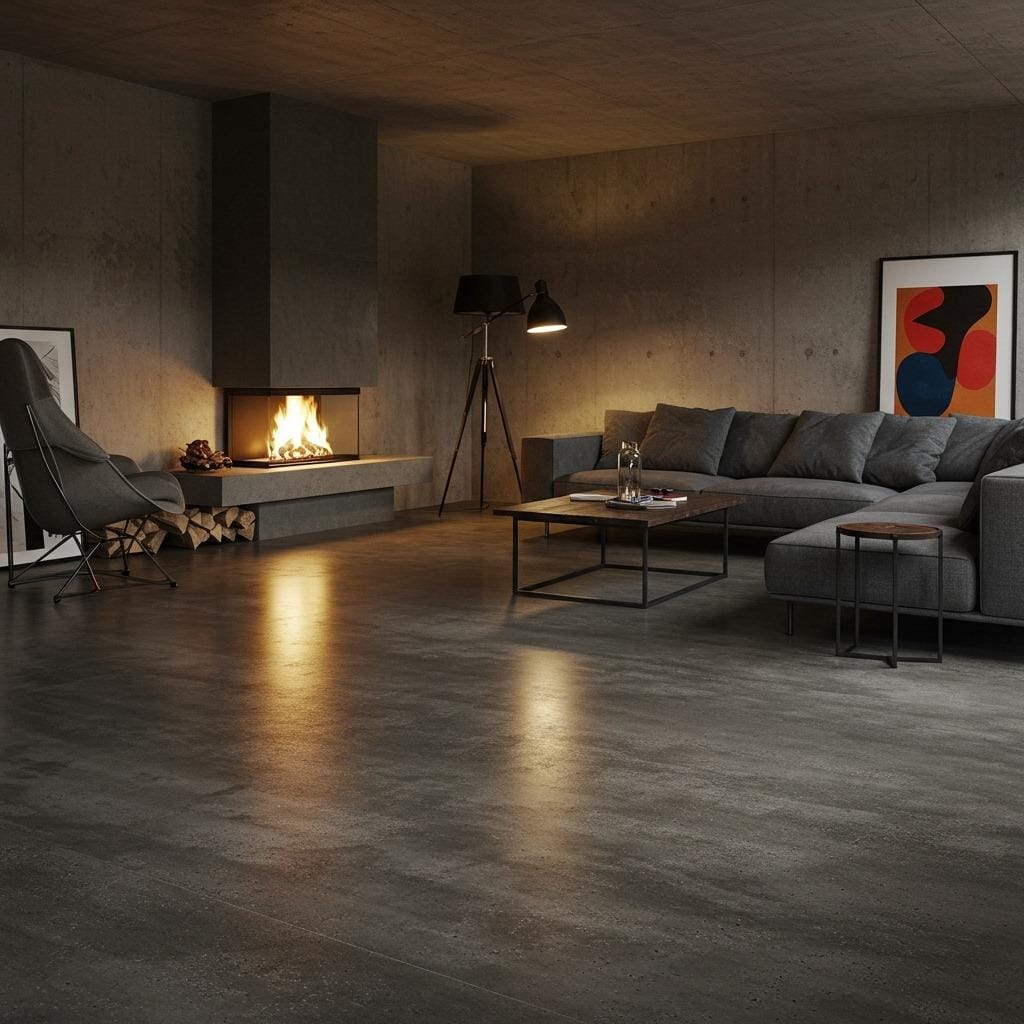
Sustainable concrete flooring incorporates recycled materials like fly ash, slag cement, or recycled glass aggregates to reduce the environmental impact of traditional concrete. When properly sealed and finished, these floors can be absolutely stunning with endless customization possibilities.
The thermal mass properties of concrete make it excellent for passive solar heating and cooling, potentially reducing your home’s energy consumption. In open concept living room designs, concrete floors help maintain consistent temperatures while providing a sleek, modern foundation for your décor.
Concrete floors can be stained, stamped, or polished to achieve virtually any look – from marble-like patterns to bold geometric designs. While installation requires professional expertise, the resulting floor can last the lifetime of your home with minimal maintenance.
9. Reclaimed Brick and Stone Flooring
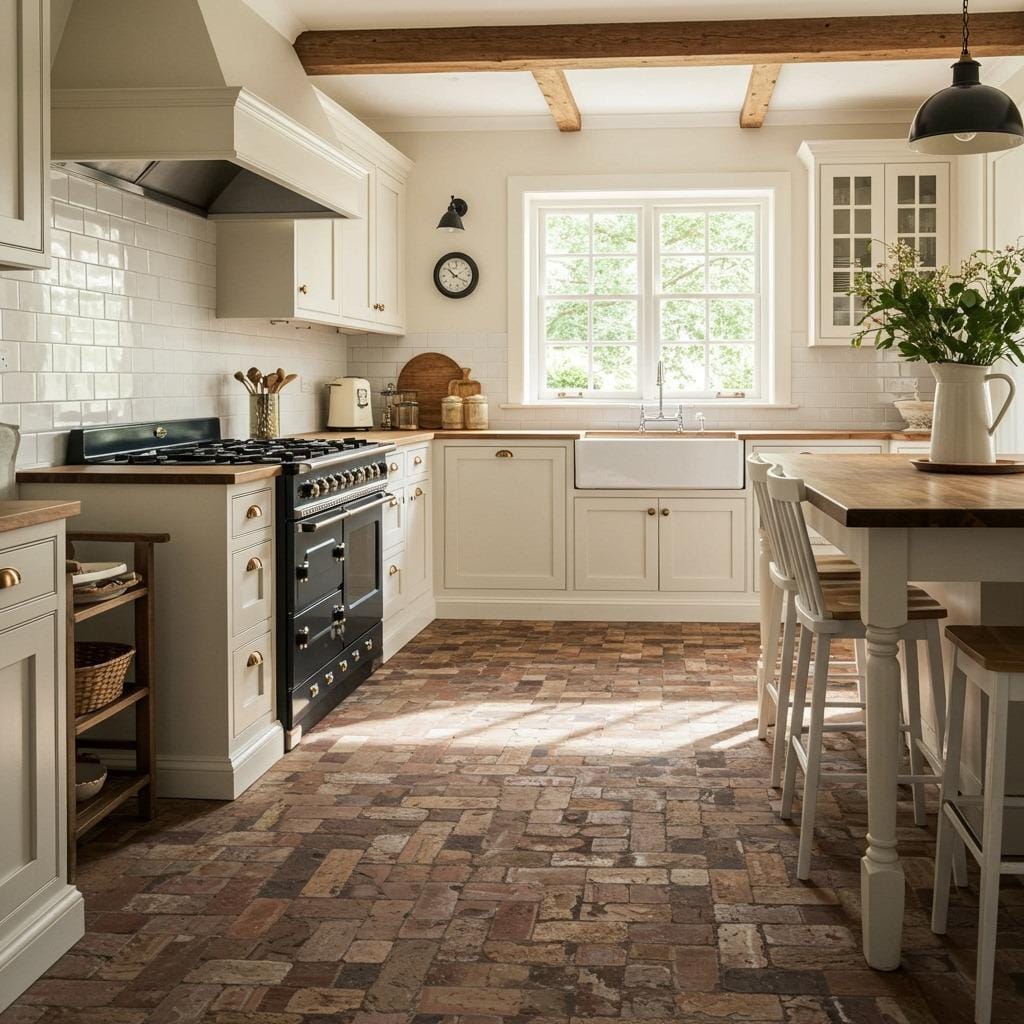
Reclaimed brick and stone create flooring with incredible character while diverting demolition waste from landfills. These materials bring instant age and authenticity to new construction or renovation projects, creating the kind of patina that takes decades to develop naturally.
Each piece of reclaimed masonry tells a story through chips, weathering, and color variations that machine-made materials cannot replicate. This uniqueness makes reclaimed brick particularly effective for modern farmhouse exterior themes that extend indoors through consistent material choices.
Working with reclaimed masonry requires careful sorting and professional installation to ensure proper drainage and stability. However, the durability of these materials means they can easily outlast several generations of homeowners while maintaining their distinctive appearance.
10. FSC-Certified Hardwood
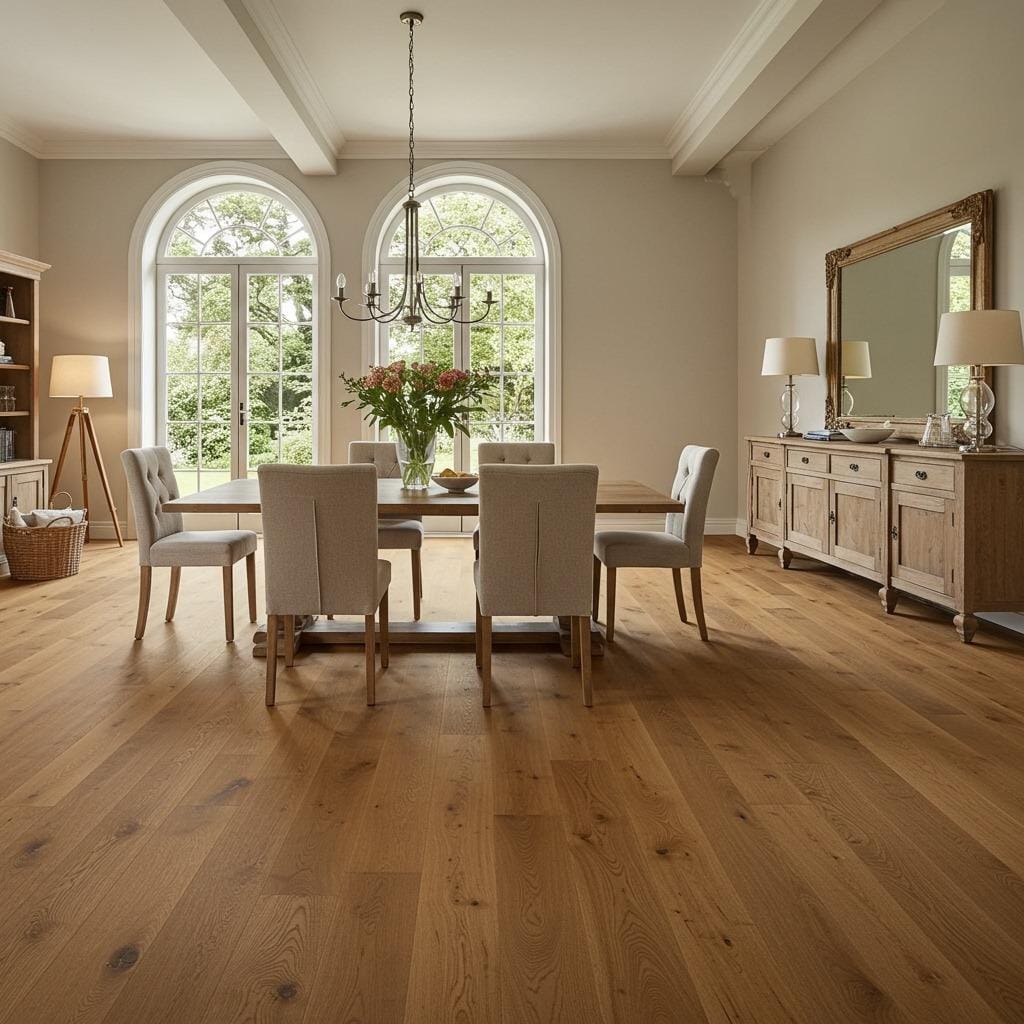
Forest Stewardship Council (FSC) certified hardwood ensures your floors come from responsibly managed forests that maintain biodiversity and support local communities. The FSC certification program provides peace of mind that your beautiful hardwood floors didn’t contribute to deforestation or habitat destruction.
FSC-certified wood performs identically to conventional hardwood but supports sustainable forestry practices. The certification process requires forest managers to maintain ecological integrity, respect indigenous rights, and ensure long-term economic viability of forest operations.
Many popular hardwood species are available with FSC certification, from classic oak and maple to exotic species like Brazilian cherry. When planning living room furniture arrangement, FSC hardwood provides the perfect foundation that you can feel good about for decades to come.
11. Marmoleum – The Modern Linoleum Evolution

Marmoleum represents the evolution of traditional linoleum into a premium sustainable flooring option. Made from the same natural raw materials as classic linoleum but with improved manufacturing techniques, Marmoleum offers superior performance and aesthetics.
The manufacturing process for Marmoleum is carbon-neutral, and the product contains up to 43% rapidly renewable raw materials. Unlike vinyl alternatives, Marmoleum is completely biodegradable and doesn’t release harmful chemicals throughout its lifetime.
Available in over 300 colors and patterns, Marmoleum can create everything from subtle neutral backgrounds to bold artistic statements. The material works particularly well for creating minimalist kitchen decor where clean lines and sustainable materials support both aesthetic and environmental goals.
12. Recycled Metal Tiles

Recycled metal tiles transform industrial waste into sophisticated flooring that works beautifully in contemporary settings. Made from post-consumer aluminum, steel, or copper, these tiles offer durability that can literally last centuries while diverting metal waste from landfills.
The thermal properties of metal tiles make them excellent for radiant heating systems, efficiently conducting and distributing heat throughout your space. This efficiency can reduce heating costs while providing consistent warmth underfoot during cold months.
Metal tiles resist stains, scratches, and moisture better than most flooring materials, making them ideal for high-traffic areas or rooms prone to spills. While the industrial aesthetic might not suit every home style, strategic use in mudroom ideas entryway or modern kitchens creates stunning focal points.
13. Hemp-Based Composite Flooring
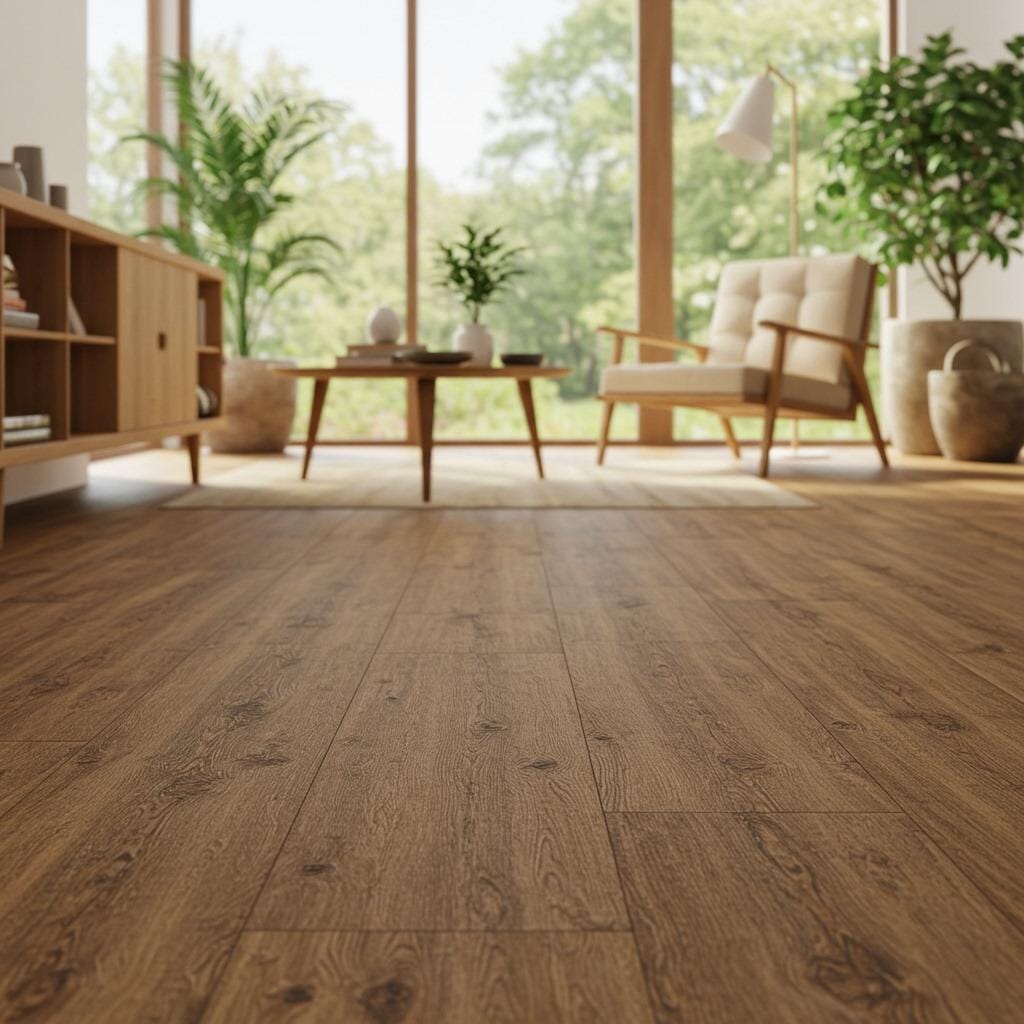
Hemp-based composite flooring combines one of the fastest-growing plants on Earth with recycled wood fibers to create exceptionally durable planks. Hemp grows to maturity in just 120 days and actually improves soil health while growing, making it one of the most sustainable crops available.
The resulting composite material offers stability that surpasses traditional hardwood, with less expansion and contraction due to humidity changes. This stability makes hemp composite flooring excellent for areas where moisture levels fluctuate, including basement finishing ideas where traditional wood might not perform well.
Hemp composite flooring typically comes with realistic wood grain patterns and natural color variations that create authentic-looking results. The material accepts stains and finishes similarly to traditional wood, allowing for customization to match your specific design vision.
14. Rapidly Renewable Grass Flooring
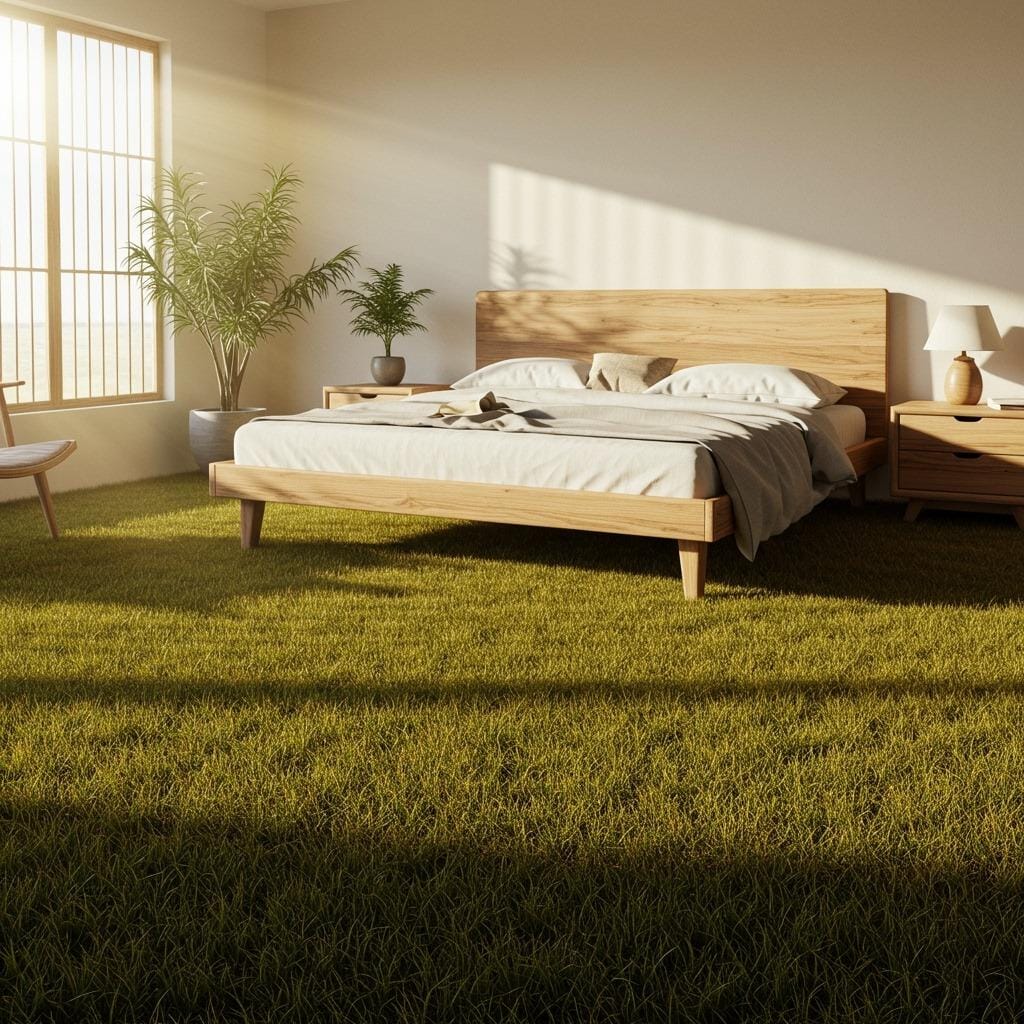
Beyond bamboo, other grasses like wheat straw, rice husks, and specially cultivated grass varieties are being transformed into beautiful flooring materials. These agricultural byproducts would typically be burned or composted, but innovative processing techniques turn them into durable, attractive floors.
Wheat straw flooring, for example, uses the stalks left after grain harvest to create planks with a unique texture and warm color palette. The manufacturing process compresses these fibers with low-emission adhesives to create planks that resist moisture and wear better than many traditional materials.
These grass-based floors work particularly well for creating calming bedroom colors and natural design schemes. The subtle texture variations and organic appearance complement both minimalist and rustic decorating styles.
15. Recycled Rubber with Natural Pigments
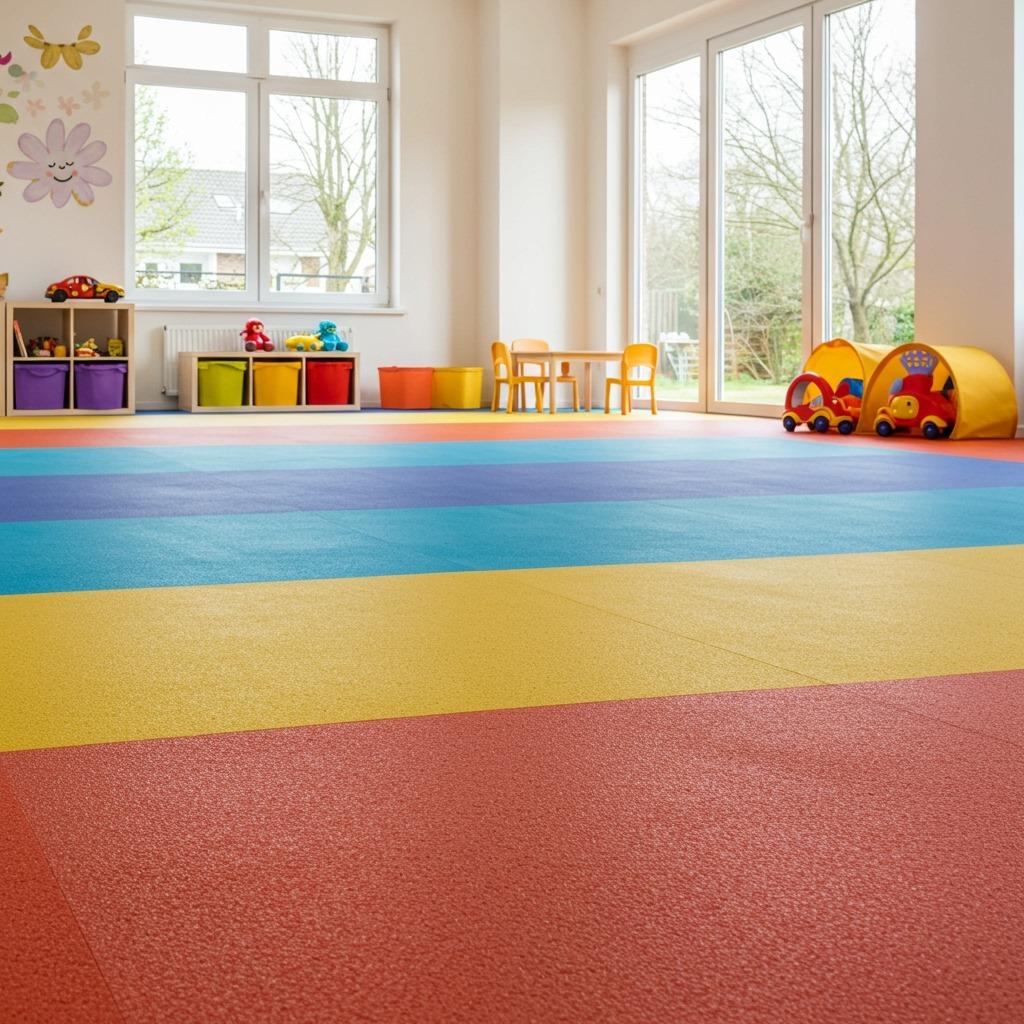
Advanced recycled rubber flooring now incorporates natural pigments instead of synthetic dyes, creating colorful, safe surfaces perfect for family homes. These floors combine the durability and comfort of recycled rubber with colors derived from natural sources like iron oxides and plant-based dyes.
The cushioned surface provides excellent joint protection and noise reduction, making it ideal for active households or kids bedroom decor ideas where safety and comfort are priorities. Unlike hard surfaces, rubber flooring reduces fatigue during extended standing or play.
Installation typically involves interlocking tiles or rolled sheets that can be easily replaced if damaged. This modularity means you can update colors or repair specific areas without replacing the entire floor, extending the overall lifecycle of your investment.
16. Salvaged Sports Court Flooring
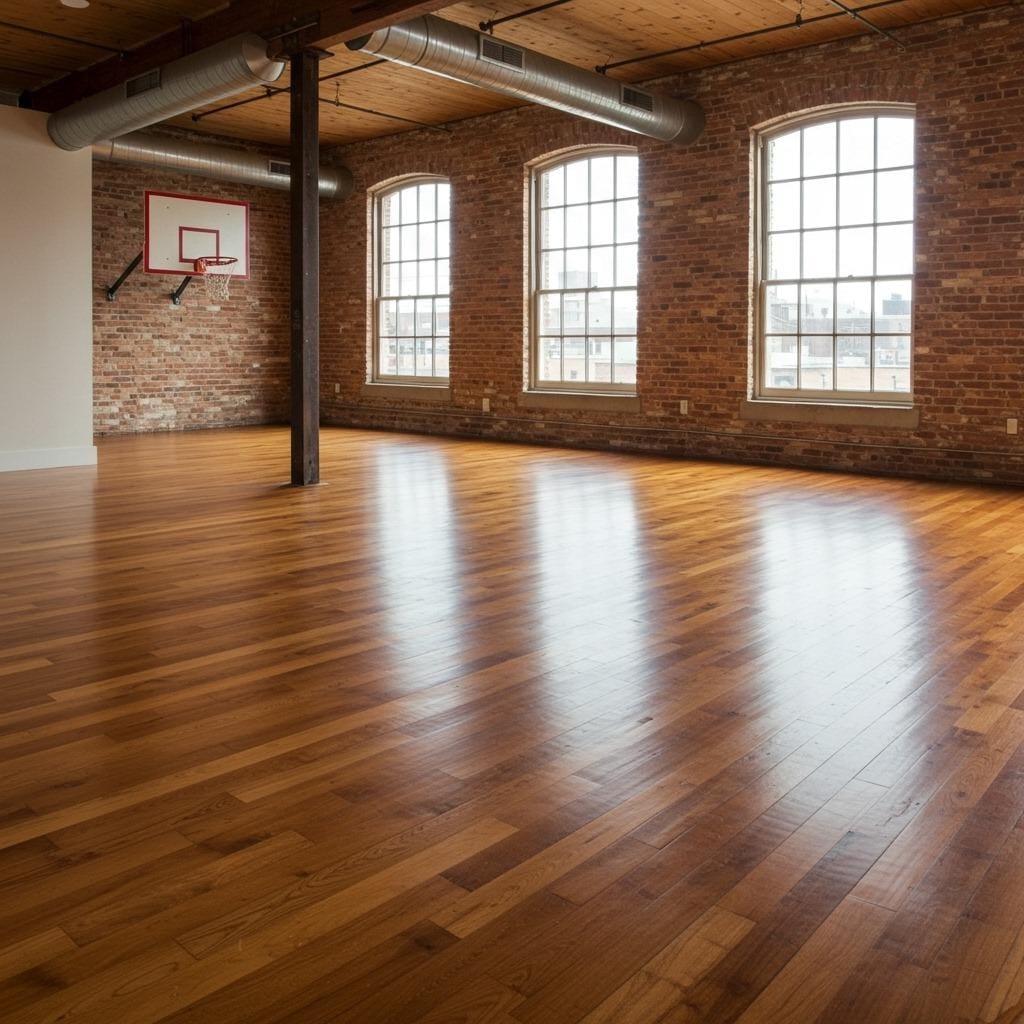
Decommissioned gymnasiums and sports facilities often contain high-quality hardwood flooring in excellent condition. This maple flooring was built to withstand extreme use and typically features tight grain patterns and superior stability compared to standard residential hardwood.
Salvaged sports flooring comes pre-finished with extremely durable polyurethane coatings designed to handle heavy traffic and equipment. While you might need to sand and refinish to achieve your desired appearance, the underlying wood quality is typically exceptional.
The uniform appearance and honey-colored tones of maple sports flooring work beautifully in open shelving in the kitchen designs or large great rooms where consistency and durability are important. The wide plank format creates visual continuity across large spaces.
17. Bio-Based Vinyl Alternatives
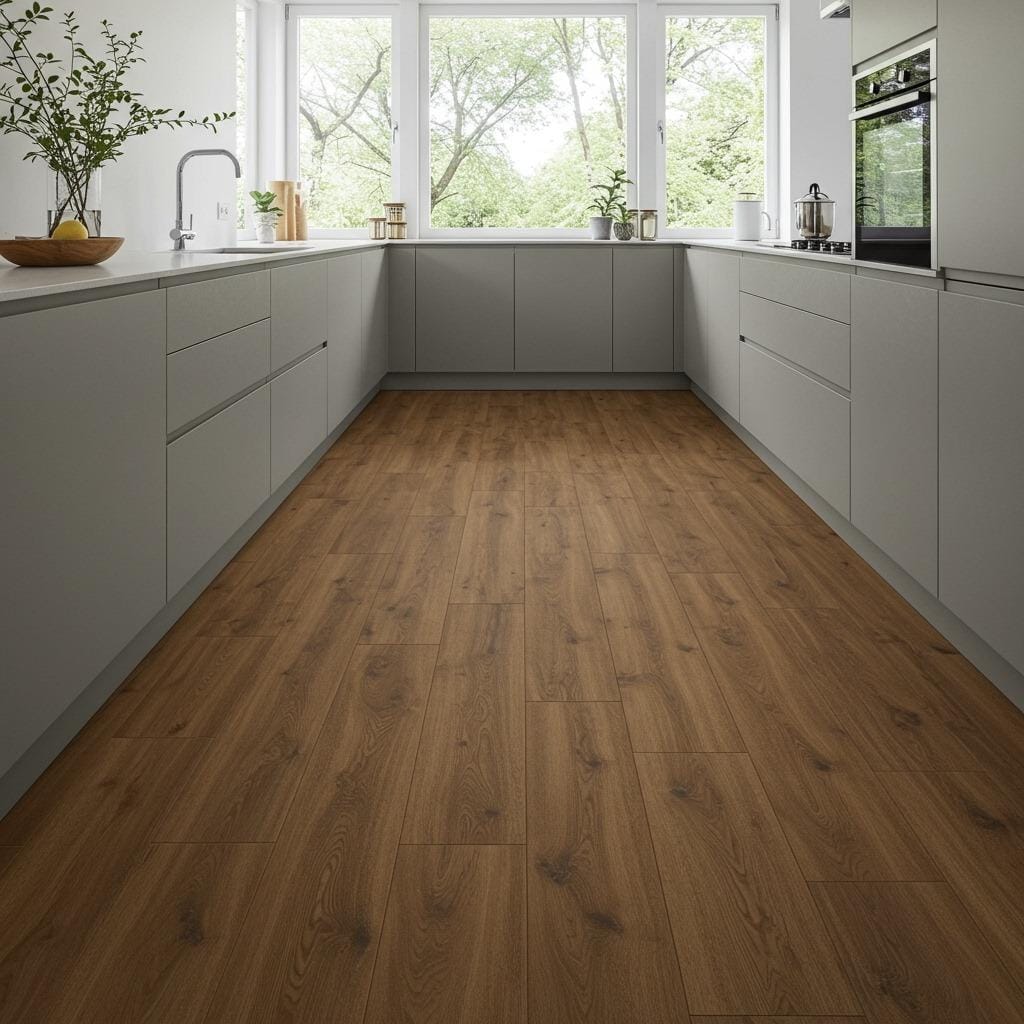
New bio-based vinyl alternatives replace petroleum-derived plasticizers with plant-based alternatives from corn, soybeans, or other renewable sources. While not completely natural, these products significantly reduce reliance on fossil fuels while maintaining the practical benefits of traditional luxury vinyl.
These bio-based alternatives perform similarly to conventional luxury vinyl but with improved indoor air quality and reduced environmental impact. They’re particularly appealing for small kitchen cabinet organization projects where waterproof flooring is essential but environmental concerns matter.
Many bio-based vinyl products are also recyclable at the end of their lifespan, creating a more circular approach to flooring materials. The realistic wood and stone patterns available make them suitable for virtually any design style while supporting sustainability goals.
18. Traditional Adobe and Clay Tiles
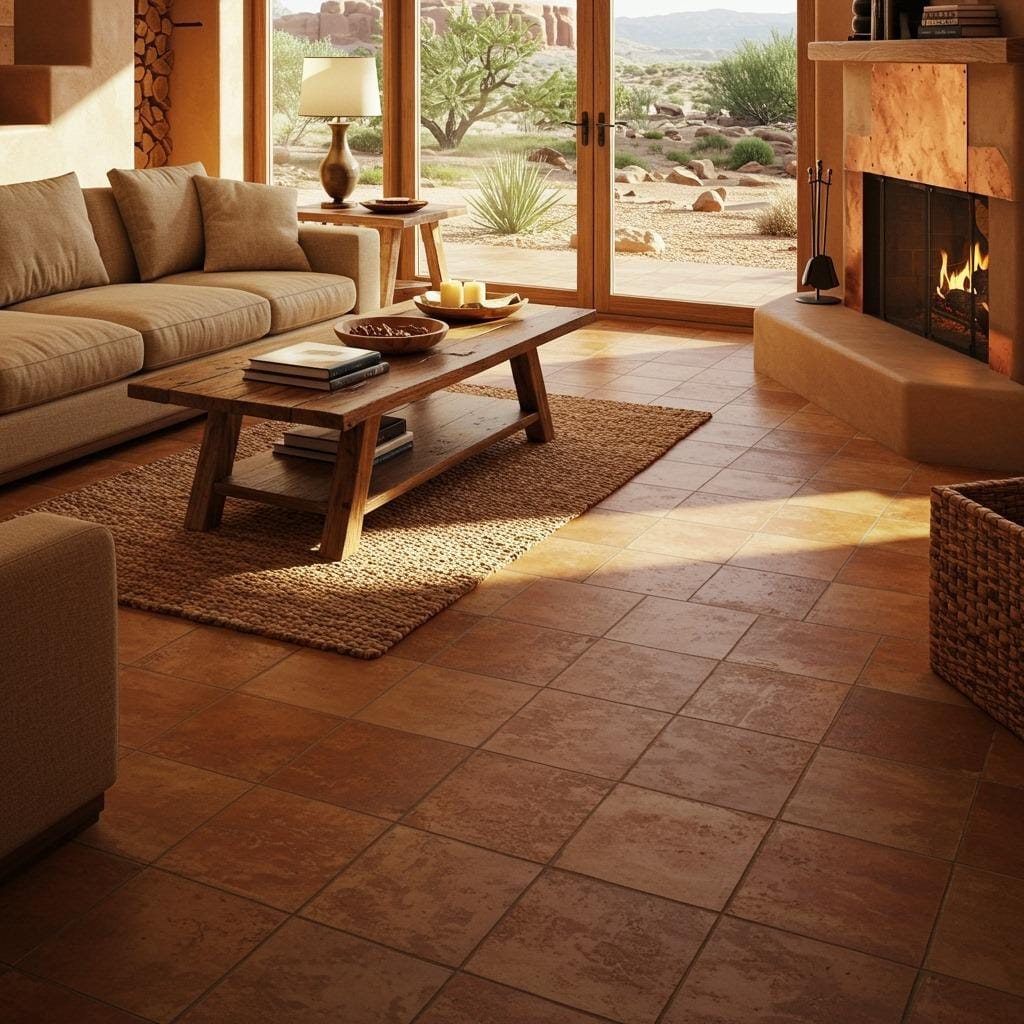
Adobe and clay tiles represent some of the oldest sustainable flooring materials, created from earth, water, and minimal processing. Modern versions of these traditional materials offer improved durability while maintaining their natural beauty and thermal properties.
Clay tiles provide excellent thermal mass for passive solar heating and cooling, naturally regulating indoor temperatures throughout the day. In outdoor kitchen patio applications, these tiles create seamless transitions between indoor and outdoor spaces.
The natural variation in handmade clay tiles creates floors with character that machine-made materials cannot replicate. Each tile bears subtle differences in color, texture, and finish that contribute to an overall organic aesthetic perfect for southwestern or Mediterranean design themes.
19. Certified Sustainable Carpeting
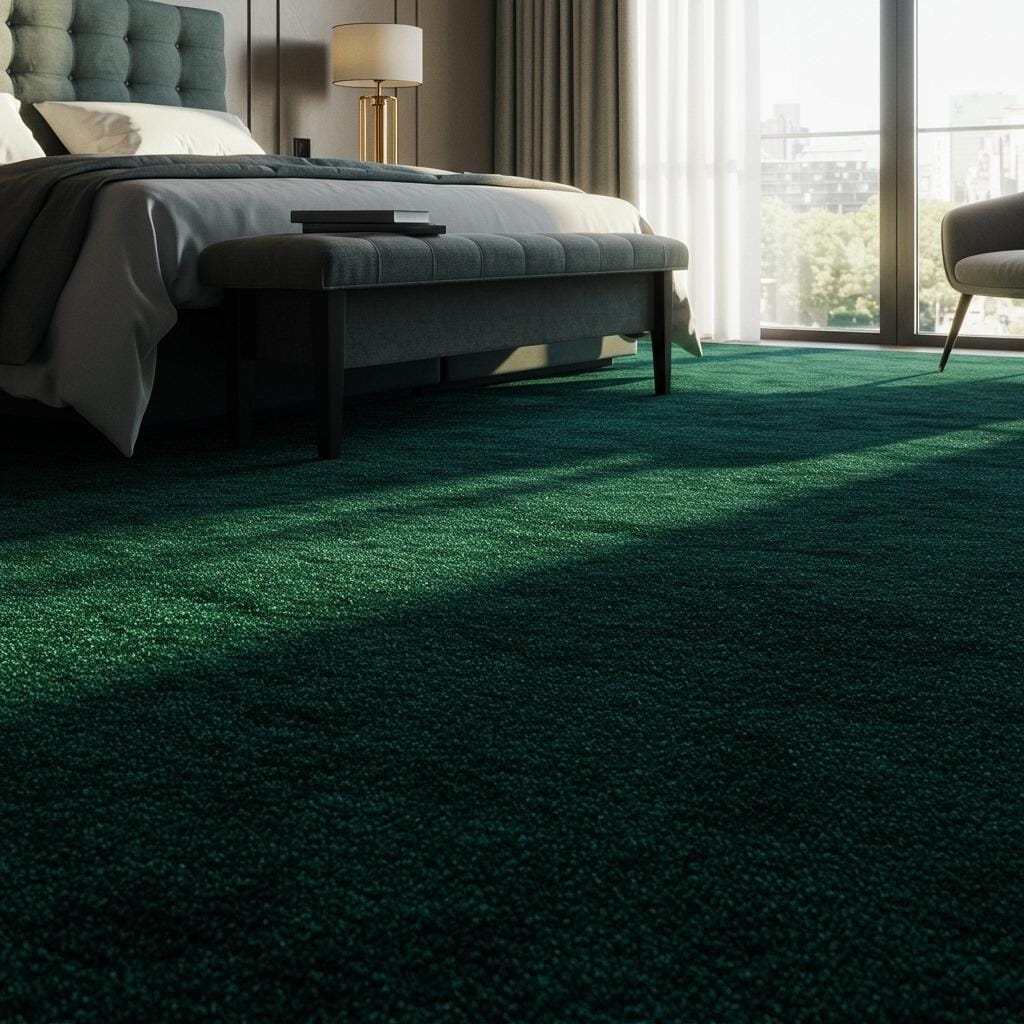
The carpet industry has made significant strides in sustainability, with options now available made from recycled plastic bottles, reclaimed fishing nets, and other post-consumer waste. These carpets perform identically to virgin material alternatives while diverting waste from oceans and landfills.
Carpet made from recycled plastic bottles (PET) is particularly impressive – it takes approximately 50 two-liter bottles to create one square yard of carpet. The resulting fiber is actually more stain-resistant and durable than many traditional carpet fibers, making it an excellent choice for bedroom storage ideas where longevity matters.
Many sustainable carpet manufacturers also focus on reducing water usage, eliminating harmful chemicals, and creating take-back programs for end-of-life recycling. Look for certifications like Green Label Plus or Cradle to Cradle when selecting sustainable carpeting options.
Choosing the Right Sustainable Flooring for Your Home
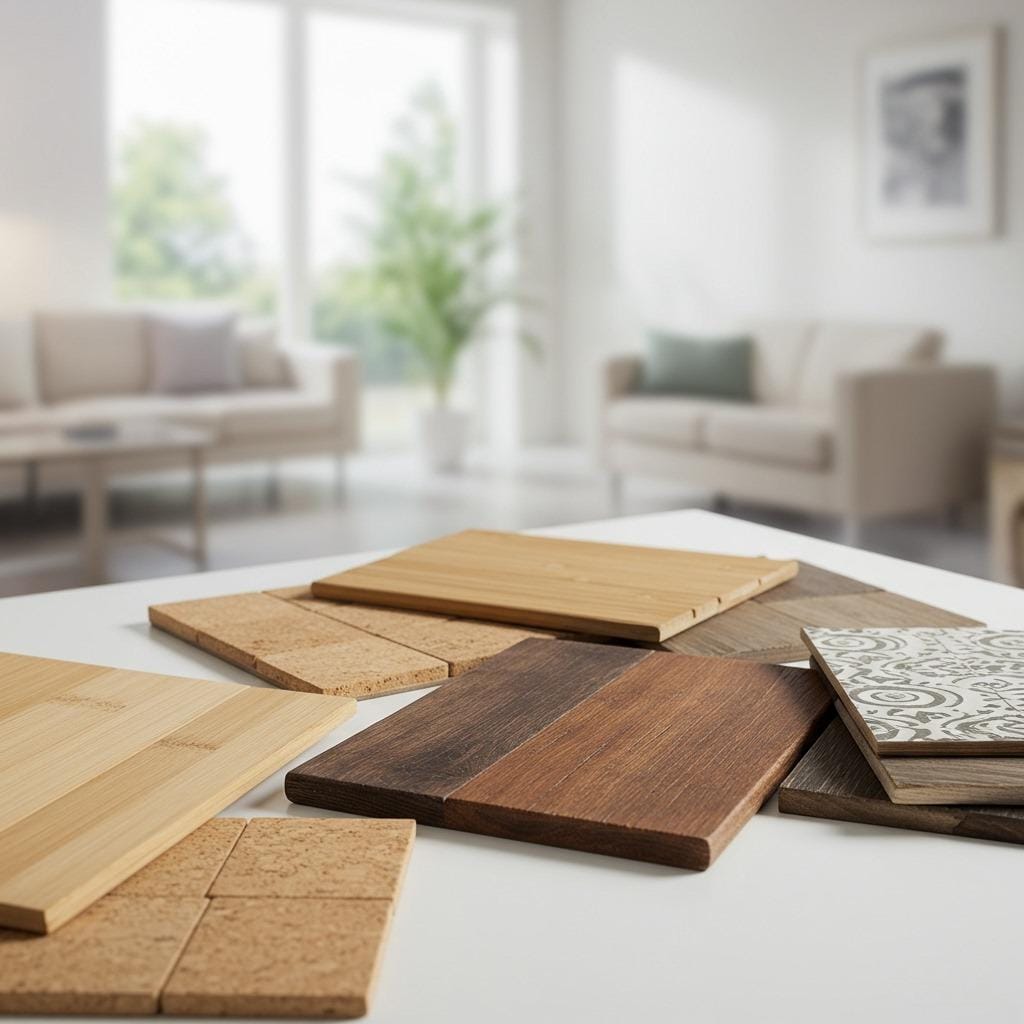
Selecting among sustainable flooring solutions requires balancing environmental impact, performance requirements, and aesthetic preferences. Consider your lifestyle, budget, and long-term plans when evaluating options. High-traffic areas might benefit from more durable materials like bamboo or reclaimed hardwood, while bedrooms could showcase softer options like wool carpet or cork.
Climate plays a crucial role in flooring performance. Humid environments favor materials like ceramic tiles made from recycled content, while dry climates might be perfect for natural linoleum or bamboo. If you’re planning multiple green renovation tips projects, coordinate flooring choices with other sustainable upgrades for maximum impact.
Budget considerations extend beyond initial installation costs. Factor in long-term durability, maintenance requirements, and potential energy savings from thermal properties. Some sustainable options cost more upfront but provide decades of service with minimal environmental impact.
Maintaining Your Eco-Friendly Floors

Proper maintenance extends the lifespan of any sustainable flooring while preserving its environmental benefits. Most eco-friendly floors actually require less chemical maintenance than conventional alternatives – bamboo and cork floors thrive with simple pH-neutral cleaners, while sealed concrete needs only occasional damp mopping.
Avoid harsh chemicals that can damage natural materials and compromise indoor air quality. Instead, focus on preventive measures like entry mats, furniture pads, and prompt spill cleanup. Regular maintenance schedules help identify minor issues before they become major problems requiring replacement.
Understanding your specific flooring material helps optimize care routines. Cork floors benefit from occasional resealing, reclaimed wood might need refinishing every few years, and recycled glass tiles simply need regular cleaning to maintain their lustrous appearance. When you invest in quality sustainable flooring and maintain it properly, you’re creating beautiful spaces that support both your family’s health and environmental responsibility.
Your flooring choice impacts your home’s comfort, style, and environmental footprint for decades. These 19 sustainable options prove that you don’t have to compromise beauty, performance, or budget to make responsible choices. Whether you’re drawn to the warmth of reclaimed hardwood, the comfort of cork, or the durability of recycled materials, there’s a sustainable solution that perfectly matches your vision for your home.

Sanjai creates easy, affordable home decor ideas that anyone can try. Through simple tips and curated finds, he helps you style rooms you’ll love coming home to.