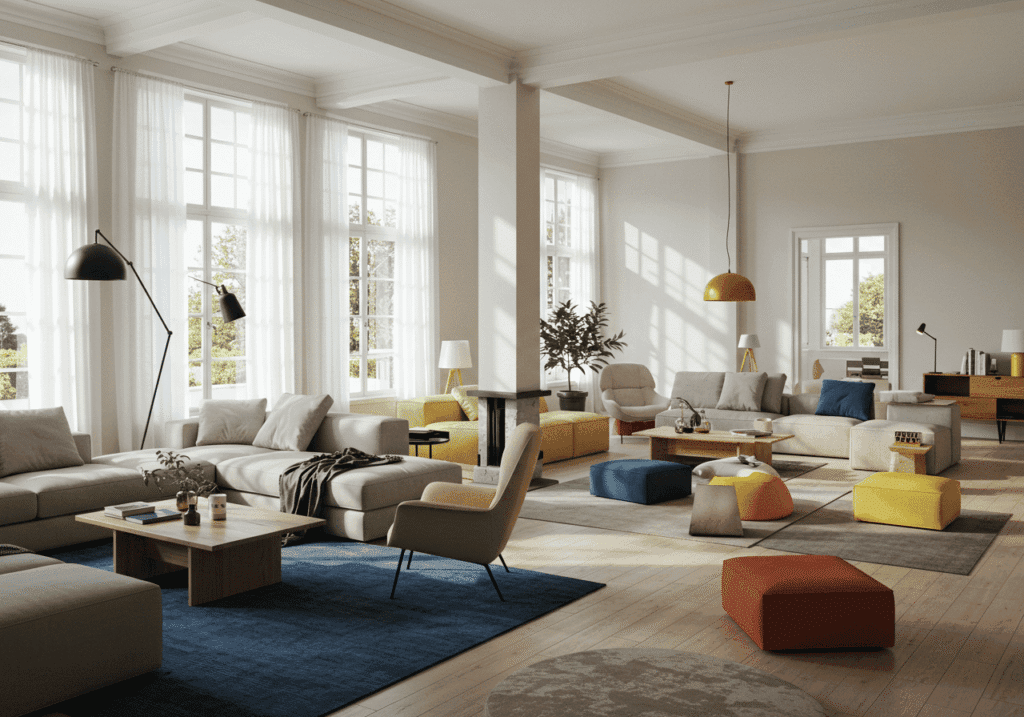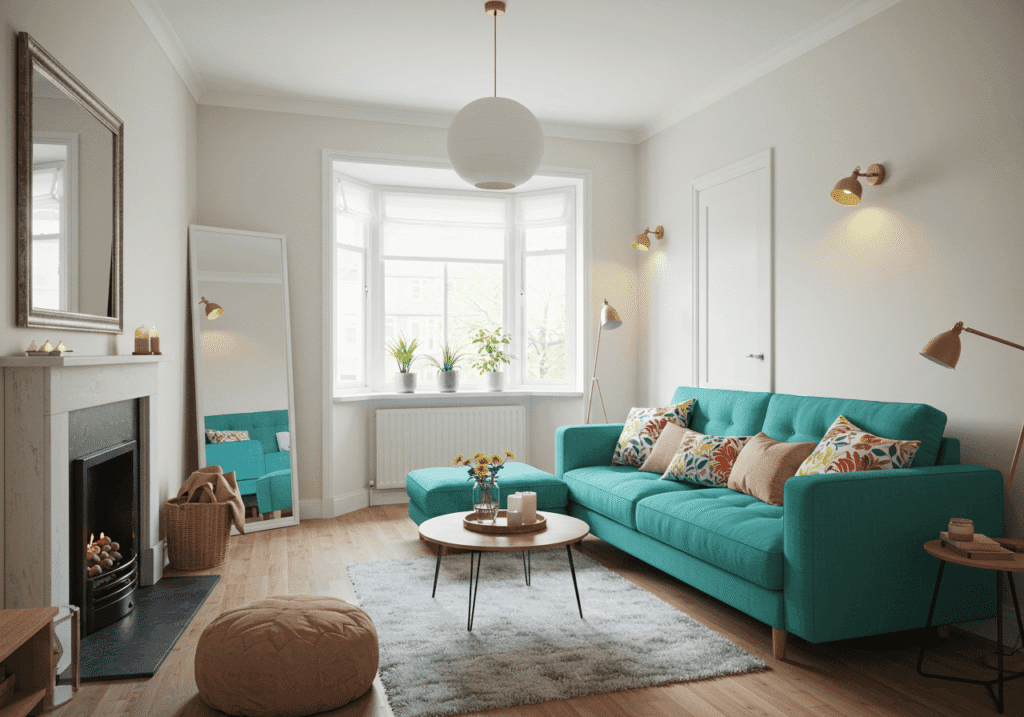
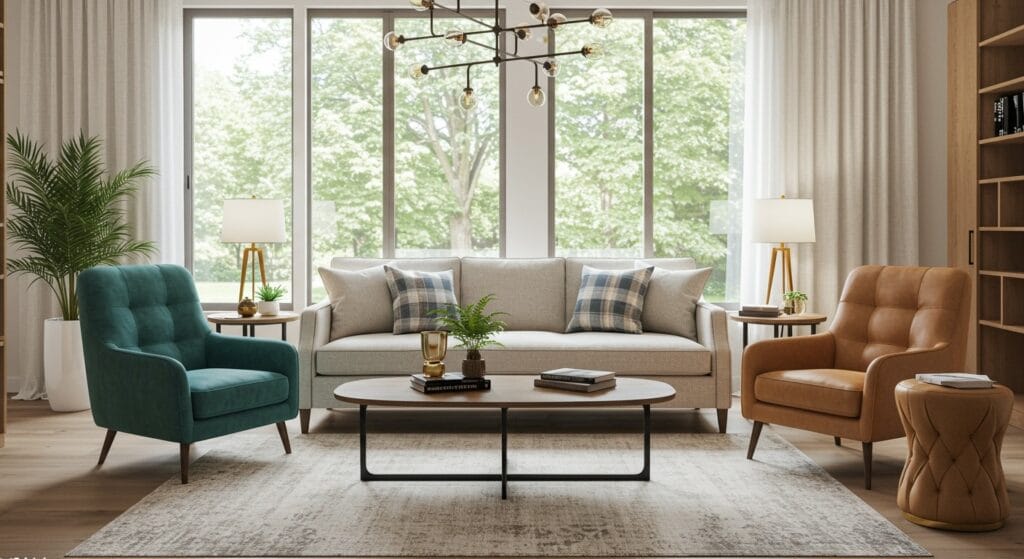
You know that feeling when you walk into a room and something just feels… incomplete? I’ve been there too many times. Your sofa is solid, your coffee table works fine, but the space lacks personality. That’s usually when I realize the room needs accent chairs for living room spaces to truly come alive.
Picking the right statement seating isn’t about following strict rules or matching everything perfectly. It’s more about understanding what works for your space and lifestyle. Maybe you need somewhere cozy to read on Sunday mornings, or perhaps you’re looking for extra seating when friends drop by unexpectedly.
This guide walks you through everything from measuring your space correctly to choosing fabrics that’ll actually hold up. No fluff, just practical advice that helped me transform my own living room from “just okay” to a space where everyone wants to sit.
Why Accent Chairs Matter More Than You Think
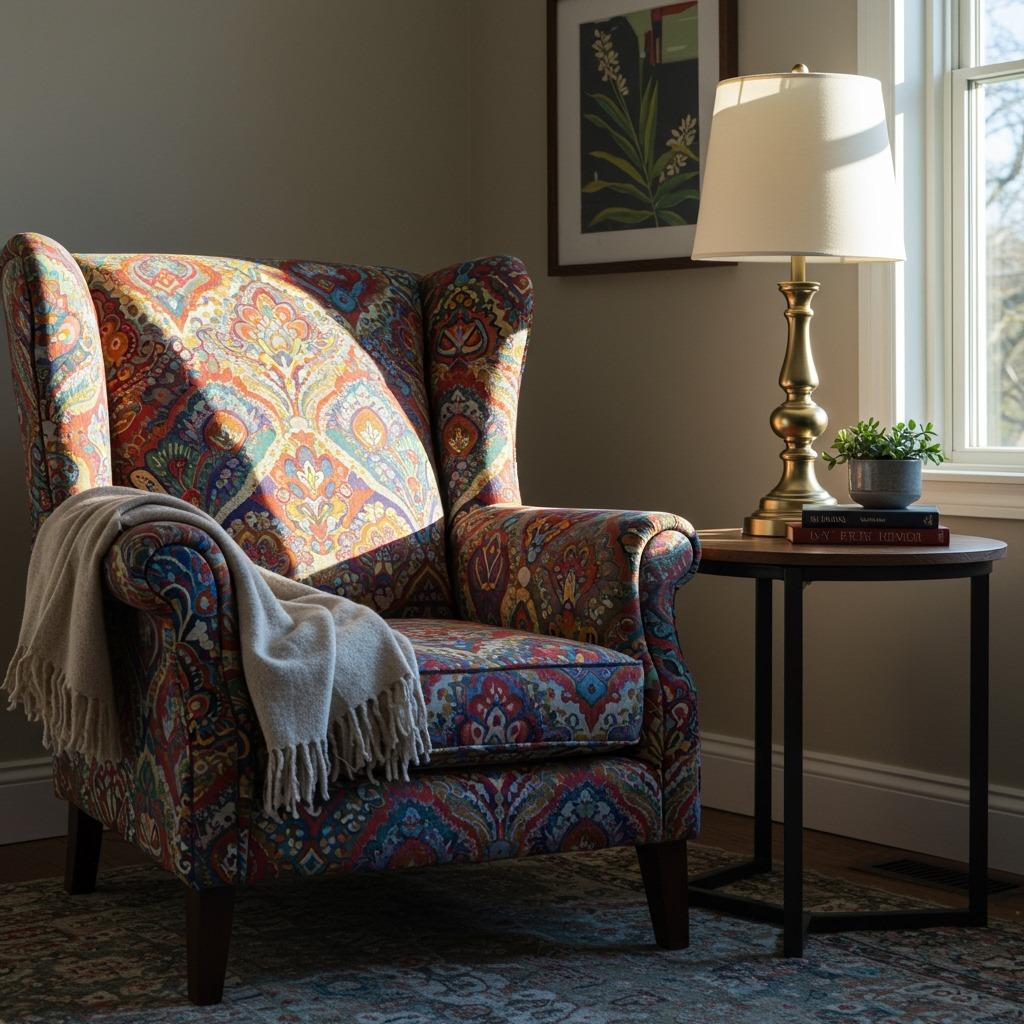
Here’s something I didn’t realize until I finally added accent chairs to my living room furniture arrangement – they completely change how you use a space. Before, everyone just crammed onto the sofa during game nights. Now? The room actually accommodates conversation and movement.
Accent chairs create natural flow in a room. They guide people’s eyes around the space and establish separate zones without walls or dividers. A well-placed chair near a window becomes an instant reading nook. Two chairs facing the sofa? That’s a conversation area that actually encourages people to talk face-to-face.
But beyond function, these pieces are pure personality. Your sofa might be neutral (mine is gray, like half the sofas in America), but your accent chairs can be bold, patterned, or uniquely shaped. They’re your chance to express style without committing an entire wall or room to one look.
Understanding Your Space Before Shopping

I made the mistake of falling in love with a chair online before measuring my living room. It arrived, and guess what? It overwhelmed the entire corner. Learn from my expensive lesson – measure first, dream second.
Start by mapping out your floor plan. Not just the room dimensions, but where your existing furniture sits and how much clearance you have. You need at least 30 inches of walkway space around furniture, though 36 inches feels more comfortable. Grab painter’s tape and mark out potential chair locations on your floor.
Consider the scale of your existing pieces too. If you have a deep, oversized sectional, a dainty Victorian-style chair will look lost. Conversely, a massive wingback might dwarf a compact small living room layout. Take photos of your space from different angles – they’ll be invaluable when you’re shopping online.
Choosing the Right Chair Style for Your Decor

Style matching doesn’t mean everything needs to coordinate perfectly. Actually, some of my favorite rooms mix styles intentionally. The key is finding a common thread – maybe it’s a color family, a wood tone, or a similar level of formality.
For modern spaces, look for clean lines and minimal ornamentation. Mid-century modern chairs with tapered legs work beautifully in contemporary living room settings. Traditional rooms can handle more ornate details like tufting, nailhead trim, or curved arms. And if you’re into that relaxed California vibe, consider coastal living room inspired pieces with natural textures.
Don’t be afraid to mix metals and finishes either. A brass-legged chair can absolutely live happily next to your black coffee table. The “everything must match” rule died somewhere around 2015, and rooms look better for it. Trust your gut – if two pieces make you happy together, they probably work.
Size and Scale Guidelines That Actually Work
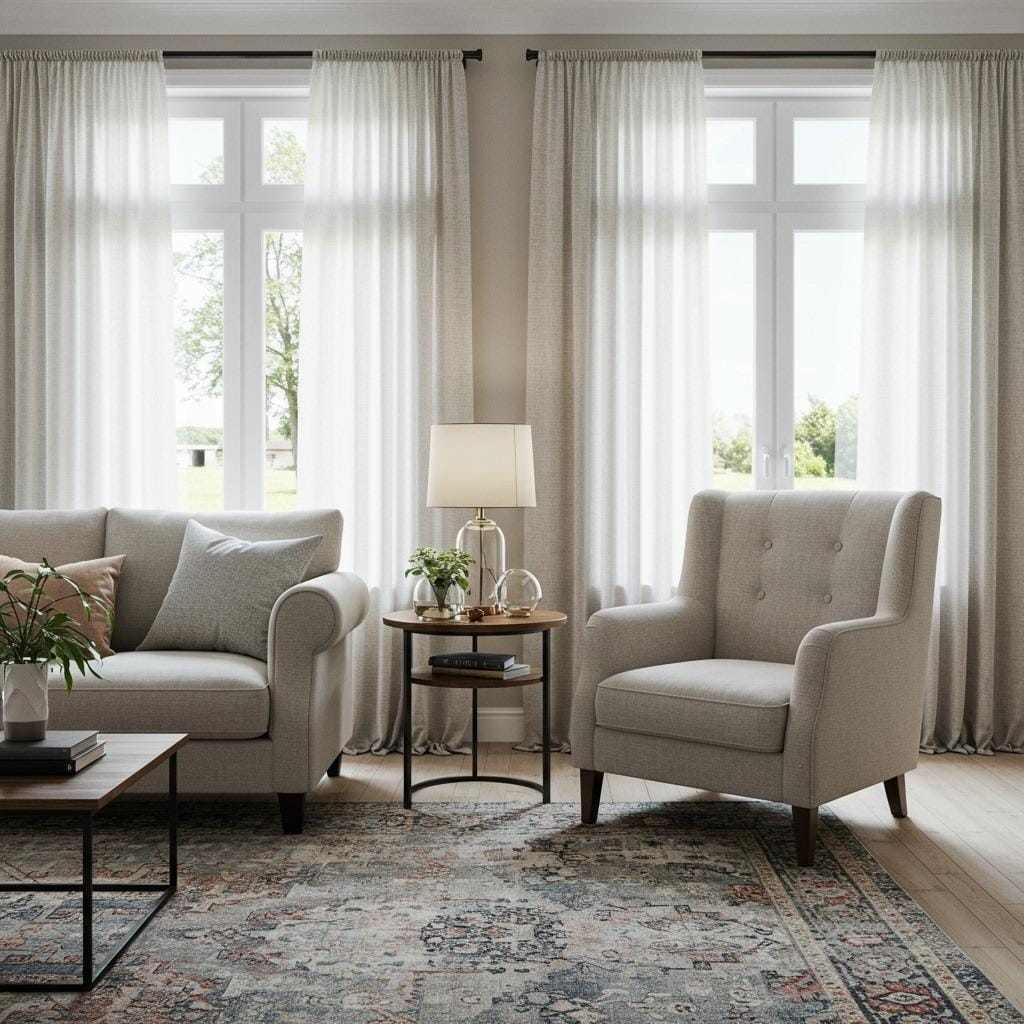
Here’s a proportions trick I learned from an interior designer friend: your accent chair should be roughly two-thirds the size of your sofa. Not exact science, but it’s a helpful starting point. This creates visual balance without making one piece overpower the other.
Seat height matters more than people realize. Most accent chairs sit between 17-20 inches from the floor, similar to standard sofas. If your chair is significantly higher or lower, conversations become awkward (nobody wants to crane their neck or look down at someone the entire visit).
For small living room tips, consider armless chairs or those with exposed legs. They take up less visual space and make rooms feel airier. Bulky, skirted chairs might be comfy, but they can make compact spaces feel cramped. Sometimes what you don’t include matters as much as what you do.
Fabric Selection: Pretty vs. Practical
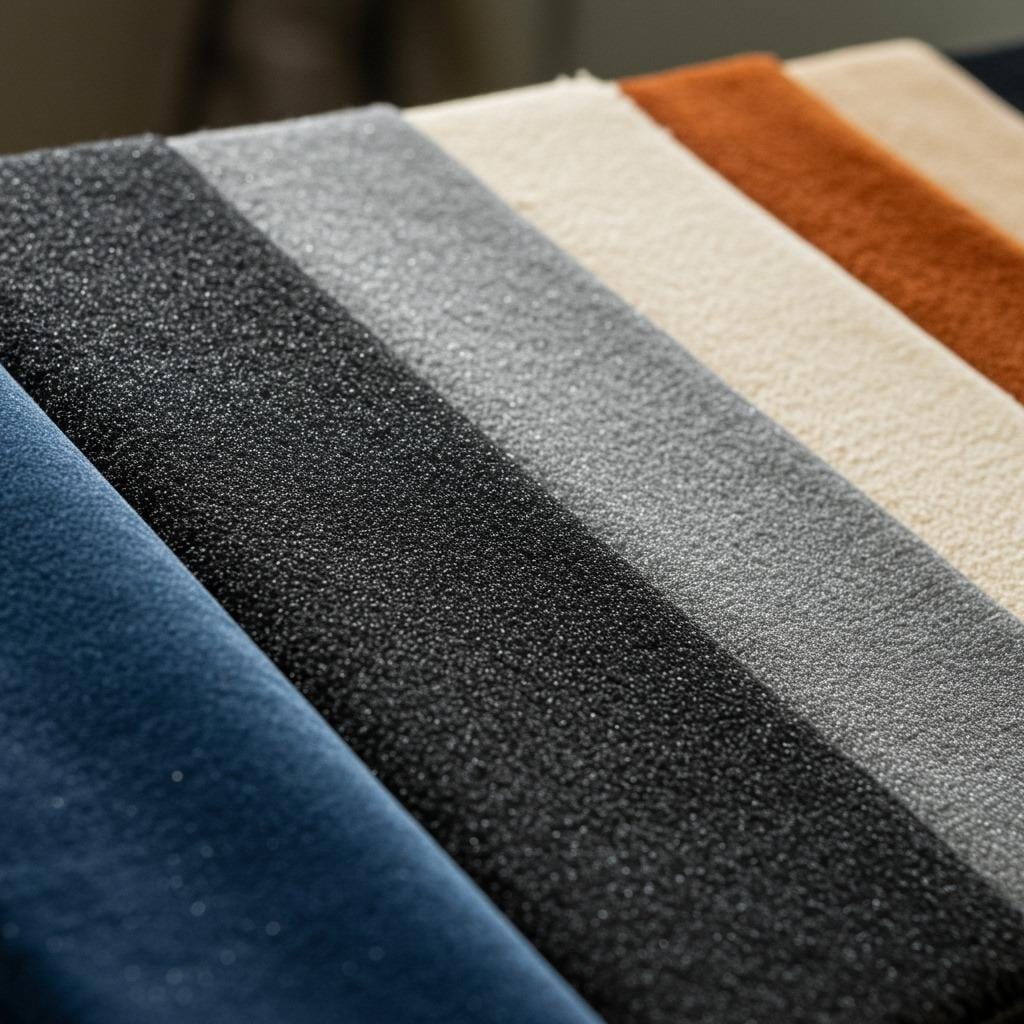
I used to choose fabrics based purely on looks. Then I spilled an entire glass of red wine on my cream velvet chair. Now I’m smarter about it. Beauty matters, but so does your actual lifestyle.
Performance fabrics have come so far in recent years. Today’s stain-resistant materials don’t feel plastic-y or look cheap. Look for fabrics with a high double-rub count (30,000+ for high-traffic areas). Crypton, Sunbrella, and similar treated fabrics repel spills while still feeling soft and looking sophisticated.
Leather ages beautifully if you’re okay with patina developing over time. It’s incredibly durable and actually gets more comfortable with use. Velvet creates that luxe feel but shows every pet hair and watermark – save it for formal spaces or rooms without kids and pets. Linen looks effortlessly elegant but wrinkles easily and stains readily unless treated. According to research from the Architectural Digest, choosing the right upholstery fabric depends heavily on your household’s daily wear and tear patterns.
Color Theory for Statement Seating
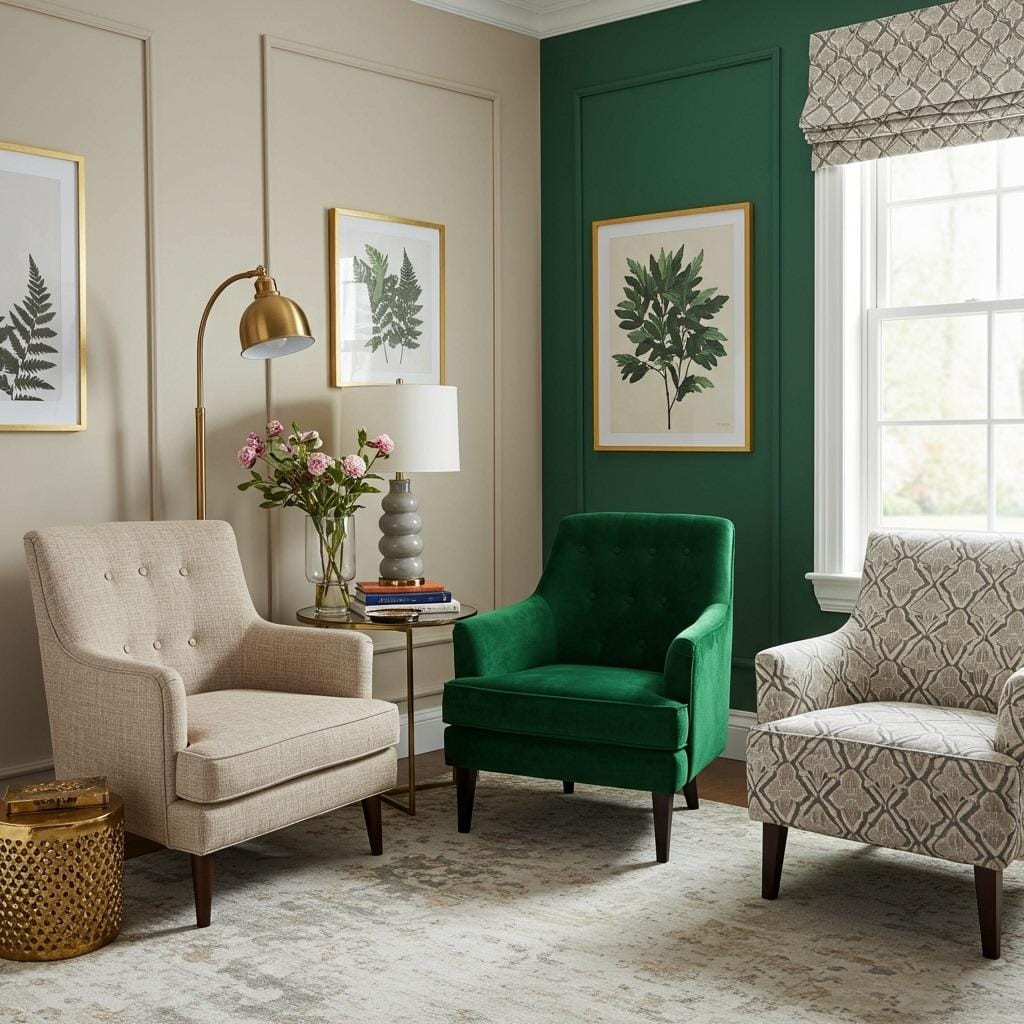
Color choices either make or break a room’s vibe. I tend to think of accent chairs in three categories: safe neutrals, bold statements, or subtle patterns. Each serves a different purpose, and honestly, there’s no wrong choice – just different effects.
Neutral chairs in grays, beiges, or creams blend seamlessly but can feel a bit… boring? Unless you add personality through texture (think nubby boucle or rich leather). They’re smart if you like changing your decor seasonally with pillows and throws. You’re not locked into one color story.
Bold solid colors create instant focal points. A jewel-toned emerald chair or a burnt orange piece demands attention in the best way. If you’re nervous about commitment, choose a bold chair in a shade that appears elsewhere in your room – maybe it pulls from your artwork or an area rug. Patterns add visual interest without the intensity of solid brights. Subtle geometric prints or organic shapes feel current without being trendy.
Comfort vs. Aesthetics: Finding the Balance

We need to talk about the elephant in the room – some gorgeous chairs are torture devices. I’m looking at you, impossibly chic but rock-hard modern chairs that appear in every design magazine. Beauty matters, but so does actually wanting to sit in your furniture.
Test before you buy when possible. Sit for at least five minutes (yeah, you might feel awkward in the showroom, but it’s worth it). Check if your feet touch the floor comfortably. Can you imagine reading a book here for an hour? Do the arms hit at a comfortable height for resting your elbows?
If you’re buying online without testing, read reviews obsessively. Look for comments about comfort, not just appearance. Some reviewers mention if cushions soften over time or if the back support feels right. Consider chair depth too – deeper seats feel loungy but can be awkward for shorter folks who can’t reach the back support comfortably.
Pairing Two Accent Chairs: Matching or Mixing?
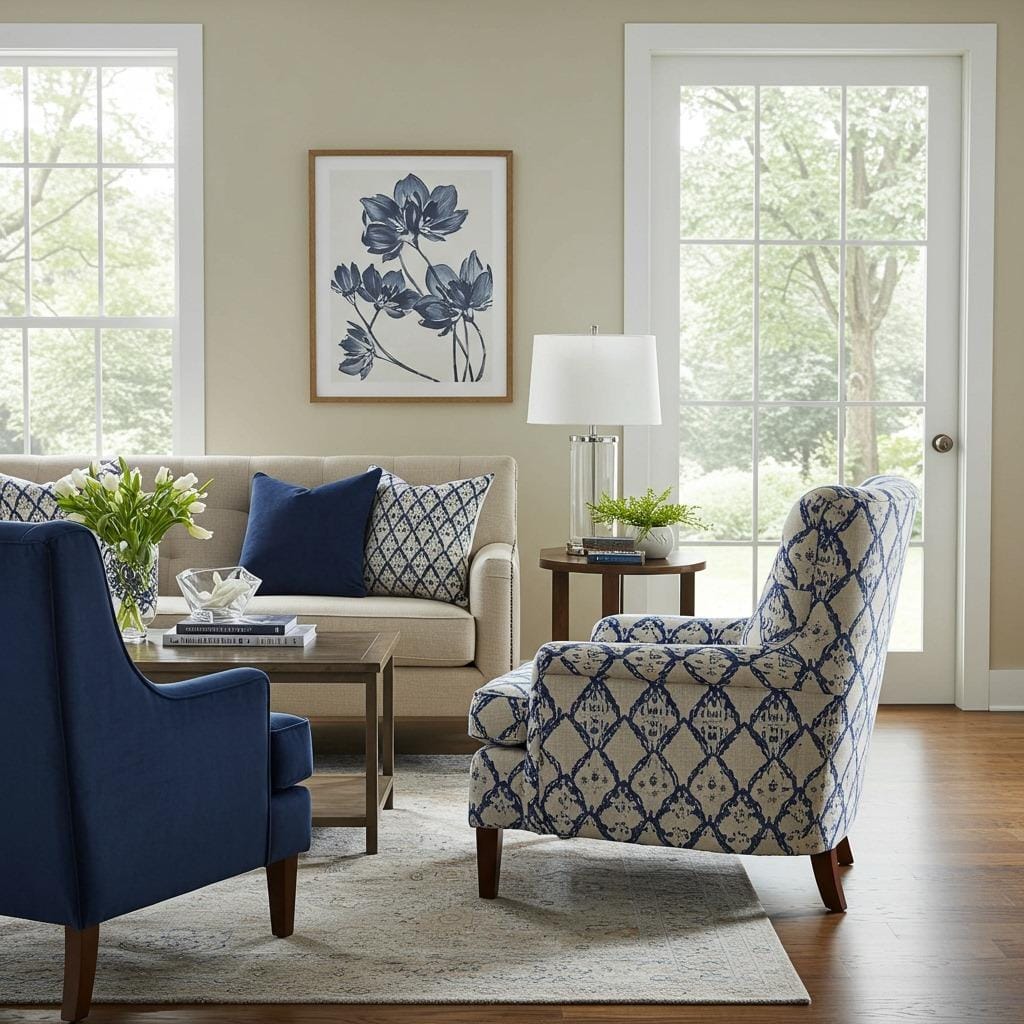
I’m firmly in the “mixing is more interesting” camp, but that doesn’t mean anything goes. When pairing two chairs, I look for pieces that share at least one common element. Maybe they’re the same height, or they both have wood legs, or they pull from the same color palette.
Identical matching chairs create symmetry that feels formal and traditional. Think hotel lobbies or classic living rooms. This works beautifully flanking a fireplace or anchoring opposite ends of a large sectional. There’s something satisfying about perfect symmetry – our brains like order.
Mixing different chairs creates a collected-over-time vibe that feels more personal and less staged. Try one patterned and one solid. Or two different styles in the same color family. The key is varying the visual weight evenly. If one chair is chunky and substantial, the other shouldn’t be spindly and delicate. Balance is everything, even in deliberately unmatched pairs.
Armchair vs. Slipper Chair vs. Wingback
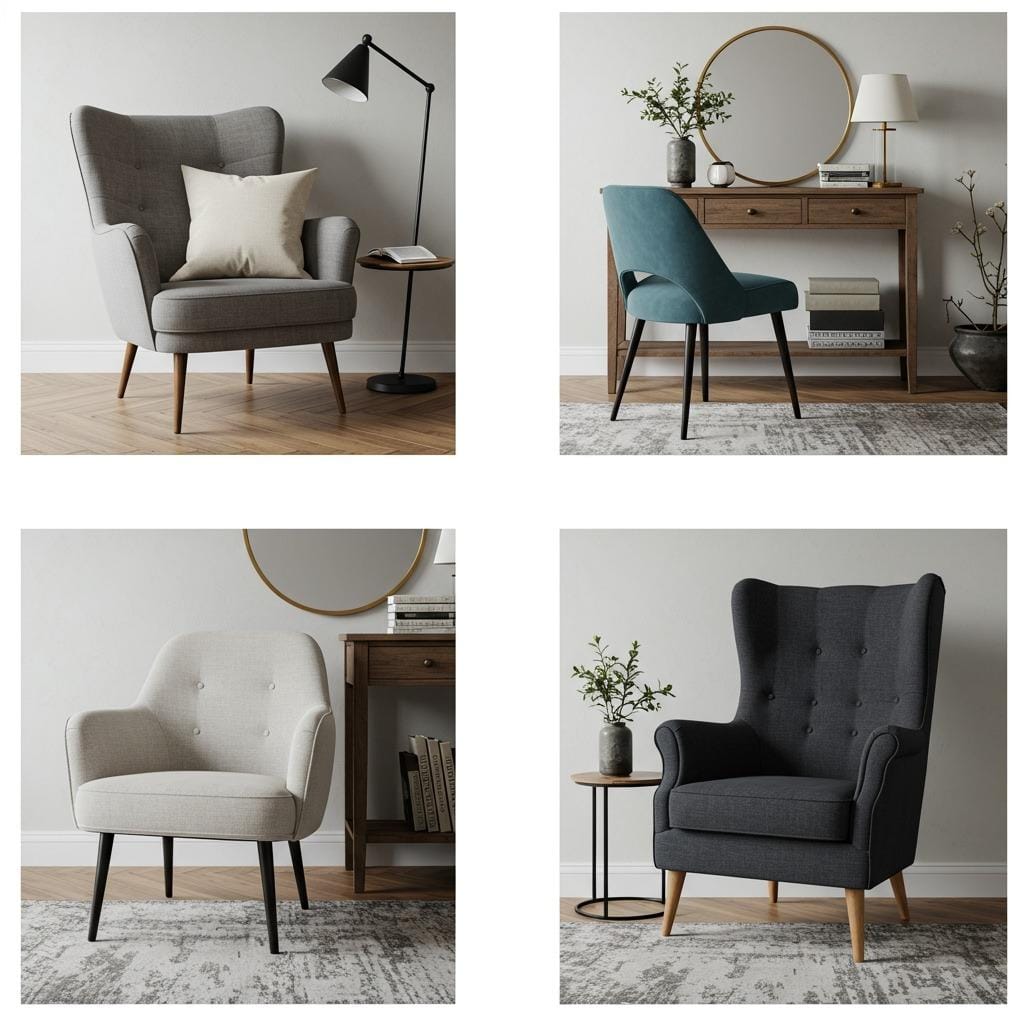
Chair styles aren’t just aesthetic choices – they function differently too. Understanding the differences helps you pick what actually works for your lifestyle, not just what looks pretty on Pinterest.
Traditional armchairs with full arms provide the most comfort and support. They’re perfect for reading, working on a laptop, or long conversations. The arms give you somewhere to rest a drink or prop your elbow. These typically take up more floor space but deliver maximum comfort. They work brilliantly in living room ideas where comfort is priority.
Slipper chairs (armless or low-armed) slide easily under tables and fit into tighter spots. They’re ideal for smaller spaces or as dining room accent pieces. Less comfortable for extended sitting but incredibly versatile for placement. You can tuck them into corners or pull them out when extra seating is needed.
Wingback chairs make serious style statements with their high backs and side wings. Originally designed to block drafts near fireplaces, they now add architectural interest and a bit of drama. Great for creating a reading nook or adding traditional elegance, but they’re visually substantial – probably too much for tiny spaces.
Placement Strategies for Maximum Impact
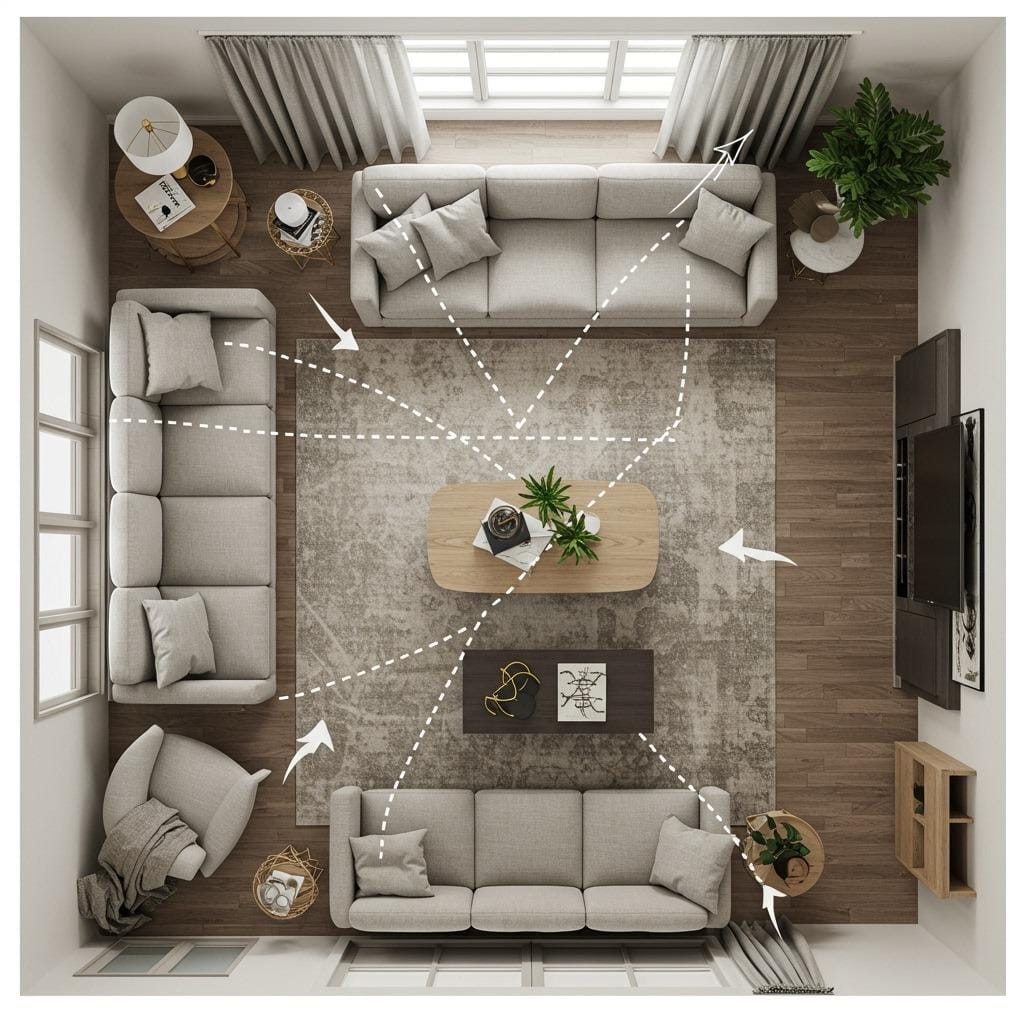
Where you put your accent chair matters as much as which chair you choose. I’ve moved the same chair around my living room three times before finding its perfect spot. Sometimes it’s trial and error, but there are some reliable guidelines.
Creating conversation areas means positioning chairs to face or angle toward the sofa. Nobody wants to twist their neck 90 degrees to chat. Angle chairs slightly inward rather than placing them perfectly perpendicular – it feels more inviting and less stiff. Leave about 8-10 feet between seating pieces for comfortable conversation distance.
Corner placement works beautifully for reading nooks or making use of awkward spaces. Add a floor lamp and small side table, and suddenly that dead corner becomes everyone’s favorite spot. Just ensure there’s enough clearance to actually get in and out comfortably – nothing worse than a pretty chair you have to shimmy into.
Floating placement (away from walls) creates sophisticated, designer-level spaces. It defines zones in open-concept homes and makes rooms feel more intentional. This works best in larger rooms where you have space to create distinct seating areas without blocking traffic flow. Consider checking out open concept living room layouts for inspiration.
Budget-Friendly Ways to Add Statement Seating
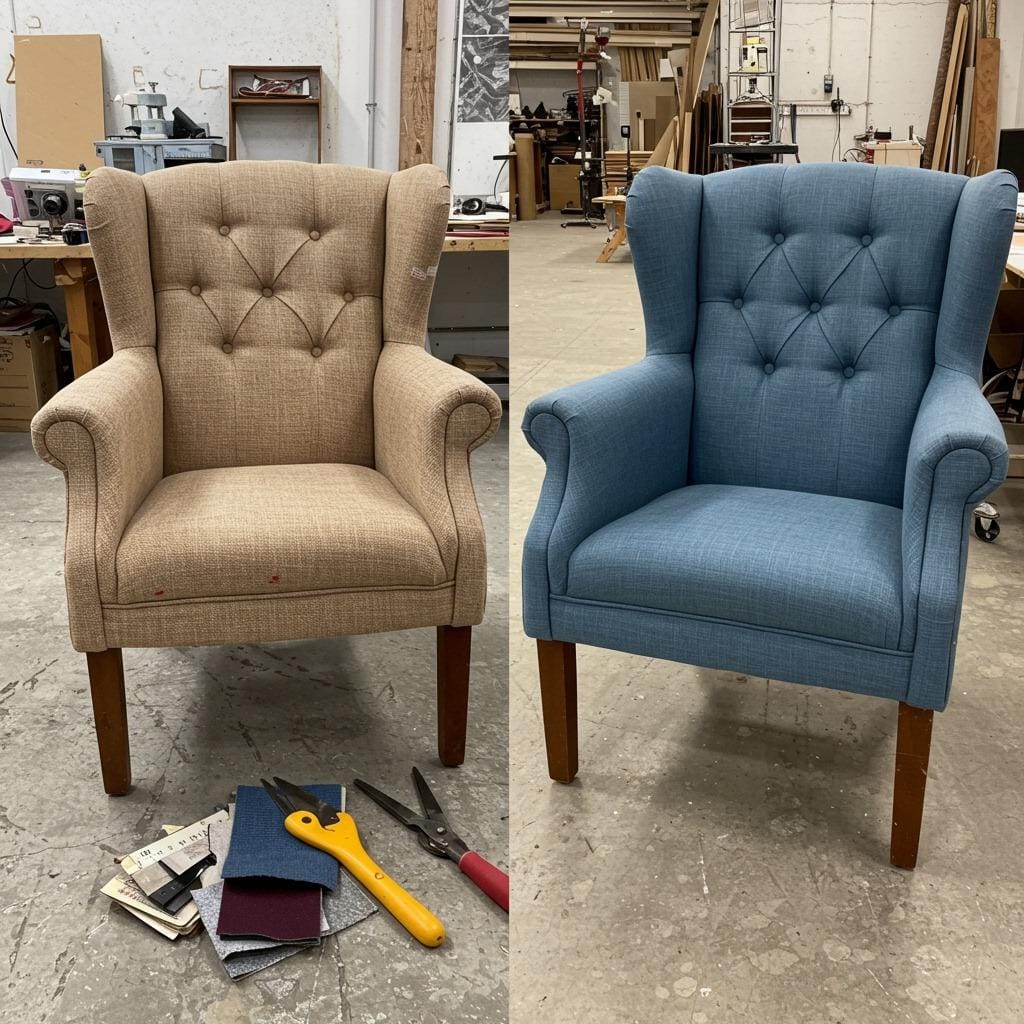
Quality accent chairs can be expensive, but you don’t always need to drop a fortune. I’ve found gorgeous pieces at unexpected price points by knowing where and when to look.
Vintage and secondhand shops often have solid wood frames that just need new upholstery. If you’re even slightly handy (or know someone who is), reupholstering can give you a designer-quality chair for a fraction of retail prices. Look for pieces with good bones – sturdy frames and comfortable proportions – and ignore the dated fabric.
Floor models and sale sections shouldn’t be overlooked. Most furniture stores discount floor samples significantly, and any minor imperfections (a tiny mark that won’t show against a wall) are worth the savings. Shopping end-of-season sales, especially in January and July, can score you 40-60% off. Sign up for emails from your favorite retailers and jump on holiday weekend sales.
DIY makeovers can completely transform an affordable chair. A budget chair from a big-box store can look expensive with some work – new legs from a hardware store, better cushions, or even just a good throw pillow. Sometimes it’s not about the chair itself but how you style it.
Styling Your Accent Chair Like a Designer
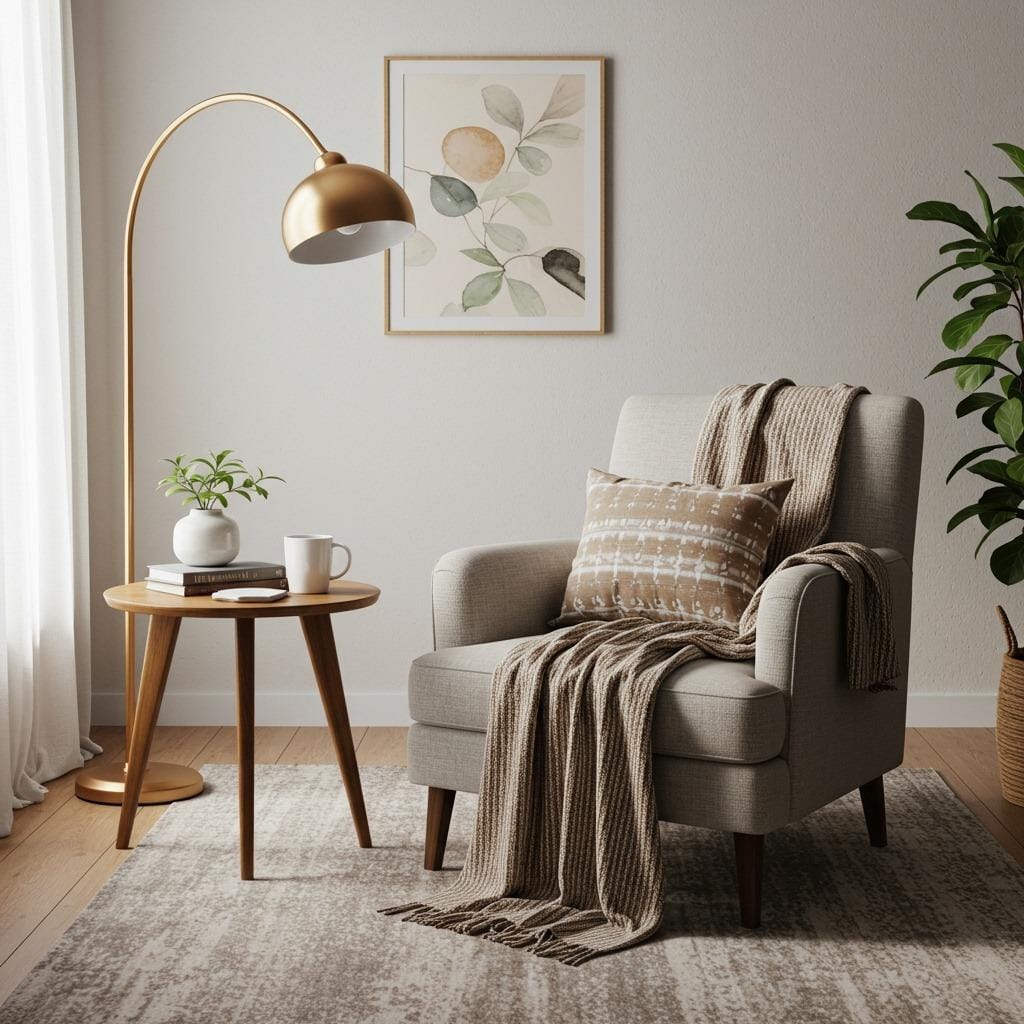
A beautiful chair deserves thoughtful styling. I learned this after buying a gorgeous chair and then… just plopping it in a corner with nothing else. It looked sad and incomplete until I learned a few styling tricks.
Layer textures through pillows and throws. Even if your chair is comfortable, adding a lumbar pillow increases coziness significantly. Throws draped casually (not perfectly folded) make spaces feel lived-in and inviting. Mix materials – a leather chair with a chunky knit throw creates interesting contrast.
Side tables are essential unless your chair is purely decorative. You need somewhere for your phone, reading glasses, or coffee mug. The table height should align roughly with the chair arm (or at seat height for armless chairs). Don’t match your side tables exactly – varied shapes and materials create more visual interest. Consider coffee table styling principles for nearby surfaces too.
Lighting makes or breaks a seating area. A floor lamp arching over your chair or a table lamp on your side table creates ambiance and functionality. Nobody wants to sit in a dark corner squinting at their book. Layer your lighting – maybe you have overhead lights for general use and task lighting for reading or detailed work.
Common Mistakes to Avoid
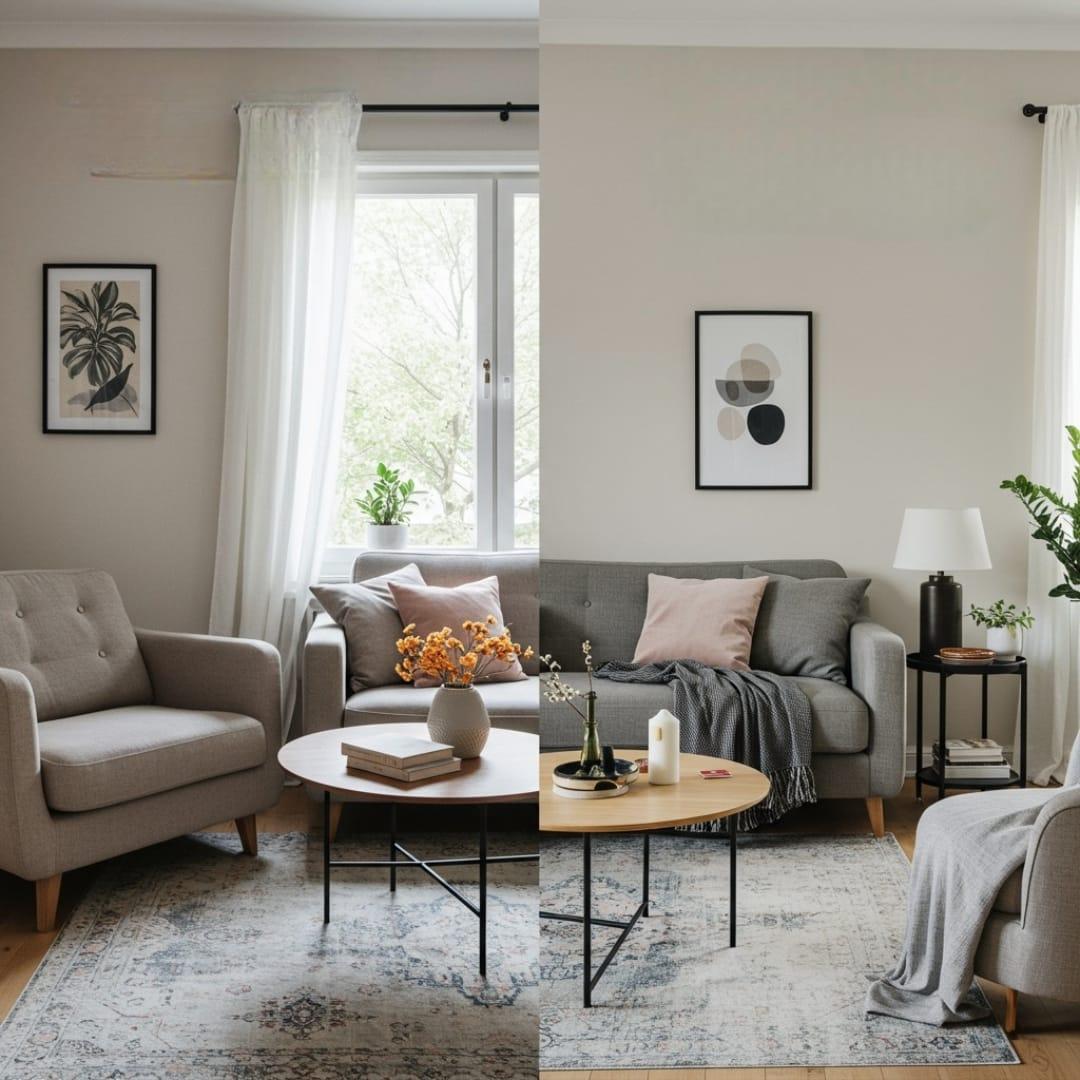
I’ve made pretty much every accent chair mistake possible, so let me save you the trouble. The biggest one? Choosing style over size. That oversized statement chair might look incredible in the showroom’s massive space, but will it fit through your doorway? Will it overwhelm your actual room?
Ignoring traffic patterns causes daily frustration. Your chair might look perfect in that spot, but if people constantly bump into it or have to awkwardly navigate around it, you’ll end up shoving it elsewhere. Map out how you actually move through your space before committing to placement.
Matching everything too closely creates a furniture showroom vibe rather than a home. Your accent chairs don’t need to match your sofa exactly – in fact, they probably shouldn’t. Mixing materials, colors, and styles (within reason) creates depth and personality. Rooms that look like they came from a catalog often feel sterile and impersonal.
Forgetting about durability leads to buyer’s remorse. That pristine white linen chair looks dreamy, but is it realistic for your household? If you have kids, pets, or frequently host parties, choose materials that can handle real life. Sometimes the slightly less beautiful option that’ll last ten years beats the stunning piece that’ll stress you out constantly.
Seasonal Updates and Long-Term Care
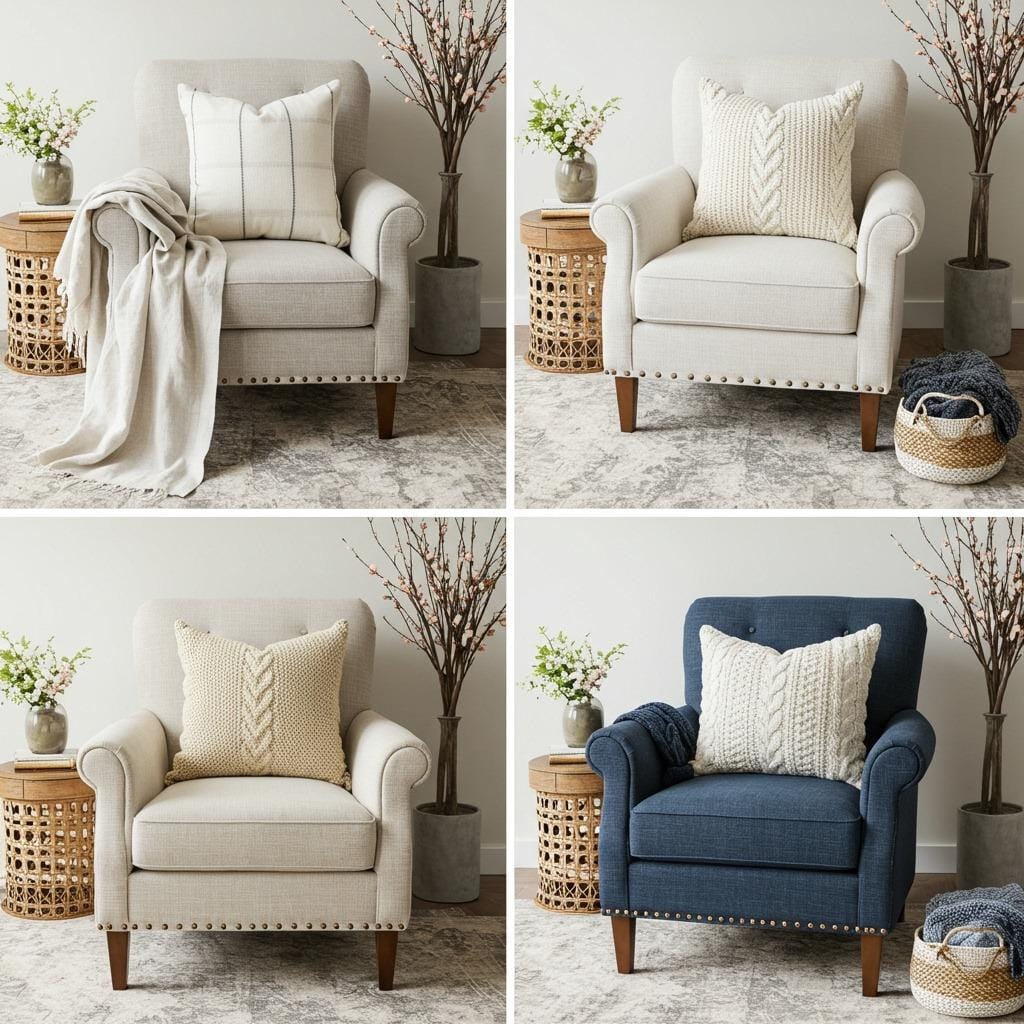
Your accent chairs don’t have to look the same year-round. I refresh mine seasonally with minimal effort and zero furniture shopping. It keeps the room feeling current without constant investment.
Spring and summer call for lighter textiles and brighter accents. Swap heavy velvet pillows for linen or cotton. Replace dark throws with lighter textures in creams, whites, or pastels. Even just removing heavy textiles makes a room feel airier and more appropriate for warmer weather. Consider drawing inspiration from warm neutral living room colors when updating.
Fall and winter invite cozier layers back in. Bring out those velvet pillows, chunky knit throws, and richer colors. I add faux fur throws in winter that make the space feel luxurious and warm. This is also when I switch to deeper, moodier tones in my accessories.
Regular maintenance extends your chair’s life significantly. Vacuum upholstered chairs weekly (yes, weekly – dust and dirt damage fabric over time). Rotate cushions if they’re reversible to ensure even wear. Address spills immediately – blot, don’t rub, and use cleaner appropriate for your specific fabric. Professional cleaning every 12-18 months keeps fabric looking fresh if your budget allows.
Making Your Final Decision
You’ve measured your space, considered your style, tested for comfort, and checked your budget. Now comes the actual choosing part, which somehow feels the hardest. Here’s how I make final decisions without second-guessing myself into paralysis.
Create a shortlist of your top three chairs. Live with those options for a few days. Look at them in your saved photos or bookmarks. Which one keeps calling you back? Sometimes sleeping on a decision reveals what your gut already knew. Your initial instinct is often right.
Visualize it in your actual space. Use painter’s tape to mark out the chair’s footprint on your floor. Set a box or ottoman of similar size in the spot. Does it work with your traffic flow? Can you picture yourself actually using it? This physical test eliminates a lot of “looked good online” regrets.
Check return policies before purchasing. Life happens. Maybe the color looks different in your lighting, or it’s less comfortable than you hoped. Knowing you can return it takes pressure off the decision. Most reputable retailers offer 30-90 day returns on furniture (minus shipping, usually, but still).
Your Living Room, Your Rules
At the end of the day, you’re the one living with your choices. Design rules exist as helpful guidelines, not rigid laws. If you love something that breaks conventional wisdom, and it works in your space, go for it.
I’ve seen “wrong” color combinations that somehow look incredible. Rooms that ignore scale rules but feel perfect anyway. Mixed styles that shouldn’t work on paper but create magical spaces. Sometimes the best rooms come from trusting your instincts over following formulas too strictly.
Your accent chairs should make you happy every time you see them. They should invite you to sit down, stay awhile, and actually use your living room. Whether you choose bold statement seating or quiet, classic pieces, make sure they reflect your personality and serve your lifestyle. That’s what creates a space that feels like home rather than just another room.

Sanjai creates easy, affordable home decor ideas that anyone can try. Through simple tips and curated finds, he helps you style rooms you’ll love coming home to.