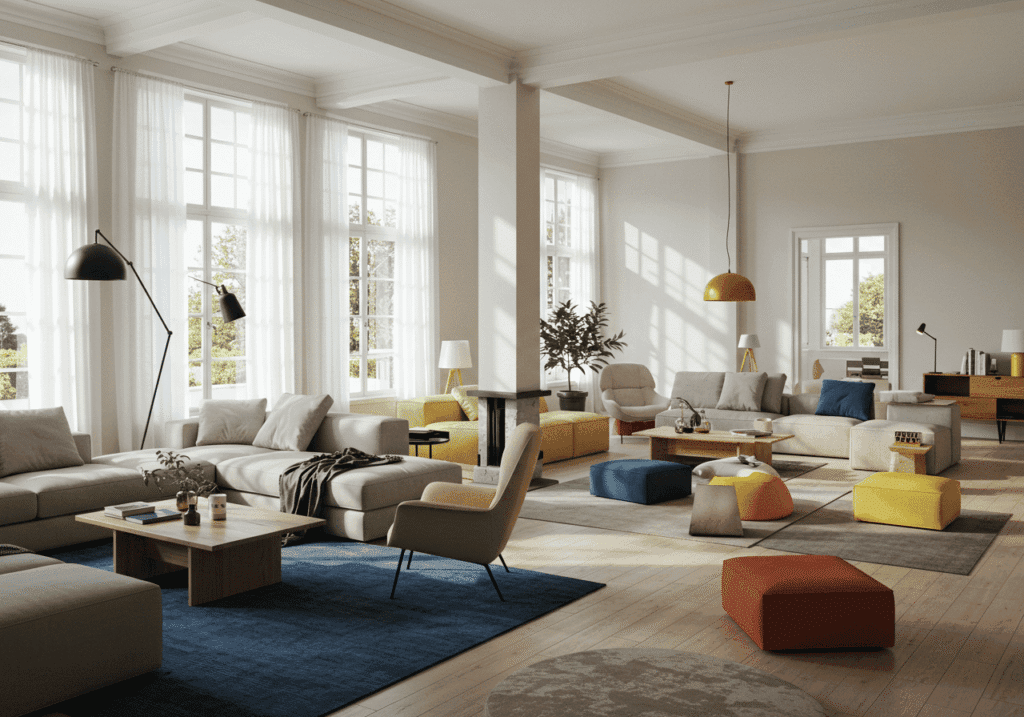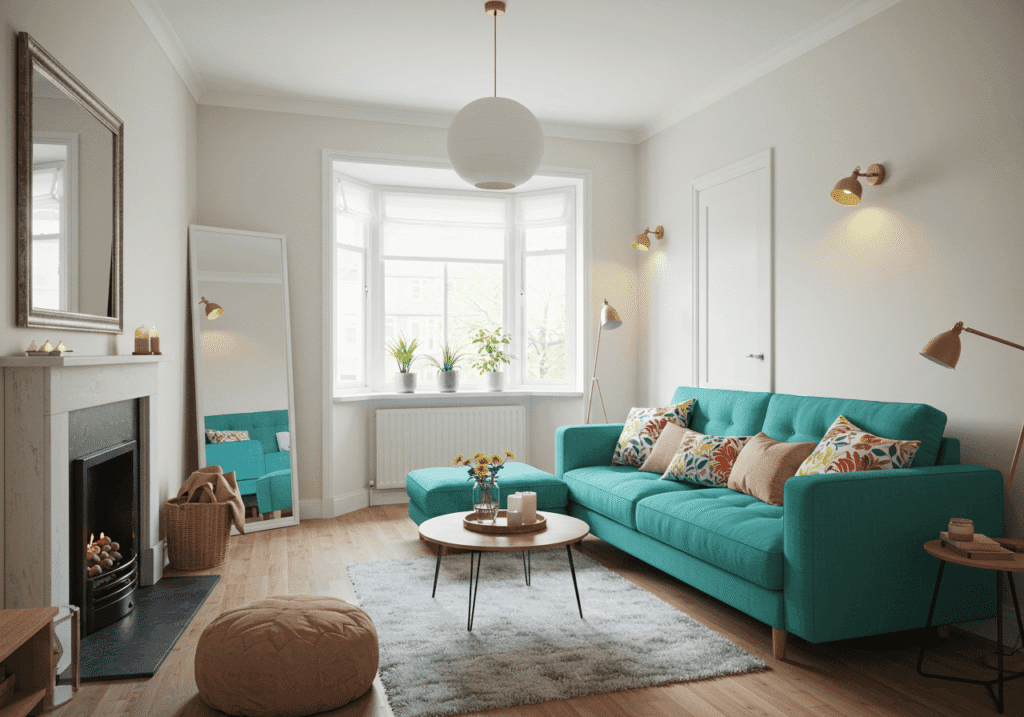

Living in a small space doesn’t mean you have to sacrifice style or comfort. The real challenge? Making your living room feel open and inviting instead of cramped and chaotic.
You’ve probably scrolled through countless Pinterest boards featuring spacious, magazine-worthy rooms and wondered how to translate that magic into your own compact space. The good news is that with the right approach, even the tiniest living room can feel surprisingly roomy. It’s less about what you add and more about how you arrange, choose, and style what’s already there.
This guide walks you through practical ways to create breathing room in your small living room without giving up the things you love. From furniture placement to color choices, these strategies will help you design a space that feels bigger, brighter, and way more functional.
Start With a Smart Layout That Opens Up the Room
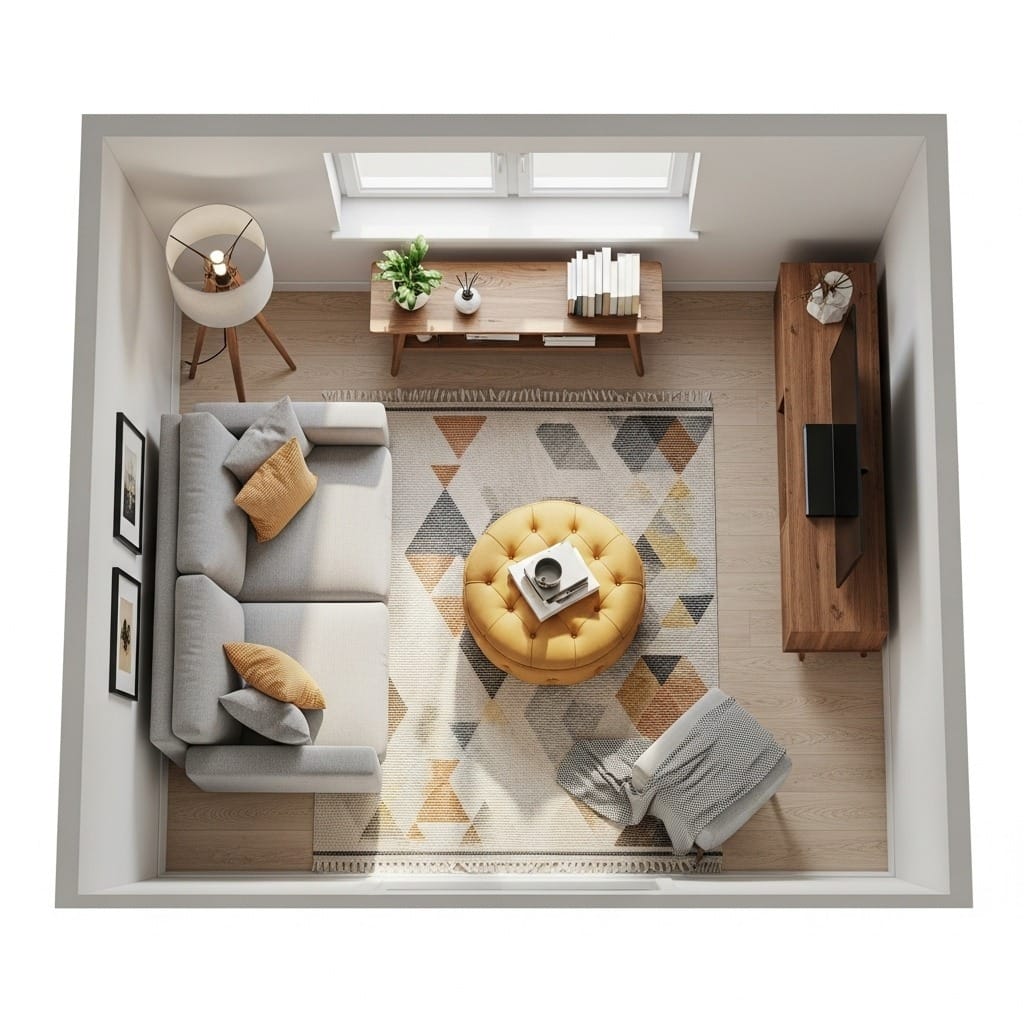
The foundation of any well-styled small living room is a thoughtful layout. Before you buy a single piece of furniture or pick a paint color, you need to understand how traffic flows through your space.
Walk around your room and notice where you naturally move. Are there bottlenecks? Do you bump into furniture? A good layout lets you move freely without awkward detours. Try pulling furniture away from walls – it sounds counterintuitive, but floating a sofa even just a few inches can actually make the room feel less boxy and more intentional.
Think about creating zones, even in a tiny space. Maybe one corner is for reading, another for watching TV. This doesn’t mean you need walls or dividers, just a clear purpose for each area. Small living room layout ideas often focus on multifunctional zones that serve more than one need without feeling cluttered. When everything has a place and a purpose, your room automatically feels more organized and spacious.
Choose Space-Saving Furniture That Works Double Duty
Furniture can either eat up your space or enhance it. In a small living room, every piece needs to earn its spot.
Look for furniture with slim profiles and exposed legs. A sofa with visible legs creates a sense of openness because you can see the floor underneath. Compare that to a bulky couch that sits flat on the ground – it visually weighs down the room. The same goes for chairs, tables, and storage units. Opt for pieces that feel light and airy rather than heavy and solid.
Multipurpose furniture is your best friend here. An ottoman that opens up for storage, a coffee table with shelves underneath, or a sofa bed for overnight guests – these pieces let you have functionality without the extra bulk. You don’t need a separate storage unit, side table, and coffee table if one clever piece can do all three jobs. This is where space saving furniture really shines, giving you more room to breathe while keeping everything you need close at hand.
Scale matters too. A massive sectional might be comfortable, but in a tiny room, it overwhelms everything else. Choose a loveseat or a compact sofa instead, and add a couple of lightweight chairs you can move around as needed.
Use Light Colors and Strategic Contrast to Expand Visual Space
Color has a huge impact on how big or small a room feels. Light, neutral tones reflect more light and make walls seem to recede, which creates an illusion of more space.
White, soft gray, beige, and pale pastels are classic choices for small living room decor. But that doesn’t mean your room has to look bland or boring. You can layer different shades of the same color family to add depth without closing in the space. Think cream walls, a light gray sofa, and white trim – subtle variations that keep things interesting.
If you love bold color, use it sparingly as an accent rather than covering entire walls. A vibrant throw pillow, a colorful piece of art, or a single painted accent wall can bring personality without shrinking the room. The trick is balance. Too much contrast or too many dark tones can make a small space feel even smaller.
Monochromatic schemes work beautifully in compact rooms. When your walls, furniture, and decor share similar tones, the eye moves smoothly across the space instead of stopping abruptly at contrasting edges. This visual flow makes the room feel more cohesive and open. You might also consider open concept living room inspiration for ideas on creating seamless color transitions if your living area connects to other spaces.
Maximize Natural Light and Add Mirrors for Instant Openness
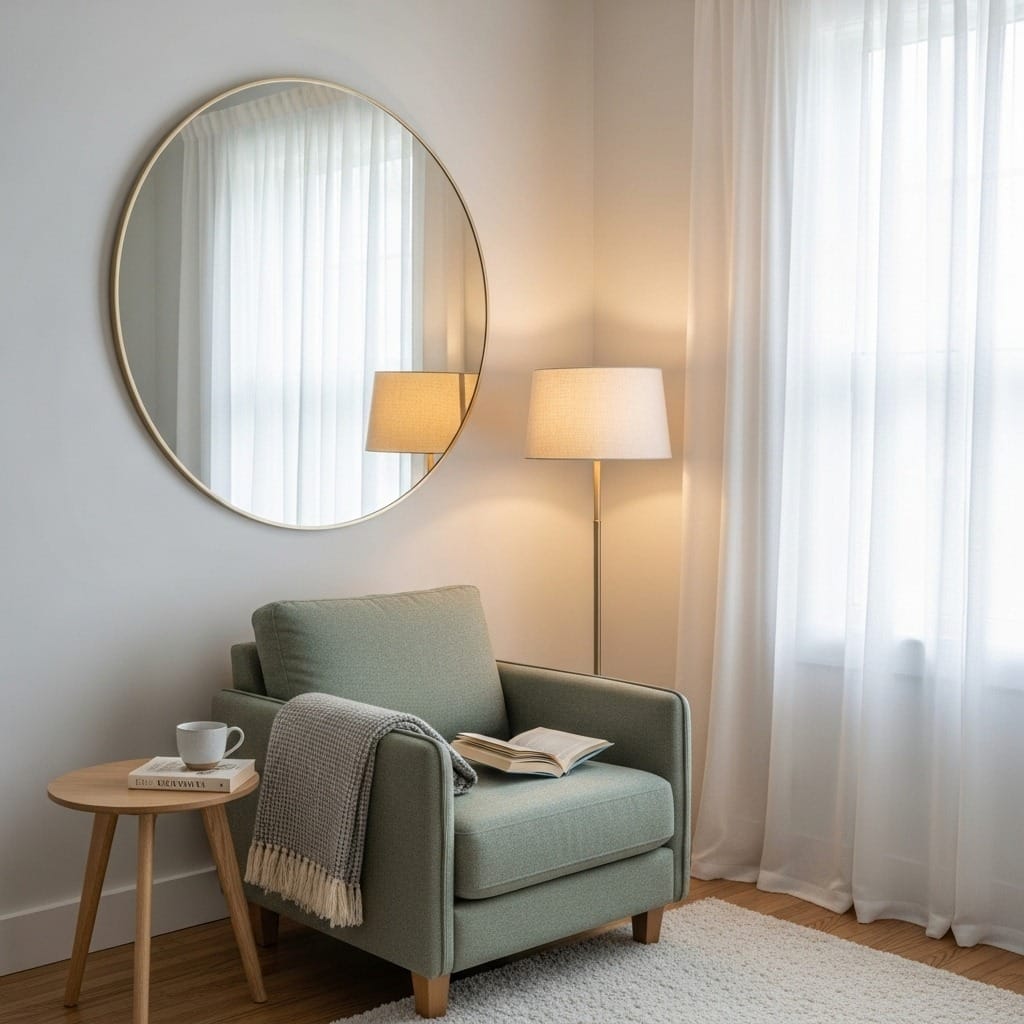
Lighting can make or break a small living room. A dark room always feels smaller, no matter how cleverly you arrange the furniture.
Start by maximizing natural light. Avoid heavy curtains that block windows – instead, choose sheer or light-filtering fabrics that let sunlight pour in while still offering privacy. If your windows are small, keep them completely unobstructed to make the most of whatever light you have. Clean windows regularly too; it’s a small step that makes a noticeable difference.
Mirrors are one of the oldest tricks in the book, and they work. A well-placed mirror can literally double the visual space in your room by reflecting light and views. Hang a large mirror across from a window to bounce natural light deeper into the room. Or lean a floor mirror against a wall for a more casual, layered look that still opens things up.
Layered lighting is just as important as natural light. Combine overhead lights with table lamps, floor lamps, and even wall sconces to eliminate dark corners. When every part of the room is lit, it feels bigger and more welcoming. For more ideas on balancing different light sources, check out tips on layered lighting that work beautifully in compact spaces.
Embrace Vertical Space With Shelves and Tall Decor
When floor space is limited, the only way to go is up. Vertical storage and decor draw the eye upward and make ceilings feel higher, which tricks the brain into perceiving more space overall.
Floating shelves are perfect for this. Install them higher up on the walls to display books, plants, or decorative objects without taking up any floor space. Tall bookcases or narrow storage towers work the same way – they maximize storage while keeping your footprint small. Just make sure they’re proportional to the room; an overly wide bookcase can still feel bulky even if it’s tall.
Hang artwork or photos higher than you might in a larger room. This pulls the gaze upward and emphasizes the height of your walls. You can even try vertical arrangements – a gallery wall that stacks frames in a column rather than spreading them wide. Floating shelves living room setups often incorporate this vertical approach to keep surfaces clear and rooms feeling airy.
Tall plants or floor lamps with slender profiles also help. A potted fiddle leaf fig or a sleek arc lamp adds height without bulk, filling empty vertical space in a way that feels natural and uncluttered.
Keep Decor Minimal and Purposeful
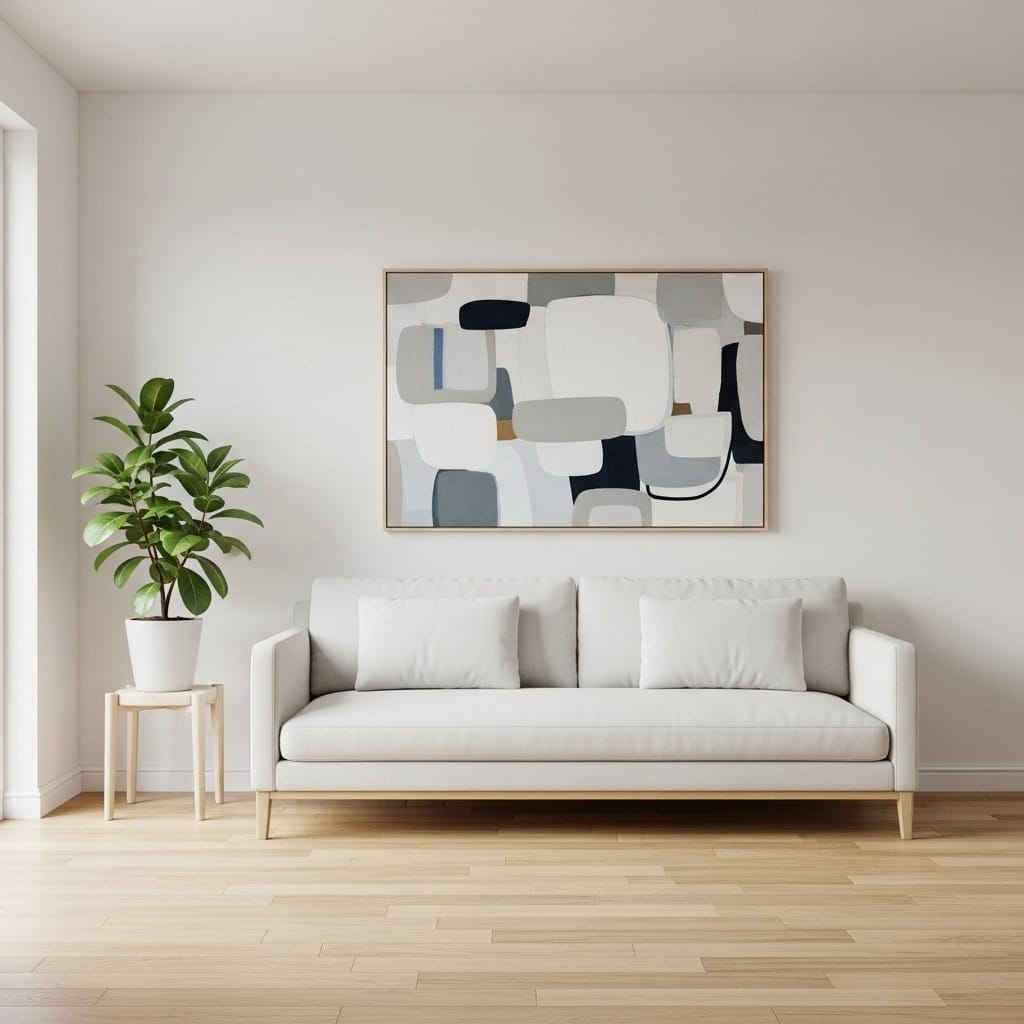
It’s tempting to fill every surface with decor, but in a small living room, less really is more. Too many accessories create visual noise, making the space feel chaotic and cramped.
Choose a few statement pieces instead of lots of small items. One beautiful vase, a piece of art you love, or a unique coffee table sculpture has more impact than a dozen tiny knickknacks scattered around. Each piece should feel intentional, not just there to fill space. This approach is central to a minimalist living room aesthetic, where every item serves a purpose or brings joy.
Be strategic about where you place decor. Instead of covering every shelf and table, leave some surfaces bare. Empty space is just as important as filled space – it gives the eye a place to rest and makes the room feel less busy. Think of it like breathing room for your design.
Rotate your decor seasonally if you love variety. You don’t have to display everything at once. Keep some items tucked away and swap them out every few months to keep things fresh without overcrowding your space. For more on keeping things simple yet stylish, explore small living room layout ideas for two people, which often emphasize streamlined decor.
Use Rugs and Curtains to Define and Elongate the Space
Rugs and window treatments are often overlooked, but they play a big role in how spacious a room feels. The right choices can visually expand your space, while the wrong ones can chop it up and make it feel smaller.
Choose a rug that’s large enough to anchor your seating area. A too-small rug can make furniture look disconnected and the room feel disjointed. Ideally, at least the front legs of your sofa and chairs should sit on the rug. This creates a cohesive zone and makes the room feel more pulled together. Light-colored or neutral rugs work best in small spaces, but if you love pattern, choose something with a simple, open design rather than a busy one.
For curtains, hang them as high as possible and let them fall to the floor. This draws the eye upward and makes your ceilings look taller. Choose curtains in the same color family as your walls for a seamless look that doesn’t interrupt the visual flow. Avoid heavy, dark drapes that close in the space – stick with lightweight fabrics that feel airy and open.
If you have multiple windows, treat them consistently. Mismatched curtains or varying heights can make a small room feel cluttered and uncoordinated. Keep it simple and uniform for the most spacious feel.
Incorporate Glass and Lucite for a Lighter Look
Transparent or translucent furniture is a secret weapon in small space design. Glass and acrylic pieces take up physical space but not visual space, which is a game-changer when you’re working with limited square footage.
A glass coffee table, for example, lets you see straight through to the floor and the rest of the room beyond it. Compare that to a solid wood table that blocks your view and cuts the room into smaller visual sections. The glass option keeps sightlines open and maintains that sense of flow and openness.
Lucite or acrylic chairs, side tables, and shelves work the same way. They provide function without the visual weight of traditional materials. You can sit on a clear acrylic chair, but it almost disappears into the background, making your room feel less cluttered. This is especially helpful if you need extra seating but don’t want the bulk of additional chairs taking over.
Even smaller touches like glass lamps, clear vases, or acrylic picture frames can lighten the overall look. It’s not about making everything transparent, just incorporating enough of these elements to keep things feeling open and unobstructed. Contemporary living room designs often use these materials to maintain a sleek, spacious vibe.
Avoid Blocking Windows and Natural Pathways
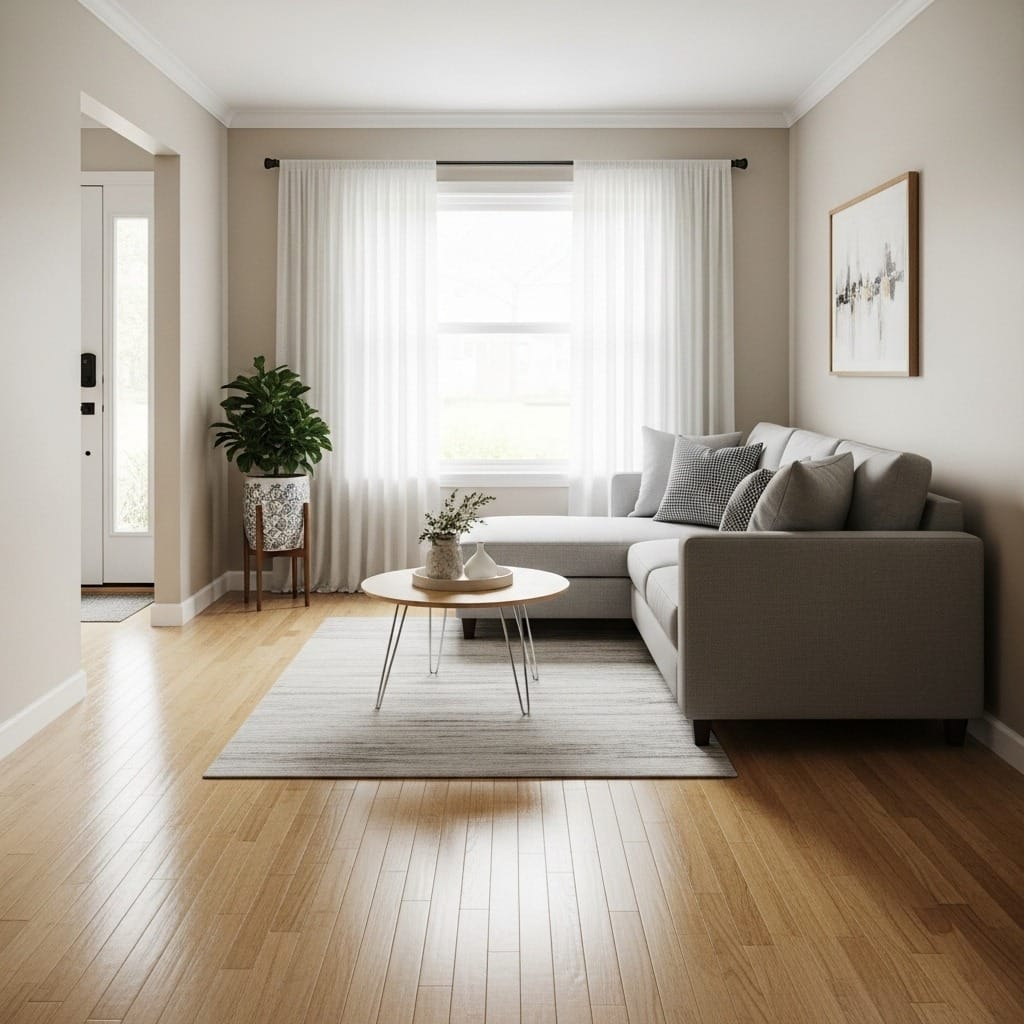
This might seem obvious, but it’s surprising how often furniture ends up blocking windows or creating awkward pathways. In a small living room, every inch matters, and you can’t afford to waste space or light.
Always keep windows clear. Don’t push a sofa or bookcase in front of them, even if it seems like the only spot that “fits.” Blocked windows cut off natural light, which makes the room feel smaller and darker. If you absolutely must place furniture near a window, choose something low-profile that doesn’t obstruct the glass – a bench, a low cabinet, or even just leave that space open.
Pathways matter just as much. You should be able to walk through your living room without zigzagging around furniture or squeezing through tight gaps. A clear, direct path from the entrance to other areas of the room makes the space feel more open and functional. If you’re constantly bumping into things or doing furniture gymnastics, it’s time to rethink the layout.
Sometimes this means sacrificing a piece of furniture you love or rearranging in a way that feels less “full.” But a room with breathing room and clear pathways will always feel bigger and more comfortable than one crammed with furniture, no matter how much you love each piece. Look into layout tricks for small rooms for practical arrangement ideas that prioritize flow.
Edit Ruthlessly and Keep Surfaces Clear
One of the fastest ways to make a small living room feel bigger is to clear off your surfaces. Cluttered coffee tables, crowded shelves, and overloaded side tables create visual chaos that makes any space feel cramped.
Take everything off your surfaces and only put back what you truly need or love. Your coffee table doesn’t need a stack of magazines, a tray, a plant, candles, and a bowl of decorative balls. Maybe it just needs a small plant and a couple of coasters. Less really is more when you’re working with limited space.
The same goes for shelves and mantels. Instead of filling every inch, choose a few curated items and leave the rest open. Negative space is powerful – it makes the items you do display stand out more and gives the room a calmer, more spacious feel. For practical ways to keep things tidy, check out storage hacks for home organization that work in tight quarters.
Think about hidden storage too. Baskets, bins, and furniture with built-in storage let you keep everyday items close without leaving them out in the open. Remotes, throw blankets, kids’ toys – all of this can be tucked away when not in use, keeping your surfaces clean and your room feeling open.
Styling a small living room so it feels bigger instead of busier isn’t about following rigid rules or spending a fortune on furniture. It’s about making smart choices with layout, color, light, and decor that work together to create a sense of openness and calm.
You don’t have to do everything at once. Start with one or two changes – maybe rearranging your furniture or swapping out heavy curtains for lighter ones – and see how it feels. Small adjustments often have surprisingly big impacts. The goal is a space that feels comfortable, functional, and genuinely yours, regardless of square footage.
Your small living room has more potential than you might think. With a little creativity and some intentional styling, you can transform it into a space that feels open, airy, and way more spacious than its measurements suggest. According to a report from the National Association of Home Builders, the average American home size has been trending smaller in recent years, which means more people are figuring out how to live beautifully in compact spaces. You’re not alone in this, and with these strategies, you’re well on your way to a living room that feels just right.

Sanjai creates easy, affordable home decor ideas that anyone can try. Through simple tips and curated finds, he helps you style rooms you’ll love coming home to.