That forgotten space above your head could be the answer to your square footage dreams. Your attic might seem like just storage right now, but it’s actually sitting there with incredible potential – waiting to become your new favorite room.
Converting an attic isn’t just about adding space. It’s about creating something uniquely yours in a spot that most people completely overlook. The slanted ceilings and quirky angles that might seem challenging? They’re actually what will make your converted space feel special and cozy.
Why Your Attic Deserves a Second Look

Most homeowners walk past their attic entrance dozens of times without considering the possibilities up there. But here’s what’s interesting – attic conversions typically offer some of the best return on investment for home improvement ideas. You’re using space you already own, which means you’re not dealing with foundation work or major structural additions.
The natural light situation up there might surprise you too. Adding skylights or dormer windows can flood your attic with beautiful, natural light that creates an entirely different atmosphere than typical rooms. Those slanted ceilings that seem awkward at first? They actually create cozy nooks and interesting architectural details that you can’t get anywhere else in your home.
Plus, there’s something undeniably appealing about having your own private retreat at the top of the house. Whether you turn it into a master suite, home office, or creative studio, you’ll have a space that feels separate from the daily hustle below.
Step 1: Assess Your Attic’s Conversion Potential

Before you start dreaming about furniture placement, you need to get realistic about what your attic can actually become. Not every attic is ready for conversion, and trying to force it could lead to expensive mistakes down the road.
Start with the basics – can you stand up comfortably in the center? Most building codes require at least 7.5 feet of headroom over a minimum percentage of the floor area. If your peak height is less than this, you might need to consider raising the roof or adjusting your expectations for the space.

Check the floor joists next. These need to support not just storage boxes anymore, but people, furniture, and daily activity. If your current joists are sized for storage rather than living space, you’ll need to reinforce them. This isn’t necessarily a deal-breaker, but it’s definitely something to budget for early in your planning.
Understanding Structural Requirements

The structure of your attic determines everything about your conversion possibilities. Your existing floor joists were probably designed to handle storage loads, not the constant weight and movement of a living space. This means you might need to double up joists or add additional support beams.
Look at your roof structure too. Some homes have trusses that create more obstacles for conversion, while others have rafters that leave more open space to work with. Understanding what you’re working with helps you plan the layout more effectively and budget for any necessary modifications.
Don’t forget about access either. That pull-down ladder might work fine for grabbing holiday decorations, but it won’t cut it for daily use of a converted space. You’ll likely need to plan for a permanent staircase, which takes up room both in the attic and in the floor below.
Step 2: Planning Your Attic Conversion Layout

This is where the fun really begins – figuring out how to make those quirky angles work for you instead of against you. The key is working with your attic’s natural shape rather than trying to fight it.
Start by identifying the areas with the most headroom. These spots naturally become your main activity zones – where you’ll place seating, desks, or the bed. The lower areas under the eaves become perfect for storage, reading nooks, or built-in furniture that doesn’t require full standing height.
Think about traffic flow too. Unlike regular rooms, attics often have limited space for moving around, so you need to be strategic about furniture placement. The path from the stairs to different areas of the room should feel natural and unobstructed.
Creative Solutions for Challenging Spaces

Those slanted walls that seem problematic at first? They’re actually opportunities for creative storage solutions that you can’t achieve in regular rooms. Custom built-ins that follow the roofline can provide tons of storage while looking intentionally designed rather than awkward.
Consider how different room functions work with attic layouts. A cozy bedroom might actually benefit from lower ceilings that create an intimate feeling. A home office setup can use the lower eave areas for filing and storage while keeping the desk in the higher-ceiling area.
Don’t overlook the possibilities for multi-level spaces either. If your attic is large enough, you might create distinct zones at slightly different levels, using the natural slope of the roof to define different areas organically.
Step 3: Electrical and HVAC Considerations

Getting power and climate control to your attic conversion requires some serious planning. Most attics weren’t designed with living spaces in mind, so the existing electrical and HVAC systems probably won’t meet your new needs.
For electrical work, you’ll need enough outlets for modern living – think about charging stations, lighting, and any appliances you plan to use. The electrical code requirements for living spaces are different from storage areas, so you’ll likely need to upgrade the wiring regardless of what’s currently there.
Climate control is equally important and often more challenging. Heat rises, which means your attic gets hot in summer and might be difficult to keep warm efficiently in winter. Extending your existing HVAC system might work, but you might also need to consider supplemental heating and cooling solutions.
Insulation and Energy Efficiency

Proper insulation becomes critical when you’re turning storage space into living space. Your attic probably has some insulation, but it might not be sufficient for year-round comfort in a room people actually use daily.
The insulation strategy for a converted attic is different from a storage attic. You’re now dealing with a conditioned space that needs to maintain comfortable temperatures efficiently. This often means insulating the roof deck rather than the attic floor, which changes the entire thermal envelope of your home.
Don’t forget about air sealing either. All those little gaps and cracks that don’t matter much in storage space become major comfort and efficiency issues in living space. Proper air sealing before insulation can make a huge difference in how comfortable and energy-efficient your converted space feels.
Step 4: Windows and Natural Light Solutions

Natural light can make or break an attic conversion. The good news is that adding skylights or dormer windows to an attic often creates some of the most beautiful, dramatic lighting in the entire house.
Skylights are usually the most cost-effective option for bringing light into your attic space. They can flood the area with natural light and provide ventilation too. The key is positioning them strategically – you want light throughout the day without creating heat problems in summer.
Dormer additions cost more but give you vertical wall space and traditional window views. They also add architectural interest to your home’s exterior. If your budget allows, dormers can completely transform how the space feels and functions.
Adding Character with Architectural Details

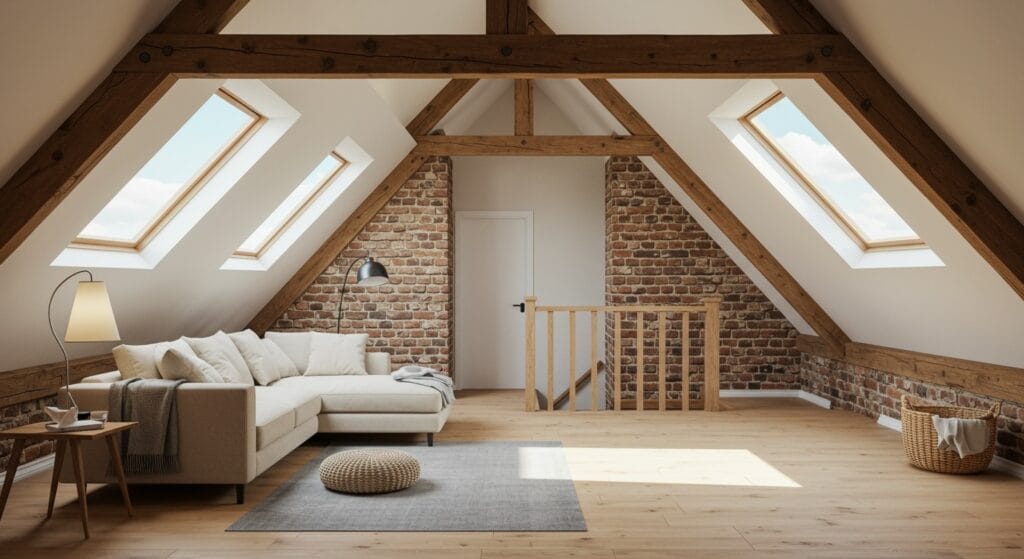
Those exposed beams and rafters that you might see as obstacles? They’re actually some of the most sought-after architectural details in home design right now. Leaving structural elements exposed can give your attic conversion incredible character and charm.
Consider how you can highlight rather than hide the unique aspects of your attic space. Exposed wood beams can be cleaned up and stained to become focal points. The angles and slopes that seem challenging can frame views or create cozy alcoves that feel intentional and welcoming.
Built-in elements work particularly well in attic conversions. Custom bookcases, window seats, or storage benches that follow the roofline can make the space feel like it was always meant to be a room rather than an afterthought conversion.
Step 5: Flooring Options for Attic Conversions

Your flooring choice needs to work with the structural limitations of attic conversions while providing comfort and style. Weight is a consideration here – heavy materials like tile might not be ideal unless your floor structure has been significantly reinforced.
Engineered hardwood often works well for attic conversions. It’s lighter than solid hardwood but still provides that warm, finished look that makes the space feel like a real room rather than converted storage. Plus, it handles the temperature fluctuations that attics experience better than some alternatives.
Carpet can be a smart choice too, especially if you’re creating a cozy minimal bedroom or relaxing retreat. It provides insulation, reduces noise transmission to floors below, and feels comfortable underfoot even if the subfloor isn’t perfectly level.
Step 6: Designing Functional Storage Solutions

Storage in an attic conversion requires creativity because you’re working with non-standard dimensions throughout the space. But here’s the thing – those weird angles and low areas that seem like problems actually create storage opportunities that regular rooms don’t offer.
Built-in storage that follows the roofline maximizes every inch of available space. Think about drawers that slide into the low areas under eaves, or custom shelving that works with the slanted walls rather than against them. These solutions often look more finished and intentional than trying to fit standard furniture into the space.
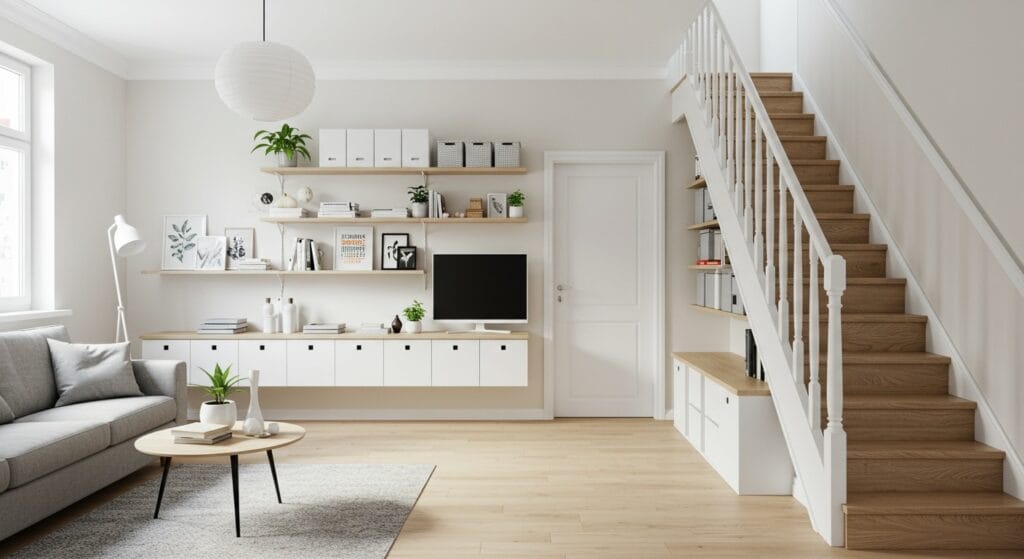
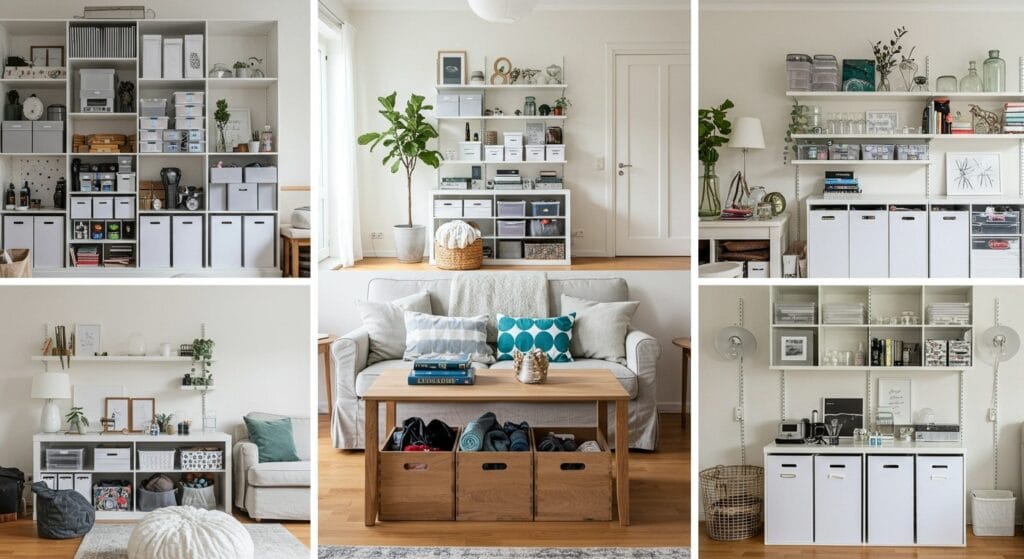
Don’t forget about small space storage hacks that work especially well in converted attics. Under-stair storage, overhead nets or racks, and multi-functional furniture can help you maintain the clean, uncluttered look that makes attic spaces feel larger.
Step 7: Interior Design and Decorating Tips

Decorating an attic conversion is all about embracing the unique characteristics of the space while making it feel connected to the rest of your home. The key is working with the angles and proportions rather than trying to make the space feel like a standard room.
Light colors generally work well in attic spaces because they help reflect available light and can make the area feel more spacious. But don’t be afraid to create contrast either – a dark accent wall can actually make the ceiling feel higher by drawing the eye upward.
Furniture scale matters more in attic conversions than in regular rooms. Oversized pieces can quickly overwhelm the space, while appropriately scaled furniture lets the architectural details shine. Look for pieces that work with the slanted walls – low-profile beds, compact seating, and furniture that doesn’t compete with the roofline.
Popular Attic Conversion Ideas by Room Type
Master Bedroom Retreat
Converting your attic into a master bedroom creates the ultimate private retreat. The slanted ceilings actually enhance the cozy, intimate feeling that makes bedrooms special. Position the bed where you have the most headroom, and use the lower areas for dressers, reading chairs, or a walk-in closet area.
Consider adding an en-suite bathroom if your plumbing allows it. Even a small bathroom tucked under the eaves can make your attic master suite feel like a luxury hotel room. The key is maximizing the sense of privacy and separation from the main living areas below.
Home Office Haven

An attic home office offers the quiet, separated workspace that’s become so valuable. The unique architecture can actually help with focus – there’s something about being tucked away under the roof that feels conducive to concentration and creativity.
Kids’ Playroom or Teen Space

Attic conversions make fantastic spaces for kids and teens because they offer privacy and adventure that regular bedrooms don’t provide. Kids love the fort-like feeling of attic spaces, and teens appreciate having their own floor of the house.
Safety becomes especially important with kids’ spaces. Make sure railings are appropriate height and spacing, and consider how younger children will navigate the stairs. Built-in storage for toys and games helps keep the space organized and safe.
The lower ceiling areas become perfect for reading nooks, gaming setups, or study areas where kids naturally prefer to sit or lie down anyway. You can create distinct zones for different activities without formal room divisions.
Guest Room and Multi-Purpose Space

An attic guest room offers visitors a unique experience while giving you flexible space that can serve multiple purposes when not occupied. The key is designing it to function well for overnight guests while also working as a daily-use space for your family.
Consider furniture that serves double duty – a daybed that works for daily lounging and overnight guests, or a desk that can clear off to become a dressing table. Storage should accommodate both guest belongings and your regular storage needs.
Think about the guest experience too. Make sure there’s adequate lighting for reading, convenient charging options, and climate control that doesn’t require guests to figure out complicated systems.
Step 8: Budgeting and Timeline Expectations
Attic conversions can vary wildly in cost depending on how much structural work is needed and what level of finish you’re aiming for. A basic conversion might cost significantly less than adding an entirely new room, but don’t underestimate the potential expenses involved.
The biggest cost variables are usually structural modifications, HVAC extensions, and electrical upgrades. If your attic needs significant structural reinforcement or major systems work, costs can add up quickly. Getting realistic estimates early helps you make informed decisions about the scope of your project.
Timeline-wise, most attic conversions take longer than expected because of the access challenges and the need to coordinate multiple trades in a confined space. Factor in extra time for planning and permitting too – attic conversions often require more detailed plans and inspections than simple remodeling projects.
Permits and Code Compliance
Don’t skip the permit process, even if it seems tempting. Converting an attic from storage to living space typically requires permits because you’re changing the use and occupancy of the space. The permit process helps ensure your conversion meets safety codes and will be recognized when you sell your home.
Building codes for attic conversions cover everything from ceiling heights and egress windows to stair requirements and structural modifications. These aren’t just bureaucratic hurdles – they’re safety requirements that protect you and future occupants of your home.
Working with professionals who understand attic conversion codes can actually save you money in the long run by avoiding costly mistakes or having to redo work that doesn’t meet requirements.
Step 9: Working with Professionals vs. DIY

Some aspects of attic conversion are definitely DIY-friendly, while others require professional expertise. Understanding which is which can help you save money where it makes sense while ensuring safety and quality where it matters most.
Structural modifications, electrical work, and HVAC extensions typically require professionals. These aren’t just recommended – they’re often required by code to be done by licensed contractors. Trying to DIY these elements can create safety hazards and problems with permits and insurance.
Finishing work like painting, some types of flooring installation, and decorating are often good DIY opportunities. These tasks can help you save money while giving you more control over the final details and timeline.
Maximizing Your Converted Attic Space
Once your attic conversion is complete, the real fun begins – making it work perfectly for your lifestyle. The unique characteristics that made the conversion challenging during construction now become the features that make your space special.
Pay attention to how you actually use the space in the first few months. You might discover that certain areas work differently than you expected, or that you need different storage solutions than you originally planned. Being flexible and making adjustments helps you get the most from your investment.
Consider how the space connects to the rest of your home too. Sometimes simple changes like improved lighting in the stairwell or adding a small seating area at the top of the stairs can make the converted space feel more integrated and welcoming.
Image Prompt: Family enjoying their completed attic conversion showing how the space has become an integrated, well-loved part of their home
Maintaining Your Converted Attic
Converted attics need slightly different maintenance attention than other rooms in your home. The roof system is more directly connected to your living space now, so staying on top of roof maintenance becomes even more important.
Keep an eye on signs of moisture or temperature issues, especially during the first year after conversion. Changes in seasons will show you how well your insulation and climate control systems are working. Minor adjustments early on can prevent bigger problems later.
Regular cleaning and organization help maintain the spacious feeling that makes attic conversions so appealing. Because these spaces often have unique storage solutions and built-in elements, developing good maintenance routines keeps everything functioning smoothly.
The beauty of a well-executed attic conversion is that it becomes one of the most loved and used spaces in your home. That forgotten storage area transforms into a retreat that adds both practical square footage and real value to your daily life. Whether you create a master suite, home office, or flexible family space, you’re turning unused potential into something that enhances how you live in your home.
Your attic conversion journey might feel overwhelming at first, but breaking it down into manageable steps makes it achievable. Start with that honest assessment of your space, plan carefully, and don’t rush the process. The result will be a unique, personalized space that you simply couldn’t create anywhere else in your home.

Sanjai creates easy, affordable home decor ideas that anyone can try. Through simple tips and curated finds, he helps you style rooms you’ll love coming home to.