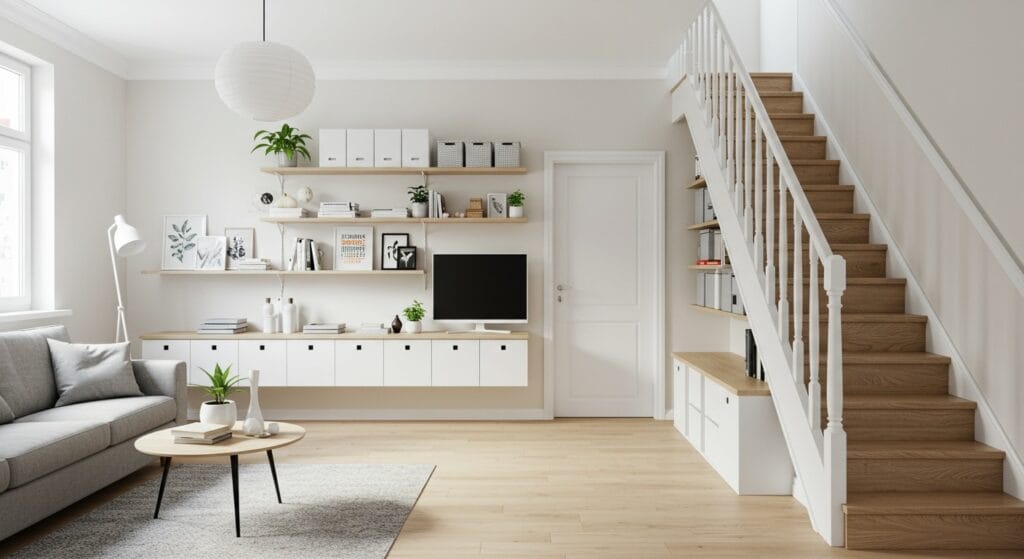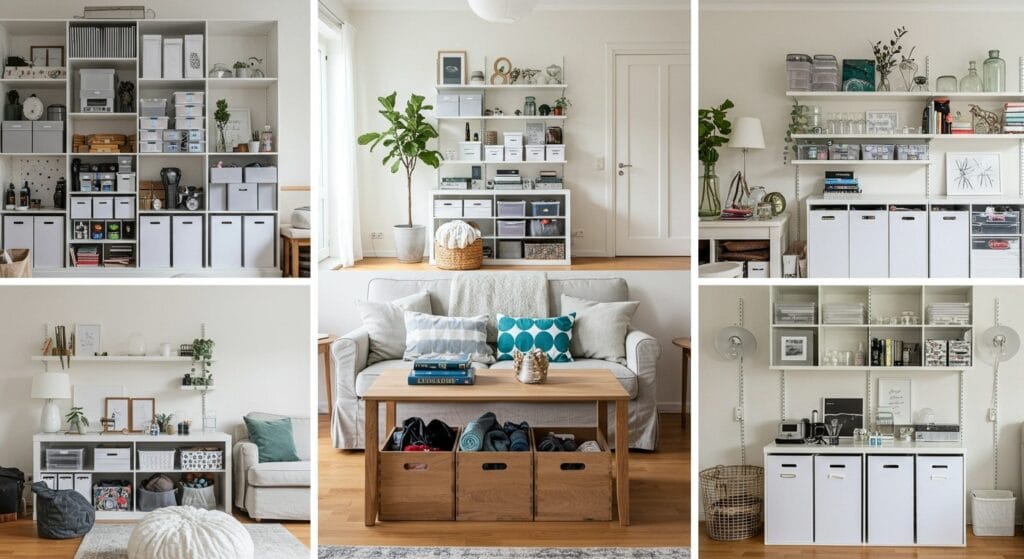
Your bookshelves don’t have to be a source of stress every time you walk past them. Whether you’re dealing with overflowing paperbacks, random knick-knacks with no home, or shelves that somehow look cluttered no matter how much you rearrange – these bookshelf storage hacks will change everything.
The truth is, most of us treat our bookshelves like dumping grounds. We shove books wherever they fit, pile random items on top, and hope nobody looks too closely. But what if your shelves could actually enhance your room’s style while keeping everything perfectly organized?
These creative shelf organization ideas work for tiny apartment bookcases and sprawling home library walls alike. You’ll discover how to maximize every inch of space, create visual harmony, and turn your shelves into focal points that make your entire room look more put-together.
1. The Color-Coding Magic Trick

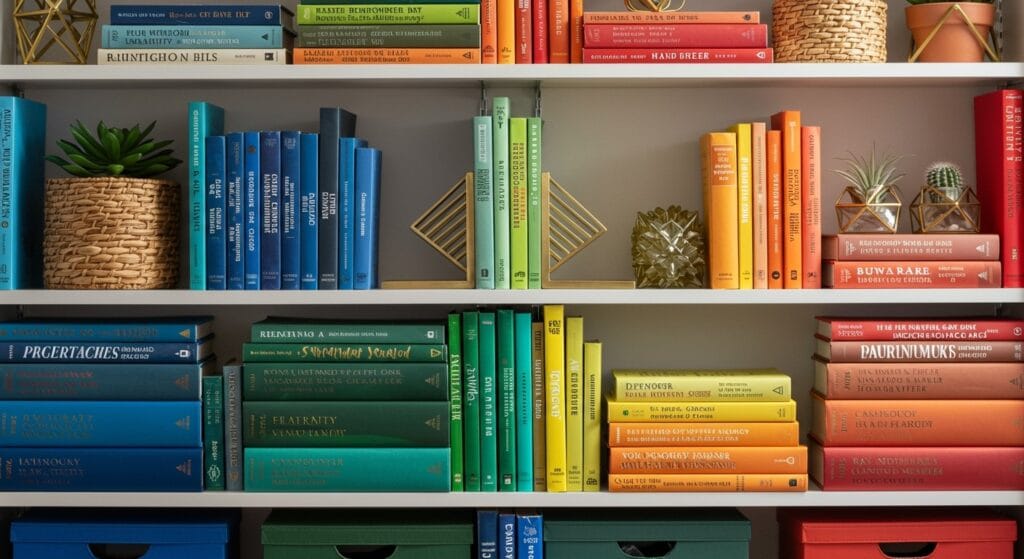
Transform your chaotic book collection into a rainbow masterpiece by organizing books by color rather than alphabetically. This bookshelf styling technique creates an instant visual impact that photographs beautifully and makes your entire space feel more intentional.
Start by pulling all your books off the shelves – yes, every single one. Sort them into color families: blues with blues, greens with greens, and so on. Don’t worry about keeping series together if the colors don’t match; the visual payoff is worth the minor inconvenience.
For the most striking effect, dedicate entire shelves to single color families. A shelf of all white and cream books creates a sophisticated, minimalist look, while a rainbow arrangement brings playful energy to any room. This approach works especially well in living room ideas where your bookshelf serves as a decorative element.
2. Basket Integration for Hidden Storage
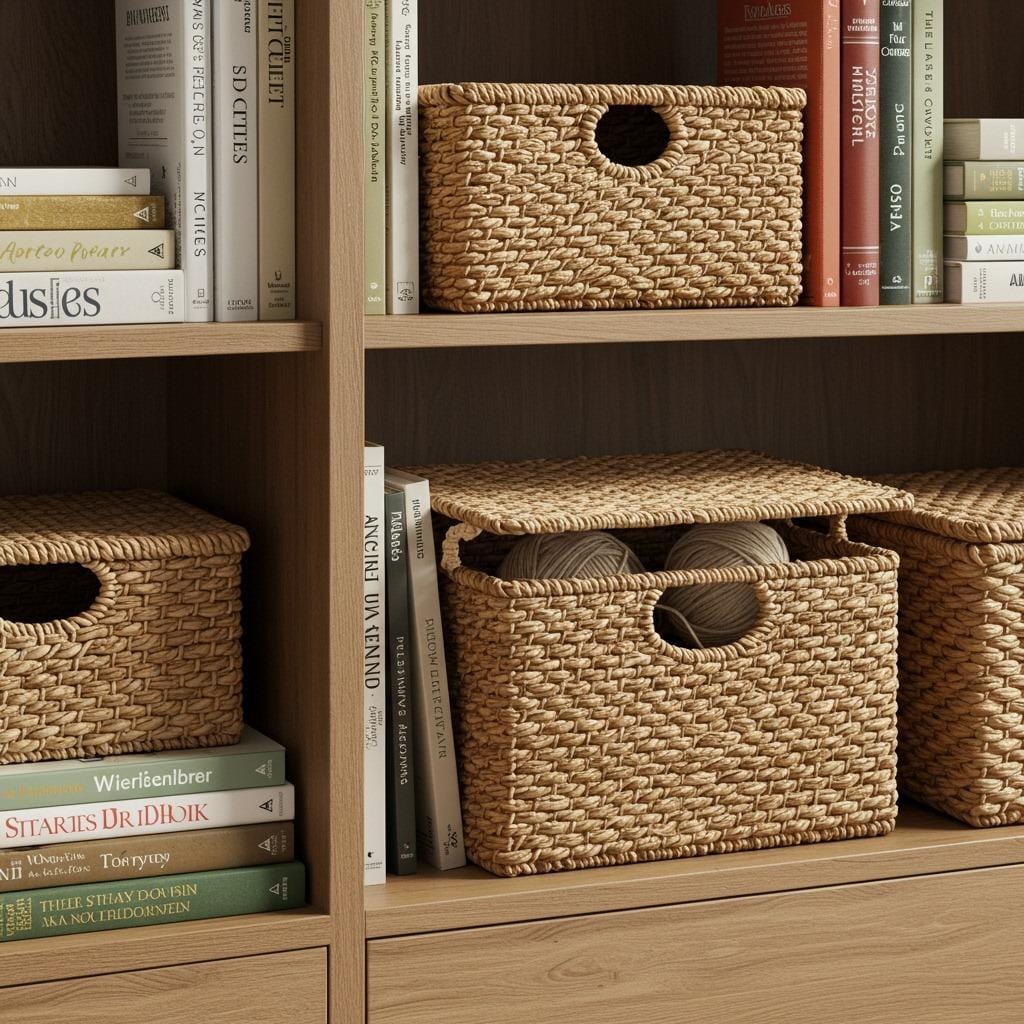
Woven baskets are the secret weapon for small space storage on bookshelves. They hide all those random items that don’t belong anywhere else while adding texture and warmth to your display.
Choose baskets that are slightly shorter than your shelf height so you can easily grab what’s inside. Stick to 2-3 basket styles maximum to avoid a cluttered look. Natural materials like rattan, seagrass, or cotton rope work beautifully and complement most decorating styles.
Use baskets to corral charging cables, reading glasses, bookmarks, or seasonal items you want to rotate. Label the fronts with small chalkboard tags if you share the space with family members. This system keeps frequently used items accessible while maintaining the clean aesthetic that makes your shelves Instagram-worthy.
3. The Backwards Book Technique
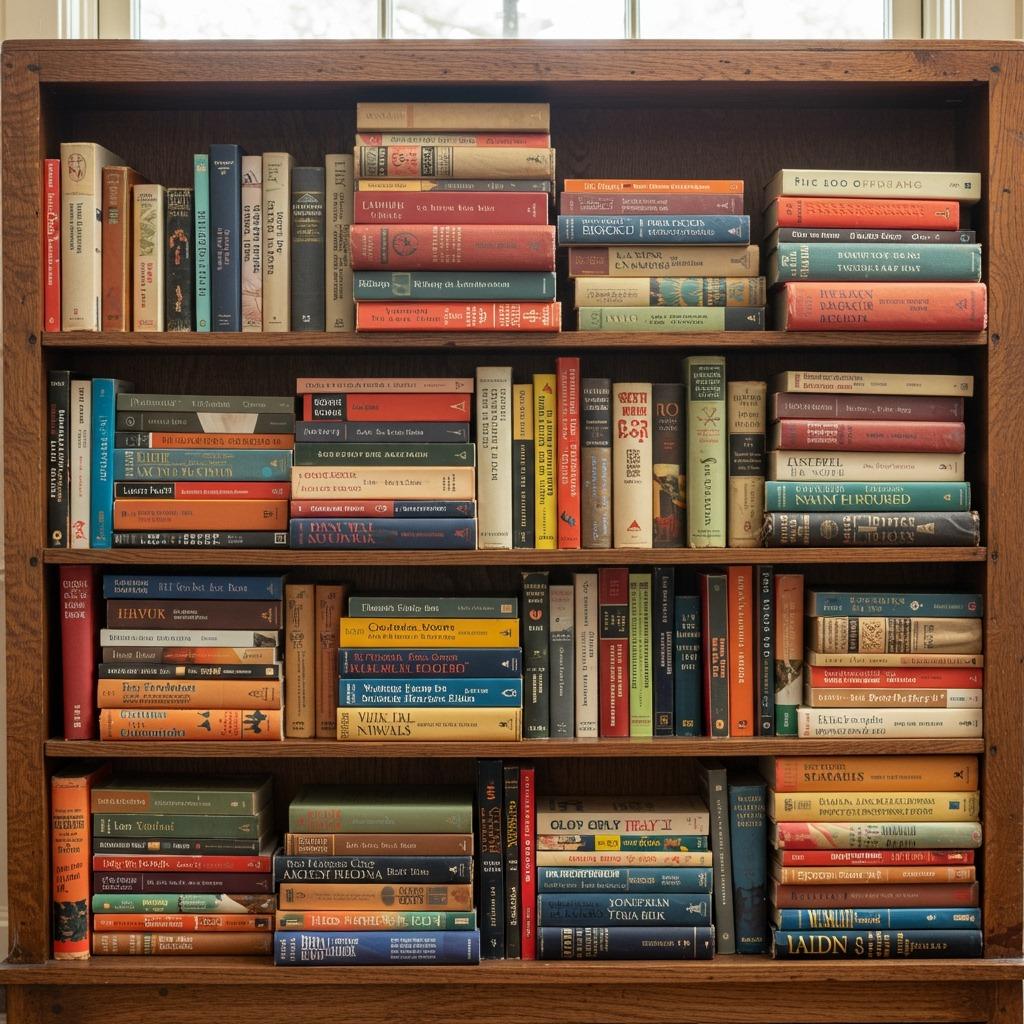
This controversial but effective method involves turning some books backwards so only the pages show, creating a neutral backdrop that lets other items shine. Interior designers use this trick to tone down busy book spines and create visual breathing room.
Mix backwards books with forward-facing favorites to create rhythm and balance. Keep your most beautiful covers facing out – those coffee table books, vintage finds, or books with spines that complement your color scheme deserve to be seen.
This technique works particularly well when you’re incorporating storage and organization ideas throughout your home. The neutral backdrop helps decorative objects and plants pop while maintaining that collected-over-time feel that makes spaces feel authentically lived-in.
4. Vertical Divider Solutions

Bookends are just the beginning – vertical dividers can transform how you organize and display your book collection. Acrylic dividers create clean sections without visual weight, while decorative objects serve double duty as functional separators.
Try using small potted plants, sculptural objects, or even framed photos as natural dividers between book groupings. This creates mini-vignettes within your larger bookshelf display and prevents the dreaded “leaning tower of books” situation.
For a more structured approach, install thin vertical dividers that slide into shelf holes. These work especially well for paperbacks that tend to lean and create messy-looking sections. The key is choosing dividers that enhance rather than compete with your books’ visual appeal.
5. Layered Display Strategy
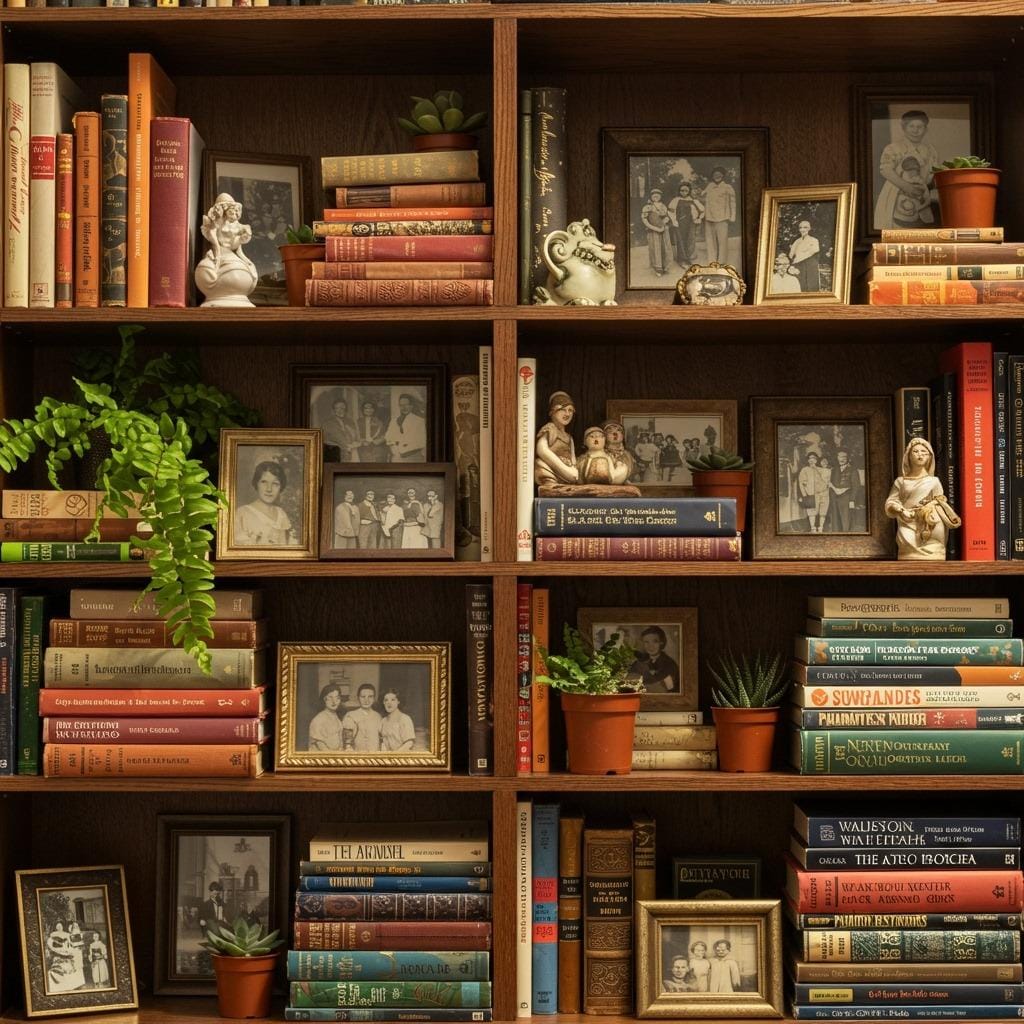
Stop thinking of your bookshelf as just a place for books. Layering books with decorative objects, plants, and personal items creates depth and personality that flat rows of spines simply can’t achieve.
Start with your books as the foundation, then add layers: lean a medium-sized book against the book row, place a small plant or decorative object in front, and maybe add a tiny framed photo. This technique prevents the “library look” and makes your shelves feel more like curated collections.
Pay attention to height variation – mix tall books with short ones, and use objects of different scales to create visual interest. This approach works beautifully in small bedroom storage solutions where your bookshelf needs to serve multiple functions while looking intentional.
6. Hidden Storage Behind Books
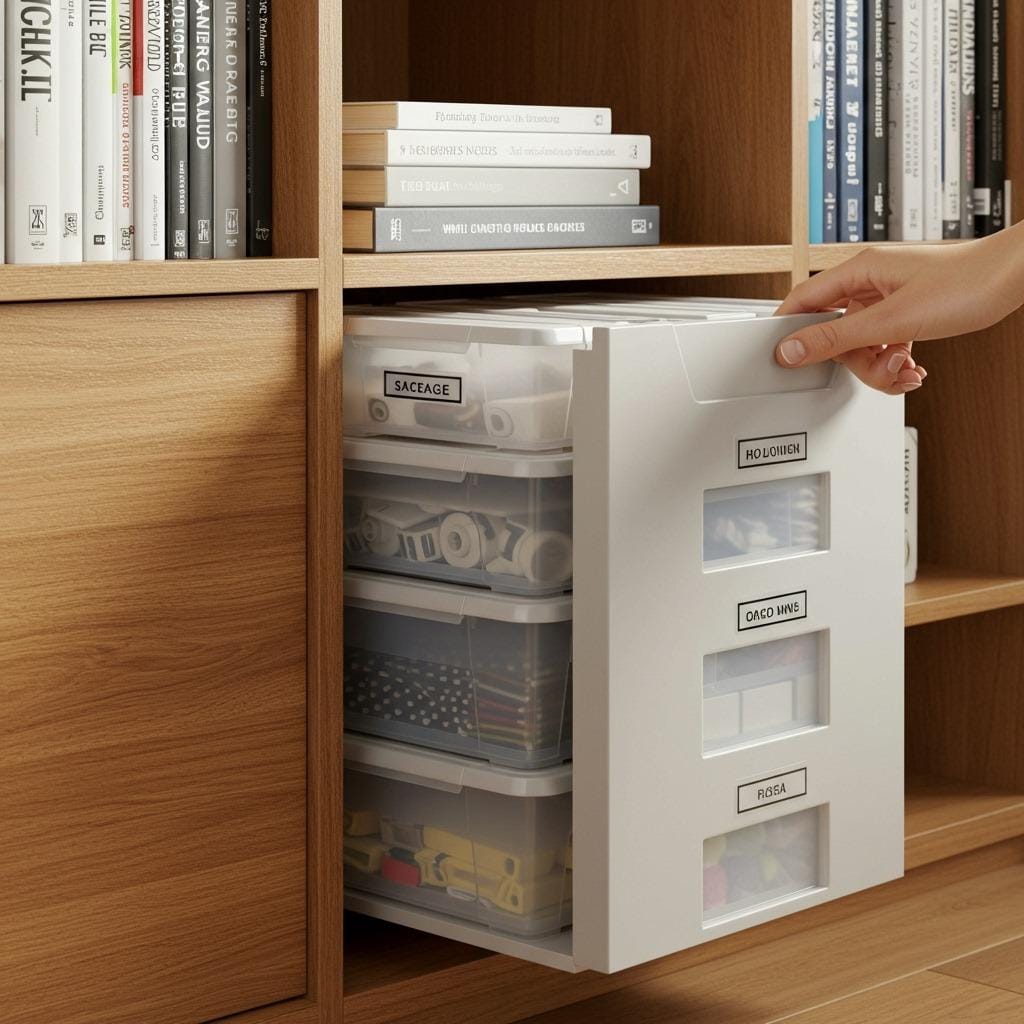
Create secret storage compartments by installing shallow boxes or containers behind rows of books. This genius hack gives you extra storage space that’s completely invisible from the front of your shelves.
Use these hidden areas for items you need but don’t want on display: extra phone chargers, seasonal decorations, important documents, or backup supplies for your desk or craft area. Just make sure the books in front can be easily moved when you need access.
For the most seamless look, choose books of similar height to create the “wall” in front of your storage area. This technique is particularly useful for those implementing storage ideas for small homes where every cubic inch counts.
7. Plant Integration Magic
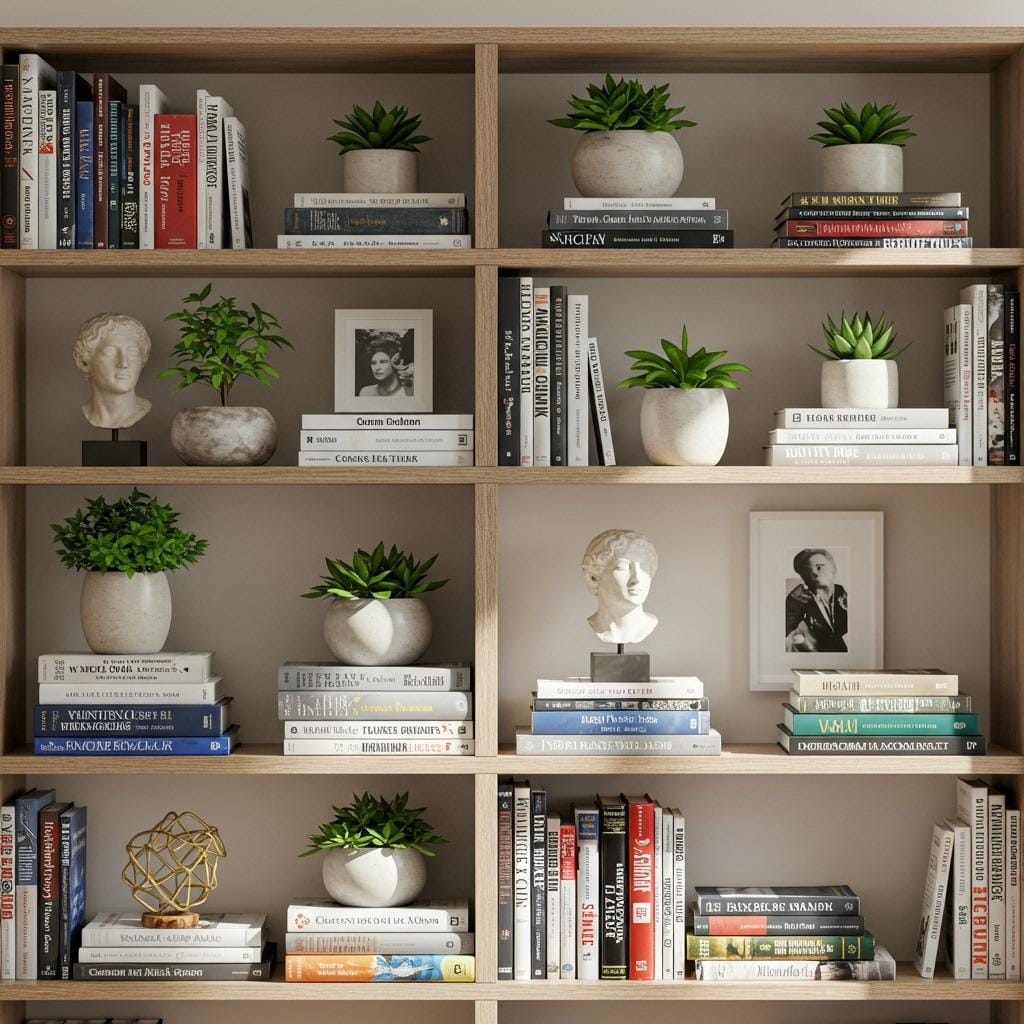
Nothing breathes life into a bookshelf like strategically placed plants. But the key word here is “strategic” – random plants scattered everywhere just create more visual chaos.
Choose plants that thrive in your room’s lighting conditions and select containers that complement your overall aesthetic. Small trailing plants like pothos work beautifully on higher shelves, while compact plants like snake plants or ZZ plants anchor lower sections.
Create plant clusters by grouping 2-3 small plants together rather than spreading single plants throughout. This creates intentional moments of green that draw the eye and break up expanses of book spines. Remember to consider watering logistics – you don’t want to be wrestling with step stools every week.
8. Box Storage Solutions

Decorative boxes offer enclosed storage that looks intentional while hiding necessary but unsightly items. Unlike baskets, boxes with lids completely conceal contents and can be stacked for maximum efficiency.
Choose boxes that coordinate with your room’s color palette – white boxes for minimalist spaces, natural wood for warmth, or bold colors for personality. Label the insides rather than the outsides to maintain the clean aesthetic.
Use boxes to store seasonal reading lists, craft supplies, electronics accessories, or kids’ small toys. Stack similar-sized boxes to create columns that add architectural interest to your shelves. This approach aligns perfectly with kitchen pantry storage hacks principles – everything has a designated place and clean containers make the whole system look polished.
9. Horizontal Book Stacking
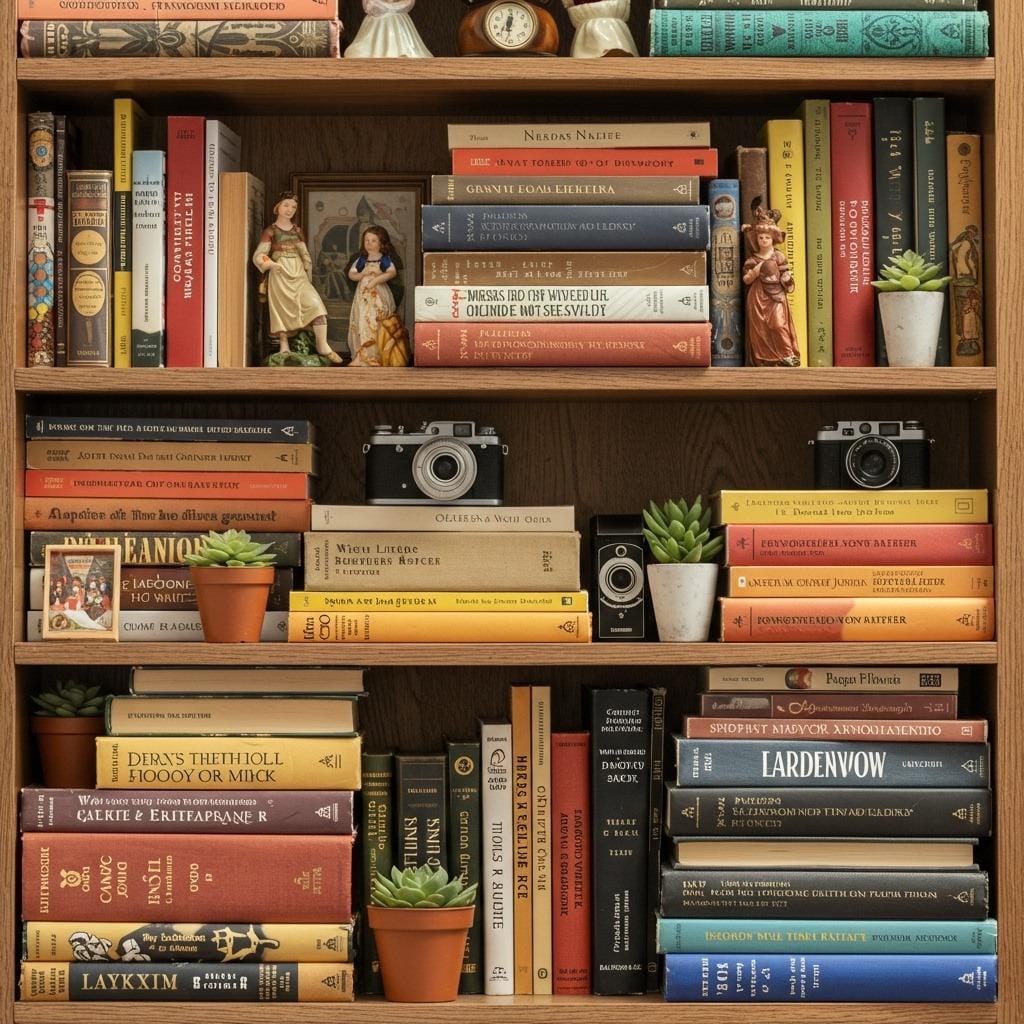
Break up the monotony of vertical book spines by creating horizontal stacks at strategic points throughout your shelves. This technique adds visual variety and creates perfect platforms for displaying small decorative items.
Stack 3-5 books horizontally, then top with a small plant, decorative object, or framed photo. This creates natural vignettes and gives your eye resting spots as it moves across the shelf. Choose your largest or most beautiful books for horizontal display – they become part of the decoration.
Use horizontal stacks to create different zones within your bookshelf system. This works particularly well when incorporating bookshelf styling tips throughout your home’s various rooms. The varied heights and orientations create dynamic visual interest that photographs beautifully.
10. Drawer Insert Hack
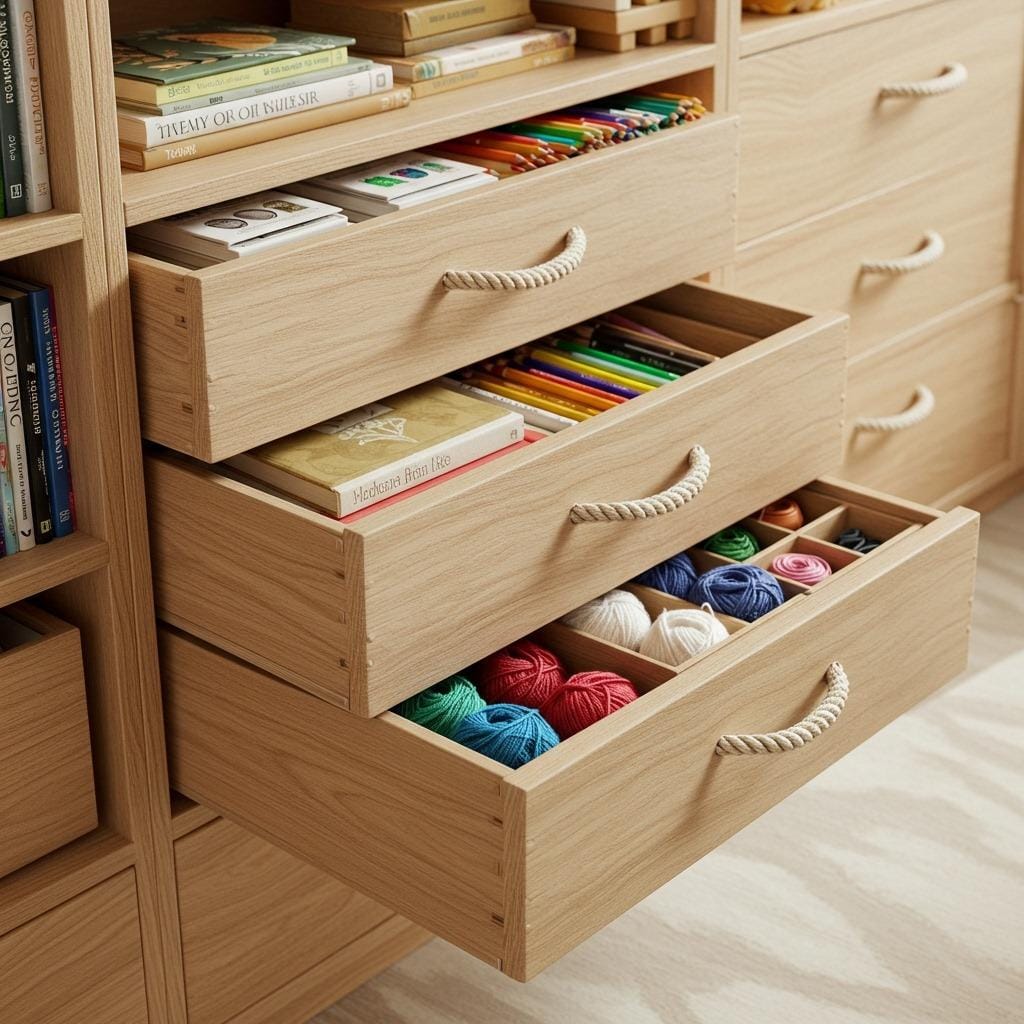
If your bookshelf has adjustable shelves, create instant drawers by adding small storage containers that slide in and out like drawers. This works especially well on lower shelves where you want to hide everyday items.
Use matching containers – plastic storage boxes, wooden crates, or metal bins – that fit snugly within your shelf dimensions. Add simple rope or leather pulls to the front for easy access. Label the contents on top where you can see when the “drawer” is pushed back.
This technique transforms dead space into functional storage for items like charging stations, office supplies, or kids’ small toys. It’s particularly effective for those working with small closet organization ideas principles where accessibility matters as much as appearance.
11. Lighting Integration Strategy
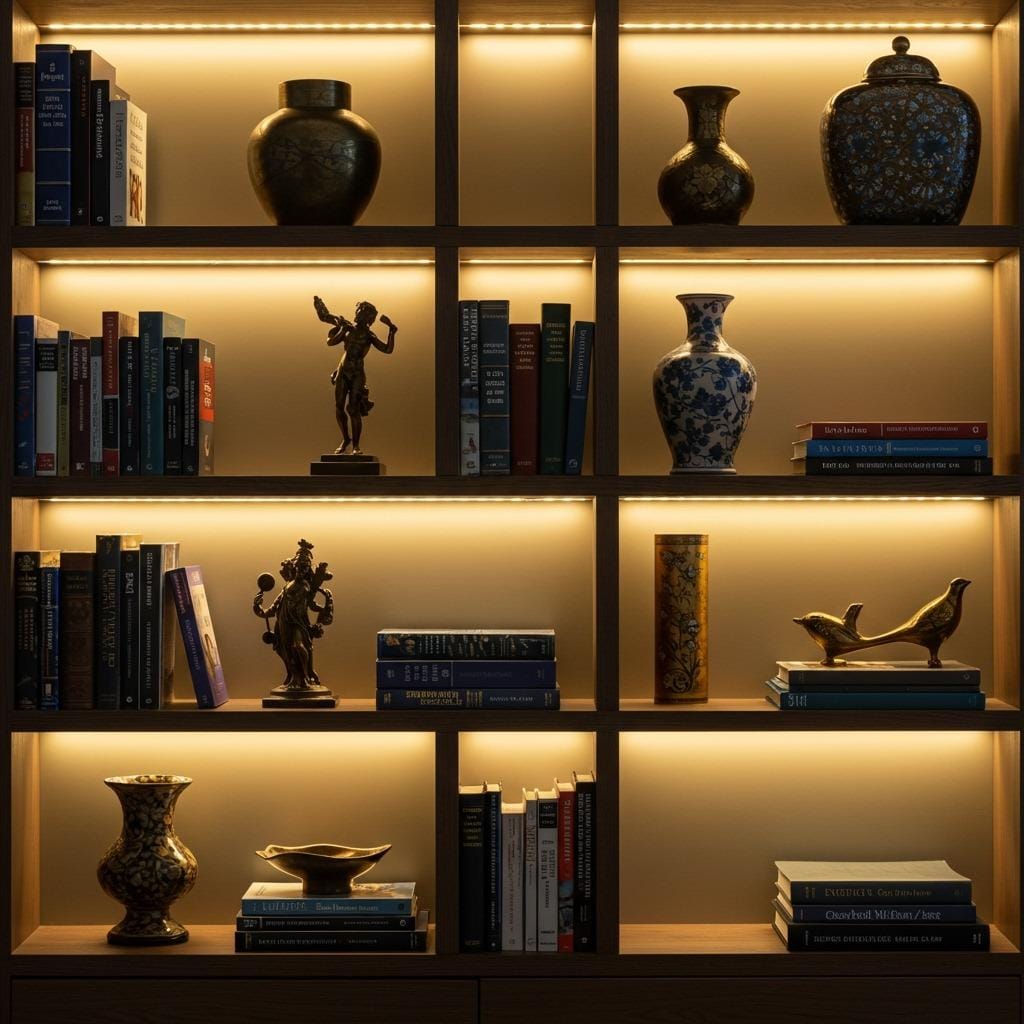
Built-in LED strip lighting or small battery-powered puck lights can transform your bookshelf from functional furniture into dramatic room feature. Strategic lighting makes your books and decorative items glow while creating ambiance in the entire space.
Install LED strips under each shelf to create even, library-style lighting that illuminates book spines and creates visual depth. For a more dramatic effect, use small spotlights to highlight specific areas – your plant collection, favorite book covers, or special decorative pieces.
Battery-powered options mean no complicated electrical work, and many come with remote controls for easy adjustment. This upgrade works beautifully when coordinating with bedroom lighting ideas to create layered lighting throughout your home.
12. Modular System Creation
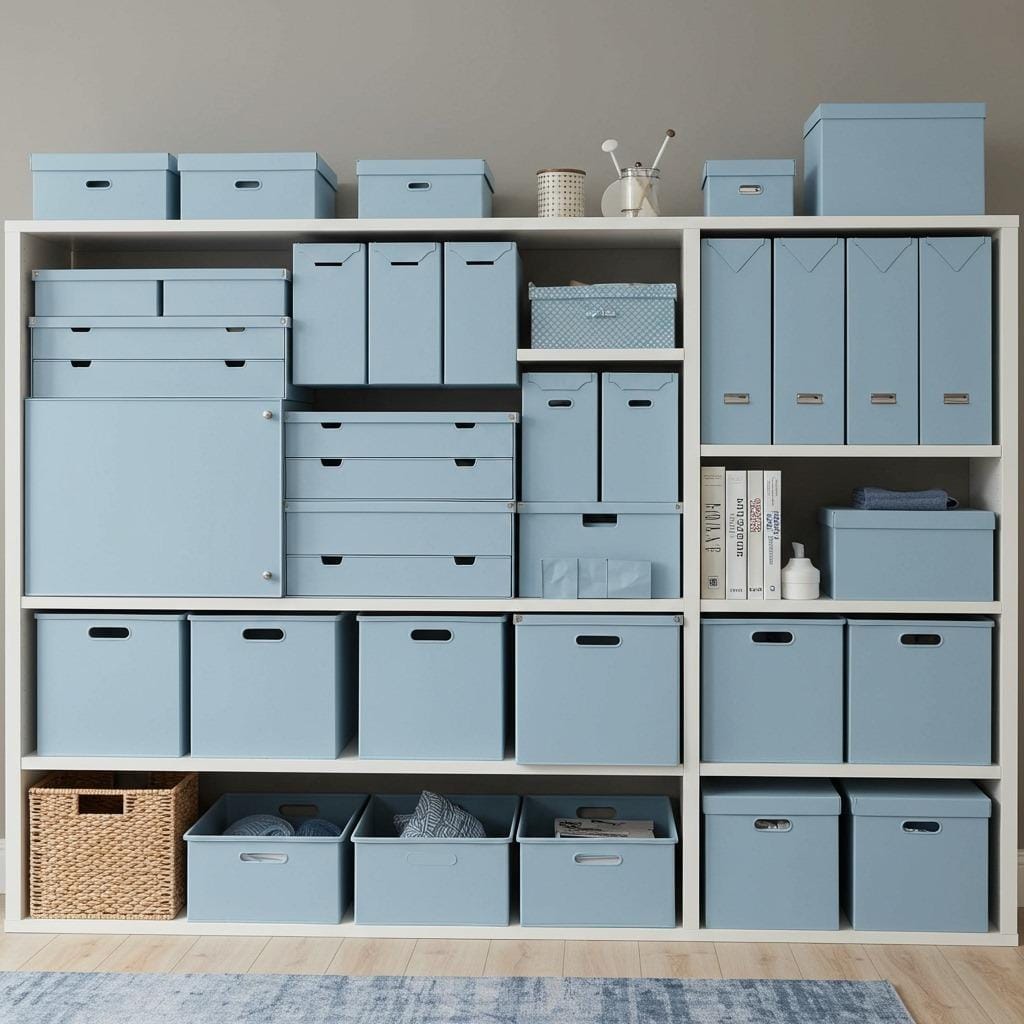
Design your own modular storage system using matching containers, boxes, and dividers that can be reconfigured as your needs change. This approach gives you ultimate flexibility while maintaining a cohesive, organized appearance.
Choose a basic color palette – perhaps white, natural wood, and one accent color – then select storage components in these tones. Mix bins, boxes, baskets, and dividers all in coordinating materials and colors. This creates a custom storage solution that looks expensive but uses budget-friendly components.
The beauty of a modular system is its adaptability. As your book collection grows or changes, as seasons shift, or as your storage needs evolve, you can rearrange components without starting over. This approach mirrors successful storage hacks for home organization that grow and change with your lifestyle.
Ready to tackle your bookshelf transformation? Start with just one or two of these bookshelf storage hacks rather than overwhelming yourself with a complete overhaul. You’ll be amazed how much more organized and stylish your space feels with these simple changes.
The secret to successful creative shelf organization isn’t perfection – it’s finding systems that work with your lifestyle while creating the visual impact you want. Whether you choose color-coding for drama or modular systems for flexibility, your newly organized shelves will become a source of daily satisfaction rather than stress.
Remember, the best storage solutions are the ones you’ll actually maintain. Choose the techniques that feel sustainable for your schedule and space, then enjoy your beautifully organized, Pinterest-worthy bookshelf display.

Sanjai creates easy, affordable home decor ideas that anyone can try. Through simple tips and curated finds, he helps you style rooms you’ll love coming home to.