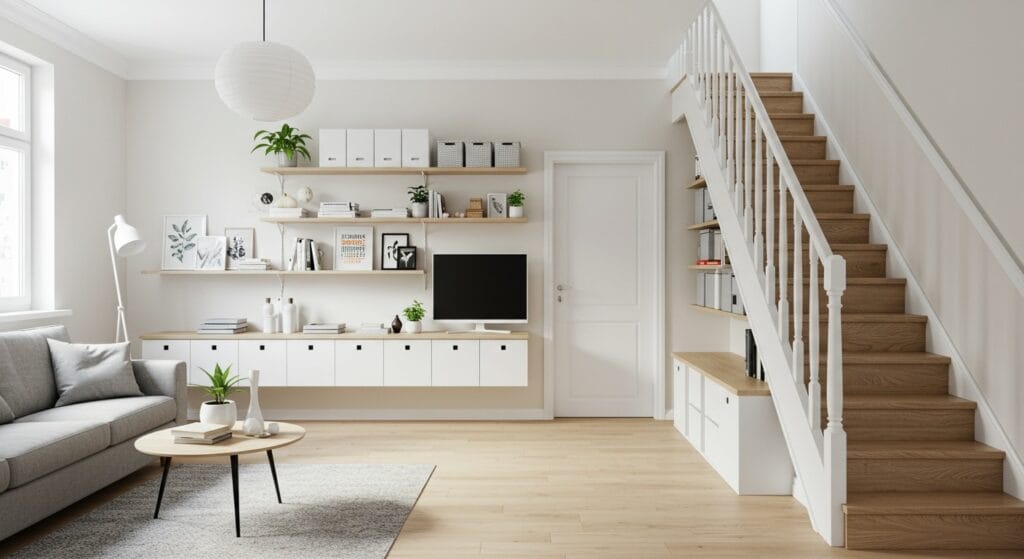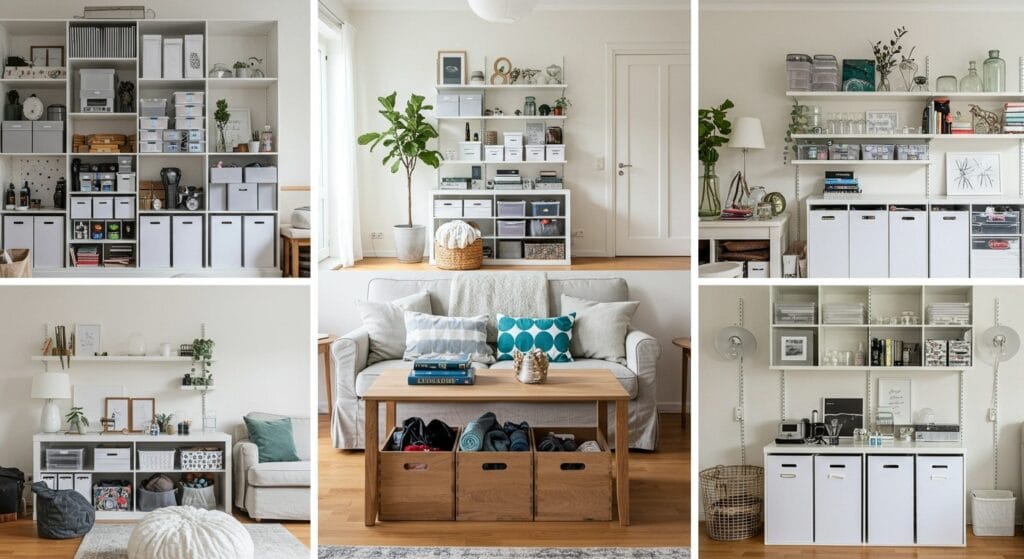
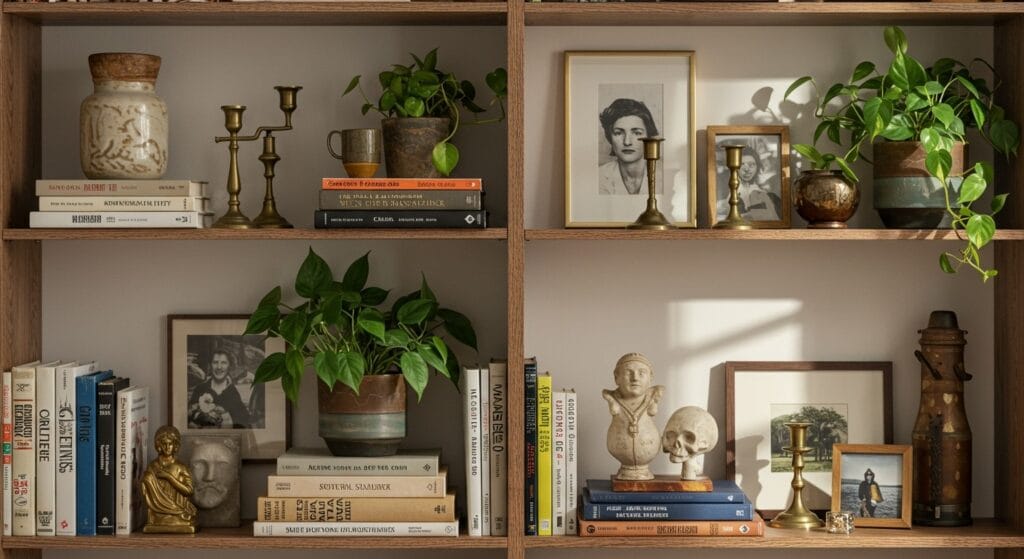
Your bookshelves shouldn’t feel like storage afterthoughts. They’re prime real estate for showcasing your personality while keeping your favorite reads within arm’s reach. Whether you’re working with built-ins, floating shelves, or that IKEA unit you’ve been meaning to style properly, these bookshelf styling tips will transform your space into something worth photographing.
The secret isn’t having the most books or the fanciest accessories. It’s about understanding how to balance visual weight, create breathing room, and tell a story through your arrangements. Ready to turn those cluttered shelves into curated masterpieces?
1. Master the Rule of Thirds for Visual Balance
Think of each shelf as a mini canvas divided into three sections. Place your largest or most eye-catching items in one-third of the space, leaving the other two-thirds for smaller groupings. This creates natural focal points without making everything compete for attention.

Try placing a tall stack of books on the left, a medium-height plant in the center, and a small decorative object on the right. The asymmetry feels intentional rather than accidental. Your eye will naturally flow across the shelf instead of getting stuck in one spot.
This approach works especially well when you’re mixing books with home decor accessories. The varying heights create rhythm while the thirds keep everything from looking chaotic.
2. Create Depth with Layered Arrangements
Flat arrangements against the back of shelves feel one-dimensional. Instead, pull some items forward and push others back to create layers. Place a framed photo behind a small plant, or position books at different depths on the same shelf.
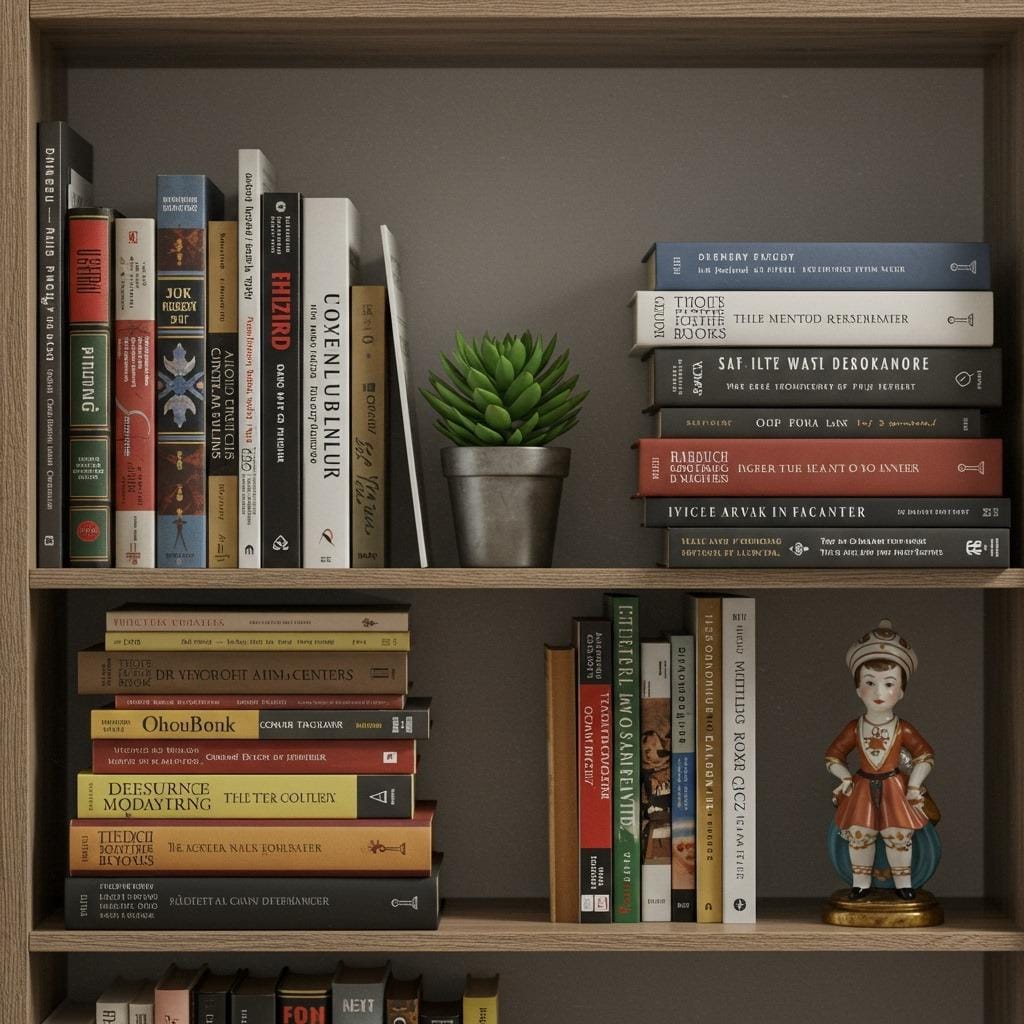
This technique makes your shelves feel more dynamic and lived-in. It also helps smaller decorative pieces stand out instead of getting lost behind taller books. The varying depths catch light differently throughout the day, adding visual interest.
Consider the sight lines from where you’ll most often view the shelves. Layering works best when you can actually see the different levels from your usual seating area.
3. Mix Vertical and Horizontal Book Stacking
Don’t line up every book spine like soldiers. Mix vertically shelved books with horizontal stacks to break up monotony and create platforms for displaying smaller objects. A stack of three to five books makes the perfect pedestal for a small sculpture or candle.
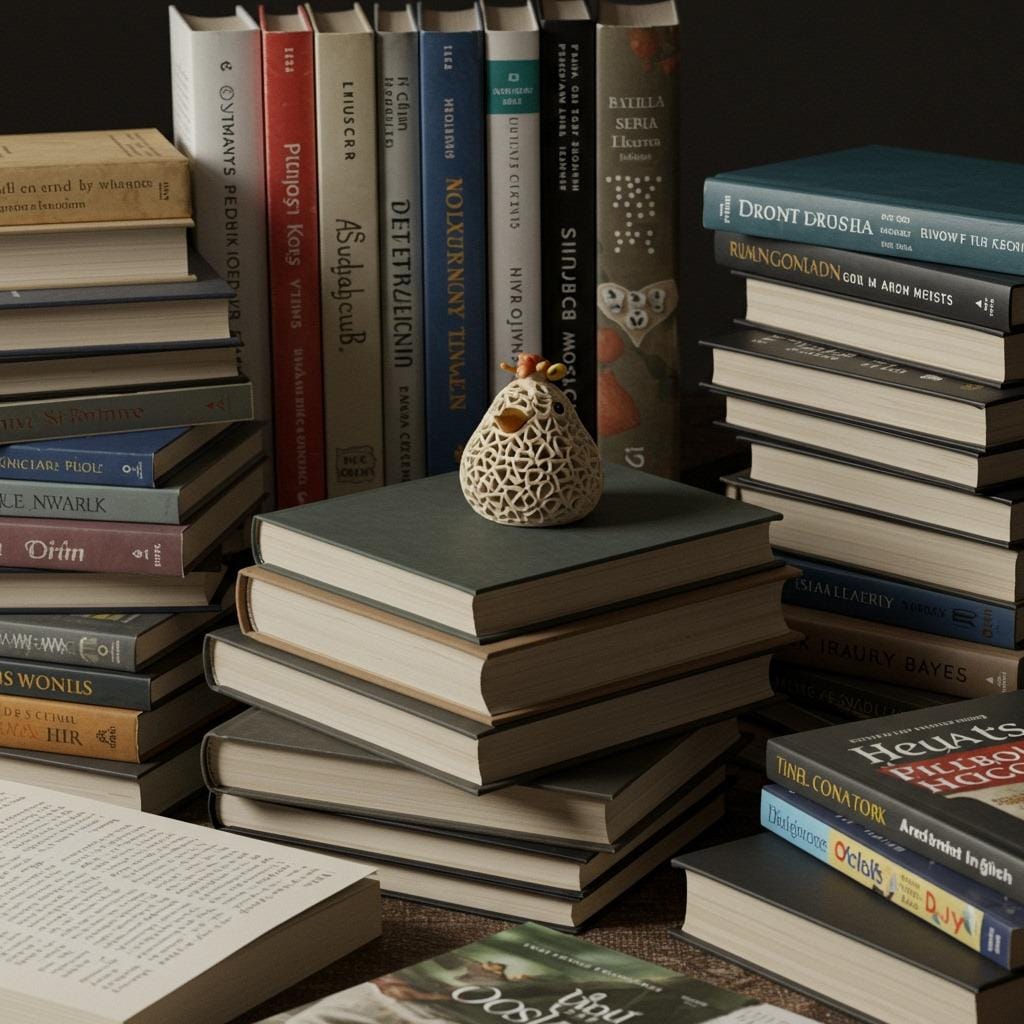
Horizontal stacking also helps when you have books of wildly different heights. Those coffee table books that are too tall for most shelves? Stack them horizontally and use them as foundations for your styling. The varied orientations add visual texture even when you’re working with a limited color palette.
This mixing technique is especially useful in small living room layouts where every surface needs to work harder.
4. Follow the Two-Item Rule for Cohesion
When grouping decorative objects, stick to pairs or sets of two similar items at different heights. Two candlesticks, two small plants, two picture frames. This creates cohesion without being too matchy-matchy or overwhelming the space.
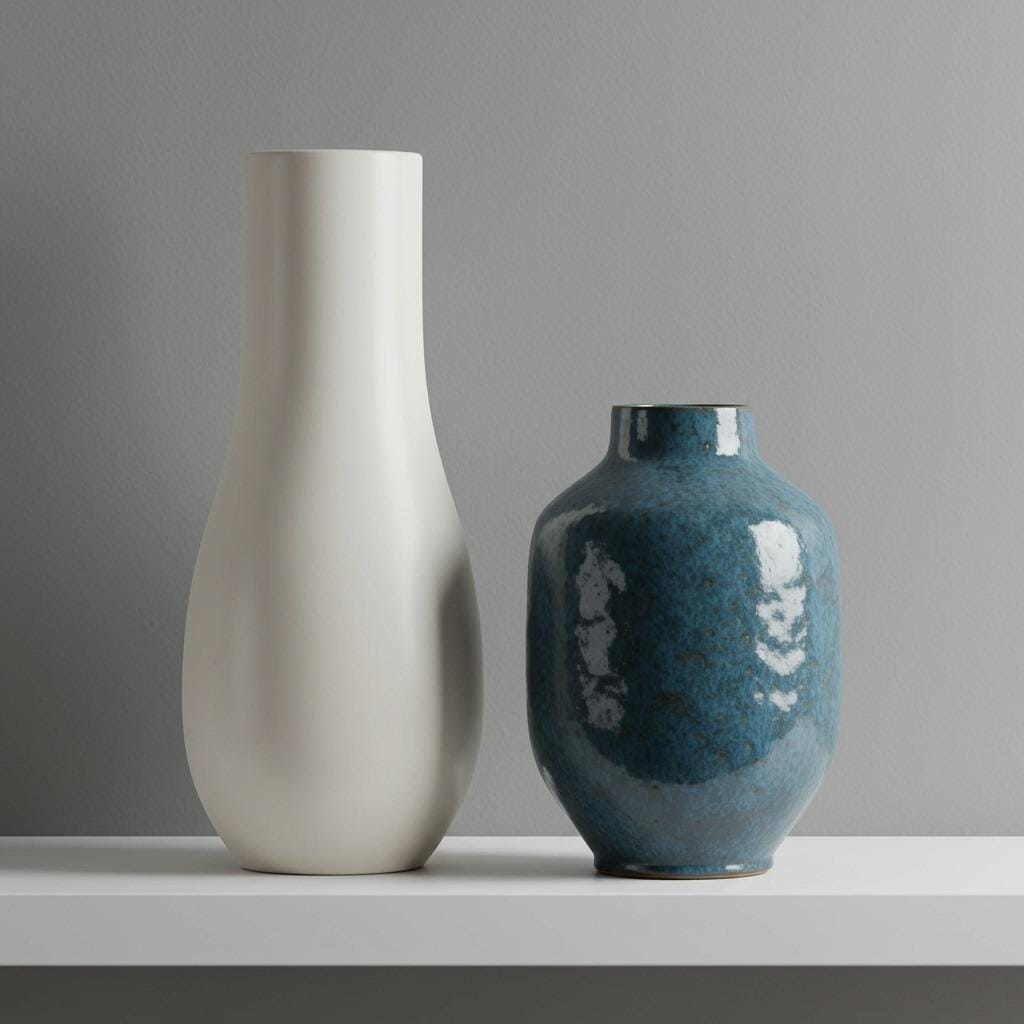
The key is choosing items that share something in common – material, color, or style – while having enough difference in size or shape to feel intentional. Two white ceramic pieces in different sizes look curated. Two identical items just look like you bought a set.
This rule prevents the “one of everything” approach that can make shelves feel cluttered and unfocused.
5. Incorporate Living Elements
Plants breathe life into bookshelf displays literally and figuratively. Small pothos, snake plants, or air plants add natural texture and color variation. They also help soften hard edges and create organic shapes among all those rectangular book spines.
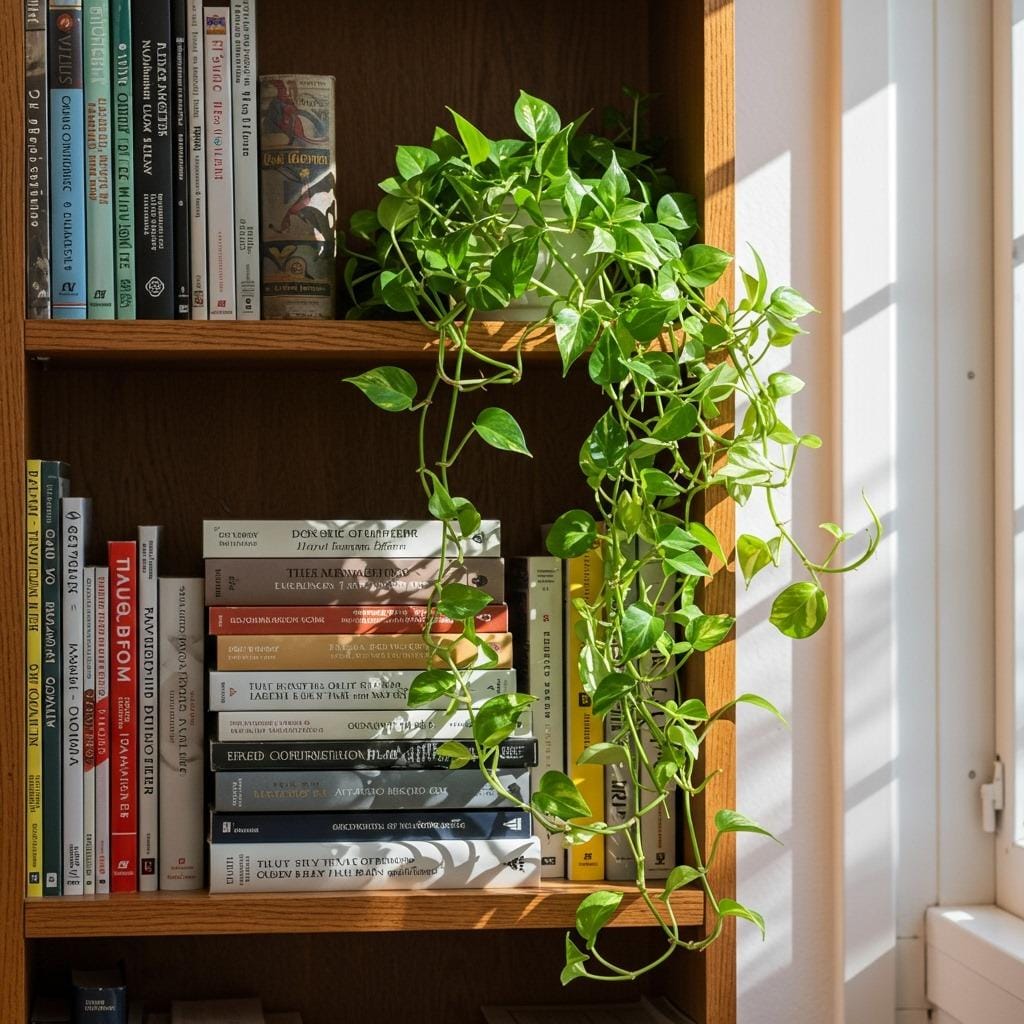
Choose plants that thrive in your lighting conditions and don’t require frequent watering access. Nothing kills a styled shelf faster than a dead plant you can’t easily reach. Trailing varieties like pothos or ivy add movement and can help connect different shelf levels visually.
Even if you don’t have a green thumb, high-quality faux plants work too. Just make sure they look realistic up close since shelves are often at eye level.
6. Use Color Blocking for Impact
Group books by color to create intentional color blocks rather than random rainbow scattered spines. This technique works especially well when you want your books to act as part of the decor rather than dominating it with busy spine designs.

Start with neutrals (whites, creams, beiges) as your foundation, then add one or two accent colors that complement your room’s palette. If you have enough books, you can create an ombre effect or alternate between warm and cool tones.
This approach is particularly effective in minimalist living rooms where visual calm is the goal.
7. Leave Strategic Empty Space
Not every inch needs to be filled. Empty space gives your eyes places to rest and prevents the shelf from feeling cluttered. Aim to leave about 25% of each shelf empty, distributed strategically rather than all bunched together.
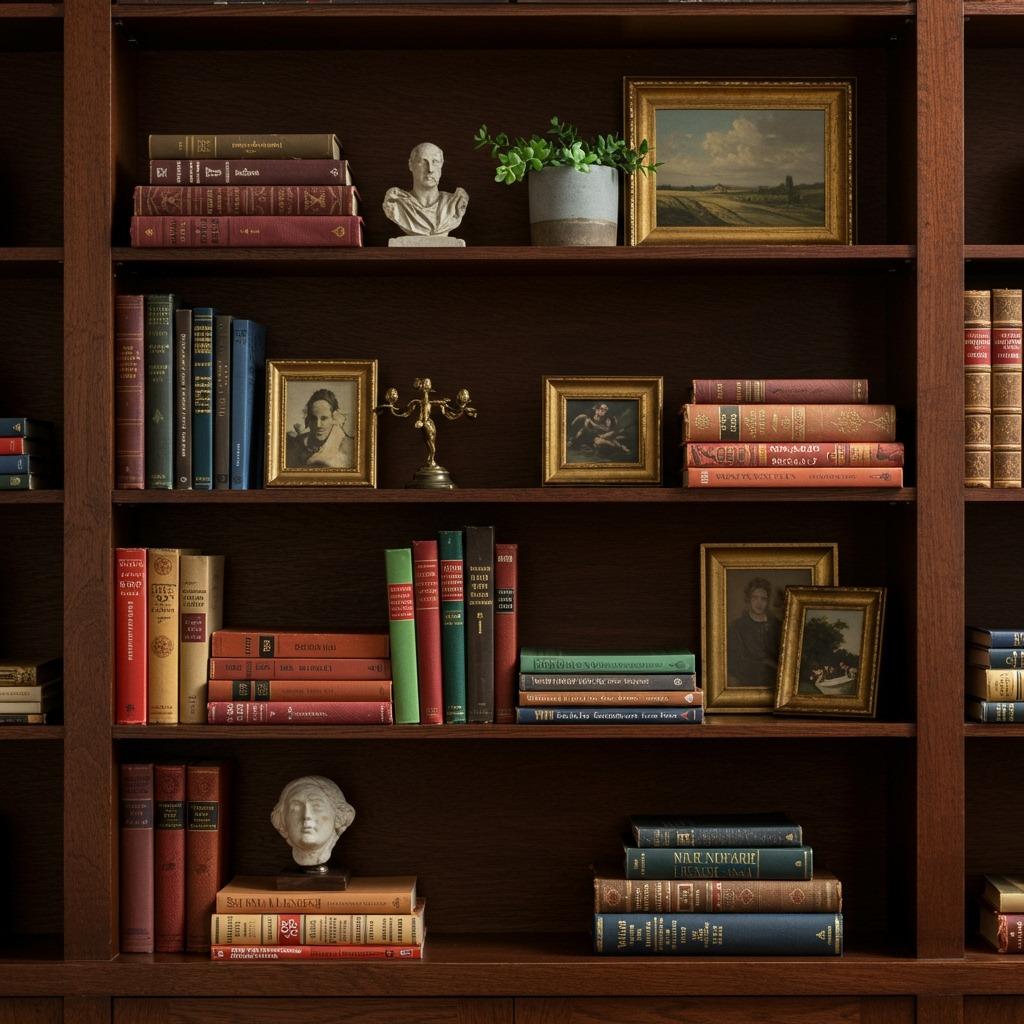
Empty space also makes your displayed items feel more important. A lone decorative object with breathing room around it becomes a focal point. The same object crammed between books gets lost in visual noise.
Think of empty space as an active design element, not wasted opportunity. It’s doing the important job of letting everything else shine.
8. Add Texture Through Mixed Materials
Books are mostly paper and fabric, so introduce other textures to keep things interesting. Ceramics, metals, wood, glass, and woven materials all add tactile variety that makes displays more engaging to look at.
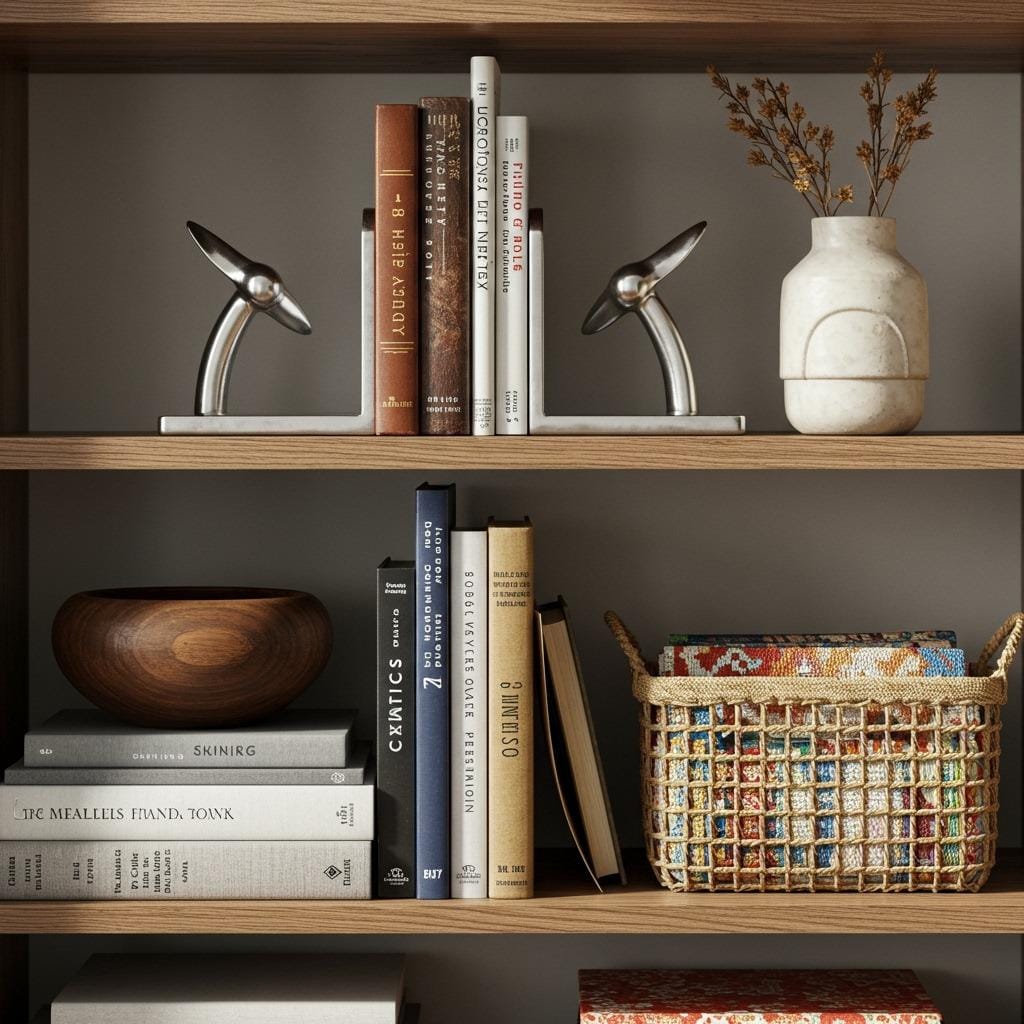
A wooden bowl, brass bookends, a small woven basket, or a glass vase each brings something different to the party. The variety keeps your eye engaged as it moves across the shelf. Just don’t go overboard – three to four different materials per shelf section is plenty.
Natural materials work especially well because they complement the organic feel of paper and cloth book covers.
9. Create Visual Flow Between Shelves
Style your shelves as a unit rather than individual sections. Repeat colors, materials, or shapes across different levels to create visual flow. If you have a brass candlestick on one shelf, echo that warm metal tone with brass bookends two shelves down.
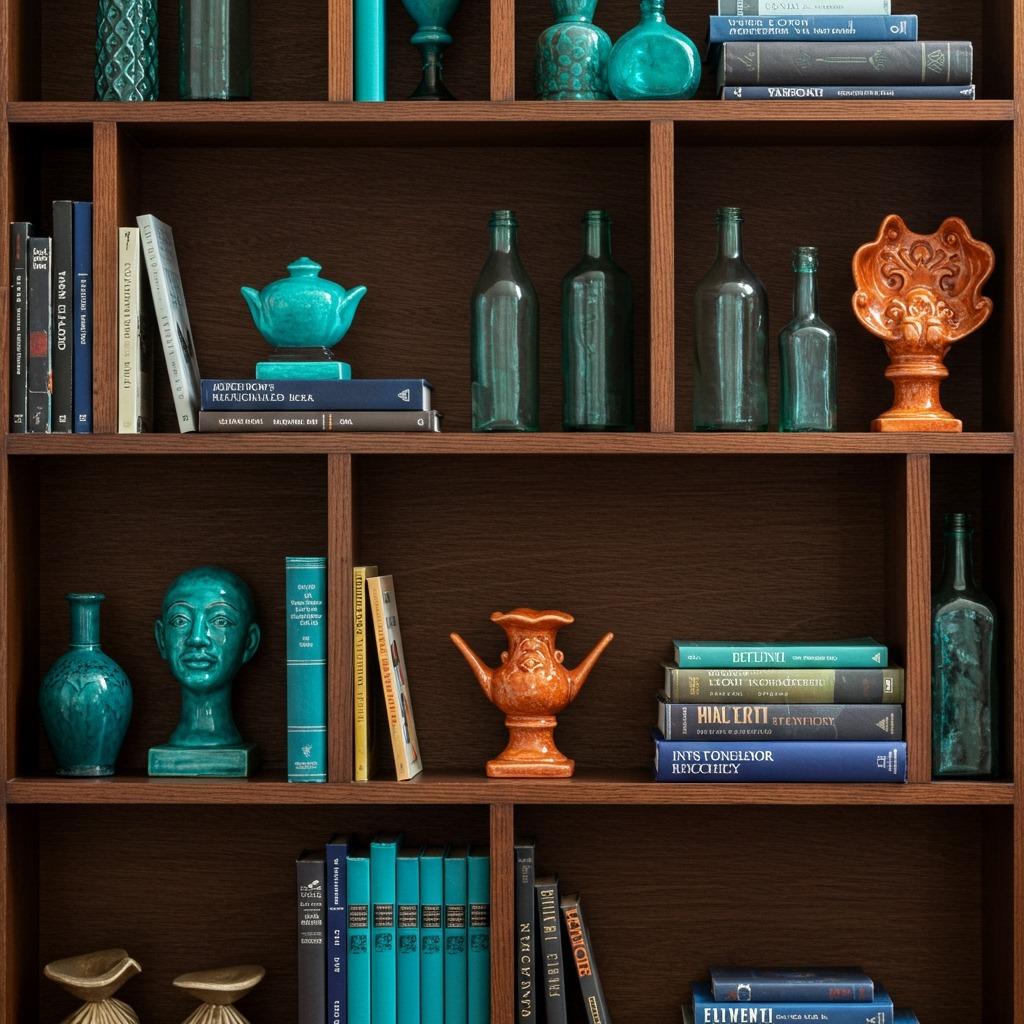
This repetition creates rhythm that makes the entire unit feel intentional and cohesive. It’s like decorating a room – you wouldn’t put all the blue items in one corner. The same principle applies to vertical shelf styling.
Consider the view from across the room too. Those repeated elements should create a pleasant pattern when you see the whole bookshelf at once.
10. Use Books as Architecture
Think beyond storing books spine-out. Use them to create architectural interest by varying how they’re displayed. Some lying flat, others standing, creates different heights and platforms within the same shelf space.

Large art books can become platforms for smaller displays. A stack of novels can prop up a picture frame at the perfect angle. Thick reference books can act as bookends for lighter paperbacks. This approach makes your book collection work harder while looking more intentional.
The key is choosing books that can handle the weight and won’t be damaged by having objects placed on them.
11. Incorporate Personal Collections
Your shelves should tell your story, so include collections that matter to you. Vintage cameras, small sculptures, travel souvenirs, or handmade pottery add personality that generic decor can’t match.
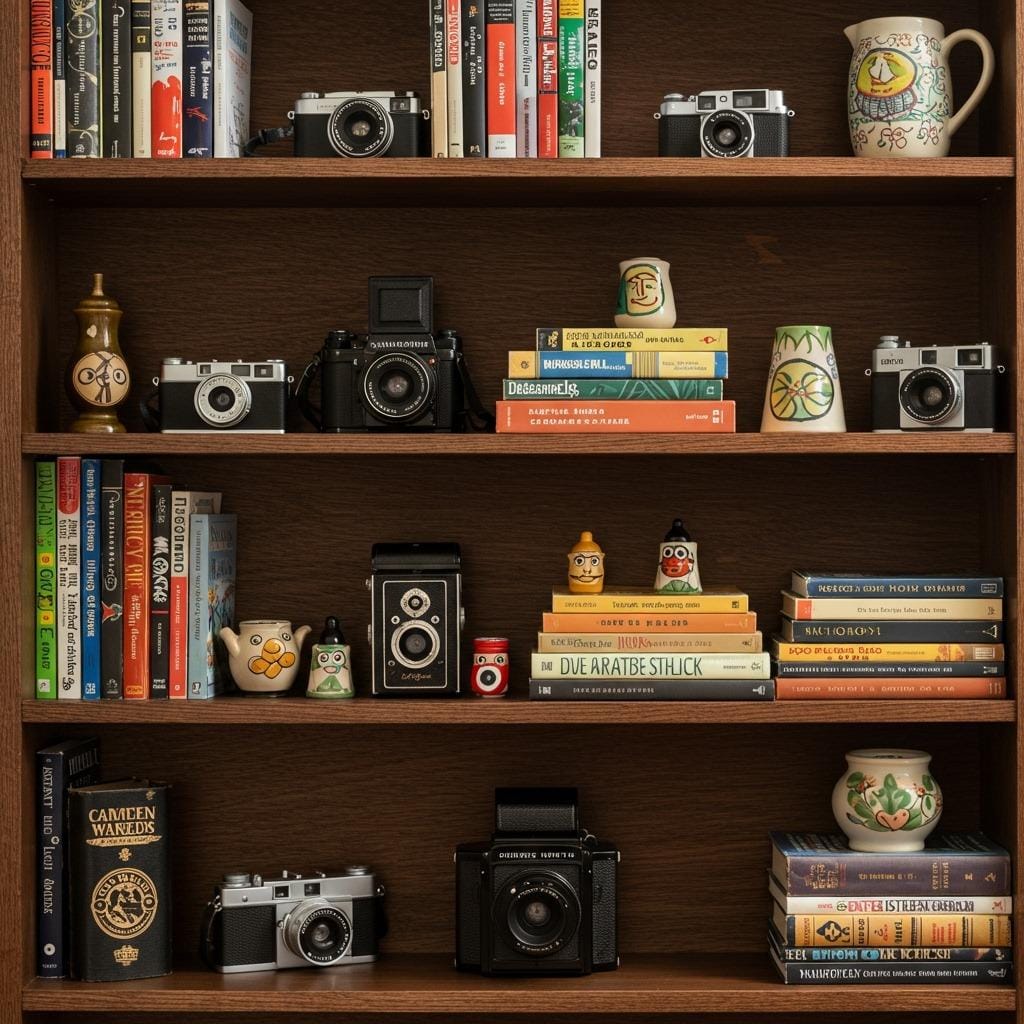
The trick is editing your collection down to the best pieces rather than displaying everything you own. Choose items that complement your color scheme and scale appropriately for the shelf size. A few meaningful pieces have more impact than a crowd of okay ones.
This personal touch is what separates professionally styled shelves from catalog-perfect ones that lack soul. For more ideas on displaying collections, check out these storage and organization ideas that keep functionality beautiful.
12. Play with Scale and Proportion
Mix objects of different sizes to create visual interest, but be intentional about it. A tiny object next to a huge one can look accidental, but a small item paired with a medium one, then a large one creates pleasing progression.
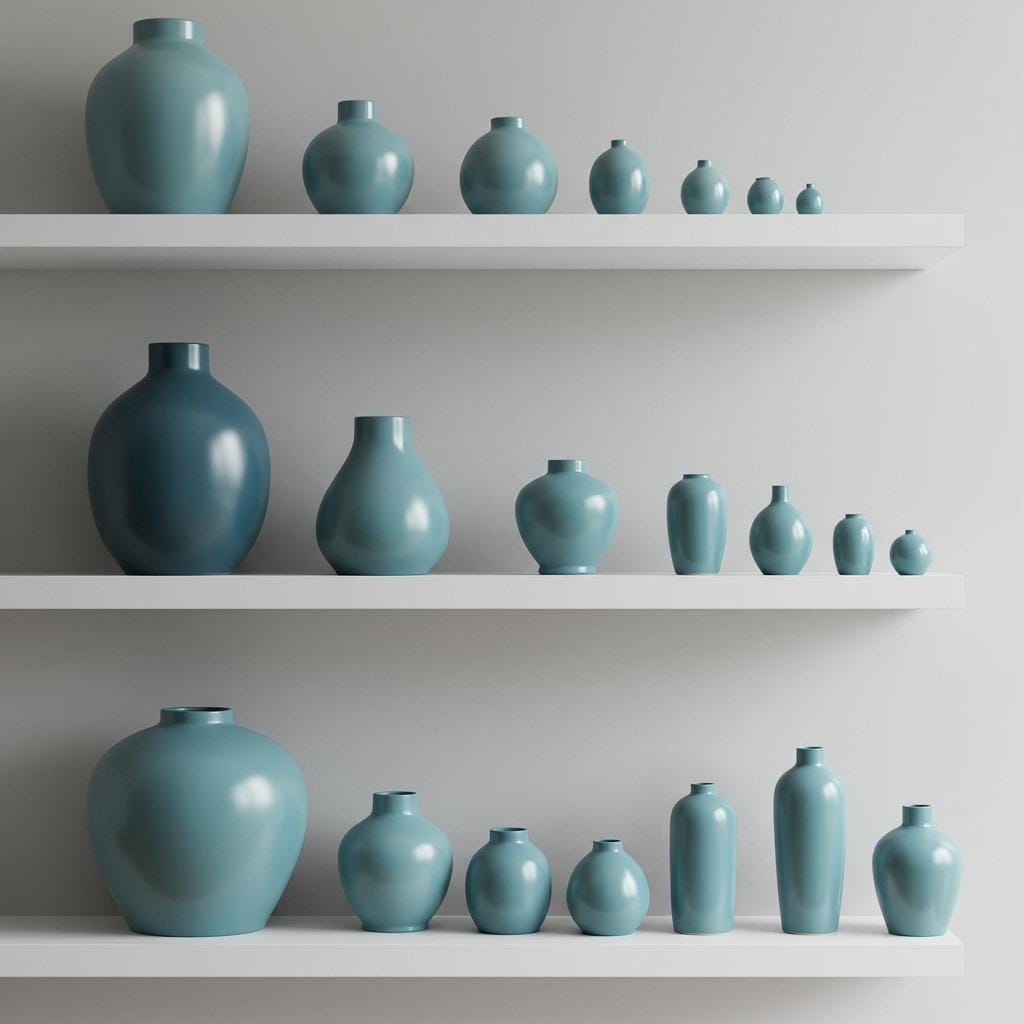
Think about the “Goldilocks principle” – not too big, not too small, but just right for the space they’re occupying. A massive vase on a narrow shelf overwhelms everything else. A tiny figurine on a deep shelf disappears entirely.
The goal is creating harmony where each piece feels like it belongs at that size in that spot.
13. Add Lighting for Drama
Shelf lighting transforms displays from daytime functional to evening dramatic. Battery-operated LED strips behind books create a warm glow, while small picture lights can spotlight special objects.
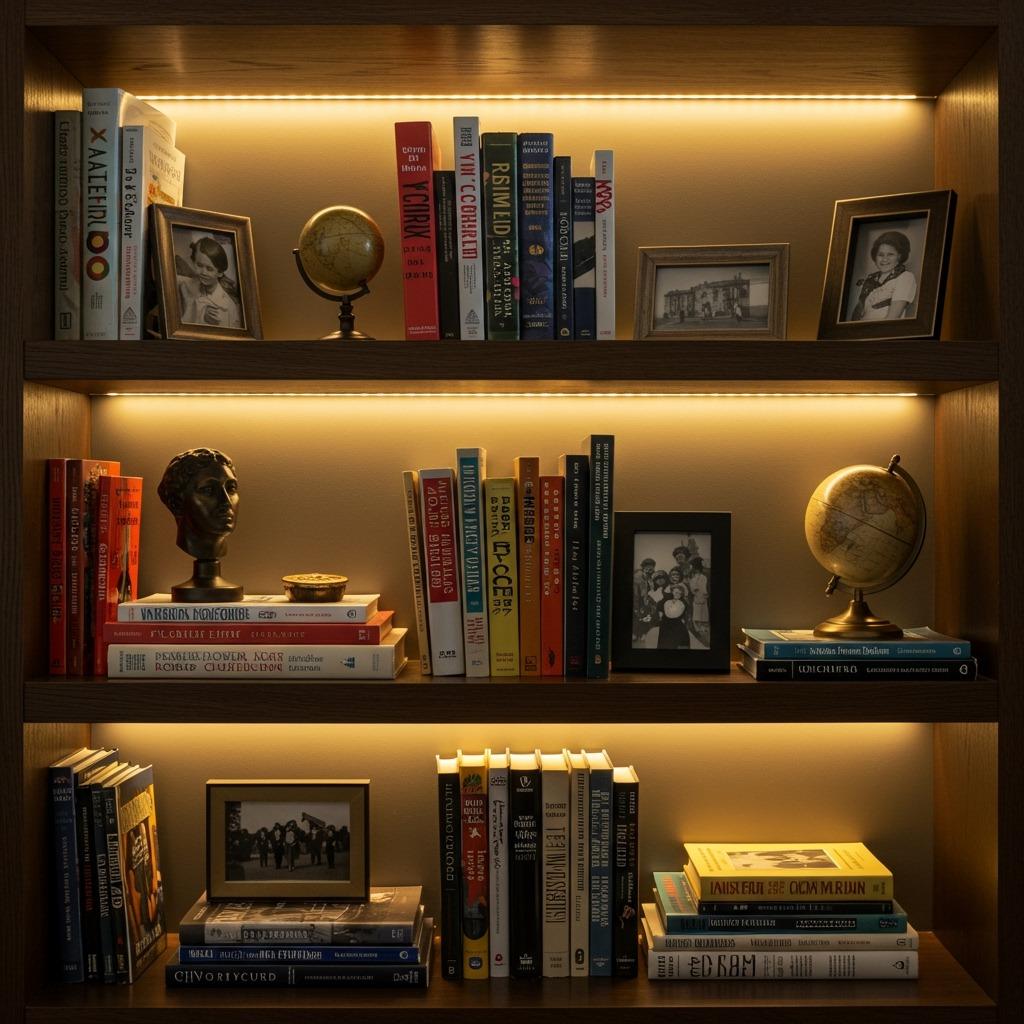
Lighting also solves the practical problem of finding books in the evening. But beyond function, it adds ambiance that makes your styled shelves feel like intentional design features rather than storage solutions.
Consider warm white LEDs rather than cool blue ones. They’re more flattering to books and decorative objects, and they integrate better with most home lighting schemes.
14. Create Themed Sections
Instead of mixing everything randomly, create loose themes for different shelf areas. One section might focus on travel books with a small globe and some foreign currency. Another could group cookbooks with a vintage kitchen scale.
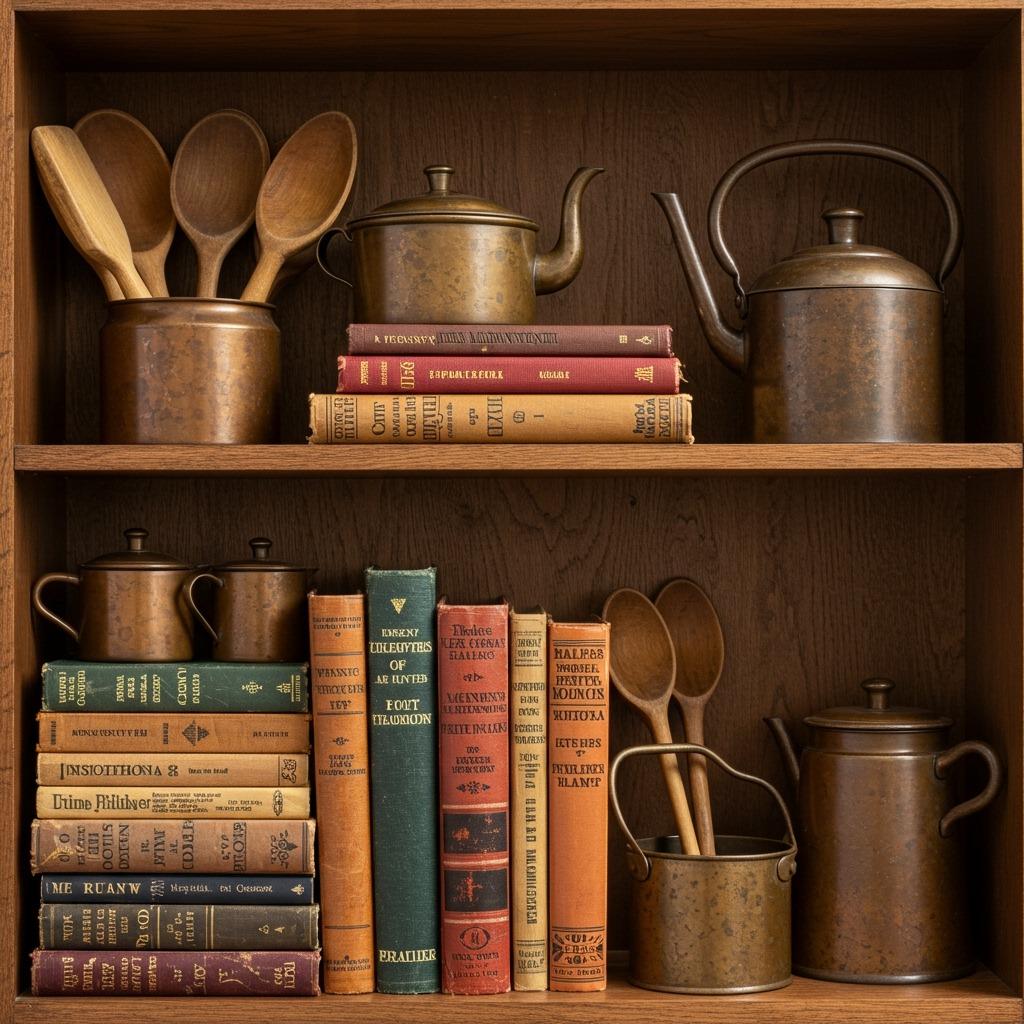
Themes don’t have to be literal or heavy-handed. They can be as simple as grouping warm-colored books with warm-toned accessories, or vintage books with antique objects. The connection just needs to make sense to you.
This approach makes browsing your shelves more enjoyable because there’s a story unfolding in each section. It also makes adding new items easier because you know where they fit thematically.
15. Use Bookends as Design Elements
Bookends don’t have to be afterthoughts. Choose ones that complement your decor style and treat them as decorative objects that happen to hold books upright. Sculptural bookends, vintage finds, or even repurposed objects can add character.
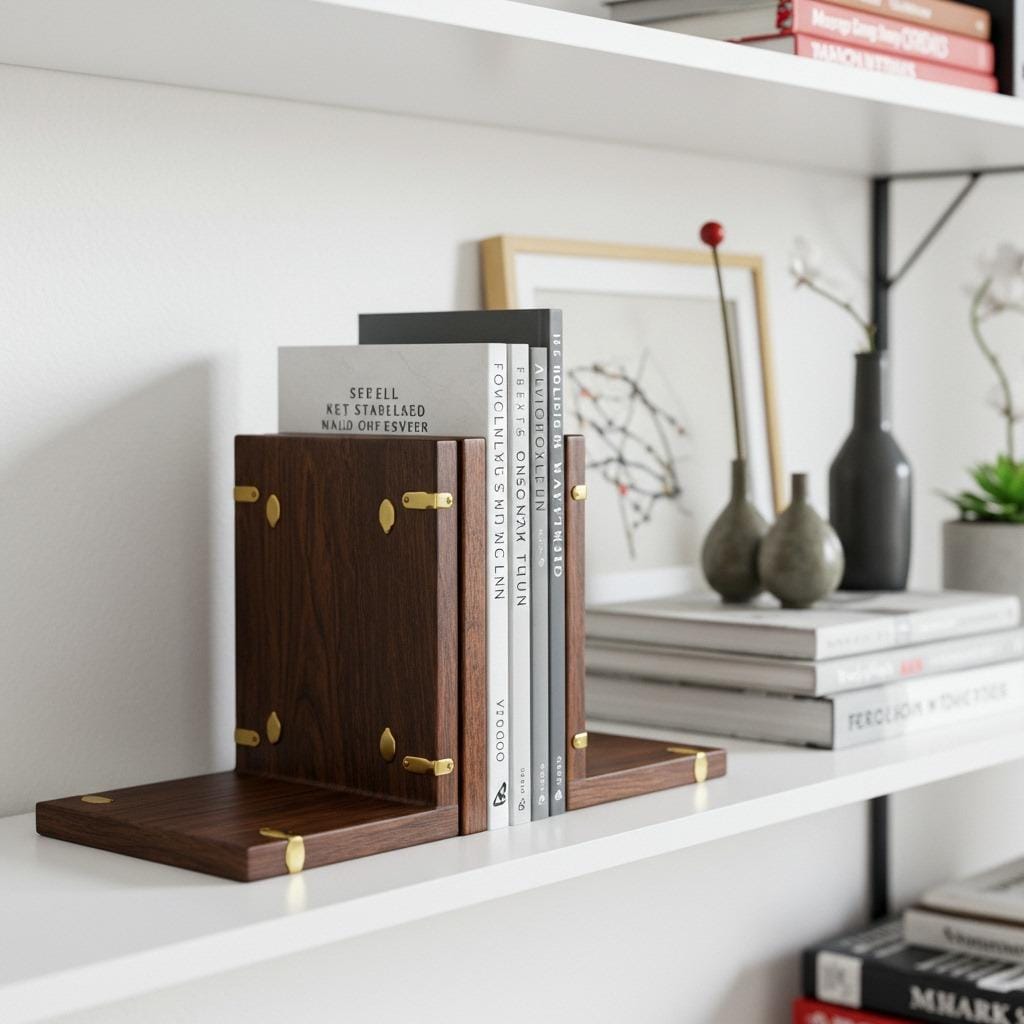
Heavy objects like small sculptures, vintage irons, or interesting rocks can serve as bookends while adding visual weight to your arrangements. Just make sure they’re actually heavy enough to do the job – there’s nothing worse than bookends that can’t keep books upright.
For inspiration on incorporating vintage and unique pieces, explore these upcycled furniture ideas that show how functional items can be beautiful too.
16. Regular Editing and Refreshing
Styled shelves aren’t “set it and forget it” features. Plan to refresh arrangements seasonally, adding new finds and removing items that no longer serve the display. This keeps your shelves feeling current and prevents them from becoming cluttered over time.
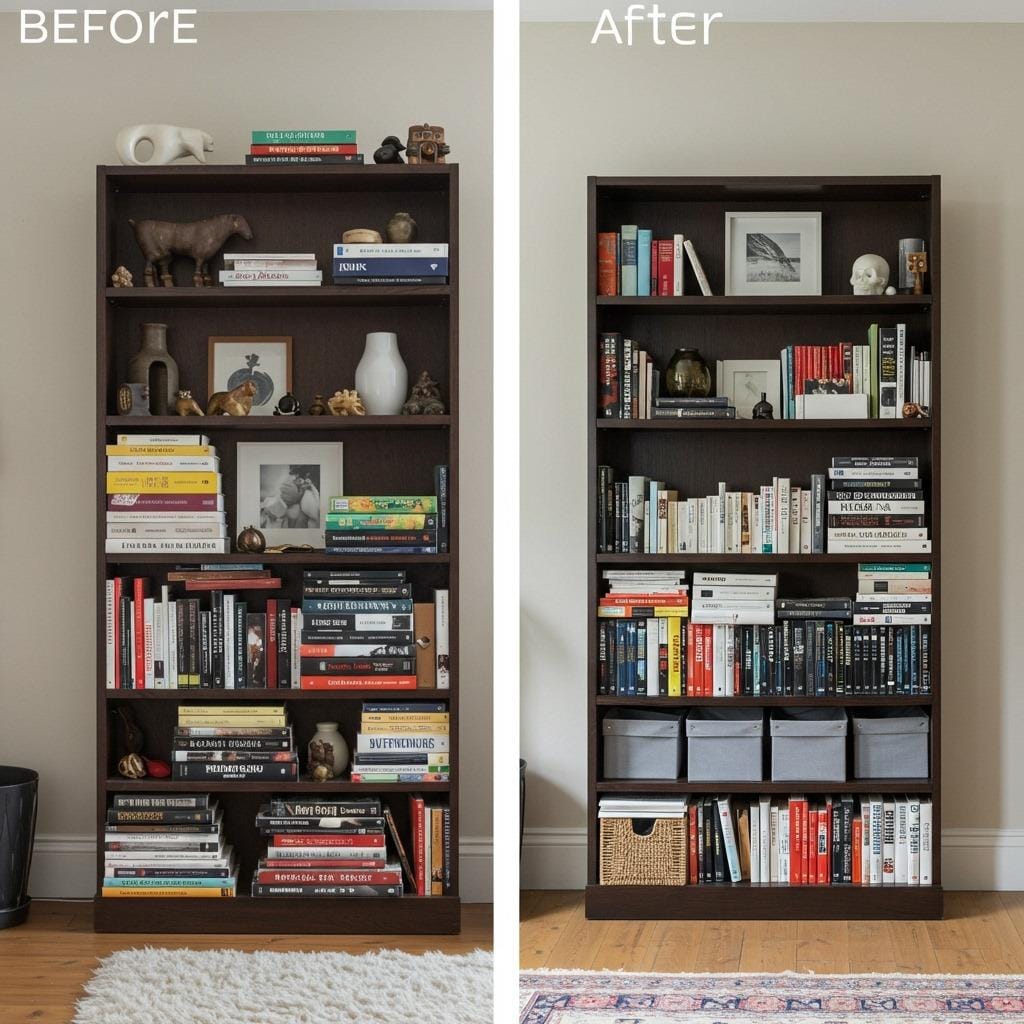
Take photos of arrangements you love so you can recreate successful combinations when you’re rearranging. Sometimes the best styling happens by accident, and photos help you remember what worked.
Regular editing also gives you permission to rotate items in and out of storage, so not everything has to live on the shelves all the time. Seasonal swaps keep displays fresh without requiring constant shopping for new decor.
The most beautiful bookshelves balance function with form, personality with polish. They’re places where your favorite reads live alongside objects that make you smile, arranged in ways that feel both intentional and effortless. Start with these techniques, but remember that the best styling reflects your own taste and lifestyle.
Your shelves should work for how you actually live – accessible enough that you’ll grab books regularly, beautiful enough that you’ll want to keep them tidy. When you nail that balance, you’ve created something truly worth styling.
For more ideas on maximizing your space’s potential, check out these floating shelves living room tips that can inspire your bookshelf styling journey.

Sanjai creates easy, affordable home decor ideas that anyone can try. Through simple tips and curated finds, he helps you style rooms you’ll love coming home to.