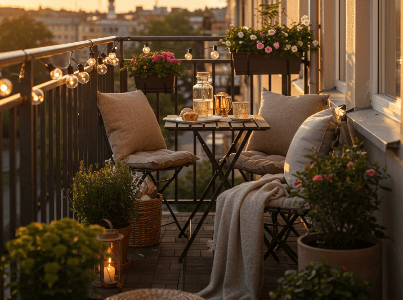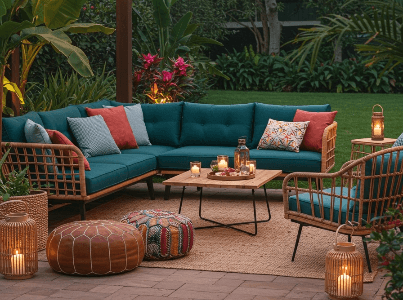
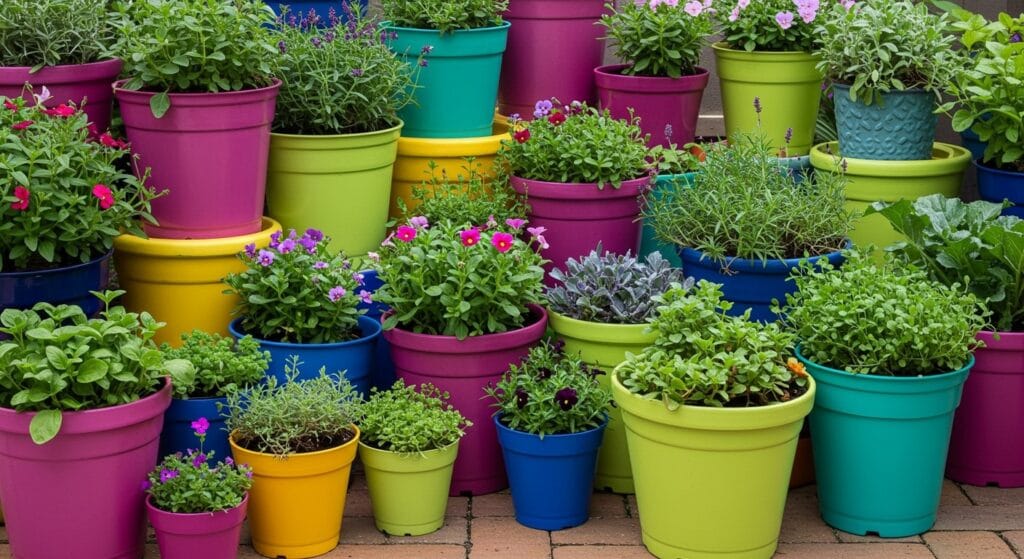
Your patio holds incredible potential beyond just outdoor furniture. Whether you’re working with a tiny balcony or spacious deck, container gardening for patios opens up endless possibilities to create your own green sanctuary. The beauty lies in the flexibility – you can rearrange, experiment, and even bring sensitive plants indoors when needed.
Starting a container garden feels overwhelming at first, but it’s actually one of the most forgiving ways to grow plants. You control everything from soil quality to drainage, making it perfect for beginners and seasoned gardeners alike. Plus, there’s something magical about stepping outside to fresh herbs for dinner or morning coffee surrounded by blooms you’ve nurtured yourself.
Container gardening transforms even the smallest patio into a living, breathing extension of your home. Let’s explore ideas that’ll have your neighbors asking for tips and your social media followers double-tapping every garden photo you share.
1. Vertical Herb Garden Tower

Creating height in your patio garden maximizes growing space without sacrificing floor area. A vertical herb tower brings fresh flavors within arm’s reach while creating an impressive focal point. You can build one using reclaimed wood or repurpose a ladder-style plant stand.
The key to success lies in plant placement – put herbs you use most frequently at eye level for easy harvesting. Mediterranean herbs like rosemary and thyme thrive in the upper sections where drainage is best, while leafy herbs like basil prefer the middle tiers with more consistent moisture.
This setup works beautifully for small balcony makeover ideas since it creates the illusion of a full garden in minimal square footage. Your cooking will never be the same once you start snipping fresh herbs just steps from your kitchen.
2. Mixed Succulent Arrangements

Succulents offer the perfect solution for busy lifestyles and challenging patio conditions. These resilient plants thrive in containers and forgive occasional neglect, making them ideal for container plants that need minimal maintenance. Their sculptural shapes and varied colors create instant visual interest.
Mix different textures and growth patterns within single containers for dynamic arrangements. Combine upright varieties like jade plants with trailing sedums that cascade over container edges. The contrast creates depth and movement that catches the eye from every angle.
Grouping containers of different heights adds layers to your display. Place larger statement pieces in corners and smaller arrangements on plant stands or side tables. This creates a cohesive look while allowing each succulent arrangement to shine individually.
3. Colorful Annual Flower Display

Annual flowers bring instant color and continuous blooms throughout the growing season. Unlike perennials, they’re bred for maximum flower production, giving you the biggest visual impact for your container gardening efforts. The key is choosing varieties with similar water and light requirements.
Create a cohesive color scheme by selecting flowers in complementary hues. A purple, white, and yellow combination looks fresh and vibrant, while hot pink, orange, and red creates drama and energy. Don’t forget to include some neutral greens to balance bold colors.
Deadheading spent blooms keeps your display looking fresh and encourages more flowers. This simple maintenance task takes just minutes each week but makes a dramatic difference in your patio’s appearance. Your containers will look professionally maintained with this one trick.
4. Edible Container Garden

Growing your own food in containers brings the farm-to-table experience right to your patio. Cherry tomatoes, peppers, and leafy greens perform exceptionally well in containers, often producing better yields than traditional garden beds due to controlled growing conditions.
Choose containers at least 12 inches deep for most vegetables, with larger varieties needing 18-24 inches. Tomatoes require the largest containers – at least 20 gallons – but the reward of sun-warmed tomatoes picked fresh for your salad makes the investment worthwhile.
Companion planting works beautifully in container gardens. Pair basil with tomatoes, plant lettuce around pepper plants for living mulch, or add nasturtiums for natural pest control. This approach maximizes your harvest while creating visually appealing combinations that look intentional and designed.
5. Seasonal Container Rotation

Planning for seasonal changes keeps your patio garden looking fresh year-round. Spring bulbs give way to summer annuals, which transition to fall mums and winter evergreens. This rotation system means your patio never looks tired or forgotten.
Start planning your next season while the current one is at its peak. Order spring bulbs in late summer, start cool-weather flowers in late summer for fall planting, and collect evergreen branches for winter arrangements. This forward-thinking approach ensures seamless transitions.
Storage becomes important with seasonal rotations. Designate space in your garage or shed for off-season containers and plants. Label everything clearly so you remember what’s what when planting time arrives. A simple organization system saves time and prevents costly mistakes.
6. Fragrant Evening Garden

Evening-blooming and fragrant plants transform your patio into a sensory retreat after dark. Many fragrant flowers release their strongest scents in the evening, creating an enchanting atmosphere for dinner parties or quiet relaxation. White flowers show up beautifully in moonlight and artificial lighting.
Night-blooming jasmine, four o’clocks, and evening primrose offer incredible fragrance that intensifies as temperatures cool. Plant these in containers near seating areas where their perfume can be fully appreciated. The fragrance often carries further than expected, delighting neighbors and passersby.
Consider adding subtle lighting to showcase your evening garden. Outdoor lighting ideas for patio spaces can highlight container arrangements while creating ambiance. Solar-powered spotlights work well for highlighting individual specimen plants without running electrical lines.
7. Drought-Tolerant Container Collection

Water-wise container gardening makes sense environmentally and practically. Drought-tolerant plants often require less maintenance while providing interesting textures, colors, and forms. Mediterranean herbs, ornamental grasses, and native plants adapt well to container life with minimal water requirements.
Terracotta containers work particularly well for drought-tolerant plants since they’re porous and allow excess moisture to evaporate. This prevents root rot while creating an authentic, natural look that complements Mediterranean-style plants perfectly.
Mulching container surfaces with decorative gravel or small stones reduces water evaporation while adding visual interest. Choose mulch colors that complement your plant palette – gray gravel works well with silver-leaved plants, while red rock enhances purple and burgundy foliage.
8. Miniature Tree Collection

Dwarf fruit trees and ornamental trees in containers create dramatic focal points while providing shade and seasonal interest. Many fruit trees are grafted onto dwarf rootstock specifically for container growing, producing full-sized fruit on manageable plants perfect for patio gardening.
Japanese maples offer incredible seasonal color changes in containers, from bright spring greens to fiery fall reds and oranges. Their delicate branching structure creates beautiful silhouettes against walls or fences, adding an artistic element to your outdoor space.
Large containers are essential for tree success – minimum 20-25 gallons for most varieties. Choose containers with adequate drainage holes and consider adding casters for easy repositioning. Trees in containers can be moved to protect from harsh weather or rearranged for design purposes.
9. Water Garden Containers

Water features add tranquility and attract beneficial wildlife to your patio space. Container water gardens require no digging or permanent installation, making them perfect for renters or those wanting flexibility in their outdoor spaces ideas.
Choose containers at least 18 inches deep and wide for best results. Dark-colored containers help control algae growth while creating beautiful reflections. Add aquatic plants like water lilies, lotus, or water hyacinth for natural beauty and water filtration.
Small solar fountains or bubblers add movement and sound without requiring electrical connections. The gentle sound of moving water masks traffic noise and creates a peaceful atmosphere perfect for morning coffee or evening relaxation.
10. Themed Color Gardens

Creating themed color gardens in containers allows for bold design statements that would be difficult to achieve in traditional garden beds. Monochromatic schemes create sophisticated, cohesive looks while allowing you to experiment with different textures and plant forms within your chosen color palette.
A white garden feels elegant and peaceful, especially beautiful in evening light. Combine white flowers with silver and gray foliage plants for depth and interest. White blooms often have the strongest fragrance, adding another sensory layer to your design.
Hot color themes energize spaces and work well in sunny locations where bold colors won’t fade quickly. Mix warm yellows, oranges, and reds for maximum impact. These colors complement terracotta containers beautifully and create Mediterranean or southwestern vibes.
11. Trailing and Cascading Display

Trailing plants soften hard edges and create movement in container displays. Elevating containers on plant stands, benches, or hanging them from overhead structures maximizes the cascading effect while drawing the eye upward to make spaces feel larger.
Sweet potato vines provide incredible foliage color in chartreuse, purple, or variegated patterns. They grow quickly and trail beautifully, filling in gaps between containers while adding tropical flair to any patio design. These versatile plants thrive in both sun and partial shade.
Mixing trailing plants with upright varieties in single containers creates naturally balanced arrangements. Let trailing elements spill over edges while upright plants provide structure and height. This combination mimics natural growing patterns and looks effortlessly beautiful.
12. Pollinator-Friendly Container Garden

Supporting local pollinators through container gardening helps the environment while bringing life and movement to your patio. Native flowering plants in containers attract bees, butterflies, and hummingbirds, creating a dynamic ecosystem right outside your door.
Choose plants that bloom at different times throughout the season to provide consistent nectar sources. Early spring bulbs feed newly emerged bees, summer annuals support peak pollinator activity, and late-blooming asters provide crucial fall nutrition before winter dormancy.
Avoid using pesticides in your pollinator containers, even organic ones during blooming periods. Hand-picking pests or using soap sprays in the evening when pollinators are less active protects beneficial insects while controlling problems naturally.
13. Foliage-Focused Arrangements

Foliage plants provide consistent color and interest without depending on blooming cycles. Leaves come in incredible varieties of colors, patterns, and textures that create stunning combinations lasting throughout the growing season. Many foliage plants also tolerate partial shade better than flowering varieties.
Coleus offers some of the most dramatic foliage colors available – deep purples, bright limes, variegated patterns, and burgundy tones that rival any flower display. These fast-growing plants fill containers quickly and look amazing combined with other foliage plants in complementary colors.
Consider leaf textures when planning foliage combinations. Mix smooth, glossy leaves with fuzzy or serrated varieties for tactile interest. Large, bold leaves balance delicate, fine-textured foliage, creating depth and visual weight in your arrangements.
14. Compact Vegetable Garden

Small space gardening tricks make it possible to grow substantial amounts of food in containers. Compact and dwarf vegetable varieties are bred specifically for container growing, producing full-sized harvests on smaller plants perfect for patio conditions.
Bush varieties of beans, peas, and squash eliminate the need for extensive trellising while still providing good yields. Cherry tomatoes often produce more fruit per plant than full-sized varieties and are perfectly suited to container growing with proper support systems.
Succession planting in containers extends harvest seasons and maximizes production. Plant lettuce and radishes every two weeks for continuous harvests, or replace spent crops with new plantings throughout the season. This approach keeps containers productive and visually appealing.
15. Multi-Season Interest Containers

Planning for year-round interest requires selecting plants with multiple seasons of appeal. Evergreen shrubs provide winter structure, spring bulbs add early color, summer perennials offer blooms and foliage, while fall brings berry displays and foliage changes.
Ornamental grasses add movement and sound to container gardens while providing winter interest with their dried seed heads and foliage. Many grasses look beautiful through winter months, adding texture and height when other plants are dormant.
Layer different plants with varying bloom times and seasonal highlights in large containers. Plant spring bulbs around the base of small shrubs, add summer annuals for color, and include plants with interesting bark or winter berries for cold-season appeal. This approach creates containers that earn their space year-round.
Creating Your Perfect Patio Paradise
Container gardening for patios offers unlimited creative possibilities without the commitment of traditional garden beds. Start with one or two ideas that appeal to you most, then expand your collection as you gain confidence and discover what thrives in your specific conditions.
Success comes from matching plants to your patio’s light conditions, choosing appropriate container sizes, and maintaining consistent watering schedules. Remember that containers dry out faster than ground plantings, especially during hot weather or windy conditions.
Your patio container garden should reflect your personality and needs. Whether you prefer low-maintenance succulents, productive vegetable gardens, or colorful flower displays, there’s a container gardening approach that’s perfect for your lifestyle. The key is starting somewhere and letting your garden evolve naturally as you discover what brings you the most joy.
Consider incorporating some of these ideas into your broader outdoor seating ideas to create a cohesive outdoor living space. Container gardens work beautifully alongside comfortable seating areas, creating intimate spaces for relaxation and entertainment.
The beauty of container gardening lies in its flexibility and forgiveness. If something doesn’t work, you can easily change it next season. If a combination looks amazing, you can recreate it year after year. Your patio garden becomes a creative expression that grows and changes with you, providing endless opportunities for experimentation and enjoyment.
According to the National Gardening Association, container gardening is one of the fastest-growing segments of home gardening, with millions of people discovering the joys of growing plants in small spaces. This trend shows no signs of slowing as more people recognize the benefits of bringing nature close to home through creative container displays.

Sanjai creates easy, affordable home decor ideas that anyone can try. Through simple tips and curated finds, he helps you style rooms you’ll love coming home to.