Looking out at your backyard and feeling like something’s missing? You’re not alone. Many homeowners stare at their outdoor spaces wondering how to turn that blank canvas into something truly special. The good news is that garden landscaping doesn’t have to be overwhelming or expensive.
Whether you’re working with a sprawling yard or a cozy corner, the right landscaping approach can completely transform how you experience your outdoor space. From creating intimate seating nooks to designing dramatic focal points, these ideas will help you craft a garden that feels like your own private retreat.
What makes landscaping so exciting is how it combines creativity with practicality. You’re not just making things look pretty – you’re creating functional spaces where memories happen. Let’s explore some inspiring ways to bring your outdoor vision to life.
1. Create Layered Garden Beds with Mixed Heights

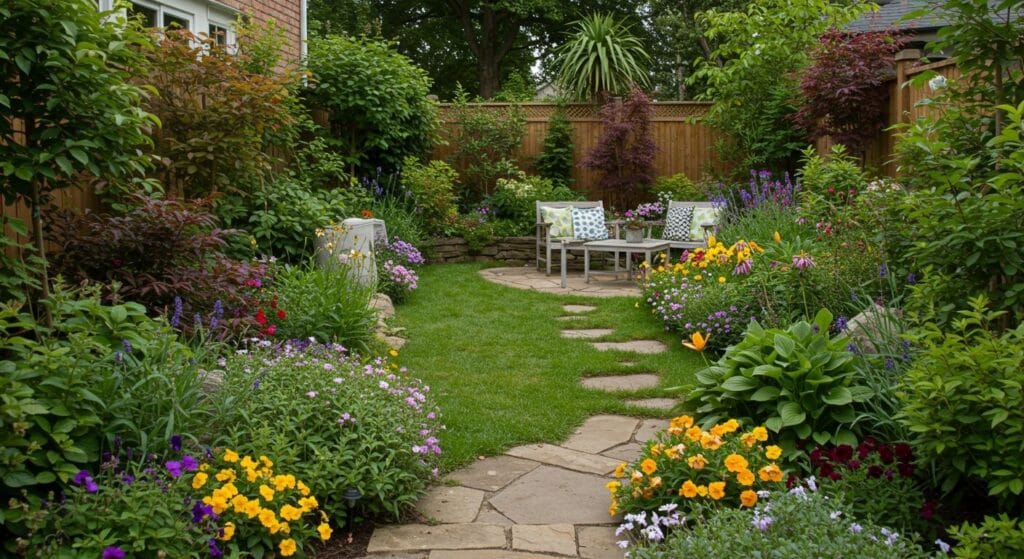
The magic of professional-looking garden design often comes down to one simple principle: layering. Instead of planting everything at the same height, think about creating visual depth by arranging plants in tiers. Place taller specimens like ornamental grasses or shrubs toward the back, medium-height perennials in the middle, and ground-covering plants or annuals in front.
This layered approach mimics how plants grow naturally in the wild. It also ensures that every plant gets its moment to shine instead of hiding behind others. The key is choosing plants that bloom at different times throughout the season, so you always have something interesting happening in your beds.
Consider mixing textures too – pair broad-leafed hostas with spiky lavender, or soft lamb’s ear with architectural succulents. This creates visual interest even when nothing is blooming. For those looking to maximize their outdoor spaces, layered beds offer the most impact per square foot.
2. Design Meandering Stone Pathways

Straight lines might be efficient, but they’re not very inviting. A gently curving pathway draws people forward, creating anticipation about what’s around the next bend. Natural stone, brick, or even well-placed stepping stones can transform a simple walk across your yard into a delightful journey.
The beauty of meandering paths lies in how they make spaces feel larger than they actually are. By taking visitors on a gentle curve instead of a direct route, you’re essentially stretching the experience of moving through your garden. This works especially well in smaller yards where every square foot counts.
Don’t forget to let some plants spill over the edges of your pathway. This softens hard lines and creates that cottage garden feel that’s so popular on Pinterest. Low-growing herbs like thyme or creeping phlox work beautifully for this purpose and release wonderful scents when stepped on.
3. Install a Dramatic Water Feature

Water has this incredible ability to transform the entire atmosphere of a space. Even a simple fountain or small pond can turn your garden into a tranquil retreat. The sound of moving water masks traffic noise and creates a sense of privacy, while the visual element adds instant sophistication to any landscape design.
You don’t need a massive budget to incorporate water into your garden landscaping. Small solar-powered fountains, bubbling rock features, or even a simple bird bath can provide that magical water element. The key is choosing something that fits the scale and style of your space.
Position your water feature where you can enjoy it from multiple viewpoints – perhaps visible from your kitchen window or outdoor seating area. The reflection and movement of water create ever-changing patterns of light that keep your garden visually interesting throughout the day.
4. Build Raised Planting Beds with Natural Materials

Raised beds aren’t just practical – they’re also incredibly stylish. By elevating your planting areas, you create clear definition in your landscape while making gardening easier on your back. The structured lines of raised beds provide a nice contrast to the organic shapes of plants, creating visual balance in your overall design.
Natural materials like cedar, stone, or even recycled composite lumber can create raised beds that complement your home’s architecture. The height also allows you to create perfect growing conditions for different types of plants by controlling soil composition and drainage. If you’re interested in growing your own food, check out these DIY raised garden bed ideas for inspiration.
Think beyond traditional rectangular shapes too. Curved or terraced raised beds can follow the natural contours of your land and create more dynamic visual interest. Just remember to keep pathways between beds wide enough for comfortable access and maintenance.
5. Add Vertical Interest with Pergolas and Arbors

Sometimes the most impactful changes happen when you start thinking vertically. Pergolas, arbors, and trellises add height and structure to your garden while providing support for climbing plants. These vertical elements create outdoor rooms and define different areas of your landscape.
A well-placed pergola can transform an empty patio into an intimate outdoor dining room. Train climbing roses, clematis, or grapevines over the structure, and you’ll have a living ceiling that provides shade and beauty. The interplay of light and shadow filtering through the vines creates a magical atmosphere that changes throughout the day.
Even smaller vertical elements like obelisks or simple trellises can add structure to garden beds. They provide support for climbing vegetables or flowers while creating focal points that draw the eye upward. This vertical layering makes your garden feel more mature and established, even if you’ve just planted it.
6. Create Intimate Seating Nooks

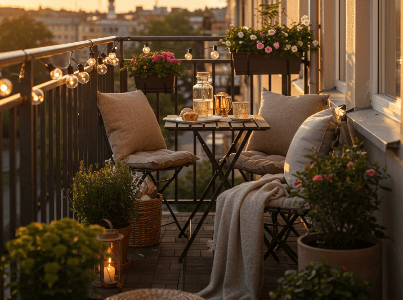
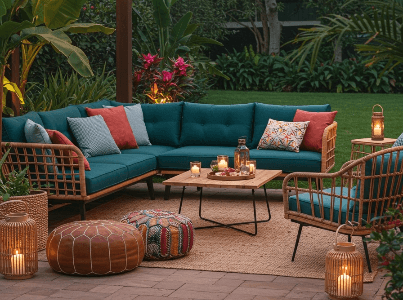
The most successful gardens aren’t just beautiful to look at – they invite you to stay and enjoy them. Creating small seating areas throughout your landscape gives you multiple ways to experience your outdoor space. Maybe it’s a bench tucked under a flowering tree or a small bistro set surrounded by fragrant herbs.
The key to creating inviting seating areas is providing a sense of enclosure and privacy. Use taller plants, screens, or even a backyard privacy screen to create intimate spaces that feel separate from the rest of the world. This makes your garden feel like a true retreat.
Consider the practical aspects too – morning sun for your coffee spot, afternoon shade for reading, evening views for unwinding. Different seating areas can be designed for different times of day and activities, making your outdoor space incredibly functional and enjoyable.
7. Design a Colorful Cutting Garden

There’s something deeply satisfying about being able to cut fresh flowers from your own garden. A dedicated cutting garden area not only provides you with beautiful bouquets but also creates a stunning display in the landscape. Unlike ornamental gardens where you might hesitate to cut flowers, cutting gardens are designed to be harvested.
Plant flowers in rows or blocks for easy maintenance and harvesting. Choose varieties that produce continuously throughout the season, like zinnias, cosmos, marigolds, and sunflowers. Mix in some foliage plants like dusty miller or coleus for interesting textures in your arrangements.
The beauty of cutting gardens is that they look wonderful even when you’re regularly harvesting from them. In fact, the more you cut, the more they produce. It’s also a great way to experiment with different flower varieties without the pressure of creating perfect ornamental displays.
8. Incorporate Native Plants for Low-Maintenance Beauty

Native plants are having a major moment in landscape design, and for good reason. These plants have evolved to thrive in your specific climate and soil conditions, which means less watering, fertilizing, and pest control once they’re established. They also provide crucial habitat for local wildlife, including pollinators.
The aesthetic appeal of native plants is often understated. Many people think native means weedy or unkempt, but that couldn’t be further from the truth. Native plant gardens can be just as structured and beautiful as traditional landscapes, but with a more relaxed, natural feel that’s perfect for today’s lifestyle.
Research what plants are native to your specific region – you might be surprised by the beautiful options available. Native ornamental grasses, wildflowers, and shrubs can create stunning combinations that look effortless but are actually quite sophisticated in their design.
9. Build a Stunning Fire Feature for Year-Round Enjoyment

Fire features extend the usability of your outdoor space well into the cooler months. Whether it’s a built-in fire pit, portable fire bowl, or dramatic outdoor fireplace, adding fire to your landscape creates an irresistible gathering spot. The flickering flames provide both warmth and ambiance that draws people together.
Consider the placement carefully – you want your fire feature to be the focal point of a seating area while maintaining safe distances from plants and structures. Surrounding the fire area with heat-tolerant plants and non-flammable materials like stone or gravel creates a cohesive design that’s both beautiful and safe.
For those interested in creating a comprehensive outdoor entertainment area, explore these outdoor fire pit ideas that show how fire features can anchor your entire landscape design. The key is creating a space that feels intentional and integrated with the rest of your garden.
10. Design Multi-Season Interest with Evergreen Structure

The mark of truly thoughtful landscape planning is creating a garden that looks good in every season. While flowering plants provide spectacular spring and summer displays, evergreen plants form the backbone of your garden’s year-round structure. These plants ensure your landscape never looks bare or forgotten.
Mix different types of evergreens to create varied textures and colors. Combine needle-bearing conifers with broad-leafed evergreens like rhododendrons or holly. Include plants with interesting bark, persistent berries, or striking winter silhouettes to add visual interest during dormant seasons.
Don’t forget about ornamental grasses and plants with attractive seed heads that provide movement and texture throughout fall and winter. These elements ensure your garden has something beautiful to offer in every month, not just during peak growing season.
11. Create Dramatic Entrance Features

First impressions matter, especially when it comes to landscape design. Creating a dramatic entrance to your garden or property sets the tone for everything that follows. This could be as simple as an attractive gate flanked by large planters or as elaborate as a covered arbor dripping with climbing roses.
The entrance feature should complement your home’s architectural style while providing a clear transition from public to private space. Use materials and colors that tie into your home’s exterior to create visual cohesion. Large-scale plantings on either side of the entrance create symmetry and grandeur.
Consider adding elements that engage multiple senses – fragrant plants that welcome visitors with scent, the sound of a small water feature, or interesting textures that invite touch. These details make your entrance memorable and set your landscape apart from typical suburban yards.
12. Install Creative Outdoor Lighting for Evening Magic

Outdoor lighting is often an afterthought, but it shouldn’t be. Thoughtful lighting extends your enjoyment of the garden into evening hours while highlighting your landscape’s best features. It also adds an element of safety and security to your outdoor space.
Layer different types of lighting for the most dramatic effect. Use path lights to define walkways, uplight special trees or architectural features, and add ambient lighting around seating areas. String lights or lanterns can create a festive atmosphere for entertaining.
For more ideas on creating the perfect outdoor ambiance, check out these outdoor lighting ideas for patio spaces. The key is avoiding over-lighting – you want to create pools of light and shadow that add mystery and drama to your garden.
13. Design a Productive Kitchen Garden with Style

Growing your own food doesn’t mean sacrificing style. Modern kitchen gardens, or potagers, combine the productivity of vegetable gardening with ornamental design principles. The result is a space that’s both beautiful and functional, providing fresh ingredients for your table while contributing to your overall landscape design.
Design your kitchen garden with the same attention to layout and aesthetics as any ornamental garden. Use attractive edging materials, create symmetrical patterns, and mix vegetables with herbs and edible flowers for visual interest. Many vegetables are quite beautiful in their own right – think of the architectural quality of kale or the cheerful flowers of nasturtiums.
Consider incorporating permanent features like a small greenhouse, decorative plant supports, or a potting bench that add structure and function to the space. These elements ensure your kitchen garden looks intentional and beautiful even during off-season months.
14. Add Sculptural Elements and Garden Art

Garden art and sculptural elements add personality and focal points to your landscape design. These features can be anything from a classical statue to a modern metal sculpture to a simple but beautiful large vessel used as a planter. The key is choosing pieces that complement your garden’s overall style and scale.
Position garden art thoughtfully – use it to create focal points at the end of pathways, in the center of garden beds, or as surprise elements discovered around corners. The surrounding plants should complement and frame the art piece without overwhelming it.
Consider the changing seasons when placing garden art. A sculpture that looks perfect surrounded by summer blooms might feel stark in winter unless it’s positioned thoughtfully. Some of the most effective garden art pieces are those that look beautiful year-round and actually improve the garden during dormant seasons.
15. Create Natural Privacy Screens with Plants

Privacy in outdoor spaces doesn’t have to come from ugly fences. Living privacy screens created from plants offer beauty, habitat for wildlife, and the privacy you need to truly relax in your garden. The key is choosing plants that provide screening without looking like a solid wall.
Consider the mature size and growth habits of screening plants carefully. Fast-growing options like bamboo can quickly provide privacy but may require regular management. Evergreen options provide year-round screening, while deciduous plants offer seasonal variation and often beautiful fall color.
Layer different plants at various heights for the most natural-looking privacy screen. Combine tall shrubs or small trees with medium-height perennials and ground covers to create depth and interest while still providing the screening function you need.
16. Design Seasonal Container Gardens

Container gardening offers incredible flexibility in landscape design. You can change your garden’s look with the seasons, experiment with plant combinations, and add impact to areas where in-ground planting isn’t possible. Large containers can serve as living sculptures that anchor seating areas or mark entrances.
Choose containers that complement your home’s architectural style and your garden’s overall design aesthetic. Group containers in odd numbers and vary the heights for the most pleasing visual arrangement. Don’t forget about the importance of proper drainage and choosing plants with similar water and light requirements.
Seasonal container gardens allow you to enjoy plants that might not be hardy in your climate. You can grow tropical plants in summer and move them indoors for winter, or create stunning spring displays with bulbs that can be stored and replanted each year.
17. Install a Living Wall or Vertical Garden

When ground space is limited, think vertically. Living walls and vertical gardens maximize your planting area while creating stunning focal points. These features work especially well in small spaces, on blank walls, or as unique design elements in larger gardens.
Modern vertical gardening systems make it easier than ever to create living walls. From simple trellis systems with climbing plants to complex hydroponic walls with integrated irrigation, there are options for every skill level and budget. For inspiration on maximizing vertical space, check out these vertical garden wall ideas.
Consider maintenance requirements when planning vertical gardens. Plants at the top of vertical systems dry out faster than those at the bottom, so choose plants accordingly. Automated irrigation systems can make maintenance much easier for larger vertical gardens.
18. Create Themed Garden Rooms

Dividing your landscape into themed garden rooms creates interest and makes larger spaces feel more intimate. Each room can have its own character and purpose – perhaps a Mediterranean herb garden, a cottage garden cutting area, or a modern minimalist space for contemplation.
Use different materials, plant palettes, and design styles to distinguish each garden room while maintaining some connecting elements that tie the overall landscape together. Transitions between rooms can be marked by changes in paving materials, gateway features, or shifts in plant styles.
The beauty of garden rooms is that they allow you to experiment with different styles without committing your entire landscape to one look. You might discover that you love the maintenance requirements of a particular style in a small area but wouldn’t want to manage it throughout your entire property.
19. Incorporate Sustainable and Eco-Friendly Features

Sustainable landscaping isn’t just environmentally responsible – it’s also incredibly beautiful. Features like rain gardens, composting areas, and wildlife habitat zones can be designed to enhance your landscape while supporting local ecosystems. These features often require less maintenance once established and provide educational opportunities for families.
Rain gardens and bioswales manage stormwater naturally while providing habitat for pollinators and birds. Native plant meadows offer low-maintenance alternatives to traditional lawn areas. Composting systems can be designed as attractive features that support your garden’s health while reducing waste.
Consider incorporating sustainable outdoor furniture and materials throughout your landscape design. These choices support environmental health while often providing unique aesthetic options that set your garden apart from conventional designs.
20. Design for Wildlife and Pollinator Support

Creating gardens that support wildlife and pollinators is not only environmentally important but also incredibly rewarding. Watching butterflies, bees, and birds enjoy your garden adds a dynamic element that brings your landscape to life. These gardens are often easier to maintain than traditional ornamental gardens because they work with natural systems.
Design pollinator gardens with something blooming throughout the growing season. Early spring bulbs, summer perennials, and fall-blooming asters ensure that pollinators have food sources from early spring through late fall. Include native plants whenever possible, as they’ve co-evolved with local wildlife and provide the most effective support.
Don’t forget about providing habitat as well as food. Include plants that serve as host plants for butterfly larvae, nesting sites for beneficial insects, and water sources for all wildlife. Even small gardens can make meaningful contributions to local ecosystem health while providing beautiful, low-maintenance landscapes.
Planning Your Garden Transformation
Creating a stunning landscape transformation doesn’t happen overnight, and it doesn’t have to break the bank. The key is developing a master plan that allows you to implement changes gradually while ensuring that each phase works together toward your ultimate vision.
Start by assessing your current landscape and identifying your priorities. Do you need more privacy? Better drainage? Space for entertaining? Understanding your functional needs helps guide design decisions and ensures your new landscape will truly improve your lifestyle. Consider working with the existing features of your property rather than fighting against them.
Think about your home improvement ideas holistically – how will your landscape improvements complement potential future changes to your home’s exterior? Creating a cohesive plan ensures that each improvement enhances the others rather than competing for attention.
Remember that the most successful garden transformations happen gradually. Focus on one area at a time, allowing yourself to enjoy each improvement while learning what works best in your specific conditions. This approach also spreads costs over time and allows you to adjust your plans based on how you actually use your outdoor space.
Your garden should reflect your personality and lifestyle while complementing your home’s architecture. The most Pinterest-worthy gardens aren’t necessarily the most complex – they’re the ones that feel authentic and well-loved. Whether you’re drawn to cottage garden romance, modern minimalism, or naturalistic prairie styles, the key is committing to your vision and implementing it thoughtfully.
The journey of transforming your outdoor space is just as rewarding as the destination. Each season will bring new discoveries, successful combinations, and lessons learned. Embrace the process of creating your own backyard paradise – it’s one of the most satisfying projects you’ll ever undertake.

Sanjai creates easy, affordable home decor ideas that anyone can try. Through simple tips and curated finds, he helps you style rooms you’ll love coming home to.