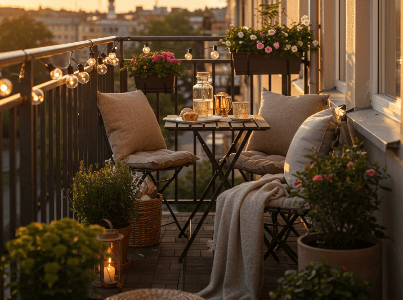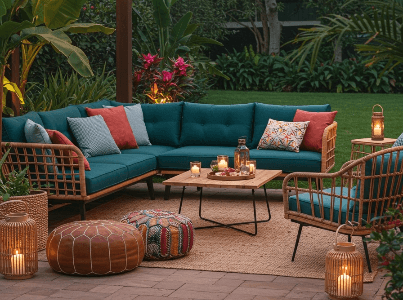

Your garden deserves more than just pretty plants – it needs spaces where you can actually sit back and enjoy all that natural beauty you’ve been nurturing. Whether you have acres of rolling lawn or a tiny urban patch, the right garden seating area can turn your outdoor space into your favorite room of the house.
I’ve been thinking about how many gorgeous gardens I’ve visited where there’s nowhere comfortable to sit and soak it all in. It’s like having a beautiful painting but no chair to sit back and admire it properly. That’s exactly what we’re fixing today with these 18 garden seating area ideas that’ll have you spending more time outdoors than inside.
From budget-friendly DIY solutions to elegant statement pieces, these ideas work for every style, space, and spending plan. Let’s explore how to create your perfect outdoor sanctuary.
1. Classic Garden Bench Under a Tree
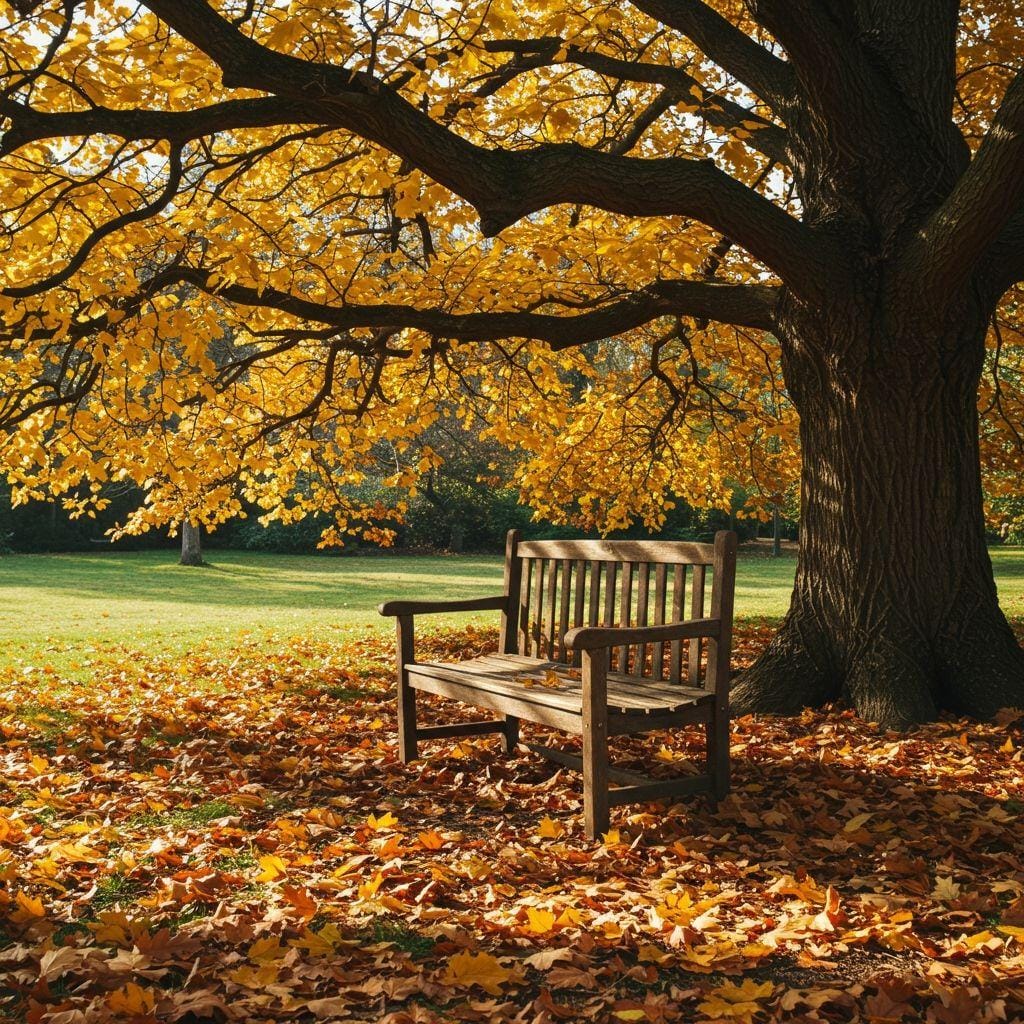
There’s something magical about a simple bench nestled under your favorite tree. This classic approach never goes out of style because it works with nature instead of fighting against it.
The key is choosing the right spot – look for a tree that provides good shade without dropping too much debris. Mature maples, oaks, or even fruit trees work beautifully. Position your bench where you’ll catch morning sun but afternoon shade, making it usable throughout the day.
Consider the bench material carefully. Teak weathers beautifully and develops a gorgeous silver patina, while cedar naturally resists insects and moisture. For budget-friendly options, pressure-treated pine painted in classic colors like sage green or weathered gray blends seamlessly into most garden settings.
2. Cozy Garden Corners with Built-in Seating
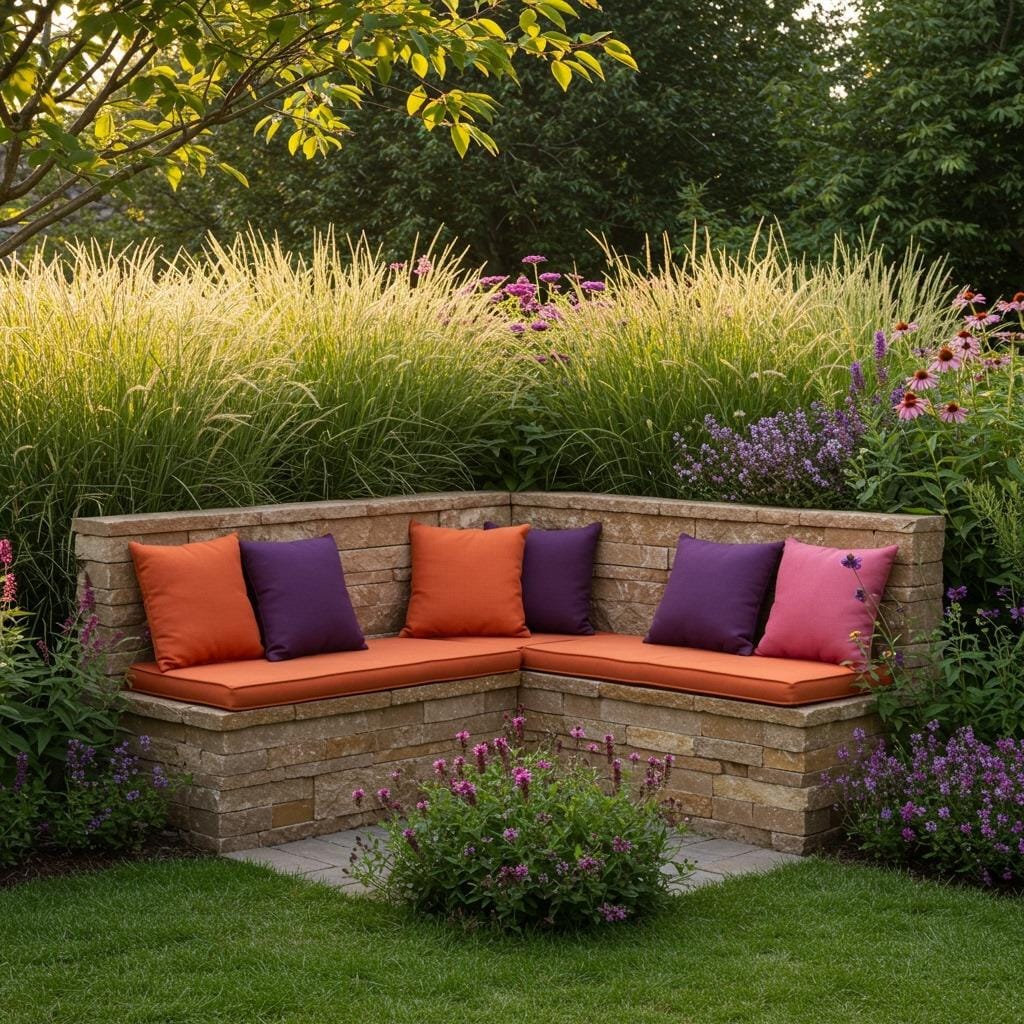
Sometimes the most intimate seating areas are the ones that feel like secrets waiting to be discovered. Built-in corner seating creates these magical hideaway spots that feel both intentional and organic.
Stone or brick built-ins work particularly well because they echo hardscaping elements like walkways or garden walls. The thermal mass also means they stay cool in summer heat – perfect for those afternoon reading sessions.
Don’t forget comfort though. Even the most beautiful stone bench needs cushions or throws to make it truly inviting. Weather-resistant outdoor fabrics in natural colors like terracotta, sage, or cream complement most garden palettes while providing the softness that makes you want to linger.
3. Modern Outdoor Sectional Setup
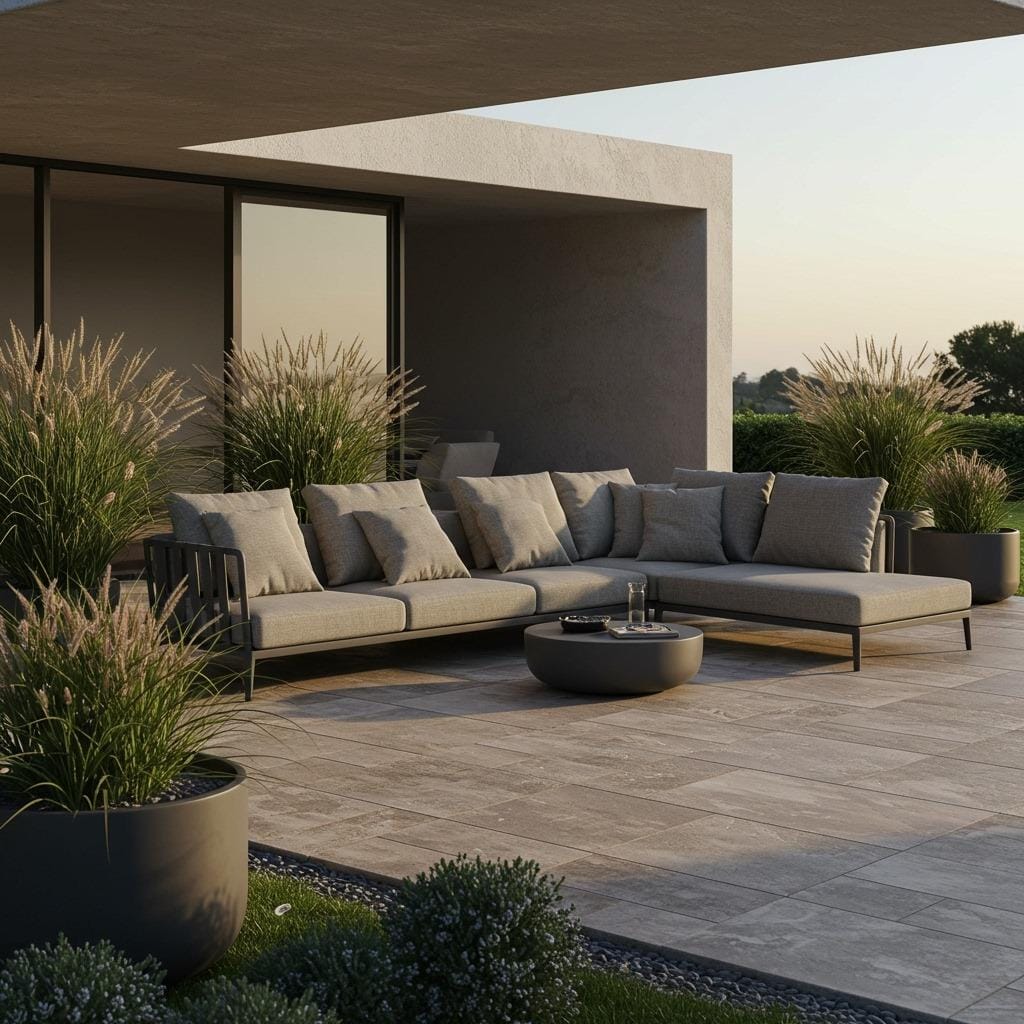
Who says garden seating has to be rustic? Modern outdoor sectionals bring living room comfort to your garden space, creating areas perfect for entertaining or family movie nights under the stars.
The trick with modern outdoor furniture is balancing sleek lines with natural surroundings. Choose pieces with clean profiles but softer colors – charcoal gray, warm taupe, or even deep forest green work better than stark white in garden settings.
These outdoor seating ideas work especially well on patios or decks that transition into garden spaces. The key is creating visual flow between your hardscaped seating area and the softer garden beyond through strategic plant placement and color coordination.
4. Rustic Log Seating Around Fire Pit
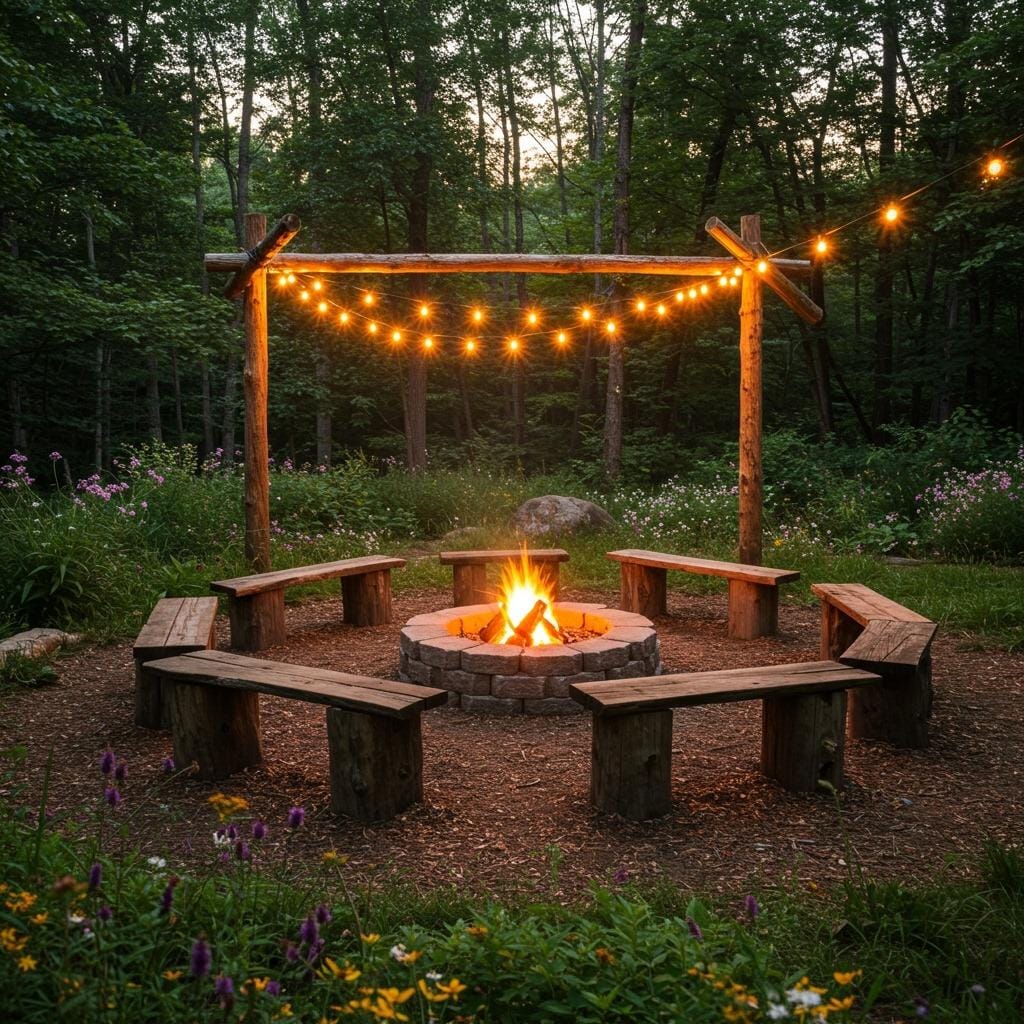
Nothing beats the primal appeal of gathering around a fire, and log seating keeps things beautifully simple and natural. This approach works whether you’re working with a formal fire pit or a simple DIY setup.
The beauty of log seating is its flexibility – logs can be moved, rearranged, or even stored away when not needed. Cedar logs last longest outdoors, but even fallen branches from your own property can work for temporary seating solutions.
Consider mixing log heights to create more interesting seating arrangements. Taller logs work as backrests, while shorter ones become footrests or side tables. For comfort, add weatherproof cushions or blankets that can be easily stored when not in use.
5. Elegant Wrought Iron Garden Set
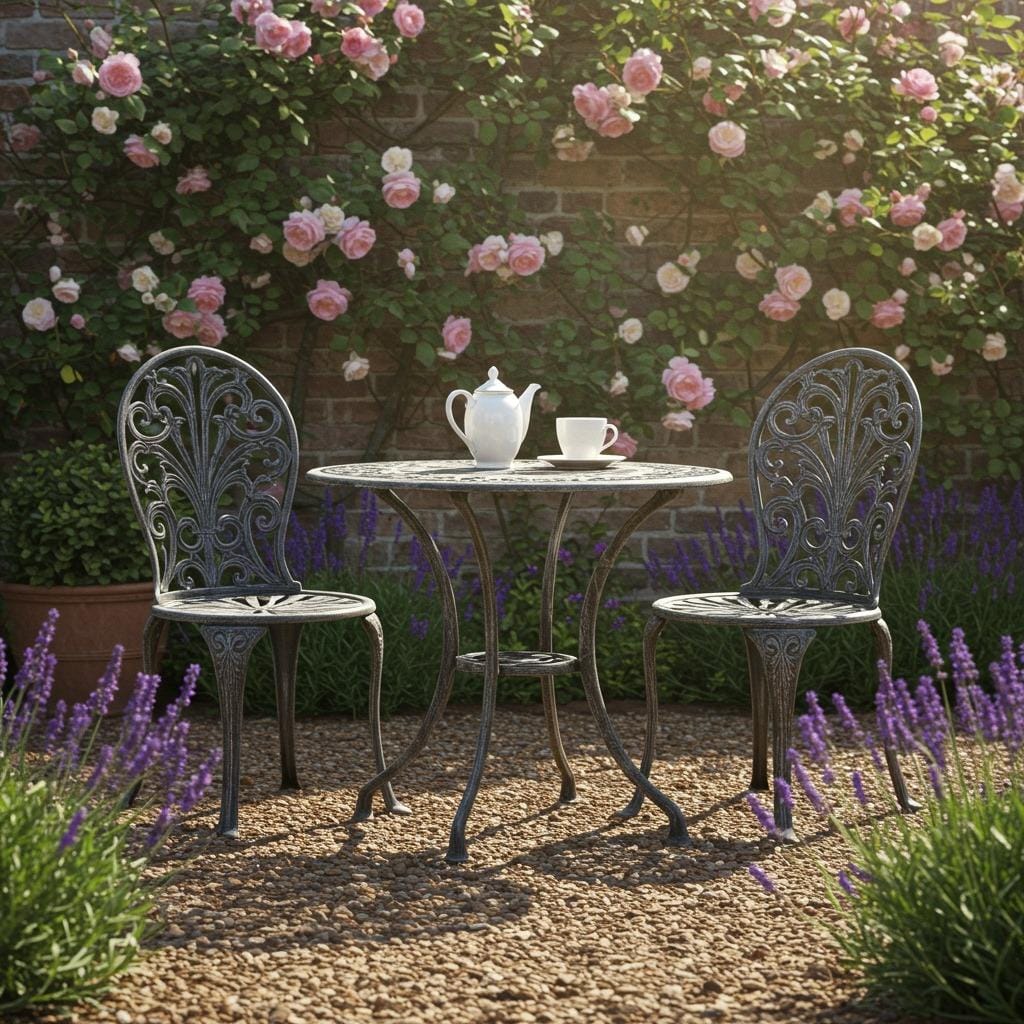
Wrought iron furniture brings old-world elegance to any garden space. These pieces often become beautiful focal points even when not in use, adding architectural interest throughout the seasons.
The durability of quality wrought iron means these pieces can stay outdoors year-round with minimal maintenance. Look for powder-coated finishes that resist rust and fading. Classic colors like deep green, charcoal, or traditional black work with virtually any garden style.
Comfort-wise, wrought iron can be unforgiving, so invest in good cushions. Tie-on seat pads in weather-resistant fabrics make long conversations much more pleasant. The intricate metalwork also pairs beautifully with flowing plants – let clematis or morning glories weave through the chair backs for a cottage garden feel.
6. Hanging Swing Seat in the Garden

There’s something inherently relaxing about gentle swaying motion that makes garden swings irresistible. Whether suspended from a sturdy tree branch or a custom pergola, swings add playful charm to any outdoor space.
Safety comes first with hanging swings. Make sure your support structure can handle at least three times the intended weight. For tree installations, use proper tree-friendly hardware that won’t damage the bark as the tree grows.
The swing itself can range from simple rope-and-board constructions to elaborate porch swings with built-in cushions. For outdoor spaces ideas that work in smaller gardens, consider compact single-person swings that take up minimal ground space while providing maximum relaxation.
7. Pergola with Integrated Bench Seating
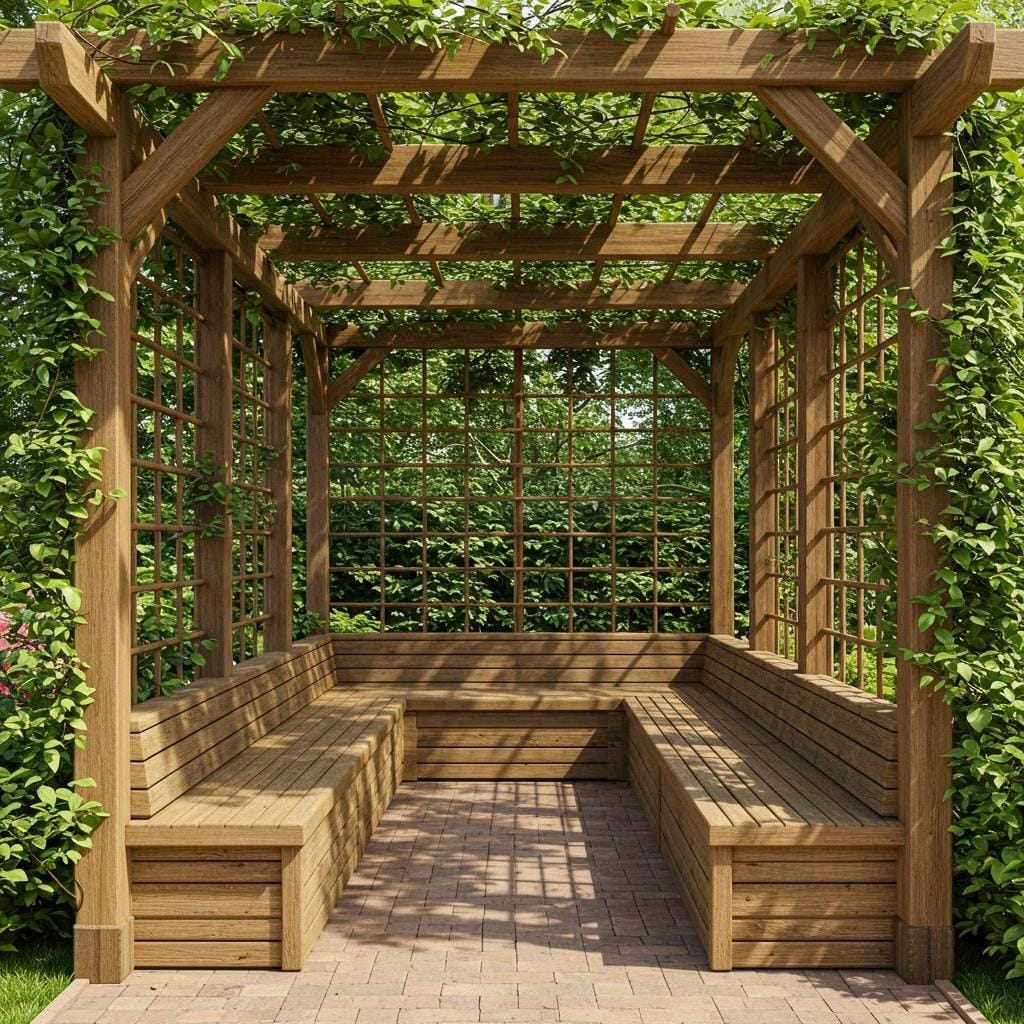
Pergolas create instant architecture in the garden, and when you integrate seating into the structure, you get both shelter and comfort in one elegant solution. This approach works particularly well for linear spaces or along garden borders.
The built-in bench approach maximizes seating while maintaining clean lines. Consider adding storage underneath the benches for garden tools, cushions, or outdoor games. Hinged tops make access easy while keeping everything weather-protected.
Plant selection becomes crucial with pergola seating. Fast-growing vines like grape, wisteria, or climbing roses provide shade relatively quickly. Just remember that some vines attract bees during flowering season – something to consider if you have family members with allergies.
8. Raised Garden Bed with Seating Edge
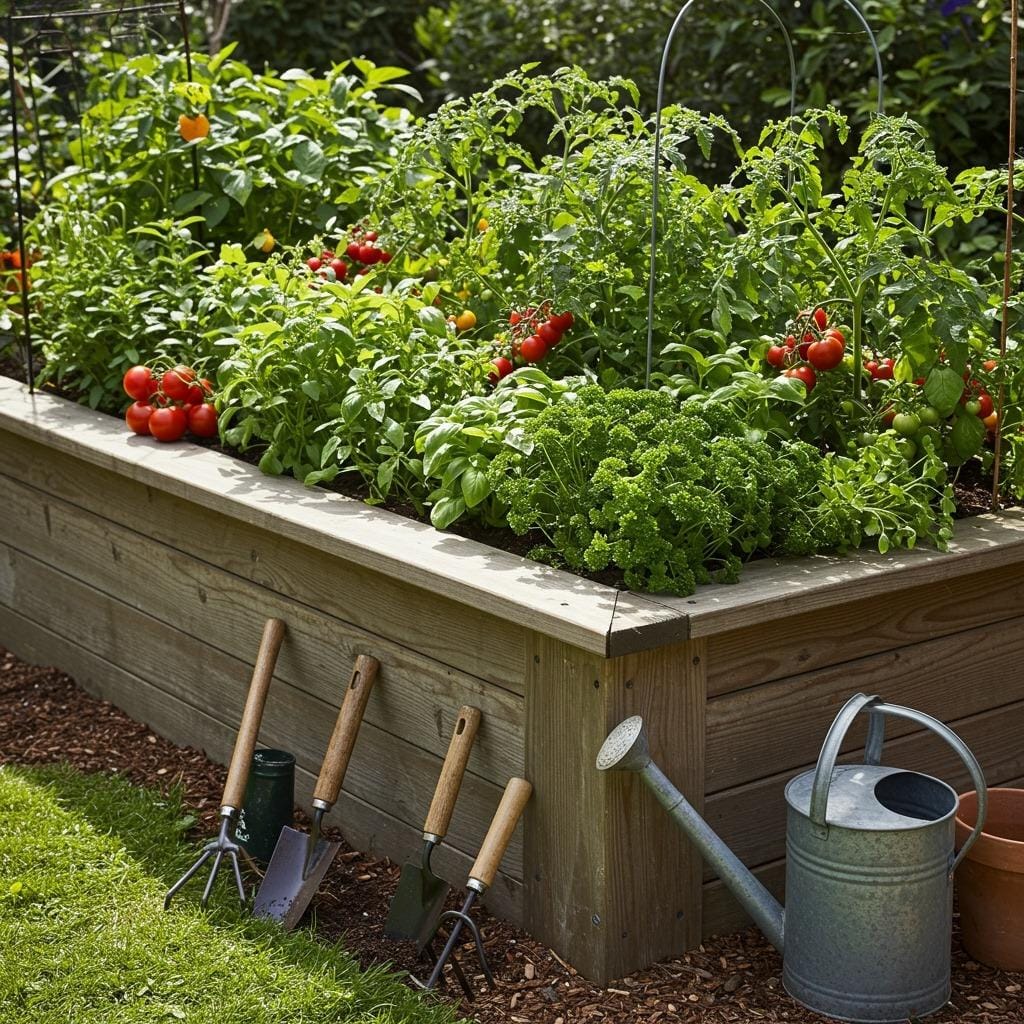
Why not make your garden work double duty? Raised beds with wide caps designed for seating let you rest while tending your plants, turning garden maintenance into a more comfortable experience.
The seating edge needs to be substantial – at least 8 inches wide for comfortable sitting. Cedar or composite materials work well, as they’re comfortable to sit on and weather-resistant. Standard height is around 18-20 inches, perfect for both sitting and reducing back strain while gardening.
This approach works beautifully with herb garden ideas for small balconies adapted to larger spaces. You can easily reach your herbs while sitting, making it perfect for morning coffee while planning your day or evening wind-down sessions.
9. Hammock Between Two Trees
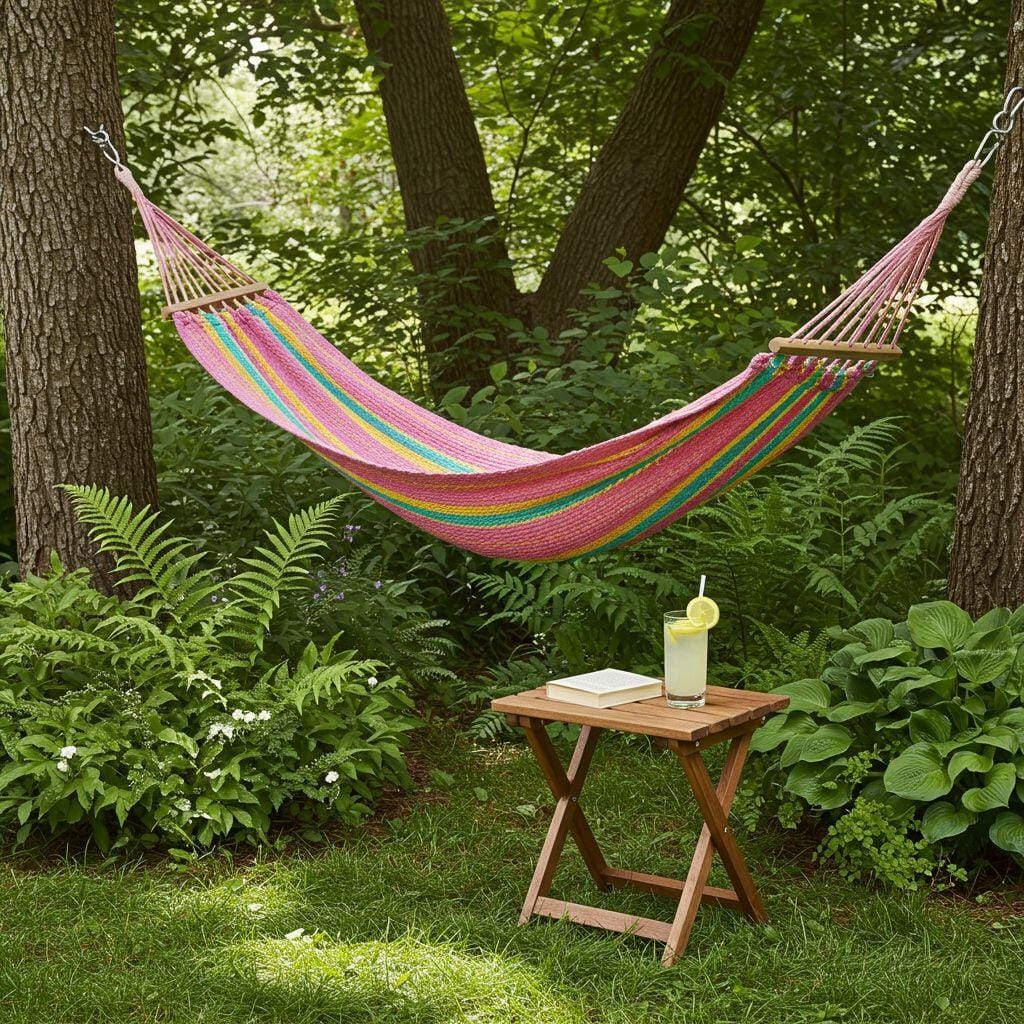
Sometimes the best garden seating area doesn’t involve chairs at all. A hammock creates the ultimate relaxation zone, perfect for afternoon naps or stargazing sessions.
Tree selection matters enormously for hammock success. You need trees at least 6 inches in diameter, positioned 12-15 feet apart. If your trees aren’t perfectly spaced, hammock stands offer flexibility while still maintaining that floating-in-the-garden feeling.
Consider the hammock’s position throughout the day. Morning shade with afternoon sun works well in cooler climates, while all-day shade might be preferable in hot regions. The gentle sway and cocoon-like feeling of hammocks creates a unique garden experience that’s hard to replicate with traditional furniture.
10. Stone Circle Seating Area
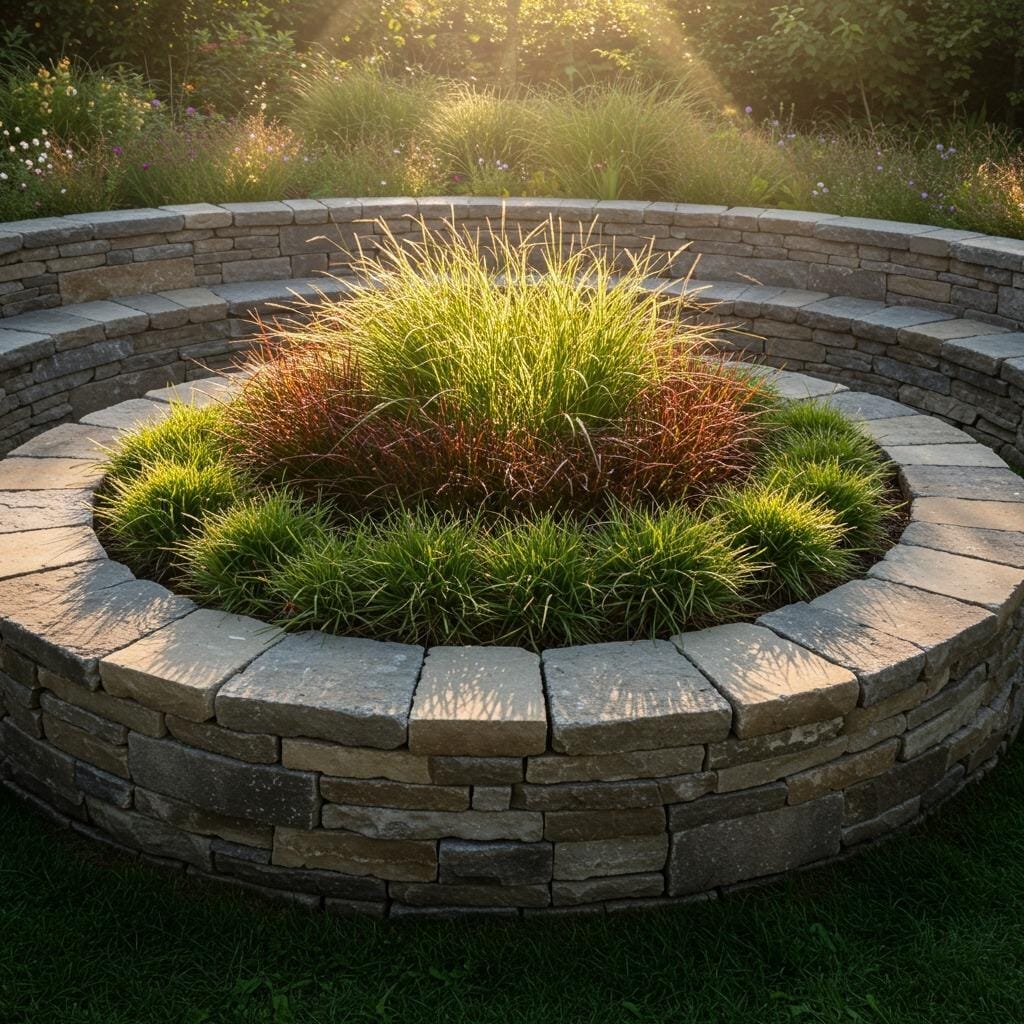
Circular seating arrangements have been bringing people together for thousands of years. A stone circle creates natural conversation spaces while adding substantial architectural weight to garden designs.
The circle doesn’t need to be perfect – slightly organic shapes often look more natural in garden settings. Use local stone when possible to tie into your region’s natural landscape. The height should be around 18 inches for comfortable seating, with a width of at least 12 inches.
Consider what goes in the center carefully. A simple planting of ornamental grasses creates movement and seasonal interest without blocking sight lines. For evening gatherings, a central outdoor fire pit transforms the space into a focal point for entertaining.
11. Covered Garden Gazebo Seating
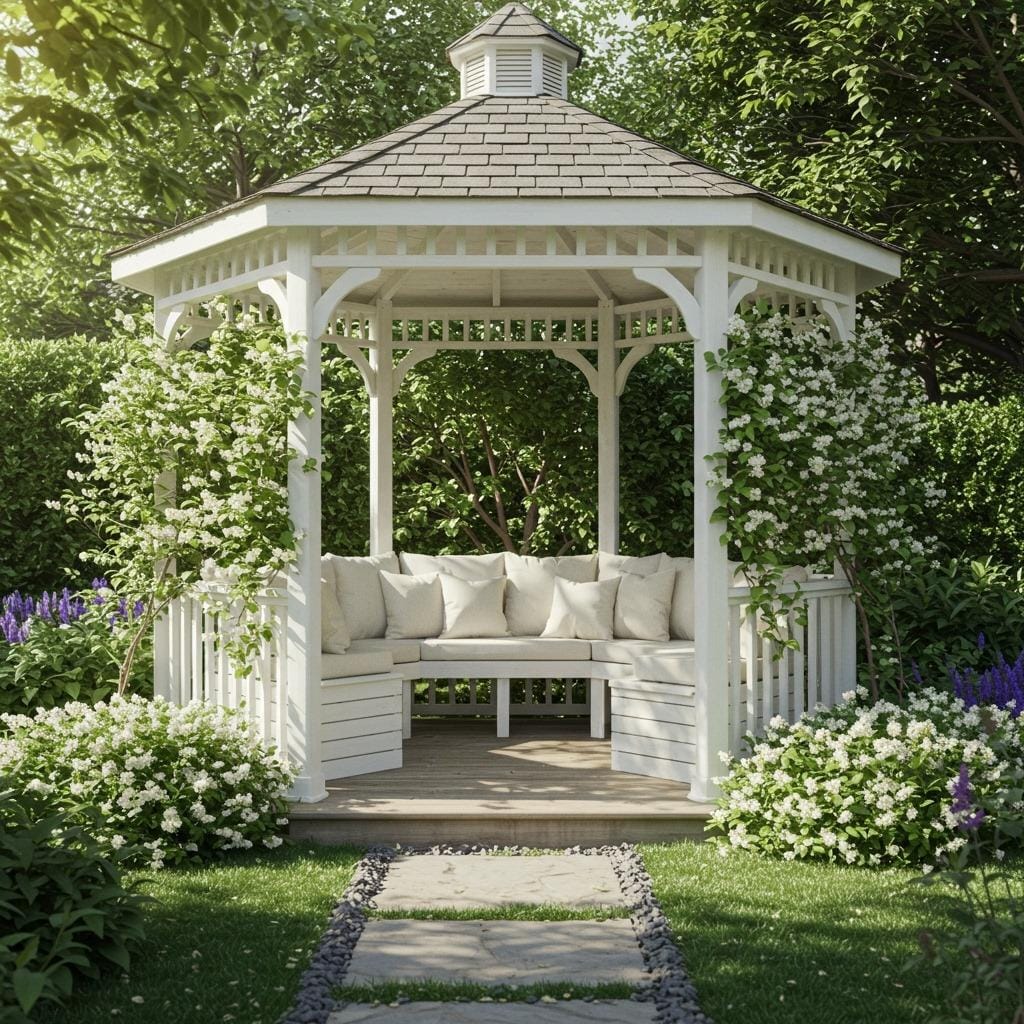
Gazebos provide the ultimate in garden comfort – a dedicated room in your outdoor space that’s protected from both sun and sudden showers. The enclosed feeling creates intimacy while still maintaining connection to the surrounding garden.
Modern gazebos come in styles ranging from Victorian ornate to sleek contemporary. Choose one that complements your home’s architecture for visual cohesion. Built-in seating maximizes the space while providing clean lines that won’t clutter the interior.
Lighting becomes important in covered spaces. Solar string lights, battery-operated lanterns, or low-voltage LED strips can extend the usable hours. The protected environment also allows for more delicate accessories like outdoor rugs or decorative pillows that might not survive in fully exposed areas.
12. Adirondack Chairs in Garden Setting

The slanted back and wide armrests of Adirondack chairs make them perfect for long garden contemplation sessions. These chairs practically force you to slow down and relax – exactly what garden seating should do.
Traditional Adirondack chairs come in wood, but modern versions in recycled plastic or composite materials offer the same comfort with minimal maintenance. Colors can range from natural wood tones to bold hues that create focal points in green spaces.
Positioning is everything with Adirondack chairs. Face them toward your garden’s best view – whether that’s a flower border, water feature, or distant landscape. The chairs naturally encourage lingering, so make sure they’re looking at something worth studying for extended periods.
13. Multi-level Deck Seating
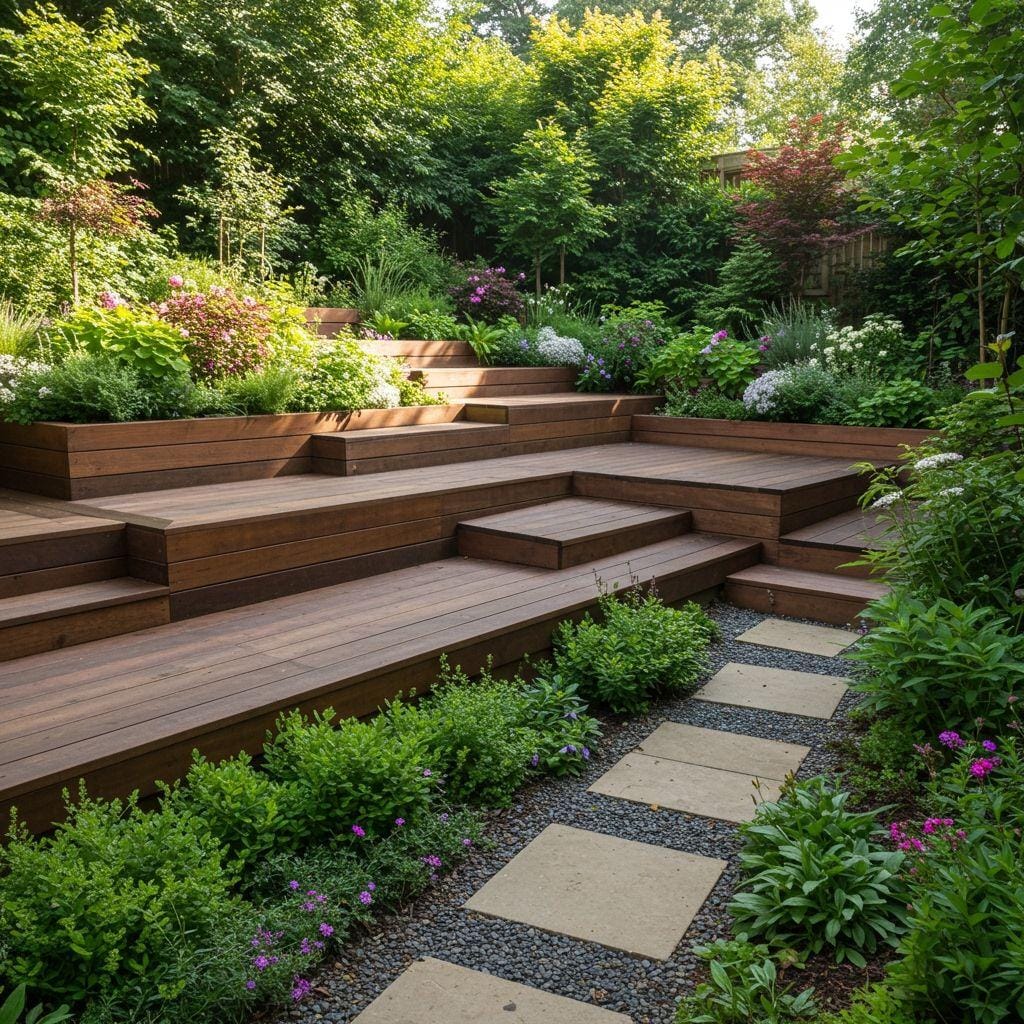
When your garden has slopes or elevation changes, multi-level seating can turn challenging topography into an asset. Different levels create distinct zones while maximizing seating capacity.
The key is making the levels feel intentional rather than afterthoughts. Each level should have its own character – maybe the upper level catches morning sun while the lower level stays cool for afternoon use. Built-in planters between levels help integrate the structure into the garden.
Consider how people will move between levels. Wide, shallow steps feel more relaxed than steep stairs. Handrails might be necessary for safety, but they can be designed as planting ledges or integrated into the overall design aesthetic.
14. Vintage Garden Furniture Grouping
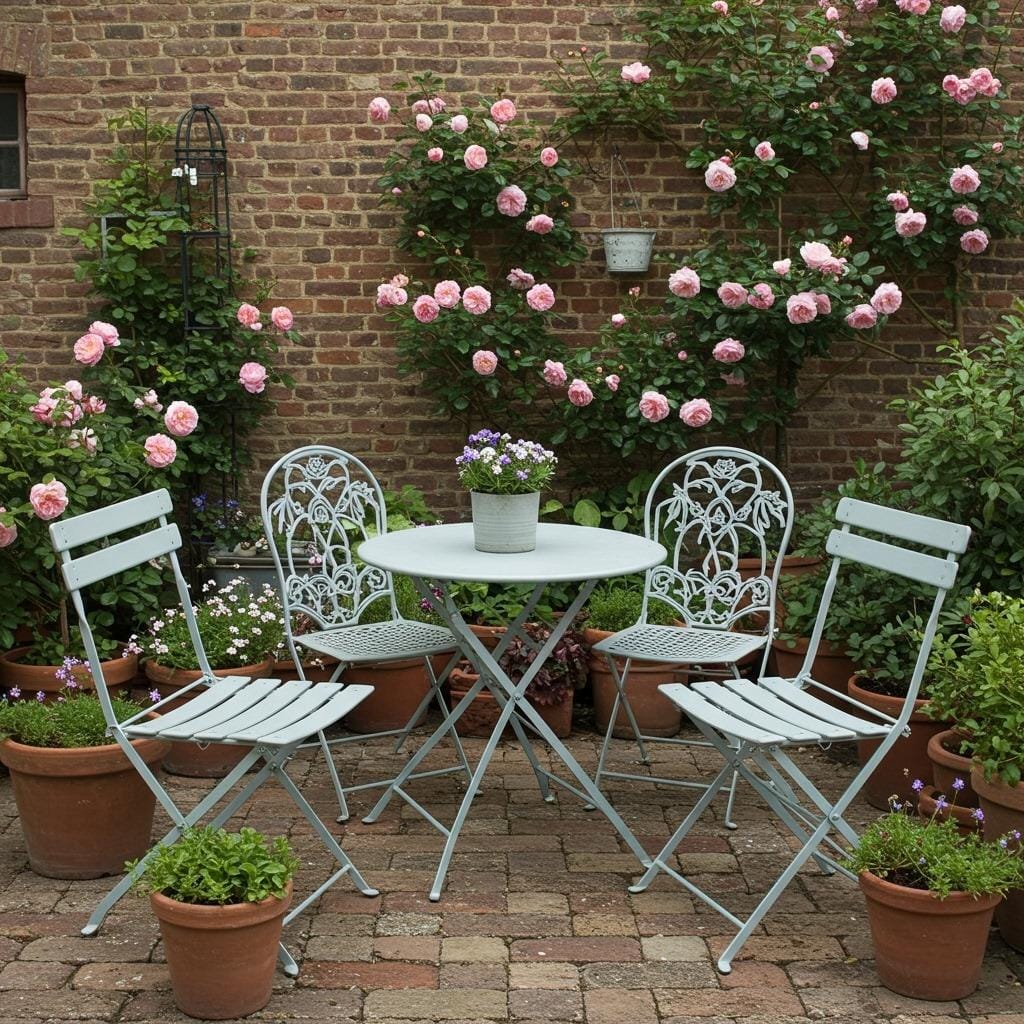
Sometimes the most charming garden seating areas come from collecting pieces over time rather than purchasing matching sets. Vintage garden furniture adds character and tells stories that new furniture simply can’t.
The key to making mismatched furniture work is finding a common thread – maybe it’s similar color palettes, shared materials, or complementary styles from the same era. A coat of paint in coordinating colors can tie disparate pieces together beautifully.
Hunt for pieces at estate sales, antique shops, or even curbside finds that can be restored. Cast iron pieces often just need cleaning and fresh paint, while wooden furniture might need more substantial restoration. The effort is worth it for one-of-a-kind character that mass-produced furniture can’t match.
15. Japanese-Inspired Zen Garden Seating

Japanese garden design emphasizes simplicity, natural materials, and peaceful contemplation – perfect principles for garden seating areas. The focus shifts from furniture as statement pieces to seating that disappears into the overall harmony.
Simple wooden benches work best – clean lines without ornate details that might distract from the garden’s tranquil atmosphere. Position seating to take advantage of seasonal changes, like cherry blossoms in spring or colorful maple leaves in fall.
The surrounding plantings should reinforce the sense of calm. Bamboo provides gentle sound and movement, while moss, ferns, and hostas create lush green backdrops. Stone elements like carefully placed boulders or gravel areas add texture without visual noise.
16. Outdoor Dining Table as Garden Seating

Sometimes garden seating needs to be practical as well as beautiful. An outdoor dining table positioned in or near the garden creates spaces for outdoor meals while maintaining connection to growing spaces.
This approach works particularly well near vegetable gardens or herb plots. Imagine picking fresh basil for your pasta or cutting lettuce for salad just steps from where you’ll be eating. The connection between growing and consuming food adds richness to outdoor dining experiences.
Consider the practical aspects carefully. You’ll need level ground and possibly some overhead protection from sun or light rain. The table should be positioned for easy access from the house while taking advantage of garden views and evening breezes.
17. Repurposed Tree Stump Seating
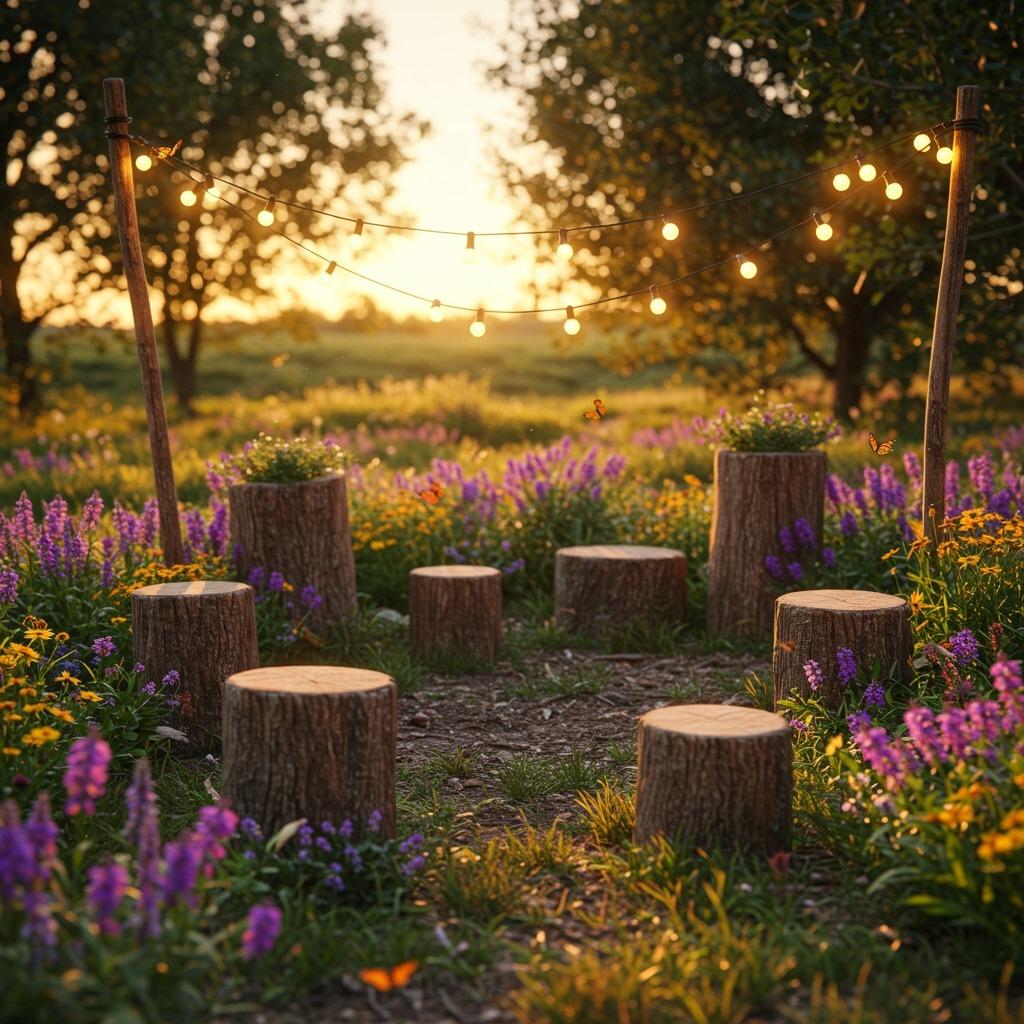
When you have to remove trees from your property, consider turning the stumps into unique seating rather than grinding them out completely. This approach creates organic, sculptural elements that age beautifully over time.
Different stump heights create interesting groupings – taller ones work as backrests or side tables, while shorter stumps become footrests or children’s seats. Sand the tops smooth and apply outdoor wood finish to prevent splinters while preserving the natural character.
The irregular nature of stump seating works particularly well in naturalistic garden settings. Let wildflowers and ferns grow up around the bases to integrate them into the landscape. Moss will naturally colonize the bark, adding to the woodland fairy tale atmosphere.
18. Mobile Garden Cart Seating
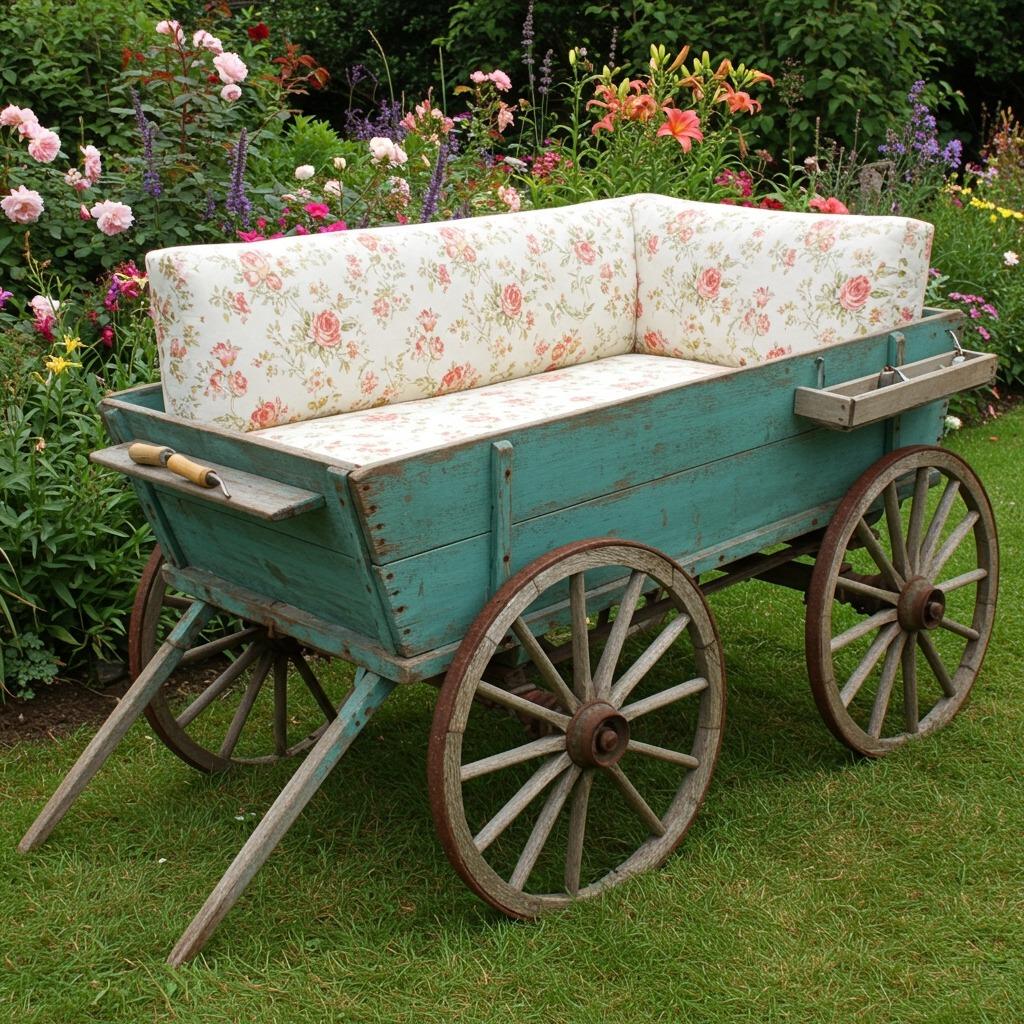
Sometimes flexibility matters more than permanence. A mobile seating solution lets you follow the sun, move closer to whatever’s blooming, or rearrange for different occasions throughout the seasons.
Garden carts, wheelbarrows, or even repurposed furniture on casters can provide this flexibility. Add weatherproof cushions and perhaps a small side surface for drinks or garden tools. The key is making sure the wheels can handle your garden’s terrain.
This approach works especially well for gardeners who like to work in different areas throughout the season. You can move your seating to supervise planting projects, follow the best light for reading, or position yourself near whatever garden task needs attention.
The beauty of creating a garden seating area lies not just in the furniture you choose, but in how it connects you more deeply with your outdoor space. Whether you opt for a simple bench under your favorite tree or an elaborate multi-level deck system, the goal remains the same – creating spaces where you’ll actually want to spend time.
Remember that the best garden seating area is one that gets used regularly. Consider your daily routines, favorite times of day for being outdoors, and how you most enjoy experiencing your garden. Sometimes the simplest solutions – like a comfortable chair positioned to catch the morning sun – become the most beloved spots in your outdoor sanctuary.
Your garden is already beautiful. Now give yourself the perfect place to sit back and enjoy every moment of it. These home improvement ideas for outdoor seating can transform how you experience your garden, turning it from something you just maintain into a space where you truly live and relax.

Sanjai creates easy, affordable home decor ideas that anyone can try. Through simple tips and curated finds, he helps you style rooms you’ll love coming home to.