Homeowners in 2026 aren’t just dreaming about renovations anymore – they’re actually doing them. The numbers tell a fascinating story about where people are choosing to invest their money, time, and energy when it comes to improving their living spaces.
What’s driving these decisions? Some of it comes down to lifestyle changes that started a few years back and simply stuck around. Remote work reshaped how we use our homes, and now people want spaces that actually work for how they live day-to-day. But there’s more to it than that.
This year’s home improvement trends 2026 statistics reveal something interesting: homeowners are getting strategic. They’re not just renovating for aesthetics – though that certainly matters. They’re thinking about functionality, resale value, and making their homes fit their actual needs. Let’s look at where the money is really going and why certain rooms are getting all the attention.
Kitchens Continue to Dominate Renovation Spending
The kitchen remains the undisputed champion of home renovations in 2026. Current renovation market data shows that approximately 32% of homeowners tackling interior projects are focusing their budgets here. That’s nearly one in three renovation projects.

Why does the kitchen keep winning? It’s simple – this room affects daily life more than almost any other space. Families gather here, meals get prepared multiple times a day, and let’s be honest, a dated kitchen can make the entire home feel older than it is. The average kitchen renovation budget has climbed to around $28,000 for a mid-range update, though homeowners are finding smart ways to stretch those dollars further.
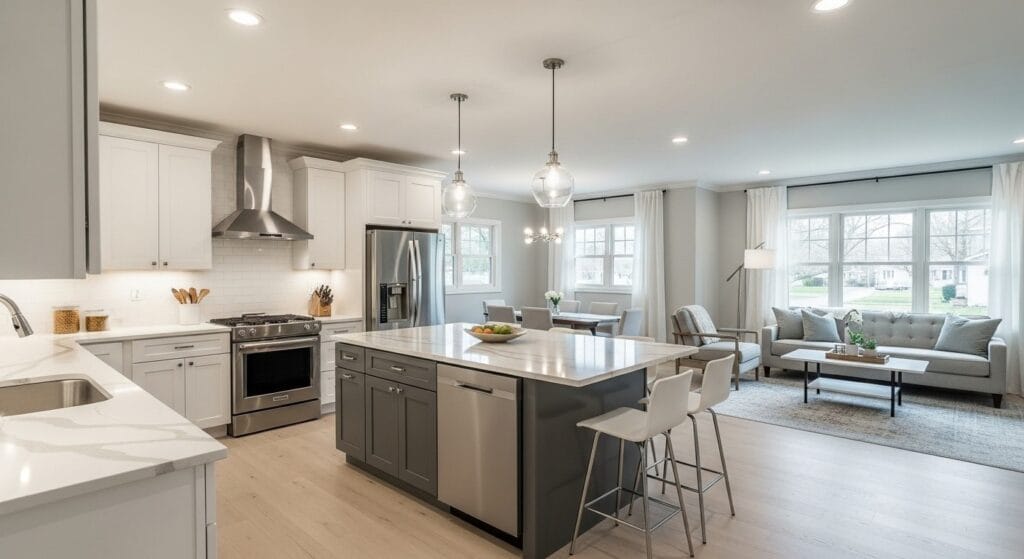
What’s particularly noteworthy is how these renovations are trending. People aren’t just swapping out appliances and calling it done. They’re rethinking layouts to improve flow, adding islands for extra workspace and gathering spots, and incorporating better storage solutions. Open shelving, deeper drawers, and smart kitchen appliances that actually make cooking easier are showing up in project after project.
The return on investment for kitchen upgrades typically hovers around 60-70% of the project cost when you sell, according to remodeling industry insights. But honestly? Most homeowners say the daily enjoyment factor matters just as much as the resale numbers. When you use a space multiple times every single day, the quality-of-life improvement is tough to put a price on.
Bathrooms Claim Second Place in Renovation Priorities
Right behind kitchens, bathrooms are capturing about 26% of interior renovation dollars in 2026. These most remodeled rooms might be smaller in square footage, but they pack a serious punch when it comes to both daily comfort and home value.
Master bathroom renovations lead the charge, with homeowners spending an average of $15,000 to $25,000 on these primary retreats. The trend toward spa-inspired bathroom decor shows no signs of slowing down. Walk-in showers with rainfall heads, heated floors, and soaking tubs are appearing in project plans more frequently than ever before.
Guest bathrooms and powder rooms aren’t being ignored either. Smaller updates in these spaces – think new fixtures, fresh tile, updated lighting – typically run between $5,000 and $12,000. What’s interesting is how many homeowners are tackling these projects themselves or doing a hybrid approach. They’ll hire out the plumbing and tile work but handle the painting, fixture installation, and finishing touches on their own.
According to the National Association of Home Builders, bathroom renovations can recoup up to 70% of their cost at resale. But similar to kitchens, the personal enjoyment factor weighs heavily. Your morning routine happens here, after all. A functional, beautiful bathroom just makes life better.
Living Rooms and Open Concept Spaces See Strategic Updates
Living rooms account for roughly 18% of interior renovation spending, though these projects look quite different from kitchen and bathroom overhauls. Homeowners are getting more selective here, focusing on high-impact changes rather than full gut renovations.
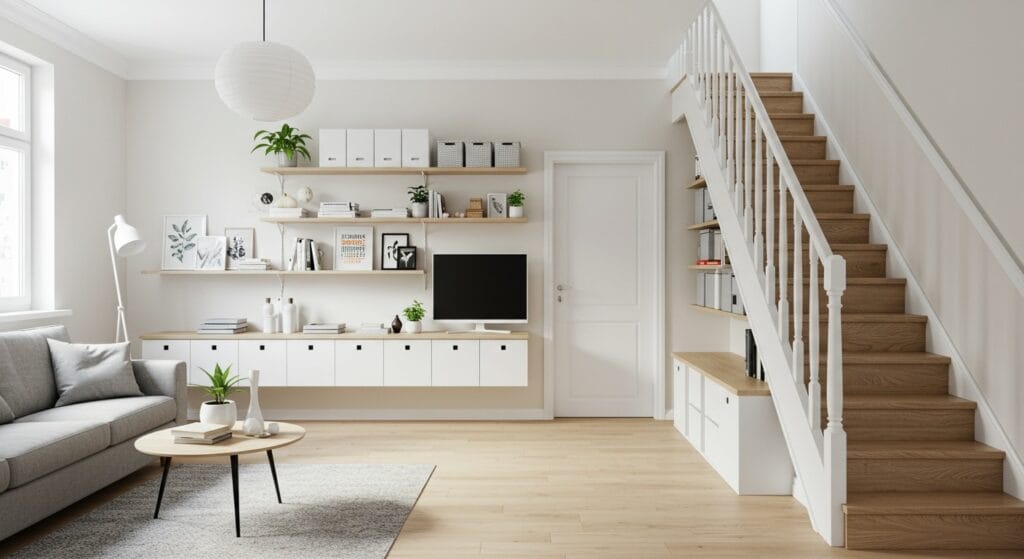
The most popular living room improvements include fresh paint (obviously), updated flooring, improved lighting systems, and built-in storage solutions. Many families are also reconfiguring furniture layouts or removing walls to create better flow between living and dining areas. That open concept living room approach that’s been popular for years? It’s still going strong in 2026.

Flooring changes represent a significant portion of living room budgets. Vinyl plank flooring has emerged as a favorite choice, offering the look of hardwood at a fraction of the cost and maintenance. These projects typically range from $3,000 to $8,000 depending on room size and material choices.
Window treatments and layered lighting upgrades are also trending. Homeowners are moving away from single overhead fixtures toward a combination of ambient, task, and accent lighting that creates atmosphere and functionality. It’s one of those changes that dramatically impacts how a space feels without requiring major construction.
Primary Bedrooms Get Thoughtful Attention
Bedrooms capture about 12% of renovation spending, with primary suites receiving the bulk of that investment. These spaces have become more important as people spend more time at home and prioritize rest and personal sanctuary.
The average primary bedroom renovation runs between $7,000 and $15,000. Common updates include new flooring, fresh paint, improved closet systems, and better lighting. Many homeowners are also adding or upgrading ceiling fans, which have come a long way aesthetically from those brass monstrosities of decades past.
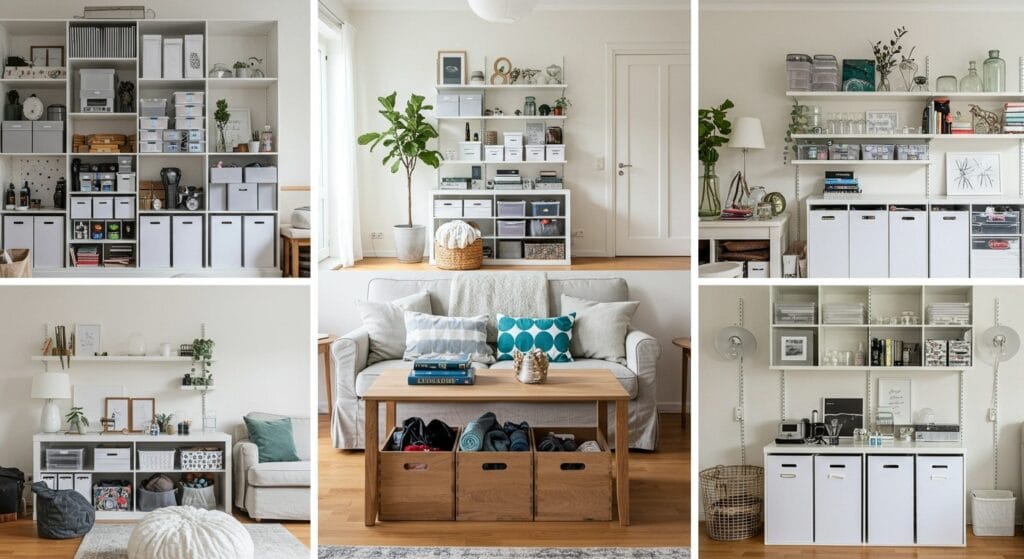
Closet organization represents a growing segment of bedroom improvements. Custom systems, better shelving, and smart storage solutions help maximize space without adding square footage. These upgrades often cost between $1,500 and $5,000 but deliver serious functionality improvements, especially in older homes where closet space was an afterthought.
Reading nooks, small seating areas, and bedroom lighting updates are popping up frequently in renovation plans. Homeowners want their bedrooms to be more than just places to sleep – they’re creating true retreats from the chaos of daily life.
Dining Rooms and Multipurpose Spaces Round Out the Top Five
Formal dining rooms are getting interesting treatment in 2026. About 8% of renovation budgets go toward these spaces, but the approach has shifted. Many homeowners are converting or adapting dining rooms for multiple uses – home offices by day, dining spaces for gatherings, or open plan kitchen dining room combinations that feel more contemporary.
When homeowners do invest in dedicated dining spaces, they’re focusing on lighting (that chandelier really does set the tone), flooring updates, and built-in storage like hutches or buffet areas. These projects typically cost between $3,000 and $10,000 depending on scope.
The rise of multipurpose rooms reflects how we actually live now. That rarely-used formal dining room becomes a homework station, craft space, or extra workspace when needed. Smart design choices like good lighting, proper storage, and flexible furniture arrangements make these transformations possible.
What’s Driving These Home Upgrade Priorities?
Several factors explain why certain rooms dominate renovation spending in 2026. First, there’s the daily-use factor – spaces we interact with multiple times per day naturally rank higher for improvement. You’ll notice that kitchens, bathrooms, and living areas top the list for exactly this reason.
Resale value considerations also play a role, though perhaps less than you might expect. According to real estate data, most homeowners renovating in 2026 plan to stay in their homes for at least five to seven more years. They’re investing in their own comfort first, with resale as a secondary consideration.
Functional obsolescence pushes many renovation decisions too. Older homes often have kitchens and bathrooms that simply don’t work for modern life. Tiny countertops, insufficient storage, poor lighting, and outdated layouts eventually hit a breaking point where renovation becomes less about want and more about need. The kitchen vs bathroom remodel value debate often comes down to which space has reached that critical functional failure first.

Financial factors matter too, obviously. Interest rates, home equity levels, and overall economic conditions influence how much people can and will spend. The average total interior renovation budget in 2026 sits around $47,000, though this varies wildly by region and project scope. Many homeowners are splitting larger projects into phases, tackling one room at a time as budgets allow.
Sustainability concerns are emerging as another driver. Energy-efficient appliances, water-saving fixtures, better insulation, and eco-friendly materials are appearing in renovation plans more frequently. These choices often cost more upfront but deliver savings over time – both financial and environmental.
DIY Versus Professional Installation Trends
An interesting split has emerged in how homeowners approach their renovation projects. Roughly 35% of interior updates in 2026 involve some level of DIY work, though few homeowners are going completely solo on major renovations.
The most common DIY projects include painting, installing new fixtures, basic carpentry like shelving installation, and cosmetic updates that don’t require permits or specialized skills. Homeowners report saving 30-50% on labor costs for these types of projects, though they’re realistic about the time investment required.
For more complex work – plumbing, electrical, structural changes, and tile installation – homeowners overwhelmingly hire professionals. The cost of mistakes in these areas simply outweighs the savings from DIY attempts. Many people are finding a middle ground: hiring pros for the technical work while handling prep, demo, and finishing touches themselves. This hybrid approach, sometimes called “sweat equity renovation,” can trim 15-25% off total project costs.
Online tutorials, YouTube videos, and renovation blogs (like this one!) have made DIY more accessible than ever. But homeowners in 2026 seem to have a realistic understanding of their own skill levels. They’re willing to tackle appropriate projects while recognizing when professional expertise is worth the investment.
Regional Variations in Renovation Patterns
Renovation priorities shift somewhat based on geography and climate. In warmer regions like the Southeast and Southwest, outdoor living space improvements often compete with interior projects for budget dollars. Covered patios, outdoor kitchen and dining areas, and backyard renovations capture more attention in these markets.
Northern and Midwest homeowners tend to focus more heavily on interior comfort – better insulation, upgraded HVAC systems, and creating cozy spaces for long winters. Winter living room decor considerations influence design choices in these regions differently than in year-round warm climates.
Urban versus suburban patterns also differ. City dwellers often prioritize storage solutions and space optimization, while suburban homeowners might focus more on expanding or reconfiguring existing square footage. Older homes in established neighborhoods typically need more extensive updates than newer suburban builds, affecting both project scope and budget allocation.
Emerging Renovation Trends for Late 2026 and Beyond
While current data shows where homeowners are investing now, several emerging trends suggest how priorities might shift in coming months. Smart home technology integration is growing rapidly, with homeowners adding connected devices, automated systems, and tech-enabled fixtures across multiple rooms.
Universal design principles – making homes accessible and comfortable for all ages and abilities – are influencing renovation choices more than before. Wider doorways, zero-threshold showers, better lighting, and lever-style handles are appearing in projects even when immediate accessibility needs don’t exist. Homeowners are planning ahead, making their spaces work for aging in place.
Multifunctional spaces continue gaining traction. Guest bedrooms that double as home offices, mudroom ideas that incorporate pet stations, and kitchens designed for entertaining are all trending upward. The rigid, single-purpose room approach is giving way to flexible spaces that adapt to changing needs.
Budget Considerations and Project Planning
Successful renovations in 2026 share some common characteristics, regardless of room or budget level. Homeowners who research thoroughly, create realistic budgets with 15-20% contingency funds, and plan carefully tend to end up happier with results than those who rush into projects.
Material costs remain elevated compared to pre-pandemic levels, though they’ve stabilized somewhat. Labor costs continue climbing in most markets due to ongoing skilled trades shortages. This reality means that dollar-for-dollar, renovation budgets don’t stretch quite as far as they did five years ago. According to homeowner renovation spending statistics, the average cost per square foot for interior renovations has increased about 18% since 2021.
Financing approaches vary widely. About 40% of homeowners use cash savings, while others tap home equity lines of credit, refinance to pull out equity, or use renovation-specific loans. The financing method often influences project scope – homeowners paying cash tend to phase projects more conservatively, while those using borrowed funds sometimes tackle larger all-at-once renovations.
Professional designers or design-build firms are involved in roughly 45% of major renovations, though many homeowners handle planning for smaller projects themselves. The upfront cost of professional design services typically pays for itself through better space planning, material selections, and avoiding costly mistakes during construction.
The Bottom Line on 2026 Interior Renovation Spending
The data tells a clear story: homeowners in 2026 are being strategic, thoughtful, and intentional about their renovation investments. Kitchens and bathrooms continue dominating spending because they impact daily life most directly and deliver strong returns both in functionality and resale value.
Living spaces, bedrooms, and dining areas round out the top five most remodeled rooms, each serving important functions in how families actually use their homes. The trend toward multipurpose, flexible spaces reflects our evolving understanding of what homes need to provide – not just shelter, but functional, beautiful environments for work, rest, and connection.
These home improvement trends 2026 statistics aren’t just numbers – they represent millions of homeowners choosing to invest in their daily comfort, their families’ needs, and their homes’ long-term value. Whether you’re planning a major renovation or just dreaming about future updates, understanding where others are investing can help inform your own decisions about which projects might deliver the most value for your specific situation and lifestyle.

Sanjai creates easy, affordable home decor ideas that anyone can try. Through simple tips and curated finds, he helps you style rooms you’ll love coming home to.