
Planning a renovation can feel overwhelming, especially when you’re trying to figure out if your budget is realistic. You’re not alone in wondering whether you should spend $5,000 or $50,000 on that kitchen update, or if your bathroom really needs a complete overhaul.
The truth is, homeowner renovation spending varies wildly depending on the room, project scope, and personal priorities. Some people transform their entire kitchen and dining spaces on a shoestring budget, while others invest six figures into creating their dream culinary haven. Understanding these patterns can help you set realistic expectations and make smarter decisions about where to allocate your hard-earned money.
This breakdown pulls together the latest homeowner renovation spending statistics to show you what people are actually investing in their homes during 2026. Whether you’re planning a modest refresh or a complete transformation, these numbers will help you understand where you fit in the renovation landscape.
Understanding the Three Budget Tiers

Before we get into specific rooms, it helps to understand how renovation budgets typically break down. Most projects fall into one of three categories, and knowing which tier you’re aiming for changes everything about your approach.
Budget-conscious renovations (under $10,000) focus on cosmetic updates and DIY-friendly projects. Think painting cabinets instead of replacing them, updating fixtures rather than moving plumbing, or choosing vinyl plank over hardwood. These projects deliver noticeable improvements without requiring major construction or high-end materials.
Mid-range renovations ($10,000-$50,000) strike a balance between quality and cost. You might hire professionals for complex work while handling simpler tasks yourself. Materials move up a notch – maybe quartz countertops instead of laminate, or semi-custom cabinets rather than stock options. This tier often includes some structural changes but avoids luxury finishes.
High-end renovations (over $50,000) prioritize premium materials, custom work, and sometimes structural modifications. These projects often involve architects or designers, custom cabinetry, luxury appliances, and high-quality finishes throughout. The focus shifts from budget constraints to creating exactly the space you envision.
Kitchen Renovations: Where Most Money Goes
Kitchens consistently top the list for renovation spending, and it’s easy to see why. This room combines expensive appliances, extensive cabinetry, countertops, flooring, and often requires electrical and plumbing work. The average kitchen remodel cost by room data shows this space commanding the largest slice of renovation budgets.
For budget-tier kitchen updates (under $10,000), homeowners typically focus on surface-level changes. Popular projects include painting existing cabinets, installing a peel and stick tile backsplash, updating hardware and lighting fixtures, and possibly replacing countertops with affordable options like butcher block or basic laminate. Many people tackle these DIY budget kitchen renovations themselves, which significantly reduces labor costs.
Mid-range kitchen renovations ($15,000-$40,000) typically include new semi-custom or stock cabinetry, quartz or granite countertops, tile backsplash installation, new mid-grade appliances, and updated flooring. According to recent home improvement data 2026, this tier represents the sweet spot where homeowners feel they’re getting substantial improvement without breaking the bank. You might also see open concept living room integration in this budget range.
High-end kitchen remodels ($50,000-$150,000+) spare no expense. Custom cabinetry, professional-grade appliances, natural stone countertops, designer fixtures, and sometimes layout changes that require moving plumbing or adding structural support. These projects often incorporate smart kitchen appliances and cutting-edge design elements that push the project into luxury territory.
Bathroom Renovations: Small Space, Big Investment

Bathrooms might be small, but they pack a financial punch. The concentration of plumbing, tile work, and specialized fixtures means costs add up quickly even in compact spaces. Homeowner renovation spending statistics show bathroom remodels ranging from simple refreshes to spa-like retreats.
Budget bathroom updates (under $5,000) focus on cosmetic improvements that don’t require moving fixtures. Popular projects include repainting walls and cabinets, replacing the vanity, updating lighting and mirrors, installing a new toilet or faucet, and sometimes adding subway tile or other affordable wall treatments. Many homeowners successfully complete small bathroom renovation ideas within this range.
Mid-range bathroom renovations ($8,000-$25,000) typically involve replacing the tub or shower, installing new tile on floors and walls, upgrading to a quality vanity with stone countertops, adding or improving ventilation, and incorporating better lighting design. This tier allows for creating that spa-like bathroom decor feel without custom everything. You might also splurge on a floating bathroom vanity or upgraded fixtures.
High-end bathroom remodels ($30,000-$75,000+) transform the space completely. Expect luxury tiles, custom cabinetry, premium fixtures, possibly expanding the footprint, radiant floor heating, smart bathroom fixtures, and high-end finishes throughout. These projects create truly luxurious bathroom decor that rivals boutique hotel suites.
Living Room and Bedroom Spending Patterns
Living rooms and bedrooms typically see lower renovation budgets compared to kitchens and bathrooms, but that doesn’t mean people aren’t investing in these important spaces. The spending just tends to be more spread out and focused on finishes rather than infrastructure.
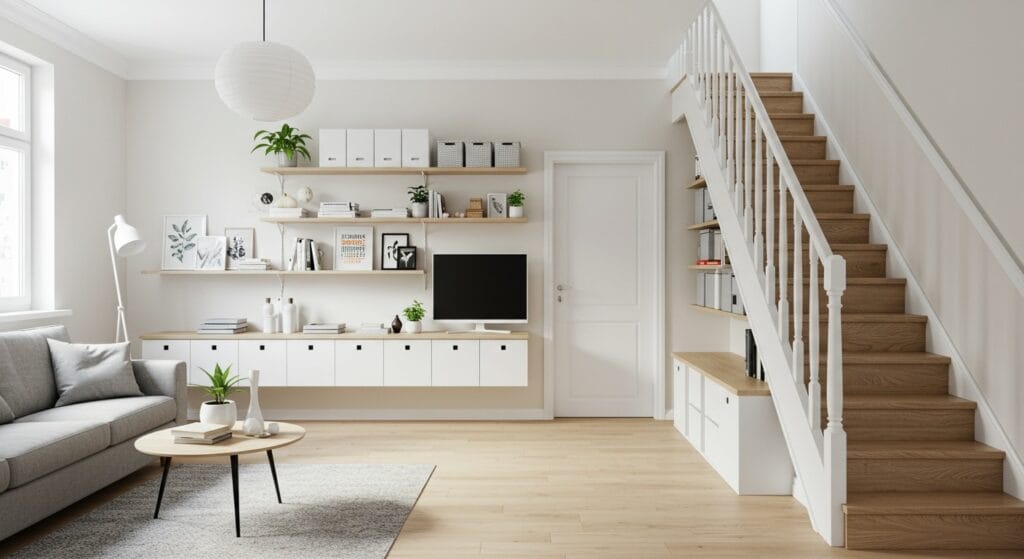
For living rooms, budget renovations (under $3,000) might include fresh paint, new lighting, updated window treatments, refinishing existing floors, and rearranging or upgrading furniture. Many people focus on creating better living room furniture arrangements or adding floating shelves for visual interest without major construction.
Mid-range living room projects ($5,000-$15,000) often involve new flooring throughout the space, built-in shelving or entertainment centers, upgraded lighting including recessed options, painting including accent walls, and sometimes adding architectural details like crown molding. Creating an open concept living room might fall into this category if walls aren’t load-bearing.
Bedroom renovations follow similar patterns but often include closet improvements as a priority. Budget projects (under $2,500) focus on paint, lighting, and small organizational upgrades. Mid-range projects ($4,000-$12,000) might include new flooring, bedroom lighting upgrades, closet systems, and creating features like bedroom reading nooks. High-end bedroom remodels ($15,000+) can include custom bedroom wardrobe designs, luxury finishes, and sometimes expanding the space.
Outdoor Spaces: The Growing Investment Category

Outdoor renovations have surged in popularity, with more homeowners viewing their yards, patios, and decks as extensions of their living space. This category shows interesting renovation budget tiers that reflect how outdoor projects can scale from weekend DIY efforts to major landscape transformations.
Budget outdoor projects (under $3,000) typically include basic patio furniture, simple landscaping, DIY fire pit installation, container gardens, and basic lighting. Many homeowners create charming small backyard patio makeovers or add DIY raised garden beds within this budget range.
Mid-range outdoor renovations ($5,000-$20,000) step up the investment with composite decking, permanent patio structures, outdoor kitchens with basic amenities, landscape design and installation, irrigation systems, and quality outdoor furniture. Projects like backyard fire pit areas with proper seating zones fit comfortably in this tier.
High-end outdoor spaces ($25,000-$100,000+) create true outdoor living rooms. Think custom outdoor kitchens with premium appliances, extensive hardscaping and landscaping, permanent structures like pergolas or pavilions, outdoor fireplaces, water features, and integrated lighting systems. These projects essentially add new rooms to your home, just without walls.
Where Homeowners Prioritize Their Spending
Understanding where people choose to spend reveals interesting priorities in the remodeling trends landscape. Recent data shows homeowners increasingly value functionality and long-term investment over purely aesthetic upgrades.
Kitchens and bathrooms continue dominating renovation budgets because they offer the best return on investment and impact daily life significantly. These rooms also suffer the most visible wear and tear, making them prime candidates for updates. Outdated kitchens and bathrooms can make an otherwise lovely home feel tired, which is why they’re renovation priorities.
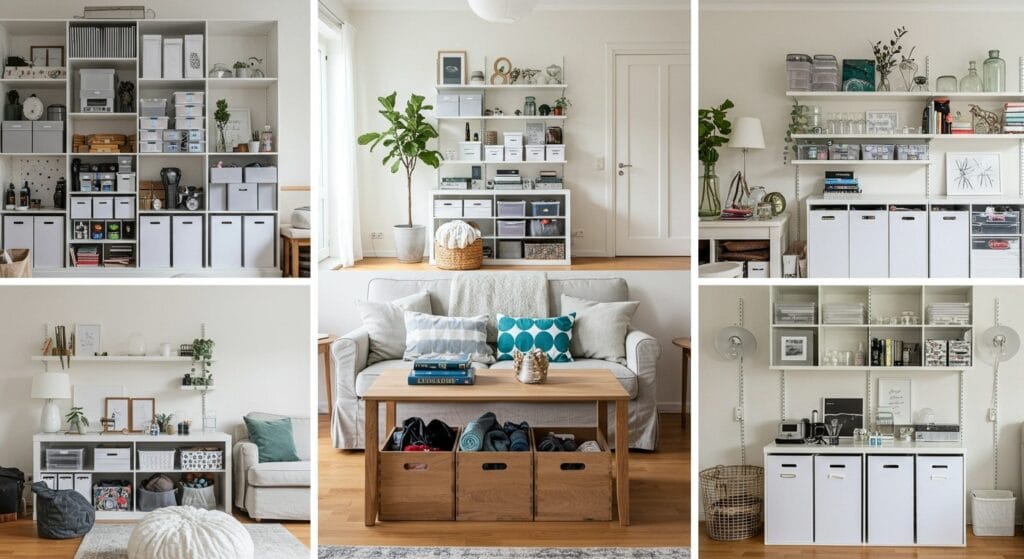
Interestingly, there’s a growing emphasis on creating multi-functional spaces that adapt to changing needs. Home office integration, mudroom additions, and improved storage throughout the home reflect how people use their spaces differently now. Projects like adding a mudroom bench with storage or creating better closet organization show up frequently in renovation planning.
Energy efficiency upgrades also claim a larger share of budgets. Installing solar panels, upgrading to smart home automation, and improving insulation might not be glamorous, but they’re increasingly common renovation expenses. These investments pay dividends through reduced utility costs and improved comfort, making them smart financial choices regardless of budget tier.
Regional Variations in Renovation Spending
Where you live dramatically impacts renovation costs, even for identical projects. Labor rates, material availability, permit requirements, and local market conditions create significant regional differences in what homeowners spend.
Coastal and major metropolitan areas typically see renovation costs 20-50% higher than national averages. A kitchen remodel costing $30,000 in a mid-sized Midwest city might run $45,000-$50,000 in San Francisco or New York. This isn’t just about higher contractor rates – materials often cost more in these areas too, and projects may require more permits and inspections.
Conversely, rural areas and regions with lower costs of living often see more affordable renovations. However, this can be offset by limited contractor availability and longer travel times for specialized trades. Sometimes you’ll pay less per hour but more in total because projects take longer due to scheduling challenges.
Climate also influences renovation priorities and therefore spending patterns. Homeowners in colder regions might prioritize winterizing outdoor spaces and heating system upgrades, while those in warmer climates focus more on outdoor living areas, cooling systems, and moisture management. These regional needs shift where renovation dollars flow.
DIY vs. Professional: How It Affects Spending

The decision to DIY or hire professionals dramatically impacts renovation spending across all budget tiers. Understanding when to tackle projects yourself and when to call in experts can stretch your budget significantly – or lead to costly mistakes if you misjudge your skills.
Budget-conscious homeowners often handle cosmetic work themselves – painting, installing simple fixtures, basic landscaping, and assembly projects. These DIY efforts can cut project costs by 40-60% compared to hiring out every task. Many successful renovators mix and match, doing prep work and finishing touches themselves while hiring professionals for technical installations.
The mid-range tier typically involves a hybrid approach. You might hire electricians and plumbers for their specialized work while handling demolition, painting, and installation of purchased items yourself. This strategy works well for projects like simple kitchen styling updates or small bathroom style improvements where you want professional results for critical elements but can handle the aesthetic components.
High-end renovations usually involve professional management from start to finish, though some homeowners still opt to source unique items themselves or handle final decorating. The complexity and cost of materials in luxury renovations makes professional installation worth the expense – mistakes with high-end finishes can be devastatingly expensive to fix.
How Homeowners Fund Major Renovations
Understanding renovation spending statistics isn’t complete without looking at how people actually pay for these projects. Funding strategies vary widely and often determine project scope more than anything else.
Cash savings remain the most common funding method for smaller projects under $15,000. Homeowners save over time specifically for renovations, avoiding interest payments and keeping projects within firm budget limits. This approach works particularly well for phased renovations where you complete one room at a time as funds become available.
For mid-to-large renovations ($15,000-$75,000), home equity loans and lines of credit dominate. These financing options offer lower interest rates than personal loans or credit cards because they’re secured by your property. Many homeowners use HELOCs specifically because they can draw funds as needed throughout a project rather than taking a lump sum upfront.
High-end renovations sometimes involve refinancing the entire mortgage to access equity at current rates, especially if interest rates are favorable. This strategy makes sense when you’re doing extensive work that significantly increases home value. Some homeowners even use renovation mortgages that roll project costs into their home purchase, allowing them to buy a fixer-upper and immediately fund improvements.
The ROI Reality: What Returns to Expect
While we all want our renovations to increase home value, the return on investment varies significantly by project type and market conditions. Being realistic about ROI helps inform smarter spending decisions across all budget tiers.
Kitchens and bathrooms typically offer the best returns, recovering 60-80% of costs at resale for mid-range renovations. However, high-end remodels often return only 50-60% because you’re exceeding neighborhood standards. A $100,000 kitchen might only add $60,000 to your home’s value if surrounding properties have $40,000 kitchens. The extra investment is really about your enjoyment, not financial return.
Interestingly, some modest improvements return more than their cost. Minor kitchen updates, bathroom refreshes, adding a bathroom remodel where there wasn’t one before, or finishing basements and attics into usable space often return 80-100% of investment. These projects add functionality or square footage without over-improving.
The best ROI comes from projects you actually enjoy during ownership. If you spend $50,000 on a kitchen remodel and use it daily for ten years, the value isn’t just resale dollars – it’s the improved quality of life. Smart renovators balance financial return with personal enjoyment rather than making decisions purely on potential resale value.
Planning Your Renovation Budget: Smart Strategies
Now that you understand typical spending patterns, how do you actually plan your own renovation budget? Smart homeowners follow several key strategies to stretch dollars and avoid costly surprises.
Start by prioritizing projects based on necessity and impact. Fix structural issues, safety hazards, and failing systems before cosmetic updates. There’s no point installing a beautiful new bathroom vanity if hidden water damage lurks behind the walls. Address problems first, then move to improvements that enhance daily life, and finally tackle purely aesthetic updates if budget remains.
Build in a contingency fund of at least 15-20% for unexpected discoveries. Renovation projects almost always uncover surprises once you open walls or remove fixtures. That cushion prevents having to stop mid-project or go into debt when you discover outdated wiring or hidden water damage.
Get multiple quotes for professional work and understand what’s included in each bid. The lowest price isn’t always the best value if it means cutting corners on materials or rushing the timeline. Similarly, the highest bid doesn’t guarantee the best work. Look for detailed proposals that break down costs clearly and references from recent similar projects.
The Real Numbers: What to Expect in 2026
So what are homeowners actually spending on renovations in 2026? While every project is unique, average remodel cost by room gives us useful benchmarks for planning.
Kitchen renovations average $25,000-$45,000 for mid-range projects, with budget versions coming in under $10,000 and luxury remodels exceeding $75,000. Full bathroom renovations typically cost $15,000-$28,000 for mid-range work, though powder room updates might be $5,000-$8,000 and master bath transformations can reach $40,000-$60,000.
Living spaces show more modest averages – $8,000-$18,000 for comprehensive living room updates including flooring, paint, lighting, and some built-ins. Bedroom renovations typically run $5,000-$12,000 for similar comprehensive updates. These rooms cost less primarily because they lack the expensive plumbing and specialized fixtures that drive up kitchen and bathroom budgets.
Outdoor projects vary wildly but average $7,000-$15,000 for significant improvements like new patios, landscaping, or basic outdoor kitchens. Basement finishing runs $30,000-$75,000 depending on square footage and finish level, while attic conversions cost similarly. These larger projects essentially add new living space to your home, which explains the higher investment.
Understanding these benchmarks helps you evaluate whether your project goals align with your budget reality. Sometimes scaling back certain elements or phasing work over multiple years makes more sense than trying to do everything at once on insufficient funds.
Homeowner renovation spending tells a story about priorities, possibilities, and the constant evolution of how we live in our homes. Whether you’re planning a budget-friendly refresh of your bedroom or a complete transformation of your entire home, understanding these spending patterns helps you make informed decisions that balance dreams with financial reality.
The key takeaway? There’s no single “right” amount to spend on any renovation. Your budget should reflect your home’s needs, your financial situation, how long you plan to stay, and honestly, what makes you happy. Some people get tremendous satisfaction from a $2,000 small living room makeover, while others need that $50,000 kitchen renovation to feel truly at home.
What matters most is planning carefully, understanding market rates for your area and project scope, building in contingency funds for surprises, and making choices that you’ll enjoy regardless of resale value. Your home should work for your life right now, not just for some hypothetical future buyer.

Sanjai creates easy, affordable home decor ideas that anyone can try. Through simple tips and curated finds, he helps you style rooms you’ll love coming home to.