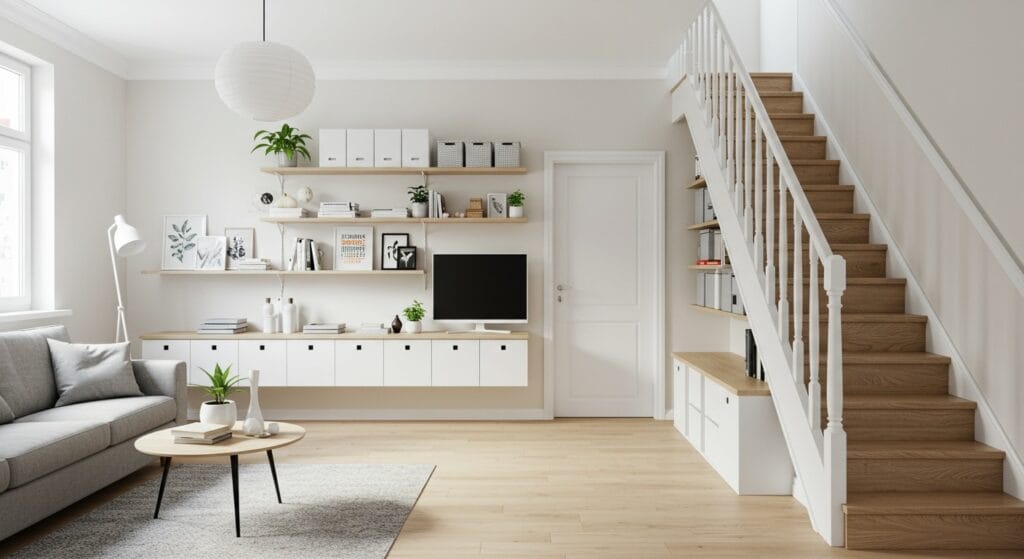
Your home deserves to feel fresh and inviting year-round, but the thought of constant updates can make your bank account nervous. Here’s the thing – a yearly home refresh doesn’t require a complete overhaul or a massive budget. It’s about being intentional with small changes that create big impact.
Most of us look around our homes in January and feel that familiar itch for change. Maybe the living room feels a bit tired, or the bedroom could use some warmth. Instead of impulsively buying things or ignoring these feelings altogether, what if you had a plan? A realistic roadmap that spreads updates throughout the year makes refreshing your space manageable and actually fun.
This guide walks you through creating a yearly refresh strategy that respects your budget while transforming your home room by room. You’ll learn when to tackle each space, what updates deliver the most value, and how to prioritize projects so nothing feels overwhelming.
Understanding What a Yearly Home Refresh Really Means
A yearly home refresh isn’t about redecorating everything at once. It’s a thoughtful approach to maintaining and updating your space through strategic, budget-friendly changes spread across twelve months. Think of it as preventive care for your home’s style and function.
This approach combines small aesthetic updates with necessary maintenance tasks. You might paint an accent wall in spring, reorganize your closet in summer, and add cozy textiles in fall. Each season brings natural opportunities for specific improvements that align with how you actually live in your space.

The beauty of annual planning is that it takes the pressure off. When you know February is for bedroom storage solutions and June is for outdoor spaces, you’re not constantly second-guessing what needs attention. You’re simply following a plan that keeps your entire home feeling current without the financial strain of doing everything simultaneously.
Creating Your Annual Home Refresh Calendar
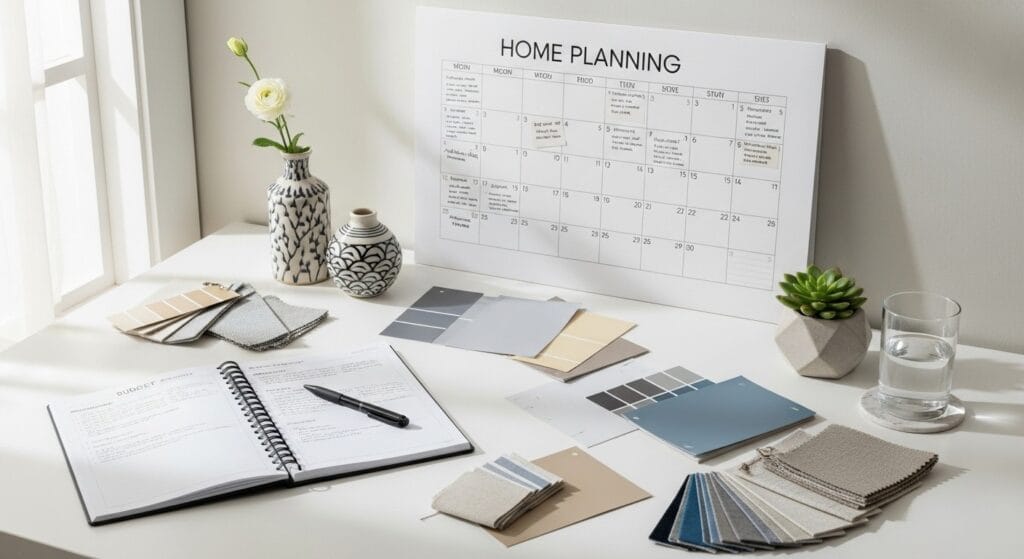
Start by walking through your home with fresh eyes and a notebook. Which spaces do you use most? What areas frustrate you daily? Where does clutter accumulate? These observations form the foundation of your refresh calendar.
Assign each room or project to specific months based on natural rhythms. Spring makes sense for living room ideas since you’re opening windows and craving lighter, brighter spaces. Summer is perfect for outdoor seating ideas when you’re actually using your patio. Winter naturally calls for cozier bedroom ideas with layered textiles and warm lighting.
Be honest about your capacity. If you travel frequently in August, don’t schedule major projects then. If November and December are hectic, keep those months light with simple updates like switching throw pillows or rearranging decor. The calendar should work with your life, not against it. According to the National Association of Home Builders, spreading home improvement projects throughout the year can reduce overall costs by 15-20% by allowing homeowners to shop sales and avoid rushed decisions.
Setting a Realistic Annual Budget
Breaking your budget into monthly chunks makes everything feel more achievable. If you can allocate $1,200 annually for home updates, that’s $100 per month – a number that doesn’t trigger panic but still allows for meaningful changes.
Consider the 60-30-10 budgeting rule for your annual refresh. Allocate 60% to larger updates that genuinely improve function or major aesthetics (like new curtains or a small furniture piece). Reserve 30% for medium projects such as paint, organizational systems, or decor accessories. Keep 10% flexible for unexpected needs or amazing clearance finds.
Track every purchase in a simple spreadsheet or budgeting app. Note what you bought, which room it’s for, and whether it was planned or impulse. This awareness helps you stay on track and reveals patterns – maybe you consistently overspend on kitchen and dining ideas while neglecting storage solutions. Adjust accordingly as the year progresses.
Prioritizing High-Impact, Low-Cost Updates

Some updates transform a space for surprisingly little money. Fresh paint might cost $30-50 per room but completely changes the mood. Rearranging furniture costs nothing but can make a room feel brand new and function better.
Focus on what you see and touch every single day. Upgrading cabinet hardware, replacing worn bath mats, or adding better closet organization ideas improve daily life more than decorative items you barely notice. These practical updates deliver satisfaction that lasts beyond the initial excitement.
Lighting deserves special attention in any refresh plan. Swapping outdated fixtures or adding affordable lamps for living room spaces dramatically improves ambiance. Similarly, textiles – throw pillows, curtains, area rugs – offer high impact for moderate investment and can be switched seasonally to keep spaces feeling current.
Seasonal Refresh Strategies
Spring naturally calls for lighter, brighter updates. This is when you’ll want to tackle projects like refreshing your spa-inspired bathroom decor ideas with new towels, decluttering storage ideas for small homes, and lightening up spaces that felt cozy in winter but now seem heavy.
Summer is outdoor season and organizational heaven. Focus on small backyard patio makeover projects, creating functional outdoor dining areas, and tackling those organizational projects in garages, basements, or closets that are easier to handle when you can open doors and windows.
Fall brings opportunity for warming up interiors. Add texture through throws and pillows, switch to warmer lighting, and implement cozy reading nook ideas you’ve been considering. Winter focuses on maintenance you can’t do outside – painting interior rooms, organizing kitchen pantry organization systems, and planning next year’s bigger projects while everything is on sale.
DIY Projects That Actually Save Money
Not every update requires professional help. Simple projects like painting walls, installing DIY floating shelves, or creating custom drawer organizers save hundreds compared to hiring out or buying pre-made solutions.
Be realistic about your skill level though. A poorly executed DIY project often costs more to fix than hiring a professional initially would have. Start with truly beginner-friendly projects – painting, organizing, basic decor updates – before attempting anything structural or technical.
YouTube tutorials and home improvement blogs offer free education, but quality varies wildly. Stick to reputable sources with clear instructions and materials lists. Budget extra time and a small contingency fund for DIY projects since things rarely go exactly as planned, especially on your first attempt.
Shopping Smart Throughout the Year

Timing purchases strategically saves serious money. January and July typically offer the deepest discounts on furniture and home decor as stores clear seasonal inventory. November brings Black Friday deals, while end-of-season sales in March and September offer bargains on seasonal items.
Build a wishlist throughout the year rather than buying impulsively. When you’ve been watching a specific item for weeks or months, you’ll know immediately when it goes on sale. This patience pays off – waiting for sales can save 30-60% on non-urgent purchases.
Consider secondhand options for certain items. Thrift stores, estate sales, and online marketplaces offer quality furniture, mirrors, frames, and decor at fractions of retail prices. Some things are worth buying new (mattresses, upholstered items), but many home refresh projects benefit from the character and savings of preloved pieces.
Room-by-Room Refresh Planning
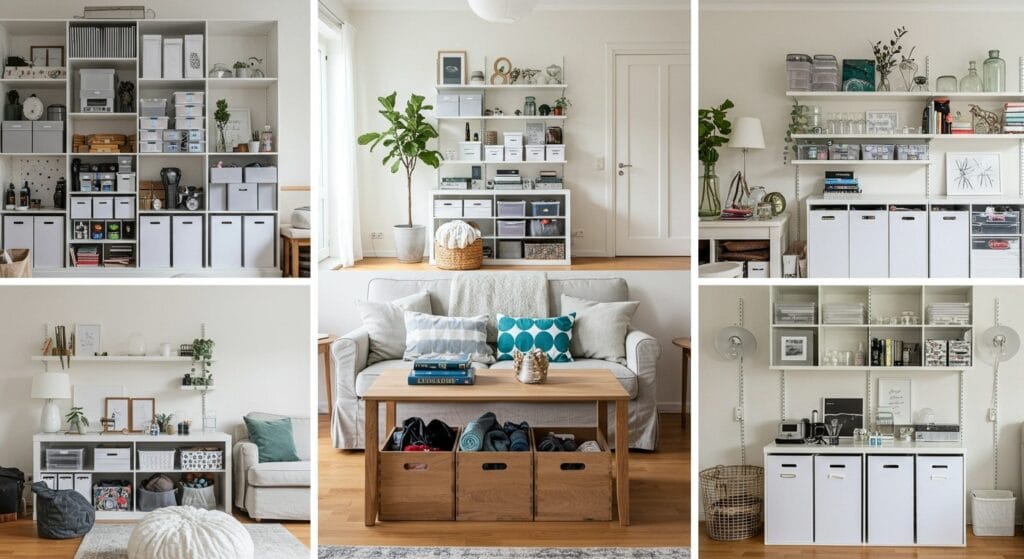
Living spaces typically need attention first since they’re where you spend most waking hours. Start with home improvement ideas that improve daily comfort – better seating arrangements, improved lighting, or storage hacks for home organization that reduce visual clutter.
Bedrooms benefit from updates that improve sleep and relaxation. This might mean better bedroom lighting ideas, organizing small bedroom storage solutions, or simply investing in quality bedding that makes you actually excited to go to bed each night.
Don’t neglect hardworking spaces like bathrooms, kitchens, and entryways. These areas take daily wear and often need the most frequent attention. Small updates like organizing bathroom cabinet organization systems or improving mudroom ideas entryway function make everyday routines smoother and more pleasant.
Tracking Progress and Adjusting Your Plan
Document your refresh journey with photos. Take befores, durings, and afters of each project. This visual record helps you see progress when you’re feeling stuck and provides inspiration when planning next year’s updates.
Review your plan quarterly. Are you staying on budget? Do certain months feel too packed while others are empty? Maybe summer got busier than expected and you need to shift July projects to August. Flexibility is key – the plan serves you, not the other way around.
Celebrate small wins along the way. Finished organizing one closet? That’s progress worth acknowledging. Painted a bathroom? Take a moment to appreciate the transformation before rushing to the next project. This positive reinforcement keeps you motivated through the full year.
Common Mistakes to Avoid
The biggest mistake is trying to do everything immediately. When you see possibilities everywhere, it’s tempting to start ten projects simultaneously. This approach drains your budget and energy quickly, often leaving multiple rooms in states of unfinished chaos.
Don’t skip the planning phase and jump straight to shopping. Buying without a clear vision leads to mismatched pieces that don’t work together, wasted money on items that don’t fit your actual needs, and that frustrating drawer full of unused decor that seemed perfect in the store.
Avoid neglecting maintenance in favor of purely decorative updates. If your faucet leaks or your weatherstripping is shot, fix those first. Functional problems only get worse and more expensive over time, and they’ll undermine the enjoyment of any pretty updates you make.
Planning a yearly home refresh doesn’t require design expertise or an unlimited budget. It requires intentionality, realistic planning, and commitment to following through on small, manageable improvements throughout the year.
Your home should evolve with you, reflecting your changing needs and style without causing financial stress. By spreading updates across twelve months, shopping strategically, and focusing on high-impact changes, you maintain a space that feels fresh and functions beautifully.
Start small if this approach feels overwhelming. Pick just two or three rooms to focus on this year. Build your confidence and refine your process. Next year, you can expand the plan as annual home maintenance and thoughtful updates become a natural rhythm rather than a dreaded chore.

Sanjai creates easy, affordable home decor ideas that anyone can try. Through simple tips and curated finds, he helps you style rooms you’ll love coming home to.