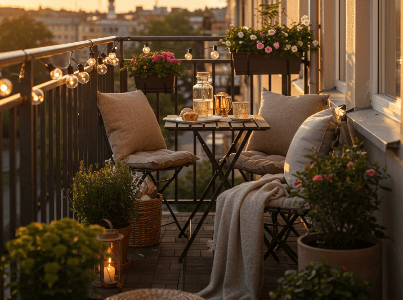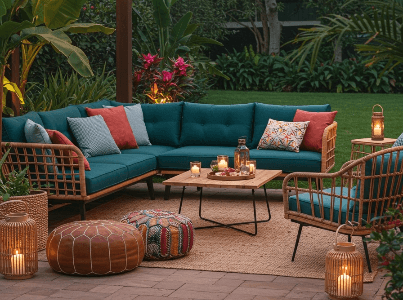

Creating the perfect kids outdoor play area doesn’t have to break the bank or require a complete backyard overhaul. Sometimes the most memorable childhood moments happen in simple spaces where imagination runs wild and adventure beckons around every corner.
Your backyard holds incredible potential to become a magical playground that grows with your children. Whether you’re working with a sprawling lawn or a cozy patio space, these backyard play spaces will transform your outdoor area into a haven of creativity and active fun.
The key to designing successful outdoor play areas lies in balancing safety with excitement. Children need spaces that challenge them appropriately while giving parents peace of mind about their well-being.
1. DIY Sandbox Paradise
A sandbox remains one of the most beloved additions to any kids outdoor play area. Building your own allows you to customize the size and add special features that store-bought versions simply can’t match.
Consider creating a covered sandbox with a hinged lid that doubles as seating when opened. This design protects the sand from rain and unwanted visitors while providing extra functionality for your backyard play spaces.
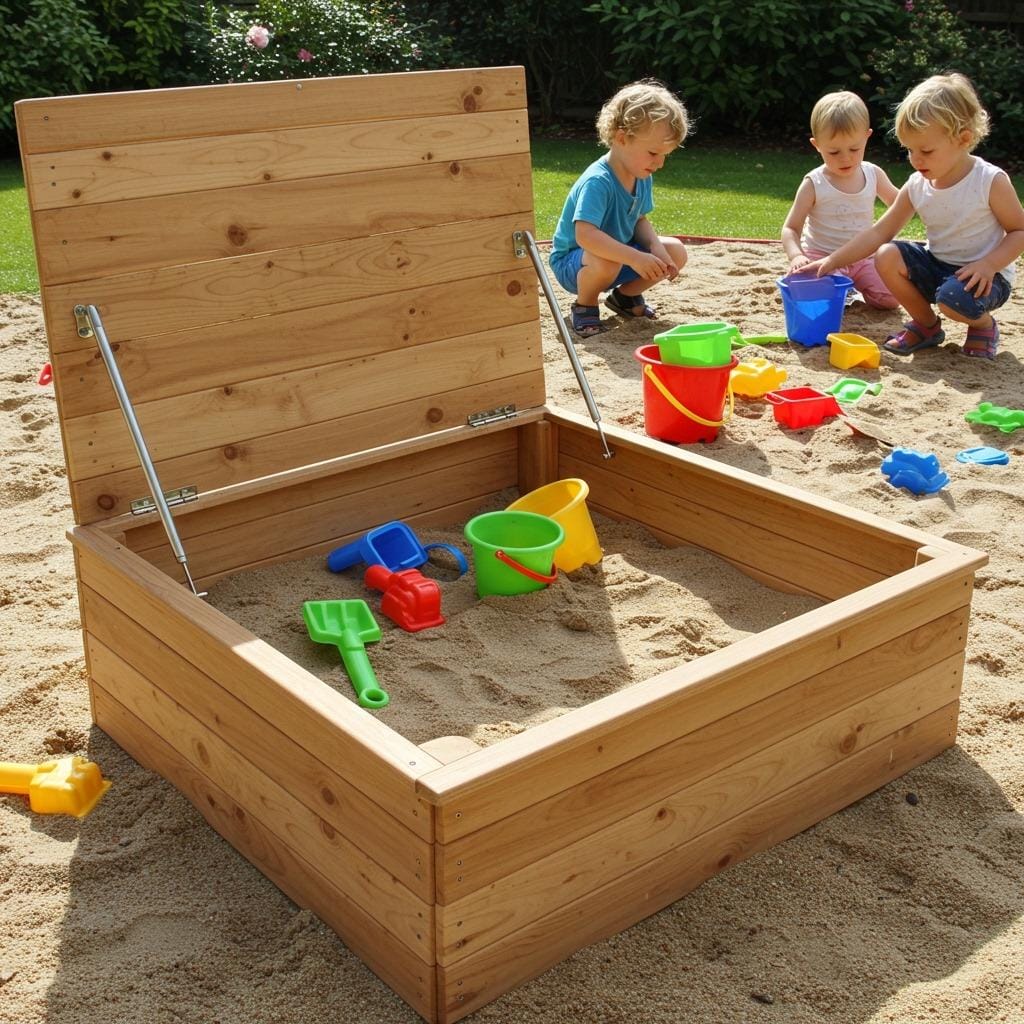
Add built-in storage compartments around the edges for toys and tools. Your kids will love having designated spots for their favorite shovels, molds, and buckets. The organized approach also makes cleanup time much more manageable for busy parents.
2. Adventure Climbing Wall
Transform a boring fence or garden wall into an exciting climbing challenge. A DIY climbing wall adds vertical play opportunities that help develop strength and coordination in a fun way.
Start with plywood panels and colorful climbing holds from sporting goods stores. Space them at appropriate intervals for your children’s ages and abilities, creating multiple route options as they grow stronger.
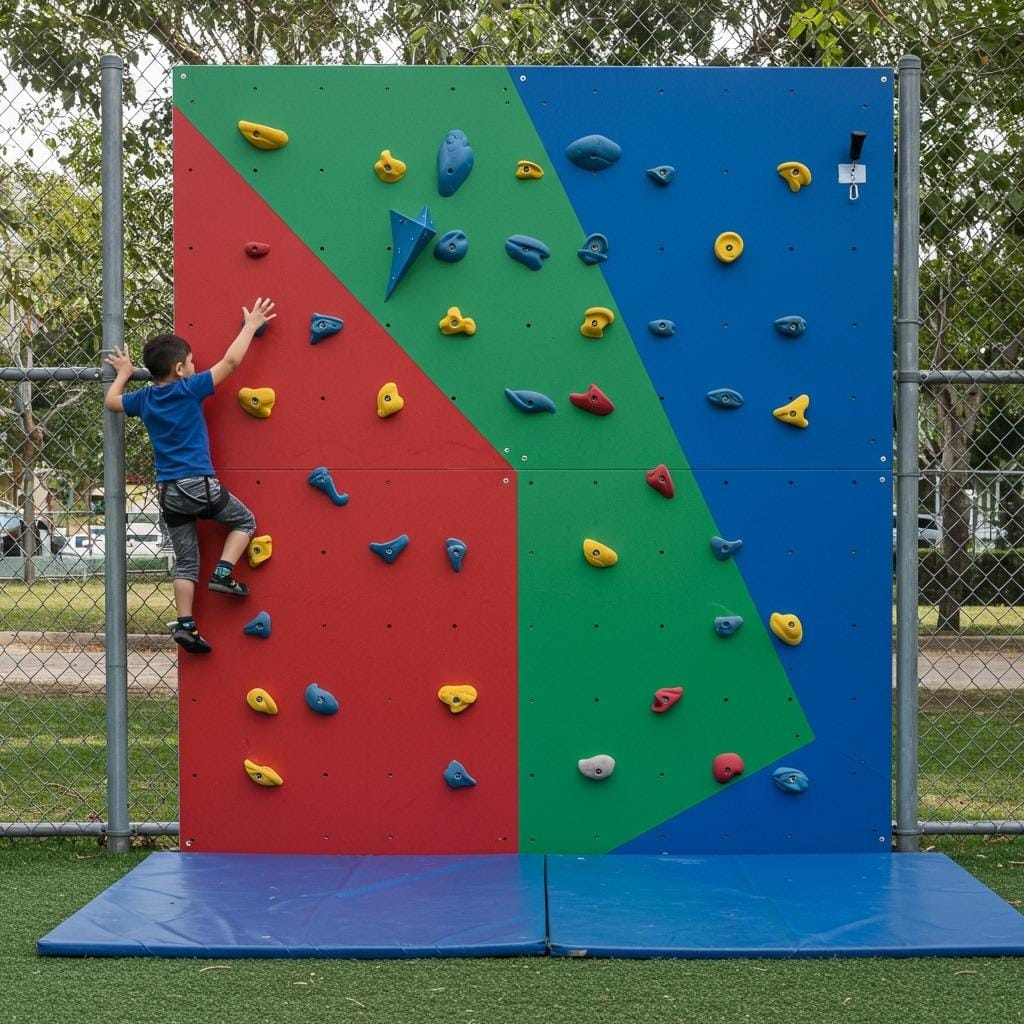
Safety should always come first with climbing features. Install proper safety mats below the wall and ensure all holds are securely fastened. Regular maintenance checks will keep this exciting addition safe and enjoyable for years to come.
3. Magical Fairy Garden Corner
Dedicate a special corner of your yard to creating an enchanting fairy garden that sparks imagination. This type of play area encourages creativity while teaching children about gardening and nature care.
Use miniature furniture, tiny houses, and small plants to create a whimsical world. Children love adding their own touches with painted rocks, handmade decorations, and seasonal elements throughout the year.
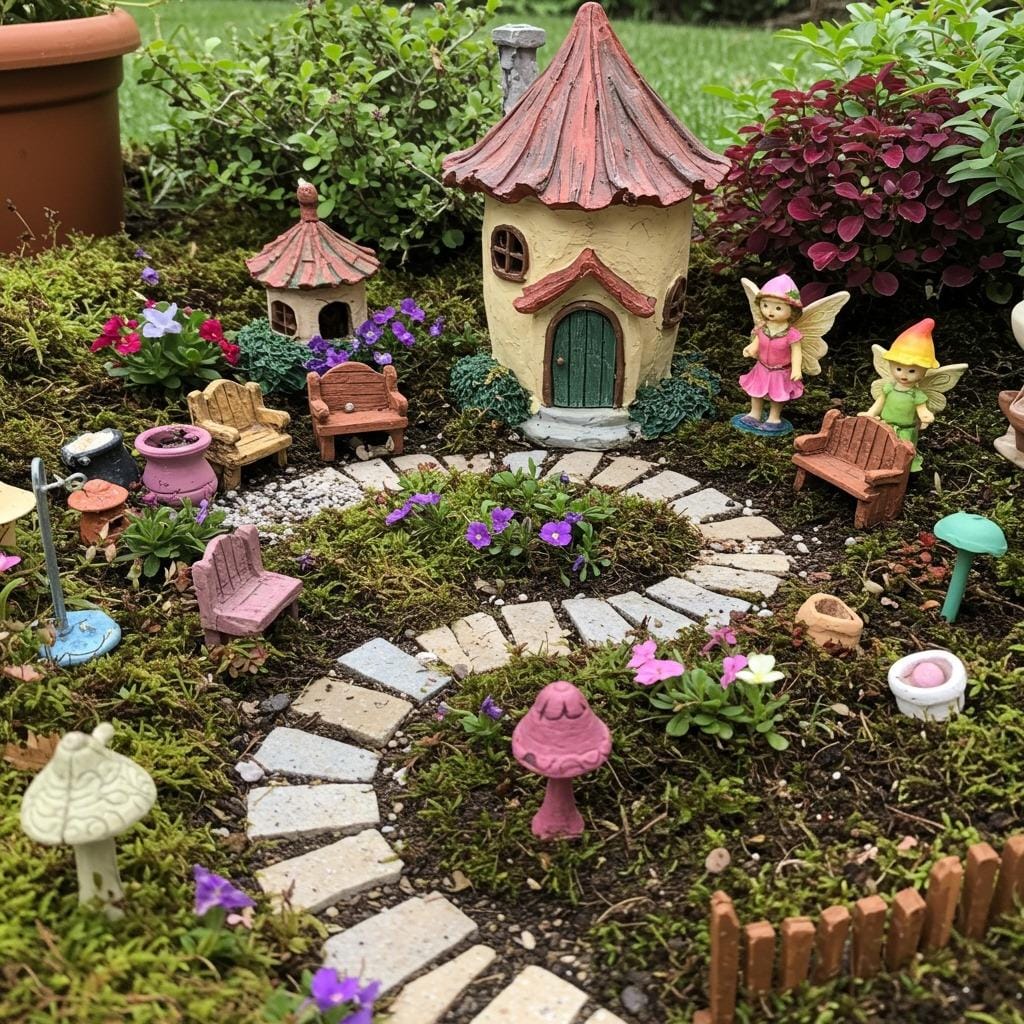
The beauty of fairy gardens lies in their evolution. As seasons change, kids can redesign their magical spaces, learning about plant care while exercising their creative muscles. This ongoing project provides entertainment value that extends far beyond initial setup.
4. Water Play Station
Nothing beats water play during hot summer days. Creating a dedicated water play station keeps the fun contained while providing endless entertainment opportunities for active children.
Consider installing a simple spigot with multiple hose connections for sprinklers, misters, and water tables. This setup allows for various water activities without the hassle of dragging equipment back and forth.
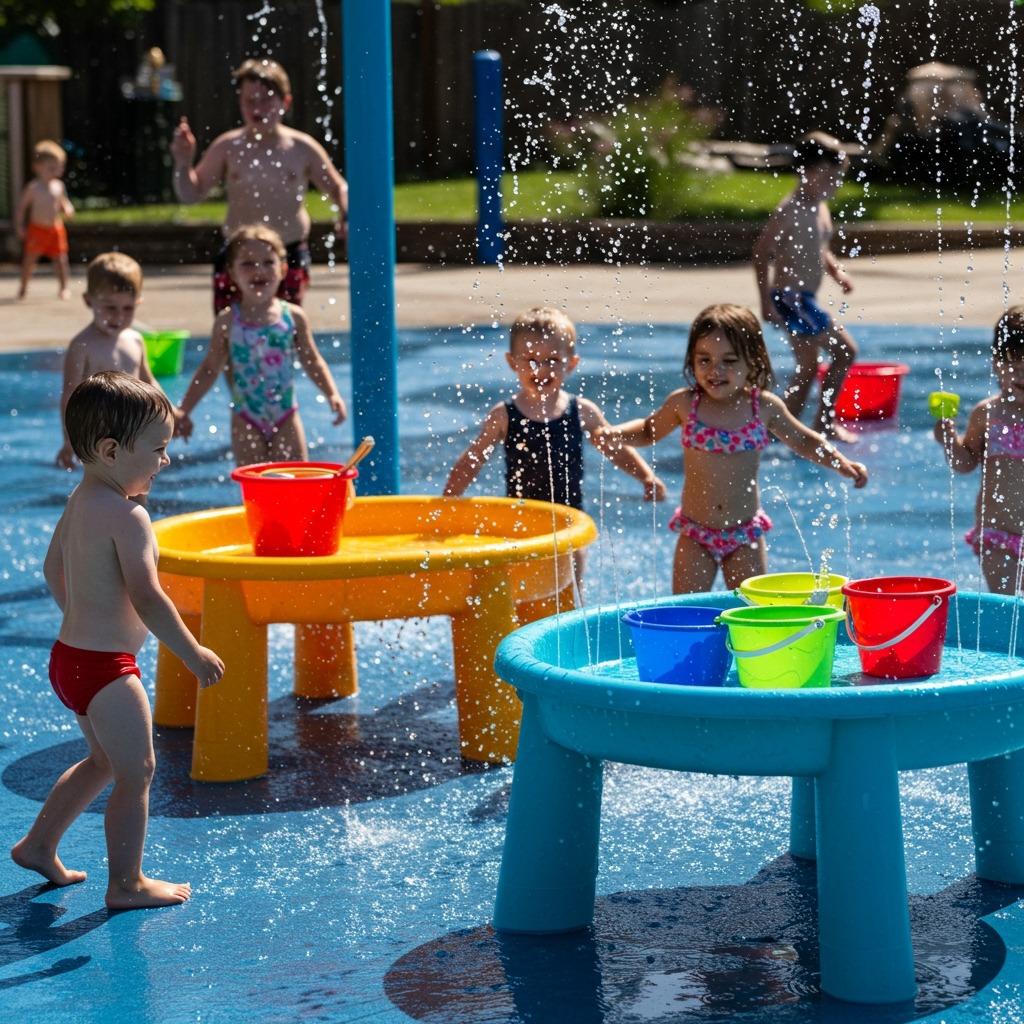
Add different levels and textures to your water play zone. Elevated water tables, ground-level splash pads, and hanging water elements create a dynamic experience that engages children of different ages simultaneously.
5. Natural Obstacle Course
Use natural materials and simple equipment to design an ever-changing obstacle course. This approach to backyard play spaces encourages physical activity while working with your existing landscape features.
Incorporate logs for balance beams, rocks for stepping stones, and rope swings tied to sturdy tree branches. The natural elements blend seamlessly with your yard’s aesthetic while providing challenging play opportunities.
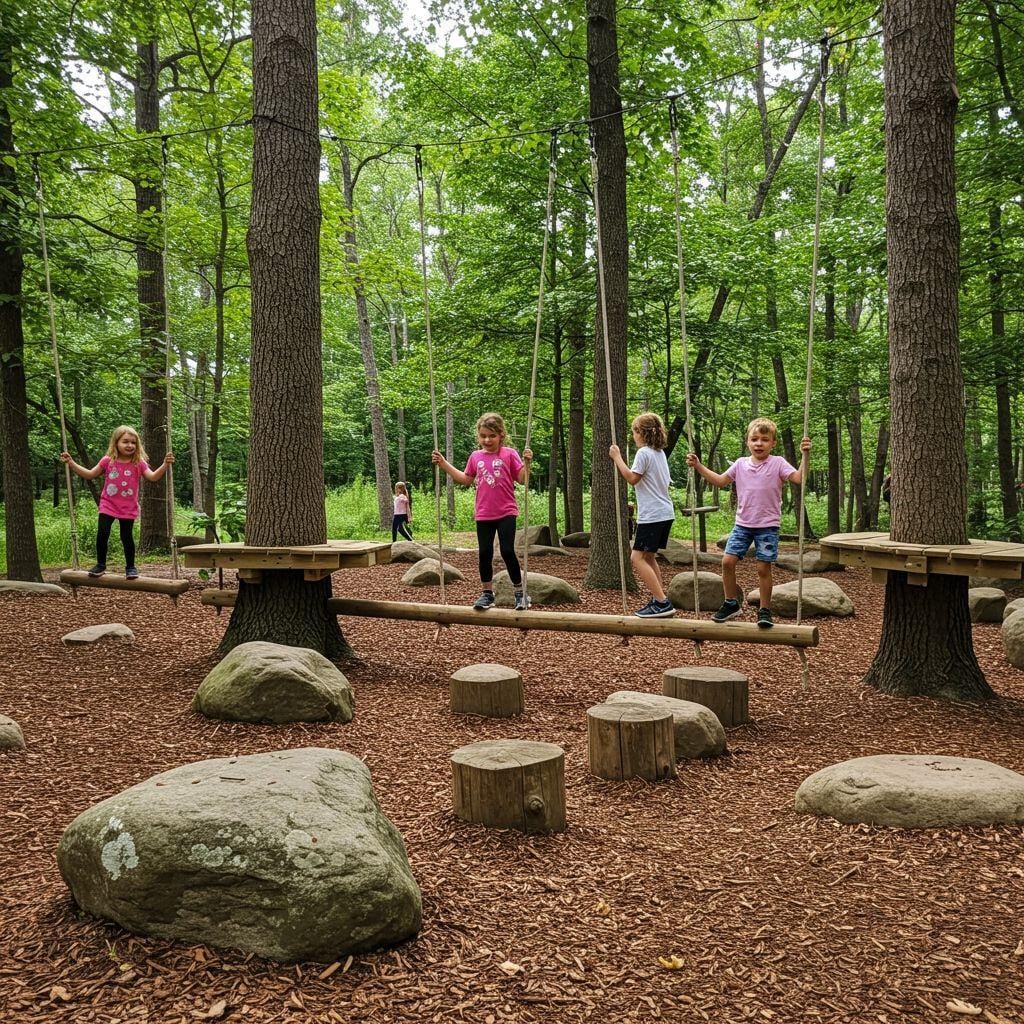
The flexibility of natural obstacle courses allows you to modify difficulty levels and change configurations regularly. This keeps children engaged and prevents boredom while promoting physical fitness in an enjoyable way.
6. Cozy Reading Fort
Every kids outdoor play area needs a quiet zone for calmer activities. An outdoor reading fort provides shelter for storytelling, quiet play, or simply relaxing after energetic adventures.
Build a simple A-frame structure using weather-resistant materials. Add outdoor cushions, blankets, and a weatherproof storage container for books and quiet toys. This creates a perfect retreat within your active play space.
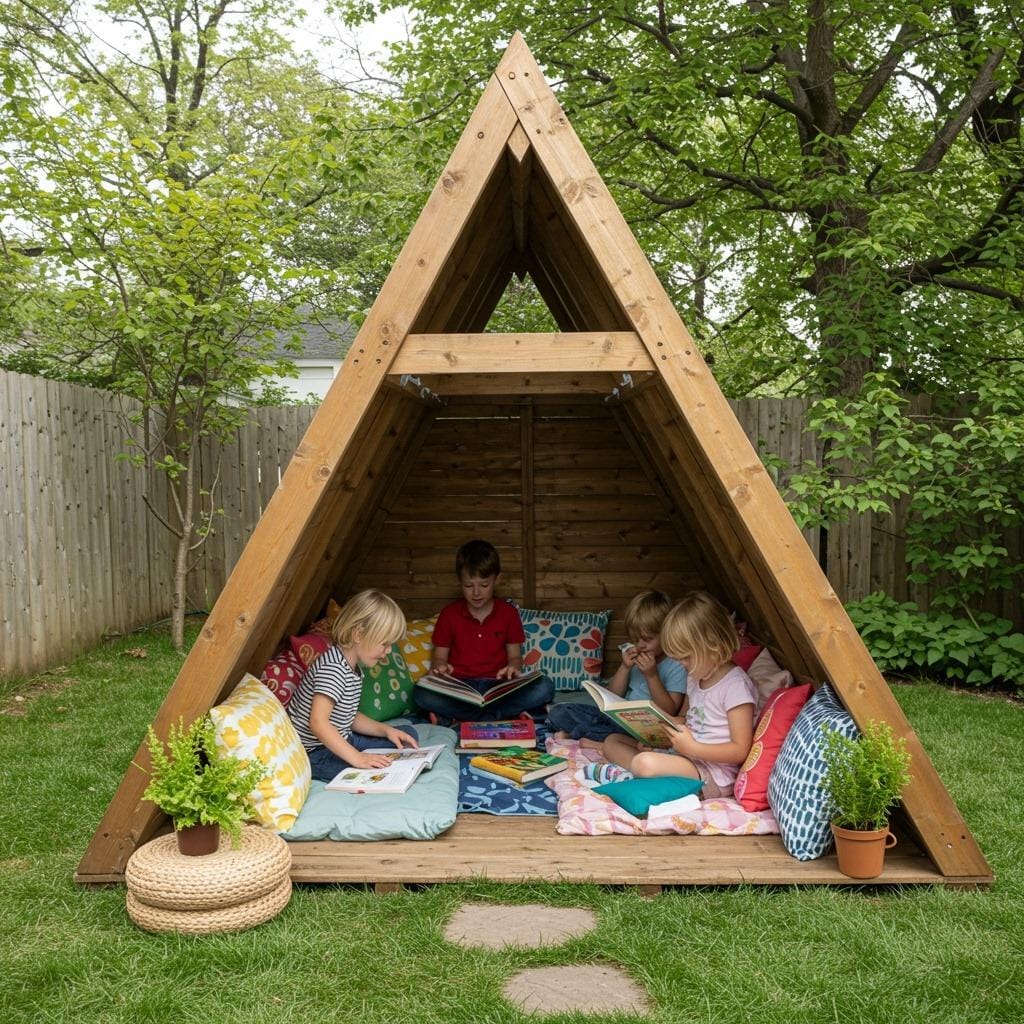
Position your reading fort in a partially shaded area to provide comfort during different times of day. The combination of fresh air and cozy comfort makes outdoor reading an appealing alternative to indoor screen time.
7. Musical Garden Elements
Incorporate sound and music into your outdoor play design with weather-resistant musical instruments. Wind chimes, outdoor xylophones, and hanging percussion instruments add auditory excitement to backyard play spaces.
Create a dedicated music corner where children can experiment with different sounds and rhythms. This type of sensory play supports creativity while providing a unique element that neighbors’ yards probably don’t have.
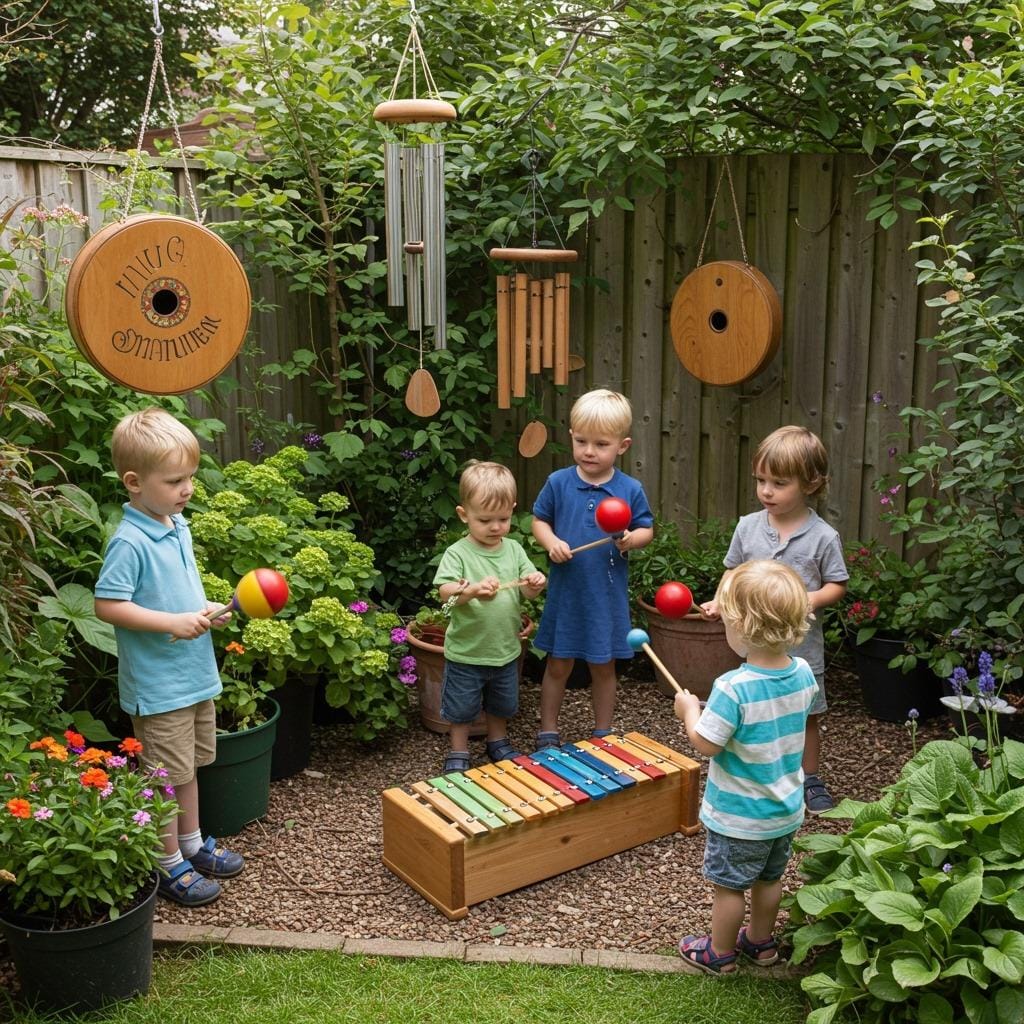
Musical elements work particularly well because they engage children who might not be drawn to purely physical activities. The combination of movement and music creates an inclusive environment where different play styles can flourish.
8. Vegetable Garden Learning Space
Teaching children about growing their own food creates lasting memories while providing valuable life skills. A dedicated kids’ garden section within your outdoor play area combines education with hands-on fun.
Choose easy-to-grow vegetables like cherry tomatoes, lettuce, and radishes that provide quick gratification. Raised beds at child-friendly heights make tending the garden comfortable and accessible for smaller hands.
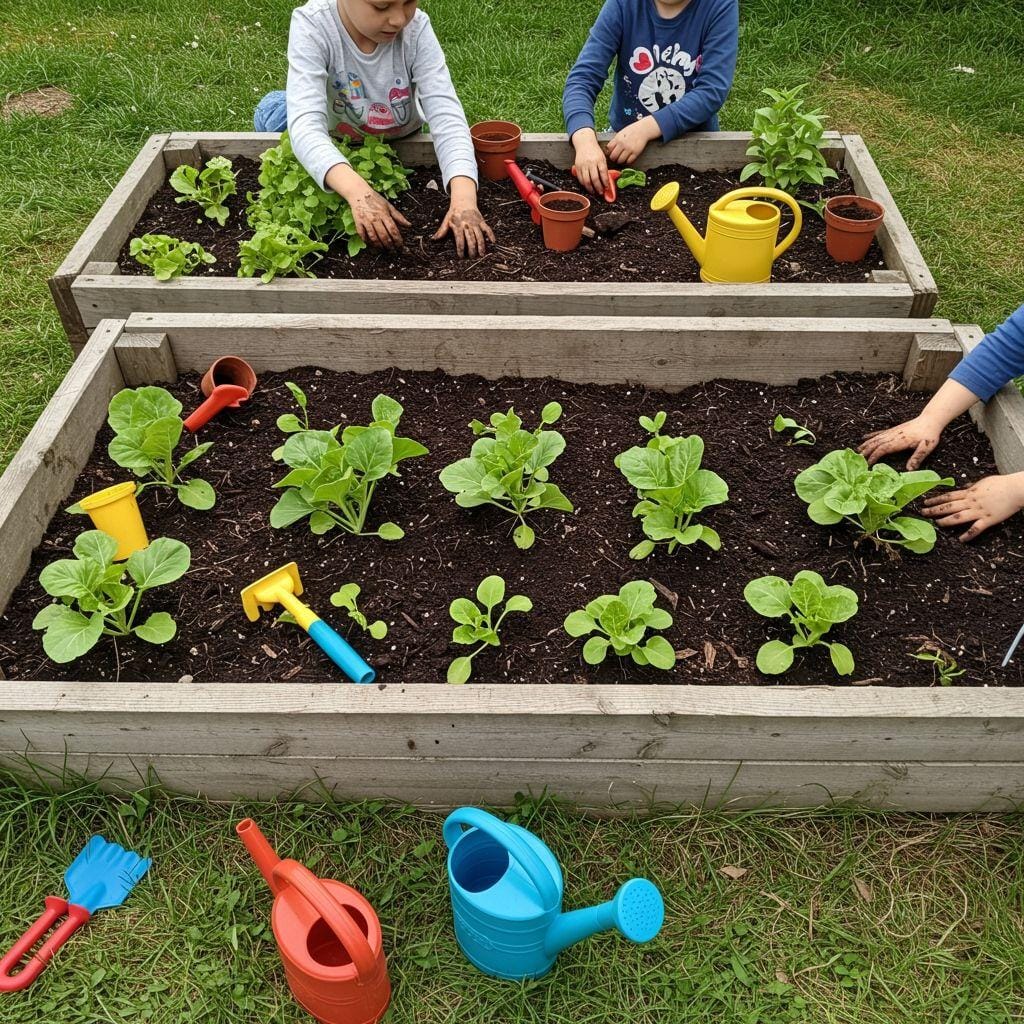
The connection between planting, caring for, and eventually eating homegrown vegetables creates a complete learning cycle. Children develop responsibility while gaining appreciation for where their food comes from. This type of safe outdoor design promotes healthy habits that last a lifetime.
For more inspiration on creating functional outdoor spaces, check out these outdoor spaces ideas that can complement your children’s play area perfectly.
9. Tire Swing Adventure
A classic tire swing brings nostalgic charm to modern backyard play spaces while providing thrilling entertainment that never gets old. The spinning, swinging motion offers sensory input that many children crave.
Ensure proper installation with heavy-duty rope or chain rated for outdoor use. The mounting branch should be thick, healthy, and positioned over a safe landing area with appropriate ground covering.
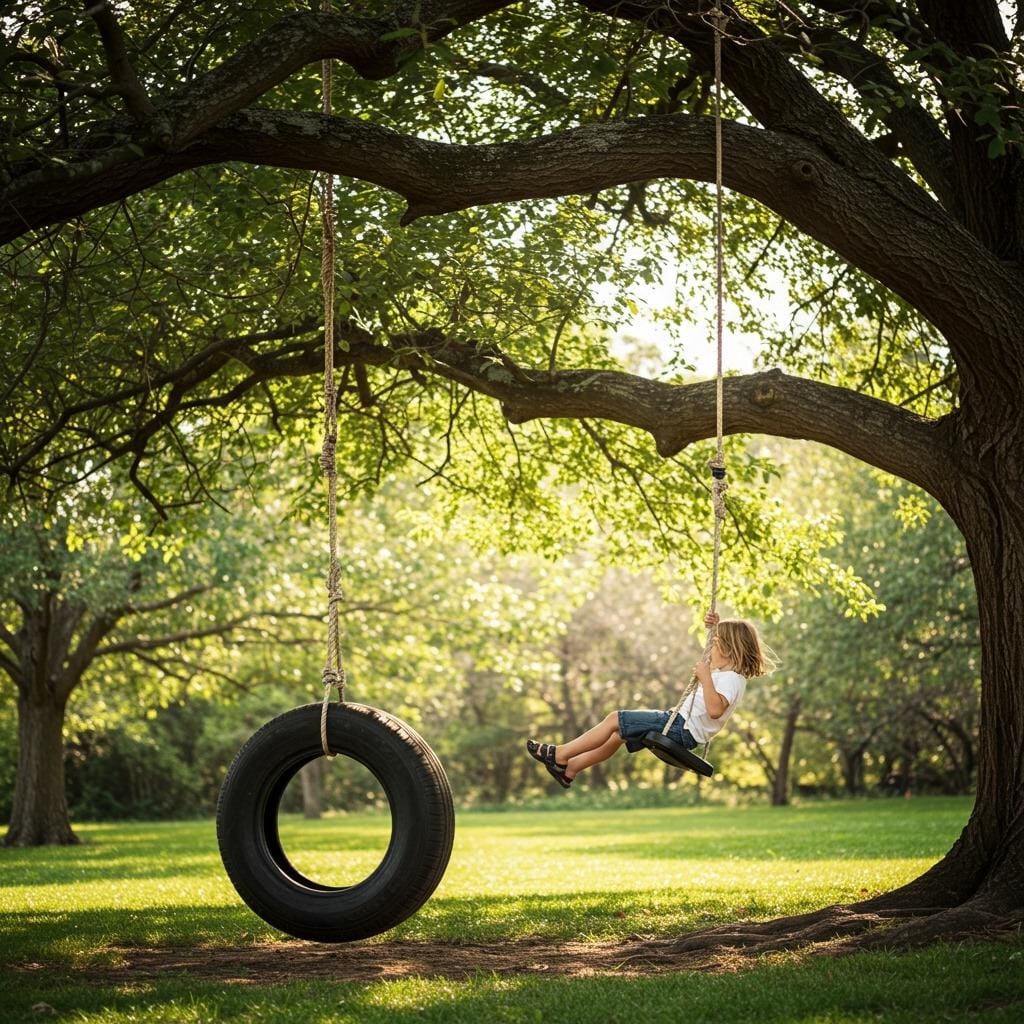
Consider painting the tire with fun colors or patterns to match your overall play area theme. This simple touch transforms a basic tire into a custom play element that feels intentionally designed rather than repurposed.
10. Mud Kitchen Creativity Station
Embrace the mess with a designated mud kitchen that channels children’s love of mixing, pouring, and creating concoctions. This type of sensory play supports development while keeping the mess contained to one area.
Build or repurpose an old outdoor table with built-in storage for pots, pans, and utensils. Add a water source nearby and create designated areas for different types of “cooking” activities.
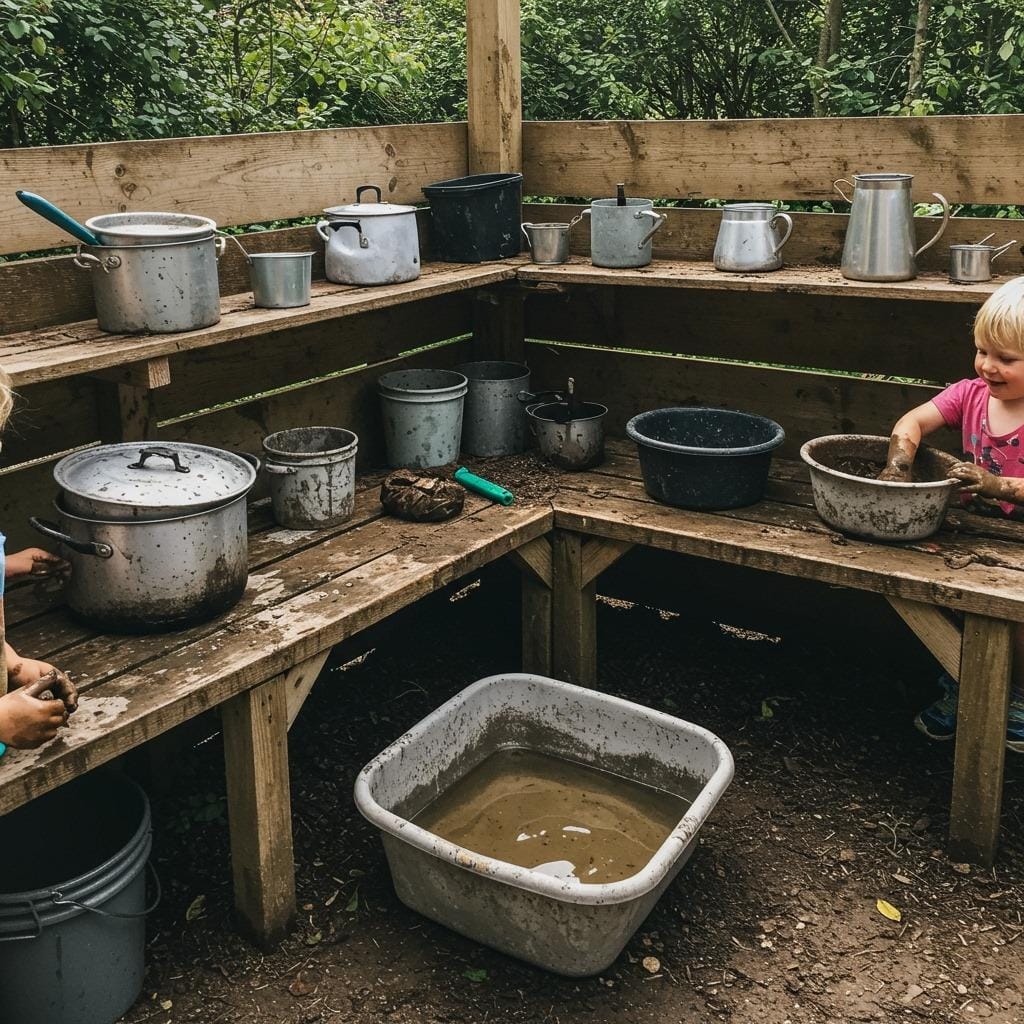
The beauty of mud kitchens lies in their open-ended nature. Children can spend hours creating imaginary meals, potions, and experiments while developing fine motor skills and creativity simultaneously.
11. Butterfly and Pollinator Garden
Create a living classroom by planting flowers specifically chosen to attract butterflies and beneficial insects. This type of kids garden activity teaches environmental responsibility while providing ongoing entertainment.
Choose native plants that bloom at different times throughout the growing season. Marigolds, zinnias, and butterfly bushes are excellent starting points that are both beautiful and pollinator-friendly.
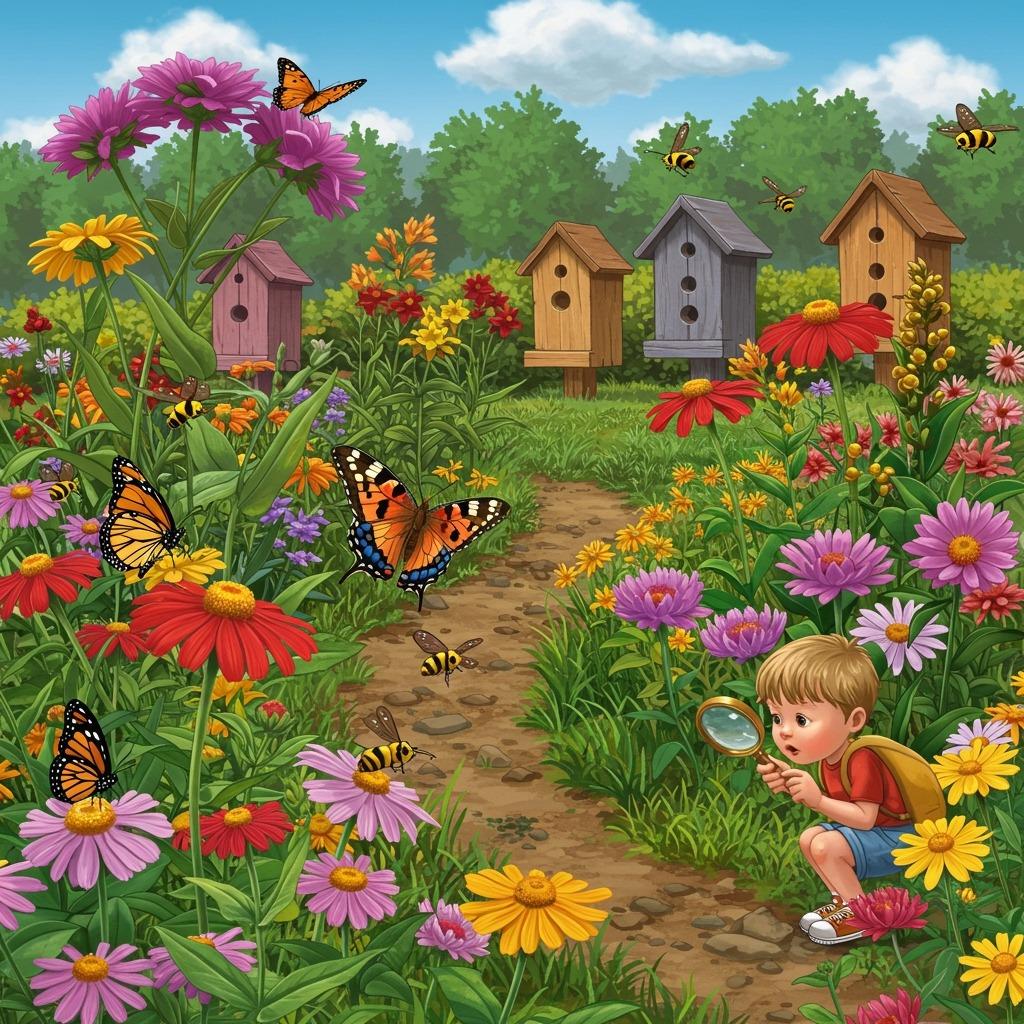
Add learning elements like identification charts and observation journals to extend the educational value. Children love tracking which butterflies visit their garden and learning about the important role pollinators play in our ecosystem.
For more ideas on incorporating natural elements into your outdoor spaces, explore these garden seating area concepts that can work beautifully alongside children’s play zones.
12. Balance and Coordination Course
Develop gross motor skills with a dedicated balance course using affordable materials like wooden planks, stepping stones, and balance beams at various heights. This addition to your outdoor play area promotes physical confidence.
Create different challenge levels by adjusting heights and spacing. Beginning sections can sit close to the ground while advanced areas might incorporate slight elevation changes for confident climbers.
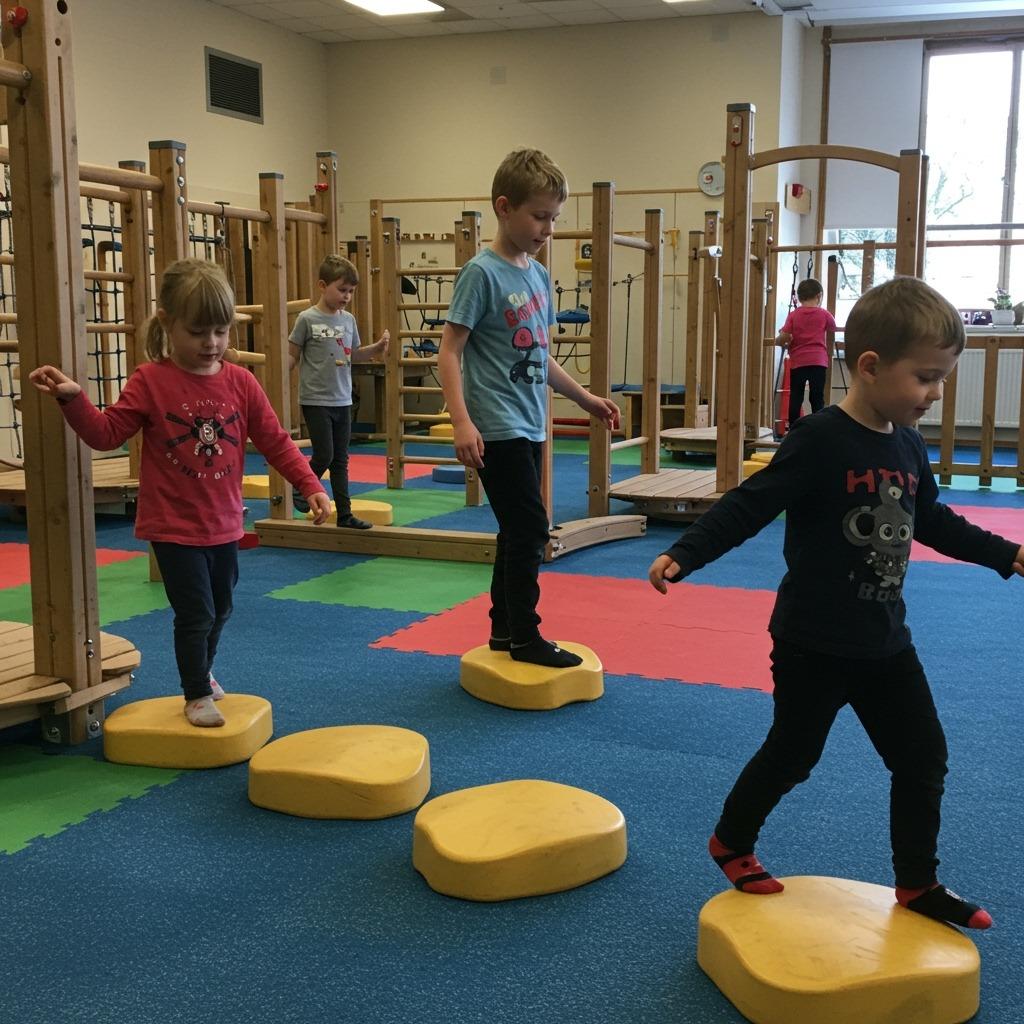
The progressive difficulty of balance courses means they grow with your children’s abilities. What starts as a challenging activity for preschoolers becomes a warm-up exercise for school-age kids, extending the useful life of your investment.
13. Outdoor Art Studio
Weather-resistant art supplies and dedicated workspace encourage creativity while keeping messy projects outside. An outdoor art studio becomes a natural extension of indoor creative activities.
Install a covered easel area with storage for supplies that can withstand outdoor conditions. Washable paints, chalk, and natural materials like leaves and flowers provide endless artistic possibilities.
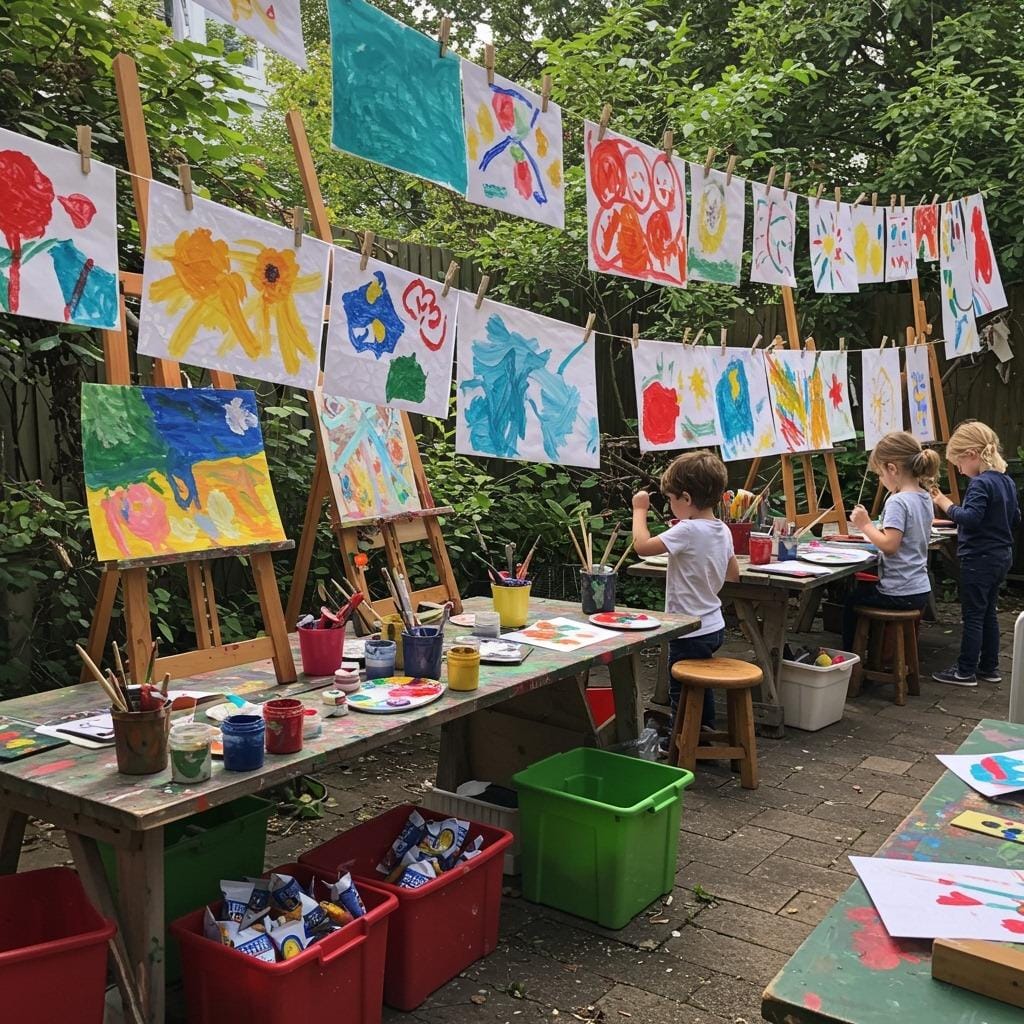
The freedom to create messy masterpieces without worrying about indoor cleanup removes barriers to artistic expression. Children can experiment with larger projects and natural materials that would be impractical inside.
14. Sports Skills Practice Area
Designate space for developing sports skills with activities that can be modified for different ages and interests. A multi-purpose sports area maximizes your backyard’s potential for active play.
Consider installing a basketball hoop at adjustable height, marking areas for different games, and providing storage for various sports equipment. This creates opportunities for both structured and free play.
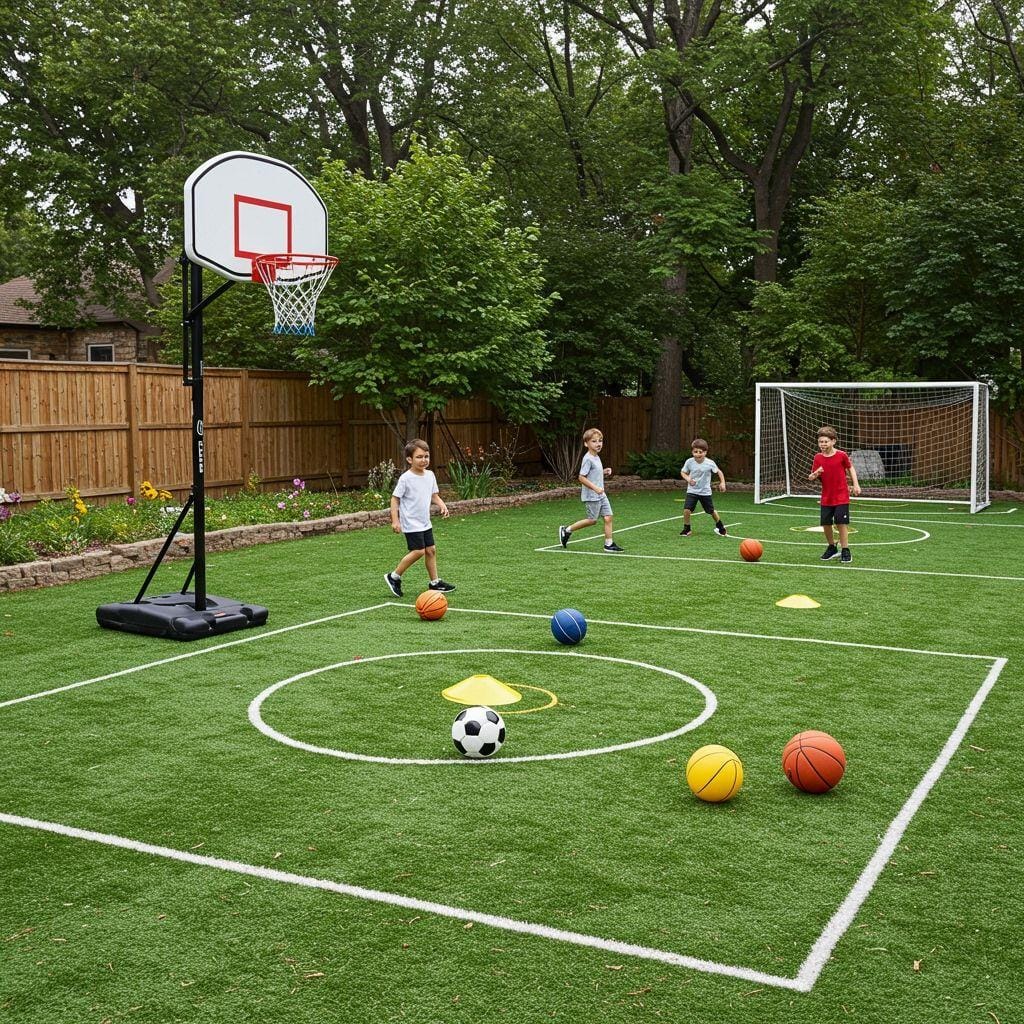
The key to successful sports areas lies in their flexibility. Rather than committing to one specific sport, create spaces that can accommodate basketball, soccer, volleyball, and other activities depending on current interests.
15. Sensory Path Adventure
Install a sensory walkway using different textures and materials to create an engaging experience that supports sensory development. This type of safe outdoor design appeals to children with various sensory needs.
Incorporate materials like smooth river rocks, textured pavers, artificial grass sections, and sand areas. The varying textures provide input that many children find both calming and stimulating.
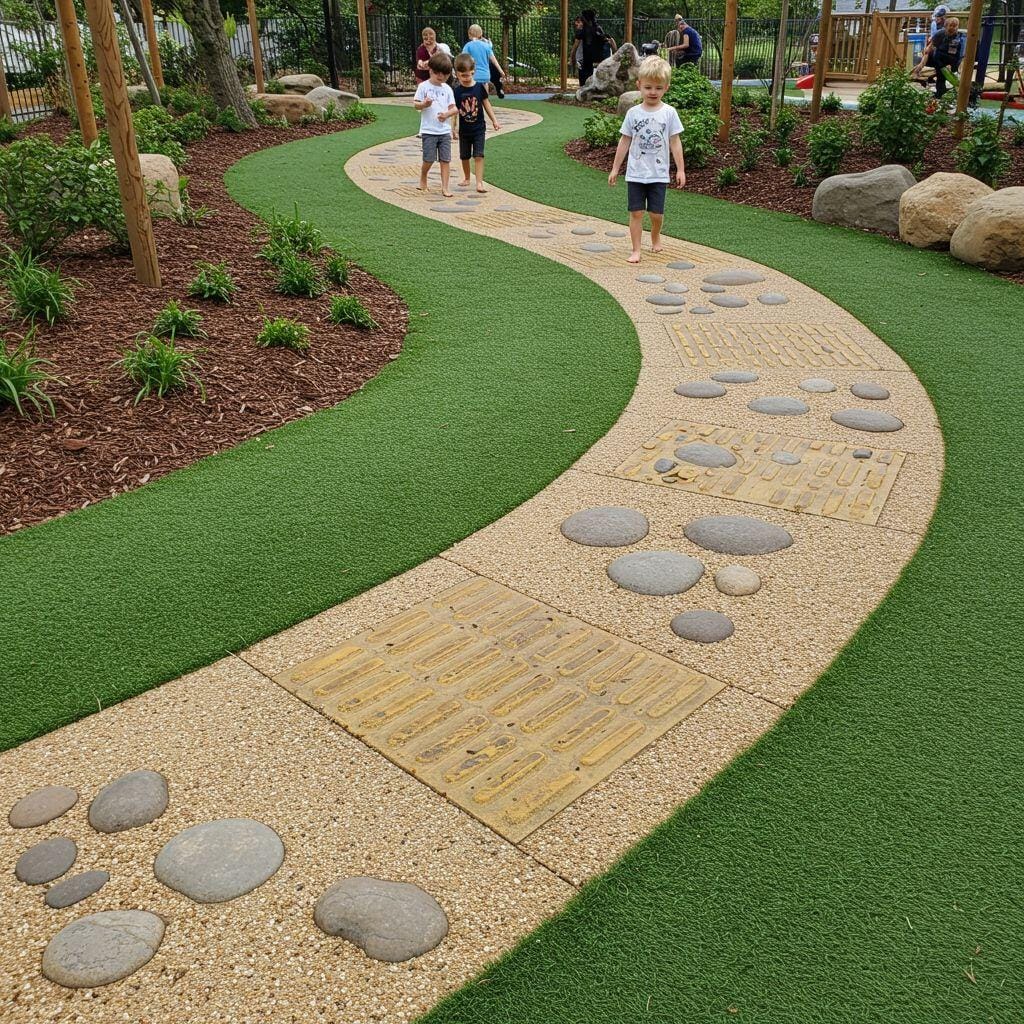
Sensory paths work particularly well because they can be walked forwards, backwards, with eyes closed, or at different speeds to create varied experiences. This single element provides multiple ways to play and explore.
For additional inspiration on creating organized outdoor spaces that complement your play area, check out these storage and organization ideas that help keep play equipment tidy and accessible.
Safety Considerations for Kids Outdoor Play Areas
Creating fun backyard play spaces requires careful attention to safety details that protect children while preserving the joy of outdoor adventure. Regular maintenance and thoughtful planning prevent most accidents before they happen.
Ensure all equipment meets current safety standards and age-appropriate guidelines. This includes checking weight limits, spacing requirements, and fall zone recommendations for climbing structures and swings.
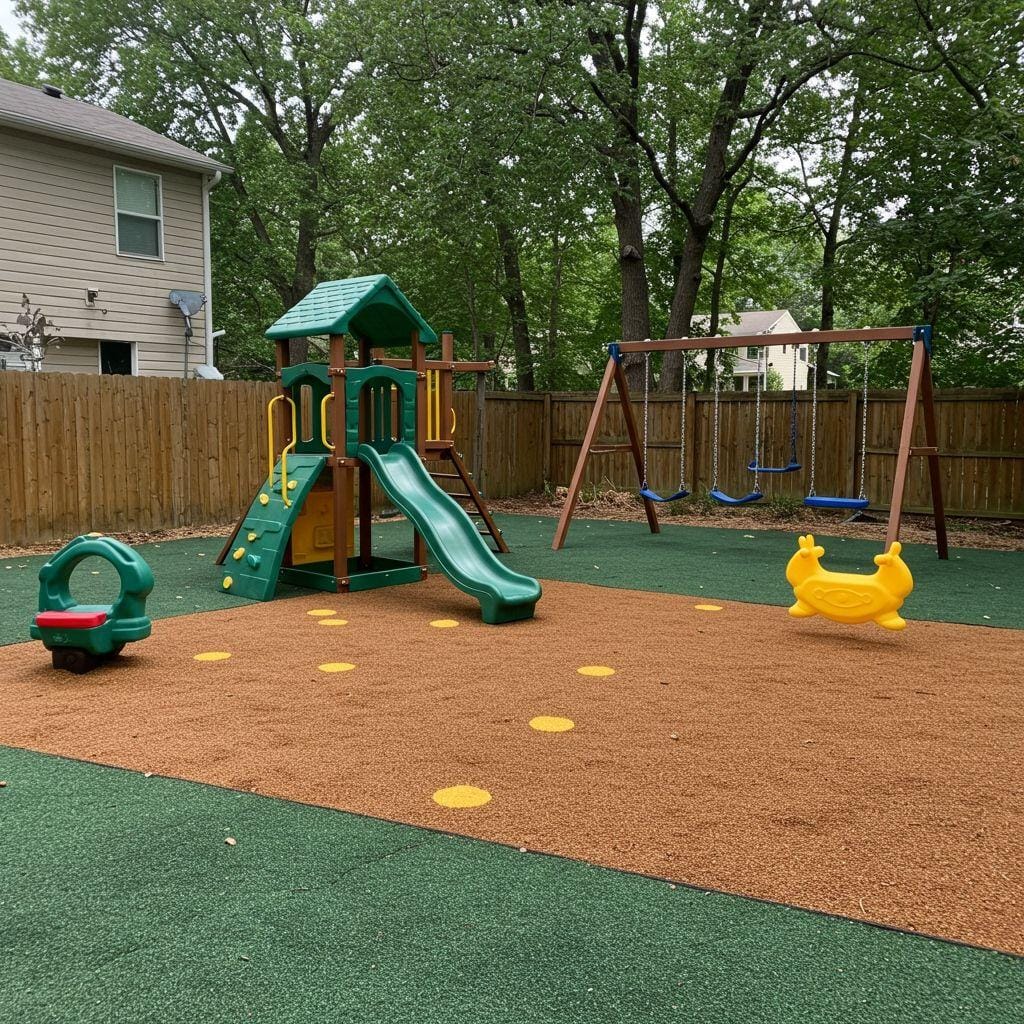
Consider sight lines from your house to play areas so supervision remains easy and natural. The best outdoor play designs balance independence with appropriate oversight, allowing children to explore while keeping them visible from key indoor locations.
Proper surface materials under play equipment can prevent up to 70% of playground injuries, making this one of the most important safety investments you can make.
Maintaining Your Outdoor Play Paradise
Regular maintenance keeps your kids outdoor play area safe, attractive, and functional throughout the seasons. Establishing simple maintenance routines prevents small issues from becoming expensive problems.
Create a seasonal checklist that covers equipment inspections, surface material refreshing, and plant care for any garden elements. Many maintenance tasks can become fun family activities that teach children responsibility for their play spaces.
Weather protection for equipment extends the life of your investment significantly. Simple covers, proper drainage, and weather-resistant materials chosen initially save money and effort over time.
The most successful backyard play spaces evolve with your family’s changing needs. What works for toddlers transforms into challenges appropriate for school-age children, and eventually into spaces that teenagers might use for socializing or sports practice.
Your outdoor play area represents more than just entertainment – it’s an investment in your children’s physical development, creativity, and lifelong love of outdoor activities. The memories created in these specially designed spaces become treasured family stories that last well beyond childhood.
These 15 ideas provide starting points for creating the perfect kids outdoor play area that matches your family’s interests, budget, and space constraints. The key lies in choosing elements that can grow and adapt as your children develop new skills and interests over time.

Sanjai creates easy, affordable home decor ideas that anyone can try. Through simple tips and curated finds, he helps you style rooms you’ll love coming home to.