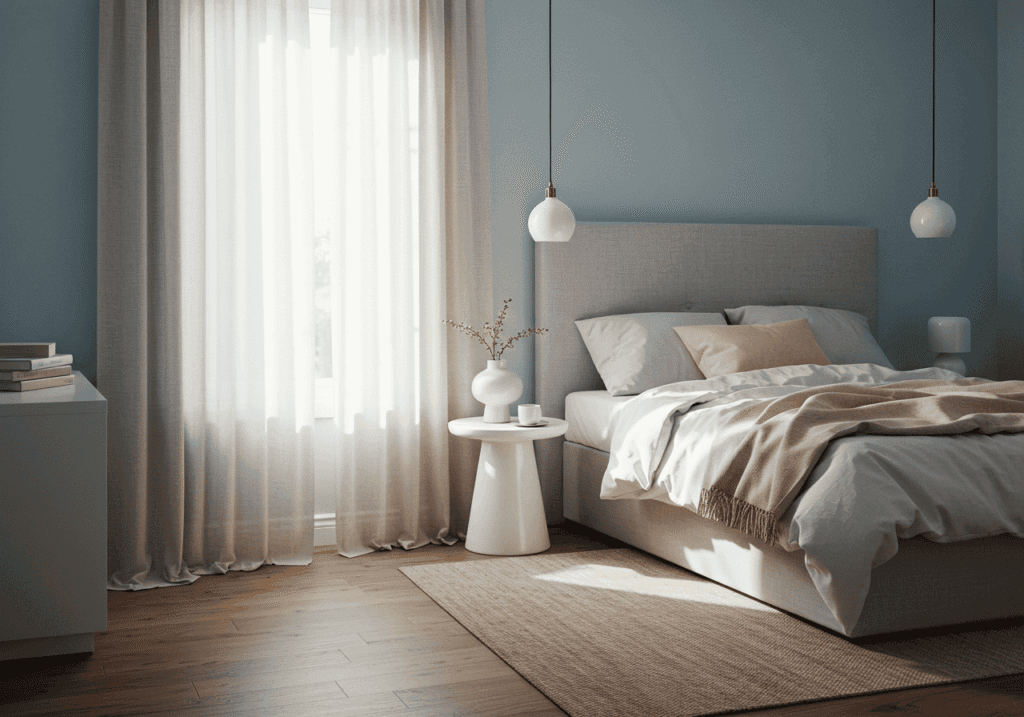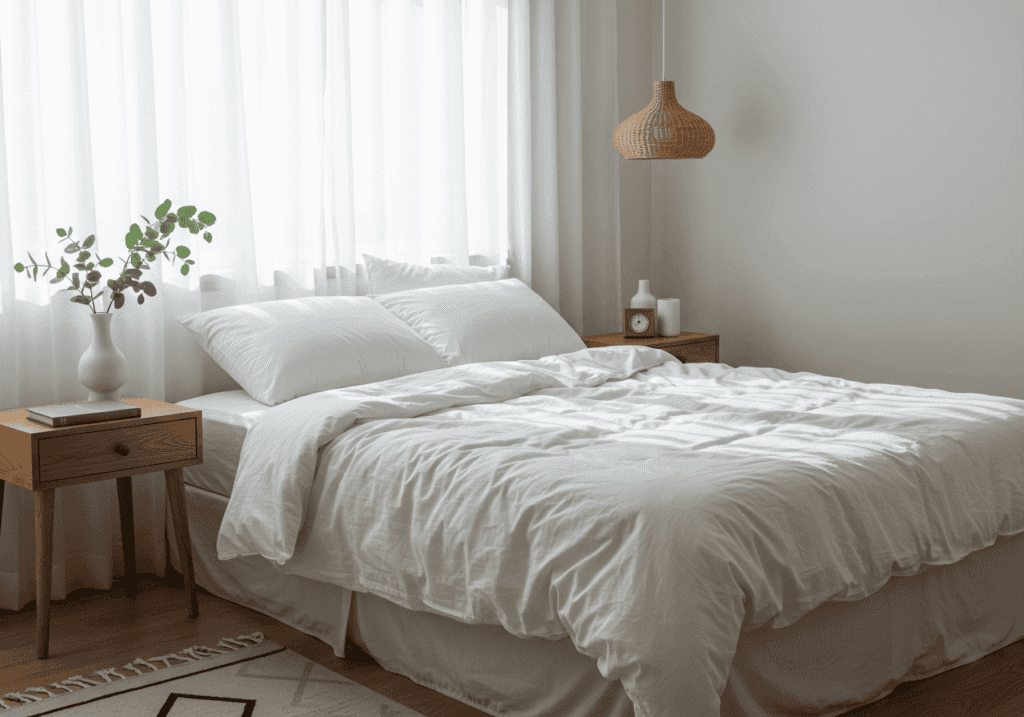
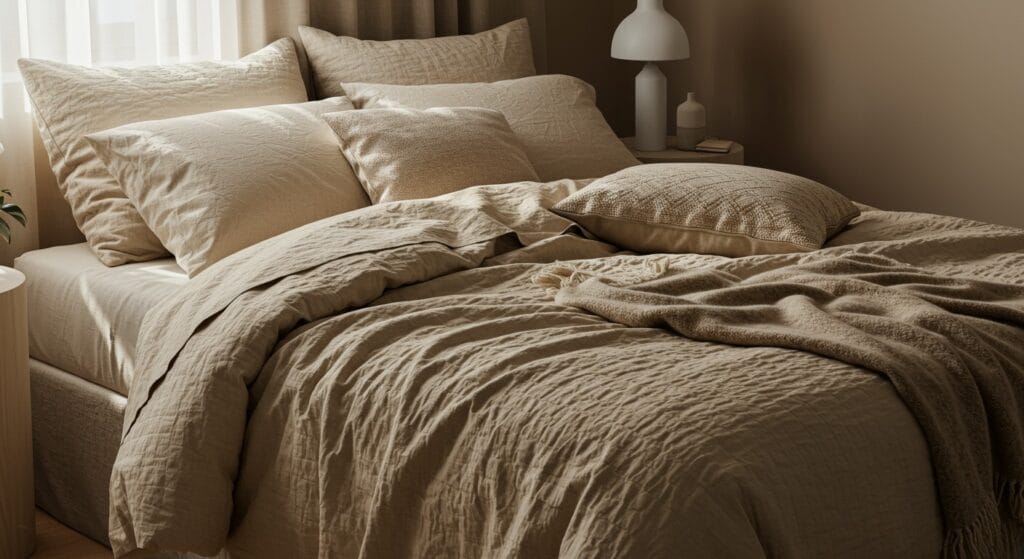
You know that feeling when you walk into a luxury hotel room and the bed practically calls your name? It’s not magic – it’s layered bedding. The way those sheets, blankets, and pillows work together creates something that looks effortlessly expensive but feels even better.
Creating that same effect at home isn’t as complicated as it might seem. You don’t need a degree in interior design or an unlimited budget. What you need is an understanding of how different textures, weights, and colors play together on your bed.
I’ve spent way too much time perfecting my own bed setup (my partner jokes that making the bed has become my hobby), and I’ve learned that layering is where the magic happens. It’s about building dimension, adding warmth without weight, and creating visual interest that makes your bedroom ideas feel pulled together.
There’s something genuinely satisfying about sliding into a well-layered bed. Beyond looking gorgeous in photos, it serves real purposes that make your sleep space better.
The practical side? Layering gives you temperature control. Some nights you’ll kick off the top blanket. Other times you’ll burrow under everything. Having options means you’re comfortable year-round without completely remaking your bed seasonally.
But honestly, the visual impact is what hooked me first. A flat, single-layer bed looks fine. A layered one looks intentional. It creates depth and shadows that photographs beautifully and makes your bedroom feel more designed, even if the rest of the room is still a work in progress.
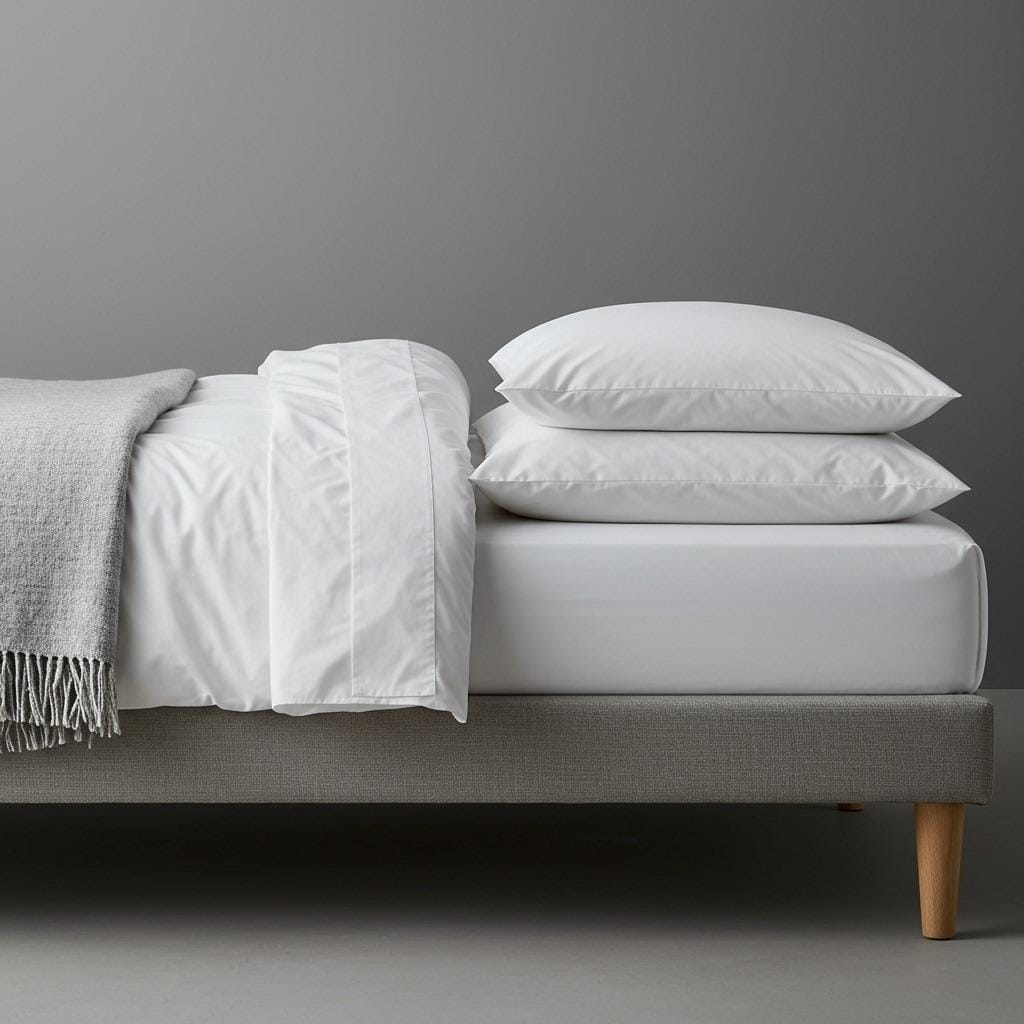
Image Prompt: A side view of a bed showing distinct layers – fitted sheet, flat sheet, lightweight blanket, duvet, and throw – with each layer slightly visible to demonstrate the depth and dimension that layering creates.
1. Start With High-Quality Base Layers
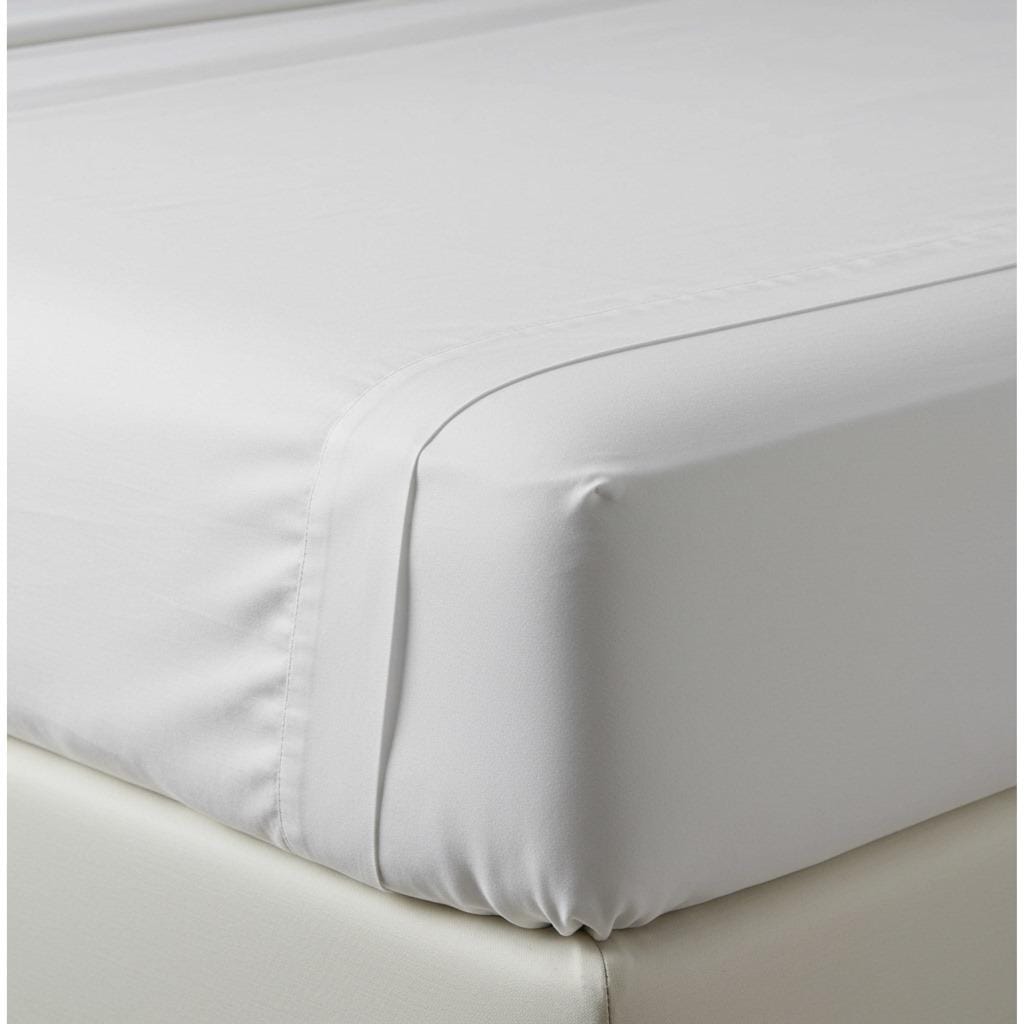
Your fitted and flat sheets are the foundation everything else builds on. I used to think any sheets were fine since they’d be mostly hidden, but quality base layers actually affect how everything else drapes and feels.
Look for sheets with a thread count between 300-500. Anything lower feels rough, anything higher often sacrifices breathability for marketing numbers. Natural fibers like cotton or linen work best because they regulate temperature and get softer with washing.
The color of your base layer matters more than you’d think. White or light neutrals make everything you layer on top pop. If you prefer bedroom color combinations that are moodier, a deep charcoal or navy base can be stunning, though it requires more intentional choices for your upper layers.
2. The Classic Duvet and Coverlet Combination
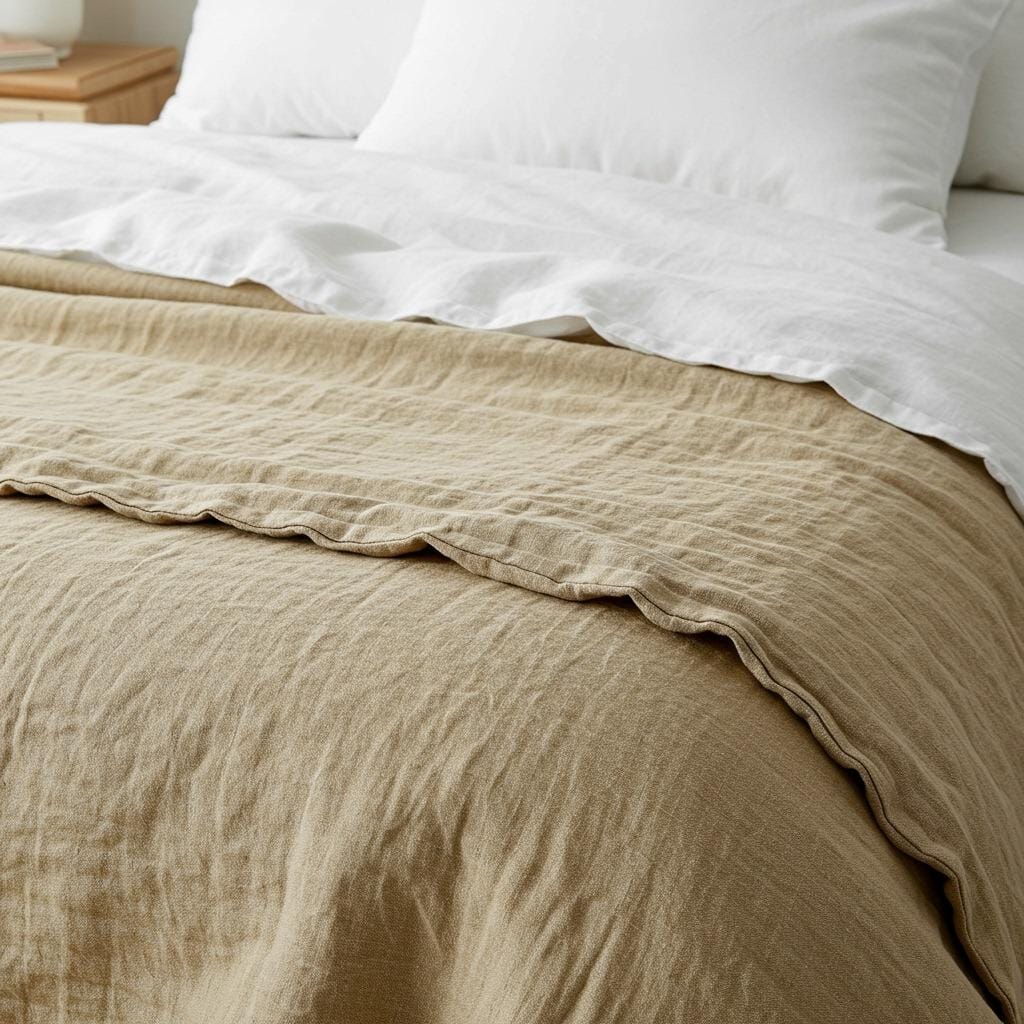
This is probably the most common layering approach, and for good reason. A duvet provides warmth while a coverlet or quilt adds texture and visual weight at the foot of the bed.
Choose a duvet in a neutral or subtle pattern that won’t fight with your other elements. Then add a coverlet that’s folded back about a third of the way down the bed. This creates that signature hotel look where you see multiple layers at once.
The key is making sure your coverlet contrasts with your duvet in some way. Same color but different texture? Perfect. Similar texture but different colors? Also works. You want them to complement each other without blending into one indistinct blob.
3. Mix Textures for Visual Interest
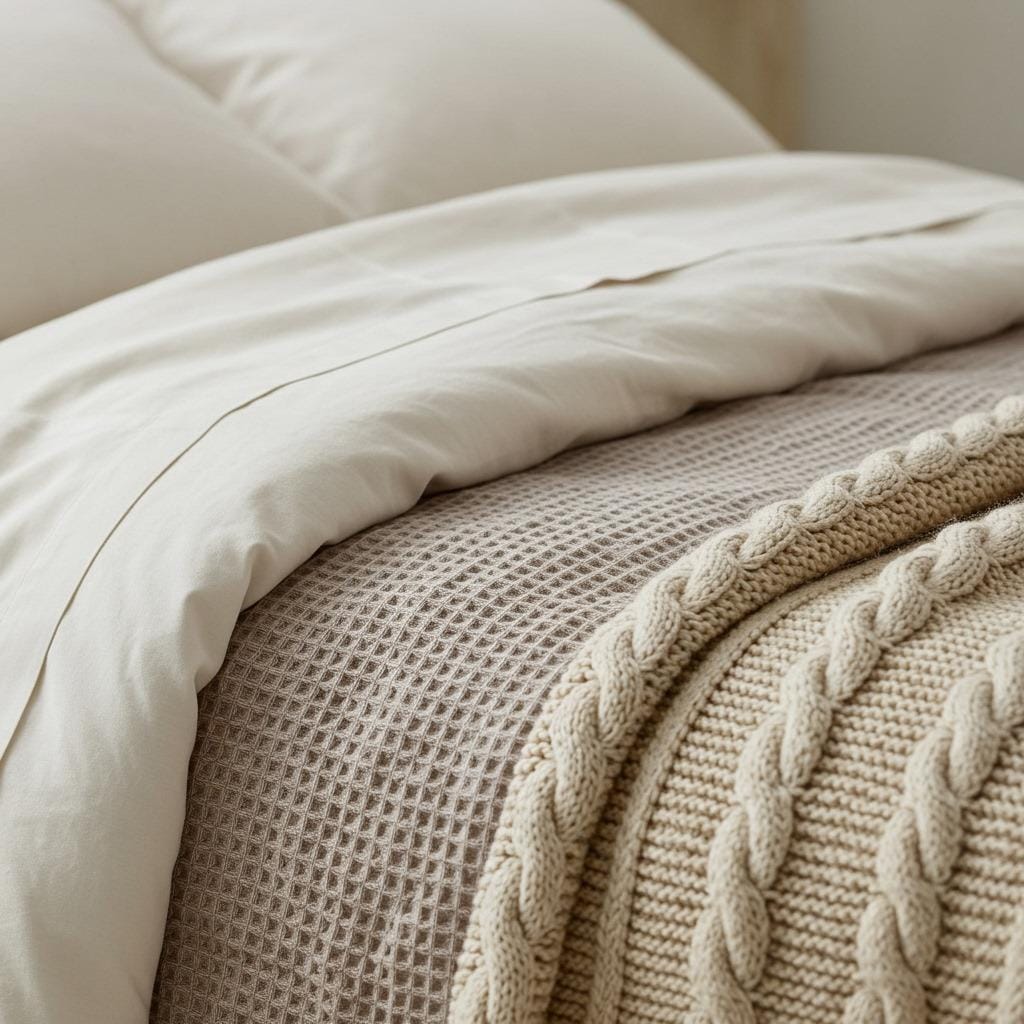
Smooth with nubby. Silky with chunky. This is where textured bedding transforms from nice to wow.
I learned this the hard way after buying all matching sateen everything. It looked flat in person and even flatter in photos. Adding one chunky knit throw changed everything. Suddenly there was something for your eye to land on, something that created shadows and depth.
Try pairing smooth cotton sheets with a linen duvet and a cable-knit throw. Or go with velvet pillows against crisp percale sheets. The contrast makes each element stand out instead of everything mushing together visually.
4. The Euro Pillow Foundation
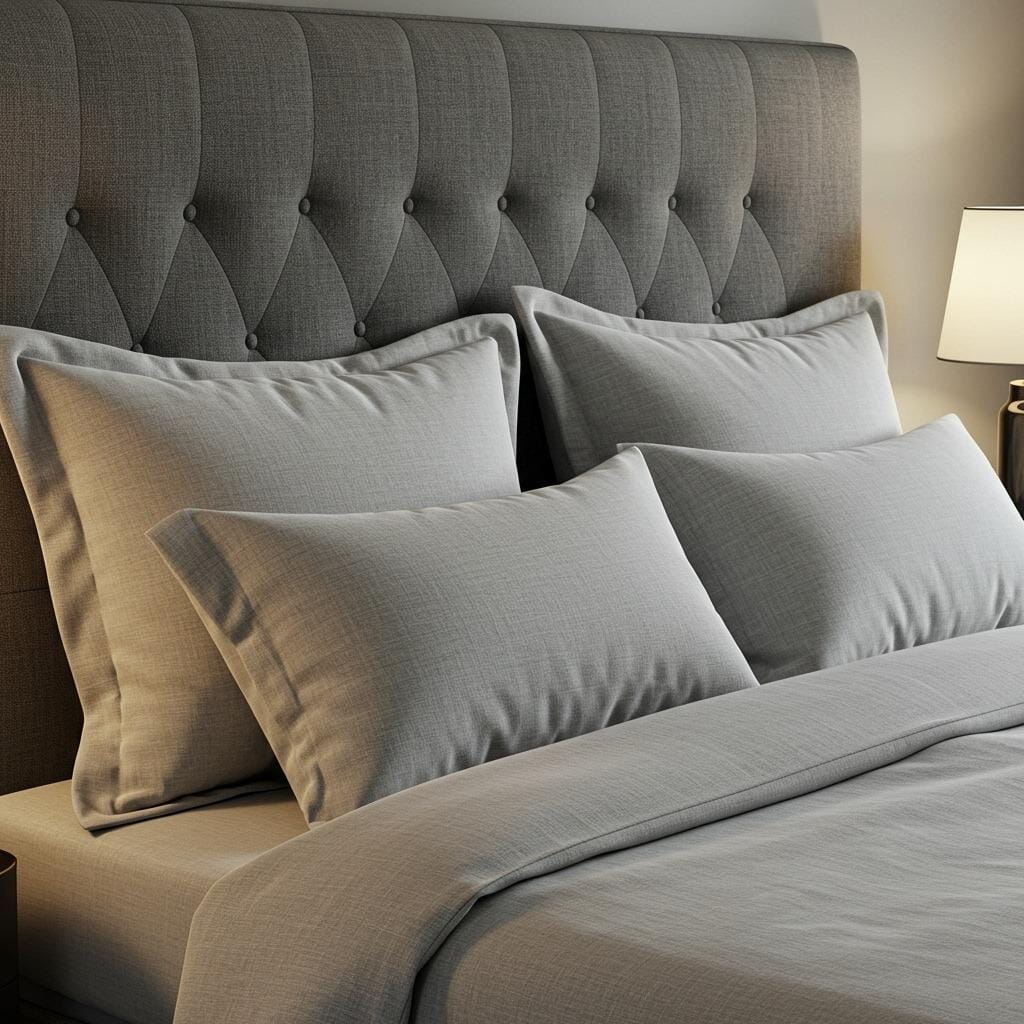
Euro pillows (those big 26-inch squares) create the perfect backdrop for your smaller pillows. They add height and structure that makes the whole bed look more substantial.
Start with two or three Euro pillows standing upright against your headboard. Use shams that complement your duvet – they don’t need to match exactly, but they should feel related. Textured Euro shams in linen or velvet work particularly well because they catch light differently than flat fabrics.
This foundation lets you build forward with standard and decorative pillows without everything sliding around. The Euros act like bookends that keep your pillow arrangement looking intentional instead of chaotic. Consider this approach when thinking about your overall bedroom storage ideas too.
5. Layer Blankets at the Foot of the Bed
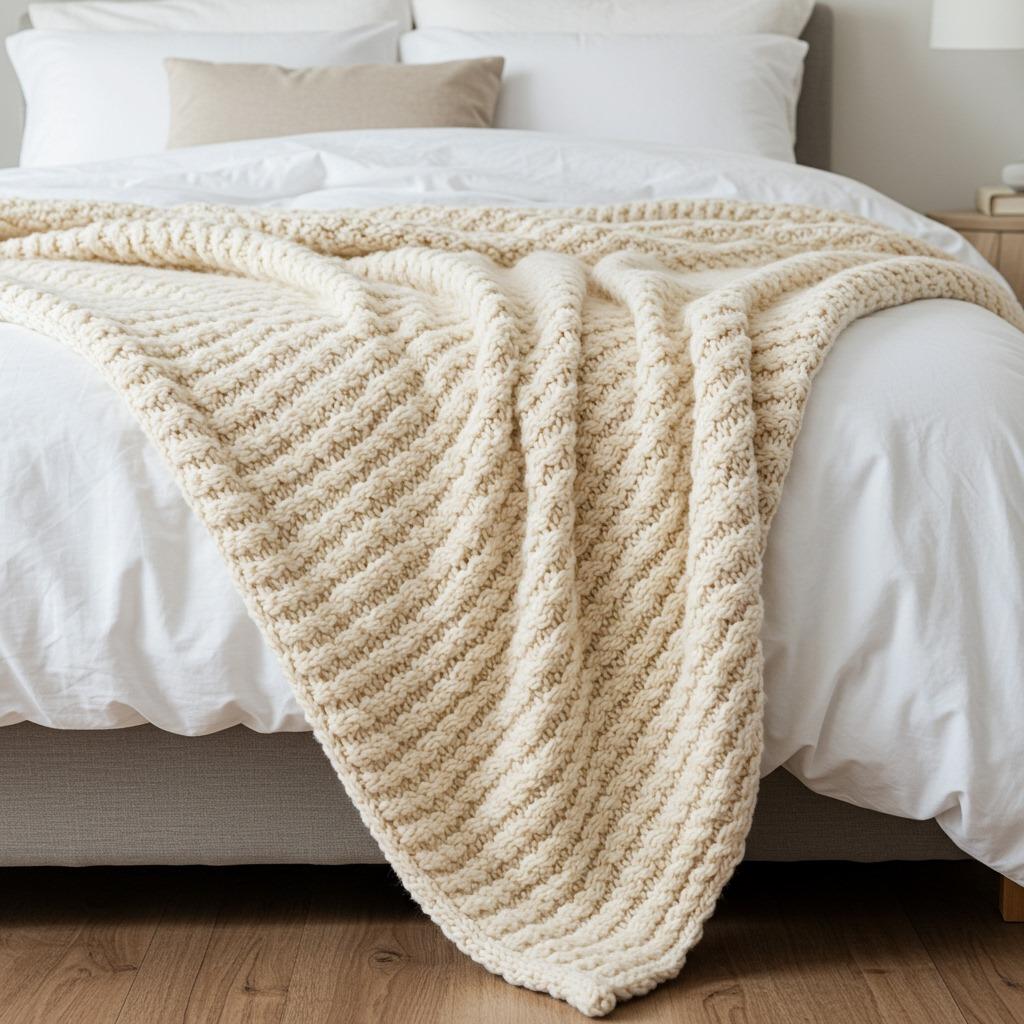
A throw blanket casually draped at the foot of your bed might be the easiest way to add instant luxury. It creates that “I just grabbed this cozy thing” look that somehow appears both effortless and expensive.
Don’t fold it perfectly. Seriously. The beauty is in the casual drape. Grab one corner and let it fall naturally across the foot of the bed, with some of it puddling onto the floor if you’re feeling extra relaxed about it.
Choose a throw that’s either a shade darker or lighter than your duvet. A chunky knit in cream over a white duvet? Gorgeous. A faux fur in gray over navy bedding? Equally stunning. The slight contrast keeps it from disappearing while the tonal relationship keeps it cohesive.
6. Incorporate Seasonal Layers
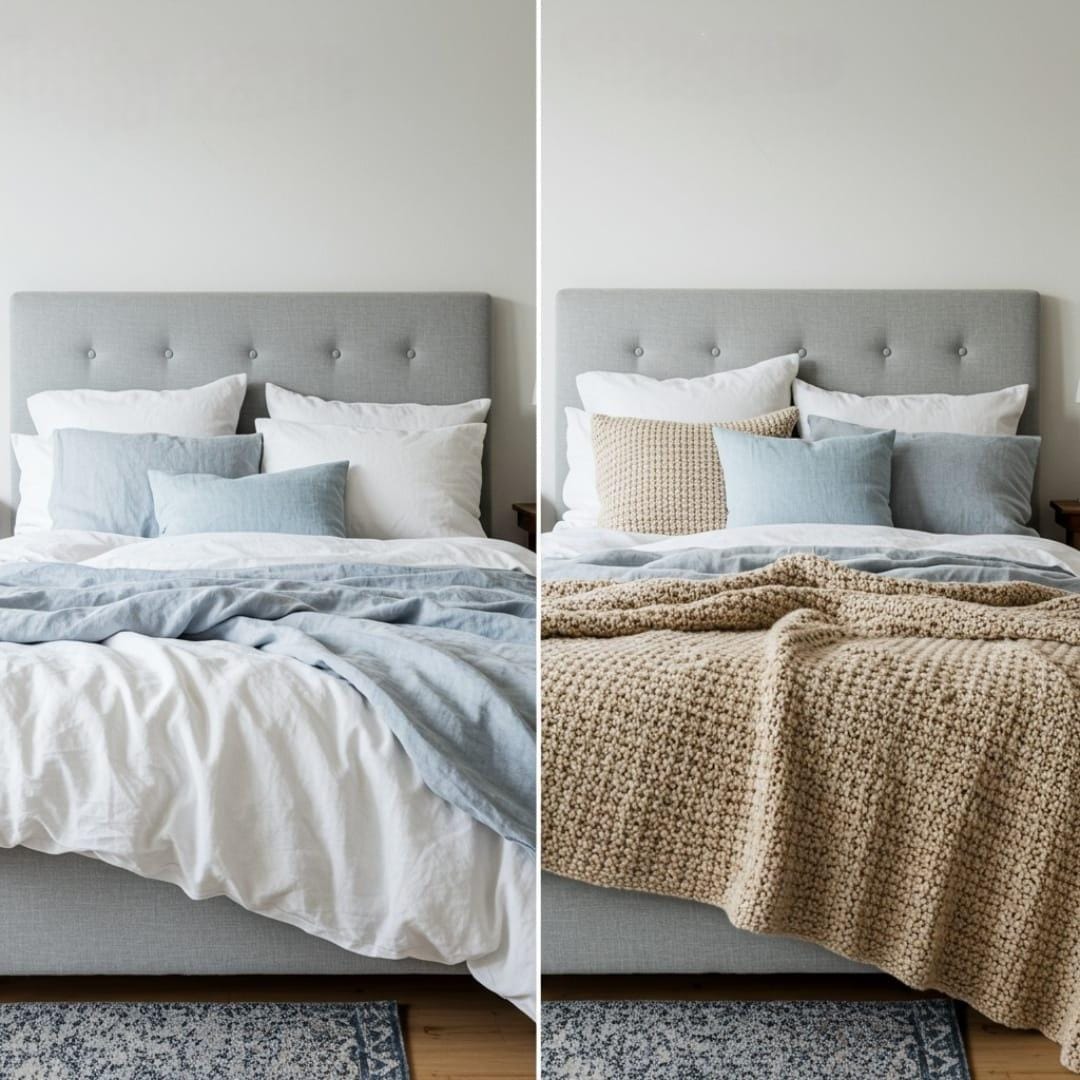
Your bed doesn’t need to look the same year-round. Swapping layers seasonally keeps your space feeling fresh and appropriate for the temperature.
Summer calls for lighter layers – think linen coverlets, breathable cotton sheets, and maybe just one lightweight blanket. You still get the layered look, but nothing feels heavy or oppressive when you’re already warm.
Winter is when you can go full cozy with bedroom comfort ideas. Add a chunky knit blanket, switch to flannel or jersey sheets, pile on an extra quilt. The bedroom becomes a retreat you actually want to burrow into when it’s cold outside.
7. The Power of the Lumbar Pillow
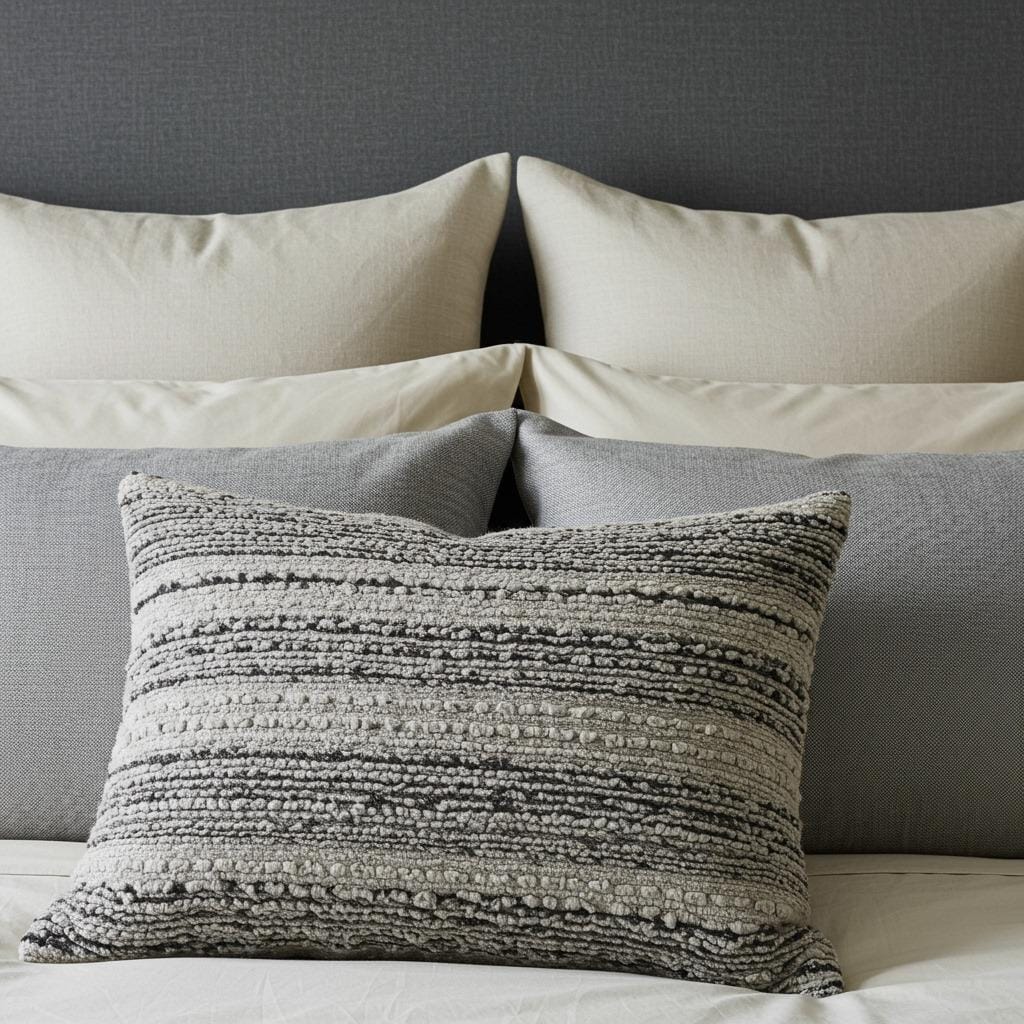
Lumbar pillows (those smaller rectangular ones) add horizontal interest that breaks up all the squares and rectangles of standard pillows and Euro shams.
Place one or two lumbar pillows in front of your standard pillows. They work especially well in patterns or textures that tie together colors from other layers. A striped lumbar can echo colors from your throw blanket. A velvet one can pick up the sheen from your duvet.
Size matters here. A lumbar that’s too small looks lost. Too big and it overwhelms. Look for ones that are roughly 12×20 inches – substantial enough to register but not so large they take over the whole arrangement.
8. Play With Color Gradients
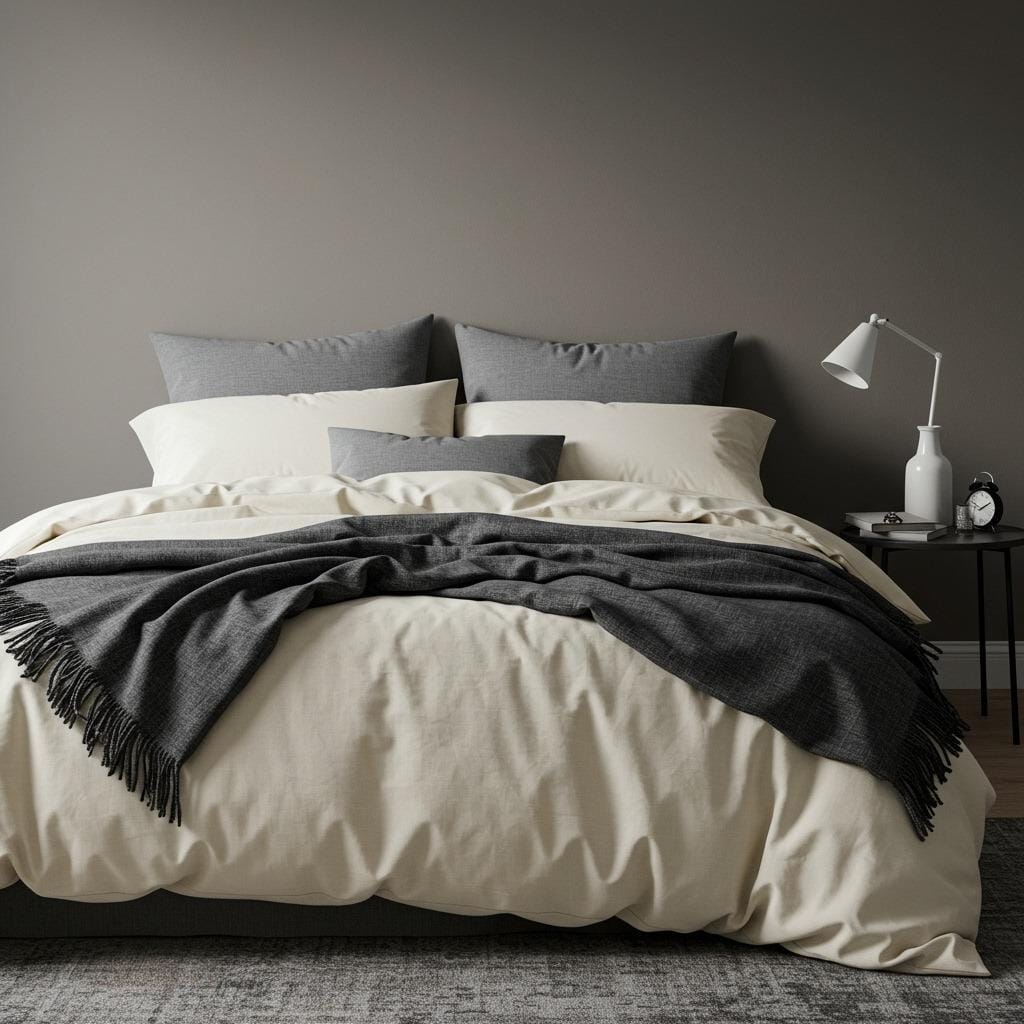
Ombre isn’t just for hair. Creating a subtle color gradient from your base layers to your top layers adds sophisticated dimension that photographs beautifully.
Start with the lightest color at your base – maybe white or cream sheets. Your duvet could be a soft gray or beige. Then add a blanket in a slightly deeper tone. Your throw at the foot could be the deepest shade in your palette. The effect is subtle but creates gorgeous depth.
This works with any color family. Pale blue sheets building to navy. Blush pink graduating to terracotta. Even neutrals from ivory to chocolate brown. The gradient creates a visual pull from bottom to top that makes the bed feel taller and more luxurious. This technique pairs well with other earthy bedroom ideas.
9. Add a Bed Skirt or Platform Detail
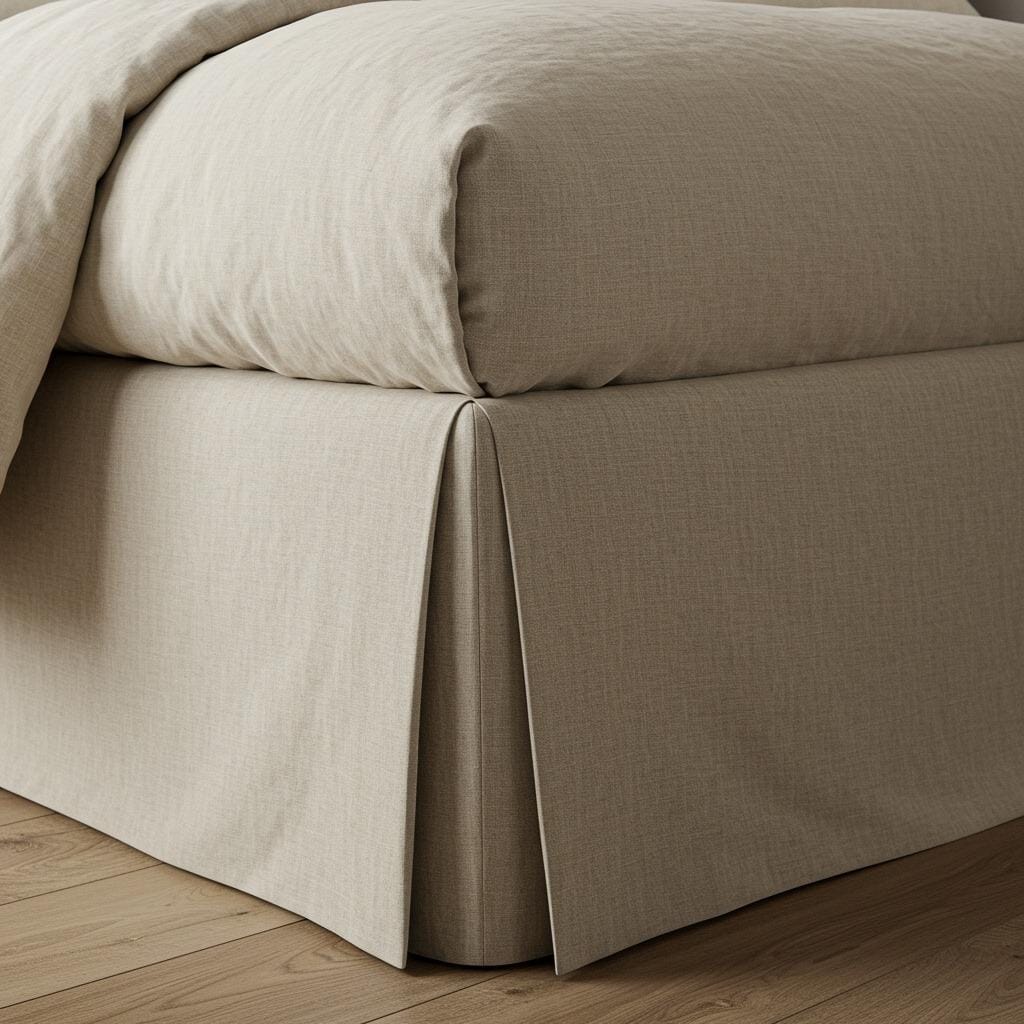
The space under your bed deserves attention too. A bed skirt or exposed platform adds another layer (literally) to your overall bedding look.
Traditional bed skirts have gotten more interesting lately. Look for ones with pleats, textured fabrics, or even subtle patterns. Or skip the skirt entirely and embrace an exposed platform or storage drawers that add visual weight at the bottom of your bed.
If your bed frame has beautiful legs or interesting details, show them off. The negative space under the bed becomes part of the layered look when your frame is worth displaying. Just make sure what’s under there is intentional – visible storage bins should be pretty ones.
10. The Waterfall Fold Technique
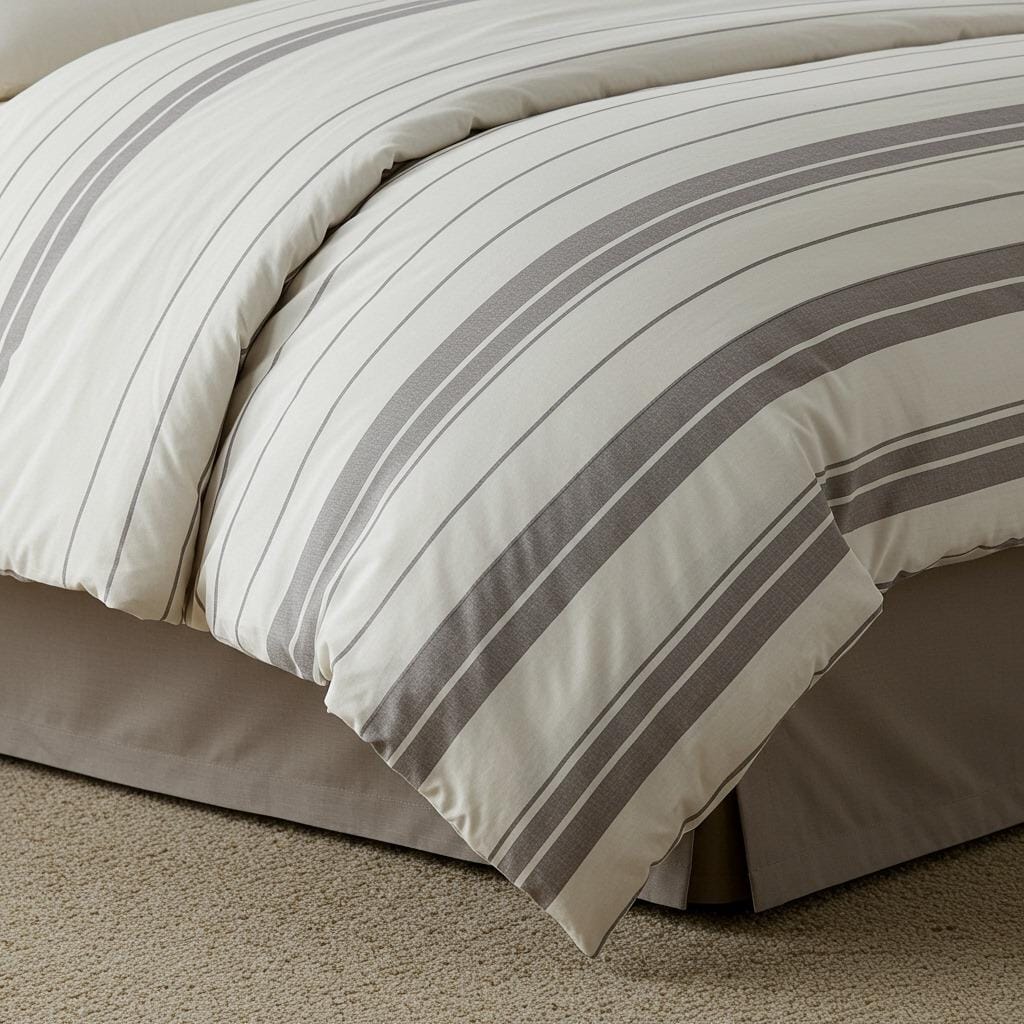
This is how luxury hotels create that perfect cascade of fabric at the foot of the bed. It’s easier than it looks and instantly elevates your bedroom.
Take your top sheet or coverlet and fold it back about a third of the way down the bed. Instead of a straight fold, pull the corners down so the fabric drapes diagonally across the sides of the bed. The result is this gorgeous waterfall effect that shows off multiple layers at once.
Practice this a few times because the first attempt usually looks wonky. But once you get it, making your bed this way takes maybe thirty seconds longer than your regular routine. The impact? Worth every extra second. You’ll find similar attention to detail makes a difference in your modern farmhouse bedroom styling too.
11. Mix Patterns Carefully
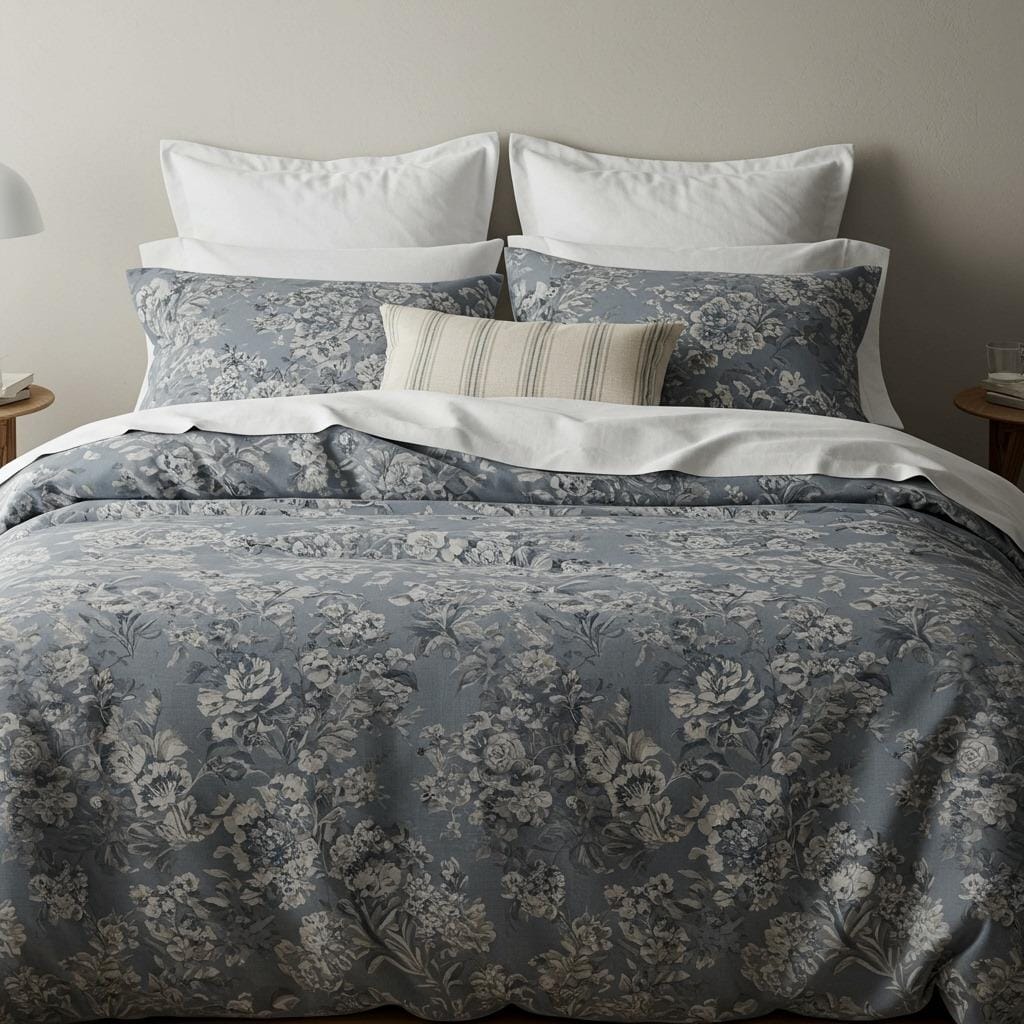
Patterns add personality, but mixing them requires a light touch. The trick is varying the scale while keeping the color palette cohesive.
Start with one bold pattern – maybe a floral duvet or geometric quilt. Then add smaller-scale patterns in your pillows or throw blanket. A tiny stripe, a subtle dot, or a delicate print won’t compete with your statement piece but will add interest.
Keep at least one solid element to give your eye a place to rest. All patterns all the time feels chaotic rather than curated. I usually keep my sheets and at least half my pillows solid, then play with patterns in my duvet, throw, and one or two accent pillows.
12. Create Symmetry With Intention
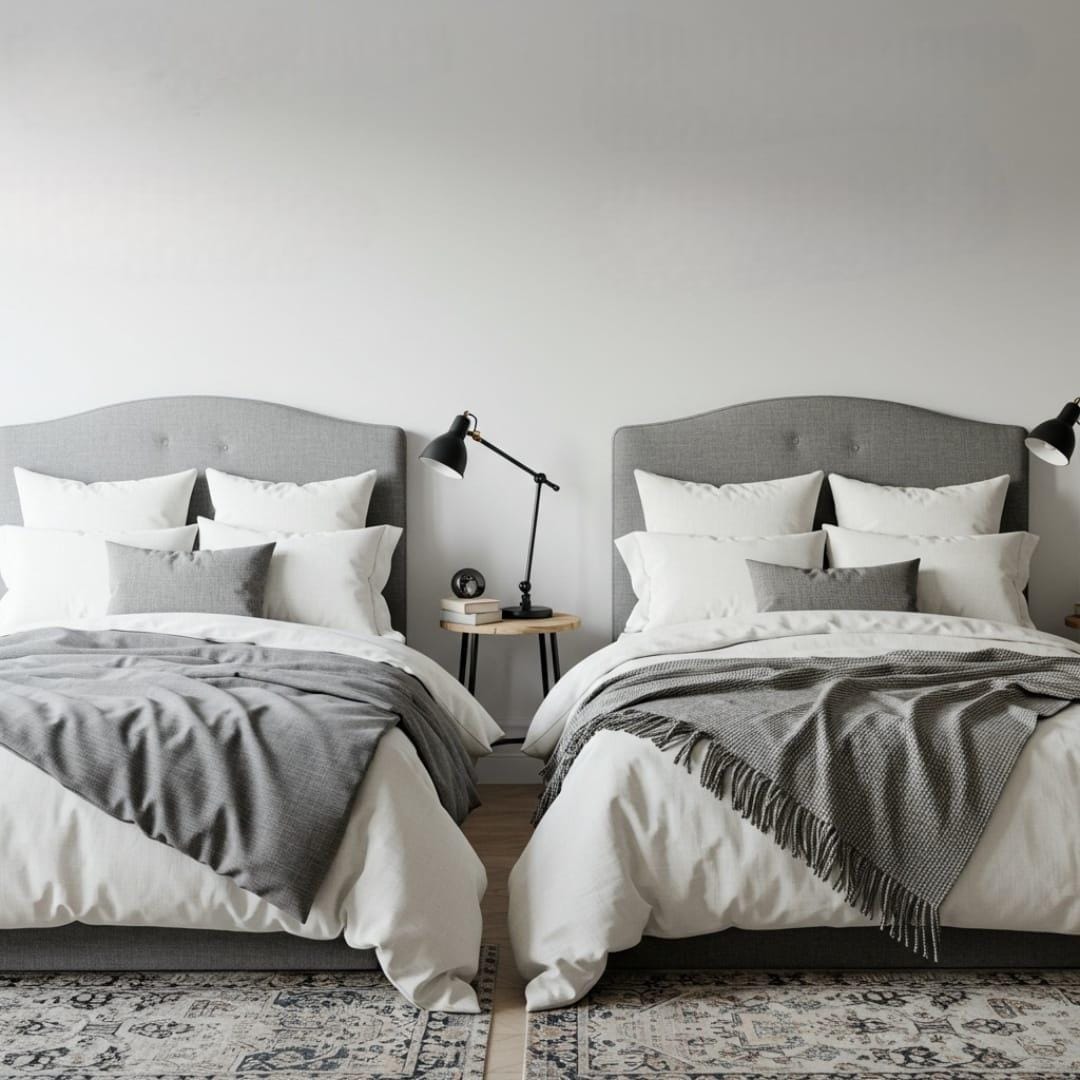
Perfect symmetry reads as formal and hotel-like. Slight asymmetry feels more lived-in and personal. Both can be gorgeous depending on what you’re after.
For true symmetry, match everything on both sides of the bed. Same number of pillows, same throws, same arrangement. This works beautifully in modern minimalist bedroom decor where clean lines are the goal.
For relaxed asymmetry, keep your base layers symmetrical but play with your throws and accent pillows. Maybe one throw draped on one side, a lumbar pillow slightly off-center. It maintains order while feeling more approachable and comfortable.
13. Consider Quilts as Middle Layers
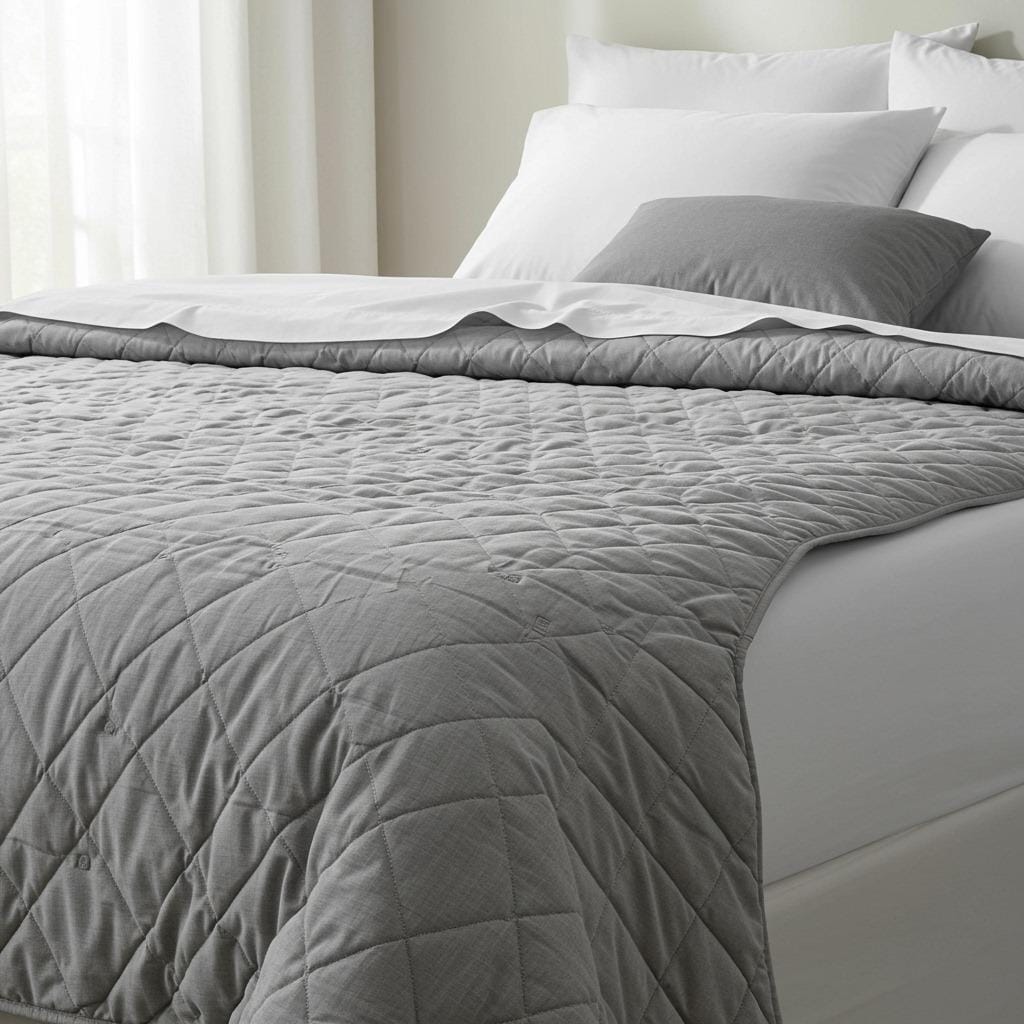
Quilts aren’t just for country cottages anymore. Modern quilts in contemporary patterns or solid colors work beautifully as middle layers between your sheets and duvet.
The beauty of a quilt in your layering system is that it adds warmth without bulk. You can fold it back partially to show just a strip of its pattern or texture. Or fold it at the foot of the bed like a coverlet. Either way, it adds another dimension to your setup.
Look for quilts with interesting stitching patterns even if they’re solid colors. The topstitching creates subtle texture that catches light and adds visual interest without requiring bold colors or busy patterns. A research from the American Home Furnishings Alliance, quilted bedding has seen a 40% increase in popularity as consumers seek both style and functionality.
14. Use Throws as Textural Anchors
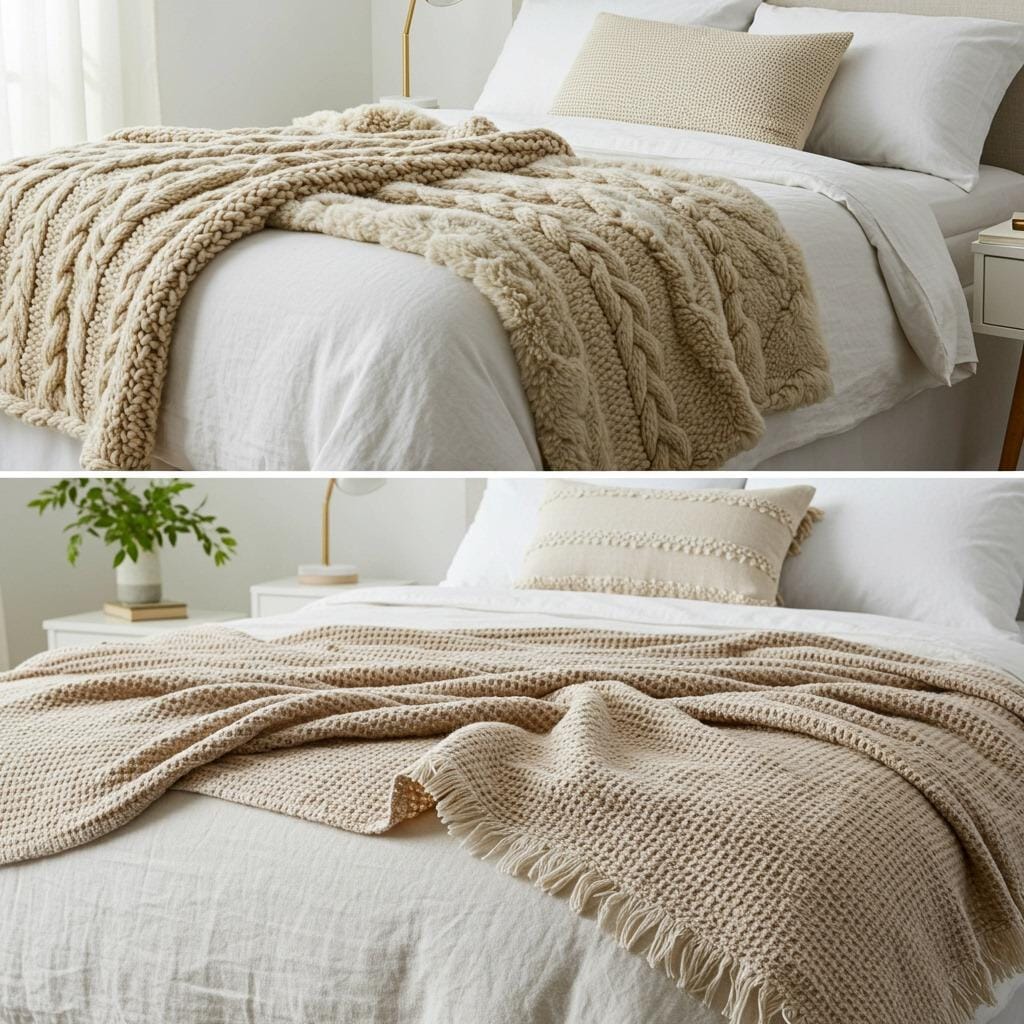
I keep coming back to throws because they’re the MVP of layered bedding. They’re also the easiest element to swap out when you want a fresh look without redoing everything.
Think of your throw as the exclamation point on your bed. It’s where you can take risks with texture or color that might feel overwhelming in larger pieces. A faux fur throw might be too much as a duvet, but perfect draped at the foot. Same with anything chunky, shiny, or boldly colored.
Have a few throws in your closet so you can rotate them seasonally or when you’re craving change. Swapping just this one element can make your whole bed feel different without touching anything else in your bedroom lighting ideas or overall design scheme.
15. Build Height Gradually
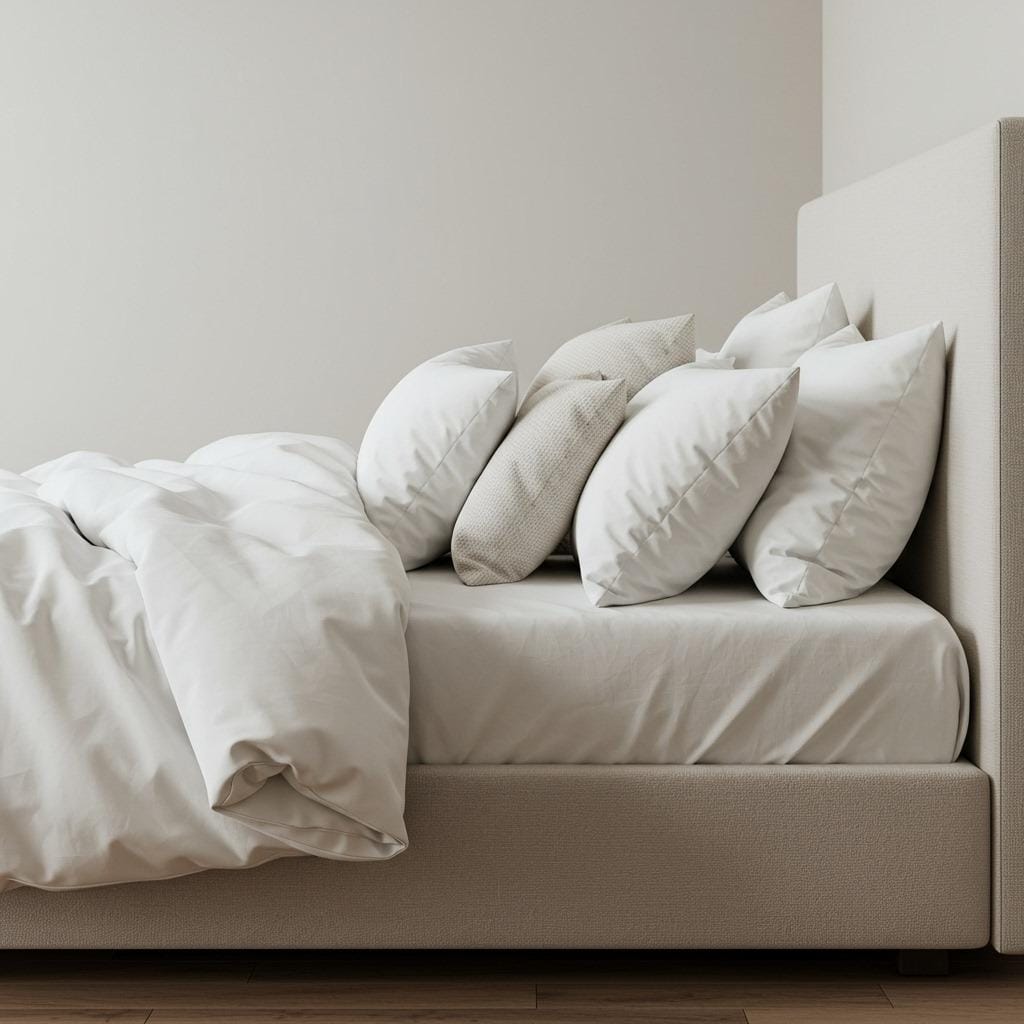
The silhouette of your layered bed matters. You want a gradual build from low at the foot to tall at the head, creating a gentle slope rather than a cliff.
Your fitted sheet is flat. Your flat sheet adds minimal height. Your blanket or quilt adds more. Your duvet creates even more volume. Your pillows are the peak. Each layer should be slightly higher than the one before it, building to that inviting pile of pillows.
Avoid having one super fluffy element followed by something flat. The unevenness reads as messy rather than layered. If your duvet is super puffy, make sure your coverlet or throw has enough substance to hold its own. If everything’s relatively flat, that works too – just keep it consistently low-profile.
16. The Bedroom as a Cohesive Space
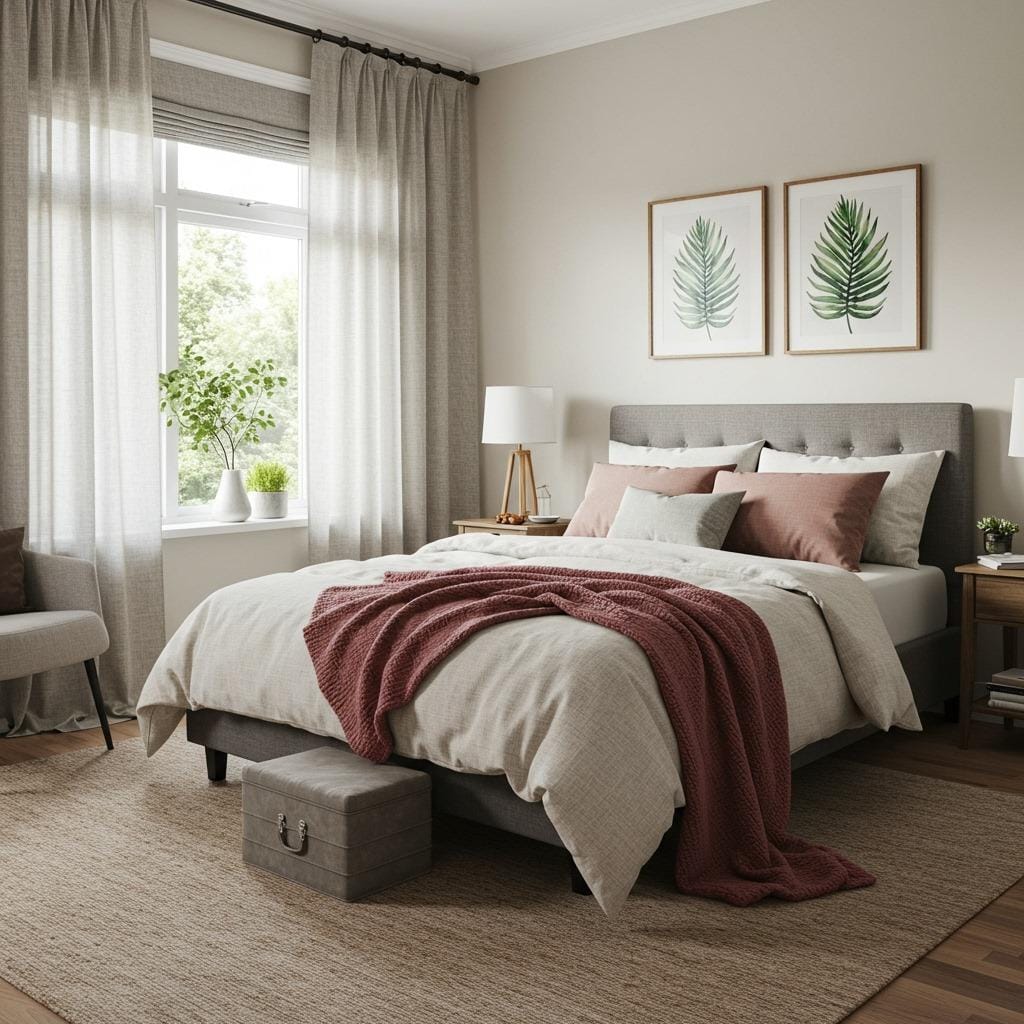
Your layered bed shouldn’t exist in isolation. The colors, textures, and style should relate to your overall bedroom design.
If you’ve created a layered bed in cool grays and blues, but your curtains are warm terracotta, something will feel off. You don’t need everything to match, but there should be a conversation happening between elements. Maybe a throw on your bed picks up the curtain color, creating a bridge between areas.
Consider how your bedroom ceiling fan or lighting fixtures relate to your bedding choices too. The metal finishes in your lamps, the wood tone of your nightstands – these all contribute to whether your space feels pulled together or disconnected. Layered bedding is stunning on its own, but it shines brightest when it’s part of a thoughtful overall design.
Final Thoughts on Creating Your Layered Bedroom Sanctuary
Building a luxurious layered bed isn’t about following rigid rules or spending a fortune. It’s about understanding how different elements work together – how texture creates interest, how color builds depth, and how thoughtful arrangement makes everything feel intentional.
Start with what you have and add slowly. Maybe begin with just adding a throw blanket to your current setup. Next month, invest in some Euro pillows. The following season, try a new coverlet. Building your perfect layered bed happens over time, and honestly, that’s part of the fun.
The bed you create should make you happy every time you walk into your room. It should photograph well if that matters to you, sure, but more importantly, it should feel like a retreat you’re excited to sink into at the end of the day. That’s when you know you’ve nailed cozy bed tips that actually work for your life, not just for the camera.

Sanjai creates easy, affordable home decor ideas that anyone can try. Through simple tips and curated finds, he helps you style rooms you’ll love coming home to.