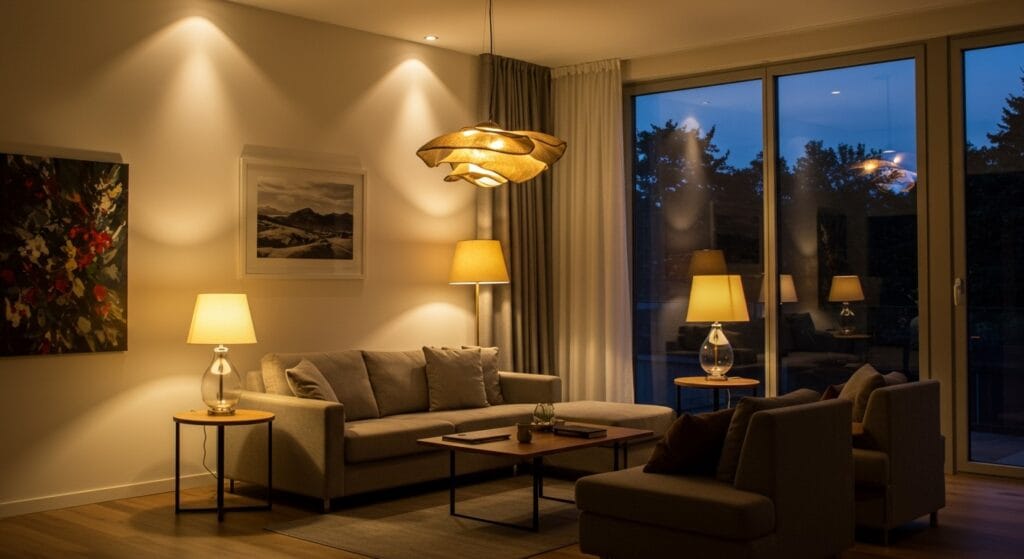
Have you ever walked into your living room at night and felt like something was just… off? Maybe the overhead light feels too harsh, or those cozy dark corners make the space feel smaller than it actually is. You’re not alone in this struggle.
The truth is, most of us underestimate how much lighting can make or break a room’s vibe. Good living room lighting isn’t about having one bright fixture in the center of the ceiling. It’s about creating layers, adding warmth, and yes, maybe even a little drama.
Think of lighting as the jewelry of your space. It’s that finishing touch that pulls everything together and makes people wonder why your room feels so much more inviting than theirs. Ready to figure out how the pros do it?
Why Living Room Lighting Matters More Than You Think
Let’s be honest – we spend a ridiculous amount of time in our living rooms. Whether you’re binge-watching your favorite series, hosting game night, or just scrolling through your phone with a cup of tea, the lighting sets the entire mood.
Bad lighting can make even the most beautifully decorated room feel flat and uninviting. You know that hotel lobby feeling where everything just feels right? That’s layered lighting doing its magic. It’s not accidental.
Here’s what most people don’t realize: your living room needs different types of lighting for different activities. Reading requires focused light, movie nights need dimmer ambiance, and entertaining guests calls for something in between. One ceiling fixture simply can’t do all that heavy lifting.
Understanding the Three Types of Living Room Lighting
Before we jump into specific ideas, you need to know the basics. Professional designers always talk about three types of lighting, and once you understand this framework, everything else clicks into place.
Ambient lighting is your room’s foundation. It’s the general, overall illumination that lets you move around safely without bumping into furniture. Think ceiling fixtures, recessed lights, or large floor lamps. This is your base layer – necessary but not particularly exciting on its own.
Task lighting is exactly what it sounds like. It’s focused light for specific activities like reading, working on your laptop, or doing a puzzle. Table lamps, reading lights, and adjustable floor lamps fall into this category. Without proper task lighting, you’ll find yourself squinting or getting headaches.
Accent lighting is where the fun happens. This is the dramatic, mood-setting layer that highlights artwork, creates shadows, and adds depth to your space. Picture lights, uplights, and even candles count here. This is often the layer people skip, but it’s what separates a well-lit room from a professionally designed one.
1. Layer Your Lighting Like a Designer
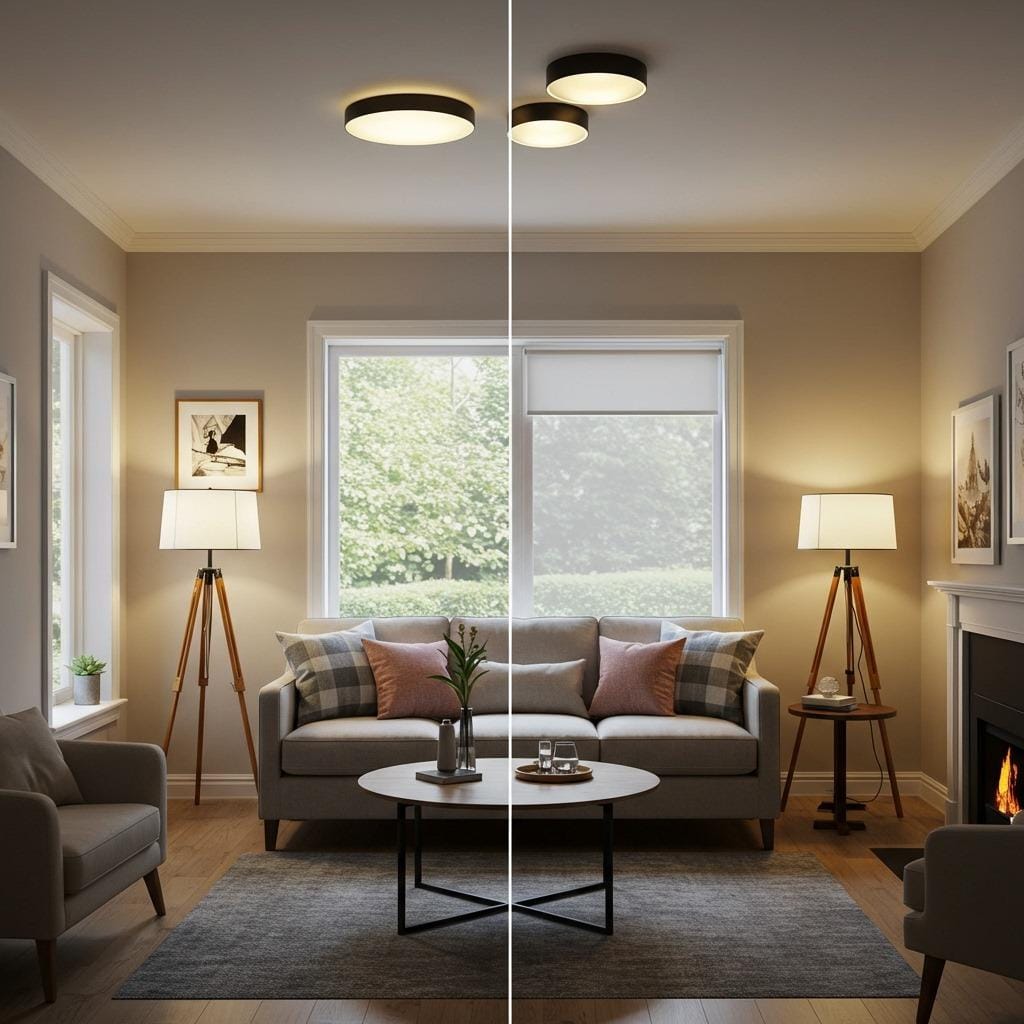
If you take away just one thing from this entire guide, let it be this: never rely on a single light source. Layered lighting is the secret sauce that makes rooms feel professionally designed.
Start with your ambient lighting as the foundation. Then add task lighting where you actually need it – beside your favorite reading chair, next to the sofa, or near your workspace. Finally, sprinkle in accent lighting to create visual interest and highlight features you love.
The magic happens when you can control these layers independently. Dimmer switches are your best friend here. Being able to adjust different light sources means you can shift the mood from bright and energetic during the day to soft and cozy for evening relaxation.
2. Ditch the Single Ceiling Fixture Approach
I know, I know – that ceiling fixture came with the house and it lights up the whole room. But here’s the thing: overhead lighting alone creates harsh shadows and makes everyone look tired. It’s the fluorescent office lighting of home design.
Instead of relying solely on that center fixture, think of it as just one piece of the puzzle. Keep it for general illumination when you need full brightness (like when you’re vacuuming), but supplement it with other sources for everyday living. Your eyes and your guests will thank you.
If you’re stuck with a boring builder-grade fixture, consider replacing it with something more interesting. A statement chandelier or a modern pendant can become a focal point while still providing that ambient light you need. Just make sure to put it on a dimmer so you’re not stuck with hospital-bright lighting every evening.
3. Embrace Statement Pendant Lights
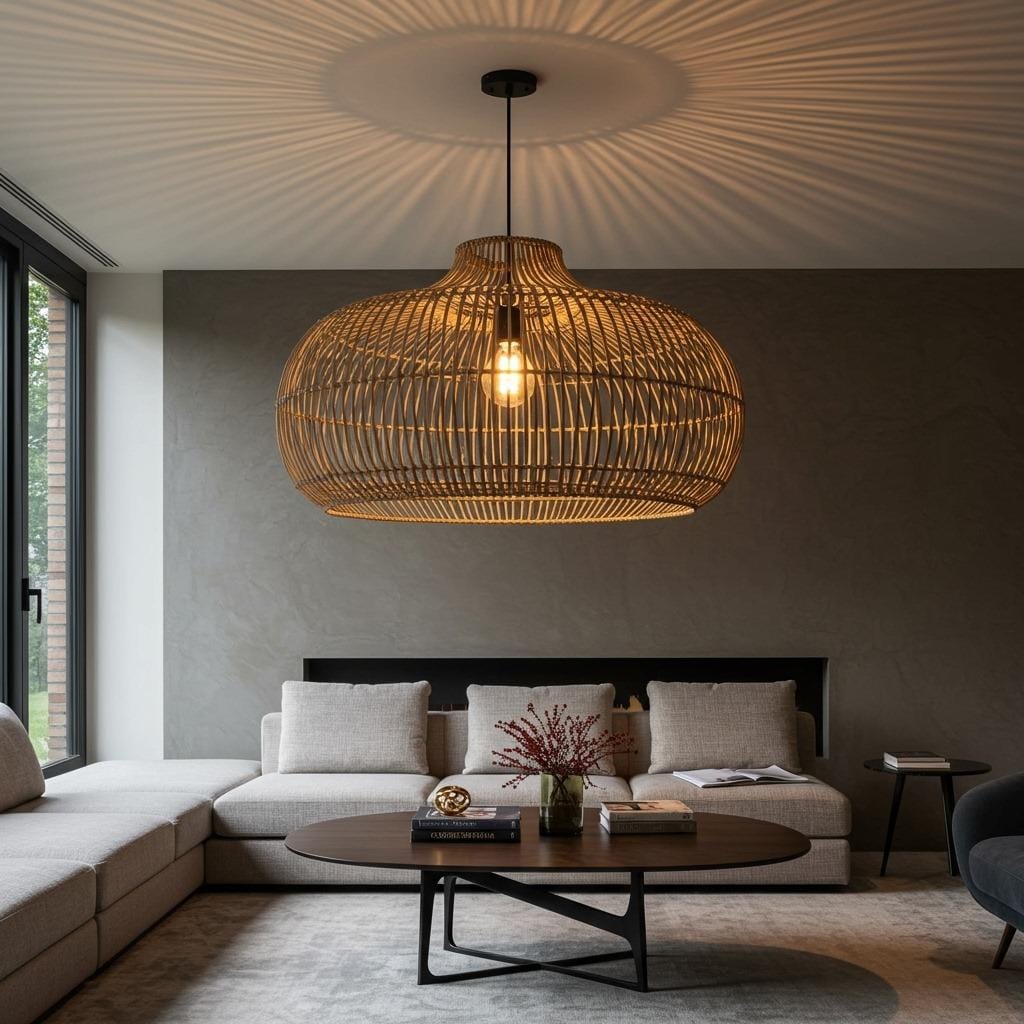
Speaking of statement fixtures, pendant lights are having a serious moment right now. These hanging beauties work particularly well in living rooms with high ceilings where you need to bring the eye level down and create visual interest.
The key is choosing the right size. A pendant that’s too small will look lost and ineffective, while one that’s too large can overwhelm the space. A good rule of thumb: for a pendant over a coffee table or seating area, aim for about one-third the width of the table or furniture grouping below it.
Don’t be afraid of sculptural or artistic designs. A dramatic pendant can be like a piece of hanging art that also happens to provide light. Woven rattan for a boho vibe, geometric metal for modern spaces, or classic glass for traditional rooms – the options are endless and can really define your style.
4. Add Warmth with Table Lamps
Table lamps are the workhorses of living room lighting, yet they’re often treated as afterthoughts. A well-placed table lamp on a side table or console can completely change how a corner of your room feels. Plus, they’re one of the easiest lighting upgrades you can make.
The beauty of table lamps is their versatility. You can easily swap them out seasonally or when you’re craving a refresh without any electrical work. They provide that crucial task lighting for reading or crafting while adding personality through their design.
When choosing table lamps, think about proportion. A chunky ceramic base works beautifully on a substantial console table, while a slender brass lamp might be perfect for a smaller side table. And please, make sure the lampshade isn’t too small – it should be wide enough that you can’t see the bulb when you’re sitting down.
5. Go Big with Floor Lamps
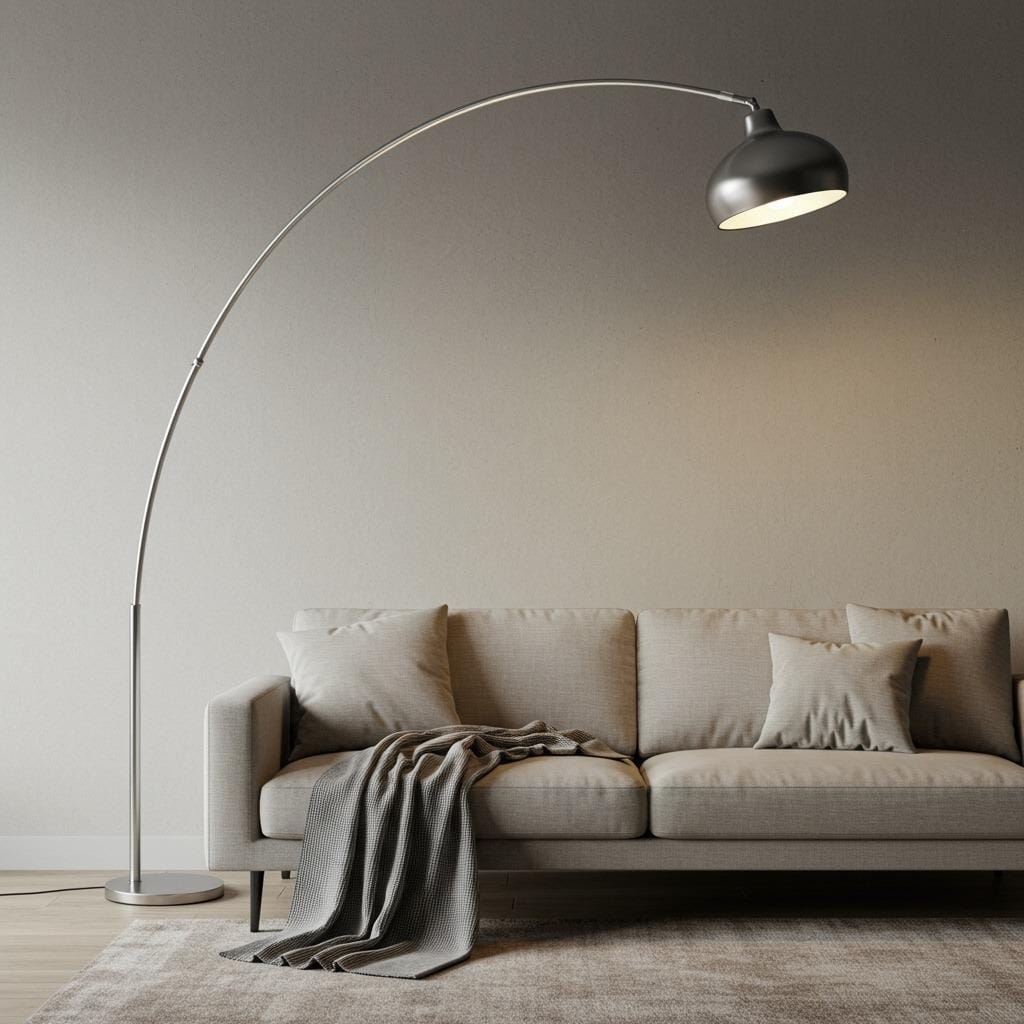
Floor lamps are criminally underrated in living room furniture arrangement. They provide height, fill empty corners, and can cast light upward or downward depending on the style you choose. Plus, no electrical work required – just plug and play.
Arc floor lamps are particularly useful for lighting seating areas without taking up table space. They curve over your sofa or reading chair, providing focused light exactly where you need it. It’s like having an overhead light, but way more stylish and adjustable.
Torchiere-style floor lamps that cast light upward are excellent for ambient lighting in rooms with low ceilings. The upward-directed light bounces off the ceiling and creates a soft, indirect glow that’s much more flattering than harsh overhead lighting. Some even come with dimmer switches built right into the pole.
6. Install Dimmer Switches Everywhere
If I could wave a magic wand and add one feature to every living room, it would be dimmer switches. They’re inexpensive, relatively easy to install, and they completely change how you use your space. Being able to adjust your lighting intensity is the difference between functional and truly comfortable.
Different times of day and different activities call for different light levels. Bright light in the morning helps you wake up, while dimmed lighting in the evening helps you wind down. According to the Lighting Research Center, adjustable lighting can even impact your circadian rhythm and sleep quality.
Don’t limit dimmers to just your overhead fixtures. Consider smart bulbs in your lamps that you can control from your phone or voice assistant. This gives you the flexibility to adjust multiple light sources at once, creating custom lighting scenes for different moods and occasions.
7. Highlight Artwork with Picture Lights
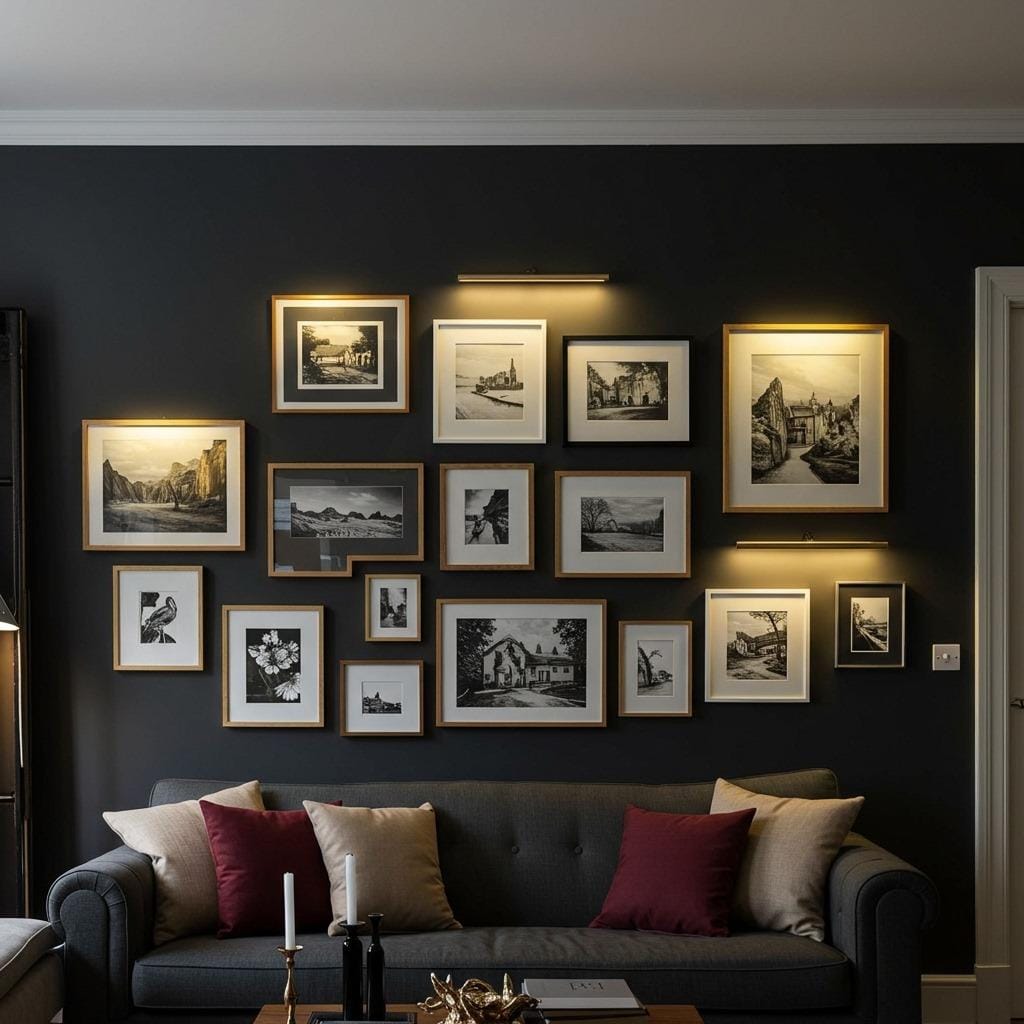
If you’ve invested in artwork or family photos, why hide them in shadows? Picture lights are those small fixtures mounted above or below frames, and they make your art look like it belongs in a gallery. It’s a simple upgrade that adds serious sophistication.
The traditional approach is a brass or bronze picture light mounted on the wall above the frame. But modern options include LED strips that mount directly to the back of the frame, creating a floating glow effect that’s incredibly striking. These are especially effective for large-scale art or mirrors.
When positioning picture lights, aim for the light to hit the artwork at about a 30-degree angle. This minimizes glare while ensuring the entire piece is evenly illuminated. And yes, even in smaller living room layouts, this detail makes a noticeable difference.
8. Create Ambiance with LED Strip Lights
LED strip lights aren’t just for teenagers’ bedrooms anymore. When used thoughtfully, they can add a modern, sophisticated glow to architectural features in your living room. Think under floating shelves, behind your TV console, or along the bottom of your sofa for a floating effect.
The trick is keeping them hidden. The goal isn’t to see the LED strips themselves but rather the soft wash of light they create. This indirect lighting adds depth and makes your room feel larger and more layered, especially effective in bedroom lighting schemes too.
Choose warm white LEDs (around 2700-3000K) rather than cool white for living spaces. The warmer temperature feels more inviting and less like a retail store. Many LED strips are now dimmable and color-changing, giving you options for different moods without installing multiple fixtures.
9. Use Uplighting to Add Drama
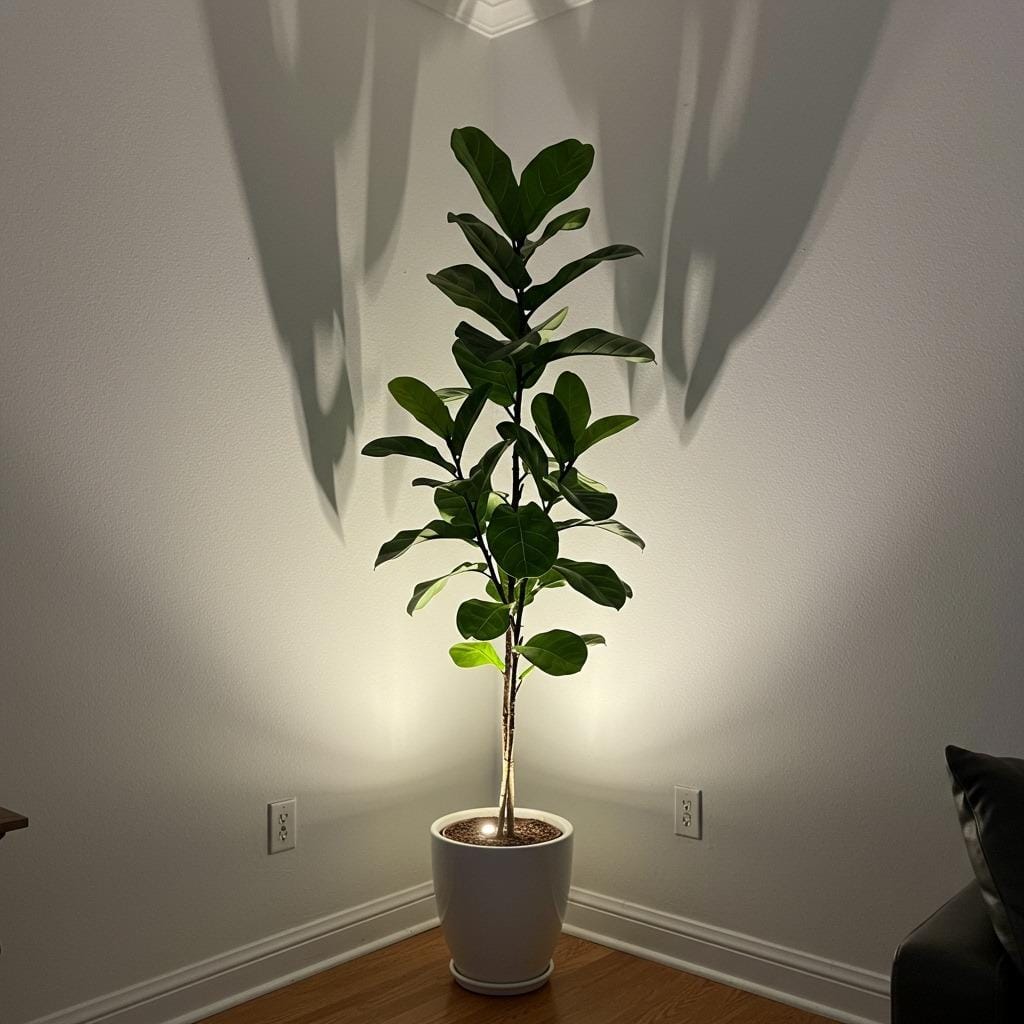
Uplighting is one of those professional designer tricks that most people don’t think about. By placing lights on the floor and directing them upward toward walls, plants, or architectural details, you create dramatic shadows and make ceilings feel higher. It’s instant atmosphere.
This technique works particularly well in corners that tend to feel dark and forgotten. A simple uplight behind a large plant creates a stunning silhouette effect on the wall. You can also use uplights to wash textured walls with light, highlighting the dimensional quality you might be missing with standard lighting.
For a subtle approach, try placing small LED uplights behind furniture or large decorative objects. The indirect glow adds warmth without being obvious about where the light is coming from. It’s that “I can’t quite figure out why this room feels so good” effect that keeps guests intrigued.
10. Mix Metal Finishes for Visual Interest
Here’s a lighting tip that also doubles as a design rule: you don’t need to match all your metal finishes. In fact, mixing metals creates a more collected, less matchy-matchy look that feels natural and sophisticated. Just keep it to three finishes max to avoid visual chaos.
Brass and black is a particularly popular combination right now. A brass floor lamp paired with matte black sconces creates contrast while maintaining a cohesive modern feel. Or try mixing warm brass with cooler brushed nickel – the key is having one dominant finish and using others as accents.
When mixing metals in your lighting, consider spreading them around the room rather than clustering them in one area. This helps the eye travel around the space and creates balance. You’ll find this approach works beautifully in kitchen lighting ideas as well.
11. Add Sconces for Space-Saving Style
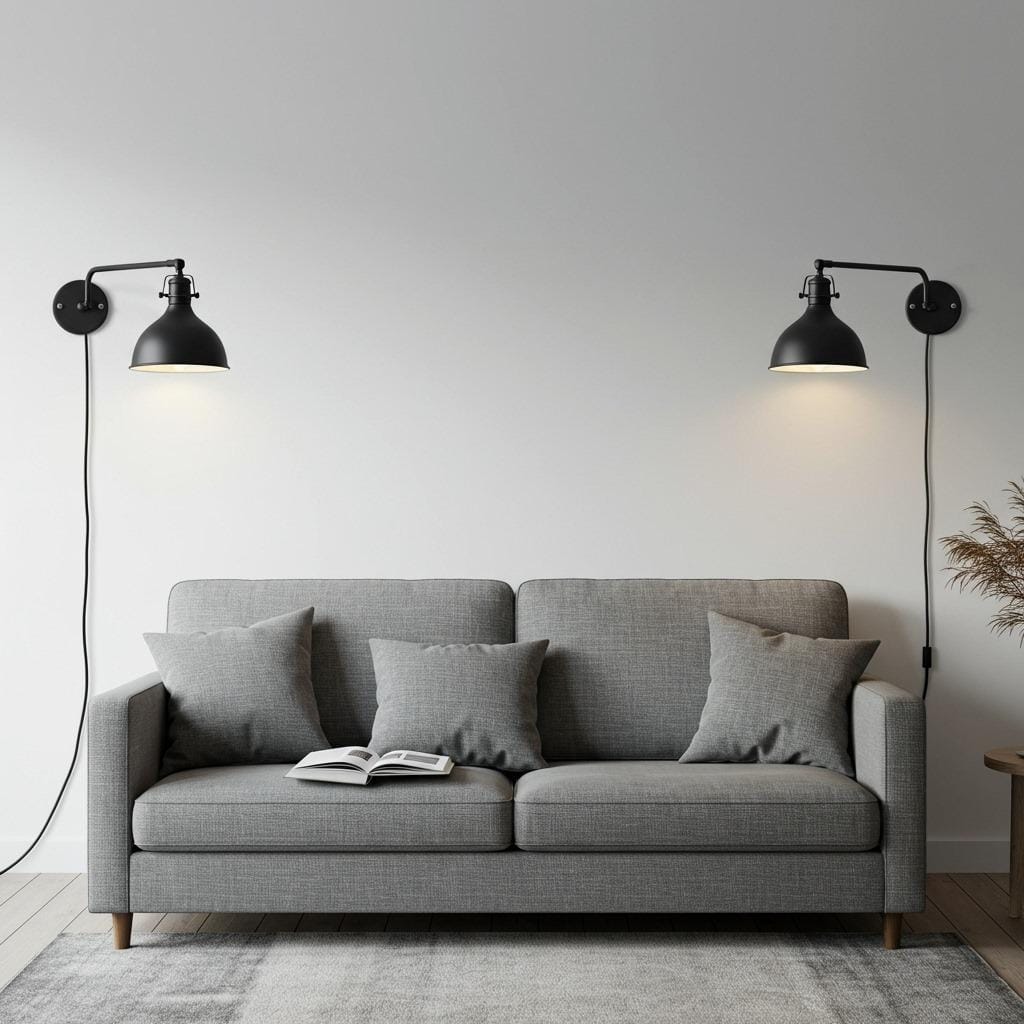
Wall sconces are perfect for living rooms where floor space is at a premium. They provide ambient or task lighting without requiring a table or floor footprint, making them ideal for small living room tips and compact spaces.
Flank your sofa with sconces instead of table lamps and side tables. This frees up valuable floor space while providing the same functional lighting. Adjustable swing-arm sconces are particularly useful here since you can position them exactly where you need light for reading or other activities.
Placement is everything with sconces. Generally, they should be mounted about 60-66 inches from the floor – roughly eye level when you’re standing. If you’re using them for reading light on either side of a sofa, position them slightly lower and angle them toward the seating area for optimal illumination.
12. Incorporate Natural Light Strategies
While we’re focusing on artificial lighting, let’s not forget the best light source of all – natural light. Maximizing daylight during the day means you’ll use less electricity and your space will feel more open and energizing. It’s the foundation everything else builds on.
Start by evaluating your window treatments. Heavy drapes might look elegant, but if they’re blocking precious sunlight during the day, consider switching to lighter sheers or cellular shades that provide privacy while allowing light to filter through. You can always add blackout curtains for movie nights.
Mirrors are your secret weapon for bouncing natural light around the room. Position a large mirror opposite or adjacent to a window, and watch how it reflects daylight into darker corners. Metallic accents and glass furniture also help distribute light, making your entire living room layout feel brighter and more spacious.
13. Choose the Right Bulb Temperature
This might sound technical, but it’s actually super simple: bulb color temperature dramatically affects your room’s mood. Measured in Kelvins (K), this number tells you whether a bulb will cast a warm, yellow glow or a cool, blue-toned light. And yes, it matters a lot.
For living rooms, you generally want to stick with warm white bulbs (2700-3000K). This creates a cozy, inviting atmosphere similar to candlelight or sunset. Cool white bulbs (4000K and up) tend to feel sterile and are better suited for task areas like home offices or kitchens.
That said, you might want slightly different temperatures for different fixtures. Your task lighting could be a bit cooler (3000K) for clarity when reading, while your ambient and accent lighting stays warmer (2700K) for overall coziness. Mixing temperatures thoughtfully can actually enhance your layered lighting approach.
14. Add Candles for Instant Atmosphere
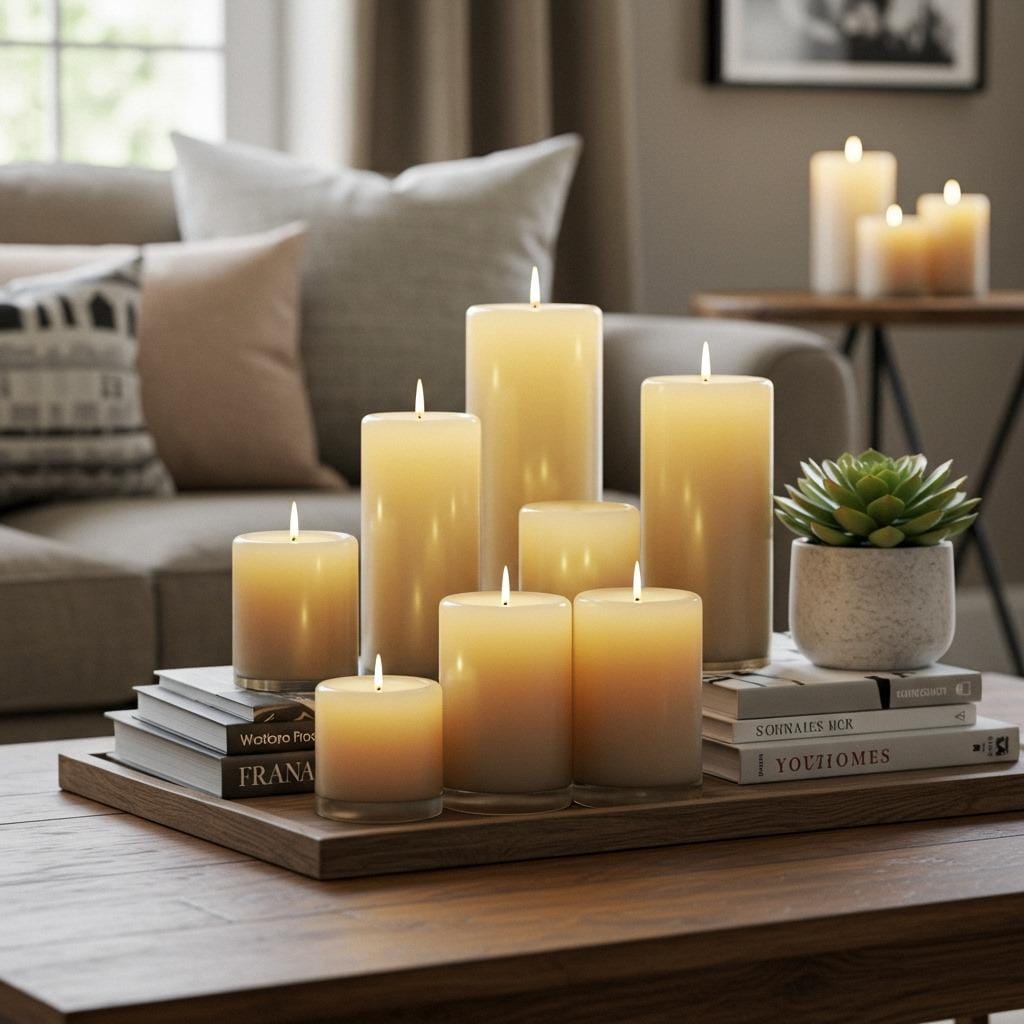
Real or battery-operated, candles are an often-overlooked lighting element that adds instant warmth and romance to any living room. They’re particularly effective for creating cozy evening ambiance when you want to dial down the electric lighting but not sit in darkness.
Group candles in varying heights on your coffee table, mantel, or bookshelf for visual interest. The flickering light creates movement and life in a way that static lighting simply can’t match. Plus, scented candles add another sensory layer that makes your space feel even more inviting and personalized.
Battery-operated LED candles have come a long way – many now feature realistic flickering flames and even timers so they turn on automatically each evening. This gives you the ambiance without the worry about open flames, especially helpful if you have kids or pets running around. Style them in lanterns or hurricane vases for extra impact.
15. Consider Smart Lighting Solutions
Smart bulbs and switches have gotten incredibly affordable and easy to use. Being able to control your living room lighting from your phone or voice commands isn’t just convenient – it opens up possibilities for customization that traditional lighting simply can’t match.
Create lighting scenes for different activities: “Movie Night” might dim all your lights to 20%, while “Entertaining” brings everything up to 60% with a warmer tone. You can even schedule your lights to gradually brighten in the morning or dim in the evening, supporting your body’s natural rhythms.
Many smart lighting systems now integrate with other smart home devices. Your lights can automatically adjust when you turn on the TV, or turn off entirely when you leave the house. It sounds futuristic, but it’s genuinely practical – and the energy savings add up over time too.
16. Don’t Forget About Your Ceiling
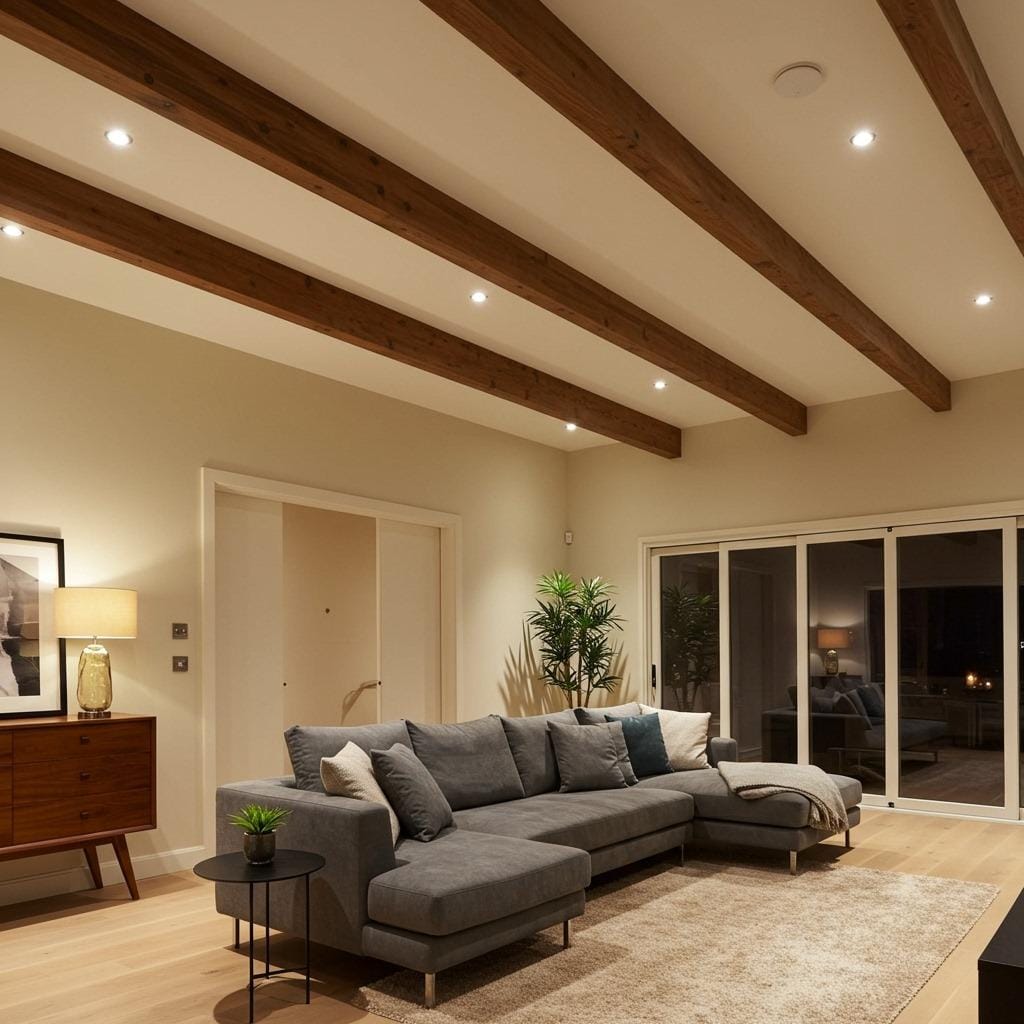
Your ceiling is often called the “fifth wall,” yet most people ignore it completely when it comes to design and lighting. Washing your ceiling with light – whether from uplights or cove lighting – makes rooms feel taller and more expansive. It’s an instant mood lifter.
Recessed lighting is a classic choice for general ambient lighting, especially in contemporary living rooms with clean lines. But placement matters: avoid spacing them in a rigid grid. Instead, create a more organic arrangement that complements your furniture layout and architectural features.
If you have exposed beams or interesting architectural details on your ceiling, highlight them with directional recessed spotlights or track lighting. This adds drama and draws the eye upward, making your space feel more dynamic. Dark ceilings can be particularly stunning when properly lit, creating a cozy, enveloping feeling.
17. Balance Function and Style
Here’s the reality: your lighting needs to actually work for how you live, not just look pretty in photos. A stunning chandelier is useless if you can’t read comfortably in your favorite chair. The best lighting designs balance aesthetics with practical functionality.
Start by mapping out your activities. Where do you read? Where do kids do homework? Where do you work on your laptop? Each of these activities needs dedicated task lighting at the appropriate brightness level. Once you’ve covered the functional requirements, then you can think about adding decorative elements.
Remember that different household members might use the living room differently. What works for you might not work for someone else. This is where having multiple light sources and controls becomes essential – everyone can adjust the lighting to suit their current needs without compromising the room’s overall design.
18. Layer in Some Personality with Unique Fixtures
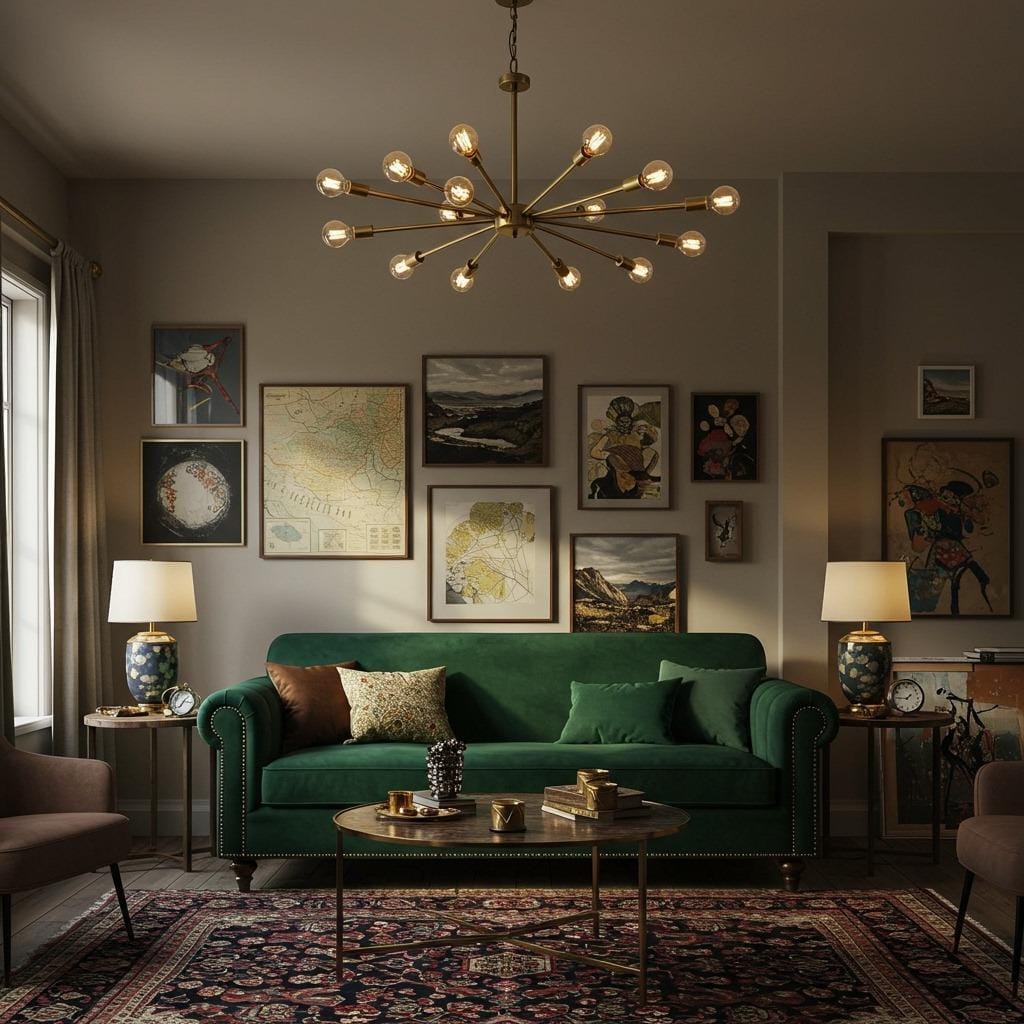
Your lighting fixtures are an opportunity to show personality and add character to your space. Don’t default to the safe, boring option when you could choose something that makes you smile every time you walk into the room. Lighting can be functional art.
Vintage-inspired Edison bulb fixtures bring warmth and nostalgia. Bohemian rattan pendants add texture and organic appeal. Sleek modern pieces in unexpected shapes become conversation starters. The fixture itself becomes part of your decor, not just a utilitarian necessity holding a light bulb.
That said, balance is key. If you have a bold, statement-making overhead fixture, keep your table and floor lamps more subdued. Conversely, if your ceiling light is minimal, you have more freedom to go dramatic with your accent lighting. You want visual interest, not visual overwhelm.
19. Use Lighting to Define Zones
In open-concept spaces or large living rooms, lighting can help define different functional zones without physical dividers. This is especially useful in open concept living rooms where you want to create distinct areas for conversation, reading, or entertainment.
Use a pendant light or chandelier to anchor a seating area, making it feel like its own conversation nook. A floor lamp beside a reading chair signals that this corner is for quiet activities. Different lighting types and intensities help the eye understand that these are separate zones within the larger room.
This zoning technique also helps with flexibility. You can light just the area you’re using rather than the entire room, saving energy and creating a more intimate atmosphere. It’s particularly effective during evening hours when you want cozy pockets of light rather than bright, all-over illumination.
20. Don’t Overlook Maintenance and Accessibility
Here’s something nobody thinks about until it becomes a problem: can you actually change the bulbs in your fixtures? That gorgeous chandelier hanging two stories up is going to be a nightmare when a bulb burns out. Think practically about maintenance when selecting and positioning lighting.
Choose LED bulbs whenever possible. Yes, they’re more expensive upfront, but they last 15-25 times longer than incandescent bulbs and use a fraction of the energy. This means less time on a ladder changing bulbs and lower electricity bills. It’s a win all around.
Make sure switches are intuitive and accessible. If you need to walk across a dark room to reach a switch, you’ve got a problem. Consider installing multiple switches for the same fixtures at different room entrances, or use smart lighting that you can control from anywhere. Future you will appreciate the thoughtfulness.
Final Thoughts on Living Room Lighting
Getting your living room lighting right isn’t about following rigid rules or copying a designer showroom. It’s about understanding the principles – layering, temperature, functionality – and adapting them to your specific space and how you actually use it.
Start with the basics: ambient, task, and accent lighting. Add dimmer switches. Mix different fixture types at various heights. From there, you can experiment with personal touches like statement pieces, smart technology, or dramatic uplighting effects that make your space uniquely yours.
The beautiful thing about lighting is that it’s relatively easy to adjust and improve over time. You don’t need to overhaul everything at once. Start with one change – maybe add a floor lamp to that dark corner or install dimmers – and build from there. Your living room will thank you, one light at a time.

Sanjai creates easy, affordable home decor ideas that anyone can try. Through simple tips and curated finds, he helps you style rooms you’ll love coming home to.