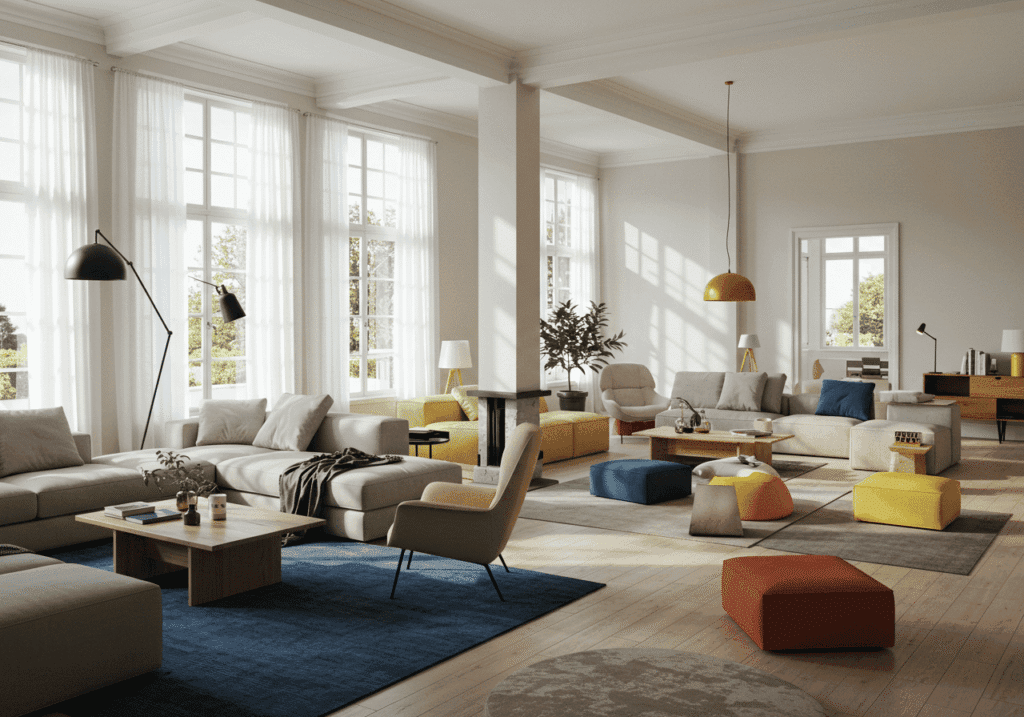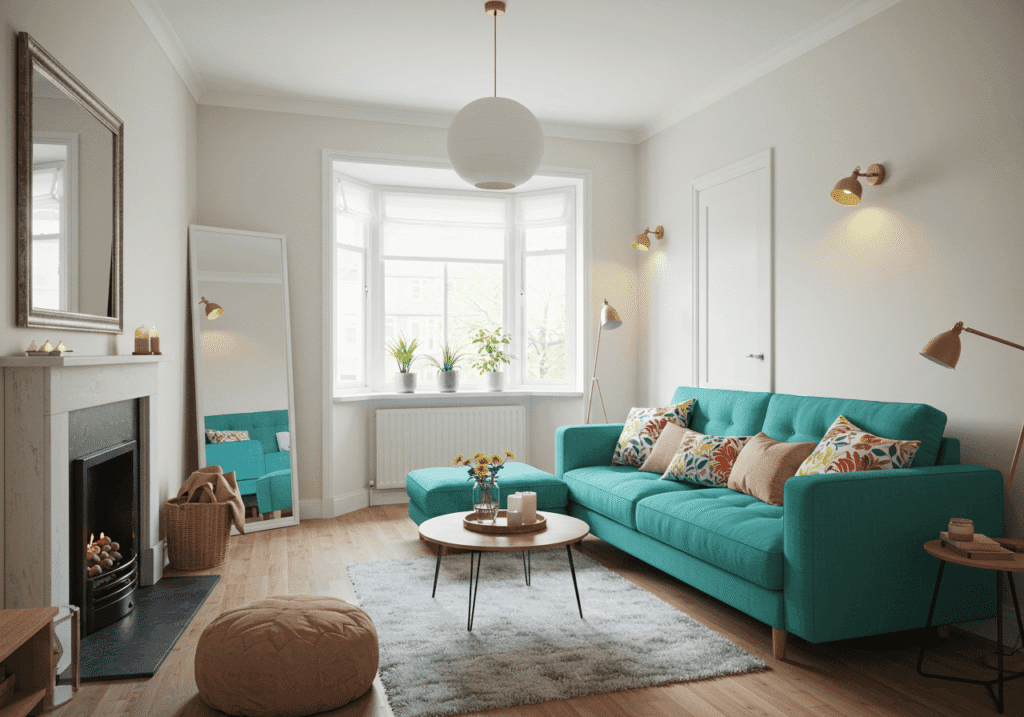
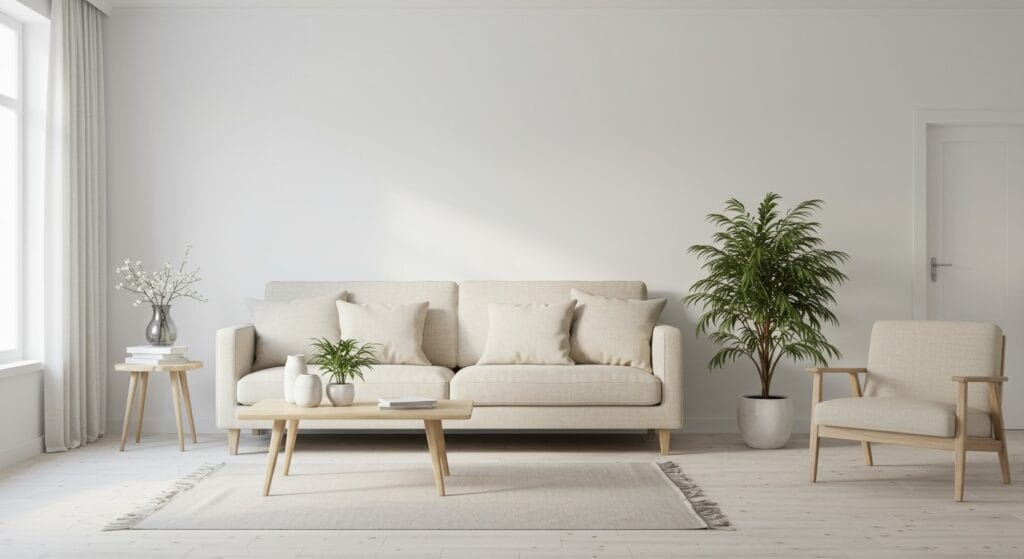
There’s something magical about walking into a room that breathes calmness. A minimalist living room does exactly that – it strips away the excess and leaves behind only what truly matters. Whether you’re drowning in clutter or simply craving a more peaceful space, these ideas will help you create a living room that feels like a daily retreat.
The beauty of minimalism isn’t about having less for the sake of it. It’s about making room for what brings you joy and functionality while eliminating the visual noise that can make us feel overwhelmed. Your living room should be a place where you can actually relax, not stress about all the stuff around you.
1. Start with a Neutral Color Foundation
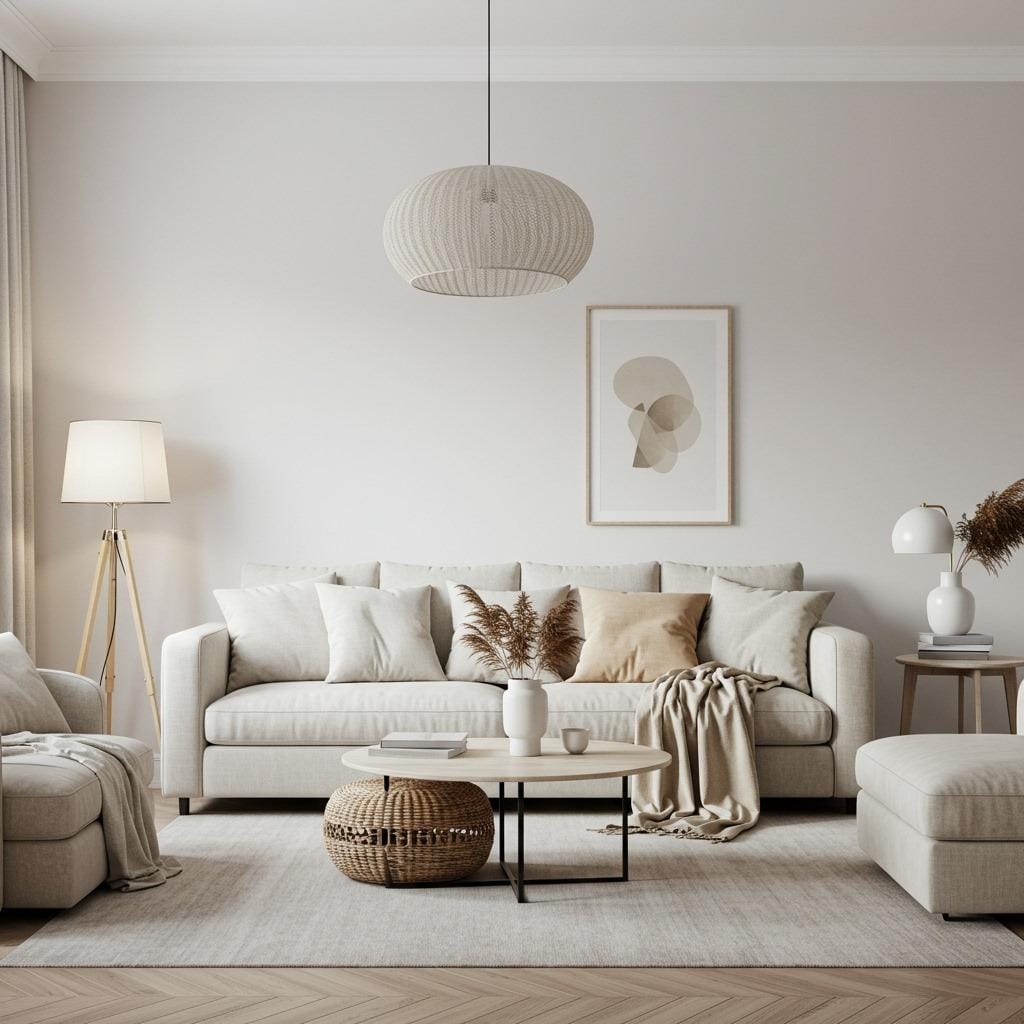
White, beige, and soft grays form the backbone of any successful minimalist living room. These colors create a sense of spaciousness and allow your few carefully chosen pieces to really shine. You don’t have to go stark white – warm whites and creamy tones can add subtle depth without breaking the minimalist aesthetic.
Consider painting your walls in a shade that makes the room feel larger. Cool whites work beautifully in rooms with lots of natural light, while warmer whites prevent north-facing rooms from feeling cold. The key is choosing one dominant color and sticking with it throughout the space.
Don’t forget about your ceiling – painting it the same color as your walls can make the room feel taller and more cohesive. This simple trick eliminates visual boundaries and creates that seamless, peaceful feeling minimalism is known for.
2. Choose Quality Over Quantity in Furniture
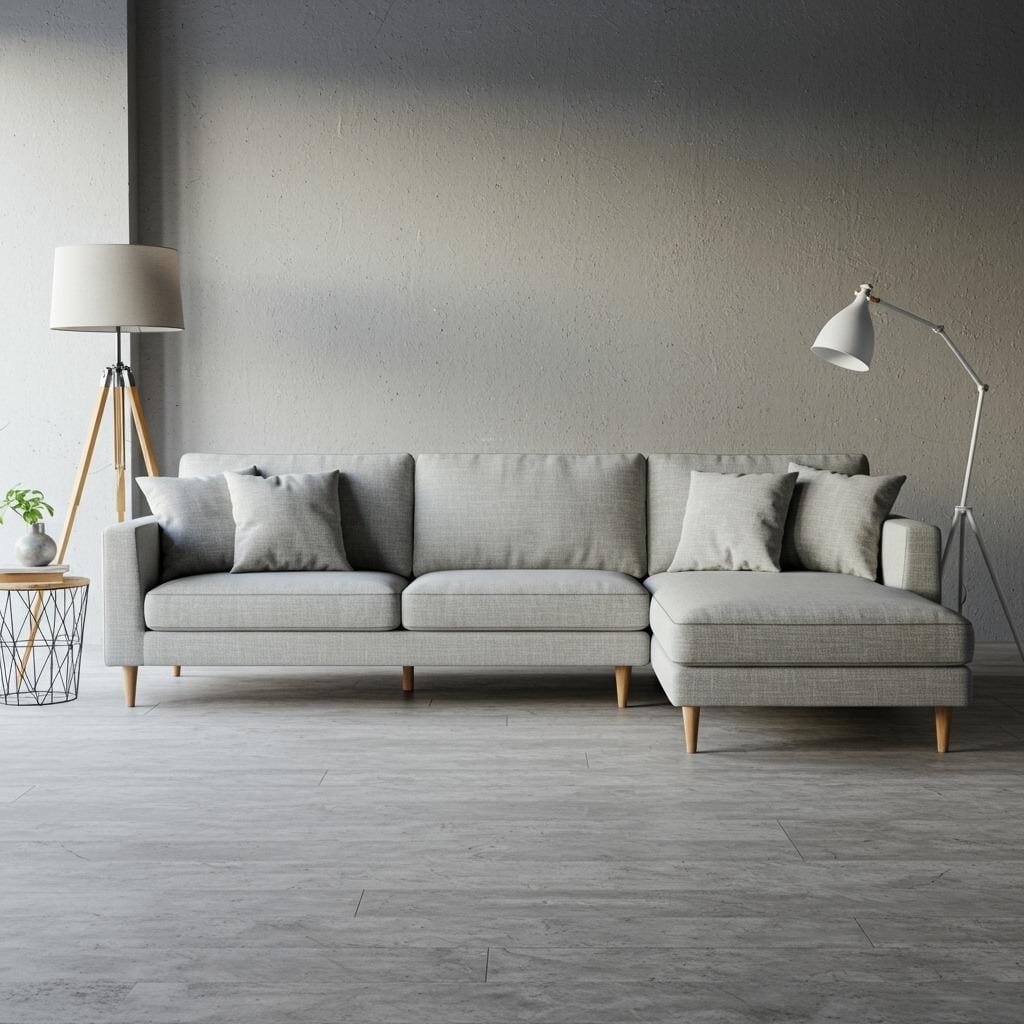
Instead of filling your space with multiple small pieces, invest in fewer, higher-quality items that serve multiple purposes. A well-made sofa in a neutral fabric can anchor your room for years to come. Look for pieces with clean lines and simple silhouettes that won’t go out of style.
Think about each piece’s function before bringing it home. Does it serve a real purpose in your daily life? Can it work double duty as storage or a surface when needed? Every item in a minimalist living room should earn its place through both beauty and utility.
Consider furniture with legs that lift pieces off the floor. This creates visual breathing room and makes your space feel less heavy. A sofa or coffee table on legs allows light and sight lines to flow underneath, maintaining that airy feeling minimalism requires.
3. Embrace Empty Space as a Design Element
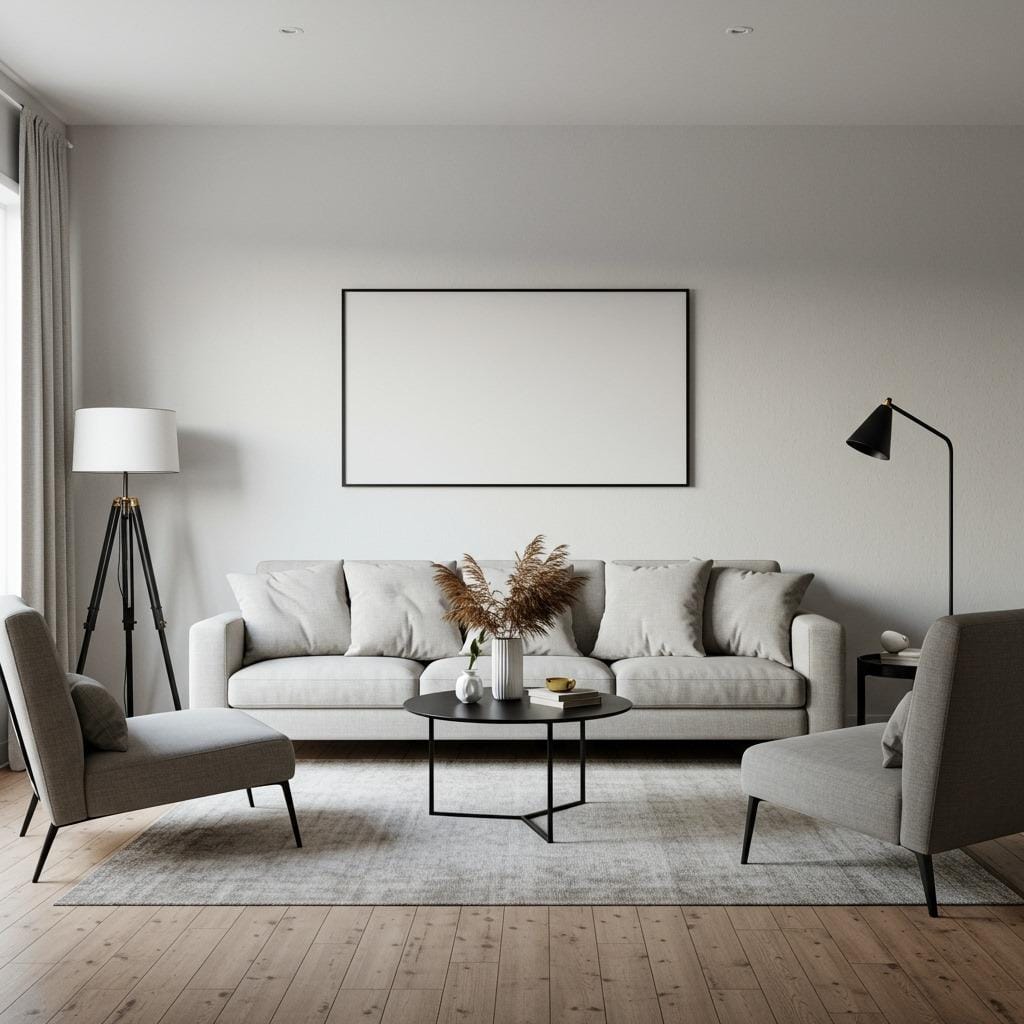
One of the hardest concepts for many people to grasp is that empty space isn’t something that needs to be filled. In minimalist design, empty space – or negative space – is just as important as the objects you choose to display. It gives your eyes and mind a place to rest.
Resist the urge to push all your furniture against the walls. Instead, try floating your sofa in the center of the room or leaving generous walkways around key pieces. This creates natural flow patterns and prevents the space from feeling cramped or overstuffed.
Remember that walls don’t need to be covered either. A single piece of art can have much more impact than a gallery wall when it has room to breathe. The same principle applies to your coffee table – sometimes the most beautiful thing on it is nothing at all.
4. Select One Statement Piece
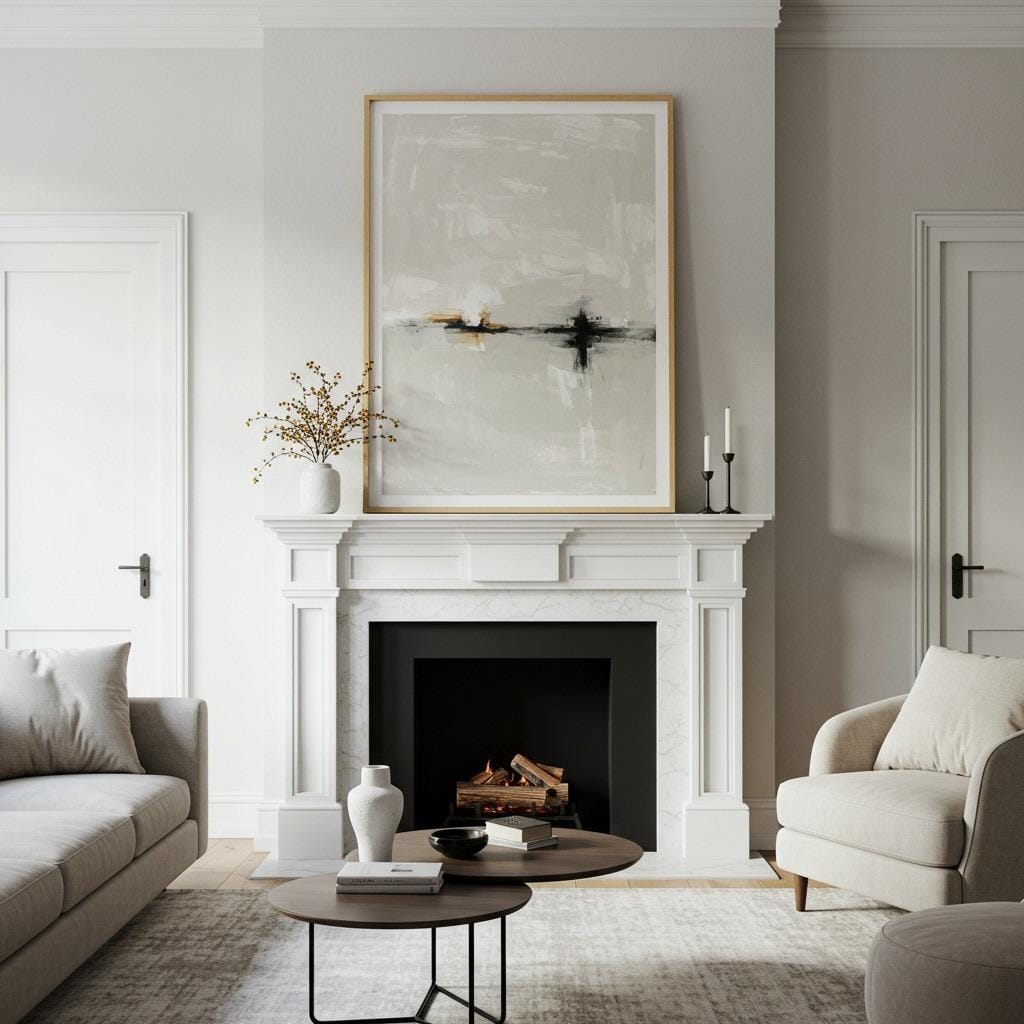
Every minimalist living room benefits from having one item that draws the eye and anchors the design. This could be a stunning piece of artwork, an architectural coffee table, or even a beautiful plant in an interesting planter. The key is choosing just one focal point rather than competing elements.
Your statement piece should reflect your personality while still fitting the overall aesthetic. Maybe it’s a vintage mid-century chair that adds character, or a bold abstract painting that brings in your favorite color. Whatever you choose, make sure it’s something you truly love – you’ll be seeing it every day.
Position your statement piece where it can be appreciated but doesn’t overwhelm the space. Often, this means giving it plenty of breathing room and keeping other decorative elements minimal around it.
5. Incorporate Natural Materials
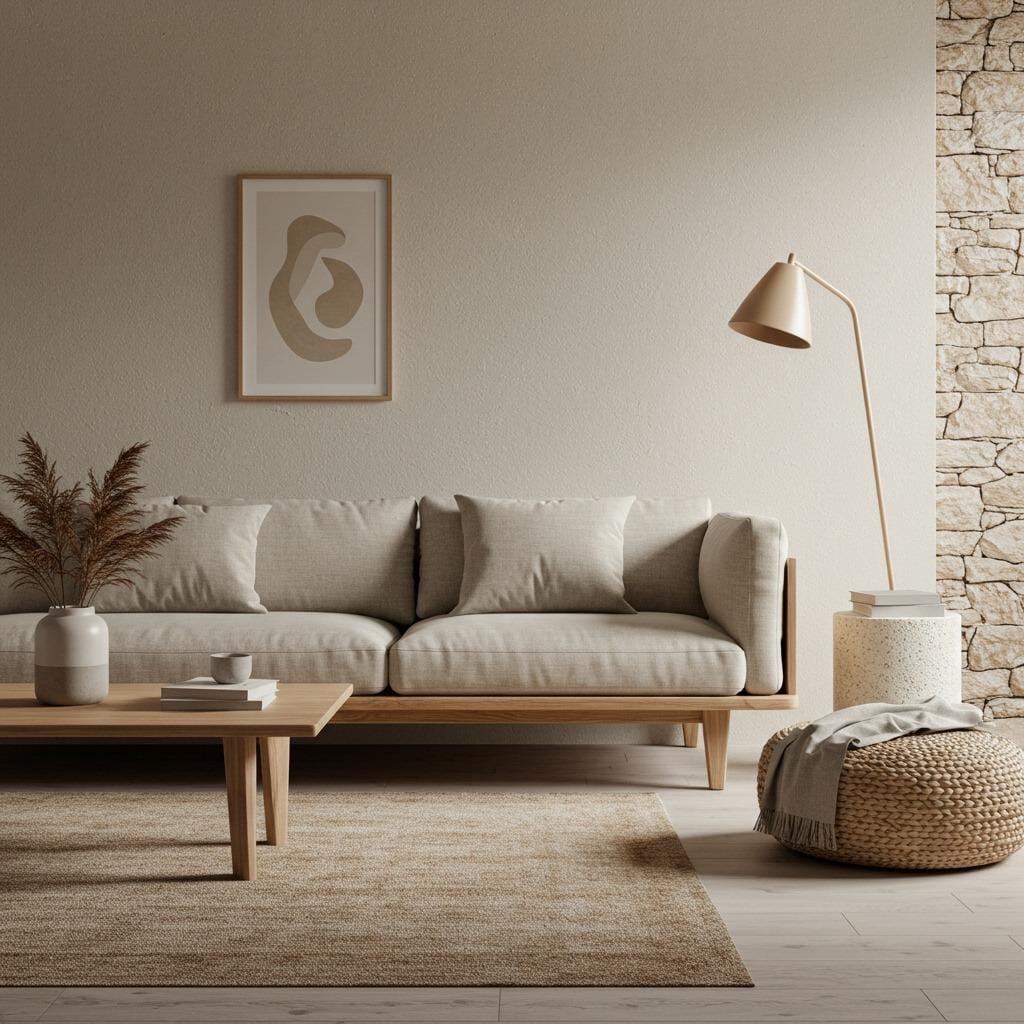
Wood, stone, linen, and other natural materials add warmth and texture to minimalist spaces without creating visual clutter. These materials bring an organic quality that prevents the room from feeling sterile or cold. A wooden coffee table or stone accent wall can provide just the right amount of visual interest.
Consider the different ways you can layer natural textures throughout your space. A jute rug underfoot, linen throw pillows on the sofa, and a wooden bowl on the coffee table create depth through texture rather than color or pattern. This approach maintains the clean aesthetic while adding tactile appeal.
Natural materials also tend to age beautifully, developing character over time rather than looking worn out. This makes them perfect investments for a minimalist lifestyle where you buy less but choose better quality items that will last.
6. Choose Lighting That Serves Multiple Functions
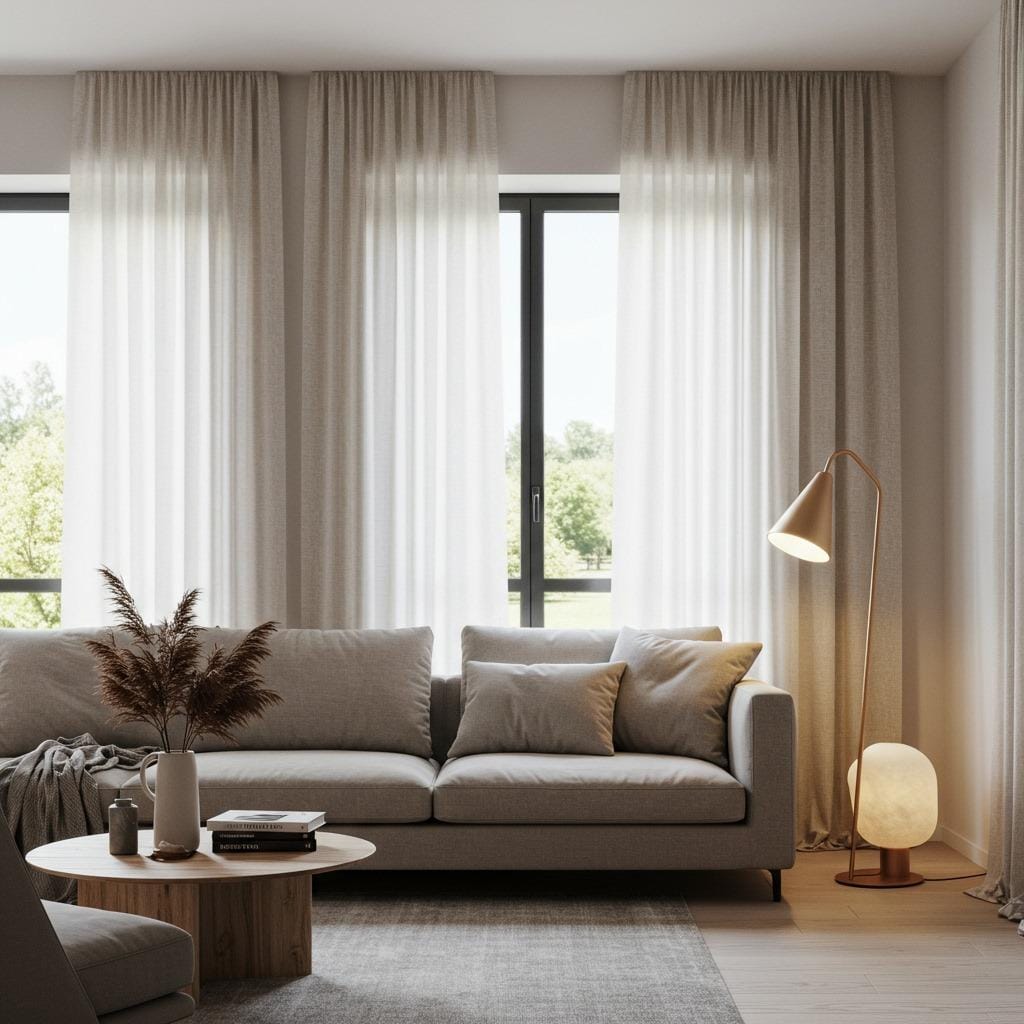
Good lighting is crucial in any space, but in a minimalist living room, each light source needs to work harder since you’ll have fewer of them. Look for fixtures that provide both ambient and task lighting, or pieces that are beautiful enough to serve as art when not in use.
A well-placed floor lamp can illuminate a reading corner while adding architectural interest to an empty corner. Table lamps on side tables provide task lighting for activities while creating cozy pools of light in the evening. Consider the lamp’s profile when it’s off – does it add to your space’s aesthetic or detract from it?
Natural light should be maximized wherever possible. Keep window treatments simple and functional – perhaps linen curtains that can be pulled back completely during the day or sleek blinds that disappear when raised. The goal is to blur the lines between indoor and outdoor spaces as much as possible.
7. Implement Smart Storage Solutions
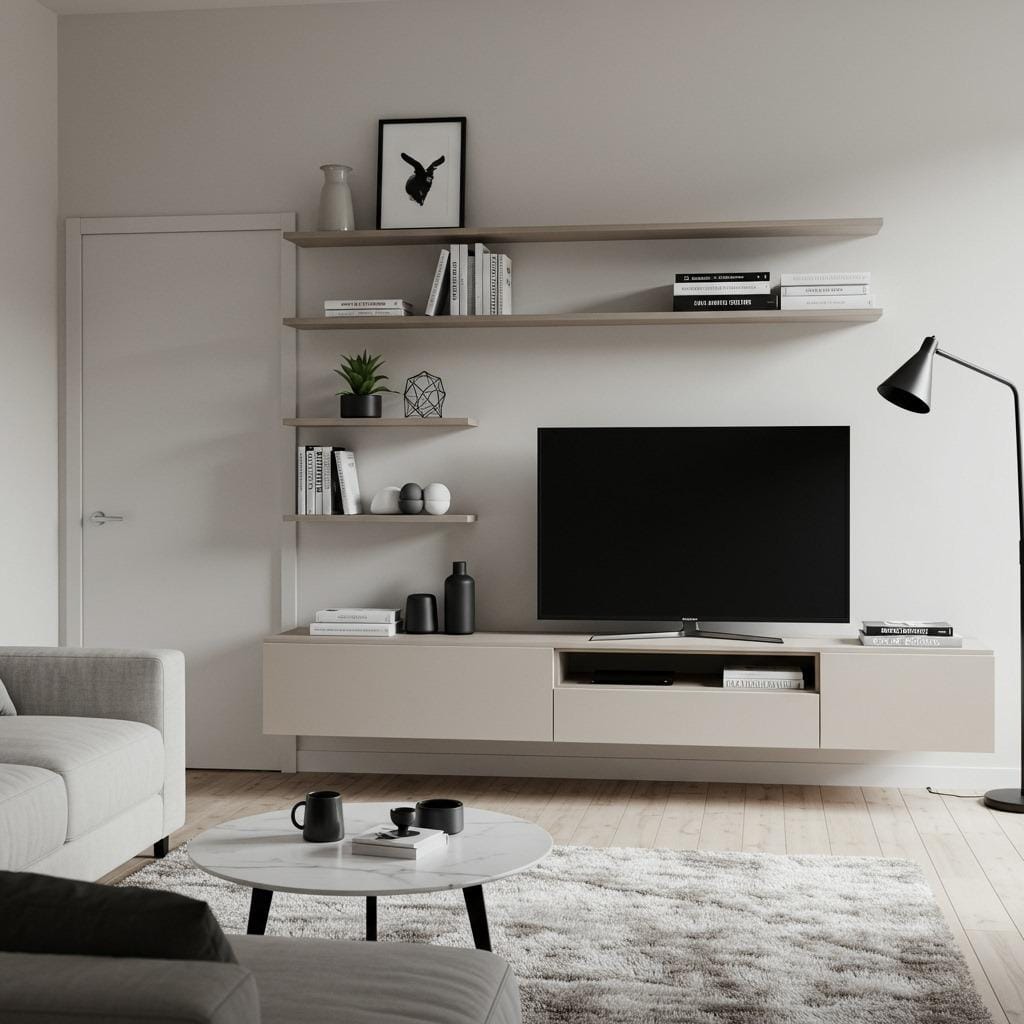
Just because you can’t see clutter doesn’t mean it doesn’t exist. Successful minimalist living requires thoughtful storage that keeps everyday items accessible but out of sight. Look for furniture pieces that offer hidden storage – ottomans with lift-up tops, coffee tables with drawers, or media consoles with concealed compartments.
Built-in storage can be a game-changer if you’re planning a renovation. Floor-to-ceiling cabinets with seamless doors can house everything from books to electronics while maintaining clean wall lines. The investment in custom storage often pays off in the long-term functionality of your space.
Consider what you actually need to store in your living room versus what you’re keeping there out of habit. Many items might be better suited to other areas of your home, leaving your living space truly focused on relaxation and gathering. For more organization inspiration, check out these storage ideas for small homes.
8. Add Life with Carefully Selected Plants
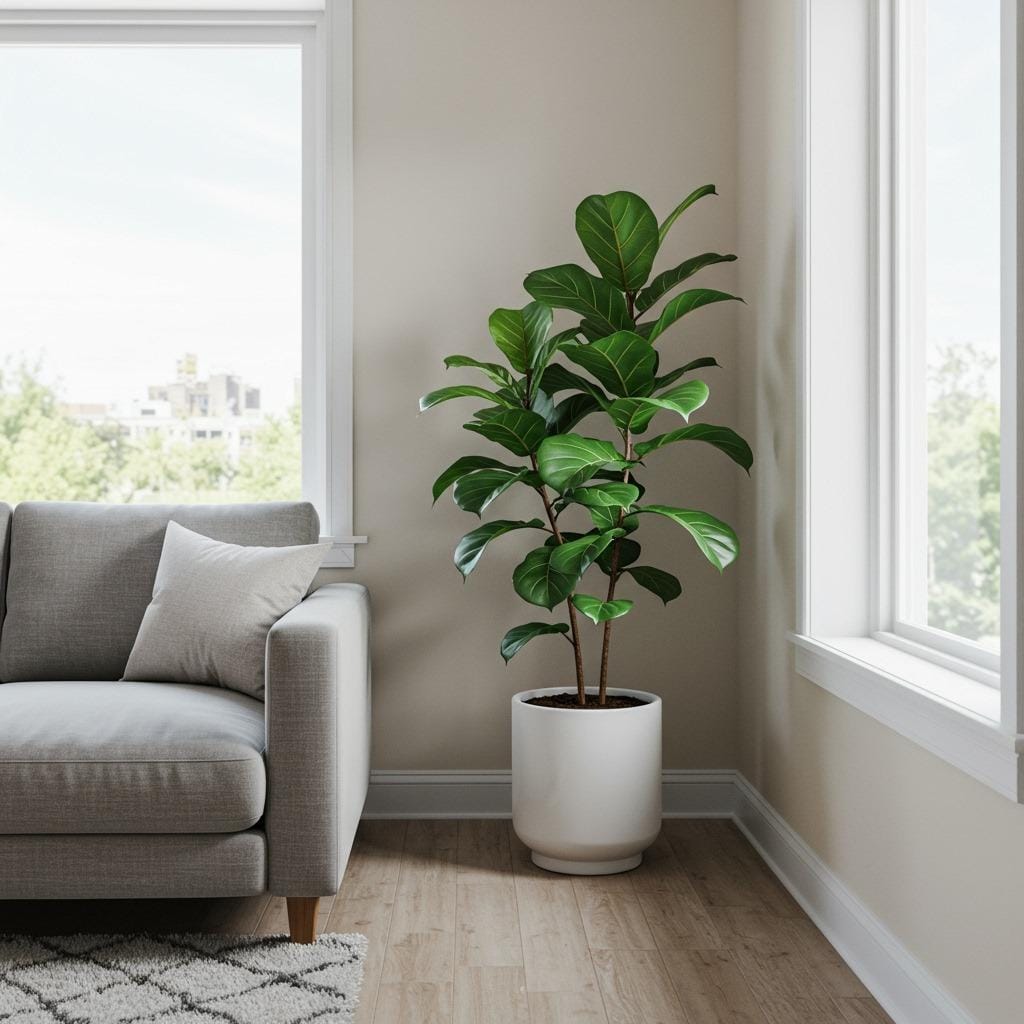
Plants bring life and color to minimalist spaces without adding visual clutter. A single large plant can have more impact than several small ones, and it maintains the “less is more” philosophy that guides minimalist design. Consider plants with interesting architectural shapes like snake plants, rubber trees, or fiddle leaf figs.
Choose planters that complement your overall aesthetic. Simple ceramic pots in white or natural tones work well, as do woven baskets for a more organic feel. The container should enhance the plant without competing for attention or introducing too many different materials into your space.
Remember that in minimalism, maintenance matters. Choose plants that fit your lifestyle and skill level. A few thriving plants will always look better than many struggling ones, and dead plants definitely don’t contribute to that peaceful, life-affirming atmosphere you’re trying to create.
9. Curate Your Art and Accessories Thoughtfully
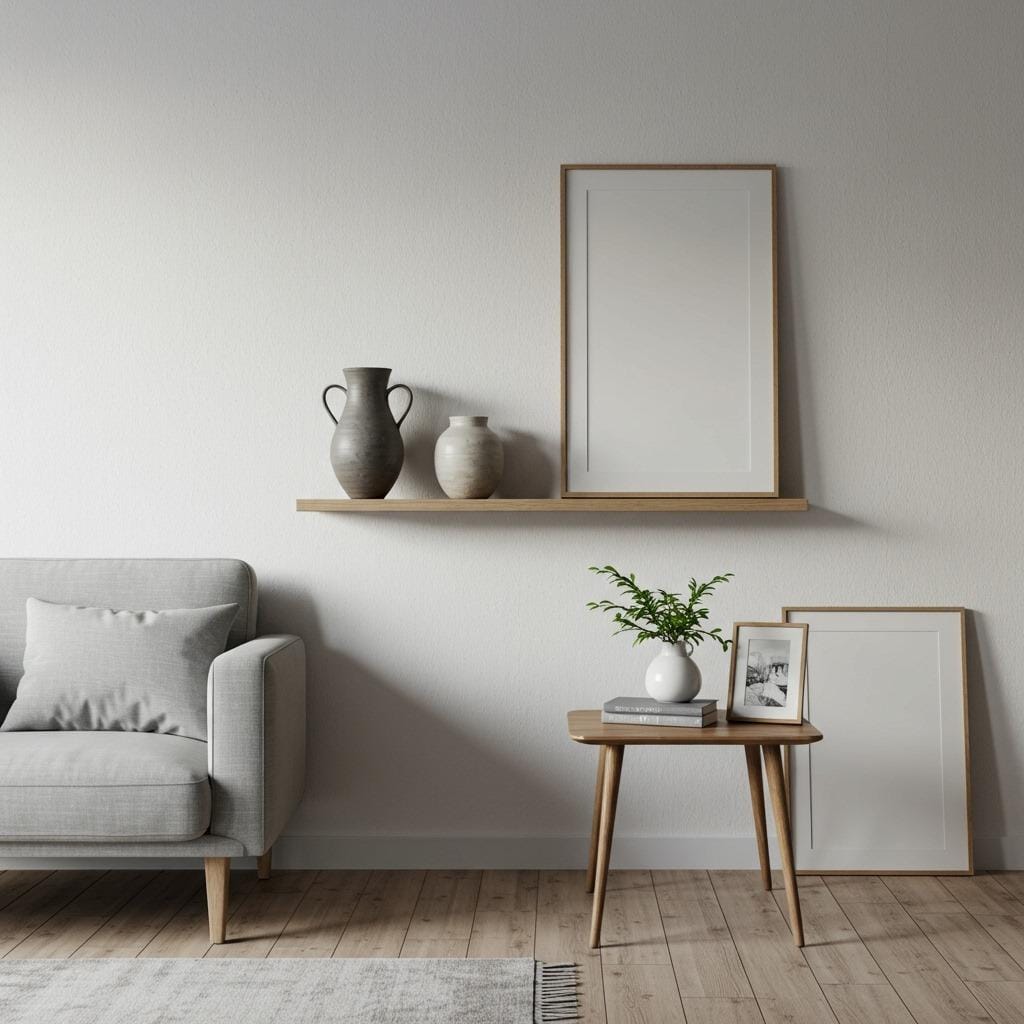
In a minimalist living room, every decorative object needs to earn its place. This doesn’t mean your space has to be completely bare, but it does mean being selective about what you display. Choose pieces that bring you genuine joy or have personal significance rather than filling space for the sake of it.
The “rule of three” can be helpful when grouping accessories, but don’t feel bound by it. Sometimes one perfect object is better than three okay ones. A single beautiful ceramic bowl, an interesting sculpture, or a treasured family photo can provide personality without overwhelming the space.
Consider rotating your accessories seasonally. This allows you to enjoy different pieces throughout the year while maintaining the uncluttered aesthetic that makes minimalist living rooms so peaceful. Store away items when they’re not displayed, and bring them out when you want a subtle change.
10. Create Visual Flow with Consistent Heights
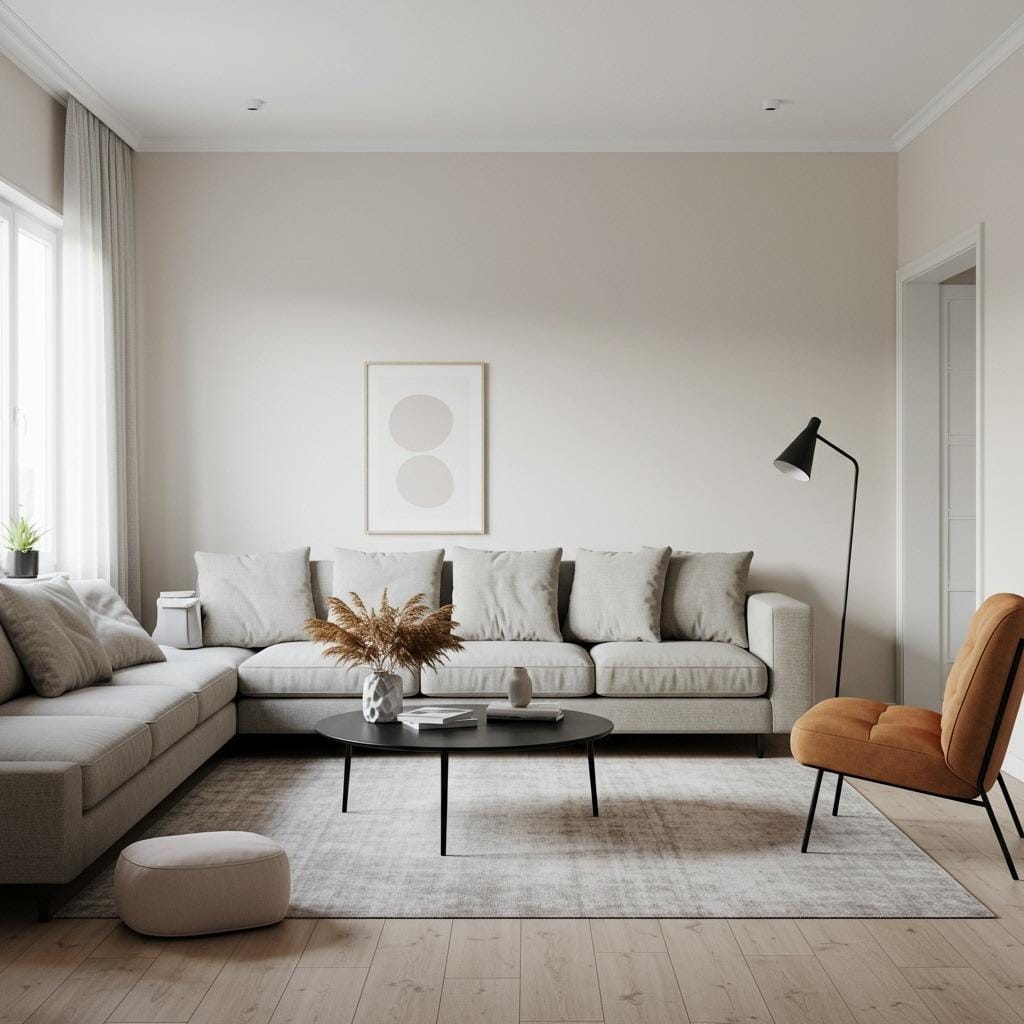
Pay attention to the visual weight and height of your furniture pieces. In minimalist design, creating visual flow helps the space feel harmonious and intentional. This might mean choosing a coffee table that’s proportional to your sofa height, or ensuring that your side tables work well with your seating.
Consider sight lines when arranging furniture. Can you see from the entry to the windows without visual obstructions? Are there natural pathways through the room that feel comfortable and logical? These details contribute to the sense of calm that makes minimalist spaces so appealing.
Don’t forget about the relationship between your furniture and architectural elements like windows and doorways. Aligning furniture with these features can create a sense of order and purpose that supports the minimalist aesthetic.
11. Embrace Monochromatic Color Schemes
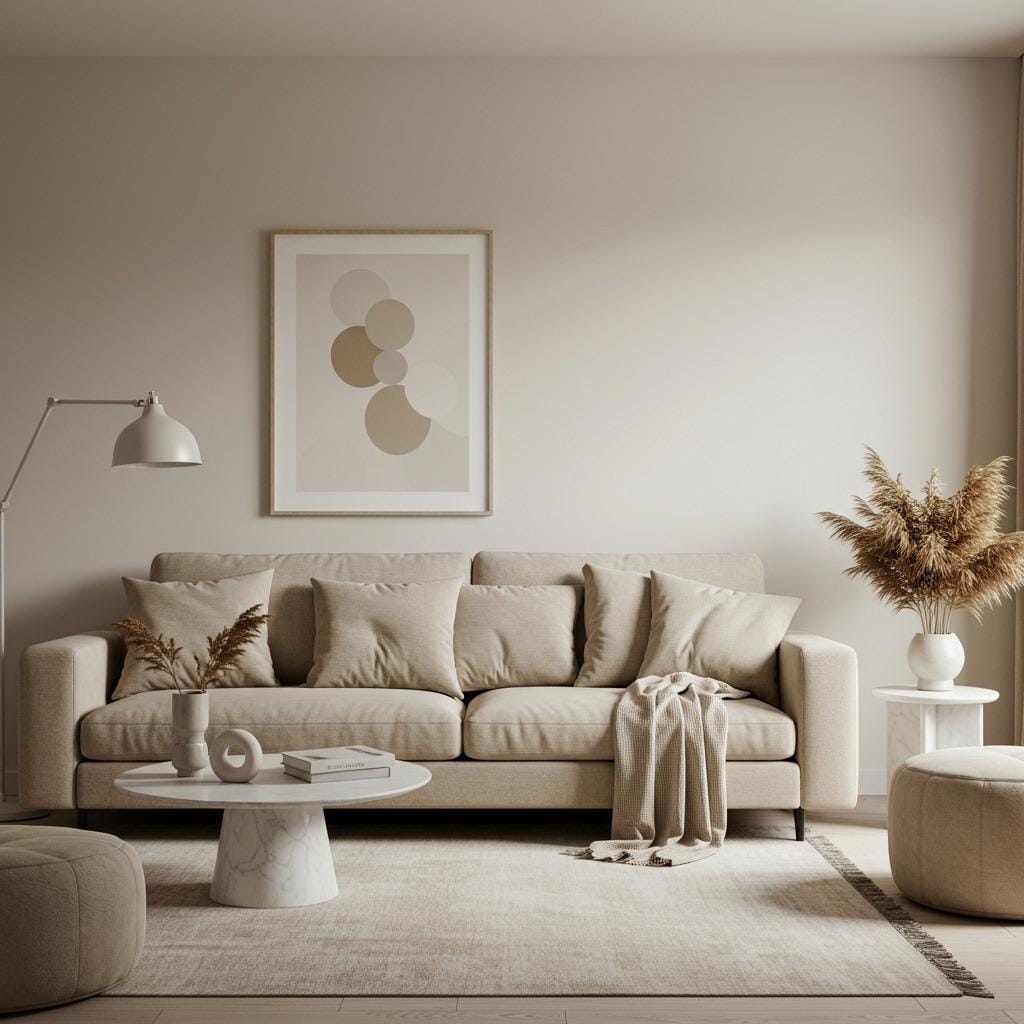
Working within a single color family can create stunning depth while maintaining the serene feeling of minimalist design. This doesn’t mean everything has to be exactly the same shade – instead, explore different tones and saturations of your chosen color to add interest without introducing visual chaos.
A monochromatic scheme might use various shades of gray, from charcoal to pearl, or explore the range from cream to deep beige. The key is ensuring that all your choices feel intentional and related rather than accidentally matched. This approach can make even small spaces feel larger and more sophisticated.
Texture becomes especially important in monochromatic rooms since you’re relying on it rather than color for visual interest. Mix smooth and rough textures, matte and glossy finishes, and hard and soft materials to keep the space from feeling flat or boring.
12. Simplify Your Window Treatments
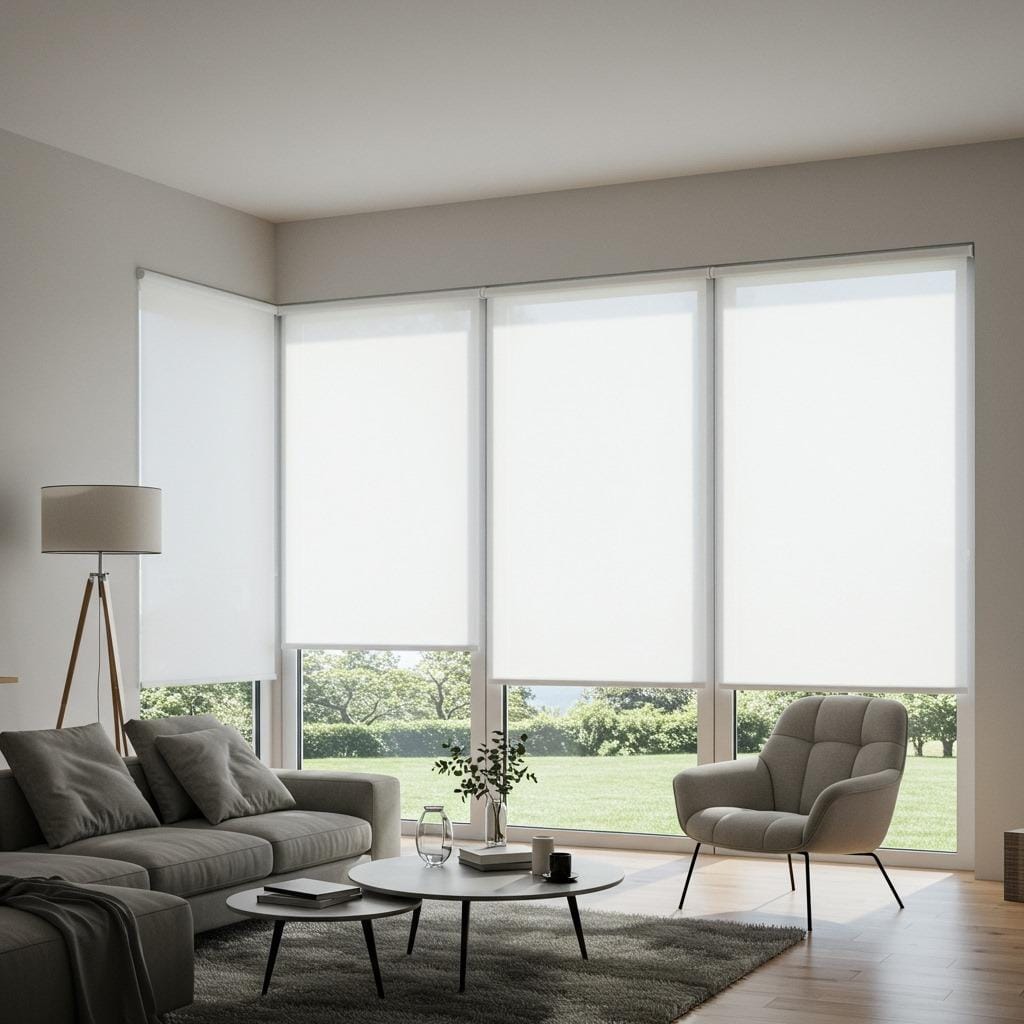
Complex window treatments can overwhelm a minimalist space and compete with the clean lines you’re trying to achieve. Simple panels in natural fabrics, clean-lined blinds, or even bare windows (where privacy allows) maintain the uncluttered aesthetic while serving their functional purpose.
If you need privacy or light control, consider cellular shades or roller blinds in white or neutral colors. These options disappear when not in use and provide clean lines when deployed. Avoid treatments with busy patterns, excessive hardware, or complicated layering systems that add visual noise to your peaceful space.
The goal is to frame your view of the outdoors rather than obstruct it. Natural light is one of the best features of any minimalist room, so choose treatments that maximize rather than diminish this valuable resource. For inspiration on how to work with natural light, explore these beautiful living room layouts.
13. Focus on Quality Textiles
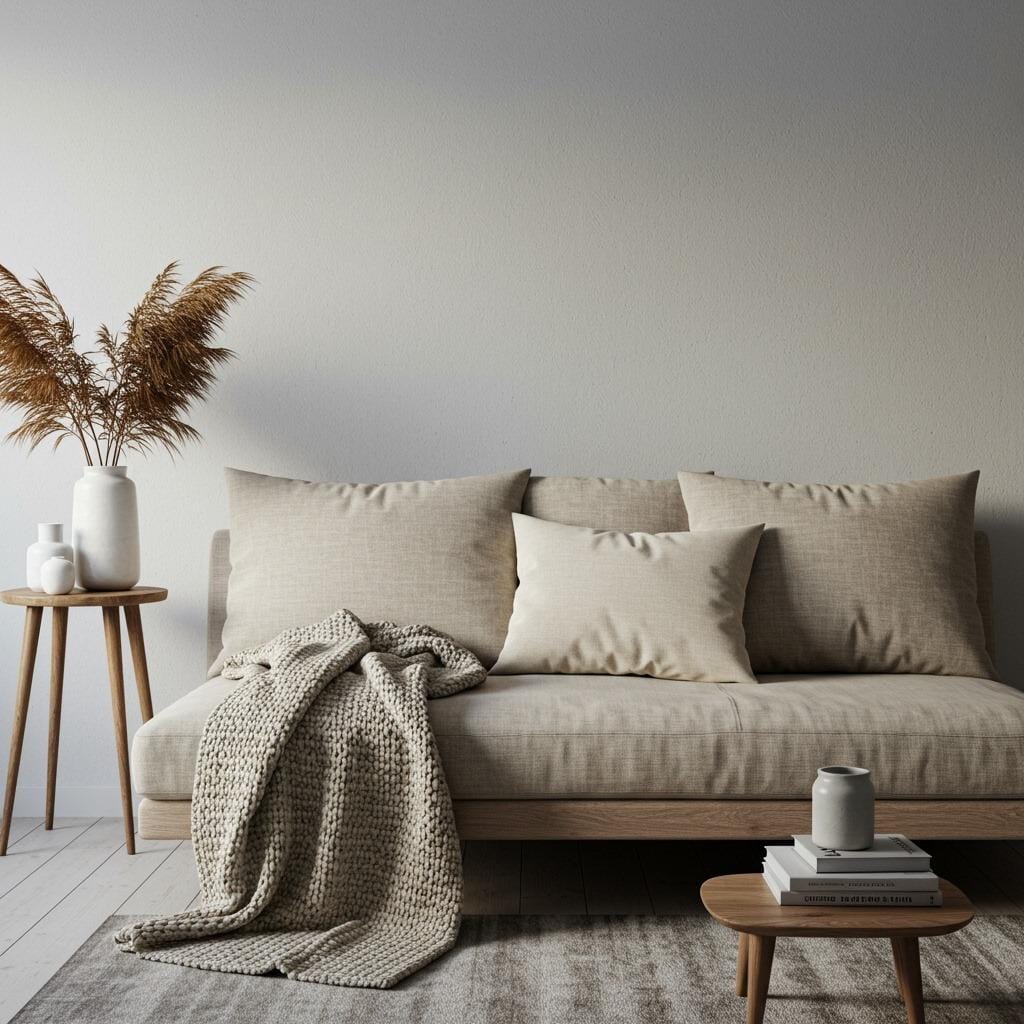
Since you’ll have fewer textile elements in a minimalist living room, the ones you choose need to be exceptional. Invest in quality pieces like linen cushions, wool throws, or cotton rugs that feel good to touch and look beautiful over time. These materials tend to improve with age rather than showing wear.
Consider the practical aspects of your textile choices too. Light-colored fabrics in high-traffic areas might require more maintenance than you’re willing to commit to. Sometimes choosing slightly darker or more forgiving materials allows you to maintain the clean look with less stress about daily use.
Layer textures thoughtfully rather than colors. A bouclé throw over a linen sofa, placed on a jute rug, creates visual interest through varied textures while maintaining color harmony. This approach adds depth and warmth without creating the busy feeling that minimalism seeks to avoid.
14. Consider Furniture Scale and Proportion
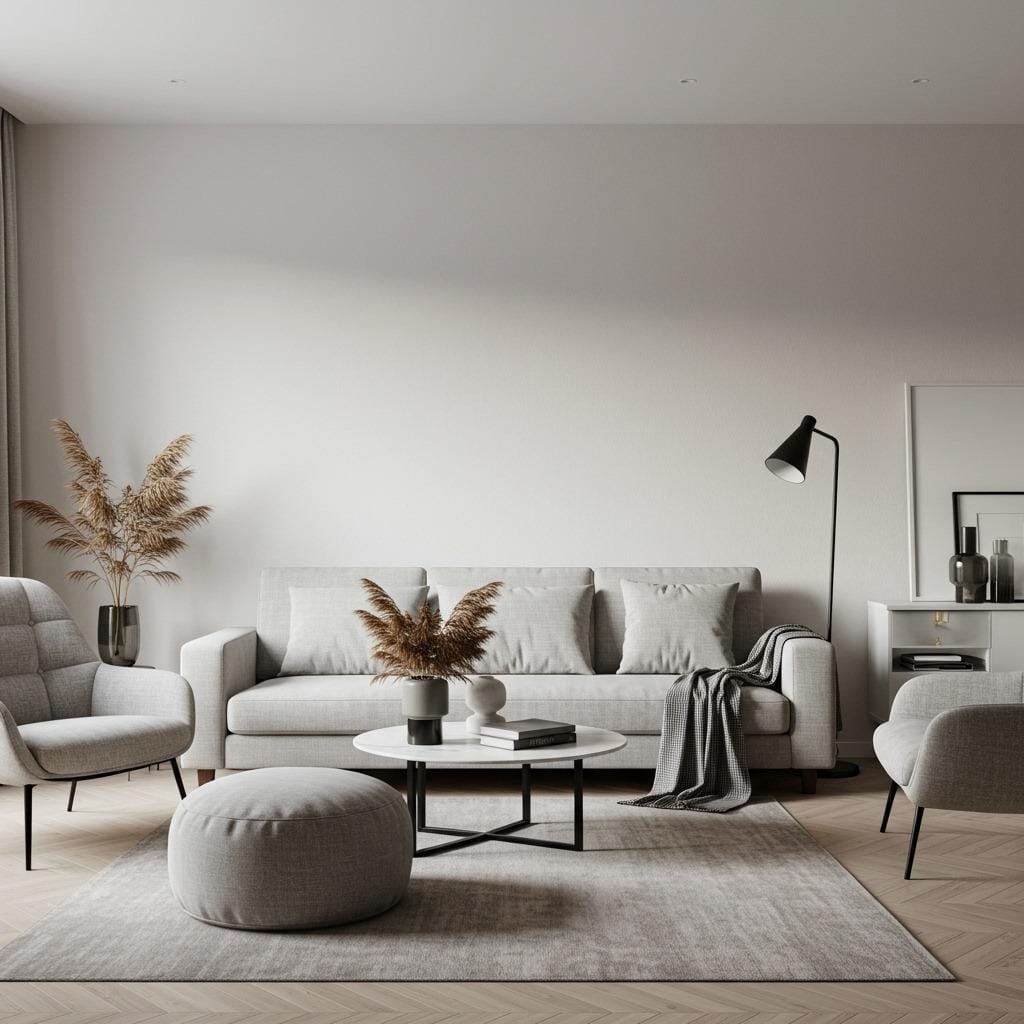
In minimalist design, getting the scale right is crucial since you have fewer pieces to work with. A too-small coffee table in front of a large sectional will look lost, while an oversized piece can overwhelm the space. Take time to measure and visualize how pieces will work together before making purchases.
Consider your room’s proportions when choosing furniture sizes. High ceilings can handle taller pieces like a substantial bookshelf or large artwork, while lower ceilings benefit from furniture that doesn’t compete with the vertical space. The goal is creating balance and harmony rather than fighting against your room’s natural proportions.
Don’t forget to account for walking space around furniture pieces. Generous pathways are essential for maintaining that open, breathing feeling that makes minimalist spaces so appealing. Sometimes choosing slightly smaller furniture pieces allows for better flow and more impactful empty space.
15. Incorporate Subtle Pattern Through Texture
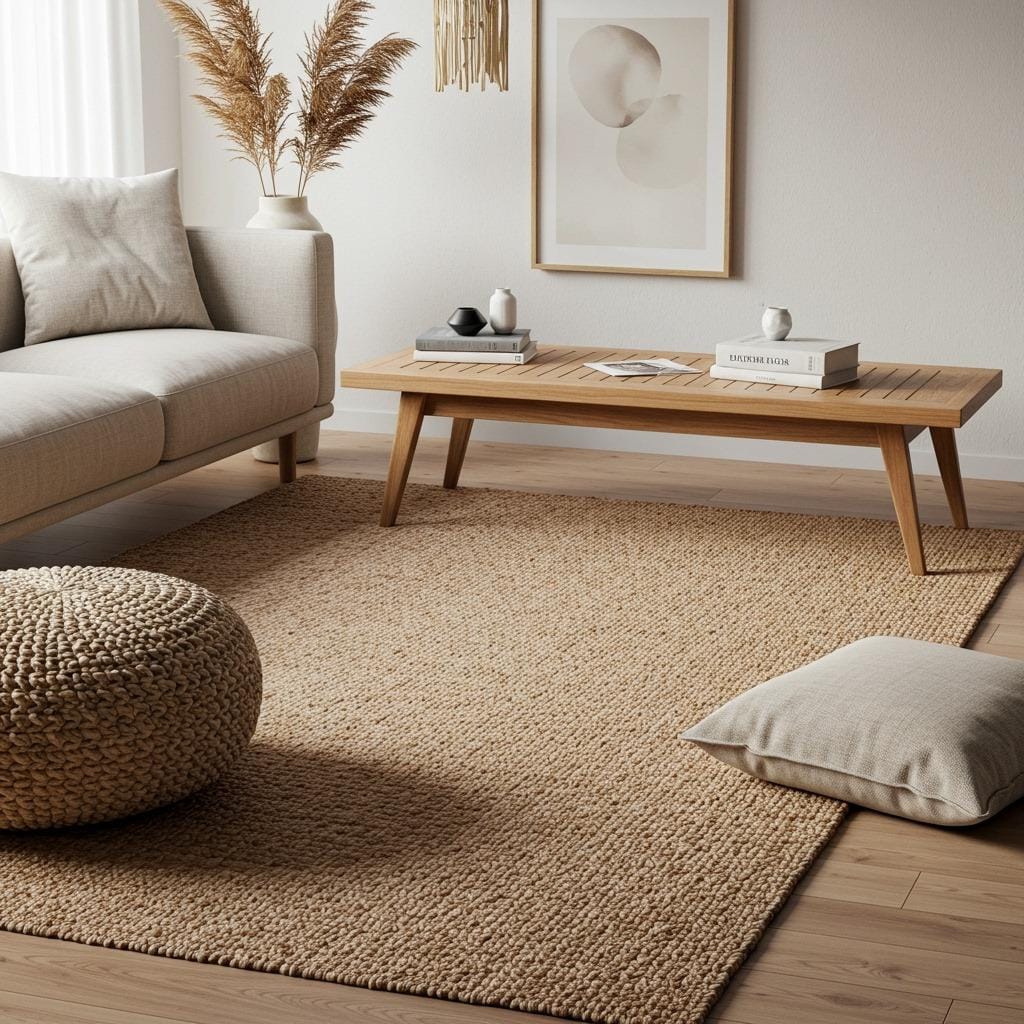
While bold patterns can overwhelm minimalist spaces, subtle pattern introduced through texture can add visual interest without compromising the serene aesthetic. Think about the natural patterns found in wood grain, woven fabrics, or stone surfaces rather than printed or busy designs.
A textured area rug can ground your seating area while adding subtle pattern through its weave. Natural materials like jute, sisal, or wool often have inherent patterns created by their construction that provide interest without being distracting. These choices maintain the natural, organic feeling that works so well in minimalist design.
Consider how light plays across different textures throughout the day. A smooth surface might reflect light differently than a rough one, creating natural pattern and movement that changes as the sun moves across your room. This dynamic quality keeps minimalist spaces from feeling static or boring.
16. Design for Your Actual Lifestyle
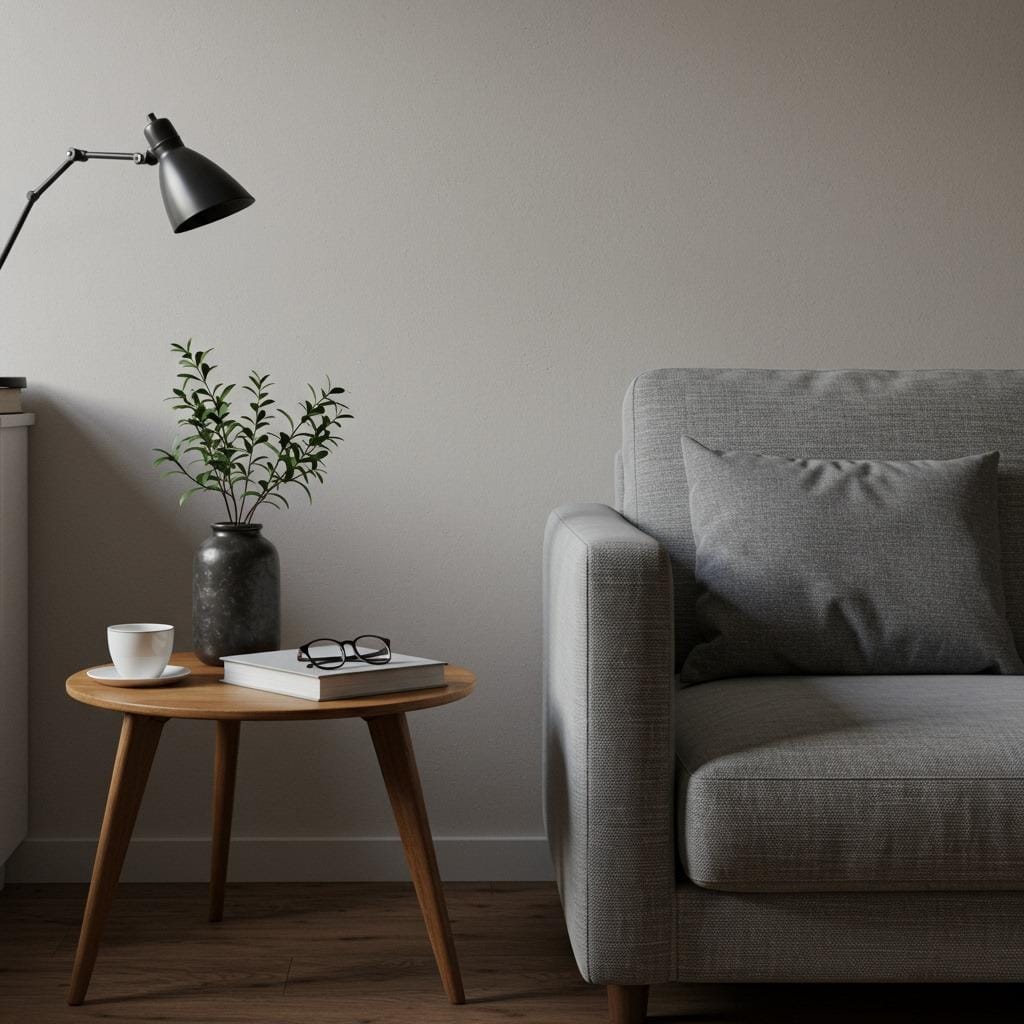
The most important aspect of any minimalist living room is that it works for how you actually live. If you’re someone who loves to read, ensure you have good task lighting and a comfortable reading spot. If you entertain frequently, make sure your seating arrangement facilitates conversation rather than just looking pretty.
Think about your daily routines and how your living room supports them. Do you need a surface for your morning coffee? A place to charge your devices? Somewhere to store the throw blanket you use every evening? Minimalism isn’t about deprivation – it’s about intentionally including what serves your life while excluding what doesn’t.
Be honest about your maintenance preferences too. A white sofa might look stunning in photos, but if you have pets or small children, a slightly darker shade might serve you better long-term. The best minimalist space is one you can actually live in comfortably. For more ideas about creating functional spaces, check out these small living room tips.
17. Use Mirrors to Enhance Light and Space
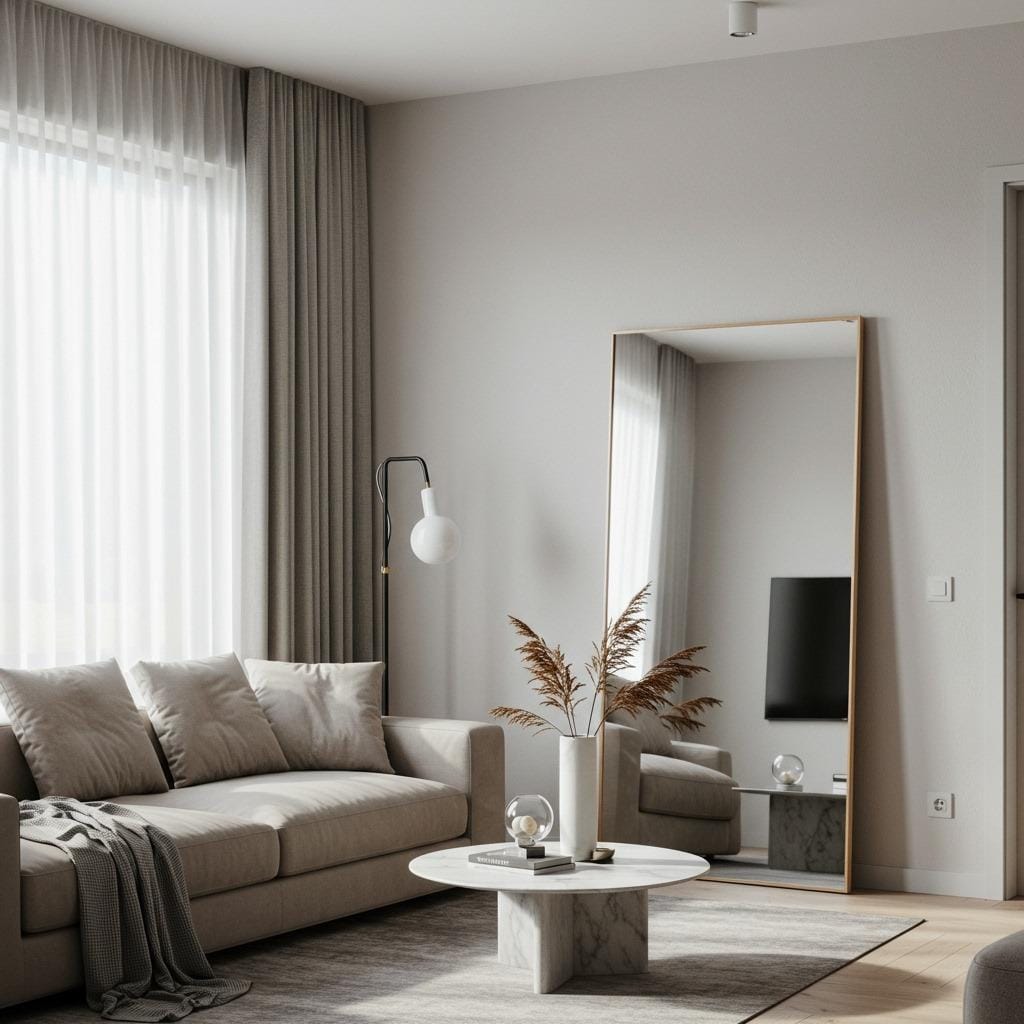
Strategically placed mirrors can amplify both natural light and the sense of space in your minimalist living room. A large mirror opposite a window will reflect light deeper into the room, while a mirror on a side wall can make the space feel wider than it actually is.
Choose mirrors with simple frames or no frames at all to maintain clean lines. The mirror itself should feel like an architectural element rather than a decorative accessory. Consider the view the mirror will reflect – you want it to multiply beautiful elements of your room rather than highlighting less attractive areas.
Resist the temptation to use multiple small mirrors, which can create visual chaos. One well-placed, appropriately sized mirror will have much more impact and better support your minimalist aesthetic goals than several smaller ones scattered around the room.
18. Choose Multi-Functional Pieces
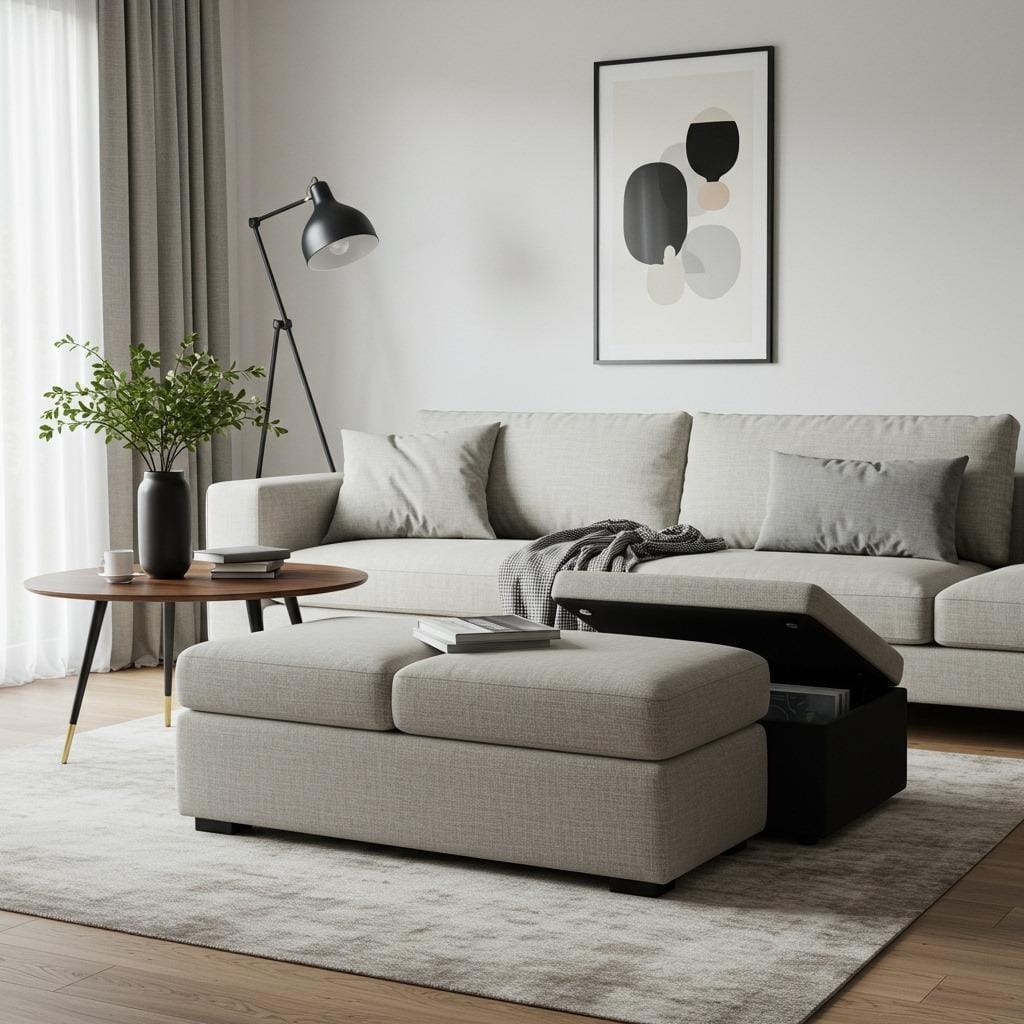
In a minimalist living room, every piece should ideally serve more than one purpose. An ottoman can provide extra seating, a footrest, and hidden storage. A console table can hold your television, store electronics, and display a few carefully chosen accessories.
Look for furniture with clean lines that can adapt to different uses as needed. A sleek dining table might double as a workspace, while a comfortable bench can provide extra seating for guests and a surface for folding laundry when needed. This flexibility is especially valuable in smaller spaces where every square foot counts.
Consider pieces that can be easily moved or reconfigured when your needs change. Lightweight side tables, nesting tables, or modular seating allows you to adapt your space for different activities while maintaining the uncluttered aesthetic that makes minimalism so appealing.
19. Create Zones for Different Activities
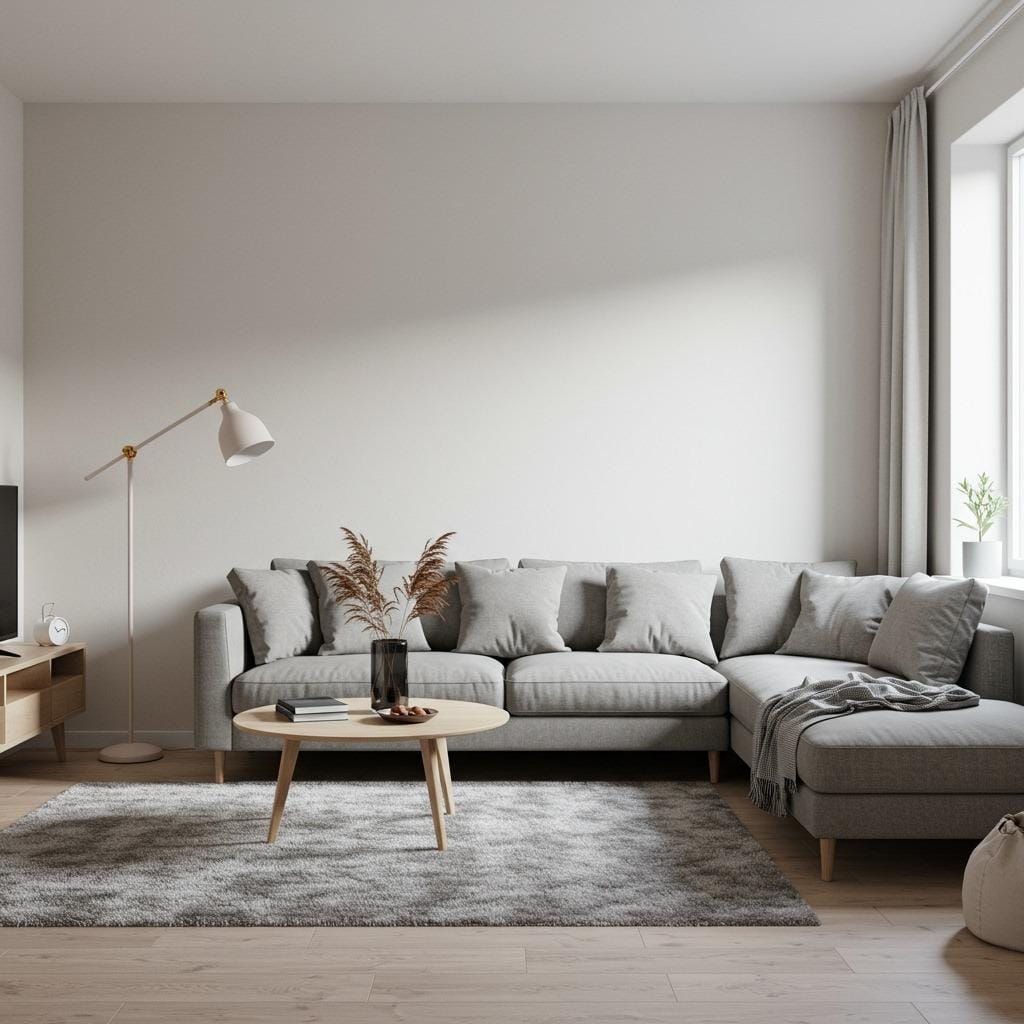
Even in an open-plan living space, creating subtle zones for different activities can improve both function and visual organization. A reading corner with a comfortable chair and good lighting feels separate from the main seating area without requiring walls or major furniture pieces.
Use area rugs to define different zones within your larger space. A rug under your main seating area creates a conversation zone, while a smaller rug in a corner can anchor a reading or work space. This approach maintains the open feeling while providing visual cues about how different areas are intended to be used.
Lighting can also help define zones – a table lamp creates an intimate reading spot, while overhead lighting serves the larger gathering area. The key is subtle differentiation rather than obvious division, maintaining the flow and openness that makes minimalist spaces feel so peaceful.
20. Maintain Clean Lines Throughout
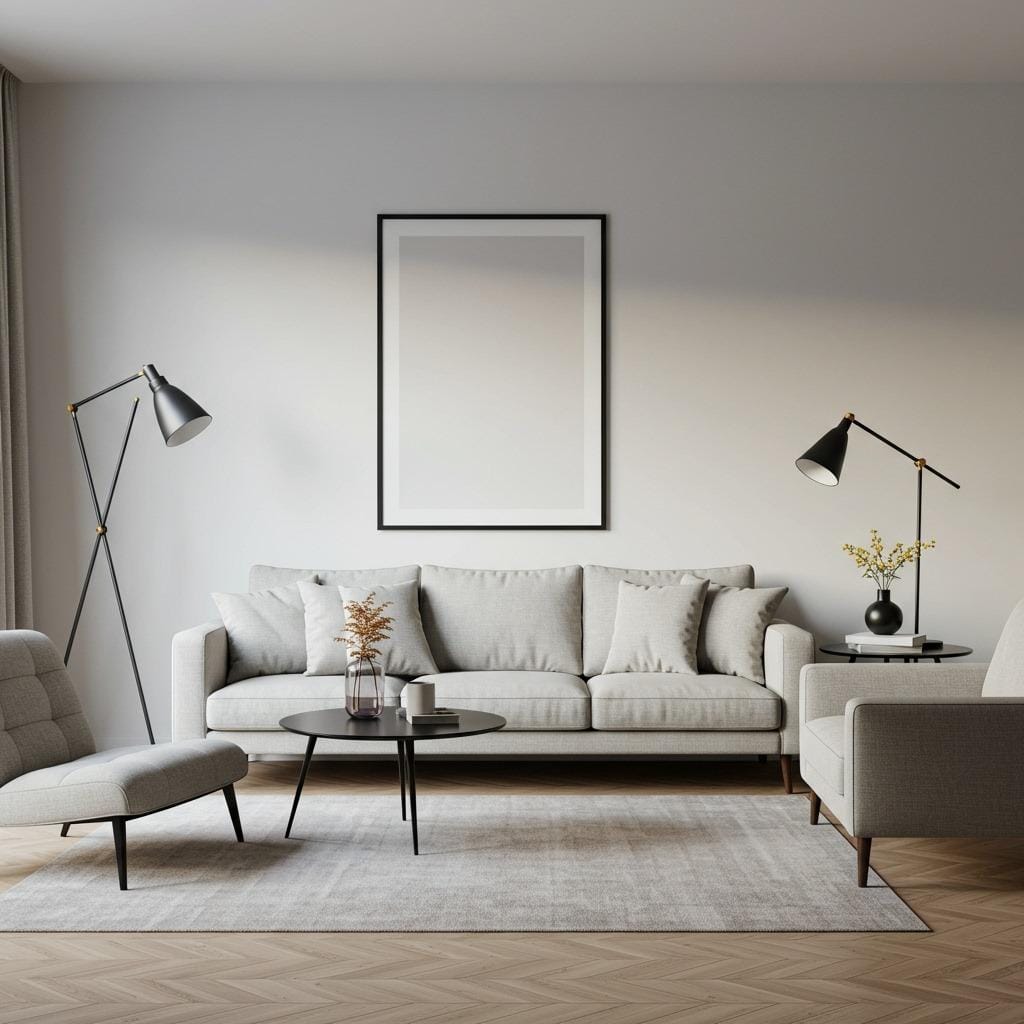
Consistency in design elements helps create the cohesive, calming feeling that makes minimalist living rooms so appealing. This means paying attention to details like the shapes of your furniture legs, the style of your light fixtures, and the finish of your hardware.
Avoid mixing too many different design styles or periods within your minimalist space. While one vintage piece can add character, combining mid-century modern with industrial with Scandinavian elements can create visual chaos rather than the serene simplicity you’re aiming for.
Consider the architectural details of your room and work with them rather than against them. If you have beautiful crown molding, let it be a feature rather than competing with busy furniture lines. If your space has interesting angles or built-in features, enhance rather than distract from these natural focal points.
21. Regularly Edit Your Space
Minimalism is an ongoing practice, not a one-time achievement. Regular editing of your possessions helps prevent the gradual accumulation that can slowly compromise your peaceful space. Set aside time monthly or seasonally to assess what’s working and what might need to go.
Ask yourself whether each item in your living room still serves its purpose or brings you joy. Items that once felt essential might no longer fit your lifestyle or aesthetic preferences. Be willing to let go of things that no longer serve you, even if they were expensive or gifts.
Consider implementing a “one in, one out” policy for decorative items. When you bring something new into your space, remove something else to maintain the visual balance you’ve worked to achieve. This practice helps you stay mindful about new additions and prevents unconscious accumulation.
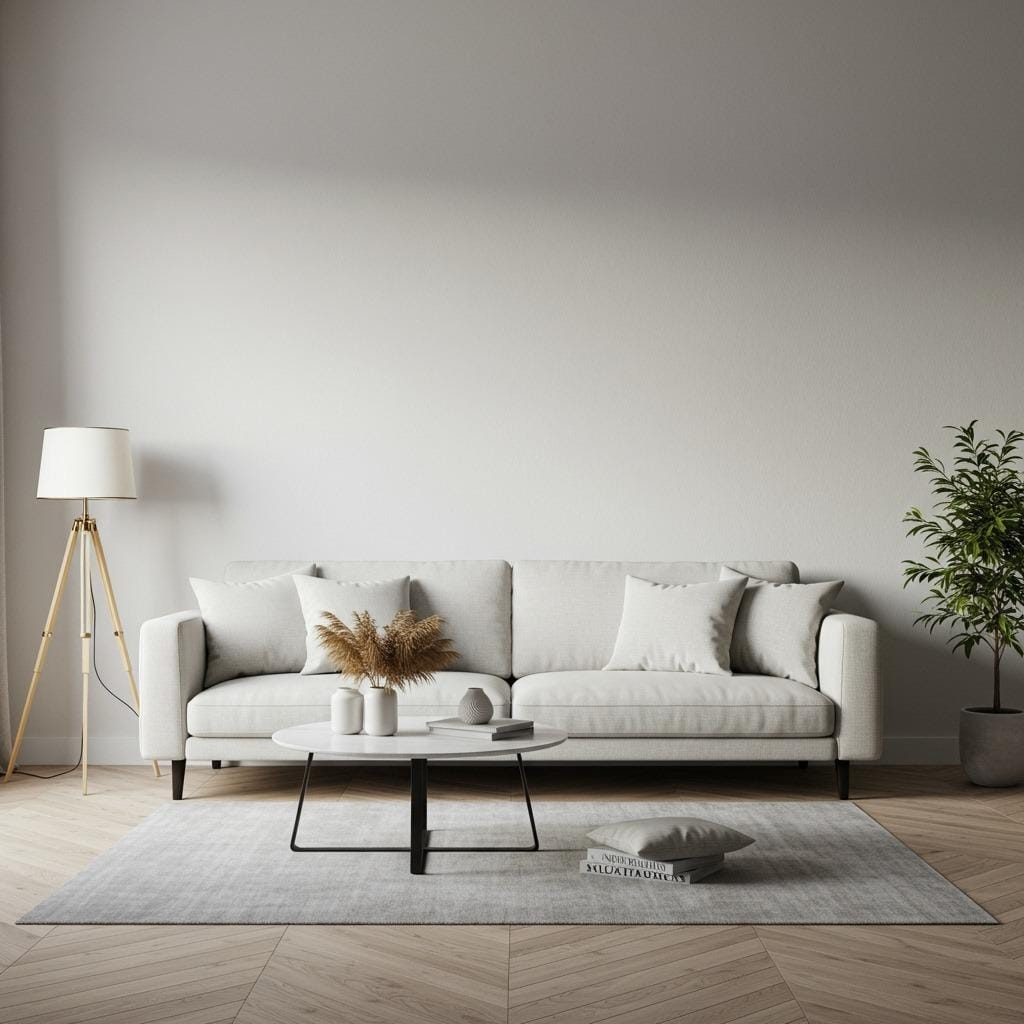
Creating a minimalist living room isn’t about following strict rules or eliminating everything you love. It’s about being intentional with your choices and creating a space that truly supports the life you want to live. The most successful minimalist spaces reflect their owners’ personalities while maintaining the calm, uncluttered atmosphere that makes these rooms so appealing.
Remember that minimalism looks different for everyone. Your version might include more books than someone else’s, or you might choose slightly warmer colors than the stark whites often associated with the style. The key is finding the balance between visual simplicity and personal comfort that works for your unique situation.
Start with one area or one principle from this list rather than trying to transform everything at once. Maybe begin by clearing your coffee table surfaces or choosing a neutral color palette for your next textile purchases. Small, consistent changes often create more lasting results than dramatic overhauls, and they allow you to discover what aspects of minimalist design resonate most strongly with your lifestyle.
For more inspiration on creating beautiful, functional living spaces, explore our comprehensive guide to living room furniture arrangement and discover how thoughtful placement can transform any space into a peaceful retreat.

Sanjai creates easy, affordable home decor ideas that anyone can try. Through simple tips and curated finds, he helps you style rooms you’ll love coming home to.