There’s something undeniably calming about spaces that feel connected to nature while maintaining clean, uncluttered lines. The organic modern living room style perfectly captures this balance, creating homes that breathe with natural beauty yet stay refreshingly simple.
This design approach isn’t just about throwing a few plants into a minimalist living room – it’s about thoughtfully weaving natural materials and sustainable elements into a cohesive space that feels both sophisticated and grounding. Whether you’re starting fresh or looking to refresh your current space, these ideas will help you create a living room that celebrates both nature and modern design principles.
What Makes an Organic Modern Living Room Special?

The magic happens when you strip away the unnecessary and focus on what truly matters: natural textures, honest materials, and purposeful design. Unlike stark minimalism, organic modern style welcomes the imperfect beauty of nature – think live-edge wood, natural stone, and plants that actually thrive in your space.
This style works because it addresses our deep need to connect with nature, especially when we spend so much time indoors. The result feels effortlessly elegant without trying too hard to impress. It’s about creating a space that supports both your lifestyle and your well-being.
1. Start with a Neutral Foundation
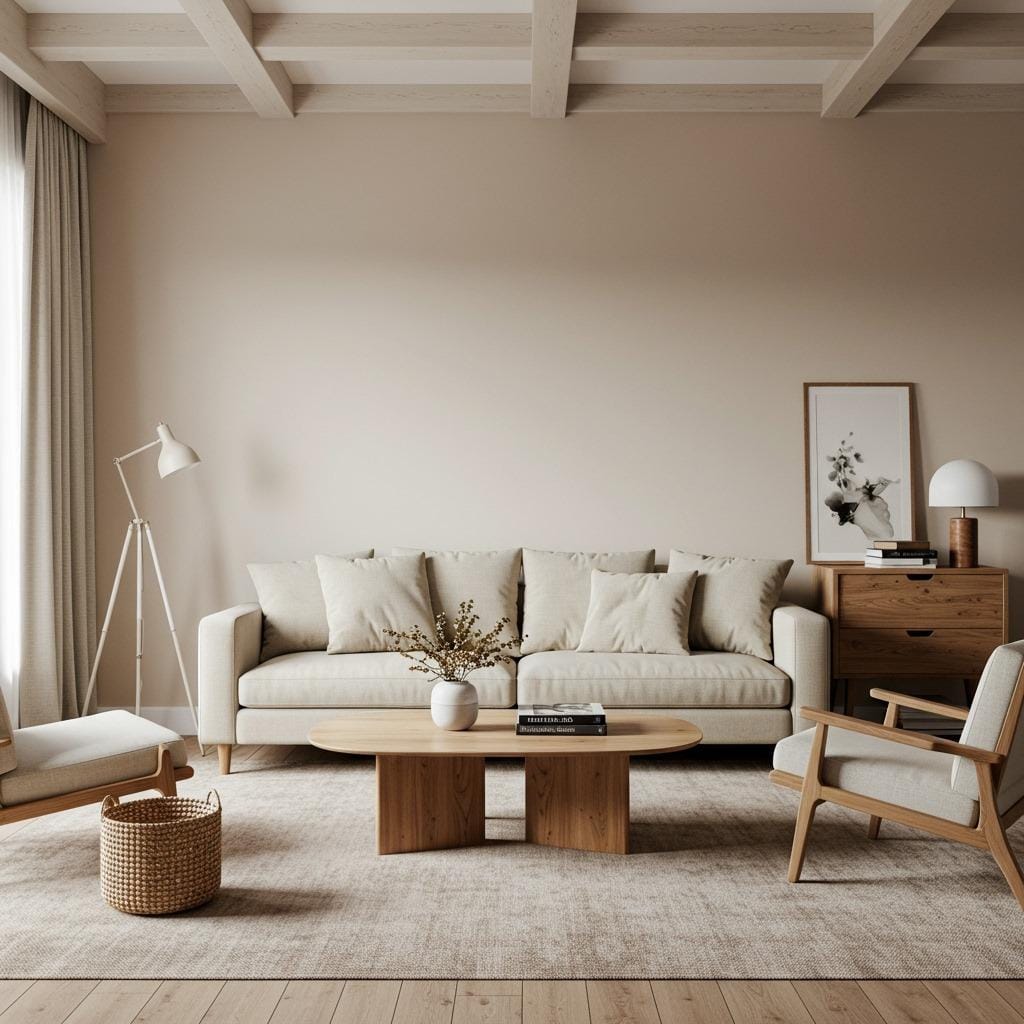
Your walls and larger furniture pieces should create a calm backdrop that lets natural elements shine. Think warm whites, soft beiges, or gentle greens that echo nature without competing with it.
Consider paint colors like mushroom gray or warm linen white that change subtly throughout the day as natural light shifts. These colors work beautifully in contemporary living room designs while maintaining that organic connection.
The key is choosing colors that feel like they could exist in nature – avoid anything too bright or artificial. Your foundation should whisper, not shout, allowing the natural materials and textures to tell the story.
2. Embrace Natural Wood Furniture
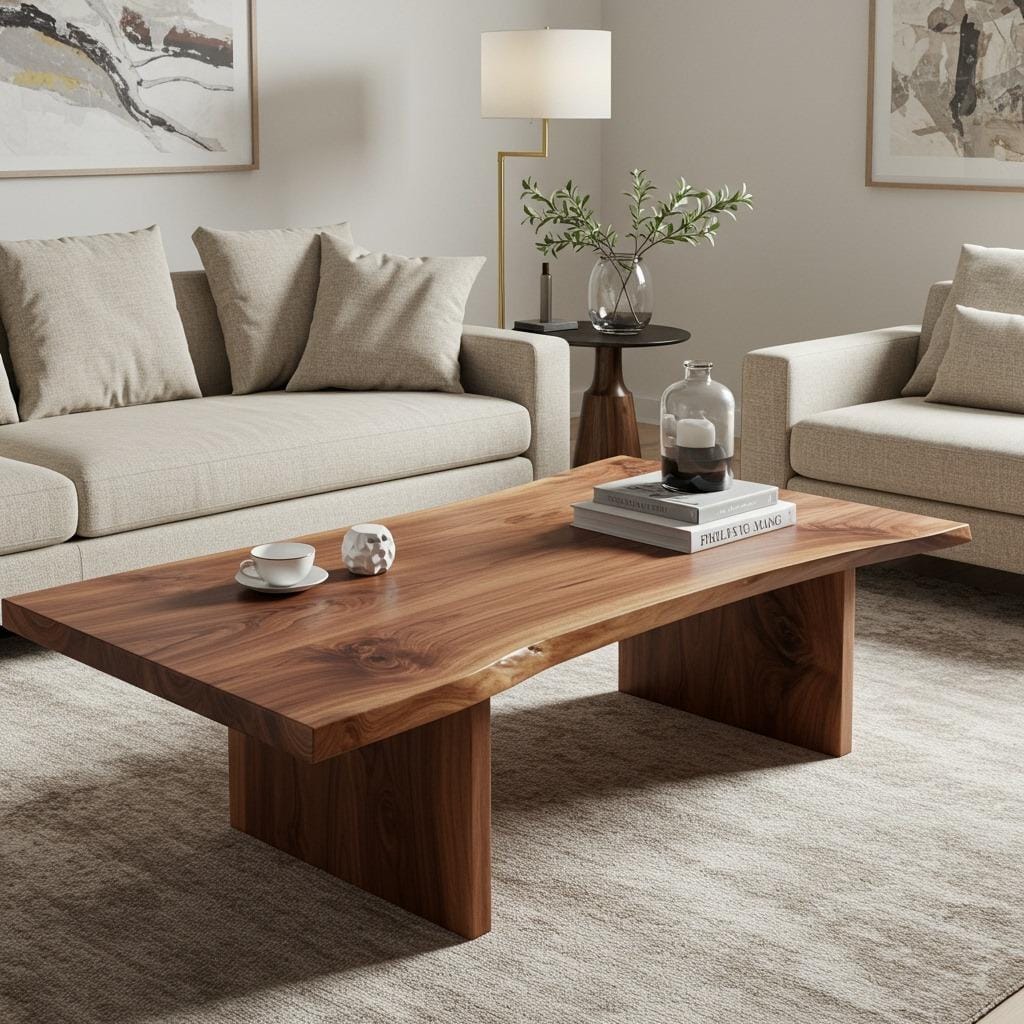
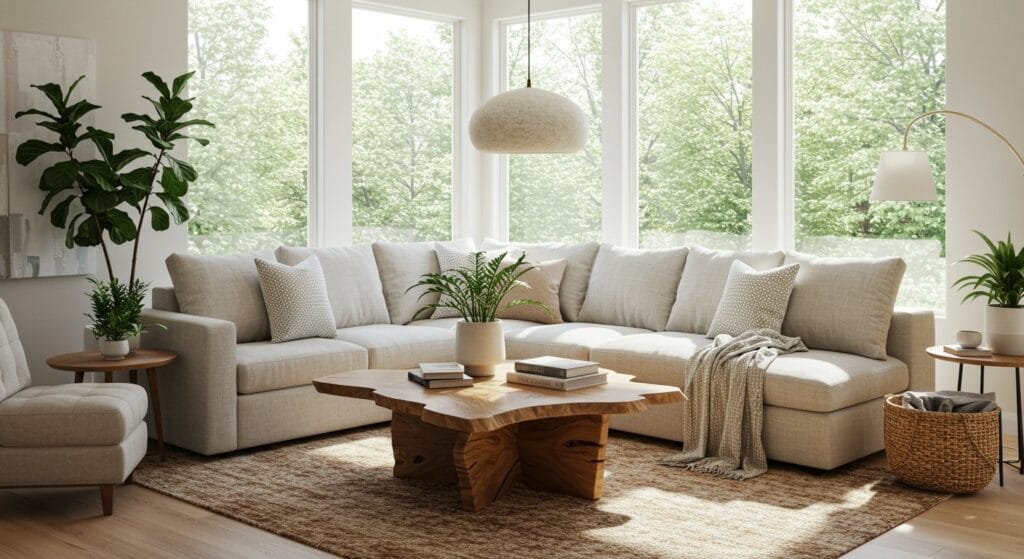
Live-edge coffee tables, reclaimed wood shelving, and furniture with visible grain patterns bring authentic character to your space. The imperfections in natural wood – knots, grain variations, natural edges – add personality that manufactured pieces simply can’t match.
Look for pieces made from sustainably sourced materials like oak, walnut, or teak. A living room coffee table with natural edges becomes a conversation starter while serving your daily needs.
Don’t worry about everything matching perfectly – organic modern style celebrates the unique character of each piece. Mix different wood tones and textures for a collected, lived-in feel that grows more beautiful over time.
3. Layer Natural Textiles and Fibers
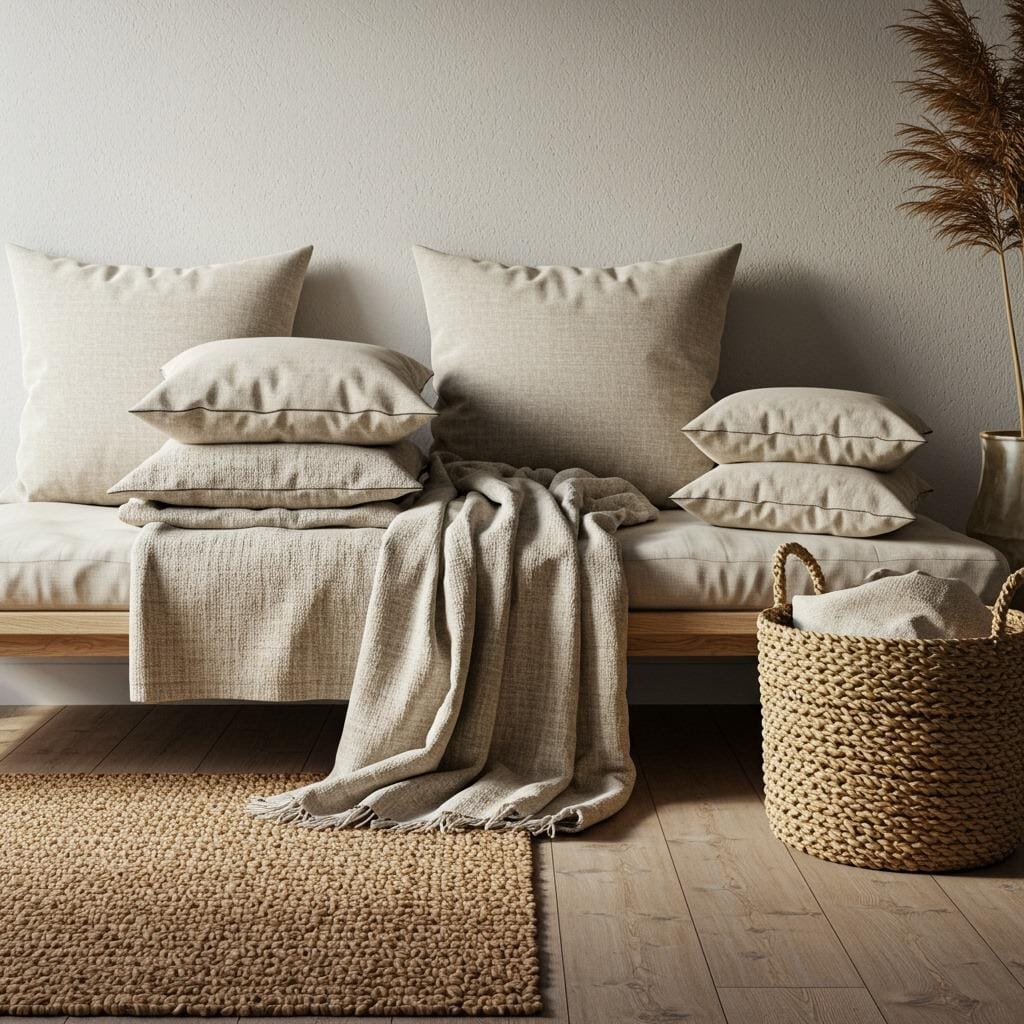
Jute rugs, linen cushions, and wool throws add warmth and texture without overwhelming the clean lines of modern furniture. These natural fibers bring tactile interest while maintaining the earthy, grounded feeling of organic design.
Consider layering different textures – perhaps a chunky wool throw over smooth linen cushions, or a jute rug under a softer cotton area rug. This creates visual depth while keeping everything feeling natural and unforced.
The beauty of natural fibers lies in their imperfections and the way they age gracefully. Unlike synthetic materials, they develop character over time, making your space feel more personal and lived-in.
4. Incorporate Living Plants as Design Elements

Plants aren’t just accessories in an organic modern living room – they’re essential design elements that bring life, color, and natural shapes to your space. Choose plants that thrive in your lighting conditions and complement your interior design style.
Large floor plants like fiddle leaf figs or bird of paradise create dramatic focal points, while smaller plants on shelves and tables add layers of green throughout the room. The key is selecting plants that look intentional, not randomly placed.
Consider the sculptural qualities of different plants. Snake plants offer clean, vertical lines that work beautifully with modern furniture, while trailing plants like pothos soften hard edges and add organic movement.
5. Choose Furniture with Organic Shapes
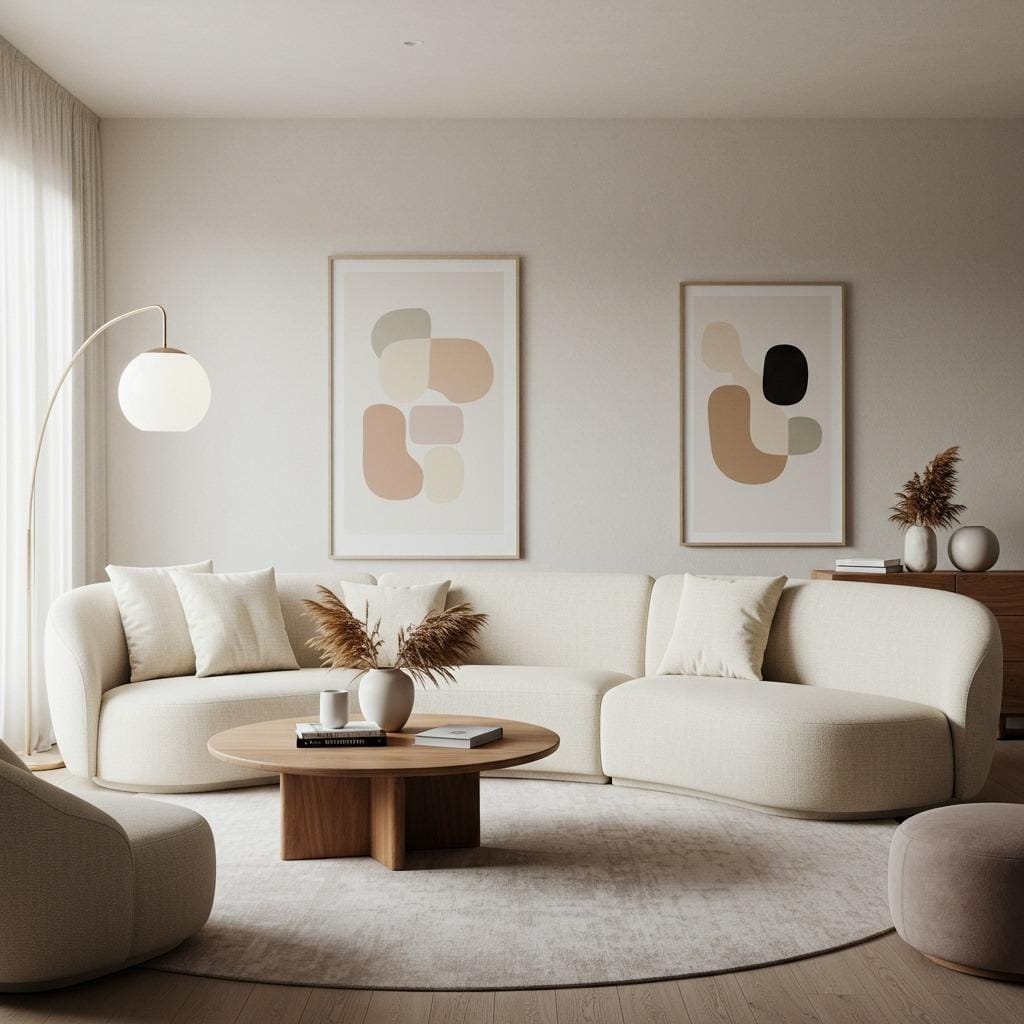
Curved sofas, round coffee tables, and furniture with soft edges create a more relaxed, flowing feeling compared to sharp geometric pieces. These organic shapes echo forms found in nature while maintaining modern sophistication.
A curved sectional sofa invites conversation and creates better flow in your living room furniture arrangement. Pair it with a round or oval coffee table to continue the soft, organic theme throughout your space.
Look for pieces that feel sculptural but still serve their intended function. The goal is furniture that looks like it could have been shaped by natural forces – wind, water, or time – rather than manufactured in a factory.
6. Maximize Natural Light
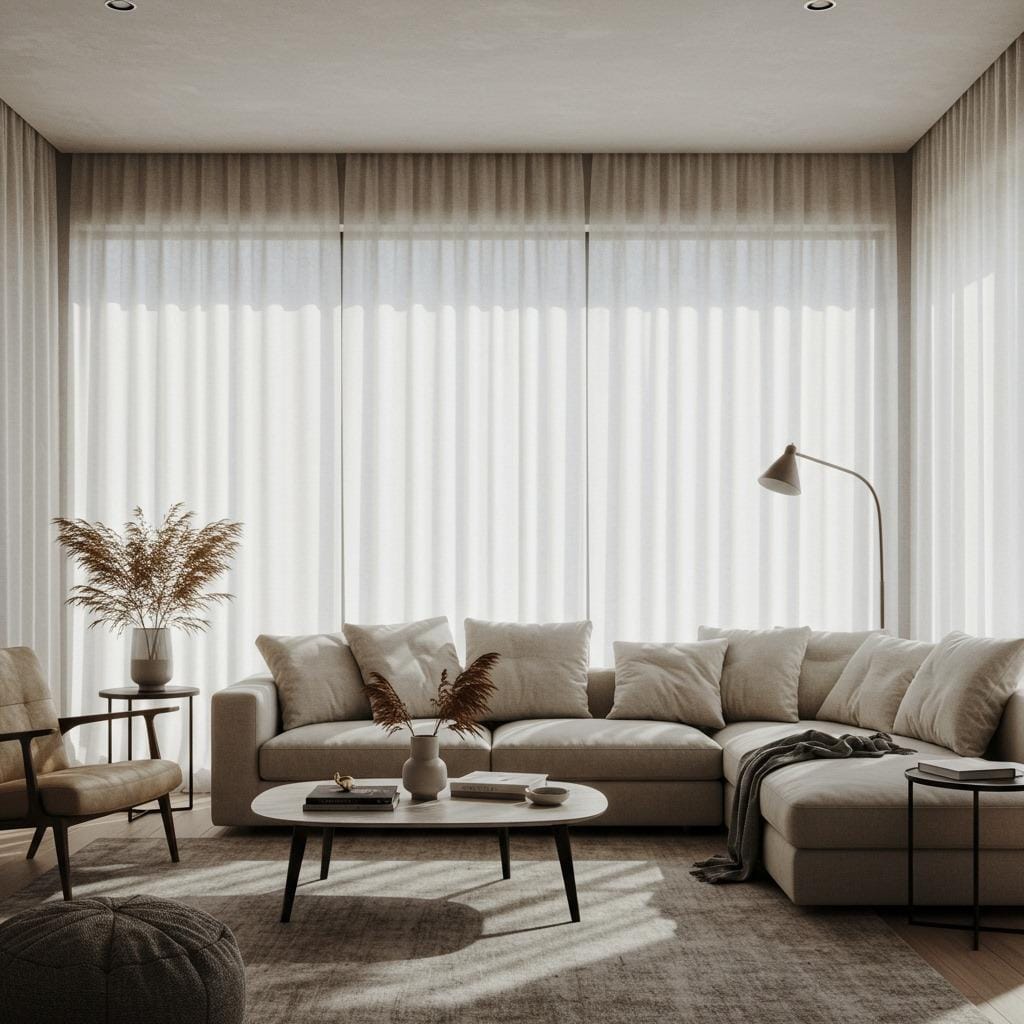
Nothing enhances natural materials like abundant natural light. Keep window treatments minimal – consider natural linen curtains or wooden blinds that filter light softly while maintaining your connection to the outdoors.
If privacy isn’t a concern, leaving windows completely uncovered creates the strongest indoor-outdoor connection. When you do need window treatments, choose materials and colors that complement rather than block the natural light.
Arrange your furniture to take advantage of natural light throughout the day. Position your main seating area where morning or afternoon light enhances the natural textures and materials in your space.
7. Add Stone and Mineral Elements
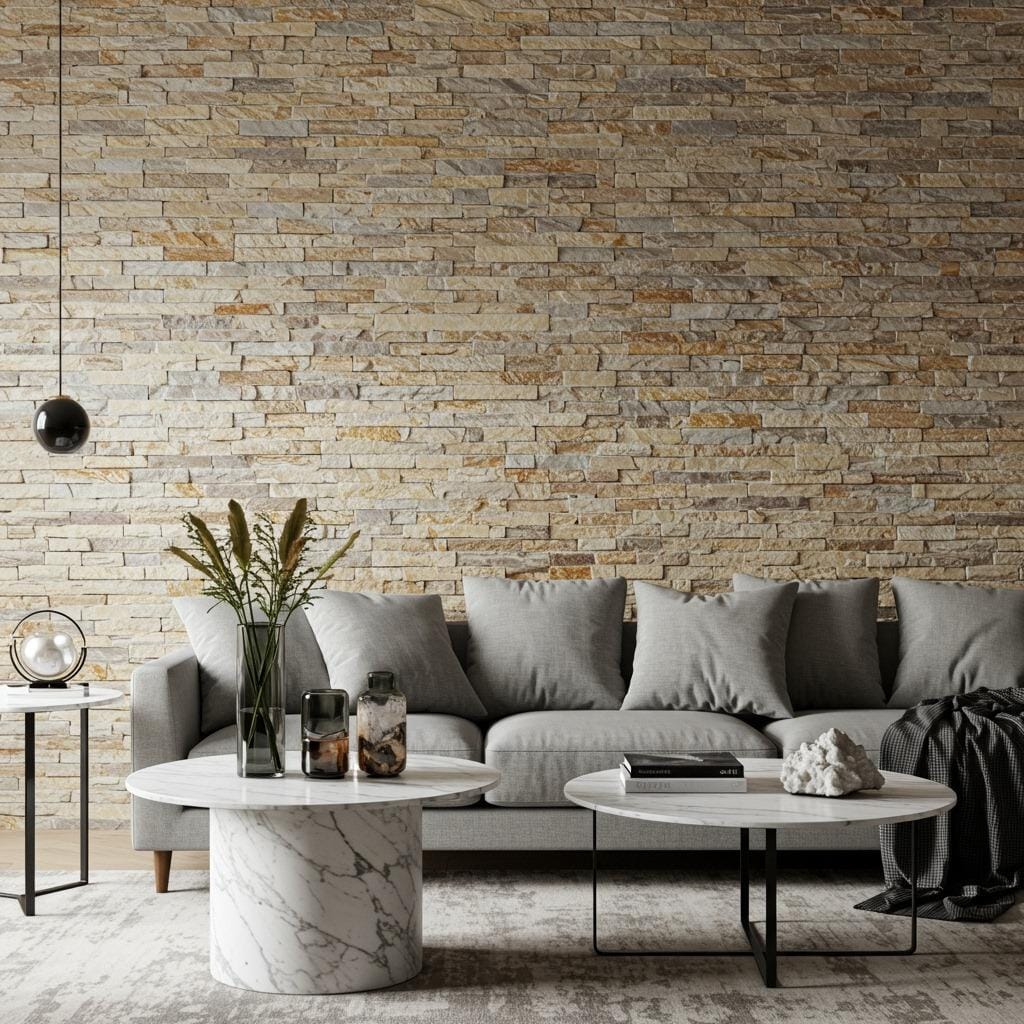
Natural stone coffee tables, marble accent pieces, or even a collection of beautiful rocks and crystals bring the grounding energy of earth elements into your space. These materials add weight and permanence that balances lighter organic elements.
Consider a stone accent wall, marble side table, or even a large piece of driftwood as sculptural art. These elements work particularly well in earthy tones living room designs where natural materials take center stage.
The key is using stone elements sparingly and purposefully. One beautiful piece often has more impact than several smaller ones scattered throughout the room.
8. Select Sustainable and Eco-Friendly Pieces
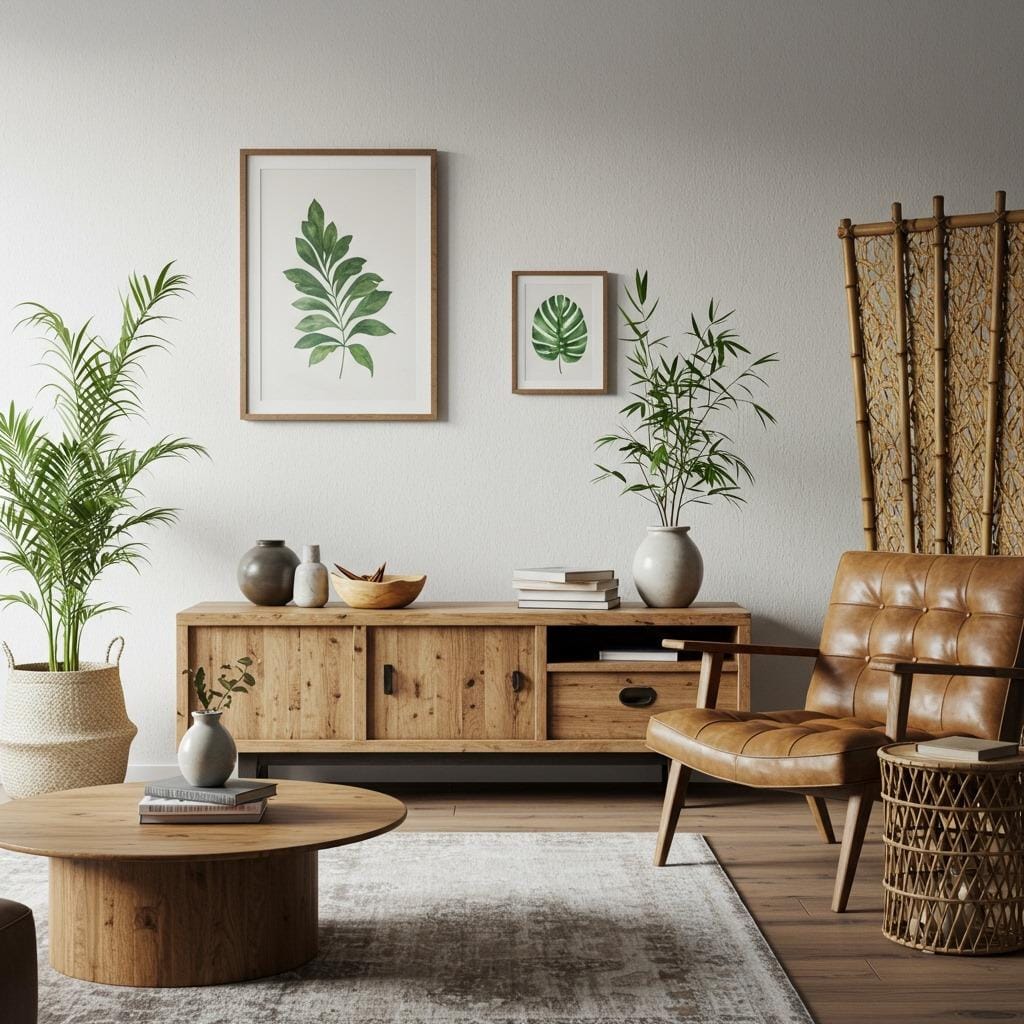
Choosing furniture and decor made from sustainable materials supports both your design goals and environmental values. Look for pieces made from reclaimed wood, recycled metals, or rapidly renewable materials like bamboo.
Many manufacturers now offer beautiful furniture made from sustainable materials that doesn’t compromise on style or quality. These pieces often have interesting backstories that add meaning to your space.
Consider vintage or antique pieces that bring history and character while avoiding the environmental impact of new manufacturing. A well-made vintage piece often surpasses new furniture in both quality and character.
9. Create Textural Interest with Woven Elements
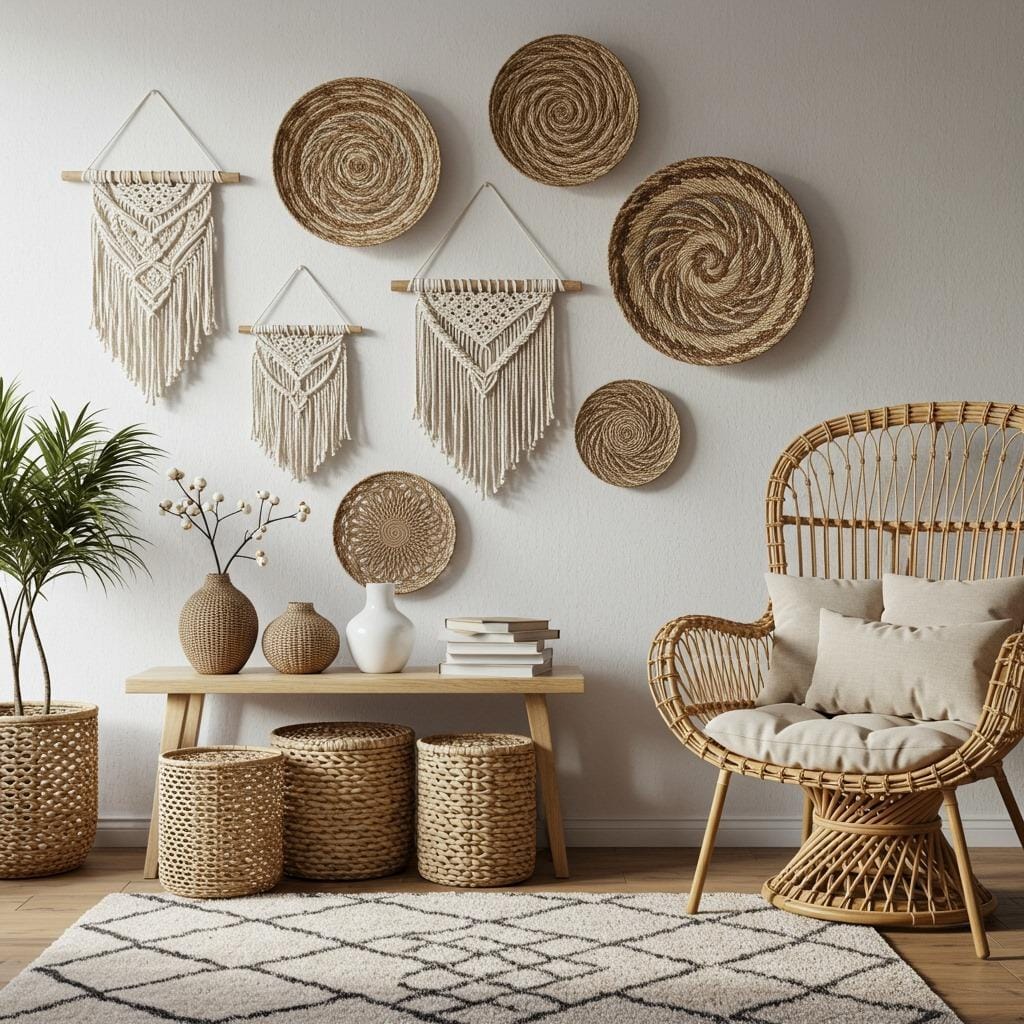
Baskets, wall hangings, and woven furniture add natural texture while serving practical purposes. These handcrafted elements bring human touch and artisan quality to your space.
Use woven baskets for storage – they’re perfect for hiding remotes, throws, or other living room essentials while adding visual interest. Wall-mounted woven art pieces create focal points that feel both modern and timeless.
Look for pieces that show their handmade quality – slight irregularities and unique details that remind you someone crafted this piece with care. This human element is essential to authentic organic modern style.
10. Use Minimal Color Palettes Inspired by Nature

Stick to colors you’d find in nature – warm browns, soft greens, creamy whites, and gentle grays. These colors create harmony while allowing natural materials to be the stars of your space.
Consider how colors change throughout the day in natural settings. Your room should feel cohesive in both morning light and evening ambiance. Warm neutral living room colors work particularly well for this approach.
Add color through living plants rather than bright accessories. The varying greens of different plants provide all the color variation you need while maintaining the organic feeling.
11. Incorporate Handmade Ceramics and Pottery

Ceramic vases, pottery bowls, and handmade vessels add artisan character while celebrating the beauty of natural clay. These pieces bring human craftsmanship into your modern space.
Choose pieces with organic shapes and natural glazes that echo earth tones. Imperfections in handmade pottery add character and remind you of the human hands that shaped each piece.
Group pottery in odd numbers and varying heights for visual interest. A collection of ceramic pieces on a floating shelf or coffee table creates beautiful sculptural moments throughout your room.
12. Design with Natural Lighting Solutions

Pendant lights made from natural materials like rattan, wood, or woven fibers add warmth while providing essential task lighting. These fixtures become sculptural elements that enhance your organic modern aesthetic.
Consider the interplay between artificial and natural light. Your lighting fixtures should complement natural light during the day and create warm, inviting ambiance in the evening.
Table lamps with natural bases – ceramic, wood, or stone – provide layered lighting while adding textural interest to side tables and consoles throughout your small living room or larger space.
13. Add Architectural Interest with Natural Materials
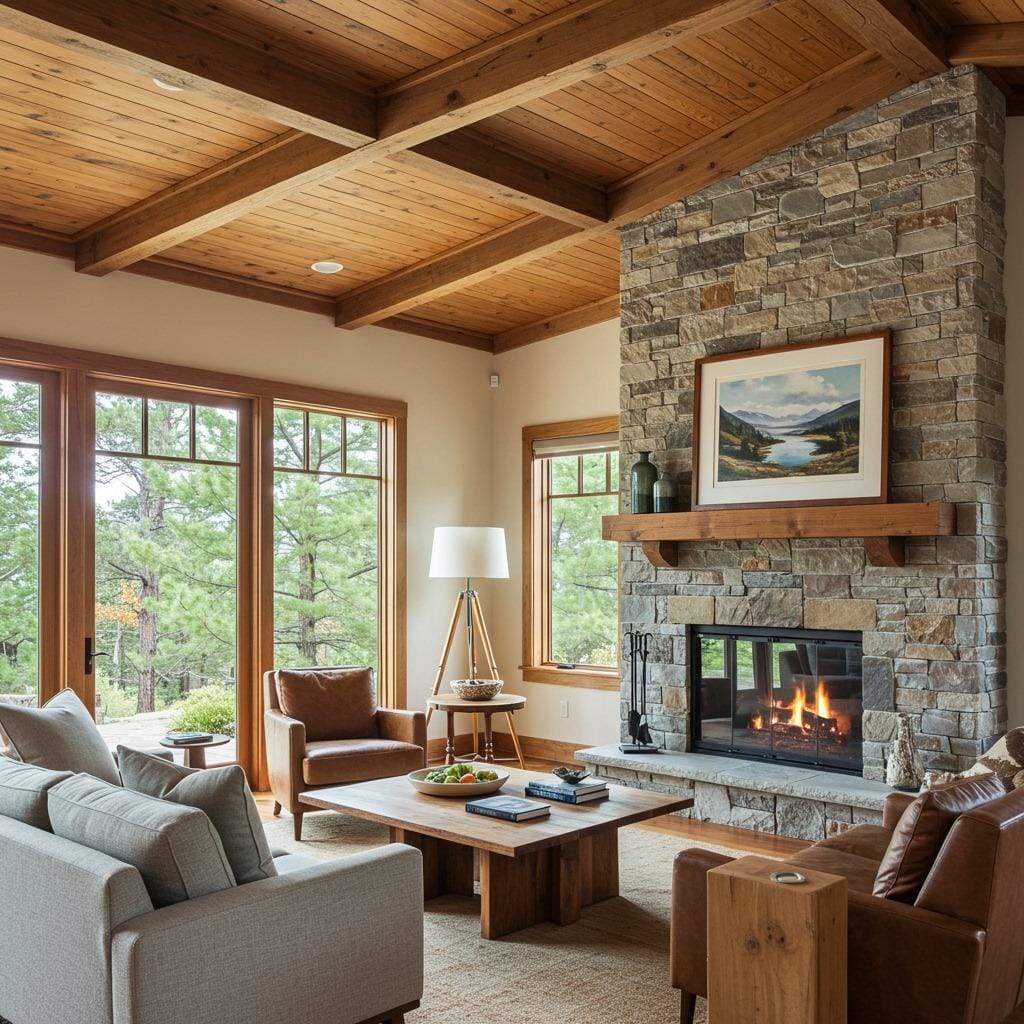
Wood beam ceilings, stone fireplace surrounds, or natural wood built-ins add architectural character that supports your organic modern theme. These elements feel permanent and grounding.
If major renovations aren’t possible, consider adding natural wood floating shelves, stone accent pieces, or even a wood-slat accent wall. These additions create architectural interest without major construction.
The goal is making natural materials feel like integral parts of your home’s structure, not afterthoughts. This creates a more cohesive and intentional organic modern living room design.
14. Create Focal Points with Large-Scale Natural Art
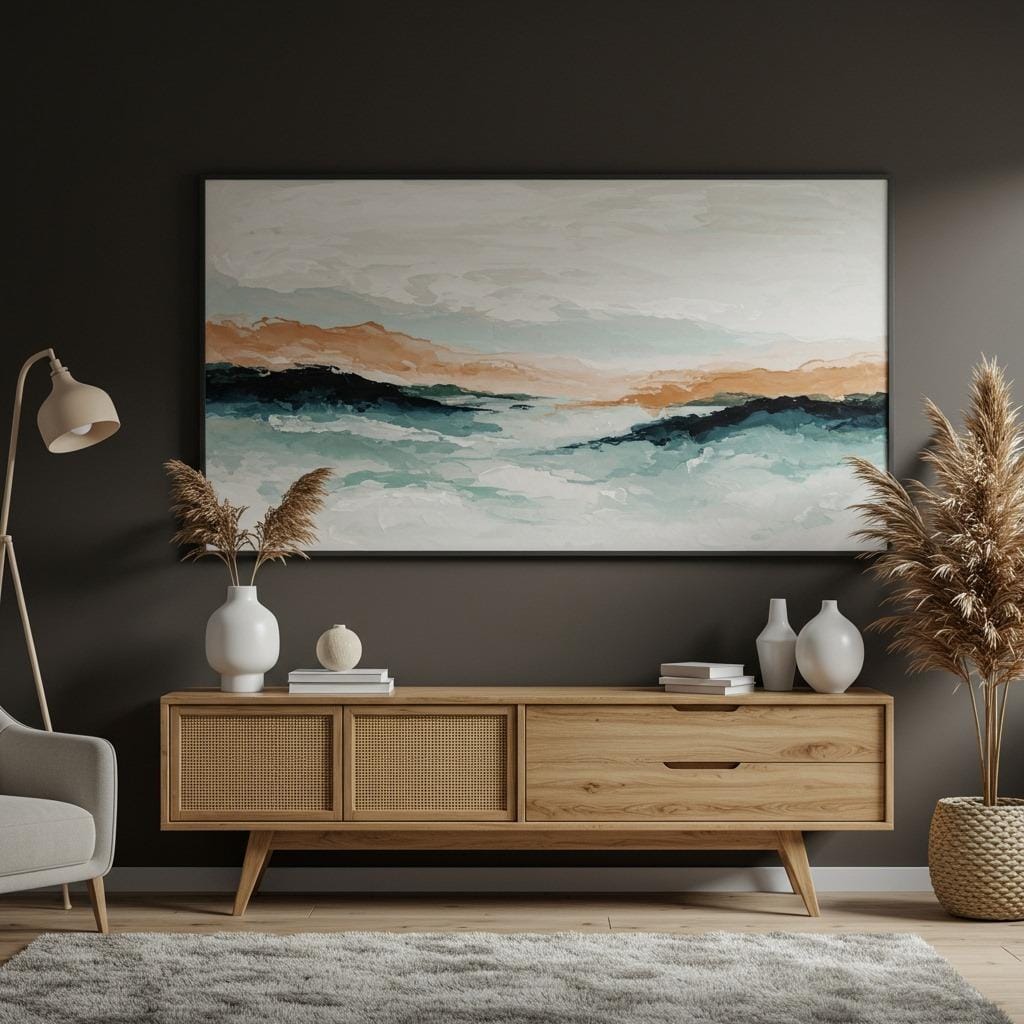
Oversized photography of landscapes, abstract pieces inspired by natural forms, or even a single dramatic piece of driftwood can create stunning focal points that anchor your organic modern design.
Choose art that feels connected to nature without being literal. Abstract pieces that echo organic shapes or natural color palettes often work better than obvious nature photography.
Consider the scale carefully – one large piece often has more impact than several smaller ones. Let your focal point art piece breathe by giving it adequate white space around it.
15. Balance Smooth and Textured Surfaces

Mix polished wood with raw finishes, smooth ceramics with rough textiles, or sleek metal with natural stone. This interplay of textures adds visual and tactile interest while maintaining sophisticated simplicity.
The key is creating enough contrast to be interesting without creating chaos. A smooth marble coffee table might pair beautifully with a chunky knit throw and rough jute rug.
Think about how different textures will feel underfoot, in hand, and to the eye. This multi-sensory approach makes your space more engaging and comfortable to live in.
16. Design Flexible Spaces That Adapt to Your Needs
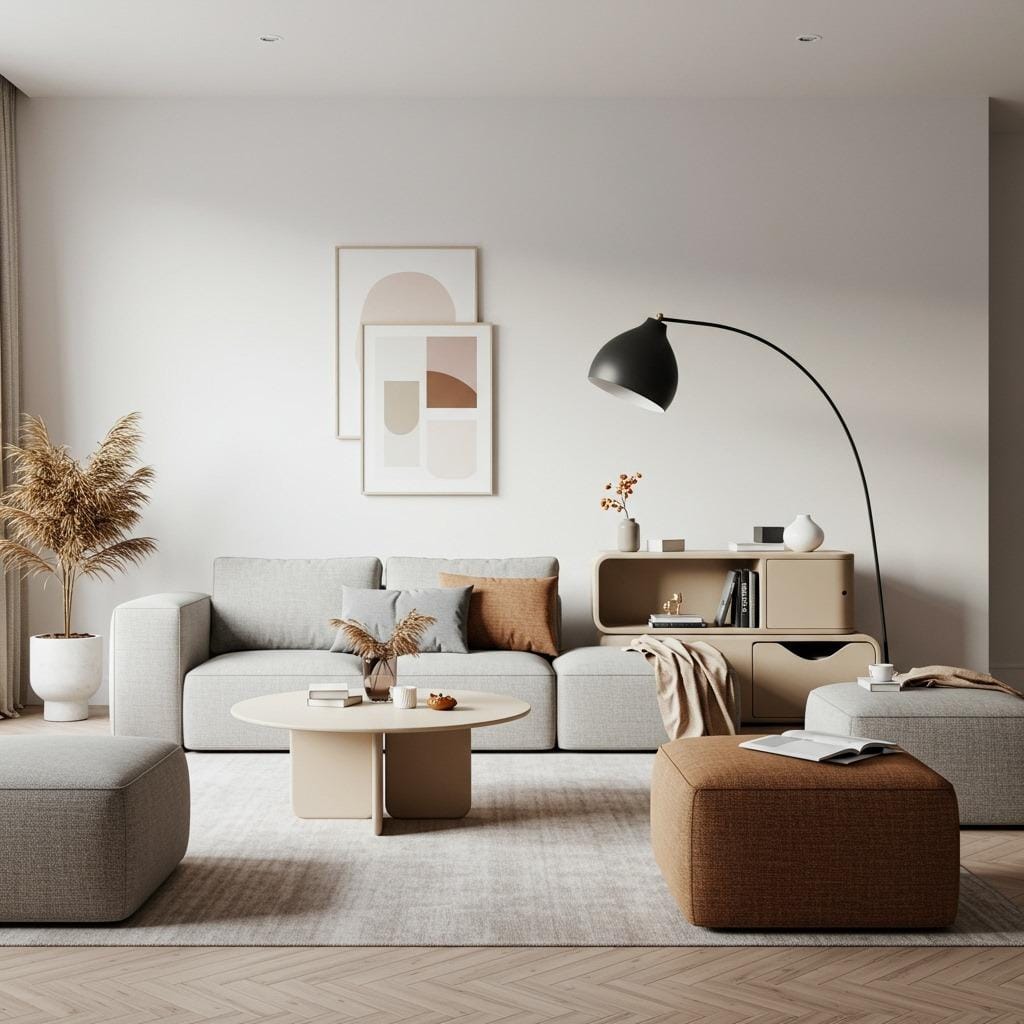
Organic modern living rooms should feel lived-in and adaptable, not like museum displays. Choose furniture that can be easily rearranged and accessories that serve multiple purposes.
Modular seating, lightweight side tables, and portable lighting allow you to reconfigure your space for different activities or seasons. This flexibility is essential for modern living while maintaining your organic aesthetic.
Consider how your space functions throughout the day and design accordingly. Your small living room layout might need to serve as workspace during the day and entertainment area in the evening.
17. Bring in Seasonal Natural Elements
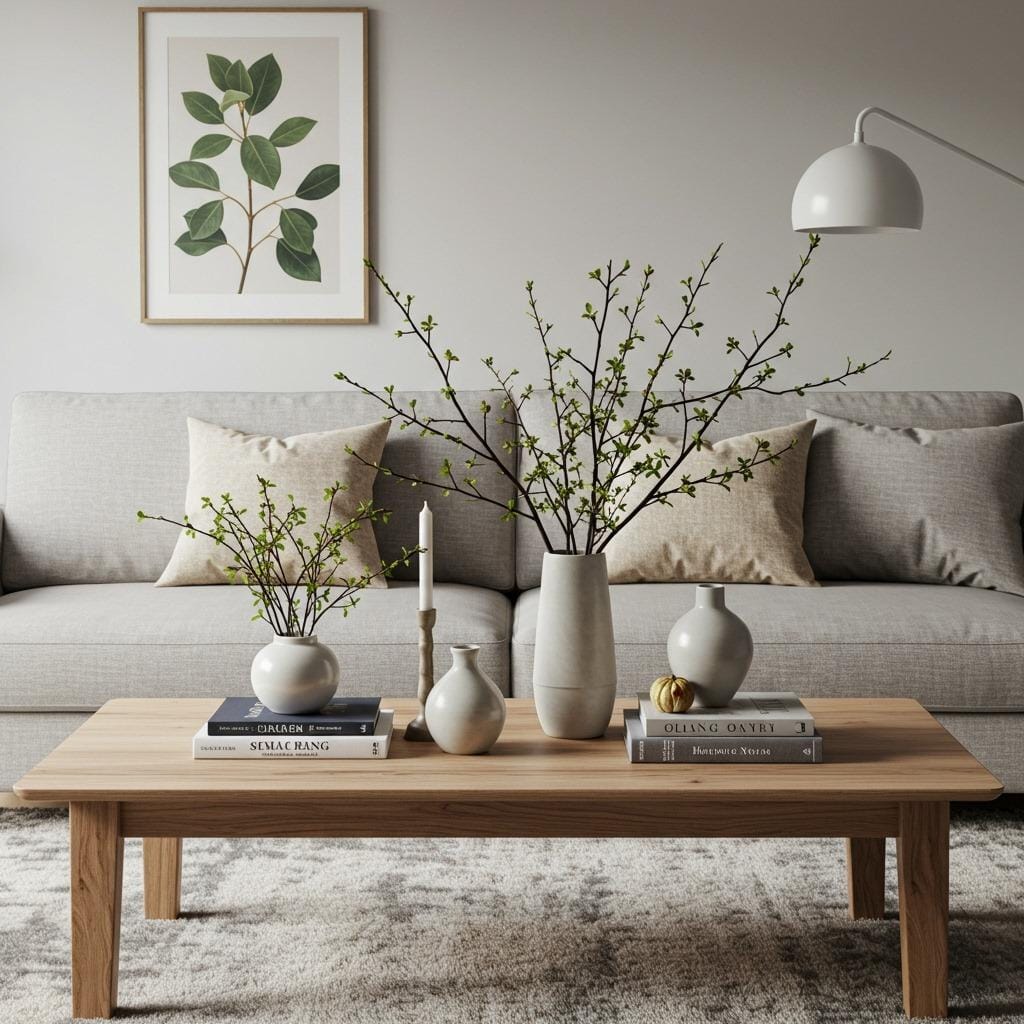
Rotate seasonal branches, flowers, and natural accessories to keep your space feeling fresh and connected to the changing outdoors. This prevents your organic modern design from feeling static or stale.
Spring might bring flowering branches and fresh greenery, while fall could introduce dried grasses, pinecones, or branches with autumn colors. These seasonal touches keep your space feeling alive and current.
The key is keeping seasonal changes subtle and sophisticated. A few carefully chosen natural elements have more impact than overwhelming your space with obvious seasonal decor.
18. Maintain Clutter-Free Surfaces and Hidden Storage
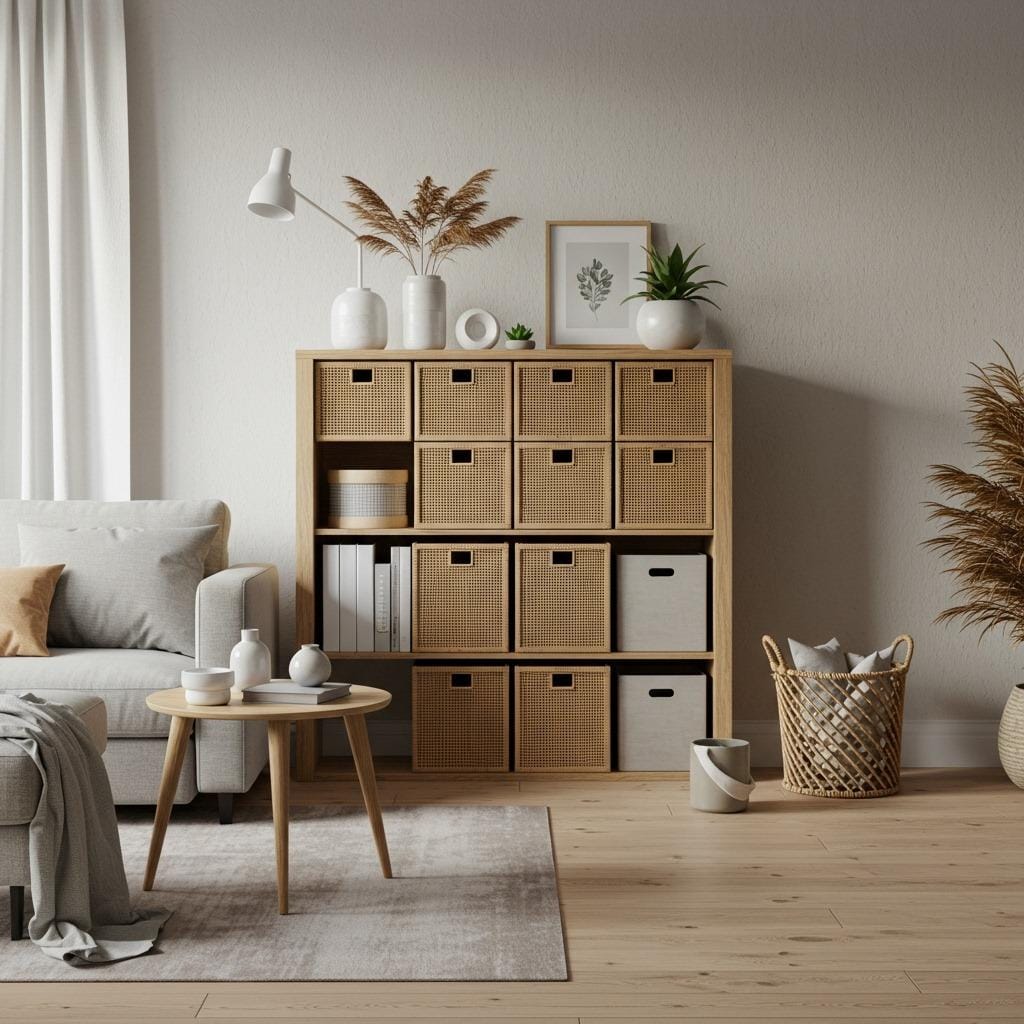
The “organic” in organic modern doesn’t mean messy – clean, uncluttered surfaces are essential for this style to work. Invest in beautiful storage solutions that hide everyday necessities while adding to your design.
Woven baskets, wooden boxes, and built-in storage help maintain the clean lines essential to modern design while using natural materials that support your organic theme. Every visible item should earn its place through both function and beauty.
Regular decluttering becomes part of maintaining your organic modern living room. Keep only items that truly serve your lifestyle or bring you joy, and store everything else out of sight in your storage ideas for small homes.
Creating Your Own Organic Modern Sanctuary
The beauty of organic modern style lies in its ability to create spaces that feel both sophisticated and deeply restful. By focusing on natural materials, sustainable choices, and thoughtful simplicity, you can create a living room that supports both your daily activities and your well-being.
Remember that authentic organic modern design develops over time. Start with the elements that speak most strongly to you – perhaps a beautiful piece of natural wood furniture or a collection of plants that thrive in your space. Build from there, always choosing quality over quantity and meaning over trends.
Your organic modern living room should feel like a natural extension of yourself – a space where you can truly relax while surrounded by the beauty and grounding energy of natural materials. According to the Environmental Protection Agency, incorporating natural materials and plants into indoor spaces can significantly improve air quality and overall well-being.
Take time to observe how your space feels at different times of day and in different seasons. The best organic modern living rooms evolve naturally, becoming more beautiful and comfortable as they adapt to your life and preferences.

Sanjai creates easy, affordable home decor ideas that anyone can try. Through simple tips and curated finds, he helps you style rooms you’ll love coming home to.