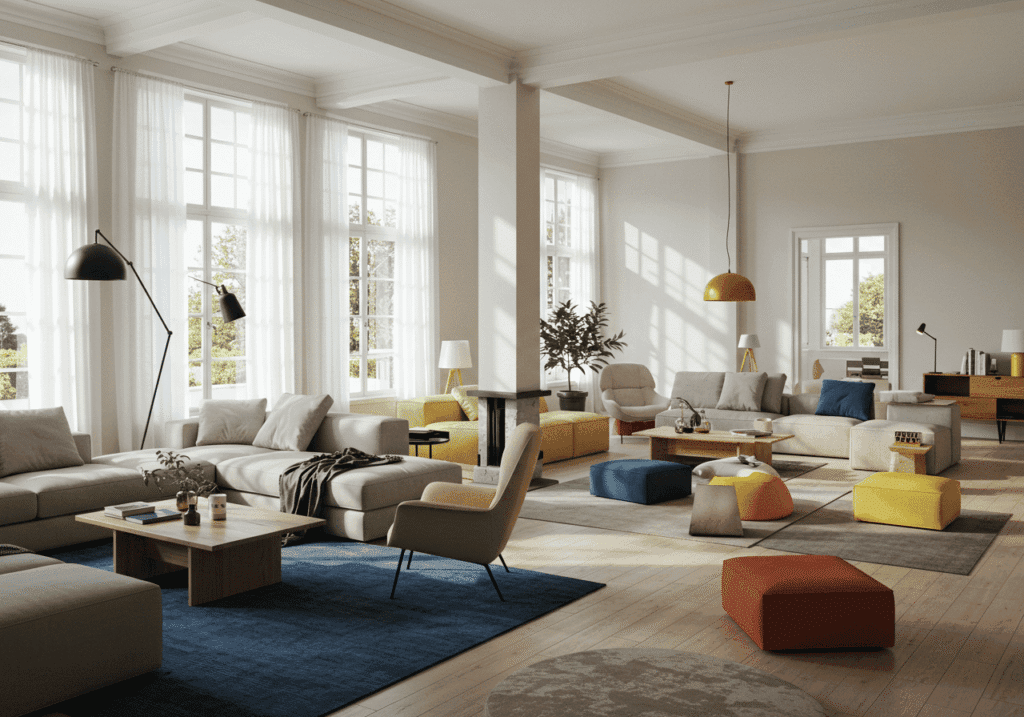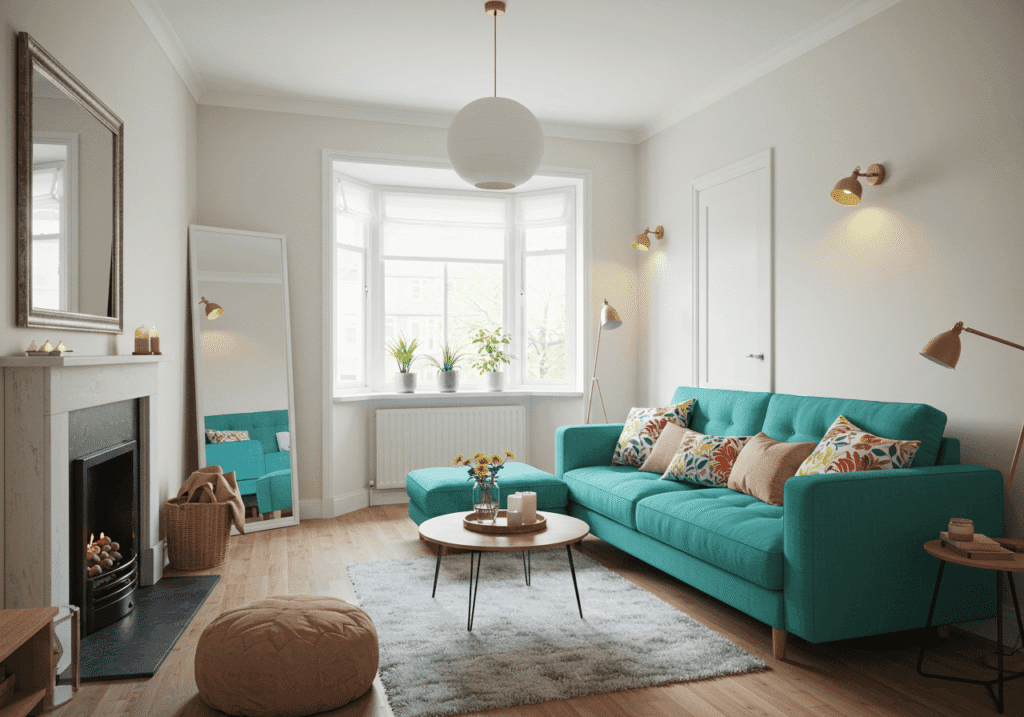
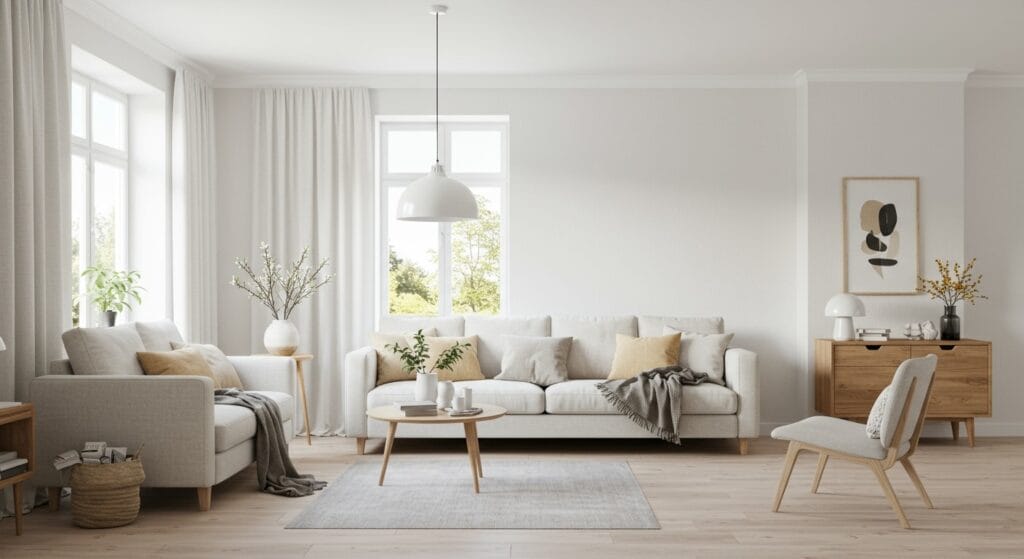
Picture walking into a living room where every piece of furniture seems to whisper “less is more” while somehow feeling incredibly inviting. That’s the magic of Scandinavian living room furniture – it transforms spaces into serene sanctuaries that are both functional and beautiful.
Nordic design isn’t just about white walls and blonde wood (though those certainly play their part). It’s about creating spaces that work with your daily life, not against it. When you choose the right pieces, your living room becomes a place where you actually want to spend time, not just admire from afar.
The beauty of this design approach lies in its honesty. Each piece serves a purpose while contributing to an overall sense of calm that’s become increasingly precious in our busy world.
What Makes Scandinavian Living Room Furniture Special?

Scandinavian design emerged from the harsh Nordic winters and limited daylight hours. Furniture makers needed to create pieces that would maximize light, provide comfort during long indoor months, and last through generations of use.
This practical approach resulted in furniture with clean lines, light colors, and multifunctional features. You won’t find unnecessary ornamentation or bulky pieces that overwhelm a space. Instead, every curve and angle has been thoughtfully considered.
The materials tell their own story too. Light woods like birch, pine, and oak dominate because they reflect available light back into the room. When paired with the signature white and neutral palette, these pieces create an almost ethereal brightness that makes even small spaces feel expansive.
Essential Scandinavian Furniture Pieces for Your Living Room
1. The Foundation: Nordic Seating Solutions

Your sofa sets the tone for everything else in the room. Scandinavian sofas typically feature low profiles, clean lines, and neutral fabrics that age gracefully. Think light grays, soft beiges, or crisp whites in linen, cotton, or wool blends.
The legs are almost always wood – usually light oak or birch – which keeps the piece feeling grounded while maintaining that signature Nordic airiness. Many designs include removable cushion covers, which is incredibly practical for families but also reflects the Scandinavian commitment to longevity over disposability.
Complement your main seating with accent chairs that follow similar principles. A classic piece like the Egg Chair or simpler wooden armchairs with sheepskin throws can add personality without disrupting the calm aesthetic. The key is choosing pieces that invite you to curl up with a book and a cup of coffee.
2. Coffee Tables That Do More Than Hold Coffee

Scandinavian coffee tables are often the most hardworking pieces in the room. Round or oval shapes are preferred because they encourage conversation and flow better in smaller spaces – something Nordic designers learned from creating furniture for compact city apartments.
Many feature hidden storage or nesting capabilities. You might find drawers tucked beneath the surface or smaller tables that slide underneath when not needed. This isn’t just clever design; it’s essential when you’re working with limited square footage but refuse to sacrifice style.
The materials stay consistent with the overall theme – light woods, sometimes with white or black metal accents. Some incorporate glass elements, but always in service of maintaining that bright, open feeling that’s central to beautiful living room layouts.
3. Storage Solutions That Look Intentional

Storage in Scandinavian design never looks like an afterthought. Media consoles, bookcases, and cabinets are designed to be beautiful enough to anchor a room while hiding the inevitable clutter of daily life.
Look for pieces with a mix of open and closed storage. Open shelving displays your favorite books and objects, while closed cabinets keep less photogenic necessities out of sight. The proportions tend to be long and low rather than tall and imposing, which maintains that horizontal emphasis that makes rooms feel larger.
White lacquered pieces mixed with natural wood are classic choices, but don’t overlook lighter wood tones throughout. The goal is creating a cohesive look that doesn’t feel too matchy – something that’s surprisingly tricky to achieve but incredibly satisfying when you get it right.
Incorporating Minimalist Furniture Without Creating a Cold Space

The biggest misconception about Nordic home decor is that it has to feel sterile. The secret to avoiding this trap lies in layering textures and incorporating organic shapes alongside the geometric ones.
Sheepskin rugs, chunky knit throws, and linen cushions add softness and warmth to clean-lined furniture. These textiles are crucial – they’re what transform a showroom into a home. Choose pieces in cream, soft gray, or muted earth tones to maintain the palette while adding visual interest.
Lighting plays a huge role too. Table lamps with warm bulbs, floor lamps with fabric shades, and candles create the hygge atmosphere that makes Scandinavian spaces so appealing. The furniture provides the bones, but the lighting and textiles provide the soul.
Consider how these principles might work with your existing space by exploring small living room tips that can help you maximize the impact of your furniture choices.
Shopping Smart: What to Look for in Quality Scandinavian Pieces

Quality Scandinavian living room furniture is an investment, but there are ways to distinguish well-made pieces from imitations that only capture the aesthetic without the craftsmanship.
Look for solid wood construction rather than veneer over particle board. The wood grain should be visible and beautiful – Nordic designers celebrate natural materials rather than hiding them. Hardware should be minimal but substantial, often in brushed metals that complement rather than compete with the wood tones.
Joinery methods matter too. Dovetail joints in drawers, mortise and tenon connections in chair frames, and smooth-operating hinges indicate pieces built to last decades rather than years. These details aren’t always visible at first glance, but they’re worth investigating if you’re making a significant purchase.
Don’t forget about proportions. Authentic Scandinavian design is carefully scaled for human comfort and room dimensions. Pieces that look right in photos might feel awkward in person if the proportions are off.
Styling Your Scandinavian Living Room Furniture
Creating Zones Without Walls

One of the smartest aspects of Scandinavian design style is how it handles open floor plans. Rather than using furniture to create barriers, Nordic designers use it to define spaces while maintaining flow between them.
A sofa might float in the middle of a room, backed by a console table that serves both the seating area and a dining space beyond. Rugs become room definers, with their edges marking the boundaries of different zones without blocking light or movement.
This approach works particularly well in smaller homes where every square foot counts. By choosing furniture that serves multiple zones, you create the feeling of having more rooms without actually needing the walls. It’s a technique that’s especially valuable in small living room layout situations.
The Art of Negative Space

Scandinavian designers understand that what you don’t put in a room is just as important as what you do include. Negative space – those empty areas around and between furniture pieces – is treated as a design element itself.
This doesn’t mean your room should feel empty or unfinished. Instead, it means being intentional about spacing. Leave breathing room around your sofa, don’t push all furniture against the walls, and resist the urge to fill every surface with decorative objects.
The result is a room that feels larger and more serene than its actual dimensions might suggest. Your furniture has space to be appreciated, and you have space to move and think. It’s a luxury that costs nothing but restraint.
Budget-Friendly Ways to Achieve the Scandinavian Look

You don’t need to spend thousands to capture the essence of Nordic home decor. The key is understanding which elements are most important and where you can find affordable alternatives that maintain the integrity of the style.
Start with one or two quality pieces – perhaps a well-made coffee table or a comfortable chair with good lines. These anchor pieces set the tone for everything else. From there, you can mix in more budget-friendly finds that complement rather than compete.
Paint can transform existing furniture into Scandinavian-style pieces. A coat of white or light gray paint can update a dated bookshelf or side table, especially when paired with simple wooden knobs or pulls. The key is maintaining those clean lines and light colors that define the aesthetic.
Textiles offer the biggest impact for the least money. A few well-chosen throw pillows, a chunky knit blanket, and a simple area rug can completely transform a space. Focus on natural materials in neutral colors, and don’t be afraid to mix textures – the interplay between smooth and nubby, matte and slightly shiny, is what creates visual interest in a minimal palette.
Consider browsing living room ideas for more inspiration on creating beautiful spaces on any budget.
Seasonal Updates That Honor Nordic Traditions

One aspect of Scandinavian living that often gets overlooked is how the design adapts to seasonal changes. In Nordic countries, where the difference between summer and winter is dramatic, homes need to work year-round while acknowledging these natural rhythms.
Summer styling emphasizes the light, airy aspects of your furniture. Lightweight linens replace heavy woolens, fresh flowers and greenery bring life to neutral palettes, and windows stay uncovered to maximize those precious daylight hours. The bones of your furniture stay the same, but the accessories shift to celebrate warmth and light.
Winter brings the opposite approach. This is when hygge truly comes into play – those cozy elements that make long, dark evenings feel like a pleasure rather than an endurance test. Heavier throws appear on sofas, candles multiply on surfaces, and warmer textures layer onto your existing pieces.
The genius of good Scandinavian living room furniture is how well it supports both seasonal personalities without requiring major changes. A sofa that looks fresh and summery with white linen pillows can feel completely different with the addition of a chunky wool throw and some sheepskin cushions.
This seasonal flexibility is something to keep in mind when making furniture choices. Pieces that can adapt to different moods and times of year offer better long-term value than those that only work in one specific styling scenario.
For winter specifically, you might want to explore winter living room decor cozy ideas that complement your Scandinavian furniture choices.
Mixing Scandinavian with Other Design Styles

Pure Scandinavian style works beautifully, but many homes benefit from mixing Nordic elements with other influences. The clean lines and neutral palette of Scandinavian living room furniture actually make it an excellent foundation for layering in personal touches from other design traditions.
A vintage Persian rug can add warmth and pattern beneath a minimal white sofa without overwhelming the space. Mid-century modern accessories complement the clean lines while adding pops of color that pure Nordic design might avoid. Even some bohemian textiles can work if chosen carefully – the key is maintaining the overall sense of calm and order that defines the style.
The trick is using Scandinavian pieces as your base and then adding personality through smaller elements that can be easily changed if your tastes evolve. This approach gives you the timeless foundation that Nordic design provides while allowing for individual expression.
If you’re drawn to combining styles, you might find inspiration in how mid-century modern living room furniture can complement Scandinavian pieces, since both styles share an appreciation for clean lines and quality construction.
Caring for Your Scandinavian Furniture Investment

Quality Scandinavian living room furniture is built to last generations, but it does require some thoughtful care to maintain its beauty. The light woods and natural finishes that make these pieces so appealing also make them more vulnerable to damage than heavily processed alternatives.
Protect wooden surfaces from direct sunlight, which can cause uneven fading over time. Use coasters and placemats religiously – water rings on blonde wood are particularly noticeable and difficult to repair. Regular dusting with appropriate wood cleaners helps maintain the natural luster of the grain.
For upholstered pieces, vacuum regularly and address spills immediately. Many Scandinavian furniture makers design their pieces with removable, washable covers specifically because they understand that beautiful furniture should be livable. Take advantage of this practical feature rather than treating your sofa like a museum piece.
The investment in quality pieces pays dividends when you consider how long they’ll serve you. Unlike trendy furniture that needs replacing every few years, well-made Scandinavian pieces improve with age, developing a patina and character that mass-produced alternatives can never achieve.
Understanding proper care also helps you make informed decisions when shopping. Ask about finish types, cleaning requirements, and replacement part availability. Reputable manufacturers will be happy to discuss these practical considerations because they want their furniture to serve you well for decades.
Making It Work in Your Real Life

The final test of any furniture choice is how well it works with your actual lifestyle, not just how it looks in styled photos. Scandinavian design excels in this area because it was developed by people who prioritized function alongside beauty.
Consider your daily routines when selecting pieces. If you eat meals while watching TV, make sure your coffee table is the right height and distance from your seating. If you have kids, look for furniture with rounded corners and surfaces that can handle spills. If you work from home, consider pieces that can serve double duty as desk space when needed.
Storage needs are particularly important to address honestly. That beautiful, minimalist aesthetic only works if you have places to put the things you actually use. Choose pieces with hidden storage capabilities, and don’t feel guilty about using them. The goal is to live well, not to create a magazine spread.
The most successful Scandinavian living rooms are those where the furniture serves the inhabitants rather than the other way around. When you can relax completely in your space without worrying about damaging or disturbing the design, you’ve achieved the true spirit of Nordic living.
This practical approach extends to storage and organization ideas that can help you maintain that clean, uncluttered look while accommodating real life.
Where Scandinavian Living Room Furniture Fits in Modern Homes
The enduring appeal of Scandinavian design lies in its fundamental understanding of what makes a home truly livable. In our current era of information overload and visual noise, the calm clarity of Nordic aesthetics offers a welcome respite.
These furniture pieces work particularly well in modern homes because they were designed with many of the same constraints we face today – limited space, the need for flexibility, and the desire to create beauty without excess. The principles that guided furniture makers in 1950s Denmark are surprisingly relevant to contemporary urban living.
Whether you’re furnishing your first apartment or updating a long-term home, Scandinavian living room furniture offers a foundation that can evolve with your changing needs. The timeless appeal means you won’t tire of these pieces quickly, and their quality construction ensures they’ll remain beautiful for years to come.
Most importantly, this approach to furnishing creates spaces that feel like true homes rather than showrooms. When every piece has been chosen for its combination of beauty and purpose, the result is a living room that supports both your practical needs and your aesthetic dreams. For those interested in extending these principles throughout the home, exploring scandinavian kitchen decor can provide ideas for creating a cohesive Nordic-inspired environment that flows naturally from room to room.

Sanjai creates easy, affordable home decor ideas that anyone can try. Through simple tips and curated finds, he helps you style rooms you’ll love coming home to.