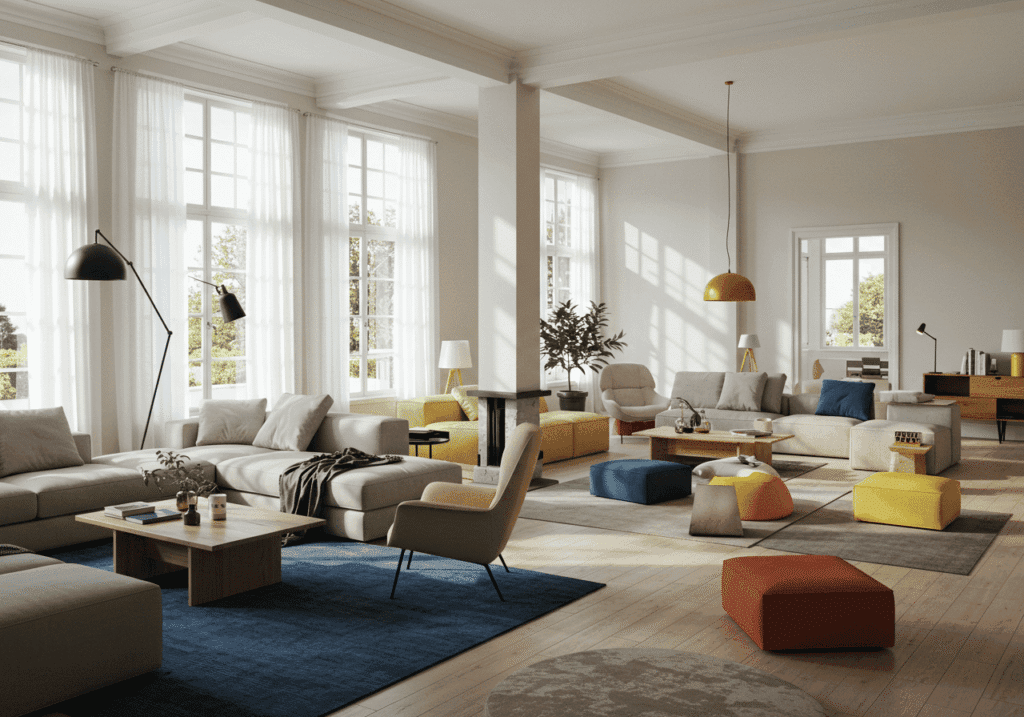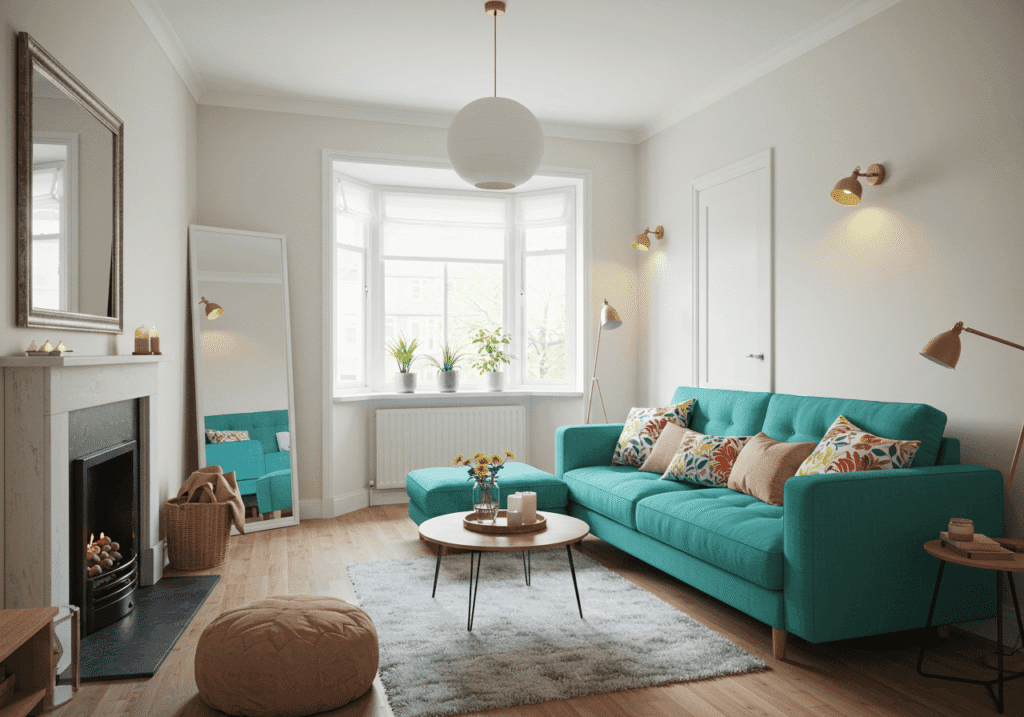
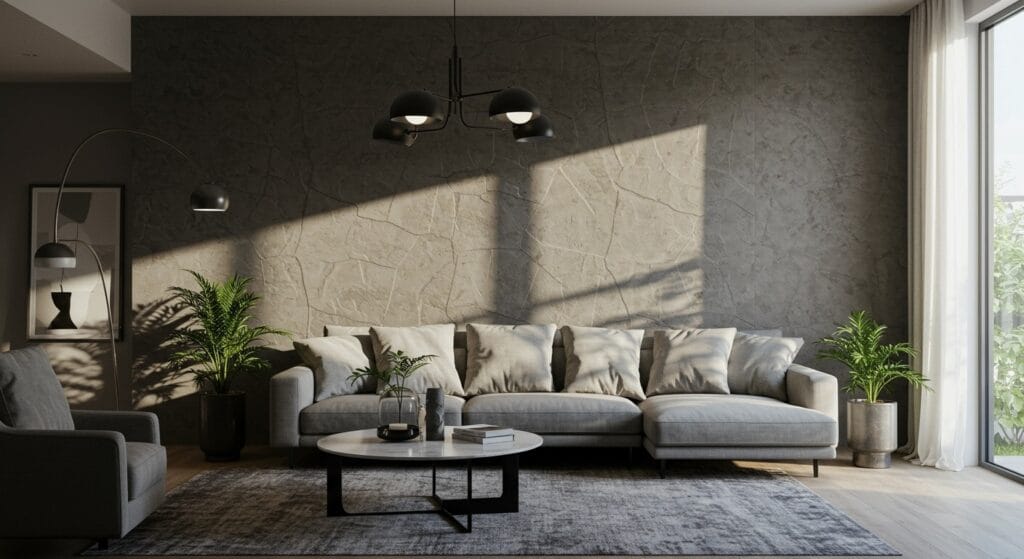
Your walls are basically blank canvases waiting for some personality, right? I’ve been obsessing over textured walls lately – they’re like the secret ingredient that takes a room from “nice” to “wow, who’s your designer?”
The thing is, most of us stick to flat paint because we think anything else is complicated or expensive. But here’s what I’ve discovered after years of home decorating: adding texture to your walls might be the single most impactful change you can make to your space.
Whether you’re working with a tight budget or ready to splurge on something spectacular, textured walls offer endless possibilities. From subtle techniques you can tackle in a weekend to dramatic statements that completely transform your room’s vibe.
Why Textured Walls Are Having a Major Moment
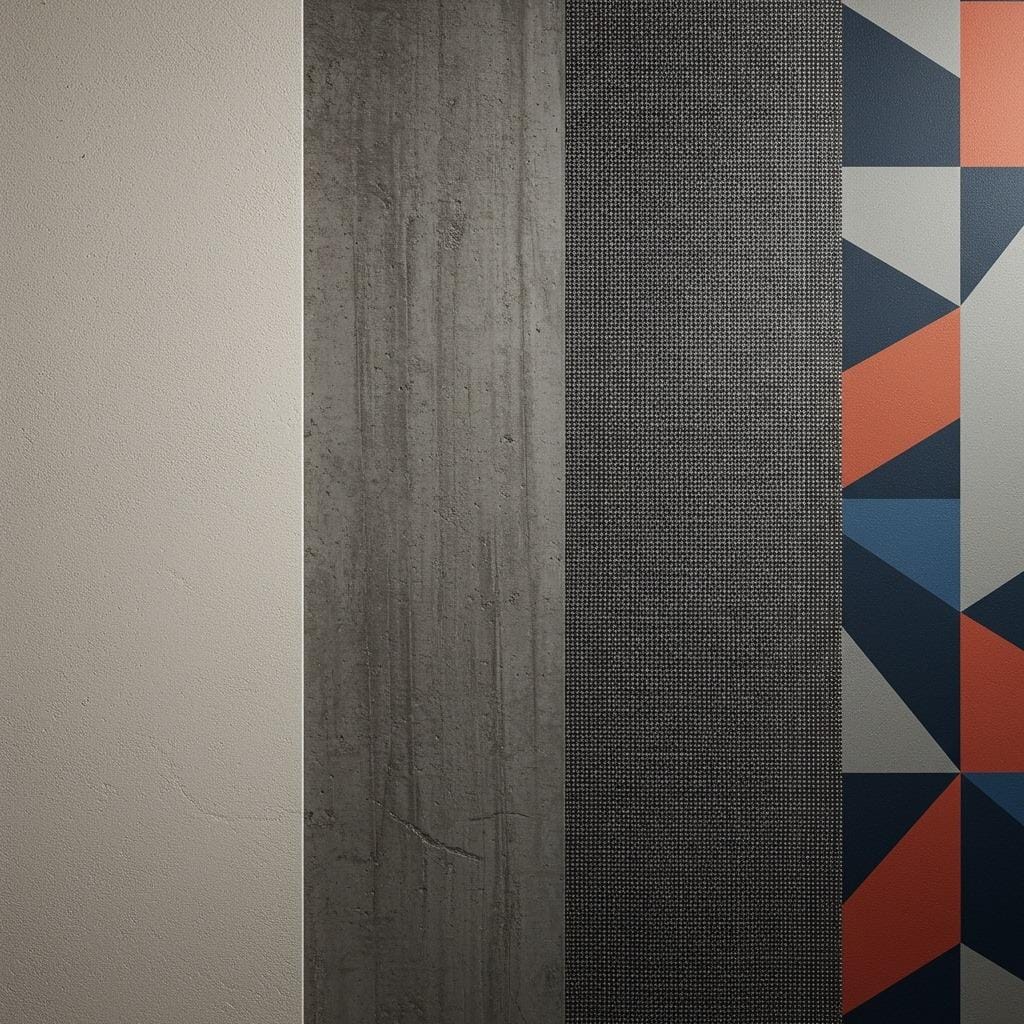
There’s something almost magical about how texture plays with light throughout the day. Morning sun hits differently on a textured surface compared to flat paint – it creates these gorgeous shadows and highlights that change as the hours pass.
I remember visiting a friend’s newly renovated living room and being completely mesmerized by her accent wall. It wasn’t even a bold color – just white – but the texture made it feel like a piece of art.
Textured walls also solve one of the biggest decorating challenges: making a space feel expensive without spending a fortune. A well-executed textured wall can make your entire room look more sophisticated and intentional.
1. Venetian Plaster – The Timeless Elegant Choice
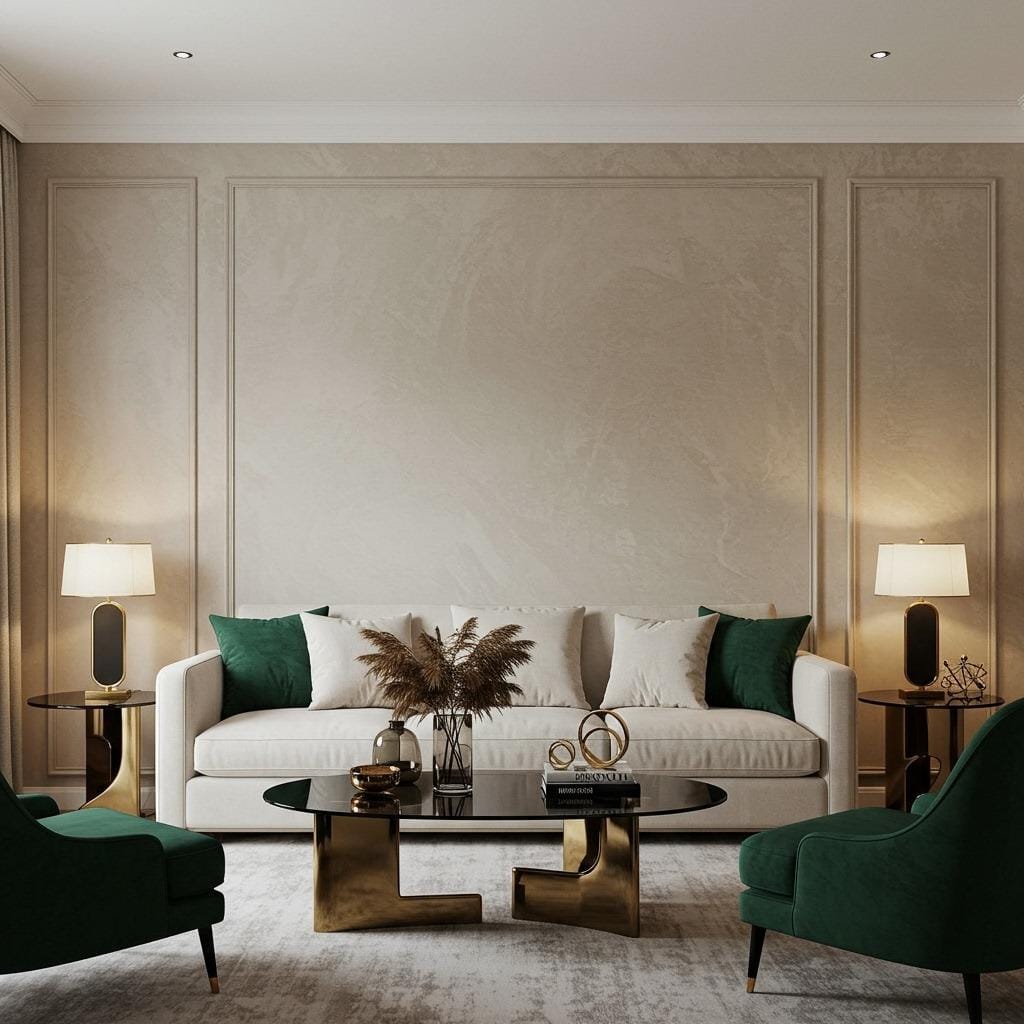
Venetian plaster has this incredible depth that makes walls look like they’ve been crafted by Italian artisans. The technique involves multiple layers of plaster that are burnished to create an almost marble-like finish.
What I love about Venetian plaster is how it works in both traditional and contemporary spaces. In a modern room, it adds warmth and texture without feeling fussy. In more classic interiors, it provides that old-world charm we all secretly crave.
The application process does require some skill, but many paint stores now offer simplified versions that are surprisingly DIY-friendly. Just remember – practice on a sample board first.
2. Grasscloth Wallpaper – Natural Texture Made Easy
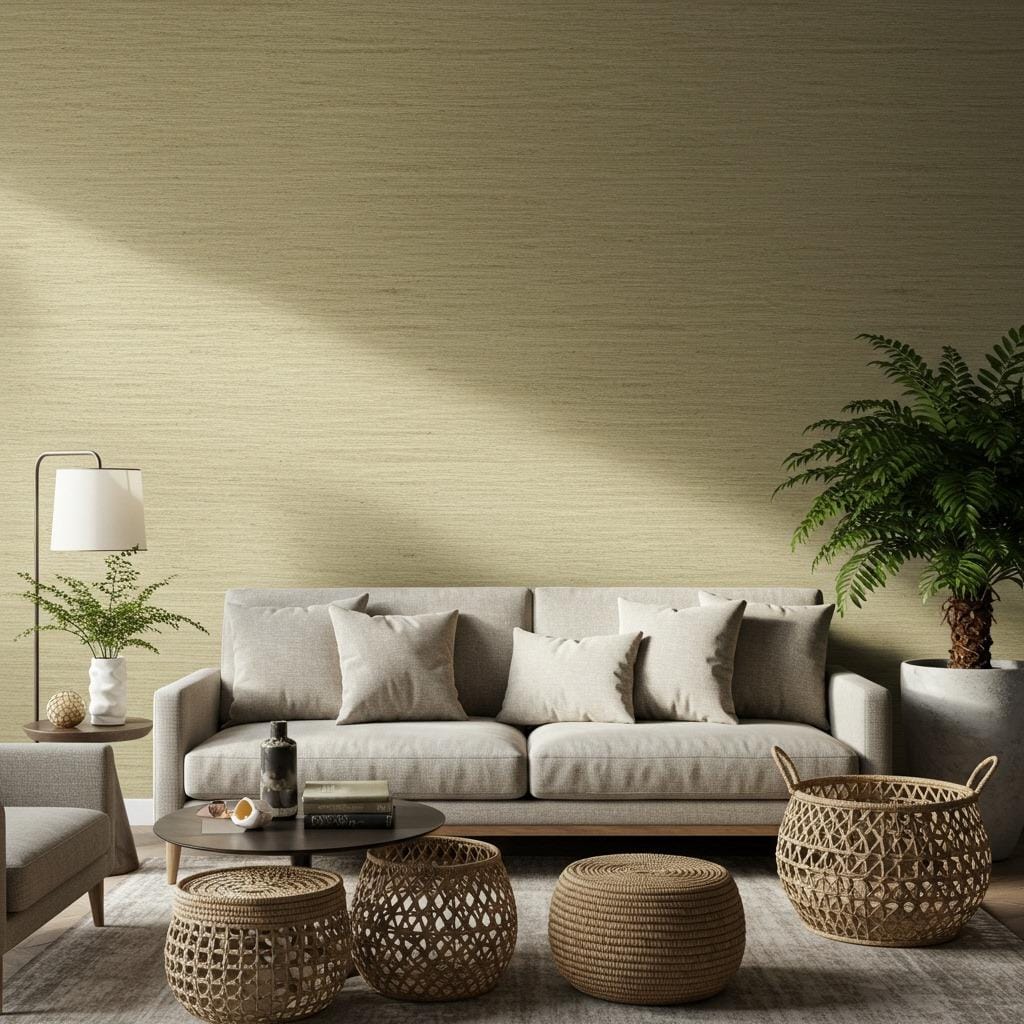
Grasscloth wallpaper is having such a moment right now, and honestly, I understand why. It brings this organic, lived-in feeling to a space that’s impossible to replicate with paint alone.
The natural fibers create subtle variations in color and texture – no two sections look exactly alike. This imperfection is actually what makes it so appealing. It feels authentic in a world full of mass-produced everything.
Installation can be tricky since the seams are more visible than with regular wallpaper, but the payoff is incredible. It works beautifully as an accent wall behind a sofa or bed.
3. Shiplap – The Modern Farmhouse Favorite
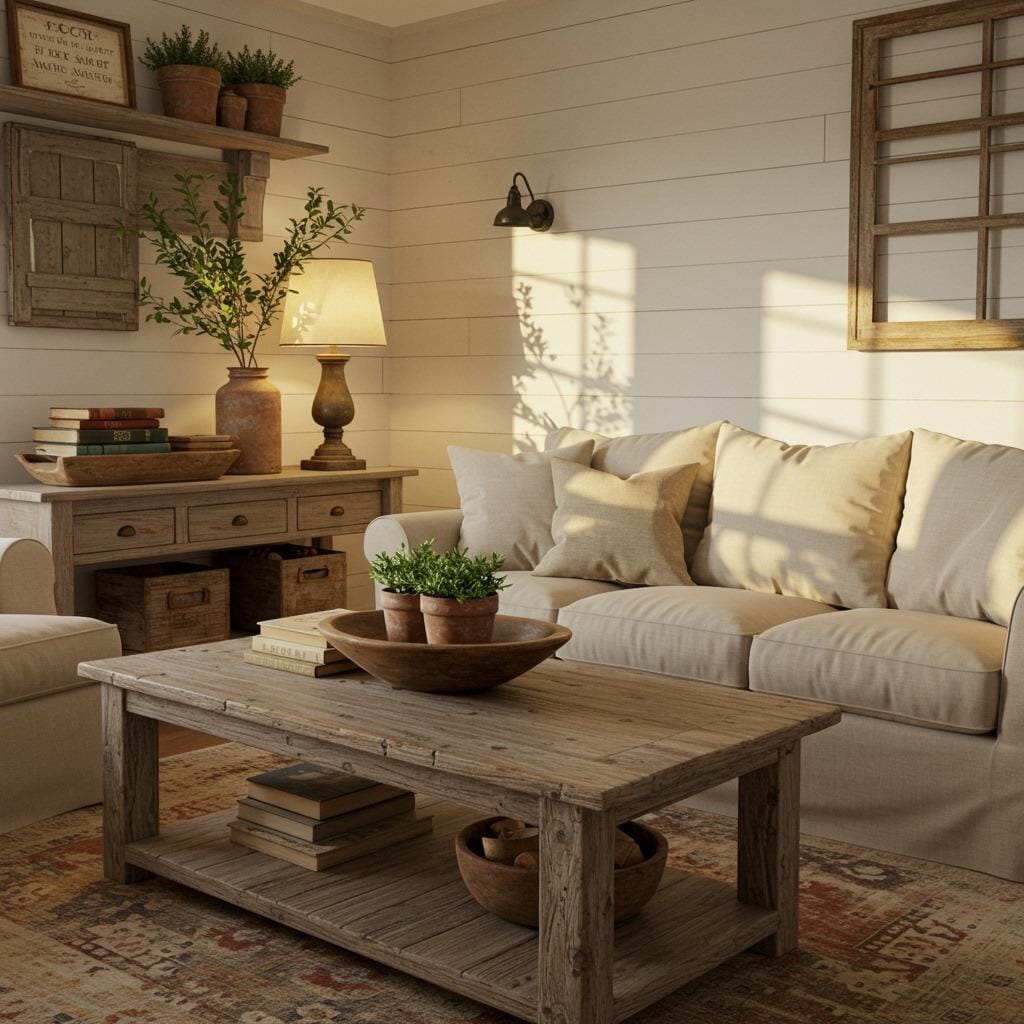
Okay, I know shiplap has been everywhere, but there’s a reason it’s still popular. Those horizontal lines add visual interest while making rooms feel taller and wider.
The key to making shiplap feel fresh instead of overdone? Consider painting it in unexpected colors or using reclaimed wood for an authentic patina. I’ve seen stunning examples in deep navy, sage green, and even black.
Installation is relatively straightforward for DIYers, and it’s one of those projects that delivers major visual impact for the time invested. Plus, it pairs beautifully with both modern farmhouse and contemporary styles.
4. Limewash Paint – The European-Inspired Technique
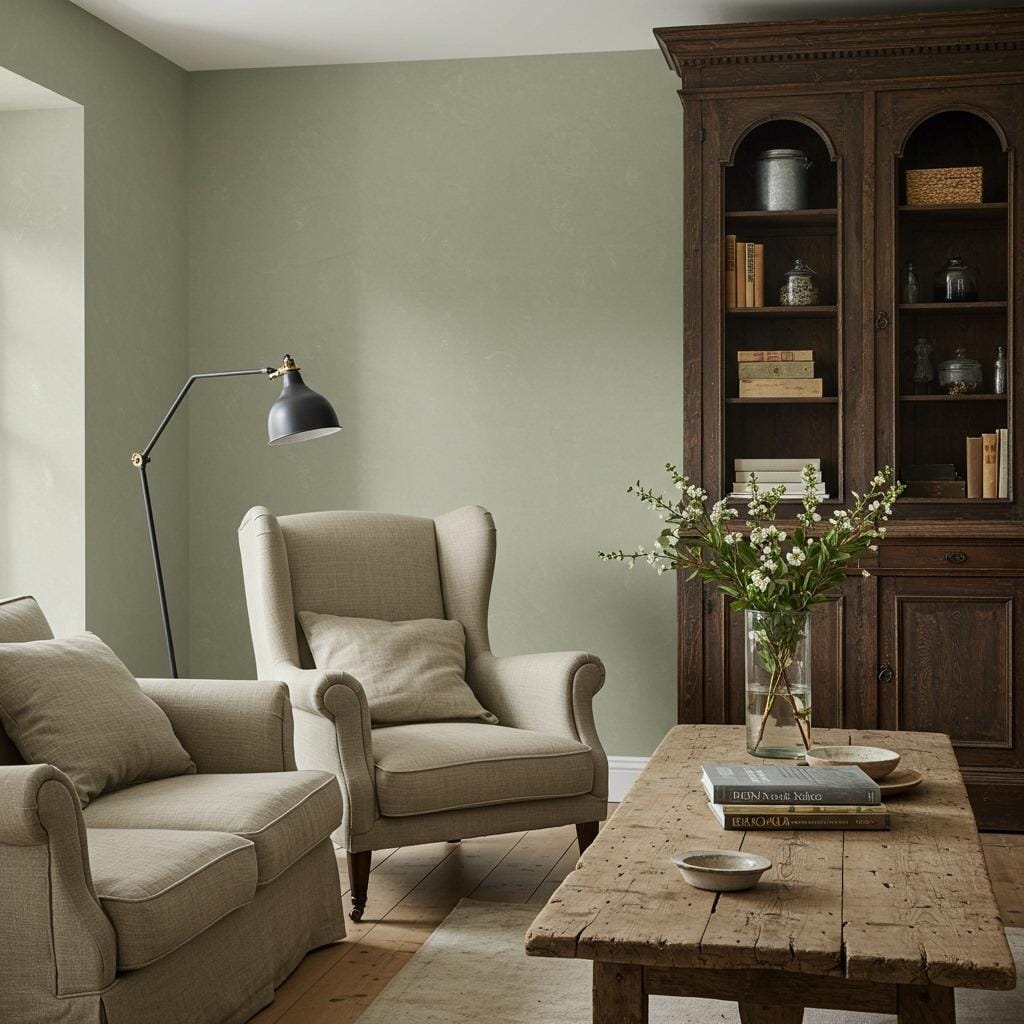
Limewash has this dreamy, old-world quality that instantly makes walls look like they belong in a centuries-old European villa. The natural lime creates beautiful color variations and a soft, matte finish.
What’s particularly appealing about limewash is how it ages. Unlike regular paint that chips or peels, limewash develops a gorgeous patina over time. Scuffs and marks actually enhance its character.
The application technique involves working in small sections with a brush, creating natural variations in tone and texture. It’s forgiving for beginners and actually looks better when it’s not perfectly uniform.
5. Wood Slat Walls – Contemporary Drama
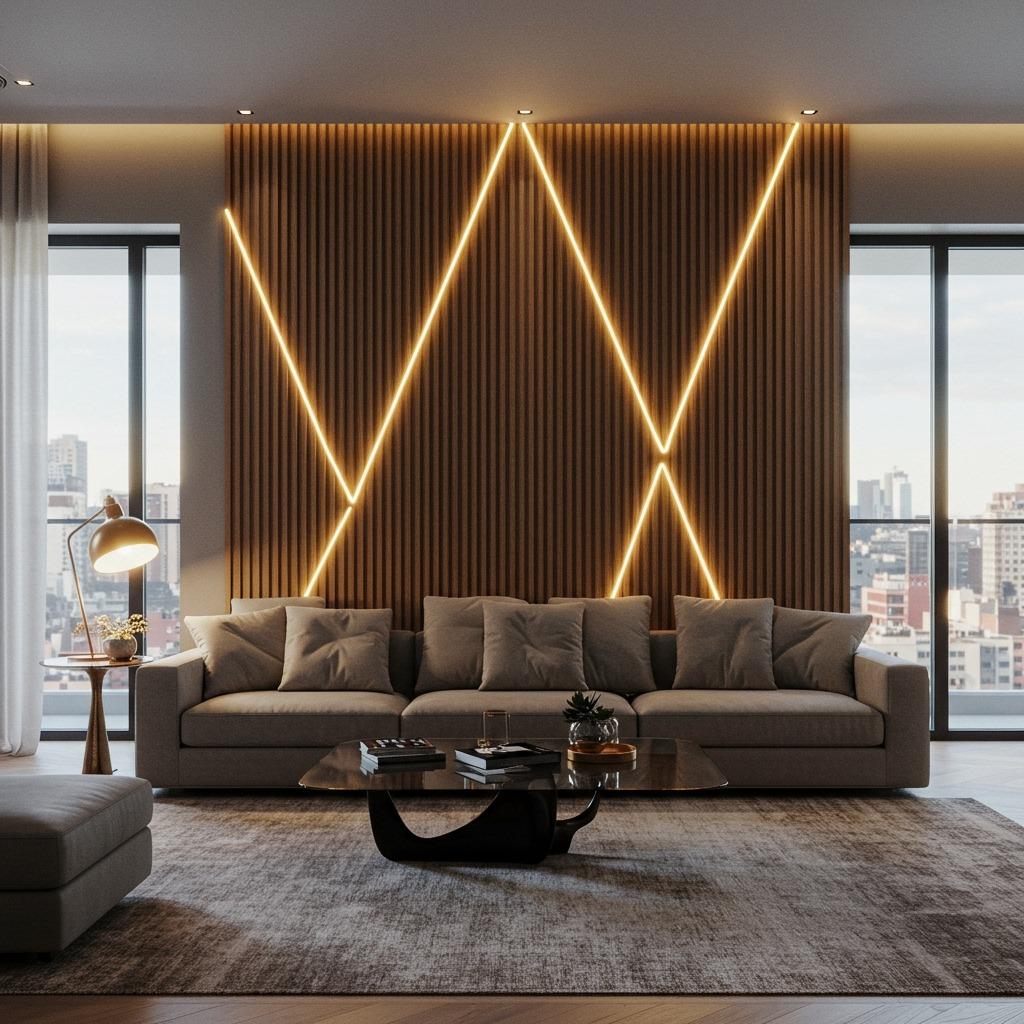
Wood slat walls are the perfect way to add texture while maintaining clean, modern lines. The vertical or horizontal slats create rhythm and movement that draws the eye upward.
I’m particularly drawn to installations that incorporate subtle LED lighting behind the slats. The way light filters between the wood creates this incredible ambiance that changes throughout the day.
The beauty of this technique is its versatility – you can use everything from reclaimed barn wood for rustic charm to sleek walnut for sophisticated elegance. The spacing between slats also affects the overall look and feel.
6. Stone Veneer – Bringing the Outdoors In
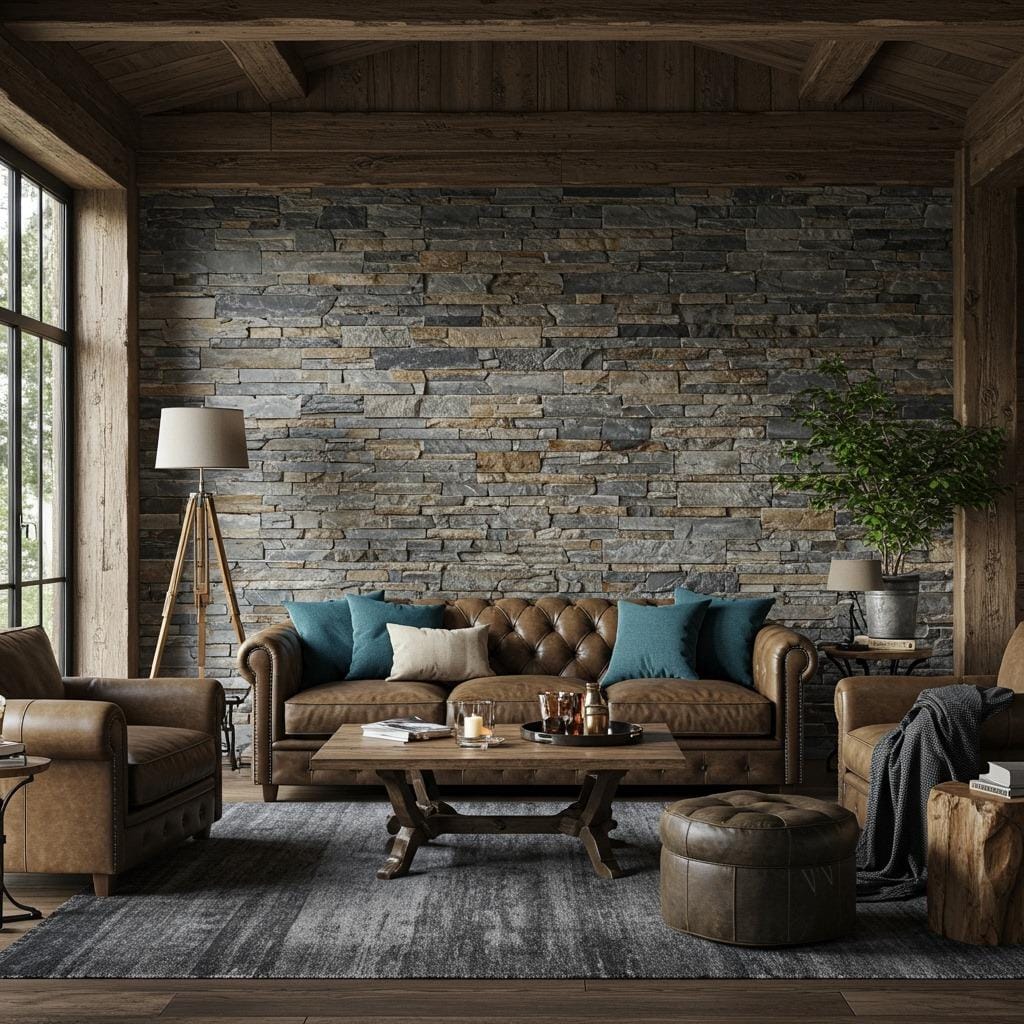
Stone veneer offers all the visual impact of a full stone wall without the structural requirements or expense. Modern veneer options are surprisingly lightweight and much easier to install than you’d expect.
The texture variations in natural stone create incredible depth and interest. Different lighting conditions throughout the day reveal new details and color variations you might not have noticed initially.
I love how stone veneer works as a backdrop for both rustic and contemporary furniture. It’s neutral enough to let other elements shine while providing substantial visual weight and texture.
7. Rope Texture Paint Technique
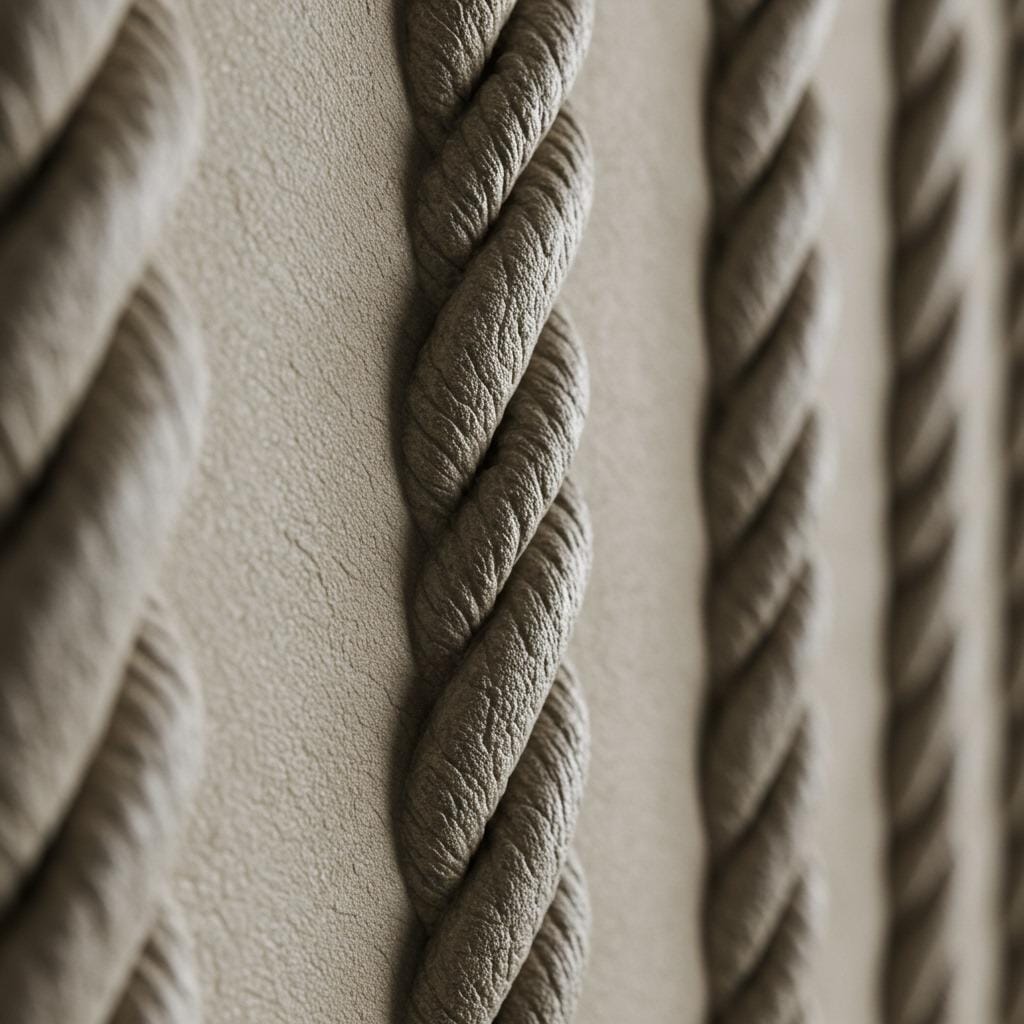
This technique creates a twisted rope pattern that adds serious dimension to walls. It’s achieved using a special roller or by dragging a rope through wet glaze – the effect is surprisingly sophisticated.
The rope texture works particularly well in coastal or nautical-themed spaces, but I’ve seen it used beautifully in contemporary interiors too. The key is choosing the right color palette to complement your overall design.
What I appreciate about this technique is that it’s completely customizable. You can make the “ropes” thick or thin, close together or widely spaced, depending on the look you’re going for.
8. Fabric-Covered Walls – Luxury Meets Practicality
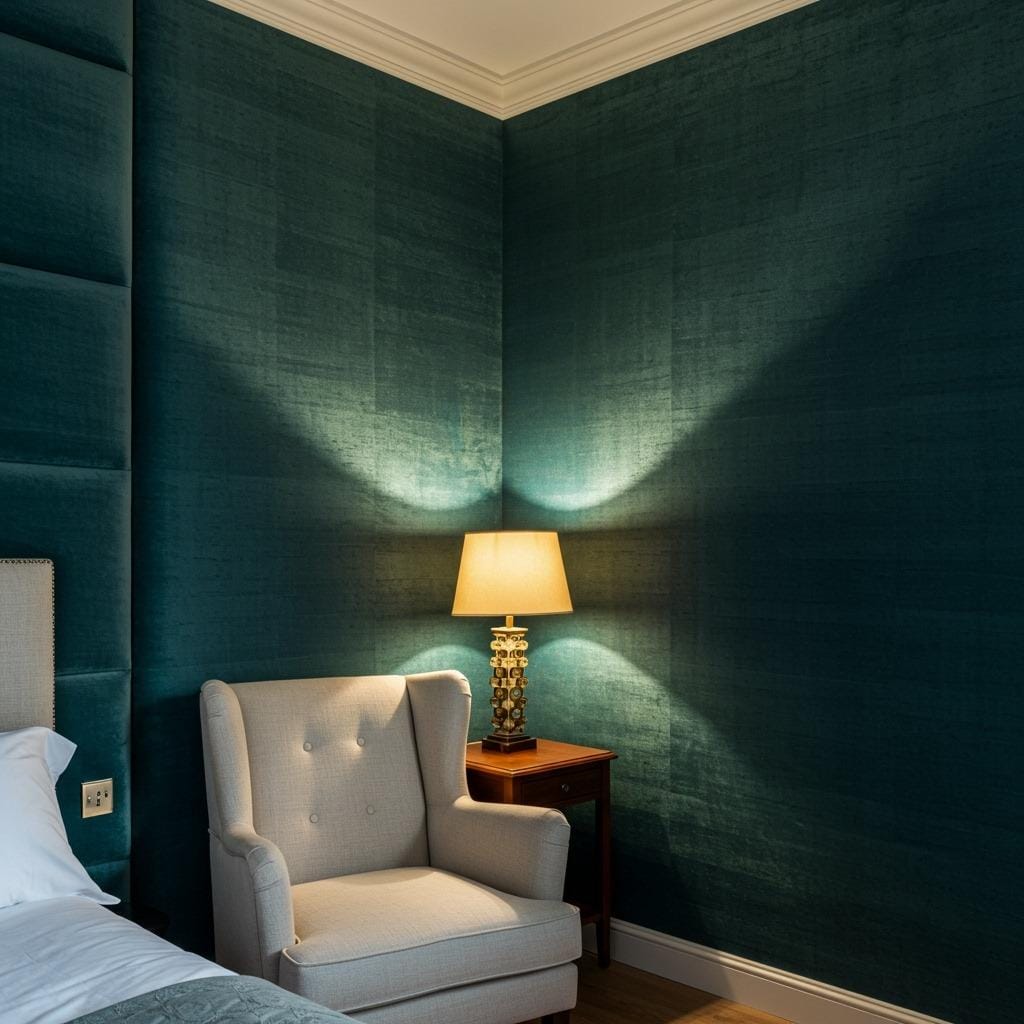
Covering walls with fabric creates an incredibly luxurious, upholstered look that also provides practical benefits like sound absorption. The texture and depth are impossible to achieve with paint alone.
Linen creates a relaxed, organic feel, while velvet adds drama and sophistication. Even cotton canvas can look stunning when properly installed and stretched taut.
The installation process involves stretching fabric over batting or foam, which creates a subtle quilted effect. It’s particularly effective in bedrooms or reading nooks where you want a cozy, intimate atmosphere.
9. Geometric Plaster Patterns
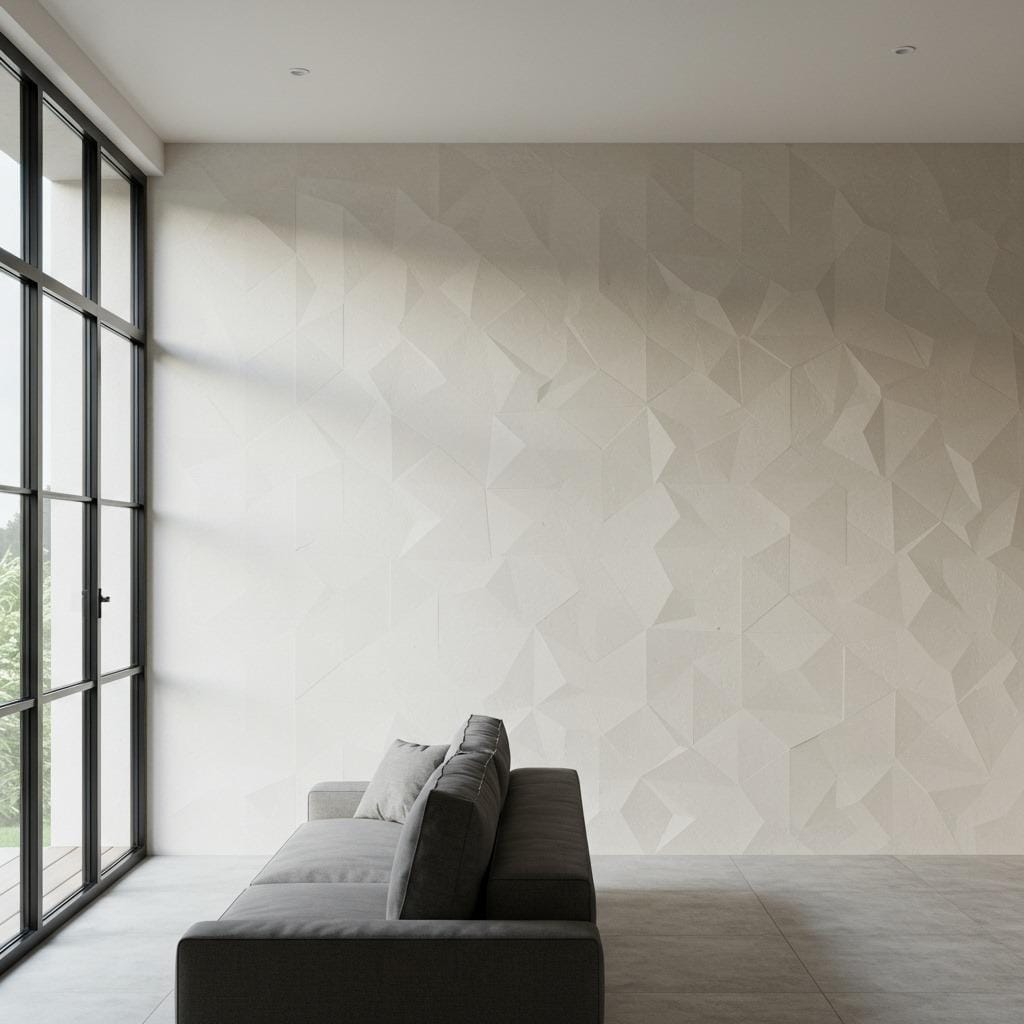
Geometric plaster patterns are like sculpture for your walls. These raised designs create dramatic shadows that change throughout the day as light moves across the surface.
Popular patterns include hexagons, diamonds, and even custom designs that reflect your personal style. The three-dimensional quality adds incredible visual interest without overwhelming the space.
While this technique requires some skill to execute well, the results are absolutely stunning. It’s particularly effective in contemporary living rooms where you want to make a bold architectural statement.
10. Brushed Concrete Look
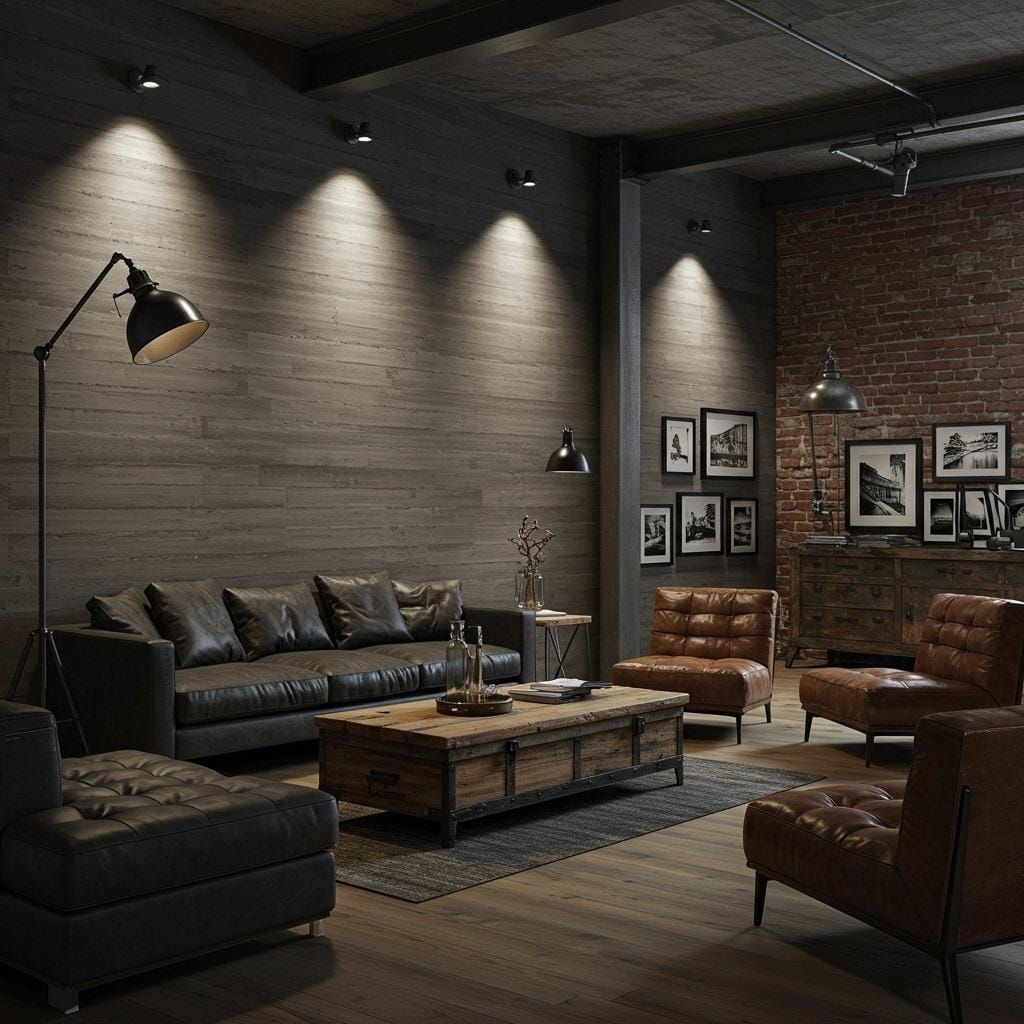
The brushed concrete look brings industrial sophistication to residential spaces. The subtle horizontal brush marks create texture while maintaining the sleek, modern aesthetic of concrete.
This technique works beautifully in lofts, modern homes, or any space where you want to add an edge of urban sophistication. It pairs surprisingly well with warm wood furniture and soft textiles.
Modern faux concrete paints make this look accessible for DIYers. The key is in the application technique – using long, consistent strokes to create those characteristic brush marks.
11. Basket Weave Texture
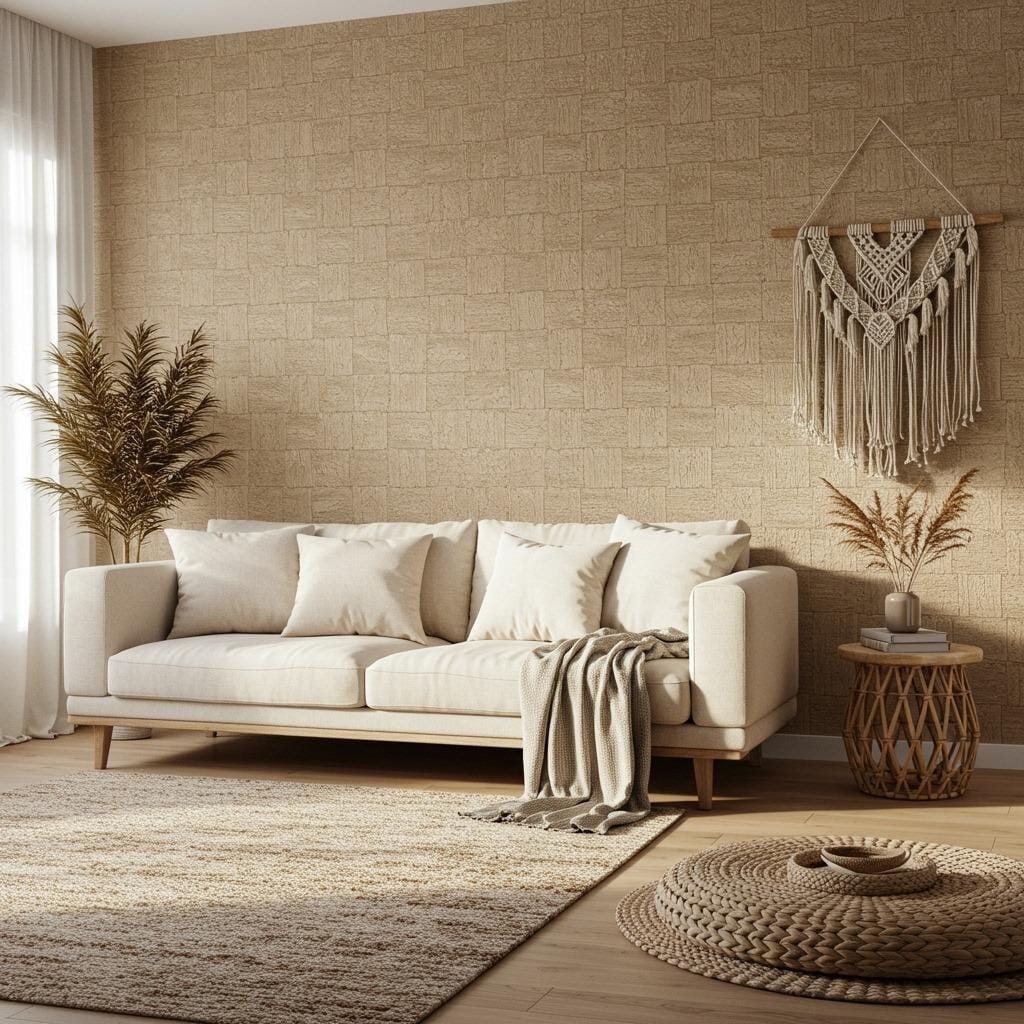
Basket weave texture brings an organic, handcrafted feeling to walls. The interlacing pattern creates visual depth while maintaining a subtle, natural appearance.
This technique works particularly well in spaces with natural materials like wood and rattan. It adds texture without competing with other design elements in the room.
The pattern can be achieved through specialized paint techniques or textured wallpaper. I love how it catches light differently depending on the viewing angle.
12. Trowel-Applied Texture
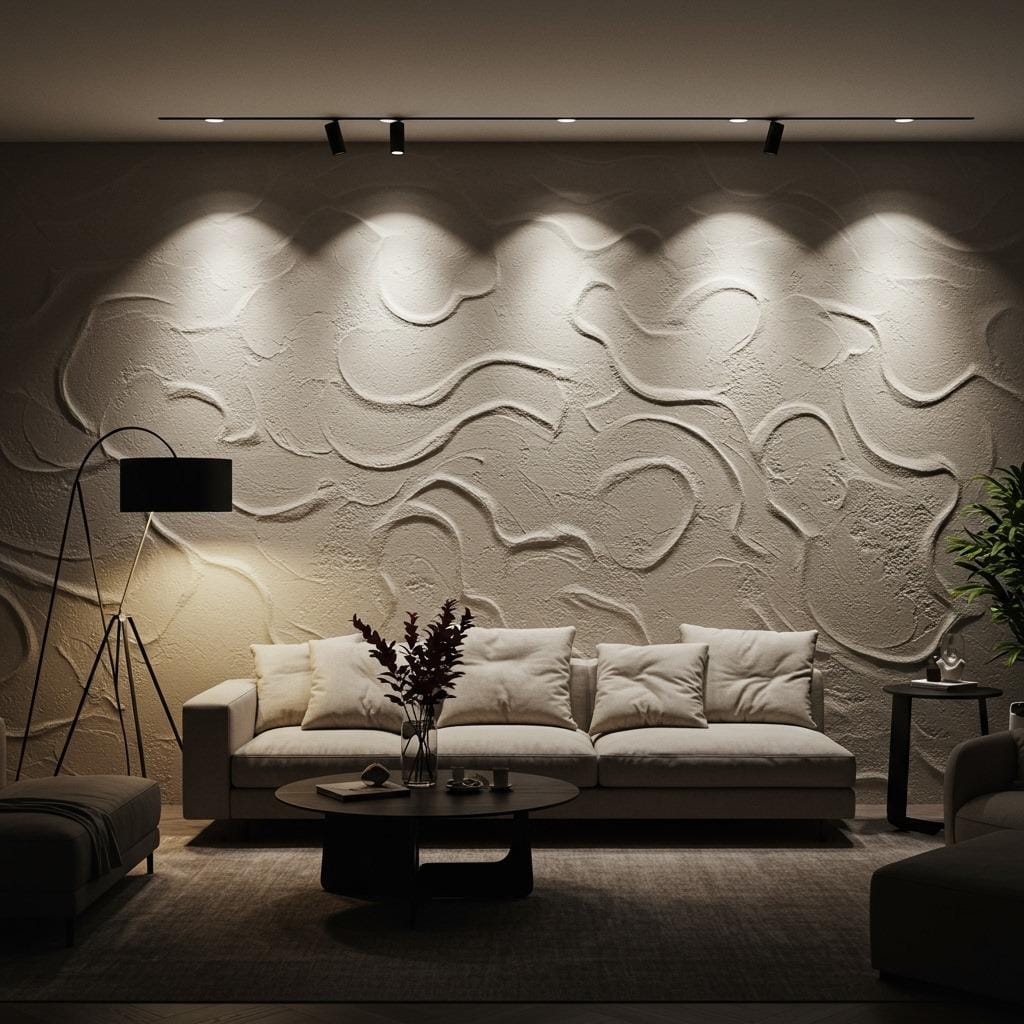
Trowel-applied textures create organic, flowing patterns that feel almost like abstract art. The sweeping motions of the trowel leave beautiful, curved impressions in the material.
This technique is incredibly forgiving – irregularities and variations actually enhance the overall effect. It’s perfect for DIYers who want dramatic results without requiring perfect precision.
The texture can be subtle or bold depending on the depth and size of the trowel marks. I particularly love how it looks in earthy-toned rooms where the organic patterns complement natural color palettes.
13. Cork Wall Panels
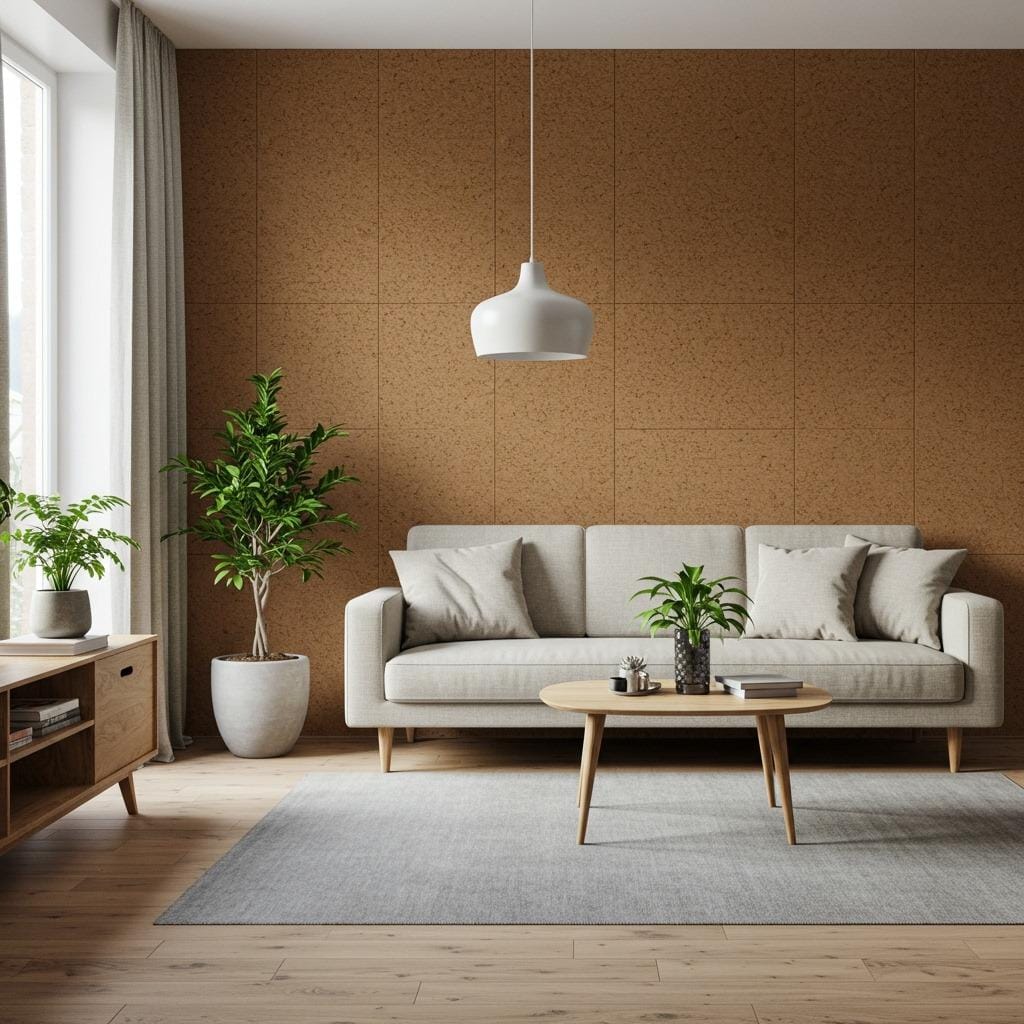
Cork wall panels offer incredible texture while providing practical benefits like sound absorption and insulation. The natural material has this warm, inviting quality that synthetic materials can’t replicate.
What I love about cork is its sustainability – it’s harvested without harming the trees, making it an eco-friendly choice for environmentally conscious decorators.
The installation is straightforward, and cork panels come in various sizes and patterns. Some have natural variations while others are more uniform, depending on the look you prefer.
14. Stenciled Texture Patterns
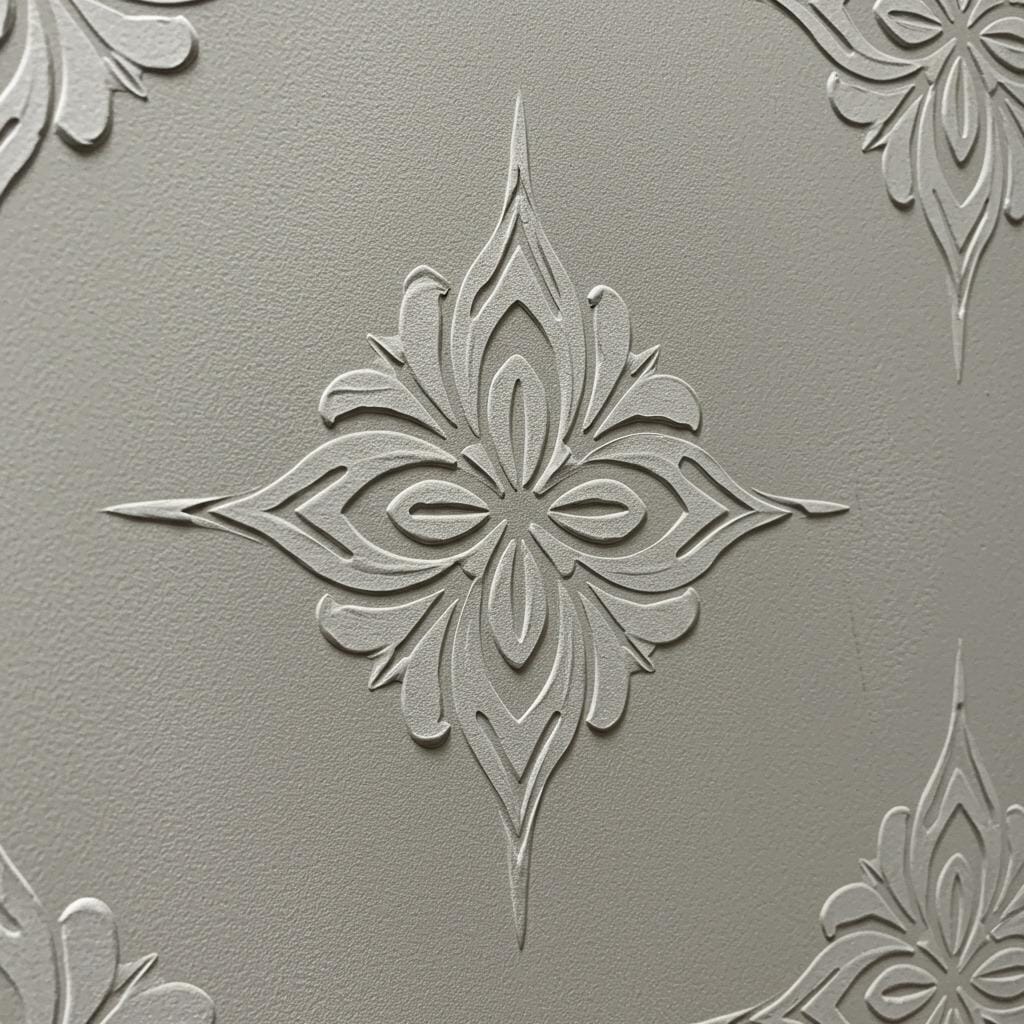
Stenciled texture patterns combine the precision of stenciling with dimensional paint techniques. The result is perfectly repeated patterns with actual texture you can feel.
This technique allows for incredible customization – you can choose from traditional damask patterns, geometric designs, or even create your own stencils for completely unique walls.
The key is using the right paint consistency and application technique to build up layers that create genuine texture rather than just flat pattern. It works beautifully as an accent technique or covering entire walls.
15. Sponge Painting Techniques
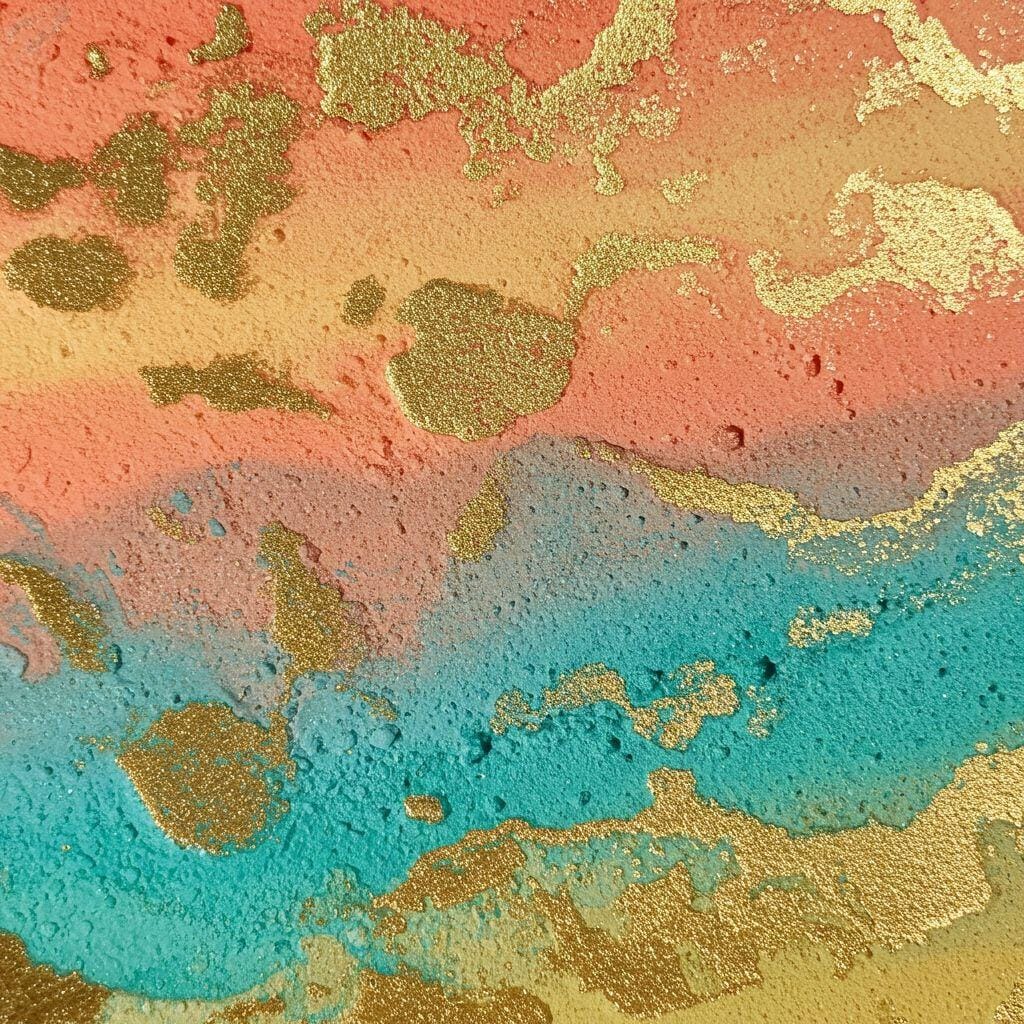
Modern sponge painting has evolved far beyond the bold, obvious techniques of the past. Today’s approaches focus on subtle color layering and organic texture creation.
Using natural sea sponges and working in thin glazes creates depth and movement that flat paint simply cannot achieve. The key is restraint – building up texture gradually through multiple light applications.
This technique works particularly well in small living rooms where you want to add visual interest without overwhelming the space.
16. Raised Panel Effects
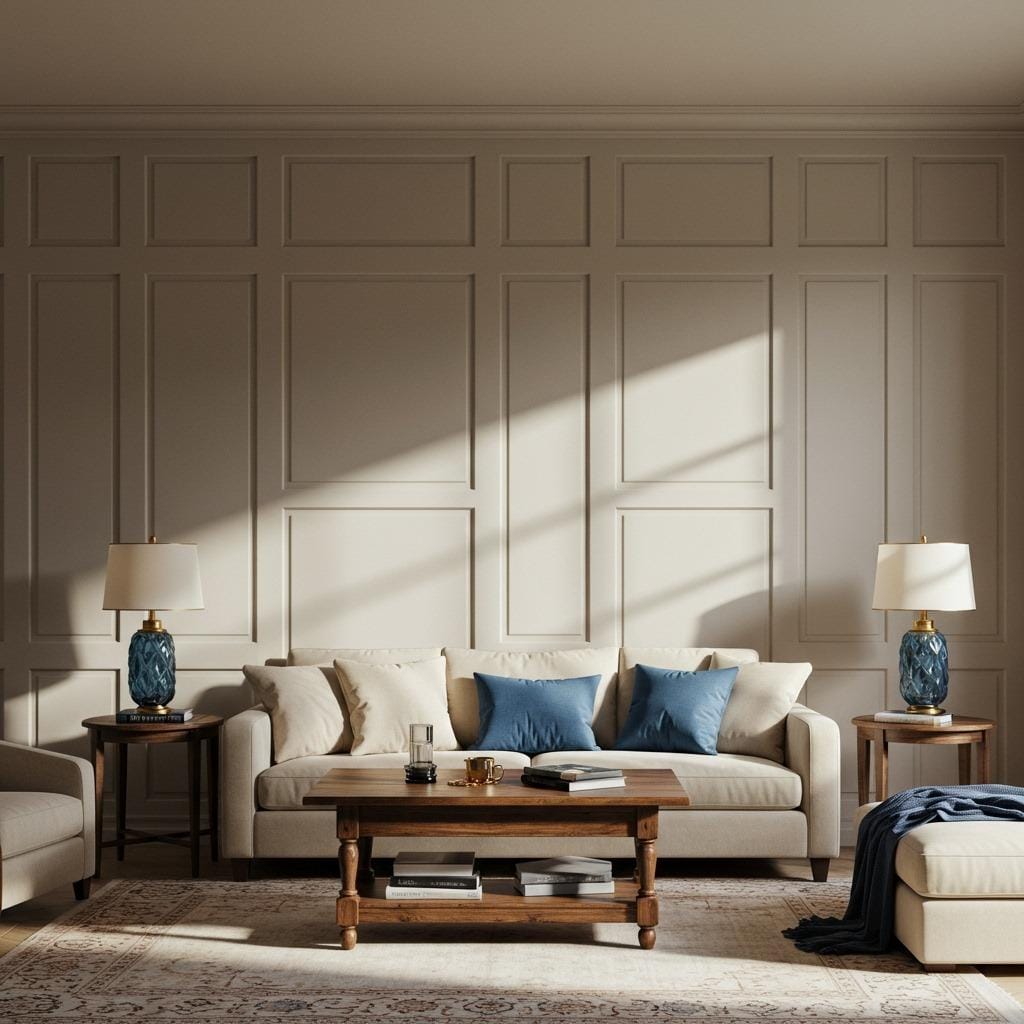
Raised panel effects add instant architectural character to any room. Whether achieved through actual molding or trompe-l’oeil painting techniques, the results create elegant visual structure.
This approach works beautifully in traditional homes but can also add sophisticated detail to contemporary spaces when executed in unexpected colors or proportions.
The panels can be painted in the same color as the wall for subtle texture, or contrasted for more dramatic architectural definition.
17. Metallic Texture Applications
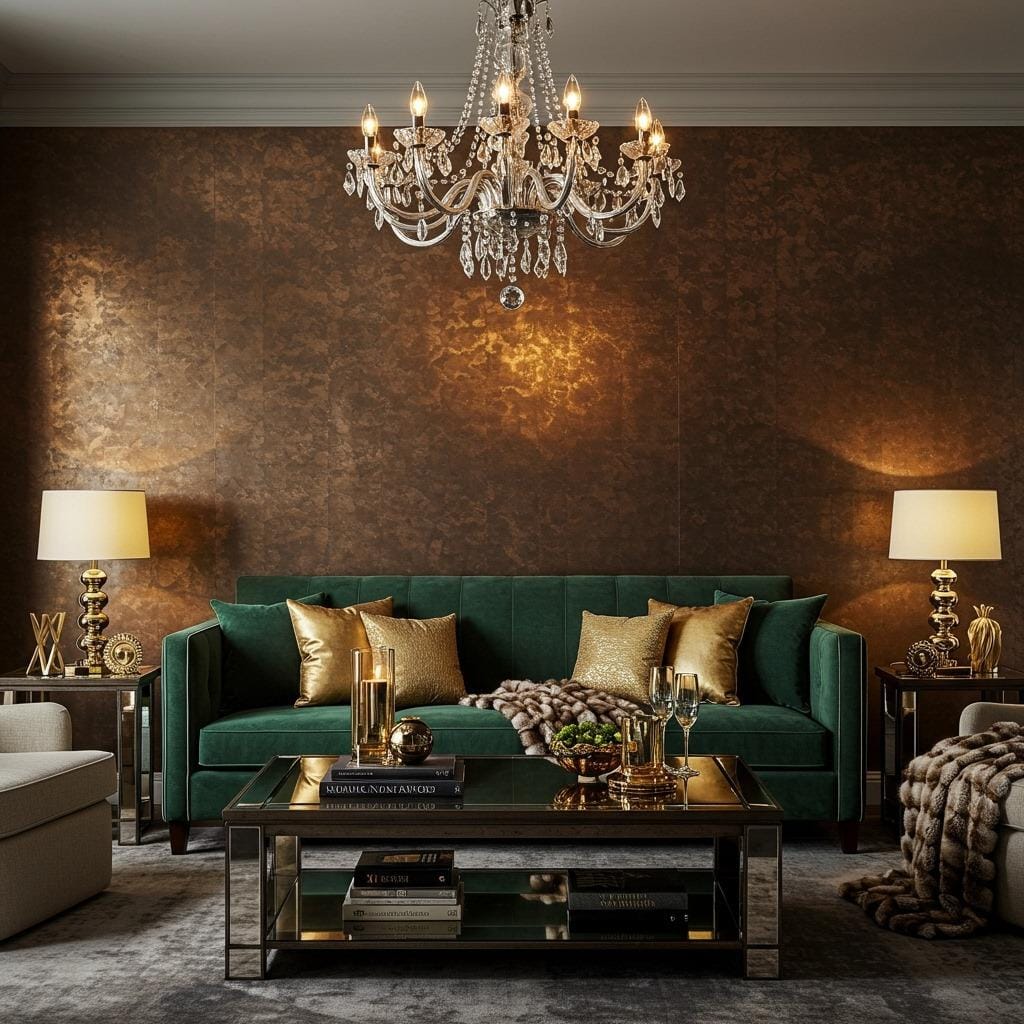
Metallic textures add glamour and sophistication while creating incredible light play throughout the day. The key is choosing finishes that enhance rather than overwhelm your space.
Copper patina effects bring warmth and organic beauty, while silver leafing creates cool, contemporary drama. Gold applications can feel rich and luxurious when applied with restraint.
The texture itself is as important as the metallic finish – combining the two creates walls that are both visually and tactilely interesting.
18. Rough Plaster Techniques
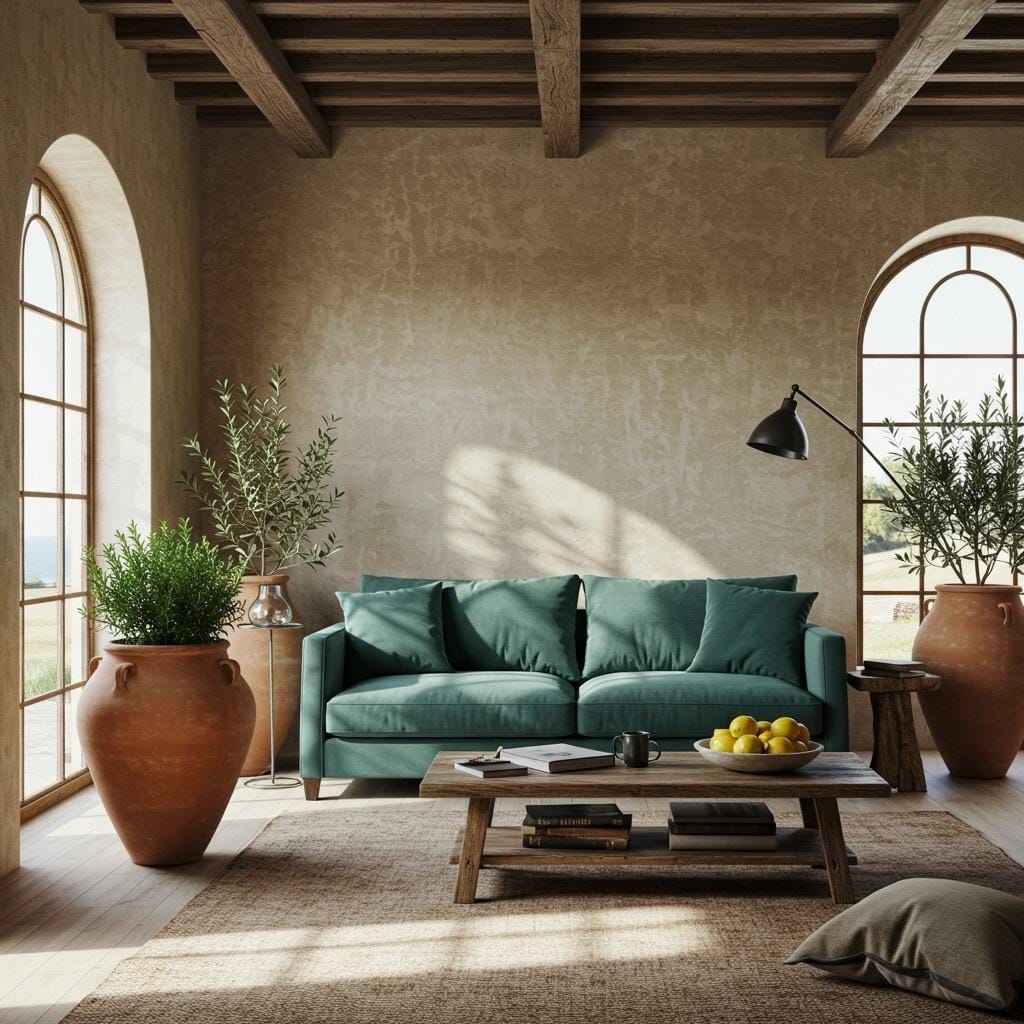
Rough plaster techniques create that coveted Mediterranean villa aesthetic that feels both rustic and refined. The hand-applied nature means no two areas look exactly alike.
This technique works particularly well in homes with natural materials like stone floors and wood beams. It adds authenticity and character that machine-perfect finishes lack.
The beauty lies in the imperfections – the slight variations in texture and color that occur naturally during application create visual richness that evolves as lighting changes throughout the day.
19. Combed Texture Patterns
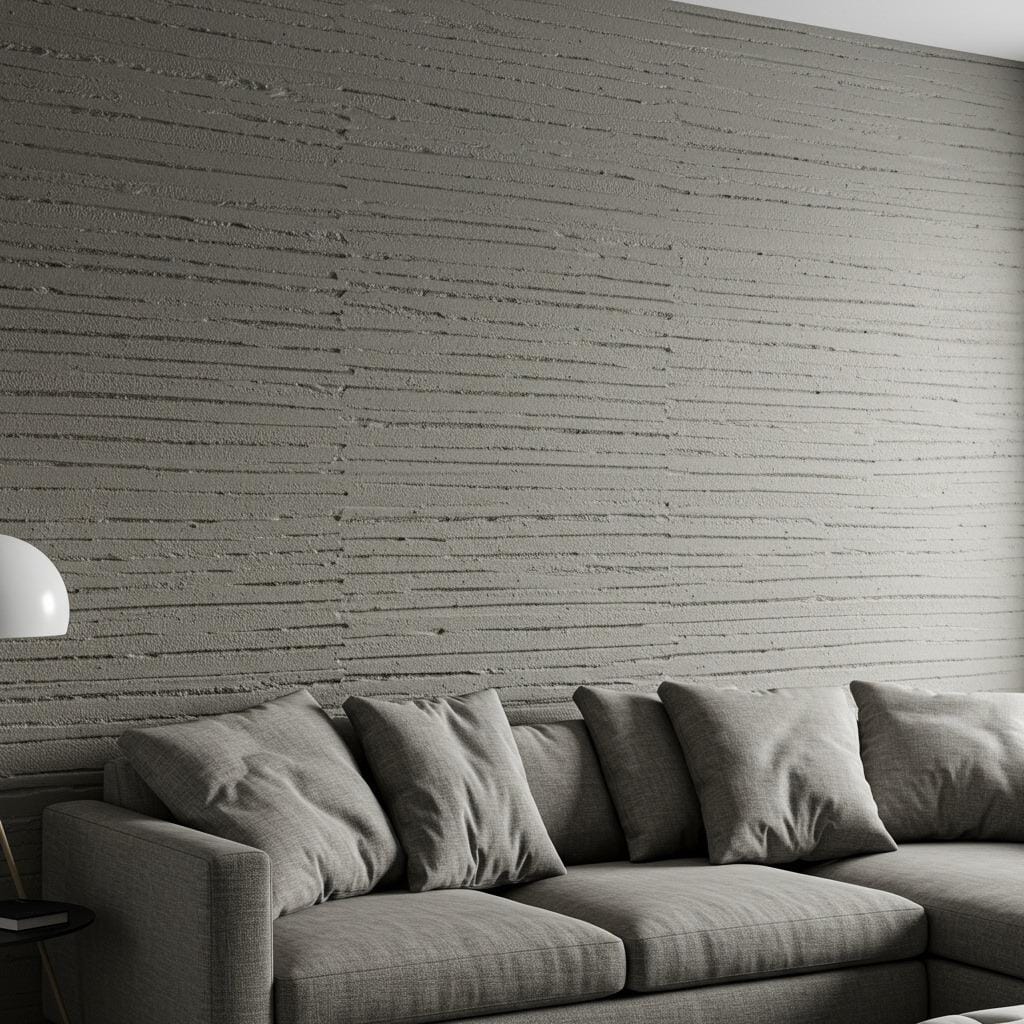
Combed textures create rhythmic linear patterns that add movement and direction to walls. The technique involves dragging combs or specialized tools through wet paint or plaster.
The patterns can be straight and geometric for contemporary spaces, or wavy and organic for more relaxed environments. The depth of the combing affects how dramatically the texture catches light.
This technique is particularly effective for creating visual flow in open-concept spaces where you want to guide the eye through different areas.
20. Mixed Media Wall Treatments
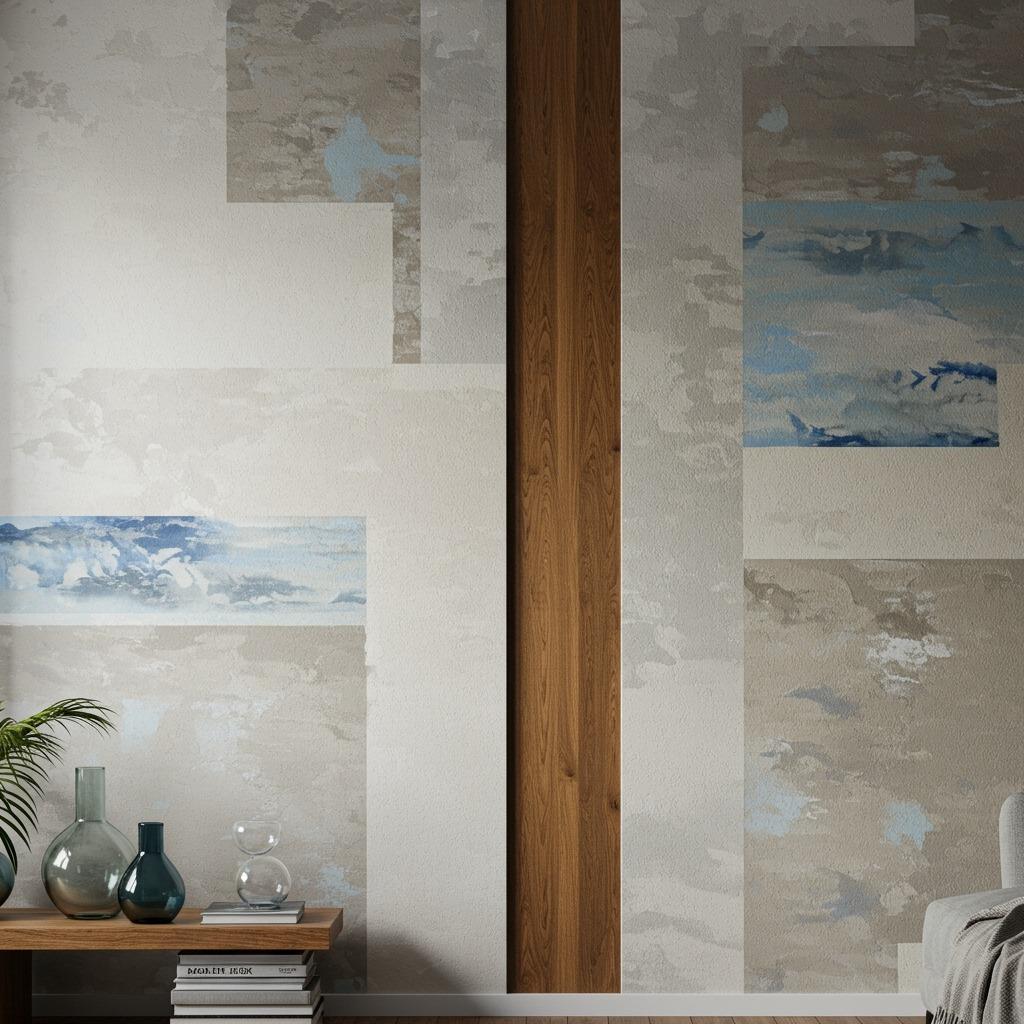
Mixed media approaches combine multiple texture techniques in one wall treatment. This might involve combining wood elements with plaster sections, or incorporating fabric panels within painted areas.
The key to successful mixed media walls is maintaining visual cohesion through color palette or repeated elements. Too much variety can feel chaotic rather than intentional.
This approach works beautifully when you want to create a truly custom, art-like focal point that reflects your personal style and creativity.
Choosing the Right Textured Wall for Your Space
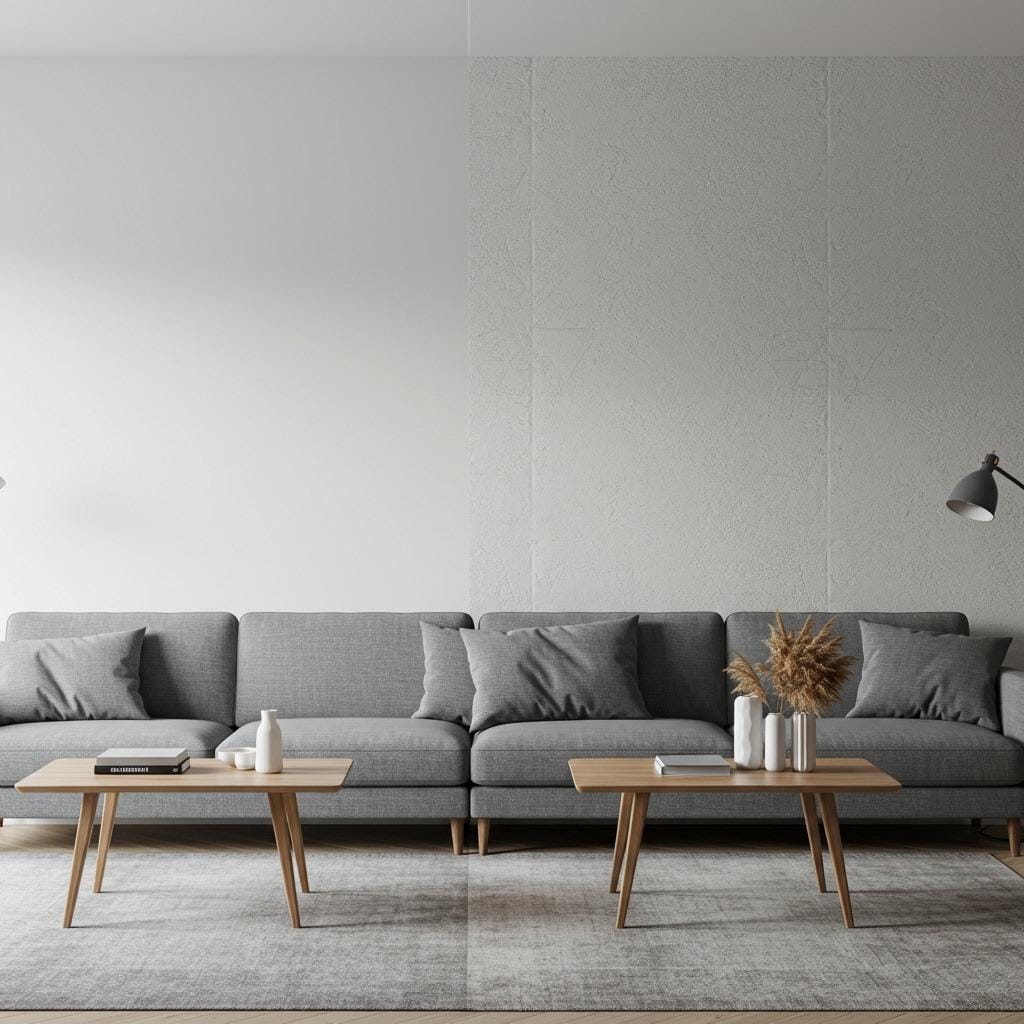
Consider your room’s natural light first. Spaces with abundant natural light can handle more dramatic textures and darker colors. Rooms with limited light benefit from lighter, more reflective textures.
Think about your lifestyle too. High-traffic areas need durable textures that won’t show wear, while private spaces like bedrooms can accommodate more delicate treatments.
Scale matters significantly. Large rooms can handle bold, dramatic textures, while smaller spaces often benefit from subtler approaches that add interest without overwhelming.
Pro Tips for DIY Success
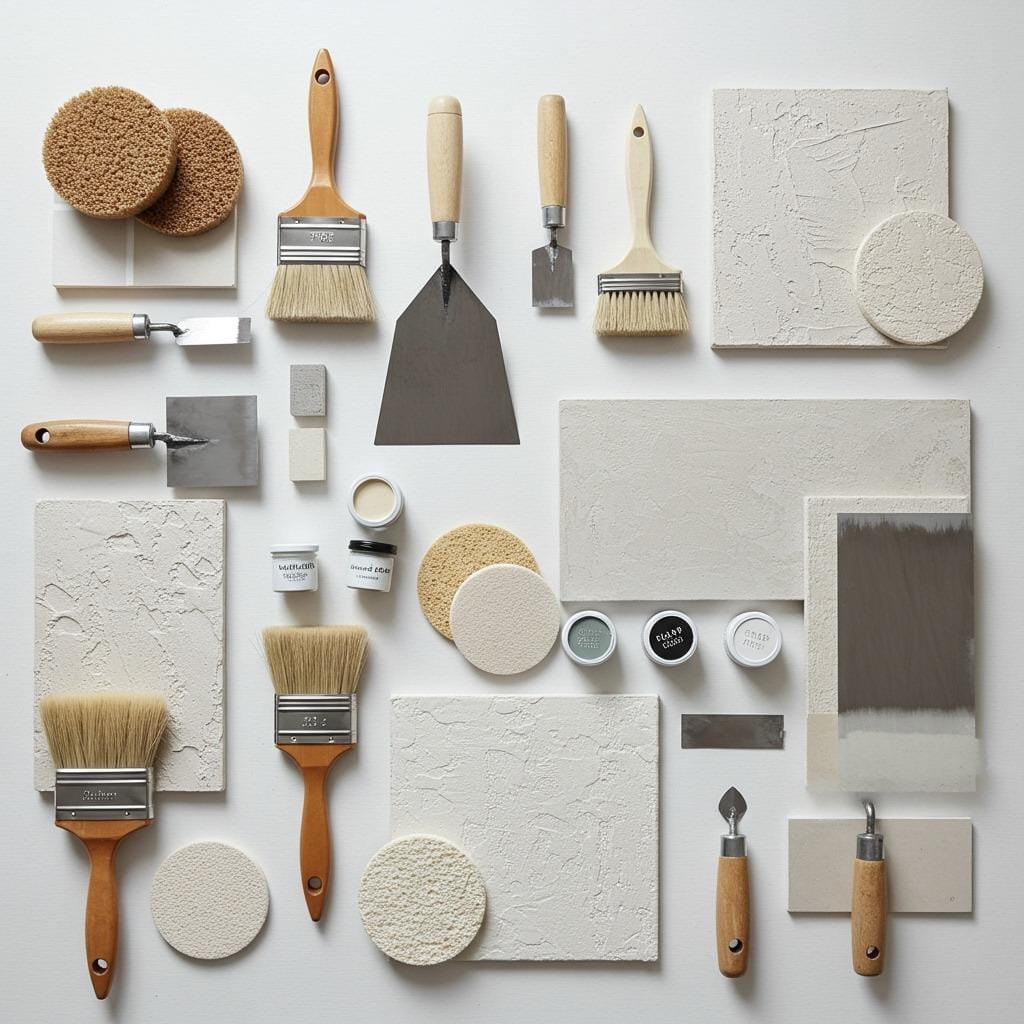
Always create sample boards before committing to your walls. Test your technique, color combinations, and lighting effects on removable surfaces first.
Invest in quality tools – they make application easier and results more professional. Cheap brushes and rollers can ruin an otherwise perfect technique.
Work in manageable sections and maintain wet edges to avoid visible seams. Most texture techniques need to be completed while the material is still workable.
Consider hiring professionals for complex techniques like Venetian plaster or geometric patterns. The skill required often justifies the investment for flawless results.
Budget-Friendly vs. Splurge-Worthy Options
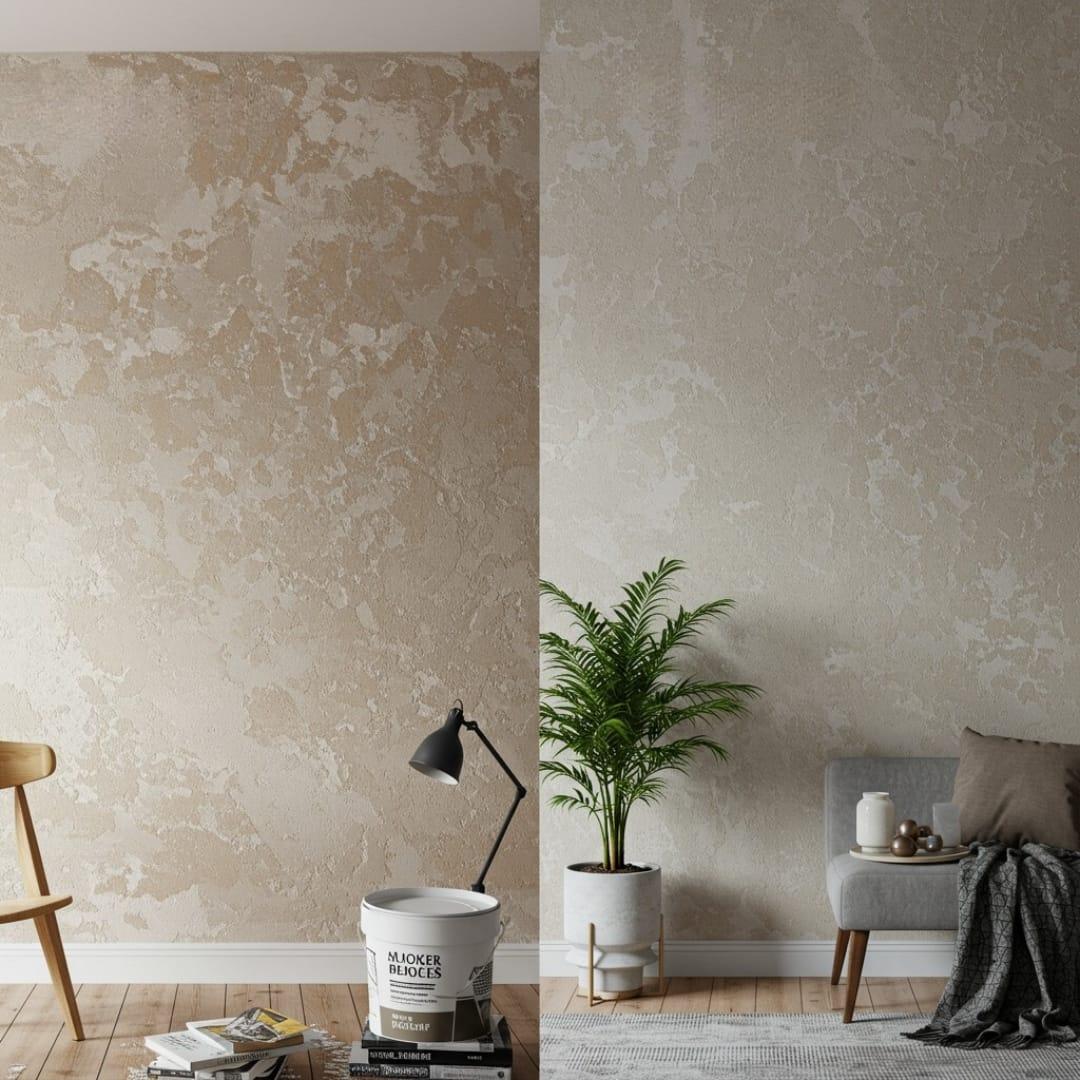
Budget-friendly options include sponge techniques, simple stenciling, and basic trowel applications. These can look stunning with careful execution and planning.
Mid-range approaches like limewash, grasscloth wallpaper, or wood slat applications offer professional results with moderate investment.
Splurge-worthy treatments include Venetian plaster, custom geometric patterns, and mixed media installations. These create truly unique focal points that add significant value to your home.
Remember that even budget techniques can look expensive when executed thoughtfully with quality materials and attention to detail.
Your textured wall journey starts with choosing the technique that speaks to your style and skill level. Whether you go subtle or dramatic, DIY or professional, the key is creating walls that reflect your personality and enhance your daily living experience.
The beauty of textured walls lies not just in their visual impact, but in how they make your space feel more intentional, sophisticated, and uniquely yours. Ready to transform those blank walls into something extraordinary?

Sanjai creates easy, affordable home decor ideas that anyone can try. Through simple tips and curated finds, he helps you style rooms you’ll love coming home to.