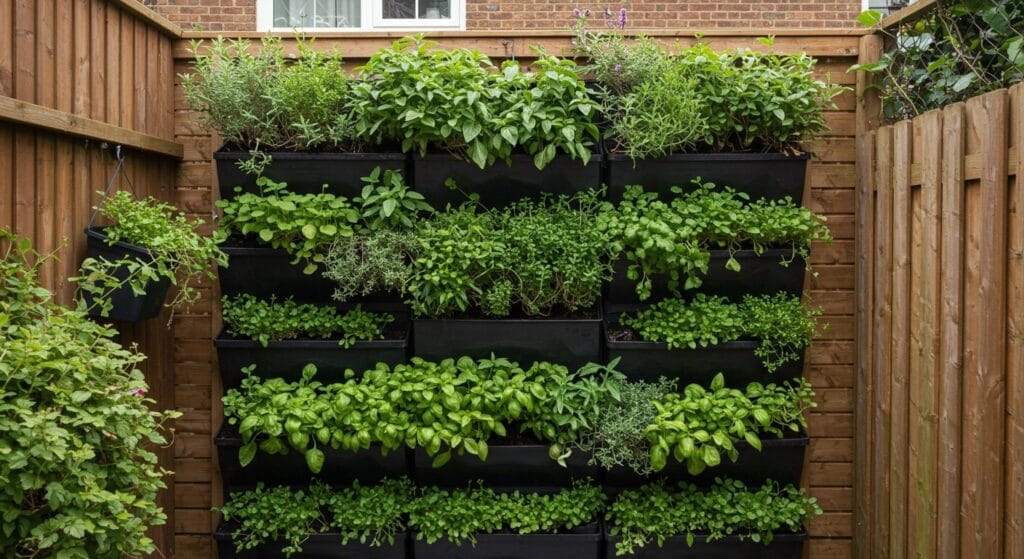
When outdoor space feels limited, the solution often lies in thinking upward rather than outward. A vertical garden wall transforms forgotten corners, bland fences, and empty walls into thriving green sanctuaries that pack maximum plant power into minimal square footage.
Whether you’re working with a tiny balcony, narrow side yard, or compact patio, vertical planting opens up endless possibilities for creating your dream garden. These space-saving approaches let you grow everything from fresh herbs to cascading flowers without sacrificing precious floor space for seating or entertaining.
The beauty of living walls extends far beyond their practicality. They create natural privacy screens, improve air quality, and turn ordinary outdoor areas into Instagram-worthy retreats that neighbors will admire from their windows.
1. Modular Planter Wall System

Modular systems offer the ultimate flexibility for creating your perfect vertical garden wall. These interlocking planters let you start small and expand as your green thumb grows more confident. Most systems feature lightweight materials that won’t stress your fence or wall structure.
The genius lies in their adaptability. Rearrange configurations seasonally, swap out plants as they mature, or relocate entire sections when you move. Many modular systems include built-in drainage and water collection features that make maintenance surprisingly simple.
Installation typically requires just basic tools and takes an afternoon to complete. Choose neutral colors like charcoal or sage green that complement any plant palette, or go bold with terra cotta or bright white for a statement wall that becomes your outdoor spaces’ focal point.
2. Repurposed Pallet Garden Wall

Wooden pallets transform into charming vertical planters with minimal effort and maximum character. This budget-friendly approach brings rustic appeal to any outdoor setting while keeping costs under $50 for most installations. Sand the wood lightly and apply weather-resistant stain to extend longevity.
Create pockets by attaching landscape fabric to the back and adding slats between existing boards. This method works perfectly for shallow-rooted plants like herbs, lettuce, and strawberries. The natural drainage prevents waterlogging while the wood adds warmth that concrete walls often lack.
Position your pallet garden where it receives appropriate light for your chosen plants. Morning sun locations work beautifully for herbs, while shadier spots suit ferns and begonias. Consider your small balcony makeover plans when selecting the perfect spot.
3. Hanging Gutter Planters

Rain gutters make surprisingly elegant planters when mounted at varying heights along your vertical garden wall. This technique creates beautiful cascading effects as trailing plants spill over the edges. Choose aluminum gutters for durability or vinyl for easy customization with spray paint.
Drill drainage holes every 12 inches along the bottom to prevent water accumulation. Mount with sturdy brackets rated for the weight of soil and water – safety should never be compromised for aesthetics. This system works exceptionally well for herbs, strawberries, and trailing flowers.
The linear design suits modern homes perfectly while offering practical growing space for kitchen herbs. Position at convenient heights for harvesting, typically between 3-5 feet from ground level. Your herb garden setup can expand vertically rather than consuming valuable floor space.
4. Trellis Wall with Climbing Plants

Trellises provide the perfect foundation for climbing plants to create natural living walls. This approach requires patience as plants establish, but the results are stunning and cost-effective. Choose materials that complement your home’s architecture – wrought iron for traditional settings, sleek metal for modern spaces, or wood for farmhouse charm.
Install your trellis system with proper spacing from the wall to allow air circulation and prevent moisture damage. Most climbing plants need 4-6 inches of clearance to grow properly. Consider the mature size of your chosen plants when planning spacing and support structure.
Start with fast-growing annual vines like morning glories or beans for quick results, then add perennial climbers like clematis or jasmine for long-term beauty. The vertical growing method maximizes your garden space saving ideas while creating natural privacy screening.
5. Pocket Planter Wall System

Fabric pocket planters offer a soft, organic alternative to rigid container systems. These lightweight options work particularly well for renters or those wanting easily changeable displays. Quality felt versions provide excellent root aeration while maintaining moisture longer than traditional pots.
The installation process couldn’t be simpler – hang from hooks or mount to existing fence structures. Most systems include reinforced grommets that distribute weight evenly. Choose systems with 6-12 pockets for manageable maintenance while providing substantial growing space.
This approach excels for herb gardens, succulent displays, or annual flower shows. The pockets accommodate different root depths, making them suitable for everything from shallow-rooted lettuce to deeper herbs like rosemary. Consider seasonal rotations to keep your display fresh and interesting.
6. Ladder Planter Display

Wooden ladders create charming vertical displays that blend function with farmhouse appeal. This approach works particularly well in cottage-style gardens or anywhere you want to add rustic character. Old ladders from estate sales or antique shops often have the perfect weathered patina for outdoor use.
Secure the ladder properly against your wall or fence to prevent tipping. Add small hooks or brackets to hold lightweight pots securely on each rung. Vary pot sizes and plant types for visual interest – mix trailing plants with upright varieties for dynamic composition.
The ladder system allows easy rearrangement of plants as seasons change or as your preferences evolve. Use the top rungs for plants requiring more light, while shade-tolerant varieties thrive on lower levels. This flexibility makes ladder planters perfect for experimenting with different plant combinations.
7. Living Succulent Wall Art

Succulent walls transform vertical garden concepts into living artwork. These drought-tolerant plants create stunning geometric patterns while requiring minimal water and maintenance. The key lies in selecting varieties with complementary colors, textures, and growth habits.
Frame your succulent display using shallow boxes or repurposed picture frames backed with hardware cloth. This allows roots to establish while providing the drainage succulents absolutely require. Position in areas receiving bright, indirect light for optimal color development.
Plan your design on paper first, considering how plants will spread and change over time. Start with smaller specimens that will fill in naturally rather than overcrowding initially. The sustainable outdoor approach of succulent walls requires fewer resources while delivering maximum visual impact.
8. Wire Grid Garden System

Wire grid systems offer ultimate versatility for creating custom vertical garden walls. These industrial-style panels accommodate various pot sizes and can be reconfigured seasonally. The open structure allows excellent air circulation while the black finish virtually disappears behind lush foliage.
Hook-on planters, baskets, and even small shelves attach easily to the grid system. This modularity means you can start with a few plants and expand your collection over time. The system works equally well for herbs, flowers, or small vegetables.
Installation requires only basic mounting hardware, and the lightweight nature won’t stress most wall structures. Consider grid systems when planning your vertical garden wall in rental properties since they’re completely removable without permanent alterations.
9. Tiered Shelf Garden Wall

Floating shelves create clean, modern vertical gardens perfect for contemporary outdoor spaces. This approach works particularly well when you want to display beautiful pots as part of the overall design aesthetic. Choose weather-resistant materials like cedar, composite, or powder-coated metal for longevity.
Vary shelf depths to accommodate different plant sizes – deeper shelves for larger specimens, shallower ones for herbs and small flowers. This creates visual rhythm while providing practical growing space. Consider the mature size of plants when planning spacing between shelves.
The shelf system allows easy plant rearrangement and seasonal updates. Switch out annuals for fresh looks, or rotate plants to ensure even light exposure. This flexibility makes shelved gardens perfect for gardeners who enjoy frequently refreshing their displays.
10. Vertical Hydroponic Tower

Hydroponic towers represent the cutting edge of vertical gardening technology. These soil-free systems provide optimal nutrition directly to plant roots while maximizing growing capacity per square foot. Perfect for gardeners interested in sustainable, high-yield growing methods.
Modern hydroponic systems often include automated watering and nutrient delivery, making maintenance surprisingly simple. Plants typically grow faster and produce higher yields than traditional soil methods. The clean, modern appearance suits contemporary outdoor designs perfectly.
While initial investment is higher than soil-based systems, the long-term benefits include water conservation, faster growth, and elimination of soil-borne pest issues. Many systems are expandable, allowing you to start small and grow your setup over time.
11. Recycled Container Wall Garden

Upcycled containers create charming, environmentally conscious vertical gardens while keeping costs minimal. Tin cans, plastic bottles, and food containers get second lives as planters when properly prepared with drainage holes and weather-resistant finishes.
Paint containers in coordinating colors that complement your outdoor color scheme. Soft sage greens, warm terra cottas, or crisp whites work beautifully across most settings. Add labels or tags for herb gardens to keep varieties organized and easily identifiable.
This approach particularly appeals to families with children who can help create and maintain their section of the vertical garden wall. It’s an excellent way to teach sustainability while creating something beautiful and functional together.
12. Professional Living Wall System

For maximum impact and minimal maintenance, consider professionally designed living wall systems. These comprehensive installations include irrigation, drainage, and often automated nutrient delivery systems. While requiring larger initial investment, they create stunning focal points that significantly enhance property value.
Professional systems accommodate diverse plant selections from tropical foliage to native wildflowers. Designers can create seasonal interest through careful plant selection and strategic placement. Many systems include built-in lighting for evening enjoyment of your outdoor kitchen and dining area.
The sophisticated appearance and low-maintenance requirements make professional living walls perfect for busy homeowners who want maximum garden impact. Consult with landscape professionals to ensure proper installation and plant selection for your specific climate and conditions.
Creating your perfect vertical garden wall starts with assessing your space, light conditions, and maintenance preferences. Whether you choose simple DIY approaches or invest in sophisticated systems, vertical planting transforms any outdoor area into a lush retreat. Start with one or two ideas that resonate with your style and skill level, then expand your green wall as confidence and enthusiasm grow.

Sanjai creates easy, affordable home decor ideas that anyone can try. Through simple tips and curated finds, he helps you style rooms you’ll love coming home to.