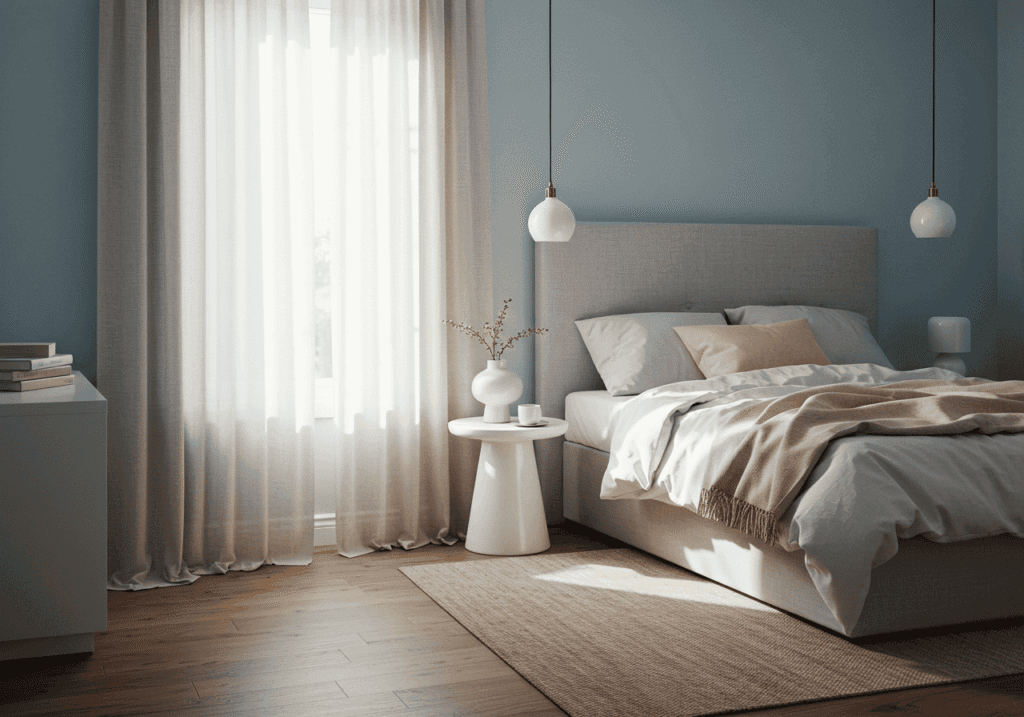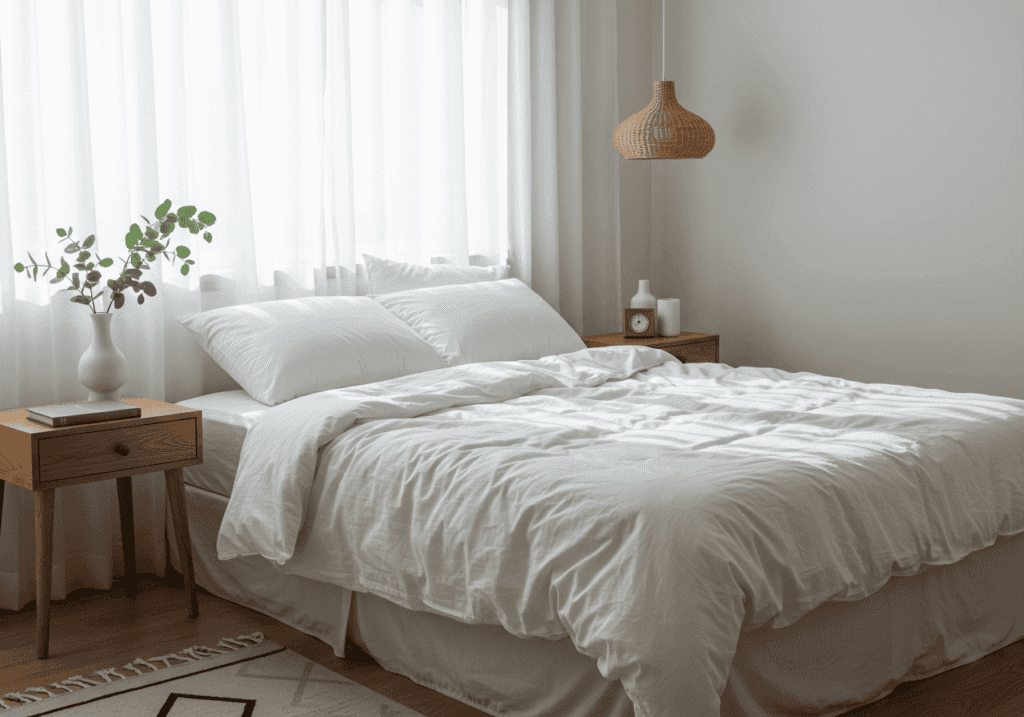
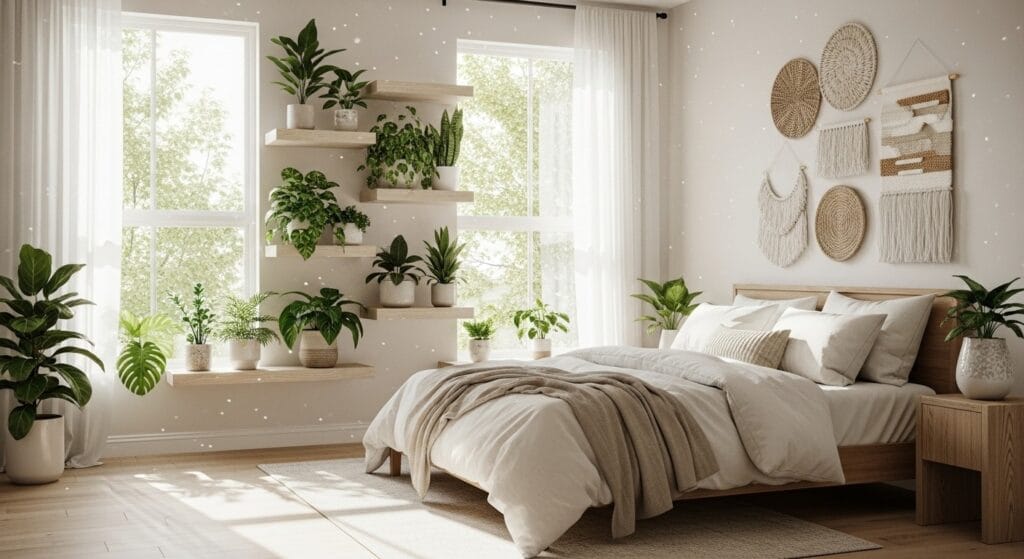
Have you noticed more bedrooms featuring trailing pothos vines, wooden accents, and earthy color palettes lately? There’s a reason behind this shift toward nature-inspired design. Biophilic bedrooms are becoming the go-to choice for homeowners who want their sleep spaces to feel like personal retreats rather than just places to crash at night.
The concept goes beyond tossing a few succulents on your nightstand. It’s about creating an environment that genuinely connects you with the natural world, even when you’re tucked inside your home. And honestly, given how much time we spend indoors these days, bringing a bit of the outdoors into our most personal space makes more sense than ever.
What’s drawing people to this approach? The answer lies somewhere between aesthetics and actual wellbeing. A nature inspired bedroom doesn’t just look beautiful in photos – it can genuinely change how you feel when you wake up and wind down each day.
Understanding Biophilic Design Principles

Biophilic design stems from our innate human need to connect with nature. The term “biophilia” literally means “love of life,” and when applied to interior spaces, it creates rooms that honor this biological connection. It’s not just a decorating trend that’ll fade next season – it taps into something much deeper about how we respond to our surroundings.
The core principle is simple: humans evolved in natural environments, and we still respond positively to elements that remind us of the outdoors. Natural light, organic shapes, living plants, and materials like wood and stone all trigger calming responses in our brains. When you walk into a room filled with these elements, something shifts. You might not immediately identify why you feel more relaxed, but your body knows.
In bedroom spaces specifically, biophilic design takes on extra importance. This is where we’re supposed to rest, recharge, and let our guard down. Creating a calming bedroom design that incorporates natural elements can actually improve sleep quality and reduce stress levels. Research backs this up – studies show that exposure to natural elements in indoor spaces lowers blood pressure and heart rate.
Key Elements That Define a Biophilic Bedroom
1. Strategic Plant Placement Throughout the Space
Indoor plants in bedroom settings serve multiple purposes beyond just looking pretty. They purify the air, add visual interest at varying heights, and create that essential connection to living, growing things. But placement matters more than you might think.
Consider layering plants at different levels. Tall floor plants like fiddle leaf figs or bird of paradise create vertical interest in corners. Mid-level plants on nightstands or dressers add greenery at eye level when you’re lying in bed. Hanging plants or trailing pothos on shelves bring life to upper wall spaces that often get ignored.
Not every plant thrives in bedroom conditions, though. Choose varieties that do well with the natural light your room receives. Snake plants and pothos handle low light beautifully, while succulents need brighter spots near windows. The goal isn’t to turn your bedroom into a jungle – it’s about finding the right balance that feels nurturing rather than overwhelming.
2. Natural Materials Over Synthetic Alternatives
Wood, stone, cotton, linen, wool, rattan – these materials form the foundation of biophilic bedroom design. They bring texture, warmth, and an organic quality that synthetic materials simply can’t replicate. A solid wood bed frame feels different than particle board, and your body recognizes that difference even if you can’t quite articulate why.
Think about incorporating natural materials in layers. Modern minimalist bedroom decor often features clean-lined wood furniture paired with soft linen bedding. Add a jute or wool rug underfoot, maybe some woven baskets for storage, and suddenly you’ve created depth through natural textures alone.
The beauty of natural materials is how they age. A wooden nightstand develops character over time. Linen sheets get softer with each wash. These aren’t flaws – they’re reminders that natural materials are alive in their own way, changing and evolving just like the plants sharing your space.
3. Maximizing Natural Light and Views

Windows become incredibly important in biophilic design. Natural light regulates our circadian rhythms, helps us wake more naturally, and creates shifting patterns throughout the day that artificial lighting can’t match. If you’re fortunate enough to have good window space, treat it as a key design feature rather than something to cover up.
Sheer curtains or bamboo blinds filter harsh sunlight while still letting plenty of light through. If your bedroom faces a garden or trees, position your bed to take advantage of that view. Waking up to see greenery or sky through your window reinforces that nature connection before you even get out of bed.
For rooms with limited natural light, get creative with mirrors to bounce available light around the space. Even in darker bedrooms, you can enhance the biophilic feel through strategic bedroom lighting ideas that mimic natural patterns – warm tones in the evening, brighter light in the morning.
4. Earthy Color Palettes That Soothe
Color choices significantly impact how restful a bedroom feels. Biophilic design typically draws from nature’s palette – soft greens, warm browns, sandy beiges, stone grays, and sky blues. These bedroom color combinations work because we instinctively associate them with calming outdoor environments.
That doesn’t mean your biophilic bedroom needs to be boring or monotone. Nature offers incredible variety within these color families. Deep forest greens pair beautifully with warm terracotta. Soft sage looks stunning against cream and natural wood tones. The key is avoiding harsh, artificial colors that jolt rather than soothe.
Consider how colors shift throughout the day too. A pale blue-gray might feel cool and refreshing in morning light but cozy and cocoon-like in the evening. Testing paint samples at different times helps you understand how natural light will interact with your chosen colors.
5. Organic Shapes and Flowing Lines
Sharp corners and rigid geometry don’t appear often in nature. Biophilic design embraces curves, irregular shapes, and flowing lines that feel more organic. This might show up in rounded mirrors, curved headboards, or furniture with soft edges rather than hard angles.
Even small touches make a difference. A round coffee table styling approach can be adapted to nightstands – choosing circular trays, curved vases, or rounded decorative objects instead of everything being square and boxy. These subtle shifts away from pure geometry create a softer, more natural aesthetic.
Look at how branches grow, how water flows, how petals unfold. Those organic patterns can inspire everything from the arc of a reading lamp to the drape of curtains to the arrangement of items on your dresser.
The Wellness Benefits Drawing Homeowners In
Improved Sleep Quality and Circadian Rhythm
Here’s something that might surprise you – studies show that bedrooms with plants can improve sleep quality by up to 6%. Part of this comes from air purification, but there’s also a psychological component. When your brain registers that you’re in a safe, natural environment, it’s easier to shift into rest mode.
The emphasis on natural light in biophilic design also supports healthy sleep patterns. Our bodies produce melatonin in response to darkness and suppress it with light exposure. A bedroom that maximizes morning sunlight helps you wake naturally, while evening dimness supports easier sleep onset. It’s like working with your body’s built-in systems rather than against them.
Temperature and humidity matter too. Plants naturally regulate humidity levels, and natural materials like cotton and linen bedding breathe better than synthetic alternatives. These factors combine to create a sleep environment that simply feels better, even if you can’t pinpoint exactly why.
Reduced Stress and Anxiety Levels

There’s solid science behind why nature inspired bedroom designs feel so calming. Research from environmental psychology shows that even brief exposure to natural elements lowers cortisol levels – that’s your body’s main stress hormone. Imagine getting that benefit every time you walk into your bedroom.
The visual complexity of plants provides what researchers call “soft fascination” – they’re interesting to look at without demanding intense focus. This gives your mind something gentle to rest on when you’re trying to decompress after a long day. It’s different from staring at screens or blank walls, both of which either overstimulate or understimulate in ways that don’t help you relax.
Color psychology plays a role here too. Those earthy tones common in biophilic design have been shown to reduce anxiety and promote feelings of security. Your bedroom should be a place where your nervous system can downshift, and these design choices actively support that process.
Enhanced Air Quality and Physical Health
Let’s talk about something practical – indoor air quality. We spend about a third of our lives sleeping, which means we’re breathing bedroom air for roughly eight hours every night. Indoor plants in bedroom spaces naturally filter toxins and produce oxygen, creating fresher air without mechanical systems running all night.
Certain plants excel at this. Snake plants, peace lilies, and spider plants all made NASA’s list of top air-purifying plants. They remove compounds like formaldehyde and benzene that off-gas from furniture, paint, and fabrics. It’s not a replacement for proper ventilation, but it’s a natural boost that also happens to look beautiful.
Natural materials contribute to better air quality too. Unlike synthetic fabrics and finishes that can release volatile organic compounds (VOCs), materials like solid wood, natural fiber rugs, and organic cotton bedding don’t introduce harmful chemicals into your breathing space. For people with allergies or sensitivities, this shift can make a noticeable difference in how they feel each morning.
Practical Ways to Create Your Own Biophilic Bedroom
Starting Small With Achievable Changes
You don’t need to gut your entire bedroom to embrace biophilic design. Start with one corner or one element and build from there. Maybe that means swapping your synthetic throw pillows for linen ones, or adding a single statement plant on your dresser. Small changes accumulate into bigger transformations over time.
Consider your nightstand as a starting point. Replace plastic or metal elements with wood versions. Add a small potted plant and a natural fiber coaster or tray. Switch to a ceramic or stone lamp base instead of chrome or plastic. Just that one surface can demonstrate the difference these natural materials make in how a space feels.
Another easy entry point? Bedding. Investing in quality linen or organic cotton sheets changes your sensory experience every single night. Natural fibers regulate temperature better, feel softer over time, and connect you to that natural material aesthetic. It’s a change you’ll literally feel every time you climb into bed.
Budget-Friendly Biophilic Updates
Biophilic design doesn’t require expensive renovation or designer furniture. Some of the most effective elements cost very little. Propagate plant cuttings from friends instead of buying full-grown plants. Shop secondhand for solid wood furniture that just needs cleaning or light refinishing. These approaches actually feel more aligned with biophilic principles – working with what exists, honoring natural materials, growing things slowly over time.
Natural decor items can come straight from nature itself. Collect interesting branches, stones, or driftwood from walks outside (where permitted). Display them in simple glass vessels or arrange them on shelves. These cost nothing but create genuine connections to specific places and experiences. For more storage and organization ideas that incorporate natural elements, consider woven baskets made from seagrass or bamboo – they’re affordable and functional while adding organic texture.
Paint offers huge impact for relatively little cost. Switching to an earthy tone like warm beige, soft sage, or clay terracotta can completely shift how your bedroom feels. Many paint brands now offer low-VOC or no-VOC options that align with the health-conscious aspects of biophilic design.
Combining Biophilic Elements With Your Current Style
Worried that biophilic design might clash with your existing bedroom aesthetic? The beauty of this approach is its flexibility. Whether your style leans modern minimalist bedroom decor, farmhouse chic bedroom, or even rustic bedroom decor, you can incorporate biophilic principles without completely starting over.
For minimalist spaces, keep plant selections streamlined and architectural. Choose sleek ceramic pots in neutral tones. Stick to clean-lined wooden furniture with visible grain patterns. The natural elements enhance rather than compete with the minimal aesthetic.
If your bedroom has more of a cozy boho bedroom vibe, lean into layered textures – macrame plant hangers, multiple plant varieties at different heights, woven wall hangings, and mixed patterns in natural fibers. The biophilic elements amplify the eclectic, collected feel that defines boho style.
Common Mistakes to Avoid When Going Biophilic
Overcrowding the Space With Too Many Elements
More isn’t always better with biophilic design. It’s possible to have so many plants, natural materials, and organic elements that your bedroom starts feeling cluttered rather than calming. The goal is creating a restful sanctuary, not a botanical garden gift shop.
Pay attention to breathing room. Each element needs space around it to be appreciated. That gorgeous potted monstera loses impact if it’s crammed between five other plants and competing with busy patterns. Negative space – empty wall areas, clear surfaces, uncluttered floors – actually enhances the natural elements you do include.
Think about sightlines too. When you’re lying in bed, what do you see? You want to notice a few beautiful natural elements, not feel visually overwhelmed. The Swedish bedroom design inspiration approach offers good guidance here – they prioritize simplicity, light, and just enough nature to feel connected without cluttered.
Choosing High-Maintenance Plants You Won’t Actually Care For
Let’s be honest – dead or dying plants create the opposite of a wellness bedroom. There’s nothing calming about brown leaves and dried soil. Before you fill your room with greenery, realistically assess how much plant care you’ll actually do.
Low-maintenance options exist for every light condition. Snake plants, ZZ plants, and pothos practically thrive on neglect. They’ll forgive occasional missed waterings and still look lush. Save the fiddle leaf figs and calatheas for when you’ve established a consistent care routine with easier plants first.
Consider your lifestyle too. Travel frequently? Stick with drought-tolerant varieties or set up self-watering systems. Have pets that might chew leaves? Research non-toxic plant options. The right plants for your situation will naturally integrate into your life rather than becoming another source of stress.
Ignoring Your Room’s Natural Light Realities

Not every bedroom has floor-to-ceiling windows with southern exposure. That’s okay. Biophilic design adapts to your actual conditions rather than requiring ideal circumstances. The mistake is choosing plants or design elements that need more light than your space provides.
If your bedroom is on the darker side, embrace shade-loving plants and focus on other biophilic elements. Add natural materials through furniture and textiles. Use earthy colors on walls. Incorporate nature-inspired artwork or photography. You can absolutely create wellness bedroom ideas in spaces without abundant natural light – you just emphasize different aspects of biophilic design.
For information on maximizing whatever light you do have, the Illuminating Engineering Society provides research-backed guidance on residential lighting that supports both function and wellbeing. Their resources can help you supplement natural light in ways that still feel organic and supportive of circadian rhythms.
Maintaining Your Biophilic Bedroom Long-Term
Establishing Simple Plant Care Routines
Consistency matters more than perfection with plant care. Set a specific day each week for watering – Sunday mornings work well for many people. Check soil moisture first by sticking your finger about an inch deep. If it’s still damp, skip watering that plant. Different species have different needs, but establishing a check-in routine prevents both overwatering and neglect.
Seasonal adjustments help too. Plants need less water in winter when growth slows. They might need more frequent watering in summer, especially if your bedroom gets warm. Rotating plants occasionally ensures even light exposure. These small habits become second nature after a few weeks.
Watch for signs your plants are unhappy – yellowing leaves, brown tips, leggy growth. Usually these indicate too much water, not enough light, or humidity issues. Quick adjustments early prevent bigger problems later. Group plants with similar needs together to simplify care routines even further.
Seasonal Updates and Refreshes
Your biophilic bedroom can shift with the seasons while maintaining its core natural connection. In winter, add warmer textiles – maybe a chunky knit throw in cream or a heavier linen duvet. Swap in plants with winter interest like evergreen varieties or those with interesting bark textures.
Spring and summer invite lighter fabrics and potentially more flowering plants if your conditions support them. You might open curtains wider to catch longer daylight hours. Fall brings opportunities for warm rust and amber tones, dried grasses in vases, and preparing plants for reduced winter light.
These seasonal rhythms actually deepen your connection to natural cycles. Rather than keeping your bedroom static year-round, you’re acknowledging and responding to the changing world outside your windows. It’s biophilic design in action – staying attuned to nature’s patterns even within your indoor space.
When to Edit and Simplify
Every few months, take a fresh look at your bedroom. Does everything still serve a purpose or bring you joy? Natural materials sometimes need replacing – that woven basket might be getting ragged, or certain plants might have outgrown their space. Letting things go when they’ve run their course is part of maintaining a truly restful environment.
Maybe you’ve accumulated too many small plants and they’re starting to feel fussy rather than calming. Consider consolidating to fewer, larger statement plants. Or perhaps you’ve realized certain textures don’t actually feel good to you. Natural materials should enhance comfort, not just look good in photos.
This ongoing editing process mirrors how natural environments constantly change and adapt. Dead branches fall away. New growth emerges. Your bedroom can evolve in that same organic way, always staying aligned with what genuinely supports your rest and wellbeing rather than trying to maintain some perfect static image.
Why This Trend Has Staying Power
Unlike design trends that rely on novelty or shock value, biophilic principles tap into fundamental human needs. We’re not going to suddenly stop responding positively to natural light, living plants, and organic materials. If anything, as our lives become more digital and indoor-focused, that craving for nature connection will only intensify.
The wellness aspect ensures continued interest too. People increasingly recognize that their environments directly impact mental and physical health. Creating a nature inspired bedroom isn’t just about aesthetics – it’s about investing in better sleep, reduced stress, and genuine daily wellbeing. Those benefits don’t go out of style.
Plus, biophilic design naturally aligns with sustainability values. Choosing natural materials often means more durable, longer-lasting items. Growing plants connects you to living systems. The approach encourages mindful consumption rather than constant redecorating. In a world increasingly concerned with environmental impact, design principles that honor nature just make sense.There’s something deeply satisfying about waking up surrounded by elements that remind you of the natural world. Whether your biophilic bedroom features a cozy minimal bedroom aesthetic with just a few key plants or a lush space filled with varied greenery, the core benefit remains – you’ve created a personal sanctuary that nurtures you every single day.

Sanjai creates easy, affordable home decor ideas that anyone can try. Through simple tips and curated finds, he helps you style rooms you’ll love coming home to.