You’re standing in your outdated bathroom, wondering if that tile replacement will actually pay off when you sell. Or maybe you’re eyeing your worn kitchen cabinets, unsure whether a full remodel makes financial sense. These decisions feel overwhelming because nobody wants to pour money into upgrades that won’t come back to them.
Here’s what most homeowners don’t realize – not all renovations are created equal when it comes to return on investment. Some projects recoup nearly every dollar spent, while others barely return half. The difference between a smart upgrade and an expensive mistake often comes down to understanding current market data and buyer preferences.
This guide breaks down exactly what qualifies as a high-ROI renovation based on the latest remodeling statistics. You’ll discover which projects consistently deliver the best returns, why some popular upgrades disappoint financially, and how to make renovation decisions that protect your home’s value. Whether you’re preparing to sell soon or investing in your forever home, these insights will help you spend wisely.
Understanding ROI in Home Renovations

Return on investment measures how much of your renovation spending you’ll recoup when selling your home. If you spend $20,000 on a project and it increases your home’s sale price by $17,000, that’s an 85% ROI. Simple math, but the implications shape every smart homeowner’s renovation strategy.
The real challenge? ROI varies wildly depending on your location, home style, and current market conditions. A kitchen renovation that returns 80% in suburban Denver might only return 60% in rural Montana. This is why relying on national averages alone can mislead your planning process.
Current data shows that minor, cosmetic updates typically outperform major structural changes when it comes to cost recovery. Think fresh paint and new fixtures rather than knocking down walls. Most buyers want move-in ready homes that look updated without paying premium prices for custom features they might not even want.
Top High-ROI Renovations Based on 2025 Data
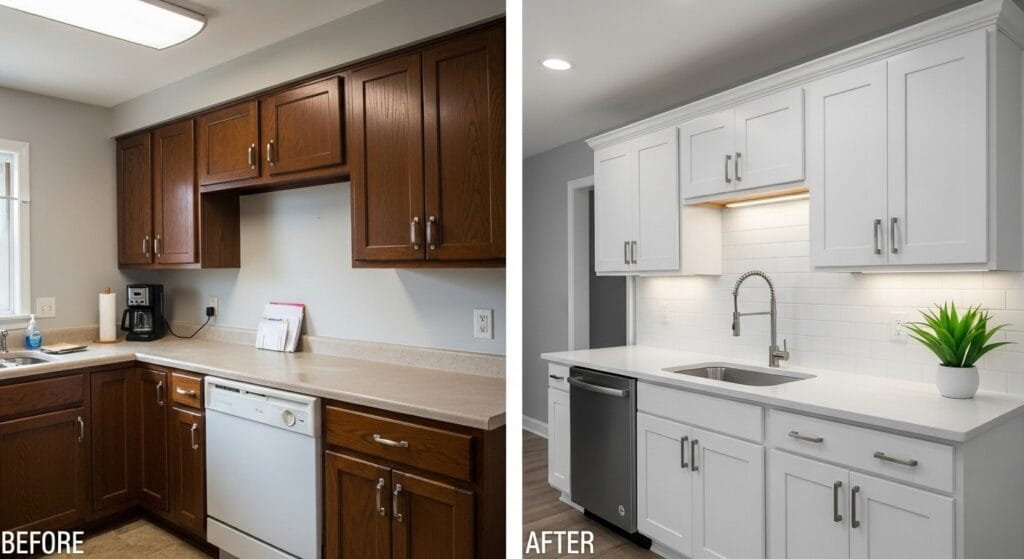
Minor kitchen remodels consistently rank among the best home improvements for resale, with recent data showing returns between 75-85%. This doesn’t mean a complete gut job – we’re talking about refinishing cabinets, upgrading hardware, adding a peel and stick tile backsplash, and replacing outdated appliances with energy-efficient models.
Garage door replacement might surprise you as one of the highest-returning projects, often recouping 90-95% of costs. It’s pure curb appeal magic. A worn, dated garage door screams neglect, while a new one instantly modernizes your home’s entire facade without the price tag of a full exterior makeover.
Entry door replacement follows close behind, returning 80-90% in most markets. This makes sense when you consider that your front door is the first thing potential buyers actually touch. A solid, attractive entry creates an immediate impression of quality and care. According to Remodeling Magazine’s Cost vs. Value Report, these smaller-scale exterior projects consistently outperform elaborate interior renovations.
Bathroom updates offer strong returns too, especially when you focus on fixtures, lighting, and tile rather than moving plumbing. A spa-like bathroom transformation using fresh grout, new vanity lighting, and modern hardware can return 70-75% while completely changing how the space feels.
Window replacement deserves mention, particularly in older homes. New windows improve energy efficiency, reduce noise, and enhance curb appeal – three benefits buyers immediately recognize and appreciate. Returns typically range from 70-80%, with vinyl options offering the best cost-to-value ratio.
Why Some Popular Renovations Don’t Pay Off

Homeowners often assume that high-end, luxurious upgrades automatically increase home value proportionally. The data tells a different story. Installing a swimming pool, for example, rarely returns more than 50% of the investment. Many buyers actually view pools as maintenance liabilities rather than desirable features.
Master suite additions and bathroom expansions sound appealing but typically return only 50-60% of costs. The problem? You’re adding square footage that needs to match your home’s existing quality level. If you build a luxury addition onto a modest home, buyers won’t pay premium prices for the mismatch.
Overbuilding for your neighborhood represents another common mistake. That $80,000 kitchen remodel might make sense in an upscale suburb, but if comparable homes in your area sell for similar prices without luxury kitchens, you’ve essentially donated money to your future buyer. Real estate agents call this “overcapitalizing,” and it’s surprisingly easy to do.
Highly personalized renovations like home theaters, wine cellars, or elaborate outdoor kitchens appeal to specific buyer types. When you narrow your potential buyer pool, you risk extended time on market and potentially lower offers. The homeowner renovation spending statistics show that neutral, broadly appealing upgrades consistently perform better financially.
Strategic Approaches to Maximize Your Renovation Return
Start by researching your specific market before committing to any project. What sells homes quickly in your neighborhood? Talk to local real estate agents, attend open houses, and notice which home improvement ideas appear repeatedly in recently sold properties. This groundwork prevents expensive miscalculations.
Focus your budget on visible, functional upgrades that buyers immediately notice. Fresh paint throughout, refinished hardwood floors, and updated lighting transform spaces without demolition costs. These cosmetic improvements often deliver 100% or better returns because they’re relatively inexpensive but dramatically change first impressions.
Consider the timing of your renovations carefully. If you’re selling within two years, prioritize projects with the highest ROI percentages. Planning to stay five or more years? You can justify projects you’ll personally enjoy, even if they won’t fully pay back financially. This balance between personal enjoyment and resale value makes renovation decisions less stressful.
Energy-efficient upgrades deserve special consideration. While items like solar panel installation or high-efficiency HVAC systems may not fully recoup costs immediately, they appeal to environmentally conscious buyers and reduce monthly operating expenses – both legitimate selling points.
Bundle projects strategically rather than tackling everything at once. If you’re updating your kitchen, include the adjacent dining area to create a cohesive flow. This open concept approach feels more intentional than piecemeal updates and can actually improve your overall return by creating a unified aesthetic.
The Hidden Factors That Affect Renovation ROI

Home age dramatically impacts which renovations make financial sense. Older homes often need foundational updates – electrical, plumbing, roofing – before cosmetic improvements. These essential but invisible upgrades rarely add dollar-for-dollar value, yet skipping them can torpedo your sale.
Local market conditions matter more than national trends. A seller’s market with limited inventory means buyers compete for homes, potentially overlooking dated features. In buyer’s markets, your home competes against many options, making strategic upgrades essential for standing out. Check current conditions in your area before committing to major projects.
Permit requirements and contractor availability affect your timeline and costs. Projects requiring permits take longer and cost more than DIY-friendly updates. Right now, contractor schedules in many areas stretch months out, which impacts renovation return on investment if you’re working against a deadline. Sometimes the storage and organization ideas that don’t require permits deliver better returns simply because they’re faster to complete.
The quality of execution can make or break your ROI. A poorly executed high-end kitchen remodel returns less than a beautifully done modest update. Buyers notice sloppy tile work, uneven paint, and misaligned cabinets. If your skills or budget won’t support professional-quality results, choose simpler projects you can execute well.
Home Value Upgrades That Appeal to Today’s Buyers
Current buyer preferences lean heavily toward open, functional spaces that accommodate remote work and flexible living. A home office setup or dedicated workspace adds appeal without requiring major construction. Even converting a formal dining room into a multi-purpose space can resonate with how people actually live now.
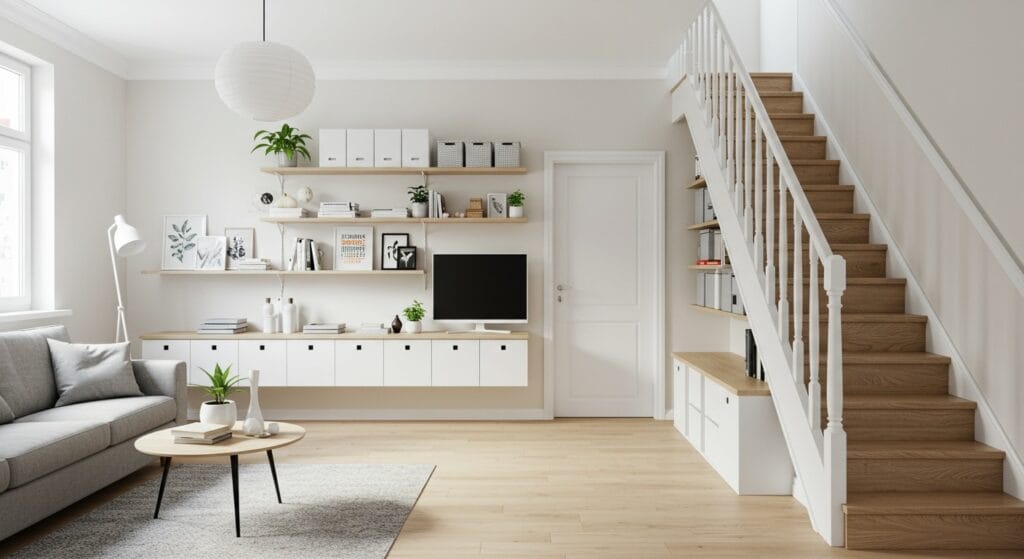
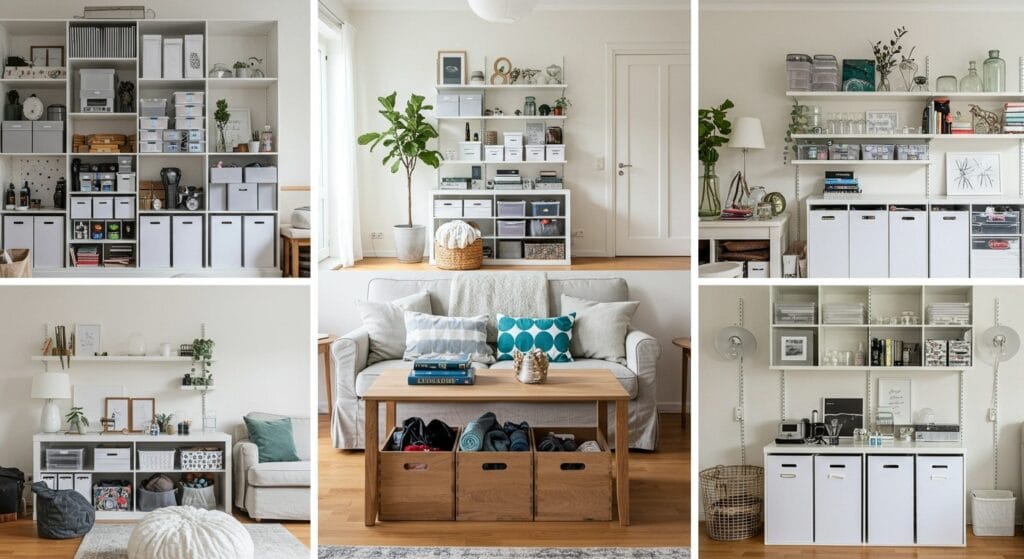
Storage solutions rank consistently high on buyer wish lists. Custom closet systems, pantry organization, and garage storage solutions cost relatively little but address universal pain points. These practical upgrades show buyers you’ve thoughtfully maximized every inch of space.
Smart home technology integrations attract younger buyers especially. Programmable thermostats, smart locks, and app-controlled lighting systems cost a few hundred dollars but position your home as modern and convenient. The smart home automation trend continues growing, making these additions increasingly expected rather than luxurious.
Outdoor living spaces gained tremendous value during recent years and continue holding appeal. A small backyard patio makeover or improved outdoor seating area extends your home’s usable space. These projects typically return 50-70% of costs while offering you immediate enjoyment – a nice balance between personal benefit and resale value.
Making Your Renovation Decision

Assess your actual goals before choosing projects. Are you selling within a year? Stick exclusively to high-ROI improvements. Staying long-term? Balance financial returns with personal enjoyment. A bedroom reading nook might not pay back fully, but if you’ll use it daily for the next decade, the value comes from your quality of life.
Calculate realistic budgets including contingencies. Most renovations run 10-20% over initial estimates once you uncover hidden issues or change plans mid-project. This cushion prevents you from either stopping mid-renovation or overspending to the point where ROI becomes impossible.
Get multiple contractor quotes and verify references thoroughly. The cheapest bid often leads to the lowest quality results and worst ROI. Mid-range quotes from contractors with proven track records typically deliver the best combination of quality and cost management.
Consider DIY options for simple projects where your skills match the requirements. Painting, basic landscaping, and simple fixture replacements save labor costs without sacrificing quality if you have the time and ability. More complex work involving plumbing, electrical, or structural changes justifies professional costs through proper execution and code compliance.
Common Mistakes to Avoid When Planning Renovations
Ignoring your home’s existing style leads to jarring inconsistencies. A ultra-modern kitchen in a traditional Colonial home confuses buyers rather than impressing them. Respect your home’s architectural character while updating within that aesthetic framework for the best reception.
Timing renovations poorly relative to sale dates costs money. Major projects create chaos and dust that make showing your home difficult. Complete renovations at least 2-3 months before listing to allow time for addressing unexpected issues and properly staging the finished spaces.
Skipping proper planning and design phases causes expensive mid-project changes. Even modest updates benefit from clear plans, measured drawings, and material selections finalized before work begins. This discipline prevents costly hesitation and revision as projects progress.
Neglecting maintenance items while pursuing aesthetic upgrades sends mixed messages. Buyers notice if you’ve installed a gorgeous peel and stick backsplash but ignored a leaking faucet or cracked window. Address all maintenance issues first, then move to value-adding improvements.
Making smart renovation choices means understanding that the best returns come from strategic, well-executed projects that appeal to broad buyer preferences. Minor updates to kitchens and bathrooms, exterior improvements like doors and garage doors, and functional enhancements that buyers immediately notice typically deliver the strongest financial returns.
Your personal timeline matters as much as market data. Quick-flip projects demand strict focus on highest-ROI improvements, while long-term homeownership allows balancing financial returns with personal enjoyment. The key is making intentional choices based on accurate current information rather than assumptions or trends that don’t match your specific situation.
Remember that renovation return on investment represents just one measure of a project’s value. If an upgrade improves your daily life significantly and you’ll enjoy it for years, modest financial returns might be perfectly acceptable. The smartest approach combines market awareness with honest assessment of your goals and timeline.

Sanjai creates easy, affordable home decor ideas that anyone can try. Through simple tips and curated finds, he helps you style rooms you’ll love coming home to.