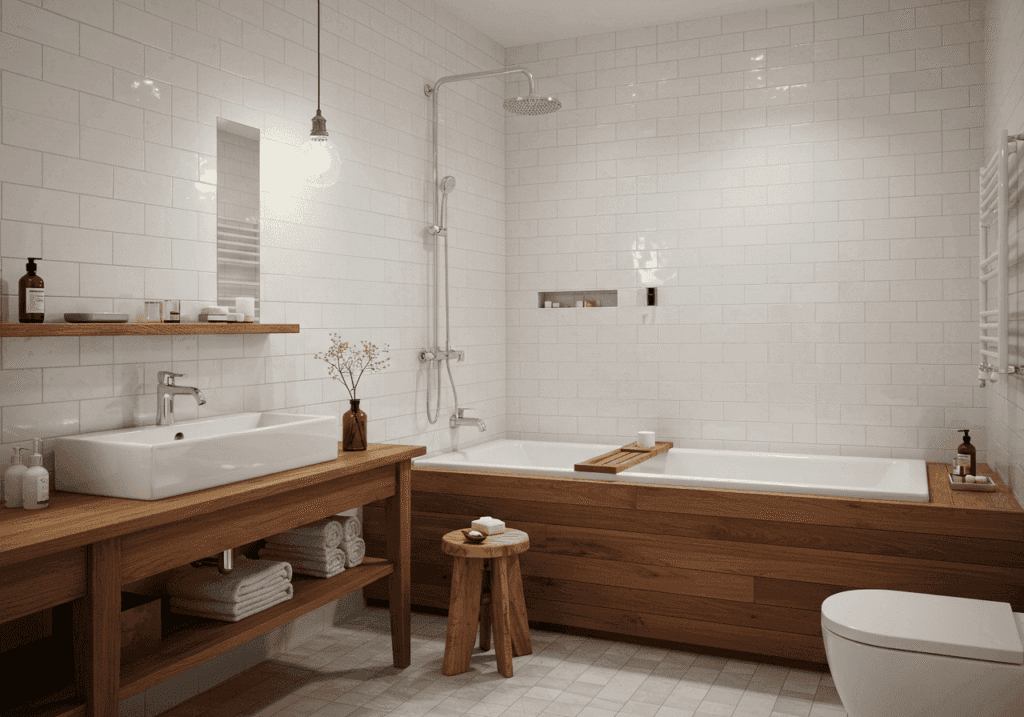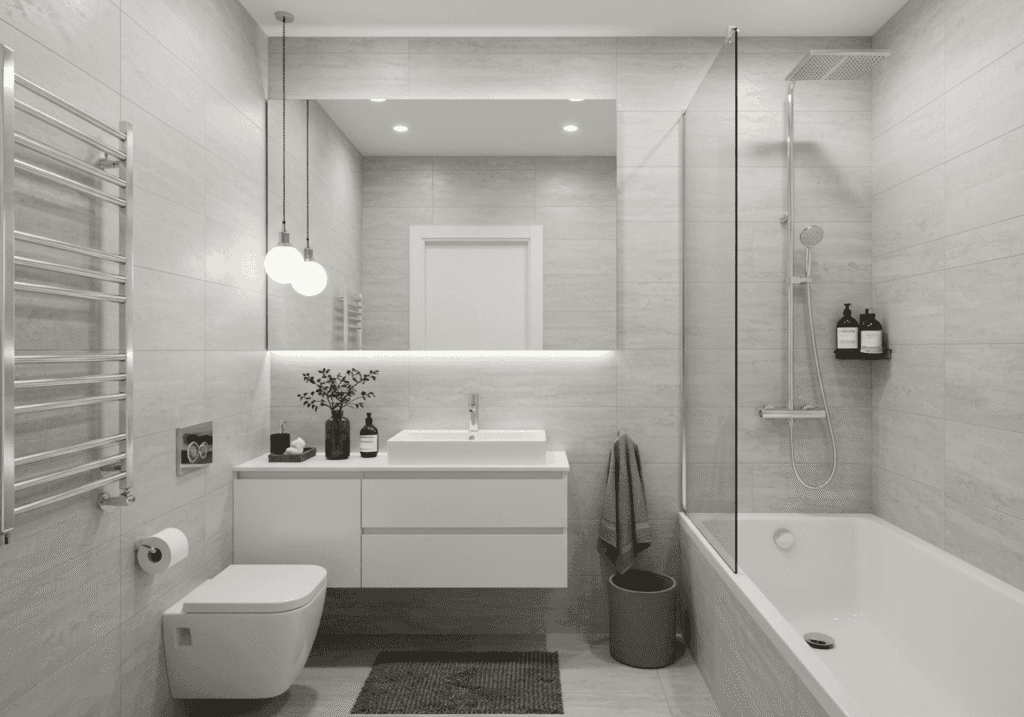
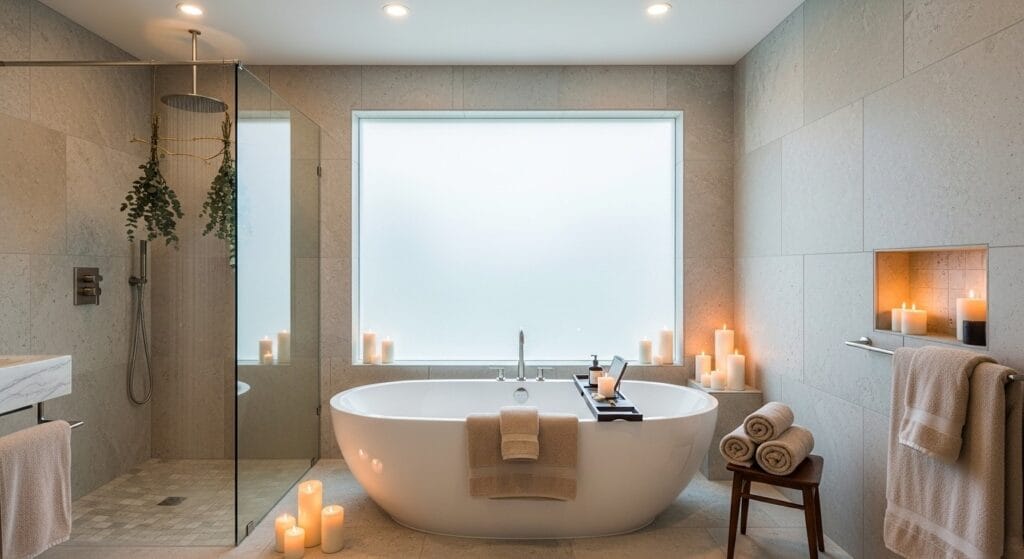
You walk into a bathroom and immediately feel… calmer. The air smells faintly of eucalyptus, the lighting is soft, and everything looks thoughtfully placed. That’s the magic of a spa-inspired bathroom. But what exactly makes a bathroom feel like a spa, and which features are worth the investment?
A spa-inspired bathroom isn’t just about fancy fixtures or expensive tile. It’s about creating a space that helps you unwind after a long day. Think of it as your personal retreat – a place where stress melts away the moment you step inside.
In this guide, we’ll break down what defines a spa-inspired bathroom, explore the features that genuinely elevate the experience, and help you figure out which elements are worth prioritizing in your own space. Whether you’re planning a full bathroom remodel or just want to refresh your current setup, understanding these fundamentals will guide your decisions.
Understanding the Spa Bathroom Concept
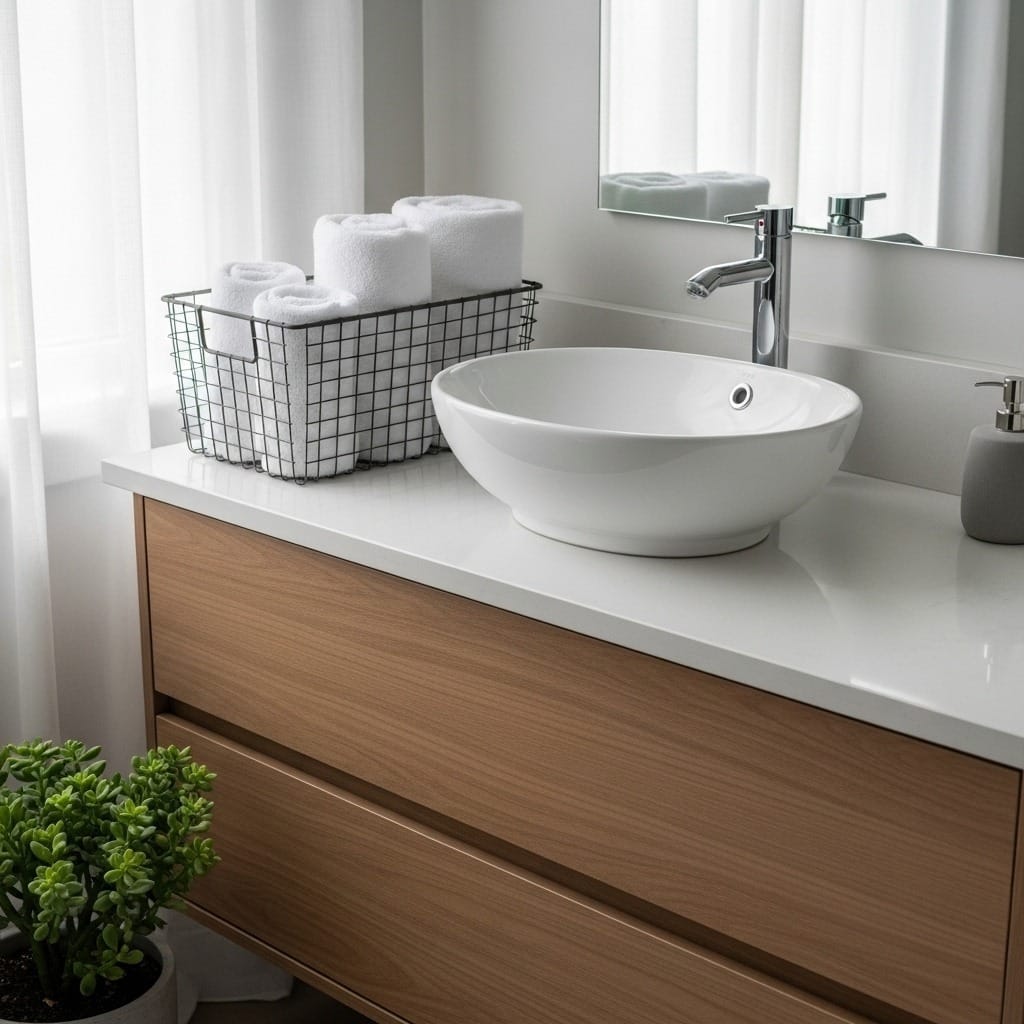
A spa-inspired bathroom borrows elements from high-end wellness centers and luxury hotels. The goal? Creating an environment that promotes relaxation and rejuvenation. But it’s not about copying a commercial spa exactly – it’s about capturing that feeling in a way that works for your daily routine.
The concept centers on a few core principles: simplicity, natural materials, soothing colors, and intentional design. Unlike typical bathrooms that focus purely on function, spa bathrooms balance practicality with sensory experience. Every detail, from the texture of your bath mat to the temperature of your lighting, contributes to the overall atmosphere.
What’s interesting is that this style has evolved significantly. Earlier spa-like bathroom decor focused heavily on Asian-inspired minimalism. Today’s approach is more flexible, incorporating elements from Scandinavian design, modern luxury, and even rustic touches – as long as they support that sense of calm.
Essential Features That Define a Spa Bathroom
1. Luxurious Shower Experience
The shower often becomes the centerpiece of spa bathroom ideas. A rainfall showerhead creates that signature spa feeling – water cascading gently over you rather than spraying forcefully. Some people add a handheld wand for flexibility, while others invest in body jets for a more immersive experience.
Frameless glass enclosures open up the space visually and feel more elegant than shower curtains. Built-in niches for storing products keep things organized without cluttering the walls with hanging caddies. The key is making your daily shower feel less rushed and more intentional.
Steam showers take things further, though they require proper ventilation and waterproofing. If you’re considering major renovations, check out small bathroom renovation ideas to see how others have maximized limited square footage while incorporating luxury features.
2. Soaking Tub Placement
Freestanding tubs have become synonymous with spa-inspired bathrooms. They create a focal point and signal that this is a space for unwinding, not just quick morning routines. Placement matters more than you might think – positioning a tub near a window (with appropriate privacy solutions) or creating a dedicated alcove makes the experience feel more special.
Not everyone has room for a separate soaking tub, though. In smaller spaces, a deep alcove tub with a built-in shelf for candles and a bath tray can offer a similar sense of luxury. The material matters too – cast iron retains heat wonderfully, while acrylic is lighter and easier to install.
What about those with truly compact bathrooms? You might be surprised by creative solutions in small bathroom style guides that show how even tight spaces can feel luxurious with the right approach.
3. Natural Materials and Textures
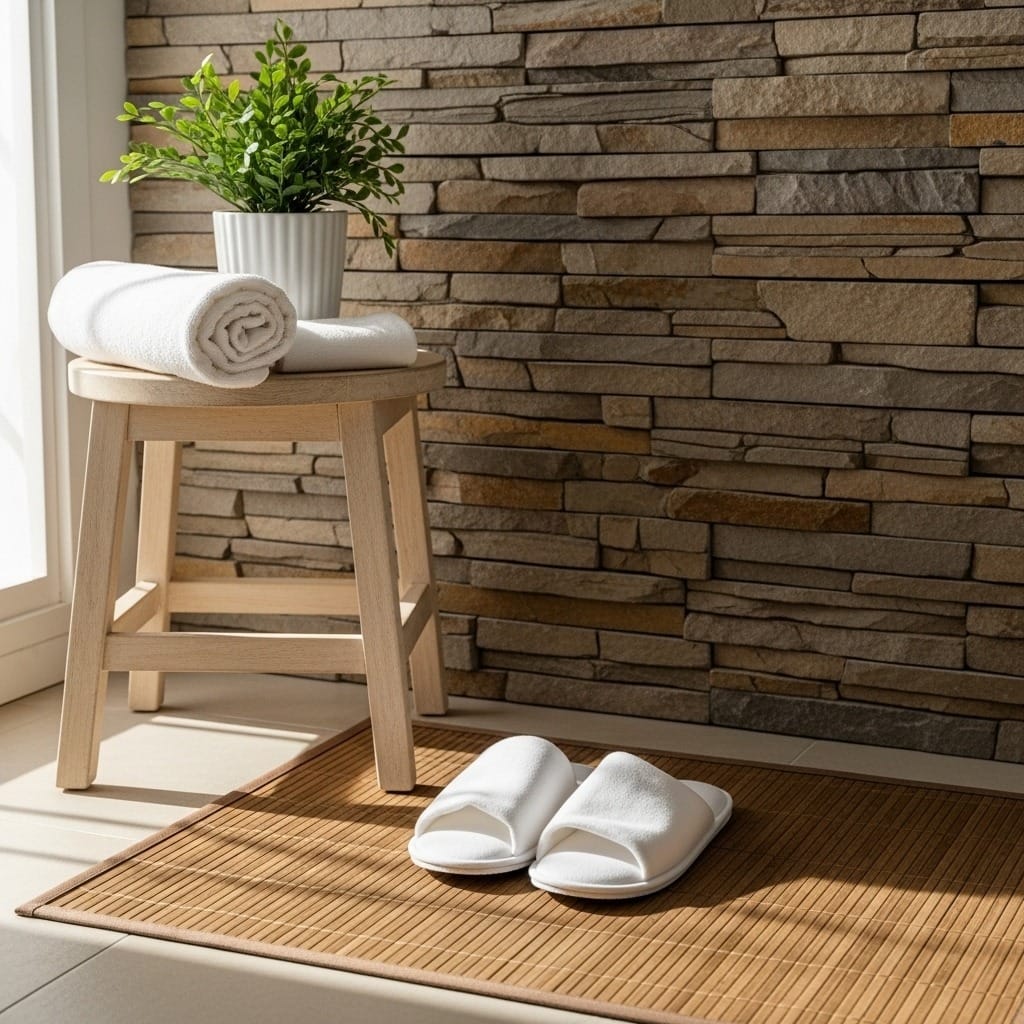
Walk into any high-end spa and you’ll notice natural materials everywhere. Wood, stone, bamboo, and concrete create visual warmth while maintaining a clean aesthetic. These materials age beautifully and bring an organic quality that plastic and synthetic options simply can’t match.
Teak benches in the shower, marble countertops, and stone tile floors are classic choices. But luxury bathroom features don’t have to break the bank – even small touches like a wooden bath caddy, woven baskets for towel storage, or river rock bath mats add that spa quality.
Texture plays a role beyond just materials. Varying surface finishes – matte tiles paired with polished fixtures, smooth countertops against rough stone walls – creates visual interest without overwhelming the senses. This layering technique appears frequently in bathroom ideas that balance simplicity with depth.
4. Thoughtful Lighting Design
Lighting can make or break the spa atmosphere. Harsh overhead lights feel clinical, while layered lighting creates ambiance. Think about installing dimmer switches so you can adjust brightness based on your mood and the time of day.
Natural light is ideal when privacy allows. Frosted windows, skylights, or light tubes bring in daylight without compromising discretion. For artificial lighting, consider recessed lights for general illumination, sconces flanking the mirror for grooming tasks, and perhaps LED strips under floating vanities for a subtle glow.
Candlelight adds instant spa vibes, but it’s not always practical for daily use. Battery-operated LED candles offer the flickering ambiance without the fire hazard. According to lighting experts at the Lighting Research Center, warm color temperatures (2700K-3000K) promote relaxation better than cooler, blue-toned lights.
5. Heated Elements
Once you experience a heated bathroom floor, it’s hard to go back. Radiant floor heating transforms those chilly morning routines into something far more pleasant. It’s especially impactful if you have tile or stone flooring, which naturally stays cool.
Towel warmers serve both practical and luxurious purposes. Warm towels feel incredible after a shower, plus the warmers help towels dry faster and stay fresher. Wall-mounted or freestanding options work depending on your layout and whether you’re doing new construction or retrofitting.
These features do add to your energy costs, but programmable thermostats help manage consumption. Running the floor heat on a timer so it’s warm when you wake up but off during the day makes practical sense for most households.
Features That Enhance the Experience (But Aren’t Essential)
Smart Technology Integration
Smart bathroom fixtures are becoming more accessible. Digital shower controls let you preset your preferred temperature and water flow, eliminating that awkward dance while waiting for the water to warm up. Some systems even allow you to start the shower from your phone before you get out of bed.
Voice-activated mirrors, chromotherapy lighting, and Bluetooth speakers built into showerheads appeal to tech enthusiasts. But are they necessary for a spa bathroom? Not really. They’re fun additions if you enjoy gadgets, but they won’t make or break the relaxing atmosphere you’re after.
The one piece of technology worth considering is a ventilation fan with humidity sensor. Proper moisture control prevents mold growth and keeps your beautiful materials looking their best – definitely more important than a mirror that displays the weather forecast.
Dedicated Storage Solutions
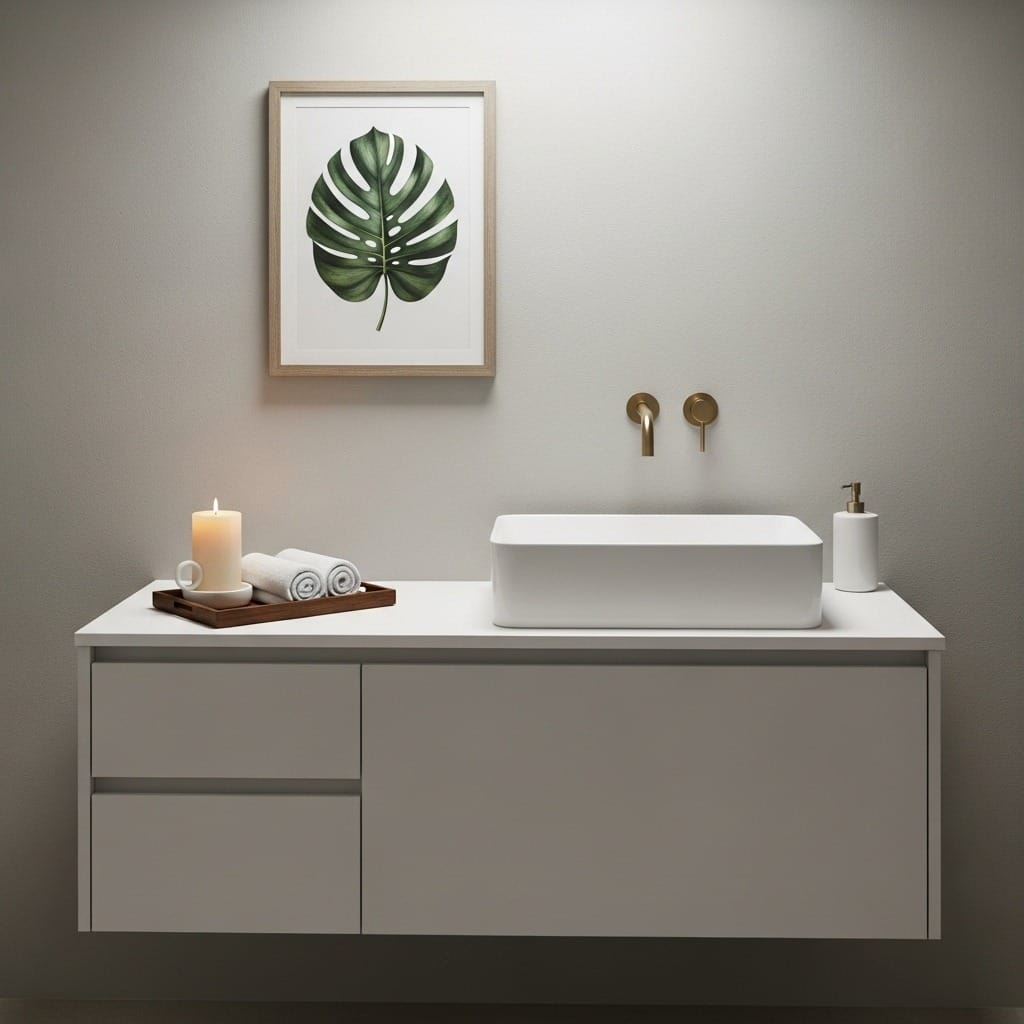
Clutter kills the spa vibe instantly. Built-in storage keeps toiletries, cleaning supplies, and personal items out of sight. Medicine cabinets with interior organization, vanity drawers with dividers, and recessed shelving in the shower help maintain that clean, uncluttered look.
Bathroom drawer organizer systems make it easier to keep things tidy long-term. When everything has a designated spot, you’re more likely to put it away rather than leaving it on the counter. It’s a small thing that makes a substantial difference in how peaceful the space feels.
Open shelving can work if you’re genuinely committed to keeping it styled and minimal. Pretty glass jars for cotton balls, neatly rolled towels, and a few plants look intentional. But if you’re realistic about your organizational habits, closed storage might serve you better.
Aromatherapy and Plant Life
Scent is deeply connected to relaxation. Essential oil diffusers, eucalyptus bundles hanging from the showerhead, or naturally scented products contribute to that spa atmosphere. The warm, humid environment of a bathroom naturally disperses fragrances, so you don’t need anything overpowering.
Plants bring life and improve air quality, though bathroom conditions challenge many species. Pothos, snake plants, and ferns typically handle the humidity and variable light well. Even if you don’t have a green thumb, one or two low-maintenance plants soften the space and add organic texture.
Some people incorporate a small essential oil collection in decorative bottles as both functional items and attractive displays. This doubles as both practical aromatherapy and subtle decor – though storage and product styling is definitely a personal choice based on your bathroom decor luxury preferences.
Color Palette Choices
Relaxing bathroom design typically relies on neutral, nature-inspired colors. Soft whites, warm grays, beiges, and muted greens create a calming backdrop. These aren’t boring colors – they’re intentionally understated to let the materials, textures, and natural light take center stage.
That doesn’t mean your bathroom must be entirely neutral. Accent colors through towels, artwork, or even a painted vanity can add personality while maintaining the serene foundation. The trick is keeping the larger, permanent elements neutral and introducing color through easily changeable accessories.
Dark, moody spa bathrooms have gained popularity recently – charcoal tiles, matte black fixtures, and deep navy walls create a cocoon-like feeling. This approach works particularly well in bathrooms without natural light, where you’re embracing the intimate, enclosed feeling rather than fighting it.
Prioritizing Features Based on Your Space and Budget
Not every bathroom can accommodate every spa feature, and that’s completely fine. The smartest approach is identifying which elements matter most to you personally, then building your plan around those priorities.
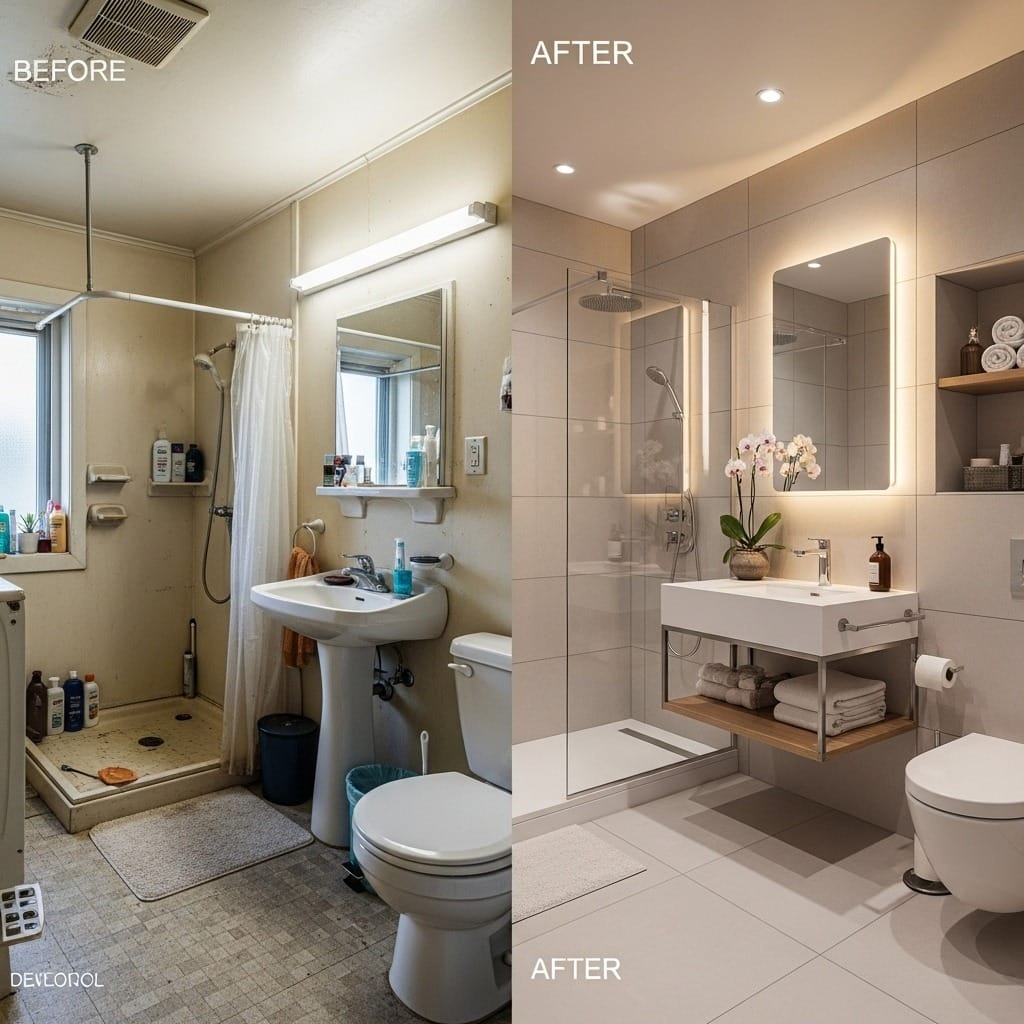
Start by evaluating your current bathroom honestly. What frustrates you most? Is it the cramped shower, poor lighting, or lack of storage? Addressing your biggest pain points will have more impact than adding luxury features that don’t solve real problems. Sometimes practical improvements create more relaxation than purely aesthetic ones.
Budget obviously plays a role. High-end spa features can get expensive quickly, but many bathroom remodel tips suggest phasing projects over time. Maybe you focus on the shower this year and save for heated floors during the next renovation. This approach spreads costs and lets you live with changes before committing to the next phase.
DIY vs. Professional Installation
Some spa bathroom features are genuinely DIY-friendly. Painting, adding bathroom waterproof floating shelves, upgrading lighting fixtures, and installing a new bathroom towel rack can all be weekend projects for someone with basic skills.
Plumbing work, electrical modifications, and tile installation typically require professional help unless you have specific experience. Mistakes in these areas can lead to water damage, electrical hazards, or costly do-overs. Getting quotes from multiple contractors helps you understand the true cost and timeline involved.
There’s a middle ground worth considering: hire professionals for the technical work while handling the finishing touches yourself. They install the new shower system, you select and style the accessories. This approach maximizes your budget while ensuring critical elements are done correctly.
Small Space Spa Solutions
Limited square footage doesn’t prevent you from creating spa vibes. Compact bathrooms actually benefit from the minimal, uncluttered aesthetic that defines spa design. The key is choosing features thoughtfully and maximizing every inch.
A floating bathroom vanity creates visual space by revealing the floor beneath. Large-format tiles reduce grout lines and make the room feel bigger. A frameless glass shower enclosure instead of a tub-shower combo opens up sightlines. These decisions collectively make a small bathroom feel more spacious and serene.
Spa-inspired bathroom decor ideas for compact spaces often focus on vertical storage, light colors, and minimal but impactful features – proving you don’t need a massive master bathroom to achieve the look and feel you’re after.
Making Your Spa Bathroom Work Daily
Creating a spa atmosphere is one thing – maintaining it while actually living in your home is another. The most successful spa bathrooms balance aesthetics with real-world functionality. Think about your actual routines and how the space needs to accommodate them.
If you share the bathroom with a partner or kids, you’ll need more storage and potentially more durable materials than a bathroom used by one person. Modern farmhouse bathroom designs often strike this balance nicely – they look polished but can handle family life without constant upkeep.
Maintenance requirements vary significantly by material. Natural stone needs sealing, chrome fixtures show water spots, and glass shower doors require regular squeegee-ing to stay clear. Be honest with yourself about how much upkeep you’re willing to do. Sometimes slightly less “perfect” materials that require less fussing will serve you better long-term.
Creating Zones in Larger Bathrooms
If you’re working with a spacious bathroom, consider creating distinct zones – a grooming area, a bathing zone, and perhaps a separate water closet. This separation makes the space feel more intentional and allows multiple people to use the bathroom simultaneously when needed.
Bathroom vanity lighting helps define the grooming zone, while a pendant or chandelier over the tub emphasizes it as a relaxation spot. Area rugs (if properly selected for bathroom humidity) can also visually divide spaces. Strategic placement of furniture pieces like a small bench or stool creates boundaries without requiring walls.
This zoning approach appears in many home improvement ideas for master bathrooms, where the goal is creating a comprehensive wellness space rather than just a functional bathroom.
So, what is a spa-inspired bathroom? It’s a thoughtfully designed space that prioritizes your well-being through careful material selection, strategic lighting, and features that encourage you to slow down and take care of yourself. The features that actually matter are the ones that align with how you want to use the space and what helps you truly relax.
You don’t need every luxury feature to create a spa-like experience. Focus on quality over quantity – a fantastic shower with proper lighting and natural materials will serve you better than a bathroom packed with gadgets but lacking cohesion. Trust your instincts about what feels calming to you personally, because relaxation is ultimately subjective.
Whether you’re planning a complete renovation or just looking to refresh your current bathroom, these principles can guide your decisions. Start with the features that address your biggest needs, layer in elements that enhance the sensory experience, and don’t forget that sometimes the simplest changes – better lighting, reduced clutter, fresh towels – make the most significant difference in how a space feels.

Sanjai creates easy, affordable home decor ideas that anyone can try. Through simple tips and curated finds, he helps you style rooms you’ll love coming home to.