
Remember when kitchens were just for cooking and families only gathered around the dining room table? That world feels almost outdated now. An eat-in kitchen brings the heart of your home right into the space where meals are prepared, and honestly, it’s changed how many families interact on a daily basis.
So what exactly makes a kitchen “eat-in”? It’s simpler than you might think. An eat-in kitchen includes a designated dining area within the kitchen itself – whether that’s a breakfast nook tucked into a corner, a kitchen island with bar stools, or a full-sized table positioned near your cabinets and appliances. The key is that you don’t need to leave the kitchen to sit down for a meal.
This setup has become incredibly popular, especially for families who want more informal, connected living spaces. But is it right for your home? Let’s explore how this layout actually works and what it could mean for your daily routine.
Why Families Are Choosing Eat-In Kitchen Layouts
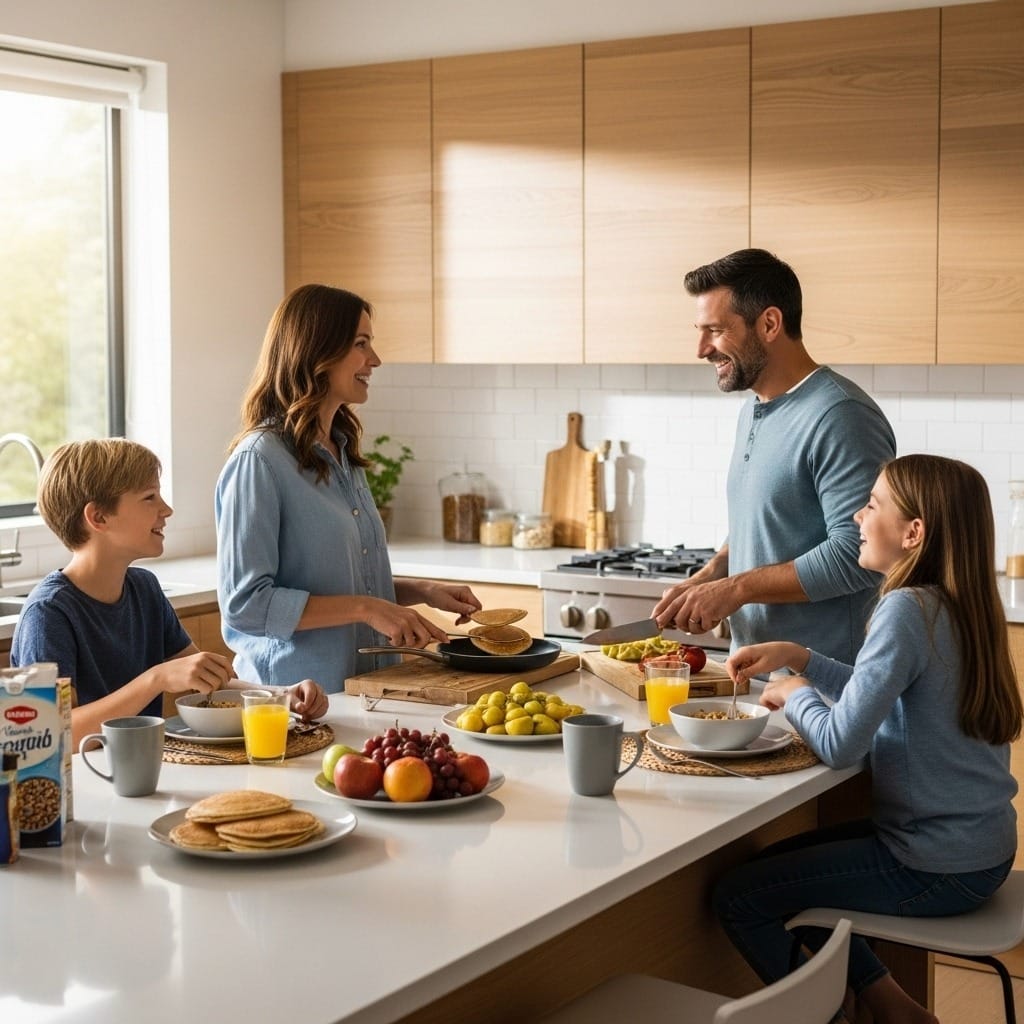
The appeal isn’t just about saving space, though that’s certainly part of it. When you have an eat-in kitchen layout, meal preparation becomes a social activity instead of an isolated task. Kids can do homework at the table while you chop vegetables. Your partner can sit at the island with their coffee while you cook breakfast together.
There’s something about the informal nature of kitchen dining that encourages conversation. Without the formality of a separate dining room, families tend to gather more spontaneously. Someone grabs a snack, another person sits down to join them, and suddenly you’re having the kind of casual catch-up conversation that might not happen otherwise.
For homes with open floor plans, an eat-in kitchen creates natural flow between cooking, eating, and living spaces. You’re not shouting from the kitchen to the dining room or missing out on conversations happening in the next room. Everything centers around one multifunctional hub. Many homeowners are even combining this concept with their living areas, as seen in popular kitchen living room open concept designs.
Common Eat-In Kitchen Layout Options
Not all eat-in kitchens look the same. The layout you choose depends heavily on your available space and how your family actually uses the kitchen.
The Classic Breakfast Nook
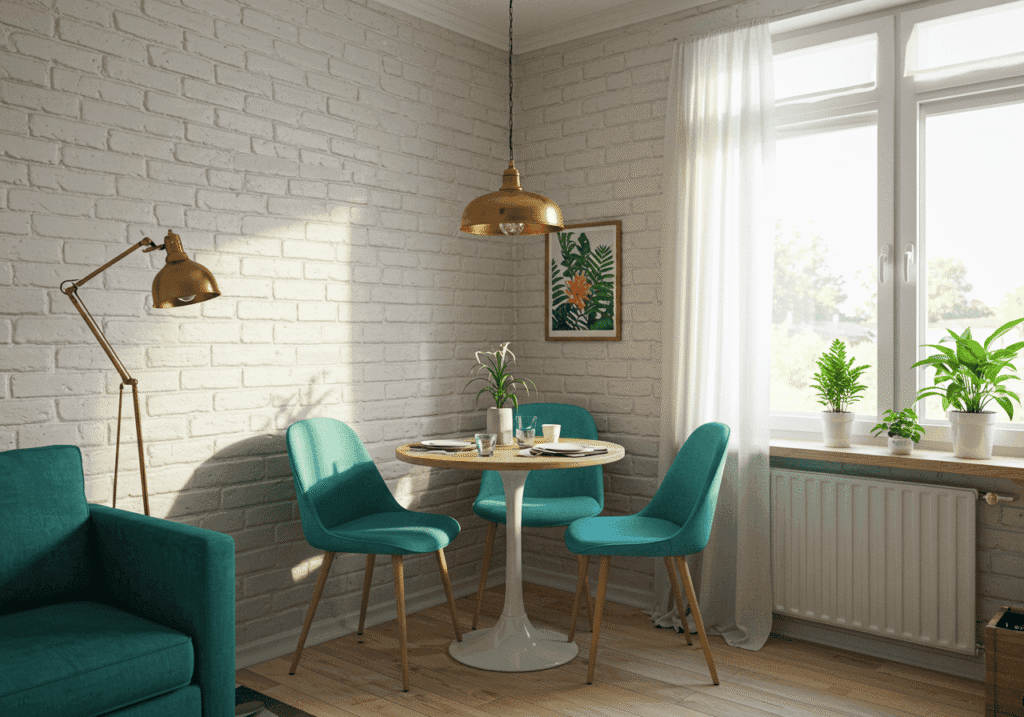
A cozy breakfast nook typically occupies a corner or bay window area within your kitchen. It often features built-in bench seating (which doubles as storage – bonus!) with a small table. This setup works beautifully in kitchens with awkward corners or underutilized window spaces. The intimate scale makes it perfect for morning coffee or quick lunches.
Kitchen Island Dining
If you’ve got the square footage, extending your kitchen island to include seating transforms it into a casual dining spot. Bar-height stools tucked under an overhang create an eat-in area that doesn’t take up additional floor space. This option works especially well in modern farmhouse kitchen ideas where the island serves as both a workspace and gathering spot.
Full Table Within the Kitchen
Some kitchens have enough room for a proper dining table, usually positioned away from the main work triangle but still within the kitchen boundaries. This gives you the flexibility of a real dining experience without leaving the kitchen. It’s the most traditional eat-in setup and offers the most seating capacity.
Creating a Kitchen Dining Combo That Actually Works
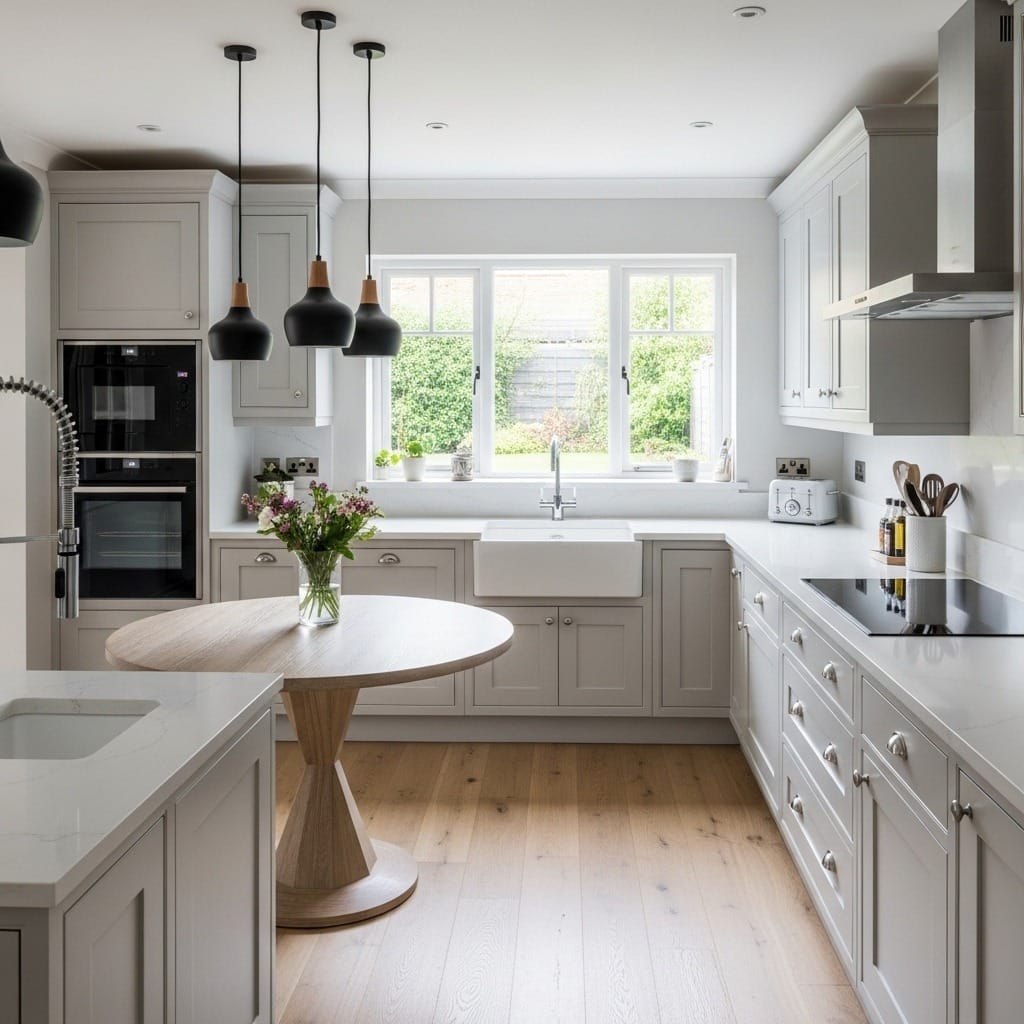
Here’s where planning matters. A poorly designed eat-in kitchen can feel cramped and chaotic, but a well-thought-out kitchen dining combo becomes the most-used space in your home.
Traffic Flow Considerations
You need clear pathways between your cooking zone and dining area. The general rule? Leave at least 36 inches of clearance around your dining table or island seating. This allows people to move comfortably even when chairs are pulled out. Think about how traffic flows when multiple people are in the kitchen – can someone access the refrigerator while others are seated?
Zoning Your Space
Even in an open layout, subtle zoning helps distinguish the dining area from the cooking workspace. A pendant light hung above the table signals “this is where we eat.” Different flooring materials or a rug under the dining table can create visual separation. These touches define spaces without requiring walls or barriers.
Storage Solutions
Eat-in kitchens often mean giving up some cabinet space for the dining area. Combat this by maximizing small kitchen cabinet organization in your remaining storage. Consider using the space under breakfast nook benches for storing less-used kitchen items, or add a buffet cabinet near your dining table for extra storage that feels intentional.
Family Kitchen Ideas for Different Home Sizes
The beauty of eat-in kitchens is their adaptability. Whether you’re working with a compact galley kitchen or a spacious open-plan area, there’s an approach that fits.
Small Kitchen Solutions
In tight spaces, a wall-mounted drop-leaf table offers dining space when you need it and folds away when you don’t. Corner banquettes with narrow tables maximize seating in minimal square footage. Even a counter-height ledge with a couple of stools qualifies as an eat-in setup if it creates a spot to sit and share a meal. Check out more simple kitchen styling ideas that work in compact spaces.
Medium-Sized Kitchens
This is the sweet spot for eat-in layouts. You likely have room for either a small table (round tables are particularly space-efficient) or a kitchen island with seating on one side. Medium kitchens give you options without forcing compromises. You can maintain your full complement of cabinets while still carving out a genuine dining zone.
Large, Open Kitchens
With abundant space, you might incorporate multiple eating areas – perhaps both an island with casual seating and a full dining table for family meals. The challenge here is avoiding that empty, restaurant-kitchen feeling. Warm it up with textiles, family kitchen ideas like open shelving displaying personal items, and furniture-style pieces that make the space feel lived-in rather than purely functional, similar to what you’d find in an outdoor kitchen and dining setup.
Styling Your Cozy Breakfast Nook or Dining Area
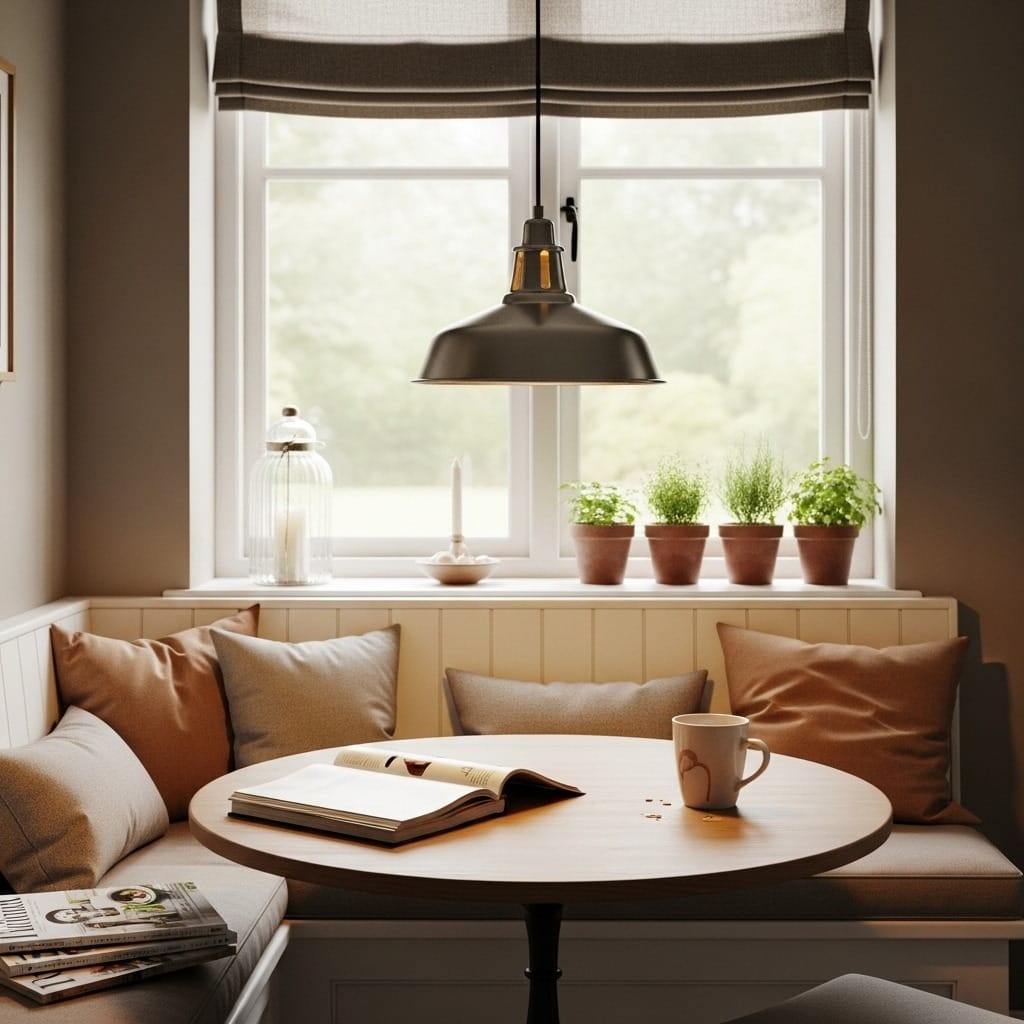
Once you’ve sorted the layout, the fun part begins. An eat-in kitchen deserves styling that makes people want to linger.
Furniture Selection
Choose tables and chairs that fit your space proportionally. A pedestal table eliminates corner legs that people bump into. Upholstered chairs or bench cushions add comfort for longer meals. In tight quarters, consider backless stools or benches that tuck completely under the table. According to a study by the National Association of Home Builders, eat-in kitchens are among the top five most desired features for home buyers, making smart furniture choices an investment in both daily living and potential resale value.
Lighting Matters
The right lighting transforms an eating area from functional to inviting. A chandelier dining room style pendant or cluster of lights hung 30-36 inches above your table creates ambiance and defines the dining zone. Dimmer switches let you adjust the mood from bright and energizing for breakfast to soft and relaxing for evening meals.
Personal Touches
This is your family’s gathering spot, so make it feel personal. A simple dining table centerpiece – maybe a bowl of seasonal fruit, a small plant, or a collection of candles – gives the table a finished look without interfering with place settings. Wall art or a small gallery wall nearby adds character. These details signal that this space is about more than just efficient eating.
How Eat-In Kitchens Change Daily Family Life
Beyond the practical considerations, eat-in kitchens genuinely shift how families interact. The informality encourages more frequent connections throughout the day.
Morning Routines
Rather than everyone grabbing breakfast on the go, an eat-in kitchen makes it easier to start the day together. Even if it’s just 15 minutes, sitting down as a family – or even just two of you – sets a different tone than eating standing at the counter. The convenience of being right in the kitchen makes this realistic on busy weekday mornings.
Homework and Multitasking
Parents consistently report that having kids do homework at the kitchen table while dinner cooks keeps everyone connected. You can help with math problems while stirring pasta. Teenagers are more likely to share about their day when they’re not isolated in another room. The space naturally becomes a multi-purpose zone for whatever your family needs.
Entertaining Differently
Casual dinner parties feel more relaxed when guests can chat with the cook. You’re not missing the conversation while you’re in the kitchen finishing up dishes. Friends often end up gathering around the kitchen table or island anyway – an eat-in kitchen acknowledges this reality and designs for it.
An eat-in kitchen isn’t just about adding seating to your kitchen. It represents a shift toward more connected, informal living. Whether you’re considering a DIY budget kitchen renovation to create this layout or simply rethinking your existing space, the goal is creating a spot where your family naturally wants to gather.
The specific layout matters less than the intention behind it. Are you creating space for connection? Can people comfortably sit together? Does the setup match how your family actually lives? If you can answer yes to these questions, you’re on the right track to an eat-in kitchen that genuinely changes your daily family life for the better.

Sanjai creates easy, affordable home decor ideas that anyone can try. Through simple tips and curated finds, he helps you style rooms you’ll love coming home to.